본문으로 건너뛰기
Crowned by Collapse cover image

Crowned by Collapse

Trapped in a decrepit orbital habitat run by senile ruling elites, a fervent leader and his beloved are isolated when a malfunction seals them inside with the station’s most foolish—but powerful—young politicians. As ideological chaos grows and ancient traditions clash with reckless policies, the obsessed alpha must navigate feuds, manipulate the childish ruling class, and decide how much of his humanity—and his partner’s autonomy—he’s willing to sacrifice to secure lasting dominance and freedom within the rotting cocoon of outmoded space society.

Weekly ranking

rank icon image
#2 inConcept
rank icon image
#3 inConcept
rank icon image
#4 inTheme
Scroll

Plot Synopsis

Dominic Ashcroft’s grip on sanity is as tenuous as his hold on the crumbling orbital habitat—a labyrinthine relic floating above a poisoned Earth, ruled by a cadre of senile elites whose decrees stifle innovation and breed decay. Dominic, once the Council’s most promising strategist, now finds himself marginalized, his authority reduced to a threadbare sash and whispered threats. His obsession with control is matched only by his devotion to Persephone Tangier, the heir-apparent whose intellect and ruthlessness mirror his own. Persephone, raised in ceremonial luxury and strategic isolation, is driven by the need to forge a legacy that will outlast the station’s inevitable collapse. She craves Dominic’s respect as much as she fears his suffocating love, a tension that underpins every clandestine meeting and coded conversation between them.

When a catastrophic systems malfunction seals Dominic, Persephone, and a handful of the station’s most powerful—yet spectacularly inept—junior politicians inside the habitat’s central command deck, the fragile balance of power shatters. Linus Varga, Dominic’s loyal yet skeptical engineer, is among the trapped, tasked with keeping the failing life-support systems running even as resources dwindle and paranoia mounts. The senile elders, cut off from their ceremonial thrones, descend into incoherence, leaving the fate of the habitat in the hands of young ideologues whose reckless proposals—unregulated energy rationing, forced redistribution of privileges, abolition of ancient traditions—ignite furious debate and factional violence. Dominic’s first instinct is to seize control, rallying Persephone and Linus into a coalition that can outmaneuver the chaotic youth and restore order.

But Persephone’s ambition collides with Dominic’s obsession. She sees opportunity in the disorder: a chance to dismantle the old guard and institute radical reforms, even if it means manipulating the childish ruling class and undermining Dominic’s authority. Her calculated cruelty and penchant for neural simulations make her unpredictable, and Dominic’s need to protect her from political rivals soon morphs into a suffocating surveillance. Linus, pragmatic and unsentimental, warns Dominic that his quest for dominance risks alienating Persephone and destabilizing the fragile alliance. Meanwhile, the junior politicians, emboldened by the absence of elders, splinter into rival factions—some worshipping Persephone’s innovation, others fearing Dominic’s iron will, all driven by adolescent hubris and latent resentment.

As ideological chaos escalates, Dominic orchestrates a series of psychological gambits: leaking false data to incite panic, staging faux crises to expose incompetence, and exploiting Linus’s technical ingenuity to sabotage the most dangerous policies. Each maneuver tightens his grip on the group, but at a cost—Persephone resents his manipulations, accusing him of treating her as a pawn rather than a partner. The claustrophobic isolation amplifies every flaw: Dominic’s sleepless vigilance erodes his judgment, Persephone’s insecurity breeds reckless risk-taking, and Linus’s skepticism sows doubt at crucial junctures. When a botched redistribution attempt sparks a violent confrontation, Dominic is forced to choose between saving Persephone or maintaining control over the habitat—a decision that fractures their relationship and exposes the depth of his obsession.

The habitat, now teetering on the brink of total systems failure, becomes a crucible for transformation. Persephone, wounded but defiant, seizes the moment to enact a coup, rallying the most capable politicians to her side and challenging Dominic’s authority in a brutal public debate. Linus, appalled by both the elite’s incompetence and Dominic’s ruthlessness, sabotages the life-support override, threatening to bring the entire station down unless the warring factions agree to a truce. In the ensuing standoff, Dominic must confront the limits of his own humanity—can he relinquish control and allow Persephone her autonomy, or will his obsession drive them both to ruin?

The story’s climax is a riot of violence, betrayal, and desperate negotiation. Dominic, bloodied and exhausted, ultimately chooses to let Persephone lead, sacrificing his dominance for her freedom and the slim hope of survival. Persephone, her legacy secured but her faith in intimacy shattered, reconfigures the habitat’s power structure, blending ancient tradition with ruthless innovation. Linus, scarred but resolute, ensures the station limps onward, his pragmatism the only constant in a sea of ideological chaos. The denouement is bittersweet: Dominic and Persephone, irrevocably changed, stand at the threshold of a new order—one forged from obsession, sacrifice, and the haunting knowledge that victory sometimes demands the loss of everything most fiercely protected. The habitat survives, but the price is written in the scars each character carries, a testament to the corrosive extremes of ambition and love in the rotting cocoon of space society.
Model Used
GPT-4.1
text
Stable Diffusion
image

Story Details

Keytalk Prompts Used
See all Keytalks
no chosen prompts
no chosen prompts
no chosen prompts
no chosen prompts
no chosen prompts
no chosen prompts
Model Used
GPT-4.1
text
Stable Diffusion
image

Character

Protagonist Character

Dominic Ashcroft

GenderMale
OccupationFormer Political Strategist, De facto Leader of the Isolated Sector

Profile

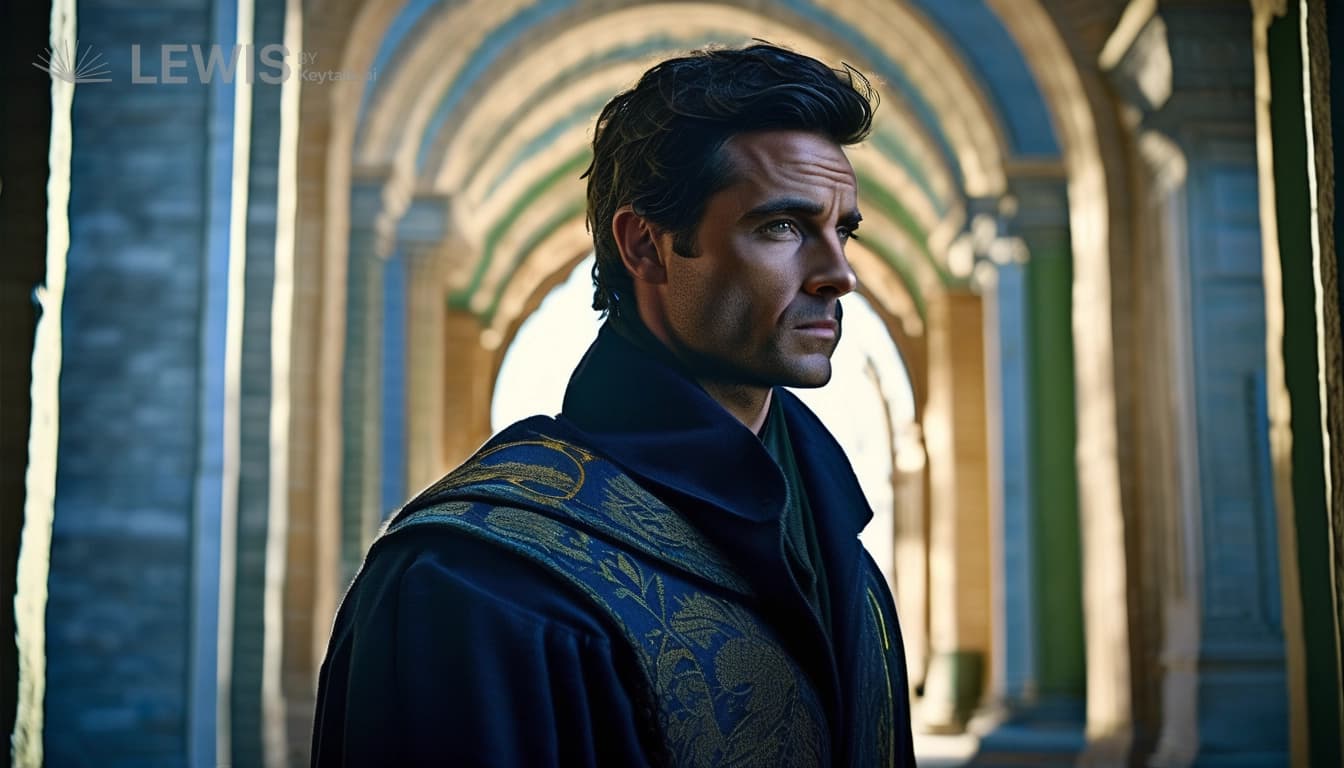
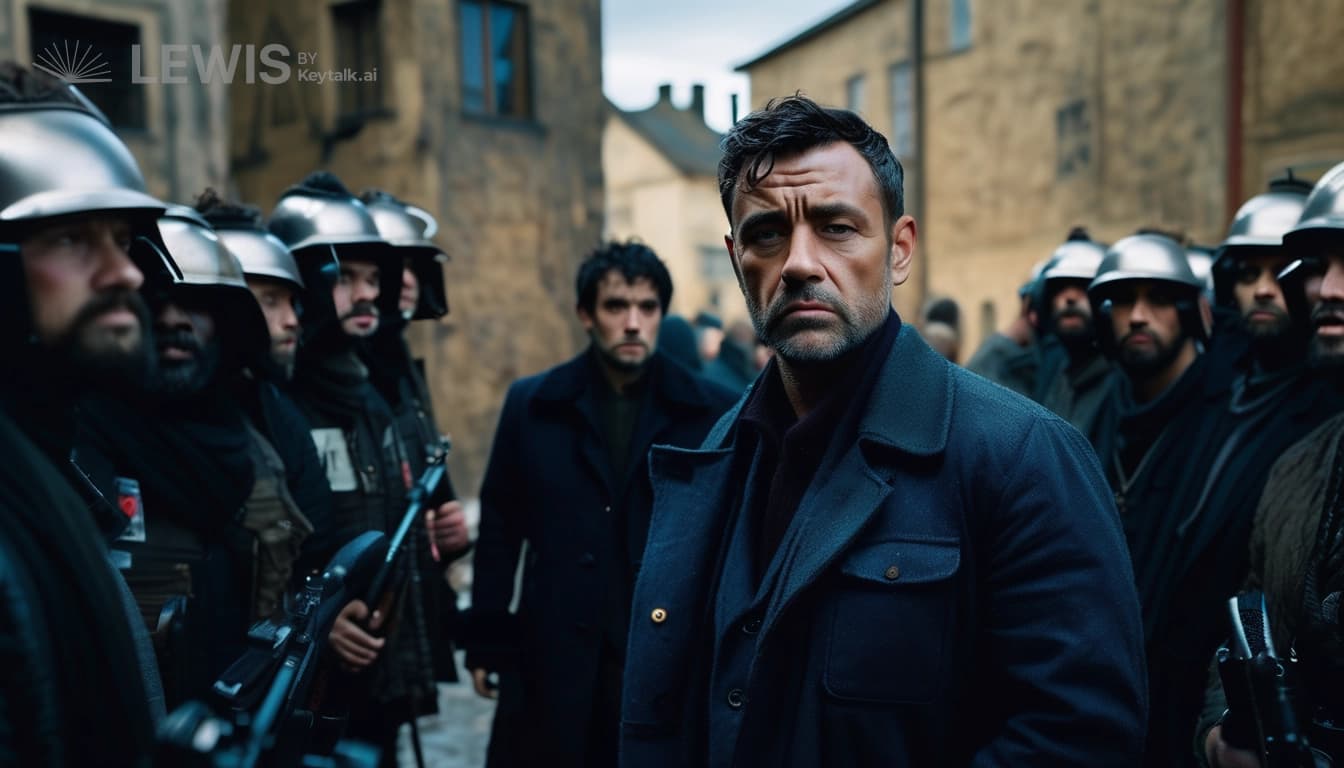
Dominic Ashcroft, a 38-year-old Eurasian male, stands at six feet with a lean, sinewy build honed by years of sleepless vigilance and calculated physical routines, his presence amplified by the sharp angularity of his cheekbones and a hawkish, aquiline nose. His eyes—gray, flecked with steely blue—rarely blink, their intensity suggesting both acute perception and the simmering mania of a man who refuses to yield. A streak of premature silver runs through his otherwise raven-black hair, cropped short for efficiency, though several rebellious strands always escape his attempts at order. Dominic dresses in military-cut jackets scavenged from the habitat’s dwindling stores, favoring utilitarian blacks and deep blues, with a single, threadbare sash marking his unofficial authority—a relic of his days as a celebrated strategist before the station’s decline. Raised in the labyrinthine underbelly of orbital politics, Dominic’s worldview is forged by a relentless drive for control, shaped by betrayal and the collapse of the old order; his speech is clipped, articulate, and laced with sardonic wit, punctuated by rare bursts of passionate rhetoric when rallying allies or intimidating adversaries. Though fiercely protective of his partner and loyal to a fault, Dominic’s obsessive need for dominance and his willingness to manipulate others for survival often verge on ruthlessness, revealing a mind perpetually balancing strategic brilliance and moral compromise. Haunted by memories of lost mentors and the failures of idealism, he now navigates the decaying power structures with surgical precision, masking his vulnerability behind an icy composure. His hands bear scars from both physical labor and the occasional violent confrontation, a testament to his readiness to act when words fail. Dominic’s habitual pacing and compulsive note-taking—jotting coded strategies on scraps of old manifesto—betray a restless intellect that refuses stagnation. His relationships are transactional, except with his beloved, whose autonomy he both cherishes and imperils, driven by the gnawing fear that surrendering control means losing everything. Dominic, at the threshold of crisis, is primed for a battle not just against the station’s chaotic youth, but against the corrosive extremes of his own obsession.
Antagonist Character

Persephone Tangier

GenderFemale
OccupationHeir-Apparent of the Orbital Council / Junior Policy Architect

Profile

Persephone Tangier, the 24-year-old Heir-Apparent of the Orbital Council and junior policy architect, embodies the uneasy intersection of tradition and innovation within the decaying orbital habitat. Descended from a lineage of Franco-Moroccan technocrats whose influence has shaped the station’s brittle bureaucracy for generations, Persephone’s upbringing was steeped in ceremonial power, competitive intellectual grooming, and a relentless awareness of her own political inheritance. Tall and willowy, she moves with an almost theatrical poise; her angular cheekbones and sharp green eyes lend her an air of imperious calculation, while her jet-black hair—kept in a rigidly precise bob—signals both control and rebellion against the powdered wigs of her elders. Her attire, custom-tailored jumpsuits stitched with antique Council insignia and modern kinetic mesh, reflect her attempt to bridge the past’s grandeur with a future she believes she alone can engineer. Outwardly, Persephone is composed and articulate, speaking in clipped, archaic phrases interspersed with sardonic quips that betray her impatience with tradition; her accent, tinged by both Casablanca and Parisian inflections, marks her as both an insider and a disruptor. While she is adept at manipulating the Council’s labyrinthine protocols, her worldview is anchored in a ruthless pragmatism—she sees sentiment as a liability and regards alliances as tools rather than bonds. Yet, beneath this veneer, Persephone harbors a gnawing insecurity: the fear that her intellect will never earn her the genuine respect of her senile predecessors or the impulsive junior politicians whose loyalty she cannot buy. Her relationships are transactional, save for a secretive dependency on forbidden neural simulations that let her escape the suffocating orbit of expectation. Persephone’s motivation is not mere power, but the creation of a legacy that will outlast the station’s imminent collapse—a goal that drives her to weaponize both her charm and cruelty. She is haunted by the paradox of her own isolation: desperate for influence, yet incapable of true intimacy, and her every maneuver is shadowed by the possibility of self-destruction in pursuit of dominion over the station’s chaotic future.
Sidekick Character

Linus Varga

GenderMale
OccupationHabitat Systems Engineer

Profile

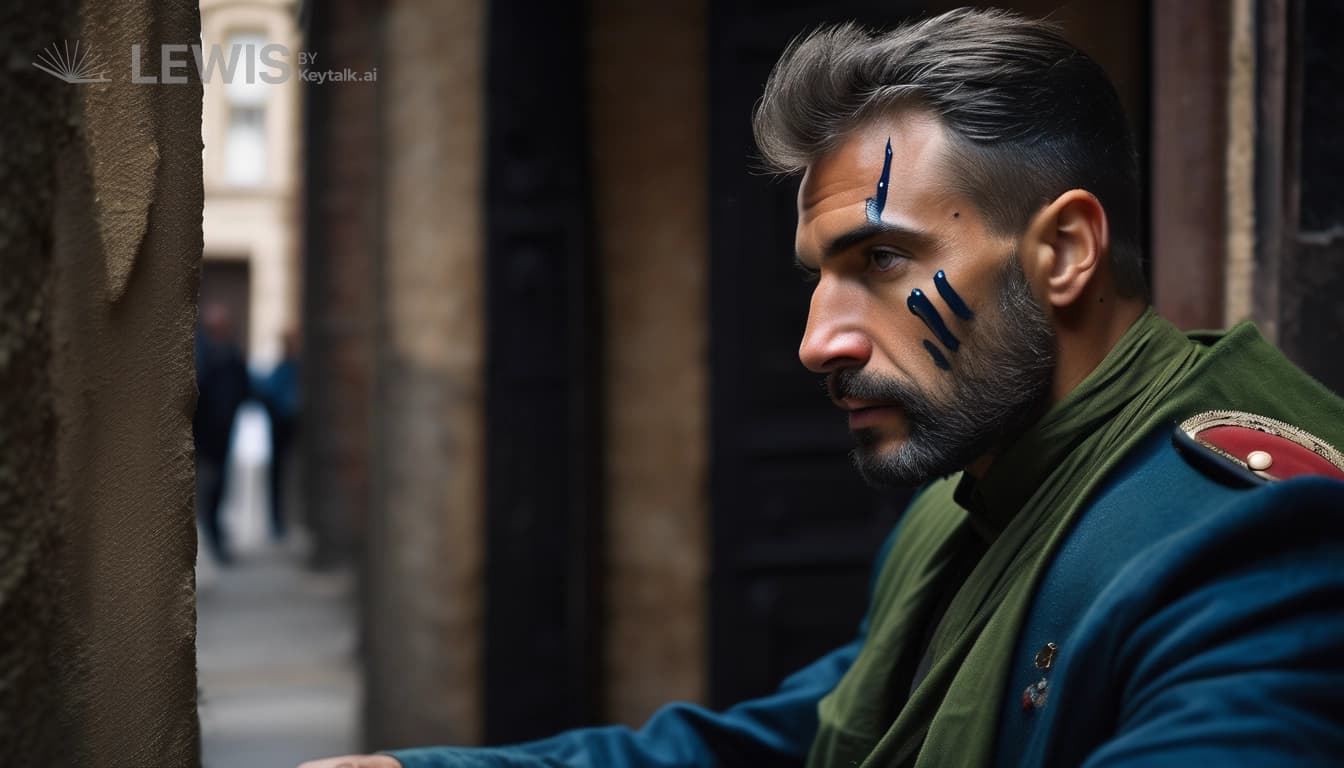
Linus Varga, a Hungarian-Romani habitat systems engineer of forty-seven, stands at a wiry six-foot-two, his posture perpetually stooped from years navigating cramped maintenance shafts and labyrinthine conduits. Wiry forearms, marred by old burns and an intricate tattoo of a Carpathian wolf, contrast with his angular, olive-hued face—deep-set hazel eyes perpetually narrowed in wary calculation, a hawkish nose bent slightly from a long-forgotten scuffle, and a salt-and-pepper mane kept cropped close for practicality. Linus’s clothing is utilitarian: grease-stained coveralls patched with scavenged silks from ceremonial garb, and a battered toolbelt bristling with makeshift devices. Raised amid the habitat’s lower decks, Linus learned resourcefulness by necessity, fostering a pragmatic worldview that values function over prestige and despises the elites’ hollow pageantry. His speech carries the clipped consonants and sharp humor of Budapest’s working class, softened by the occasional Romani idiom—a blend of technical jargon, blunt honesty, and rare flashes of poetic fatalism. Though fiercely loyal to Dominic Ashcroft, Linus’s faith is rooted not in ideology but in shared hardship and mutual survival; he distrusts the ruling class’s erratic policies, yet harbors a grudging empathy for their ignorance, seeing in their folly the seeds of his own family’s historical trauma. Linus’s core motivation is preservation—of the habitat’s fragile systems, of the collective memory of the disenfranchised, and ultimately of his own autonomy in a world that trades obedience for privilege. He compensates for Dominic’s obsessive drive and strategic cunning with quiet skepticism, technical ingenuity, and a stubborn refusal to romanticize power. Linus’s hands-on expertise and sardonic pragmatism make him indispensable, yet his reluctance to embrace Dominic’s moral compromises—and his tendency to undermine overzealous plans with unsentimental logic—sets him apart as a necessary counterweight in the spiraling chaos, challenging both protagonist and antagonist to reckon with the cost of their ambitions.
Model Used
GPT-4.1
text
Stable Diffusion
image

World

Location/Time, Era:
The orbital habitat, known as the Bastion, drifts in low-Earth orbit, a decaying relic from the Age of Exodus when humanity fled the poisoned surface centuries ago. It is the waning year of 2379, with time measured not in planetary seasons but in cycles of failing reactors and rationed oxygen. The Bastion’s labyrinthine structure sprawls across interconnected modules—command decks, ceremonial halls, hydroponic gardens reduced to fungal filth—now sealed off by a catastrophic systems malfunction. Outside, the planet below glimmers with toxic auroras and storms, a perpetual reminder of lost civilization. Inside, claustrophobic corridors echo with the whispers of decrepit tradition and the feverish plotting of youthful upstarts vying for control.

Key rules of the world and their impact on the story and beyond:
The Bastion is governed by an arcane legal code—The Council Edicts—dictated by senile elites and enforced through ritual, surveillance, and a brittle hierarchy marked by sashes and insignia. Resource allocation is strictly regulated, with privileges inherited by lineage, but recent system failures have thrown these rules into chaos, sparking fierce contestation among the junior politicians. Authority is both ceremonial and practical: one must possess not only inherited symbols but the technical prowess to maintain life-support and power, forcing alliances between engineers and aristocrats. The malfunction-induced isolation amplifies every rivalry—cut off from the outside, the trapped group must navigate both the literal scarcity of air and food and the psychological scarcity of trust and autonomy. Rules become weapons, traditions become cages, and any deviation threatens both survival and legacy, driving Dominic, Persephone, and Linus into moral and strategic deadlock.

Visual depiction of the world and its unique features:
The habitat’s interiors are a study in post-apocalyptic grandeur—ornate Council chambers crusted with dust, their gilded consoles flickering erratically; passageways lined with torn banners and malfunctioning holographic memorials of ancestors, casting ghostly light on peeling bulkheads. Hydroponic gardens now host rank fungi and invasive vines, the only greenery left to break the monotony of steel and decay. The command deck, sealed by the malfunction, becomes a crucible: its panoramic viewport frames the toxic beauty of Earth, while cold emergency lighting throws harsh shadows over the assembled politicians. Sound travels oddly in the stagnant air—each argument, each act of violence amplified, every breath laden with the scent of ozone, oil, and the faint copper tang of blood from recent confrontations.

Notable technology, philosophy, or cultural elements influencing the world and narrative:
Technological advancement is both a blessing and a curse—systems are ancient but patched with scavenged innovations, such as Persephone’s neural simulations that offer fleeting escape from political burdens, or Linus’s makeshift life-support overrides cobbled from ceremonial relics. The station’s philosophy is one of desperate continuity: clinging to archaic rituals while furtively embracing radical reforms, spawning a culture where power is both inherited and seized, and loyalty is measured by utility, not sentiment. The cult of legacy dominates, with every action weighed against the shadow of ancestors and the threat of oblivion. This environment breeds ideological extremism, psychological manipulation, and a transactional approach to intimacy—forcing Dominic to confront the limits of obsession, Persephone to gamble her autonomy for influence, and Linus to balance pragmatism with rebellion, as each character carves their fate from the rotting bones of space society.
representative image
location 1 image

Location 1

- Title : The Choral Vaults of Sable Choir
- Description : Beneath the cracked polyglass dome, the Choral Vaults reverberate with the ghostly harmonics of the Sable Choir—a decaying array of AI-driven organ pipes whose fractured melodies once soothed the Council but now echo with mechanical despair. Dust-laden banners hang limp between corroded pillars, their embroidered dogma obscured by the black mold that feeds on recycled air, while flickering bioluminescent sconces cast shifting shadows over the obsidian dais where Persephone’s first power play stains the floor with a spatter of blood and oil. Here, the air tastes of ozone and regret, and every note sung is a dirge for the world below—a haunting reminder that even in sanctuary, decay is absolute.
location 2 image

Location 2

Title : The Obsidian Market of Module 7-Delta
Description : A maze of fractured glass and scavenged alloy, the Obsidian Market pulses with illicit energy—its narrow aisles crammed with contraband oxygen canisters, neural hackware, and relics pried from dead modules, all traded beneath flickering, ultraviolet lamps that throw warped shadows across desperate faces. The stench of recycled air mingles with the acrid tang of ozone, while the ceaseless murmur of barter is punctuated by shrieks from back-alley sabotage and the hiss of clandestine deals. Here, Persephone’s coup is seeded in whispered bargains and Dominic’s grip on order splinters, as the market’s anarchic heartbeat exposes the fragility of every alliance.
location 3 image

Location 3

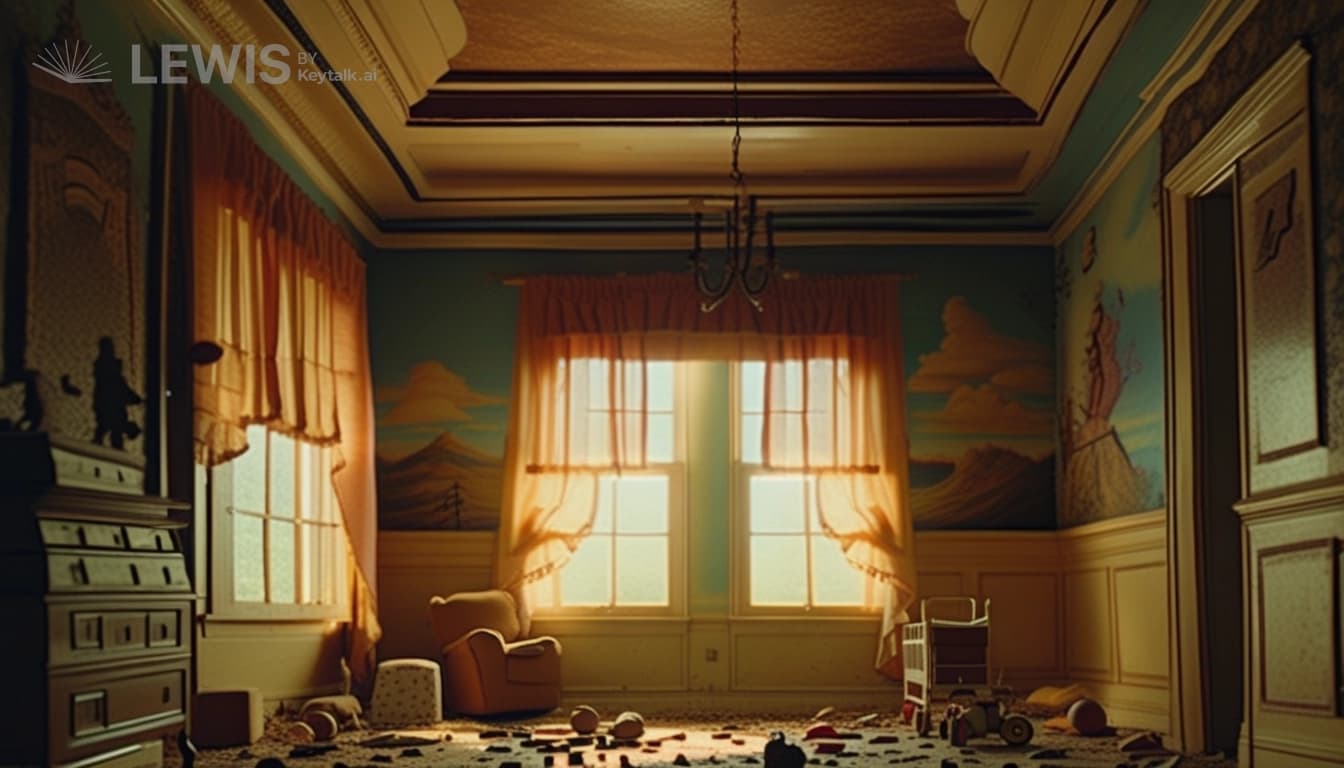
Title : The Forgotten Nursery of the Ancestor’s Children
Description : Once a sanctuary of engineered innocence, the nursery now sprawls in eerie silence, its walls webbed with cracked holo-murals of extinct flora and half-lit cradles that flicker with malfunctioning lullabies. The air reeks of stale antiseptic and abandoned dreams, every surface scored with desperate graffiti from generations who believed in redemption but left only warnings. In this haunted cradle, Persephone stages her coup—shadows of broken toys and faded genetic charts looming over the bloodied confrontation, a brutal reminder that hope here is always tinged with loss.
Model Used
GPT-4.1
text
Stable Diffusion
image

Scenes

scene 1 image
Scene 1
Shadows Beneath the Gardens: Dominic’s Descent and Persephone’s Secret
[Place] - Overgrown hydroponic gardens and adjoining observation deck, deep in the habitat’s neglected underbelly
[Time] - Late artificial evening, before the central systems malfunction

[Action]
Dominic slips through the tangled vines and malfunctioning irrigation lines, searching for solace in the dimly lit gardens—a place he once designed as a sanctuary, now choked by neglect. Persephone arrives, drawn by necessity rather than affection, her ceremonial robes trailing through pools of stagnant water as she greets him with guarded warmth. Their conversation is tense, undercut by Dominic’s attempts to assert his waning influence and Persephone’s veiled hints at her own clandestine ambitions. Dominic’s obsession with order manifests in his desperate proposals to restore the habitat, but Persephone sidesteps, revealing glimpses of her radical vision for the future. Linus briefly interrupts, delivering news of mysterious system glitches, then withdraws to observe from the shadows, his loyalty already wavering. As Dominic’s frustration mounts, Persephone confesses to secret neural simulations that challenge the Council’s decrees, confiding in Dominic yet bracing for his judgment. The scene ends with Dominic torn between admiration and dread, Persephone resolved to act independently, and Linus quietly noting the growing fissures in their alliance.

[Impact on the story]
This scene sets the emotional tone for the power struggle and psychological tension that will drive the story. Dominic’s vulnerability and need for control are exposed, deepening his obsession with Persephone. Persephone’s confession marks her transition from passive heir to active schemer, sowing seeds of mistrust and ambition. Linus’s subtle withdrawal foreshadows his role as both ally and disruptor.

[Description]
Dominic and Persephone meet in the decaying gardens, where their fraught relationship and conflicting ambitions surface. Persephone reveals her rebellious plans, unsettling Dominic and creating cracks in their partnership, while Linus observes the first signs of discord. This scene lays the groundwork for the ensuing chaos and shifting allegiances.
scene 2 image
Scene 2
[Title] - Ghosts in the Ventilation: Linus Uncovers Sabotage and Hidden Loyalties
[Place] - Habitat’s central command deck, clustered around the malfunctioning life-support consoles and labyrinthine ventilation shafts
[Time] - Early artificial morning, moments after the systems malfunction seals the group inside

[Action]
The scene opens in the claustrophobic confines of the command deck, where the abrupt lockdown has unleashed confusion and latent hostilities. Dominic immediately attempts to impose order, barking instructions with the brittle authority of a man desperate to reassert control. Persephone, her composure sharpened by the crisis, quietly observes the shifting alliances among the junior politicians—some rallying to her, others bristling at Dominic’s dominance. Linus, compelled by a mixture of duty and suspicion, begins a covert investigation into the malfunction, tracing erratic power surges and encrypted maintenance logs that suggest deliberate sabotage. He enlists a surly junior technician, probing for signs of collusion while the others argue over rationing and privileges. Linus uncovers tampered ventilation controls and a hastily erased message, implicating one of the politicians and hinting at a broader conspiracy. Confronted with evidence of betrayal, Linus must decide whether to alert Dominic, risking escalation, or approach Persephone, whose motivations remain opaque. As tensions rise, Dominic’s paranoia intensifies—he suspects sabotage but cannot discern friend from foe. Persephone, sensing opportunity, subtly encourages Linus’s independence, planting seeds of doubt about Dominic’s judgment. The scene culminates in an uneasy standoff: Linus holds the truth close, Dominic grows increasingly isolated, and Persephone maneuvers herself into a position of influence, her loyalties masked by strategic ambiguity.

[Impact on the story]
This scene deepens the atmosphere of suspicion and psychological conflict. Linus’s discovery of sabotage and his uncertain loyalties add layers of intrigue, heightening the stakes and splintering the alliance. Dominic’s growing isolation and Persephone’s calculated ambiguity foreshadow the intensifying struggle for power and trust. The group’s entrapment transforms the habitat into a crucible for betrayal, setting the stage for factional violence and shifting allegiances.

[Description]
Linus investigates the lockdown and uncovers evidence of sabotage, forcing him to weigh allegiance between Dominic and Persephone. Dominic’s paranoia and Persephone’s manipulations fracture their fragile coalition, while the junior politicians’ scheming accelerates the descent into chaos. This blueprint escalates tension, foregrounding secrets and shifting loyalties that drive the story forward.
scene 3 image
Scene 3
[Title] - The Children’s Parliament: Factional Schemes and the Ritual of Broken Masks
[Place] - The command deck’s amphitheater: a circular, tiered chamber ringed with cracked holographic displays and ceremonial banners, now half-shrouded in emergency lighting
[Time] - Artificial midday, hours after the initial lockdown, as exhaustion and hunger begin to unsettle the group

[Action]
The scene opens on the junior politicians—once ornamental, now emboldened by the absence of elders—assembling a makeshift parliament beneath the flickering banners. Dominic, reduced to a wary observer, recognizes the futility of direct control and instead works the fringes, quietly pressuring Linus for updates on the sabotage while keeping a watchful eye on Persephone’s interactions. Persephone, leveraging her lineage and charisma, courts the most ambitious factions, listening to their radical proposals with apparent openness, all while privately gauging their true loyalties. The air is taut with adolescent bravado and barely concealed resentment; rivalries flare into heated arguments, and a ritualistic “mask-breaking” ceremony—ostensibly a gesture of transparency—becomes an excuse for public humiliation and power plays.

Amid the chaos, Linus maneuvers through the crowd, subtly probing for further signs of conspiracy while dodging questions about the malfunction. His unease grows as he witnesses the rapid polarization: some factions idolize Persephone’s vision for reform, others stoke fears of Dominic’s iron will, and a few opportunists hedge their bets between both. Dominic’s frustration simmers as he sees Persephone deftly outmaneuvering him, her ability to manipulate the crowd threatening his last vestiges of authority. The ritual’s climax—an anonymous accusation hurled at a suspected saboteur—triggers a scuffle, leaving the accused battered and the group further splintered. Persephone uses the incident to call for stricter discipline and collective action, while Dominic, shaken by his loss of influence, quietly resolves to regain control by any means necessary.

[Impact on the story]
This scene solidifies the collapse of old hierarchies, placing real power in the hands of the volatile junior politicians and thrusting Persephone into a leadership role. Dominic’s desperation and growing paranoia deepen his isolation, while Persephone’s maneuvering exposes her willingness to exploit chaos for personal gain. Linus’s observations confirm the dangers of unchecked ambition and factionalism, heightening his internal conflict and sense of urgency. The group’s descent into ritualized cruelty and suspicion marks a point of no return, escalating the stakes for all alliances and setting the stage for violence and betrayal.

[Description]
The junior politicians seize control in a symbolic parliament, fracturing into rival factions as Persephone and Dominic vie for influence. Ritualized humiliation and public accusations ignite deeper conflict, cementing Persephone’s rise and Dominic’s isolation. Linus’s growing alarm underscores the perilous instability threatening the habitat’s survival.
scene 4 image
Scene 4
[Title] - Threads of Control: Surveillance, Betrayal, and the Fracturing Alliance
[Place] - Command deck sub-control gallery: a cramped, glass-walled overlook riddled with half-functioning surveillance terminals and forgotten maintenance conduits
[Time] - Artificial evening, the habitat lights dimmed to simulate dusk, tension mounting in the stale recycled air as the day’s fractures harden into dangerous divides

[Action]
The scene opens with Dominic, driven by humiliation and dread from the failed parliament, retreating to the sub-control gallery where he obsessively monitors the station’s surveillance feeds. He pores over footage from the amphitheater, replaying Persephone’s ascendant moments and the junior factions’ escalating conspiracies, searching for any sign of weakness or betrayal. His anxiety sharpens into paranoia; convinced that Persephone is orchestrating a coup, he quietly orders Linus to install undetectable listening devices and sabotage the communication links of rival factions. Linus, increasingly disillusioned by Dominic’s descent into suspicion, hesitates—his loyalty strained by Dominic’s disregard for trust and the growing realization that surveillance will only deepen the group’s fractures.

Meanwhile, Persephone senses the tightening noose. She surreptitiously explores the maintenance conduits, discovering traces of Dominic’s covert network. Her anger at his intrusion mingles with fear: is she truly a leader, or merely another pawn in his obsessive game? Persephone confronts Linus, pressing him for the truth about Dominic’s schemes. Linus, torn between personal loyalty and moral unease, gives her just enough information to stoke suspicion but not enough to betray Dominic outright, hoping to buy time before the alliance implodes.

Tension mounts as Persephone and a cadre of ambitious junior politicians plot a counter-move—seeding false plans into the surveillance network, setting a trap for Dominic’s operatives, and preparing to expose his manipulations to the group at large. The atmosphere crackles with betrayal and anticipation. Dominic, increasingly unhinged by sleeplessness and the weight of his own machinations, grows isolated even from Linus, who begins to question whether saving the habitat means opposing the very man he once admired. The scene closes with Persephone gazing through the gallery’s fractured glass at Dominic’s silhouette, resolved to reclaim her autonomy—even if it means open war.

[Impact on the story]
This scene marks the irreversible breakdown of trust within the core alliance, as Dominic’s obsession with control alienates both Linus and Persephone. Persephone’s awareness of Dominic’s surveillance pushes her toward bold defiance, while Linus’s wavering loyalty sets the stage for future sabotage. The seeds of open conflict are sown, transforming private suspicion into looming public betrayal and accelerating the unraveling of the habitat’s fragile order.

[Description]
Dominic’s surveillance campaign isolates him from Persephone and Linus, as paranoia festers and betrayals multiply. Persephone prepares a countermove, sensing the need to break free from Dominic’s suffocating control. The alliance fractures, propelling the group toward inevitable confrontation.
scene 5 image
Scene 5
[Title] - The Coup in the Void: Persephone’s Gambit and Linus’s Ultimatum
[Place] - Central command deck: a once-imposing council chamber now strewn with broken furniture, flickering emergency lights, and makeshift barricades erected by anxious junior politicians
[Time] - Artificial midnight, the habitat plunged into eerie half-darkness as life-support warnings echo through the station’s brittle corridors

[Action]
This scene centers on Persephone’s decisive gambit to wrest control from Dominic, catalyzed by the fallout of his surveillance and the unraveling trust detailed in the previous scene. Persephone assembles her loyalists—junior politicians emboldened by the collapse of the old guard and Dominic’s faltering grip—inside the battered chamber, where she orchestrates a calculated coup. The air is charged with uncertainty and resentment; rival factions circle, weapons improvised from maintenance tools, tensions ready to ignite. Persephone, battered but resolute, leverages the chaos to expose Dominic’s manipulations, confronting him in a brutal public debate that lays bare his obsession and emotional fragility. Dominic, exhausted and desperate, attempts to reassert dominance, but his authority crumbles under the weight of Persephone’s revelations and the crowd’s outrage.

Amid this turmoil, Linus emerges as a wild card. Disgusted by both the elites’ incompetence and Dominic’s descent, he sabotages the life-support override system—a move that plunges the station into genuine peril and forces every faction to the negotiating table. Linus issues a stark ultimatum: cooperate for survival, or watch the habitat fail. The threat of imminent disaster compels even the most stubborn ideologues to reconsider, and a tense truce is brokered under Persephone’s command. Dominic, forced to choose between his obsession for control and Persephone’s autonomy, relinquishes power in a moment of agonizing self-awareness. The scene closes with Persephone consolidating her authority, Linus monitoring the fragile systems, and Dominic retreating into the shadows, shattered but oddly relieved.

[Impact on the story]
This scene marks the power shift that defines the climax of the story. Persephone’s coup establishes her as the true leader, while Dominic’s surrender both liberates and devastates him. Linus’s sabotage injects a sense of real danger, forcing all factions to confront the consequences of their rivalry. The emotional stakes are raised: Persephone gains autonomy but risks isolation, Dominic faces the limits of his obsession, and Linus cements his role as pragmatic mediator. The alliance transforms from a web of manipulation to one of uneasy cooperation, setting the stage for the final reckoning.

[Description]
Persephone seizes control in a public confrontation, aided by Linus’s drastic sabotage. Dominic’s authority collapses, and a fragile truce is brokered amid life-support crisis. The balance of power irrevocably shifts, forcing the characters to redefine their loyalties and ambitions.
scene 6 image
Scene 6
[Title] - Ashes and Inheritance: The Price of Freedom at the Edge of Collapse
[Place] - Observation tier overlooking the ruined hydroponic gardens, windows rimed with frost and a view of the failing Earth below
[Time] - The artificial dawn, emergency lighting flickering uncertainly as power surges and fails in trembling waves

[Action]
The scene opens in the aftermath of Persephone’s coup and Linus’s life-support ultimatum. The observation tier, once a place of ceremonial reflection, now serves as the makeshift seat of the new regime. Persephone, newly anointed but visibly drained, presides over the battered survivors—her loyalists, chastened junior politicians, and a handful of disoriented elders—who gather amid the wreckage of tradition and shattered glass. The hydroponic gardens, long neglected, ooze rot and the air is thick with the scent of mildew and ozone. Persephone, wrestling with the weight of command, initiates a series of emergency reforms: rationing oxygen equitably, dismantling the last vestiges of the elders’ privileges, and enlisting Linus to stabilize what remains of the habitat’s systems. Her instructions are efficient and unsentimental, but her gaze lingers on Dominic, who remains on the periphery—his sash discarded, his presence ghostlike.

Dominic, stripped of power but not purpose, quietly aids in the grim work of triage and reconstruction, refusing both Persephone’s olive branch and the junior politicians’ wary overtures. He is haunted by glimpses of Persephone’s new ruthlessness, recognizing in her the cold logic he once admired but now fears. Linus, battered yet methodical, becomes the linchpin of survival, negotiating between factions, troubleshooting systems, and refusing to let either Persephone or Dominic succumb to self-destruction. The tension between the three is palpable: Persephone’s victory feels pyrrhic, Dominic’s loss is suffused with reluctant pride and gnawing regret, and Linus shoulders the burden of keeping hope alive with a weary pragmatism.

As the habitat’s systems stabilize enough to stave off immediate death, Persephone calls for a memorial for the dead and a public declaration of the new order. The ceremony is brief and unsentimental, marked by Persephone’s cold clarity and Dominic’s quiet absence at the edge of the crowd. In a private moment afterward, Persephone and Dominic share a final, raw confrontation, their words bitter and intimate—the bond that once defined them now irrevocably altered. Persephone walks away, her legacy secured but her sense of intimacy shattered; Dominic, left behind, gazes down at the ruined Earth, mourning the cost of his obsession and the freedom he has given up. Linus, exhausted, sets about ensuring the habitat limps onward, his role as mediator and mechanic now critical to everyone’s survival.

[Impact on the story]
This scene cements Persephone’s authority and the consequences of her coup. She inherits both power and isolation, her reforms necessary but costly. Dominic’s surrender leaves him hollow yet oddly unburdened, forced to reckon with the price of love twisted by control. Linus’s pragmatism anchors the survivors, ensuring the fragile truce endures. The entire group is marked by loss—of innocence, certainty, and old loyalties—but also by the grim hope of adaptation. The habitat survives, but the old order is gone, replaced by a new, uncertain equilibrium.

[Description]
In the shadow of collapse, Persephone consolidates her power and enacts reforms amid the wreckage, while Dominic and Linus grapple with the aftermath. Bonds are irrevocably changed, and the survivors must confront the cost of survival. The ending is both a requiem and a fragile beginning, marked by sacrifice and the scars of ambition.
'Crowned by Collapse'Story Chat

Want to chat with the characters from this story?

'Crowned by Collapse'Story Chat

Want to chat with the characters from this story?

story image
story image
story image

You might also like

Comments0

rank icon image
#1 inConcept
rank icon image
#1 inConcept
rank icon image
#2 inGenre

Recommendation from YLAB Town

theme music