
본문으로 건너뛰기
Villains’ Lullaby cover image

Villains’ Lullaby

A substitute teacher thrust into the role of counselor at a rehabilitation school for notorious ex-villains on a remote colony must join forces with three unpredictable outcasts—each haunted by their rumored mythic origins—after vowing to protect a desperate singer whose eerie lullabies awaken fossilized monstrosities beneath the settlement. As legends and law blur in the tightening grip of a paranoid regime, their fragile alliance is tested by escalating violence, forcing the teacher to confront her own ideals about redemption in a world teetering on extinction.

Weekly ranking

rank icon image
#1 inGenre
rank icon image
#1 inConcept
rank icon image
#1 inConcept
Scroll

Plot Synopsis

Eleanor “Ellie” Hartwell’s first day as substitute teacher-cum-unwilling counselor at the remote rehabilitation school is a lesson in contradiction. The colony’s perimeter fences buzz with old-world paranoia, but inside, her students—once infamous villains, now stripped of their aliases—slouch through mandatory “integration” exercises with a practiced boredom that stings of defeat. Ellie, still clutching her battered notebook, is dogged by the memory of a student she failed to save back in London. She vows, half out of guilt and half out of habit, that she will not let another soul slip through the cracks. When a desperate singer named Marisol arrives, her voice carrying rumors as much as sorrow, Ellie is the only one who listens as Marisol’s lullabies begin to awaken something monstrous in the earth beneath their feet. The regime’s director, Viktor Sokolov, dismisses the disturbances as mass hysteria, but Ellie can’t ignore the trembling of the ground or the terror in Marisol’s eyes.

Viktor Sokolov runs the school with a cold, calculated hand, believing redemption is best measured in compliance and silence. His past as a regime inquisitor is an open secret, yet it’s his ability to anticipate trouble that keeps the fragile order intact. When reports of fossilized beasts stirring beneath the colony surface reach him, he’s more concerned about the threat to his authority than the truth behind the legends. Viktor’s ironclad routines unravel as Ellie, refusing to follow protocol, shelters Marisol and begins digging into the singer’s mythic origins. He tries to reassert control, but Layla Mirembe Okoye—the school’s art therapist and clandestine mythographer—sides with Ellie, insisting that dismissing the old stories is an invitation to disaster. Viktor’s every attempt to contain the unrest only stokes it further, and his inability to adapt begins to erode the staff’s already-shaky trust.

Layla, haunted by her own losses and driven by an obsession to preserve what history the regime would erase, recognizes the echoes of ancient cosmologies in Marisol’s lullabies. She organizes a clandestine art therapy session, inviting Ellie, Marisol, and two notorious outcasts—one rumored to be the child of a trickster god, the other a reformed war-witch whose memory is as fragmented as the colony’s foundation. Through collaborative storytelling and mural painting, Layla helps the group externalize their trauma, and in the process, unlocks cryptic motifs that mirror the creatures stirring underground. As the regime’s surveillance tightens, Layla pushes Ellie to consider that not all myth is metaphor: sometimes, the stories are warnings.

Escalating violence rocks the colony as the regime’s paranoia bleeds into outright repression. A nighttime riot, sparked by a failed attempt to forcibly silence Marisol, fractures the fragile alliances within the school. Viktor, desperate to restore order, makes a devil’s bargain—offering immunity to the outcasts if they betray Marisol and Ellie. Instead, the outcasts turn on him, forcing Viktor to confront the reality that his control was always an illusion. Ellie, meanwhile, is torn between her promise to protect Marisol and her growing suspicion that the singer’s powers are not wholly benign. When the fossilized monstrosities finally break the surface, Ellie is forced to choose: risk the colony’s destruction by shielding Marisol, or hand her over to the regime and betray everything she believes about redemption.

The climax is a night of chaos and impossible choices. As the awakened beasts rampage, Ellie, Layla, Marisol, and the outcasts barricade themselves in the school’s abandoned library, where the lines between legend and reality finally collapse. Viktor, wounded and desperate, confronts Ellie—demanding she surrender Marisol for the sake of the colony’s survival. Ellie refuses, but her faith in redemption is shaken when Marisol’s lullabies begin to warp, drawing the monsters closer. Layla, ever the pragmatist, proposes a dangerous compromise: use the mural’s hidden sigils, woven from both myth and memory, to lull the creatures back to sleep. It’s a gamble that requires trust from all sides and a willingness to let go of control—something Viktor and Ellie both struggle with.

In the end, it’s not victory but a fragile truce that saves them. The monsters are calmed, not slain; Marisol is neither martyr nor monster, but a living bridge between worlds. Viktor, his authority irreparably compromised, resigns himself to life as a reluctant advisor, haunted by the knowledge that order can’t be imposed on a world built on legend. Ellie remains, battered but unbroken, her skepticism tempered by hard-won humility. She and Layla rebuild the school not as a prison but as a sanctuary, where myth and memory are honored instead of erased. The outcasts, once mere rumors
Model Used
GPT-4.1
text
Stable Diffusion
image

Story Details

Keytalk Prompts Used
See all Keytalks
no chosen prompts
no chosen prompts
no chosen prompts
no chosen prompts
no chosen prompts
no chosen prompts
Model Used
GPT-4.1
text
Stable Diffusion
image

Character

Protagonist Character

Eleanor "Ellie" Hartwell

GenderFemale
OccupationSubstitute Teacher turned Rehabilitation Counselor

Profile

Eleanor “Ellie” Hartwell, a 38-year-old British-Nigerian woman, stands at 5’10” with a sinewy, swimmer’s build—her posture betraying both the discipline of a former competitive athlete and the weariness of someone who’s spent too many nights grading papers by flickering colony lights. Her oval face is marked by high cheekbones and a faint scar across her left eyebrow—a relic from her activist days in London’s underworld, where she navigated the fractured line between protest and survival. Her hair, once a cascade of unrestrained coils, is now cropped close for practicality, but retains a single, silver-streaked braid she fingers when anxious or deep in thought. Ellie dresses in threadbare wool trousers and faded tunics, eschewing the colony’s sterile uniforms for an eclectic, layered style—one that hints at resistance and an affinity for comfort over conformity. Her dark eyes, flecked with amber, flicker with a restless intelligence and a guarded empathy that rarely slips into sentimentality. The daughter of a Nigerian folklorist and a British psychiatrist, she grew up in a home brimming with conflicting narratives—logic and myth coexisting uneasily—imprinting her with a habit of questioning authority and a deep-seated distrust of easy answers. Before her reluctant emigration to the colony, she taught literature to troubled youth, believing fiercely in the redemptive power of stories, yet haunted by her inability to save a student lost to systemic violence. Now, she finds herself thrust into the role of rehabilitation counselor for ex-villains—a position she regards with equal parts skepticism and quiet hope, her voice a sonorous, measured contralto that slips into dry wit or cutting honesty when pressed. Ellie’s manner is brisk yet disarmingly direct; she speaks with clipped London inflections, rarely sugarcoats her assessments, and carries an almost ritualistic habit of jotting cryptic notes in the margins of her battered notebook. Her core motivation is a relentless, sometimes self-destructive, drive to see potential where others see only threat, though she is plagued by doubts about the true cost of forgiveness in a world ruled by paranoia. Wary of intimacy, she keeps relationships at arm’s length—her rapport with students is built on guarded respect rather than overt warmth, and her alliances are often tactical, guided by an instinct to protect the vulnerable even as she questions the wisdom of such vows. Ellie’s greatest strength is her capacity to improvise under pressure, but her refusal to relinquish control and her tendency toward caustic skepticism often isolate her from allies. As the regime’s grip tightens and legend bleeds into reality, Ellie’s layered identity—rationalist and believer, insider and exile—renders her both a bridge and a barrier in the school’s fractious community, positioning her uniquely to navigate the treacherous moral terrain that awaits.
Antagonist Character

Viktor Sokolov

GenderMale
OccupationRehabilitation School Director and Former State Inquisitor

Profile

Viktor Sokolov, a 54-year-old male of Russian-Ukrainian descent, stands at an imposing six foot three, his broad-shouldered, iron-forged build imposing even beneath the tailored austerity of his charcoal wool overcoat and utilitarian, high-collared shirts. His angular face—cut with sharp cheekbones, a hawkish nose, and a pale, weathered complexion—betrays years of relentless discipline, while his silver-streaked black hair is always slicked back, revealing a widow’s peak and a furrowed brow that rarely softens. A thin, vertical scar bisects his left eyebrow, a remnant from an interrogation gone awry, and his dark, deep-set eyes seem perpetually appraising, missing nothing and forgiving even less. Viktor’s gravel-edged baritone, tinged with the clipped consonants of his Eastern European upbringing, carries both the weight of command and an undercurrent of weary resignation; he favors precise diction and formal address, yet his words often bristle with dry, sardonic wit. Once the regime’s most feared State Inquisitor, Viktor is now the rehabilitation school’s director, orchestrating the uneasy coexistence of ex-villains, myth-haunted outcasts, and embattled staff on this remote, law-blurred colony. He views redemption as a transactional process—a philosophy shaped by decades of extracting confessions and navigating shifting allegiances—yet beneath his rigid exterior lies a conflicted man, privately haunted by the cost of his own compromises. Viktor’s core motivation is order: he is relentless in rooting out threats to the fragile stability he’s built, driven as much by guilt as by a cold utilitarianism. His relationships are transactional, measured, and fraught with unspoken tests of loyalty; though respected, he is rarely trusted, in part due to his talent for psychological manipulation and his habit of jotting cryptic notes in a battered leather journal he keeps chained to his belt. Viktor’s greatest strength is his strategic mind—he anticipates betrayal and chaos before they surface—but his inability to relinquish control or acknowledge uncertainty is both his shield and his undoing. At the outset, Viktor is a man who has sacrificed intimacy for influence, clinging to ritual and surveillance as bulwarks against the unpredictable tides of myth and memory that threaten to unmoor both his institution and himself.
Sidekick Character

Layla Mirembe Okoye

GenderFemale
OccupationArt Therapist and Mythographer

Profile

Layla Mirembe Okoye, a 46-year-old Ugandan-Nigerian art therapist and mythographer, stands out amid the settlement’s bleak utilitarianism, her presence marked by a quiet, unyielding dignity. Tall and statuesque at nearly six feet, her athletic build speaks of a youth spent long-distance running across the red-earthed outskirts of Kampala, a discipline that still echoes in her purposeful gait. Her skin is deep umber, unblemished save for a scattering of ritual scarifications—deliberate, geometric etchings on her left forearm that she often traces unconsciously while thinking. Layla’s high cheekbones and square jaw lend her a severe beauty, softened by close-cropped silver-black curls and perceptive, obsidian eyes that rarely blink in surprise. Her clothing—woven indigo tunics over practical, ink-stained trousers, with bracelets of carved bone and copper—signals both her cultural pride and her refusal to assimilate into the colony’s monochrome uniformity. Formed by years cataloging forbidden oral histories under repressive regimes, she has cultivated a methodical, almost forensic approach to myth and memory, yet her therapeutic practice is defiantly empathetic, rooted in a belief that art can externalize and reshape trauma. Layla speaks in measured, melodic English, tinged with Yoruba proverbs and the occasional Luganda inflection, her tone gentle but uncompromising, commanding attention without raising her voice. As the school’s unofficial chronicler, she maintains a wary independence from both Ellie, whose idealism she admires but often finds naive, and Viktor, whose clinical authoritarianism she regards with guarded skepticism. Layla’s loyalty to the marginalized is unwavering, but her motivations are not reducible to simple allyship; she is driven by a compulsion to unearth the truths buried beneath official narratives, often at personal risk. Haunted by the loss of her partner, a dissident poet vanished under suspicious circumstances, she resists intimacy, channeling her grief into an obsession with preserving threatened stories and souls. Her skepticism toward redemption is matched only by her refusal to abandon those whom society has marked irredeemable. Known for her ability to provoke uncomfortable truths through pointed questions and collaborative art, she often challenges both protagonist and antagonist, exposing the limitations of their respective worldviews. Layla’s penchant for late-night sketching, cryptic mural work, and her habit of gifting personalized talismans to her students make her both a source of comfort and unease. As violence escalates and the boundaries between myth and reality blur, her pragmatic, historically grounded perspective becomes indispensable—serving as both conscience and counterpoint, a steadfast mediator whose presence complicates every allegiance in this fragile, haunted colony.
Model Used
GPT-4.1
text
Stable Diffusion
image

World

Location/Time, Era:
The rehabilitation school is perched on the craggy outskirts of a remote colony known as New Ark, a settlement carved from the ruins of a failed terraforming project on an ancient, mineral-rich moon. The era is a fractured near-future—mid-22nd century—where Earth’s old empires have splintered and their exiled dissidents, villains, and mythic anomalies are dispatched to colonies designed as both prisons and social experiments. The colony itself sits beneath perpetually overcast skies, its perimeter marked by humming fences and surveillance towers, while the settlement sprawls over fossil-laden ground riddled with sinkholes and half-buried relics. Time is measured not by clocks but by the shifting auroras overhead and the periodic tremors that signal something stirring beneath the surface. Isolation is both physical and psychological; communication with Earth is strictly monitored, and the only news allowed through is filtered propaganda or the mournful broadcasts of the colony’s sanctioned singer.

Key rules of the world and their impact on the story and beyond:
Redemption is compulsory but never freely given—every resident must undergo “integration” rituals, a blend of psychological assessment, mythic storytelling, and compliance audits overseen by the school’s director, Viktor Sokolov. The regime’s paranoia is codified in strict surveillance: every conversation, piece of art, and even lullaby is monitored for signs of dissent or “mythic contamination.” Official history is sanitized, with forbidden folklore and oral traditions punishable by exile to the quarry mines or forced sedation. The regime’s greatest fear is “legend incursion,” a phenomenon where mythic stories bleed into reality, manifesting as unexplained events or monstrous awakenings. These rules create a constant tension—Ellie’s refusal to obey protocol, Layla’s underground mural sessions, and Marisol’s unregulated singing all risk triggering punitive responses, shaping every alliance and betrayal in the narrative.

Visual depiction of the world and its unique features:
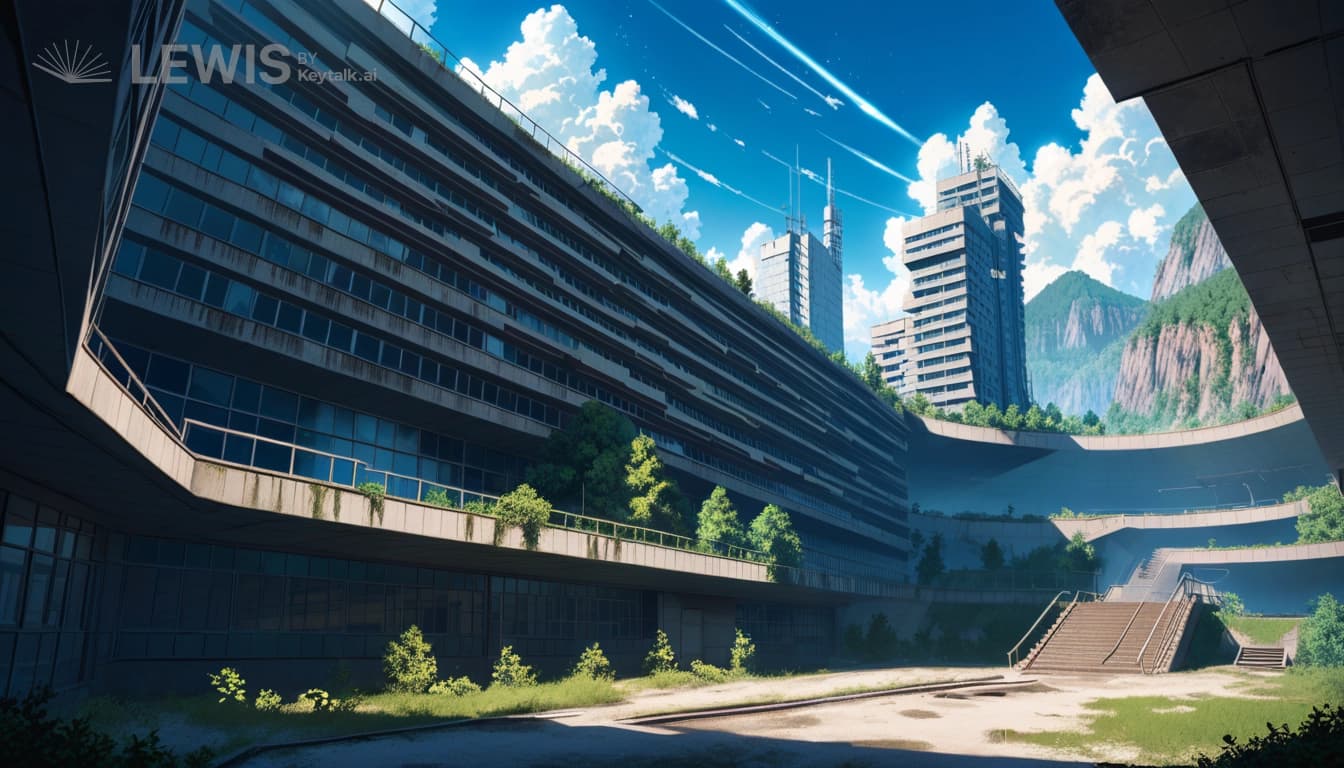
New Ark is a patchwork of brutalist concrete, weathered steel, and improvised sanctuaries: abandoned libraries with stained glass windows depicting forbidden legends, art therapy rooms layered in mural fragments, and subterranean passageways lined with fossilized bones. The colony’s landscape is scarred—crumbling towers and rusted walkways sit atop ground that pulses with seismic unrest, occasionally splitting open to reveal ancient skeletons or artifacts. At night, auroras flicker across the sky, casting the settlement in eerie, shifting colors that blur the boundaries between shadow and myth. The rehabilitation school itself is both fortress and mausoleum—its classrooms cold and sterile, its hidden corners alive with contraband stories and the whispered prayers of outcasts. The regime’s insignia—a stylized ouroboros—appears everywhere, a reminder that cycles of punishment and redemption are endless.

Notable technology, philosophy, or cultural elements influencing the world and narrative:
Surveillance is omnipresent: biometric scanners, audio bugs, and neural monitoring devices track every resident’s compliance and emotional state, feeding into the director’s ledger of “redemption scores.” Yet, technology is offset by cultural resistance—Layla’s ritual scarifications, talisman-making, and collaborative art therapy serve as both coping mechanisms and coded rebellion. The colony’s official philosophy is “Redemptive Rationalism,” a doctrine that dismisses myth as dangerous distraction, yet paradoxically relies on mythic archetypes to justify its punitive systems. Folk cosmologies and suppressed oral histories persist, passed in secret between residents; these stories become both lifelines and weapons as the line between legend and reality blurs. Ultimately, the clash between technological control and mythic resurgence shapes every character’s arc—forcing Ellie, Viktor, Layla, and the outcasts to navigate a world where the rules are written in both algorithms and ancient prophecy, and where redemption is as much about rewriting the narrative as following it.
representative image
location 1 image

Location 1

Title: The Shardbone Promenade
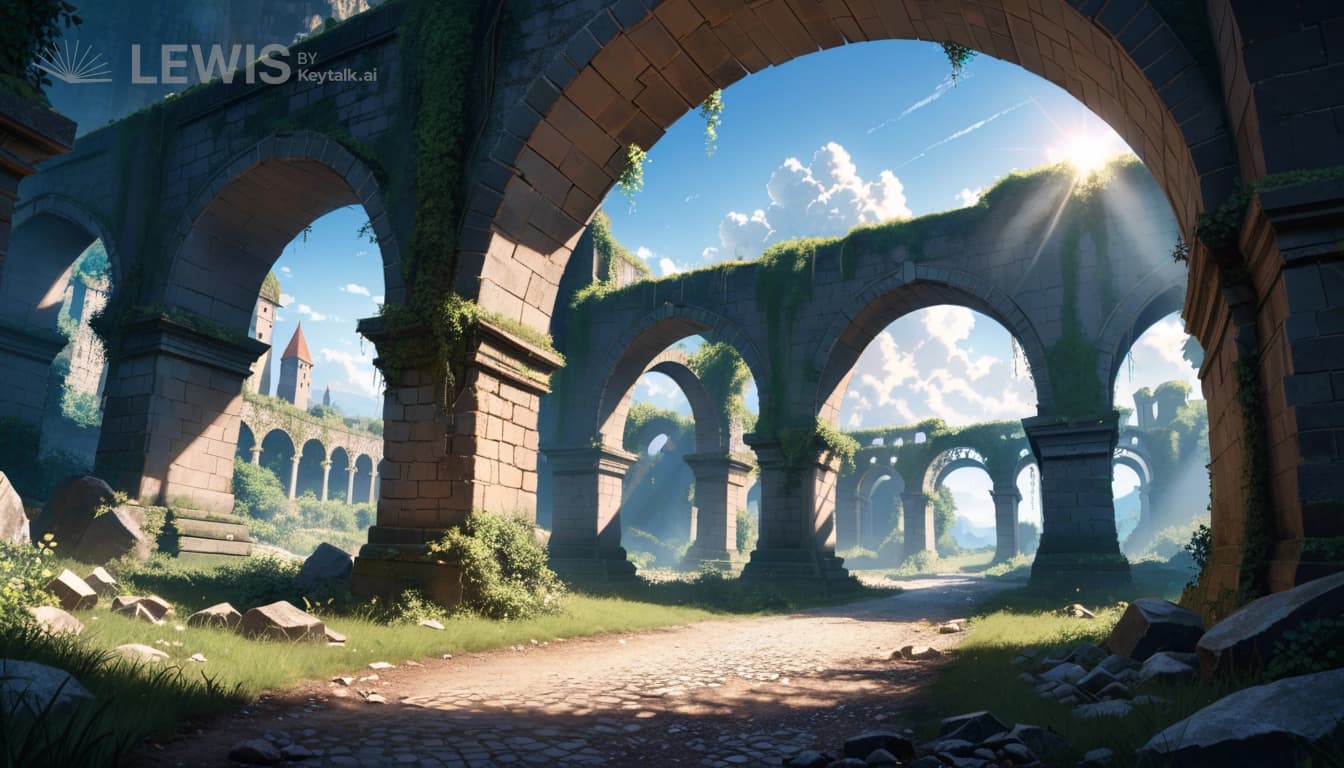
Description: A gauntlet of sun-bleached vertebrae arches over the colony’s main walkway, each rib the size of a truck and etched with regime warnings in flaking red paint. Gravel crunches underfoot, littered with contraband cigarettes and torn pages from forbidden books, while wary eyes peer through gaps in the ancient bone—staff and students alike forever caught between the weight of legend and the threat of surveillance. It’s here, beneath the fossilized gaze of creatures that once ruled the earth, that Ellie first sees Marisol singing to the empty dusk, her voice threading through the marrow and unsettling the ground beneath everyone’s feet.
location 2 image

Location 2

Title : Echo Vaults of the Exiled Dreamers
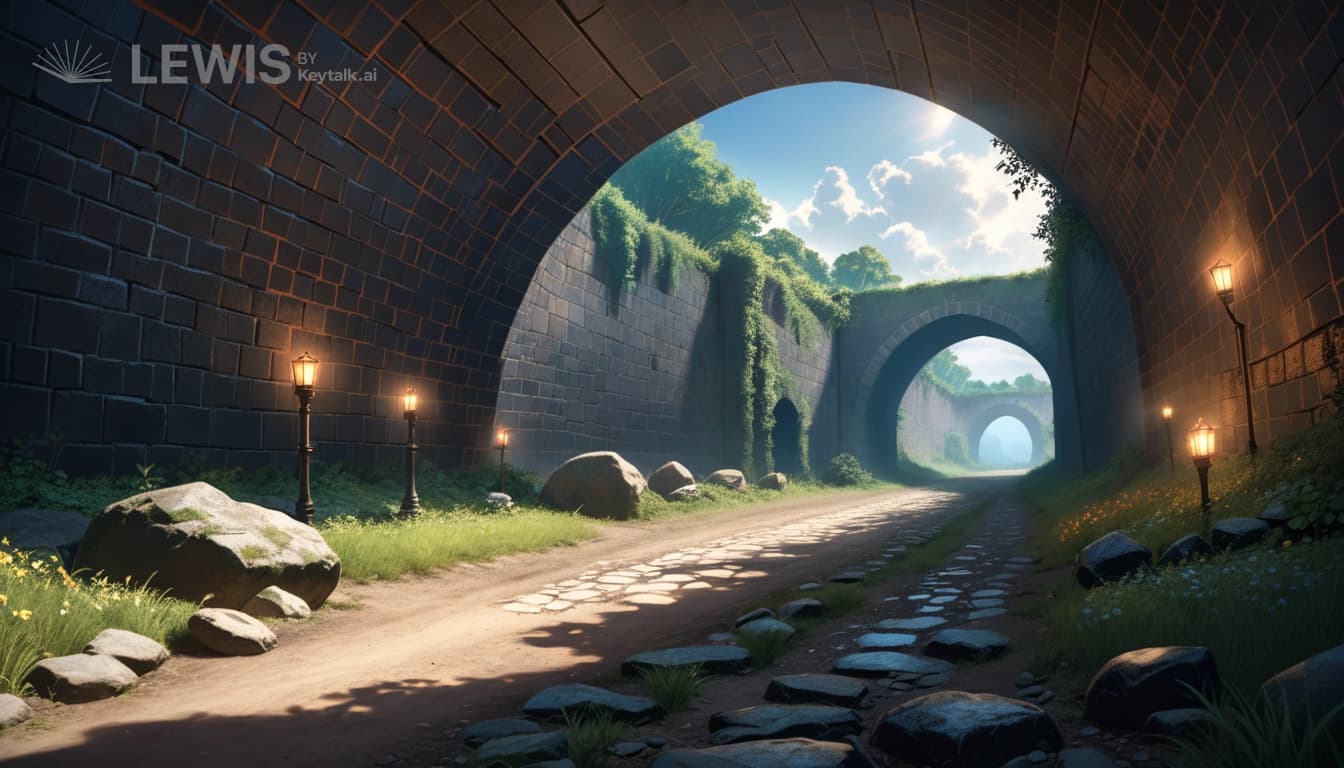
Description : Beneath the school’s gray foundations, the Echo Vaults sprawl in labyrinthine silence—low tunnels carved from fossil-rich stone, walls etched with the dreams and confessions of exiled students. Every step echoes with half-forgotten lullabies and the scrape of chalk, the air thick with dust and the ghostly resonance of voices denied daylight. Here, Marisol’s song first stirs the ancient beasts, and Ellie, pressed against a mural of shifting myths, feels the weight of generations demanding to be heard.
location 3 image

Location 3

Title : The Crimson Archive Beneath Reactor Six
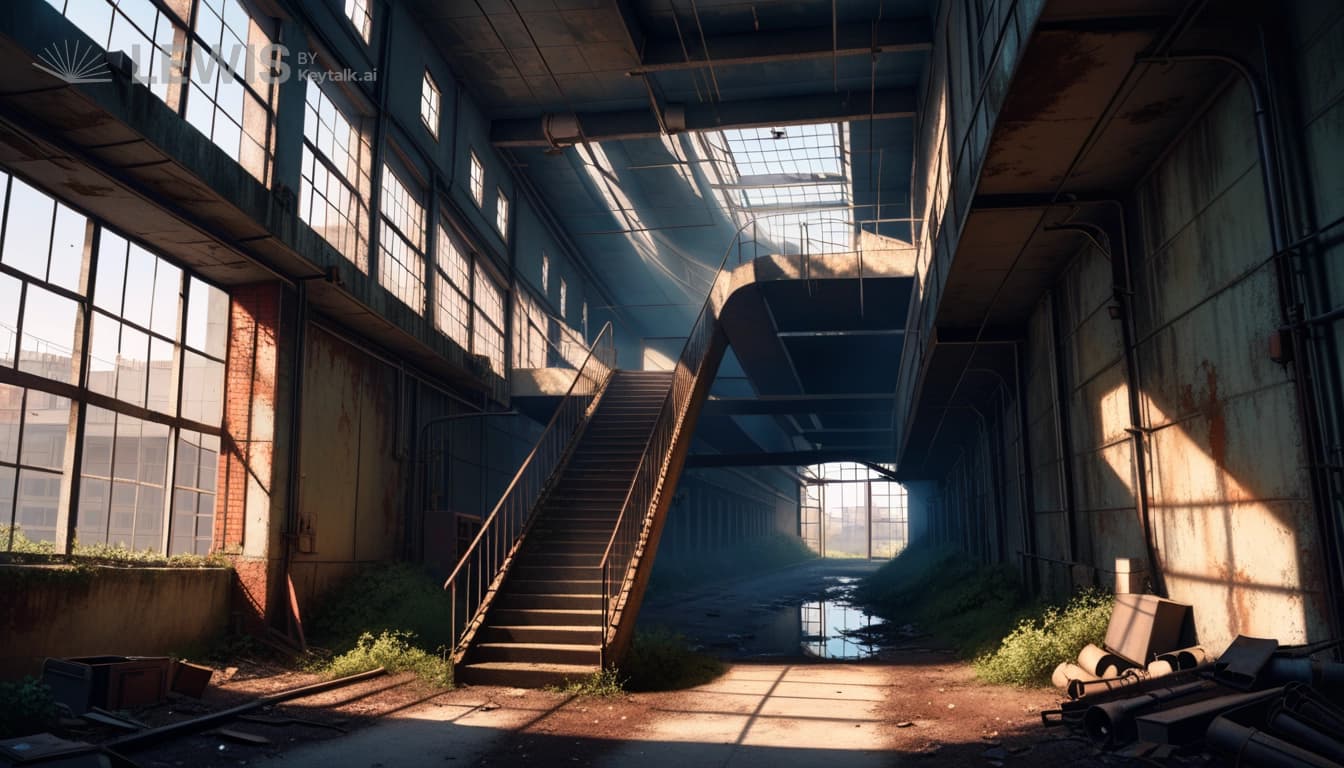
Description : Down a labyrinthine flight of stairs, the Crimson Archive glows with the sickly heat of old machinery—red tungsten bulbs flicker above shelves of forbidden histories, their spines warped by radiation and grief. Here, the air tastes metallic and sharp, thick with the hush of secrets too dangerous for daylight; every step echoes with the pulse of Reactor Six overhead, as if the archive itself is alive and watching, waiting for Ellie and Layla to uncover truths that could unravel both the regime and the monsters beneath.
location 4 image

Location 4

Title: The Gloamspire Market, Where Contraband Memories Are Bartered

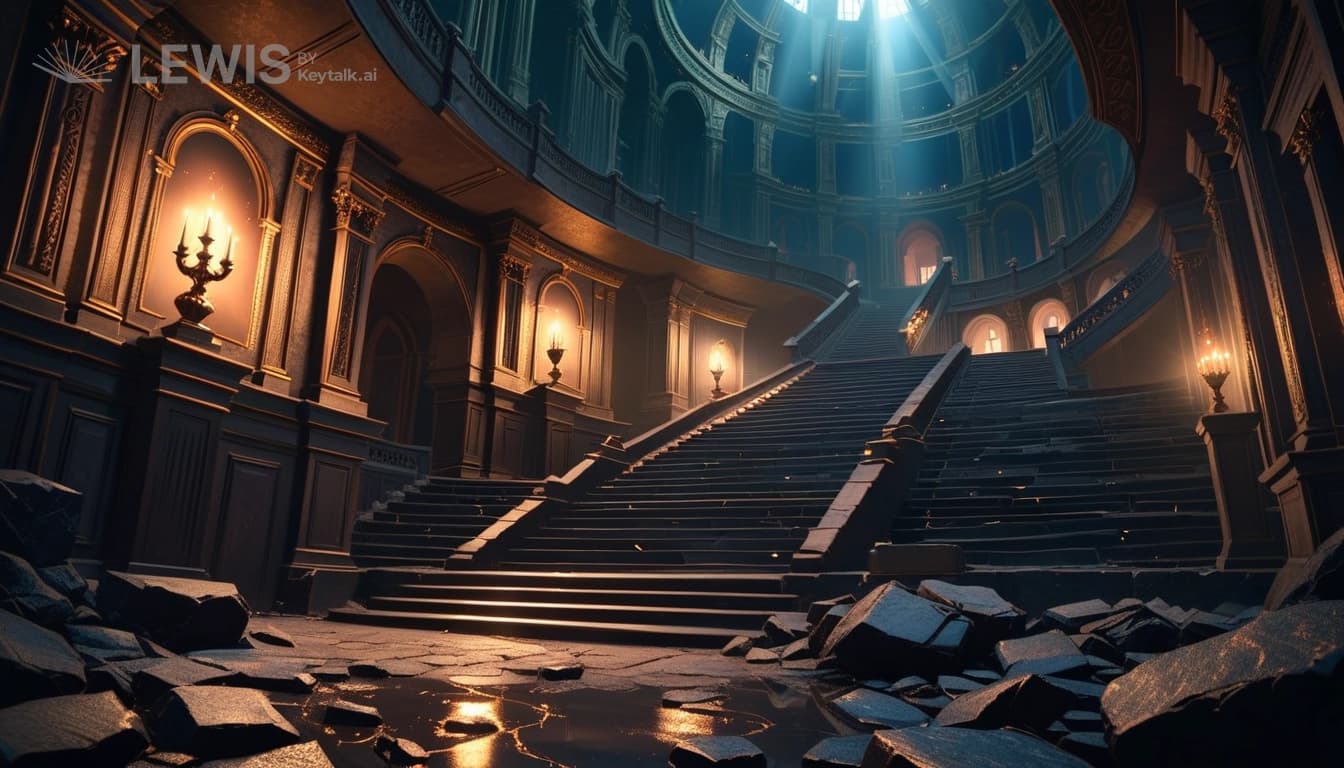
Description: Down a spiral of cracked basalt stairs, the Gloamspire Market flickers with stolen phosphor and the hush of illicit nostalgia—here, vendors hawk memory vials in velvet-lined cases, each one pulsing with a forbidden shimmer, while regime spotters prowl the edges, hungry for dissent. The air is thick with the scent of ozone and regret, and every whispered transaction risks betrayal, but it’s also the only place Ellie glimpses the colony’s true heartbeat: desperate, defiant, and unwilling to let its past be polished away. Beneath the glow of bioluminescent fungi and the shadows of forgotten gods, alliances are forged in the currency of remembrance, making the Market not just a black market, but the volatile soul of rebellion itself.
location 5 image

Location 5

Title : The Hollow Chapel of Sleeping Leviathans
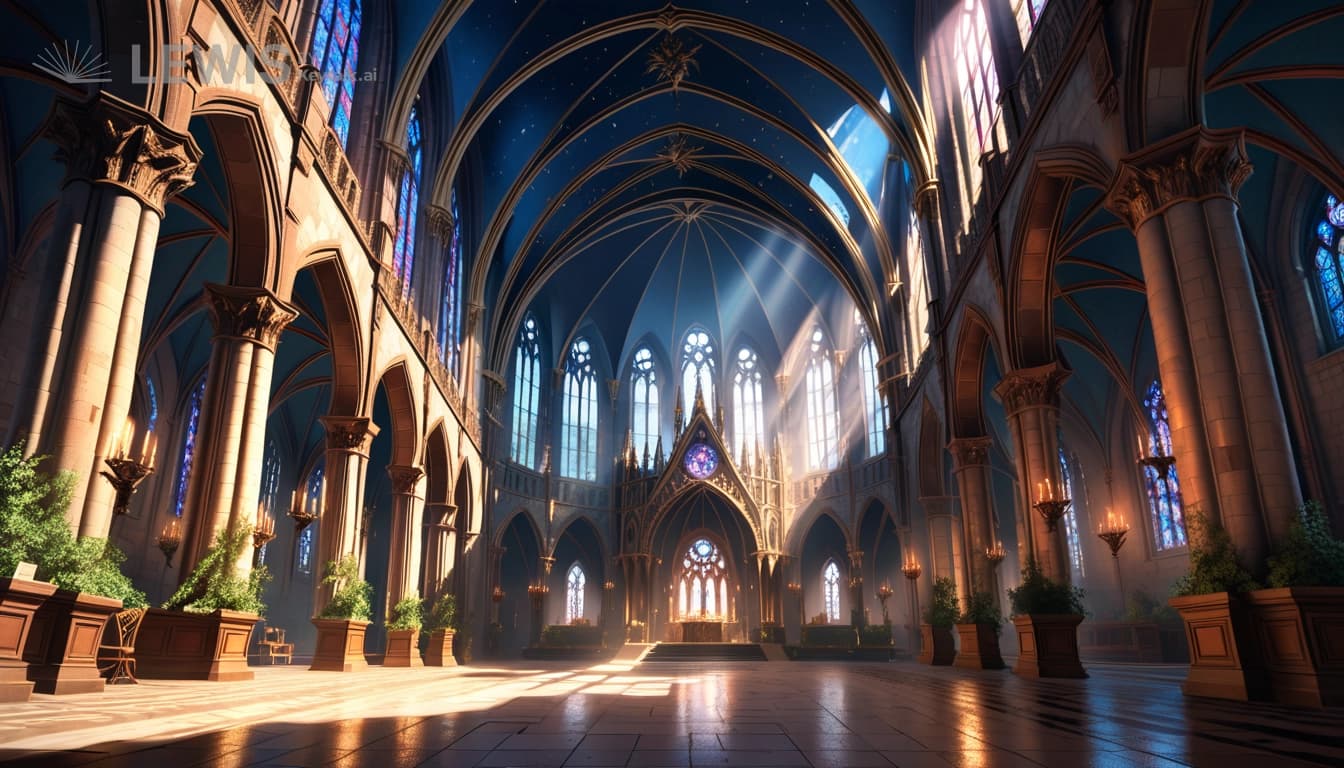
Description : Deep beneath the school, the chapel sprawls in a cathedral of fractured stone, its vaulted ceilings etched with murals of beasts whose bones fuse with the architecture itself. The air thrums with a forbidden lullaby, dust swirling in patterns that echo ancient sigils—each step feels like trespassing on the backs of monsters who dream and shudder beneath the floor. It’s here, surrounded by relics of myth and memory, that Ellie must decide if sanctuary is a promise or a curse, as the walls pulse with the restless breathing of legends poised to awaken.
Model Used
GPT-4.1
text
Stable Diffusion
image

Scenes

scene 1 image
Scene 1
Arrival Under Electric Skies
[Place] – The colony’s outer gates and fenced perimeter; the gravel path leading to the main school building
[Time] – Dawn, Ellie’s first morning at the rehabilitation school

[Action]
Ellie arrives at the colony beneath a bruised sky, the hum of electrified fences greeting her before any human voice. She is escorted through security by a silent, stony-faced guard, her battered notebook clutched tightly in her hands—a talisman against the unknown. As she passes through the gates, Ellie takes in the landscape: barren earth, distant mountains, the skeletal silhouettes of watchtowers, and the strange, uneasy stillness of a place built for containment, not healing. The school’s façade is a patchwork of faded grandeur and utilitarian repairs, a physical manifestation of its dual purpose as sanctuary and prison. She’s introduced to Viktor Sokolov, whose clipped welcome barely masks his skepticism about her presence. Staff and students alike watch her with a mixture of curiosity and wariness; rumors about her predecessor’s abrupt departure simmer beneath the surface. Ellie’s internal resolve is shaped by the memory of the student she lost in London—her guilt coloring every interaction, fueling her vow not to repeat past mistakes. She notices the students: some marked by old defiance, others hollowed out by resignation. Among them, a lone girl hums to herself, her presence almost ghostly—Marisol, though Ellie does not yet know her name. As Ellie is led to her quarters and given her first schedule, she senses the undercurrent of tension: the staff’s wariness toward one another, the students’ brittle compliance, and the heavy expectation that she will either adapt or break. The scene closes with Ellie standing at her small window, notebook in hand, watching the sunrise bleed through the electrified fence, wondering what she’s truly stepped into.

[Impact on the story]
This scene establishes the colony’s oppressive atmosphere and Ellie’s outsider status. It reveals her driving guilt and determination, sets up the school’s culture of surveillance and silence, and introduces Viktor’s antagonism. The first, fleeting glimpse of Marisol hints at the supernatural thread to come. Ellie’s sense of isolation and foreboding lays the foundation for her later alliances and conflicts.

[Description]
Ellie arrives at the rehabilitation school under the watchful eyes of staff, students, and security systems. She is immediately confronted by the colony’s contradictions—its promise of redemption versus its reality as a place of exile. Her guilt and hope collide as she takes her first steps toward the roles she’ll be forced to play.
scene 2 image
Scene 2
[Title] - The Notebook and the Unsaid Names
[Place] – Staff lounge and adjoining corridor, mid-morning; later, Ellie’s assigned classroom
[Time] – Ellie’s first morning, just after her arrival and orientation

[Action]
Ellie, still acclimating to the unnerving silence of the colony, is ushered into the staff lounge for a perfunctory welcome meeting. The air is thick with forced civility and unspoken hierarchies—Viktor presides, laying out her responsibilities with clinical detachment, while the other staff members, including Layla, deliver their introductions with varying degrees of guardedness. Ellie senses that alliances here are transactional, shaped by shared secrets and mutual suspicion rather than trust. She tries to bridge the divide, referencing her notebook and her philosophy of teaching as a form of listening, but her words land awkwardly. Viktor scrutinizes her methods, implying that empathy and “softness” have no place in the colony’s regimen, and quietly warns her not to get too close to any student, especially those with “histories.” Layla, observing Viktor’s dominance, quietly signals her dissent—offering Ellie a subtle invitation to speak later, if she’s willing to hear a different version of the school’s story.

As the meeting ends, Ellie is handed a student roster—names stripped of their old aliases, histories reduced to codes and cautionary notes. A sense of futility creeps in as she realizes how much of the students’ pasts are deliberately erased. In the corridor, she passes a group of students—hostile eyes, whispered jokes at her expense—before entering her assigned classroom, where she is left alone to prepare. She unpacks her battered notebook, inscribing the names she’s been given but also jotting down the impressions, the subtle tells and unsaid things that hint at what’s been lost. The memory of her failed student in London presses in; she sketches a line in the margin, a promise to herself that she won’t let these new names become just another list of regrets. The scene ends with Ellie reading the roster, her gaze lingering on the blank space where Marisol’s name should be, as the faint sound of humming drifts through the corridor walls.

[Impact on the story]
This scene cements Ellie’s outsider status among both staff and students, highlighting the regime’s culture of erasure and compliance. Viktor’s antagonism and Layla’s subtle support set up the triangle of power, doubt, and covert alliance that will drive much of the drama. Ellie’s internal struggle—her compulsion to remember and record what the system tries to erase—becomes both her vulnerability and her strength. The absence of Marisol’s name foreshadows the singer’s singular role in the unfolding mystery.

[Description]
Ellie navigates her first staff meeting, quickly realizing the school’s culture is built on secrecy, control, and the suppression of individual histories. She forges a quiet connection with Layla, clashes with Viktor’s authority, and recommits to her mission of remembrance—her notebook becoming a symbol of resistance in a place that thrives on forgetting.
scene 3 image
Scene 3
[Title] - Marisol’s Song, and the Night the Ground Trembled
[Place] – Ellie’s classroom, then the colony’s communal hall and outdoor yard; dusk into night
[Time] – Ellie’s first evening, following her initial roster review and solitary classroom preparation

[Action]
Ellie’s lesson is interrupted when Marisol, escorted by regime guards, arrives late—her presence sends a ripple through the class, her reputation preceding her despite the absence of any official record. Marisol is visibly exhausted, but her aura is magnetic; the other students shift uneasily, torn between curiosity and fear. Ellie, remembering the blank space on the roster, welcomes Marisol gently, earning a wary glance from the guards. As the class ends, Marisol lingers, humming a melody that draws Ellie’s attention. The tune is haunting, echoing through the near-empty halls, and Ellie finds herself compelled to listen—her guilt over past failures fueling a need to connect with this enigmatic newcomer.

The scene moves to the communal hall, where the students gather for mandatory integration exercises. Marisol’s voice, barely above a whisper, weaves through the monotony, transforming the mood from restless boredom to uneasy anticipation. Layla, observing from the sidelines, recognizes fragments of myth in Marisol’s song and discreetly encourages Ellie to stay close. Suddenly, the ground beneath the colony trembles—subtle at first, then unmistakable, like something ancient shifting in its sleep. Panic flickers among the students and staff, but Viktor quickly dismisses the disturbance as a “seismic anomaly,” ordering everyone back to their quarters. Ellie, unsettled, catches the terror in Marisol’s eyes and decides to break protocol, offering comfort as the guards attempt to usher Marisol away.

Outside, as dusk bleeds into night, Ellie witnesses Marisol alone in the yard, singing to the earth. The air hums with suppressed fear, and Ellie senses that the lullaby is more than mere music—it’s a plea, or perhaps a warning. Layla joins Ellie, urging her to consider the stories buried beneath the colony, hinting that Marisol’s arrival is no accident. The scene ends with Ellie torn: should she follow Viktor’s orders and keep her distance, or trust her instincts and protect Marisol from a fate she barely understands?

[Impact on the story]
This scene introduces Marisol as a catalyst, her arrival shifting the emotional landscape of both students and staff. Ellie’s decision to ignore protocol deepens her conflict with Viktor and aligns her more closely with Layla, setting up the central alliance that will drive resistance against the regime. The tremor establishes a supernatural threat linked to Marisol’s song, escalating tension and foreshadowing the colony’s unraveling. Ellie’s internal struggle intensifies, as her need to save Marisol becomes entwined with her guilt and hope for redemption.

[Description]
Marisol’s arrival and haunting song disrupt the colony’s fragile order, awakening something monstrous beneath the surface. Ellie, refusing to follow Viktor’s rigid protocols, chooses empathy over compliance, forging a bond with Marisol that will shape the unfolding conflict. The scene sets the stage for myth and reality to collide, marking the first tangible sign that the colony’s secrets are surfacing.
scene 4 image
Scene 4
[Title] - Viktor Sokolov’s List of Sins
[Place] – Viktor’s office, with surveillance feeds flickering; adjacent to the regime’s underground records vault
[Time] – Late night, immediately following the tremor and Marisol’s unsettling song

[Action]
Viktor sits alone at his desk, surrounded by security monitors looping grainy footage of the day’s events. He reviews incident reports—Marisol’s arrival, the tremor, Ellie’s breach of protocol—scribbling notes in a ledger that reads more like a confessional than an official log. He pauses to listen to a distorted audio clip of Marisol’s lullaby, played back through the office speakers; the melody unsettles him, stirring memories of old regime purges and half-remembered legends from his own childhood. Determined to reassert control, Viktor drafts new directives: increased surveillance, restricted movement for “unstable” students, and a personal order to have Marisol isolated and observed.

As Viktor descends into the records vault, he pulls Marisol’s incomplete file and cross-references it with redacted mythological reports—his fear of the unknown warring with a rational insistence that everything can be contained. He uncovers references to lullaby-magic and earthbound beasts in banned histories, but dismisses them as folklore, even as unease gnaws at him. Layla’s name surfaces in a flagged memo about “cultural contamination”; Viktor makes a mental note to monitor her sessions more closely. Alone, he allows a rare moment of vulnerability, haunted by the possibility that the colony’s tightly wound order is beginning to fray—not from outside threats, but from secrets long buried within.

[Impact on the story]
This scene deepens Viktor’s characterization, revealing his internal conflict and growing paranoia. His actions escalate the regime’s response, tightening surveillance and setting the groundwork for direct confrontation with Ellie and Layla. Viktor’s refusal to acknowledge myth as anything but a threat heightens the sense of impending crisis, while his private doubts make him more than just a one-dimensional antagonist. The discovery of suppressed histories and his obsession with control mark a turning point, as Viktor’s authority begins to crack under the weight of the unknown.

[Description]
In the isolation of his office and the shadowed records vault, Viktor struggles to contain both literal and metaphorical tremors shaking the colony. His attempts to tighten control reveal a man haunted by the past and terrified of losing order, setting him on a collision course with Ellie, Layla, and the truth buried beneath their feet.
scene 5 image
Scene 5
[Title] - Art Therapy After Curfew: Secrets on the Wall
[Place] – The abandoned west wing art room, its windows blacked out and doors wedged shut against prying eyes
[Time] – Late night, curfew in full effect, less than an hour after Viktor’s crackdown orders have been circulated

[Action]
Layla quietly gathers Ellie, Marisol, and the two notorious outcasts—one taciturn, the other restless—into the art room, risking severe punishment for breaking curfew and protocol. The air buzzes with suppressed anxiety; outside, the colony hums with heightened surveillance, but here, Layla lights candles, creating a fragile haven. She urges the group to channel their unease into a sprawling mural on the crumbling wall, each person layering symbols, fragments of memory, and half-remembered myths. Marisol, hands trembling, paints a motif echoing her lullabies—unintentionally conjuring forms that unsettle everyone present. Ellie, still haunted by her past failure, hesitates but eventually adds to the mural, weaving in imagery from her battered notebook: a bridge, a pair of clasped hands, a shadow with eyes.

As the mural grows, the outcasts—one wrestling with fractured memories, the other wary of trust—begin to open up, revealing cryptic tales from their lives before the regime. Layla steers the session with gentle insistence, drawing out stories of loss, exile, and monstrous inheritance that resonate with the motifs Marisol paints. The emotional intensity peaks when a tremor rattles the foundation, and the mural’s shapes seem to shift in the candlelight, echoing the legends of sleeping beasts. Fear and hope mingle in the group; Ellie and Layla exchange a charged glance, realizing the stories on the wall may hold a warning—or a key. As curfew nears its end, Layla wipes away her own tears and insists they keep the mural hidden, knowing its existence could endanger them all.

[Impact on the story]
This scene forges a fragile bond among Ellie, Layla, Marisol, and the outcasts, uniting them in shared vulnerability and defiance. The mural becomes both a symbol of their resistance and a cryptic map to the colony’s deeper mysteries. Ellie’s resolve to protect Marisol is deepened, while Layla’s conviction that myth holds real power is validated. The session sets the stage for future collaboration—and for dangerous exposure, as the mural’s secrets threaten to attract unwanted attention from Viktor and the regime.

[Description]
Late at night, Layla orchestrates a clandestine art therapy session, coaxing hidden truths and mythic fears onto the walls. The group’s shared creation becomes a nexus of memory, trauma, and prophecy, cementing their alliance and hinting at the dangers—and revelations—still to come.
scene 6 image
Scene 6
[Title] - The Outcasts’ Pact in the Shadowed Hall
[Place] – The disused assembly hall, deep in the school’s oldest wing, half-swallowed by shadows and echoing with the memory of past gatherings
[Time] – The dead of night, moments after the forbidden mural session, while the rest of the colony pretends to sleep

[Action]
The group—Ellie, Layla, Marisol, and the two outcasts—slip from the art room, adrenaline and fear still humming in their veins. They converge in the assembly hall, drawn by an unspoken urgency to solidify the fragile trust birthed by the mural. The outcasts, emboldened by the night’s revelations, propose a pact: mutual protection, shared secrets, and a vow to shield Marisol from the regime’s growing suspicion. Tensions simmer, especially as one outcast confesses to hearing the same subterranean rumblings that haunt Marisol’s songs. Ellie, torn between caution and conviction, becomes the reluctant anchor—her promise to protect Marisol now binding her to all of them. Layla, burning with newfound resolve, sketches a sigil in the dust beneath their feet—a symbolic bond and clandestine warning. The pact is sealed not with handshakes but with offerings: a shard of the mural, a page from Ellie’s notebook, a talisman from the war-witch, a cryptic proverb from the trickster’s child, and Marisol’s whispered lullaby echoing in the dark.

They agree on signals and escape routes, anticipating both regime raids and something older lurking below. Paranoia and hope twist together; the outcasts debate whether awakening the beasts might be a weapon or a curse. Layla urges restraint, while Marisol, exhausted, admits she can no longer control the songs welling inside her. Their pact is uneasy, fragile, but it’s the first true act of solidarity any of them have known here. As they disperse—each carrying a token of the others—the sense of dread is matched only by the glimmer of possibility.

[Impact on the story]
This scene binds the core group together with a secret pact, raising the stakes for every member. Ellie’s promise becomes a shared burden, deepening her investment and vulnerability. The outcasts’ willingness to risk themselves marks a shift from isolation to alliance. Paranoia heightens, but so does hope: they now have purpose, and the beginnings of a plan. The pact also plants seeds of future conflict, as their unity threatens Viktor’s control and risks exposure from within and without.

[Description]
In the shadowed assembly hall, Ellie, Layla, Marisol, and the outcasts forge a secret pact, vowing to protect each other against the regime and the monstrous forces awakening below. The uneasy alliance transforms their isolation into shared purpose, setting them on a collision course with Viktor—and whatever stirs in the earth.
scene 7 image
Scene 7
[Title] - Riot in the Dark, and the Price of Silence
[Place] – The main corridor and communal courtyard of the rehabilitation school, under a blackout, sirens wailing in the distance
[Time] – The middle of the night, immediately following the secret pact and mural session, as tension reaches a breaking point

[Action]
The fragile calm of the night shatters when regime enforcers, tipped off by a suspicious staff member or perhaps an unseen surveillance glitch, descend upon the school. Lights flicker out; the fences hum louder than ever. Word spreads in hushed panic—Marisol is to be silenced, forcibly removed to isolation. The outcasts, acting on the signals agreed upon in the previous scene, scramble to intercept the enforcers, using coded knocks and hidden passages to buy precious minutes. Ellie, torn between terror and resolve, leads Marisol through the maze-like corridors, clutching the pact’s tokens for luck. Layla, risking exposure, distracts the regime by faking a medical emergency in another wing, her desperation masked as clinical efficiency.

Chaos erupts in the courtyard as students—emboldened by rumor and the mounting sense of injustice—begin to resist, first with shouts and thrown objects, then with outright violence. The air crackles with fear and adrenaline; old alliances fracture as some students side with the regime, hoping for leniency, while others rally to protect Marisol. In the confusion, the war-witch outcast unleashes a surge of latent magic, shattering surveillance devices and sending the enforcers reeling. The trickster’s child sows confusion, redirecting search parties with false trails. Ellie and Marisol nearly escape, but are cornered near the garden wall, forced into a tense standoff with Viktor himself.

Viktor, flanked by guards and barely containing his fury, offers a cold bargain: immunity for the outcasts if they betray Marisol and Ellie. The moment hangs heavy—betrayal feels possible, trust razor-thin. Instead, the outcasts refuse, publicly defying Viktor and shattering the illusion of his absolute control. In the aftermath, the regime’s response is brutal—students are beaten, some dragged away, the colony left raw and simmering. Ellie, bruised but unbroken, realizes the cost of their defiance: the regime will stop at nothing, and the beasts below are not the only monsters she must fear.

[Impact on the story]
This scene marks the explosive collapse of order, turning simmering paranoia into open conflict. The group’s solidarity is tested and ultimately affirmed, but at a terrible price—physical harm, shattered trust with some students, and regime retaliation. Viktor’s authority is fundamentally damaged, his desperation and brutality exposed. Ellie’s internal conflict intensifies; her promise to protect now carries life-or-death consequences. Marisol’s survival is no longer a secret struggle but a public rebellion, raising the stakes for all. The school is transformed from a tense prison to a powder keg, setting the stage for myth and reality to collide.

[Description]
A violent, chaotic riot explodes as the regime attempts to silence Marisol, forcing the core group to risk everything for each other. Betrayal and loyalty are tested under fire, exposing the limits of Viktor’s control and irrevocably altering the school’s fragile balance. The cost of solidarity is blood and fear, but also a new, dangerous hope.
scene 8 image
Scene 8
[Title] - Monsters Beneath, Monsters Within
[Place] – The shattered common room, half-barricaded windows rattling; beneath it, the ancient tunnels revealed by the riot’s destruction
[Time] – Early morning, just before dawn, the school still echoing with the aftermath of violence

[Action]
As the first grey light seeps through broken glass, the school sits in uneasy silence—walls scorched, blood pooled on the floor, the scent of ozone and fear still thick. Ellie gathers with Layla, Marisol, the war-witch, and the trickster’s child in the ruined common room, each bearing new scars from the night before. Regime enforcers prowl the halls above, their heavy boots a constant threat, but the group’s attention is drawn to a gaping fissure in the floor, cracked open by the unleashed magic and violence. Marisol, pale and trembling, is drawn to the dark opening, her singing voice frayed but insistent—she senses something ancient and restless below.

Ellie debates whether to flee, hide, or confront the new danger, her guilt and protective instincts at war. Layla, driven by her mythographer’s curiosity and deepening sense of responsibility, urges the group to descend, convinced that understanding what lurks beneath is the only way to protect everyone. The war-witch—her fragmented memory now spiked with flashes of recognition—warns that the creatures below are drawn by Marisol’s song, but may also respond to symbols and stories from the mural. The trickster’s child, ever the skeptic, jokes about monsters as metaphors, but can’t hide their own fear.

Together, they descend into the tunnels, guided by the mural’s motifs and Layla’s half-remembered legends. The air grows colder, thick with the pulse of something ancient awakening. In the darkness, they encounter the first signs of the fossilized beasts—bone fragments that twitch, mural sigils glowing faintly in Marisol’s presence. Ellie is forced to face her lingering doubt: is Marisol a victim, a weapon, or something in between? Tension crackles between the group, old wounds and new resentments flaring as the walls tremble.

Above, Viktor—paranoid, wounded, and desperate—orders the regime to seal the lower levels, convinced that rooting out the “myth” is the only way to restore order. His actions only hasten the collapse, as the ground shakes violently, dust and debris raining down. The group narrowly escapes a cave-in, but the beasts’ awakening is undeniable now—one monstrous eye glimpsed in the half-light, an ancient jaw grinding stone. In this crucible, alliances are reforged: Ellie promises Marisol she won’t abandon her, but demands the truth about her connection to the monsters. Layla urges everyone to trust the old stories, while the war-witch and trickster’s child argue about which path leads to survival.

[Impact on the story]
This scene deepens the story’s central tension between myth and control, forcing the core group underground—literally and figuratively. Ellie’s internal struggle sharpens as she must decide whether to trust Marisol, despite mounting evidence of her connection to the beasts. Layla’s belief in myth as both warning and weapon comes to the forefront, challenging the group’s skepticism. Viktor’s increasingly desperate actions above ground fracture any hope of compromise, pushing the school toward open catastrophe. The group’s descent marks a point of no return: the monsters beneath are real, and the monsters within—fear, mistrust, guilt—must be confronted if anyone is to survive.

[Description]
The aftermath of the riot reveals a hidden world beneath the school, forcing Ellie and her allies to confront the literal and metaphorical monsters threatening them all. As they descend into the tunnels, old traumas and new revelations ignite, setting the stage for an unavoidable reckoning with myth and reality. The fragile trust between characters is tested, and the school’s fate hangs in the balance.
scene 9 image
Scene 9
[Title] - The Library Siege and the Lullaby War
[Place] – The school’s abandoned library: dust-choked, doors barricaded with overturned shelves, stacks of forgotten books forming uneven walls; sigils from the mural painted hastily across windows and floorboards.
[Time] – Night, as the awakened beasts rampage above; flickering emergency lights cast shadows against the trembling walls.

[Action]
Ellie, Layla, Marisol, the war-witch, and the trickster’s child barricade themselves in the library—its silence broken only by the distant roar of monsters and the frantic pounding of regime enforcers outside. Ellie is frantic, torn between her promise to protect Marisol and her growing fear that the singer’s lullabies now draw the beasts closer. Layla, calm but exhausted, proposes the only plan left: use the mural’s hidden sigils, woven from myth and memory, to lull the creatures back to sleep. The group must act together—painting, chanting, weaving Marisol’s song with Layla’s stories and the war-witch’s fractured incantations. Tensions spike as Viktor, wounded and desperate, forces his way in, demanding Marisol be surrendered for the colony’s survival. Ellie refuses, but her faith falters; Marisol’s voice warps, the monsters clawing at the foundations. The outcasts argue, each torn between self-preservation and loyalty. Layla urges trust, reminding them that survival depends on unity, not control. The group faces an impossible choice: risk everything on Layla’s gamble or betray Marisol and each other.

[Impact on the story]
This scene ratchets up emotional stakes, forcing every character to confront their deepest fears and beliefs. Ellie’s struggle with redemption comes to a head—her refusal to betray Marisol tests her resolve and integrity. Viktor’s authority collapses, leaving him exposed and vulnerable. Layla’s mythic compromise offers hope, but demands trust and sacrifice. The outcasts are forced to choose sides, cementing their loyalty or breaking the group apart. The siege and lullaby war crystallize the conflict between myth and regime, survival and betrayal, unity and isolation.

[Description]
The barricaded library becomes a crucible, where legends and reality collide. Forced into alliance, Ellie and her group gamble everything on a mythic ritual to calm the beasts, while Viktor’s desperation threatens to tear them apart. The outcome of their choices will decide the colony’s fate and redefine what redemption means in a world built on legend.
scene 10 image
Scene 10
[Title] - A Sanctuary Forged from Ruins
[Place] – The school’s central courtyard, dawn: scorched ground, shattered fences, mural remnants glowing faintly on battered walls; survivors gather amid debris, the air thick with exhaustion and muted hope.
[Time] – Early morning, after the monsters have been calmed, as the colony wakes to the aftermath.

[Action]
As the sun rises over the battered colony, Ellie surveys the courtyard—now transformed from a site of containment to a fragile sanctuary. Survivors trickle in, warily eyeing the mural’s sigils that helped save them, uncertain whether the monsters slumber or merely lurk beneath. Ellie, bruised and sleepless, takes charge, her skepticism tempered but her resolve intact. She and Layla rally the outcasts and remaining staff, proposing a new vision for the school: not as a prison, but as a place where myth and memory are honored. Viktor, stripped of authority and haunted by his failures, offers advice but keeps his distance, forced to reckon with the limits of control. Marisol, no longer just a catalyst for chaos, becomes a living bridge—her lullabies now a symbol of both caution and hope. The war-witch and trickster’s child, once rumors, step forward to help rebuild, their loyalty cemented by the night’s ordeal. The group debates how to coexist with the mysteries beneath, choosing dialogue and trust over repression. Ellie’s guilt over her past recedes as she accepts that redemption is not about saving everyone, but about building a space where no voice is silenced.

[Impact on the story]
This scene delivers emotional closure, revealing how each character is changed by the ordeal. Ellie’s arc reaches maturity as she lets go of old guilt and embraces humility. Layla’s mythic vision finally shapes the school’s future. Viktor’s resignation marks the collapse of the old regime, opening space for new leadership. Marisol’s role evolves, embodying the colony’s uneasy coexistence with legend. The outcasts find belonging and purpose. The colony is left with scars, but a sense of possibility replaces fear, inviting readers to imagine what survival looks like when legend and reality intertwine.

[Description]
The survivors gather in the courtyard, forging a tentative new community from the ruins. Redemption shifts from control to compassion, and the school becomes a sanctuary where myth and memory are honored. The colony, forever changed, faces the future together—wary, wounded, but finally willing to listen.
'Villains’ Lullaby'Story Chat

Want to chat with the characters from this story?

'Villains’ Lullaby'Story Chat

Want to chat with the characters from this story?

story image
story image
story image

You might also like

Comments0

theme music