

Protagonist Character
Joaquim Meireles da Costa
Profile
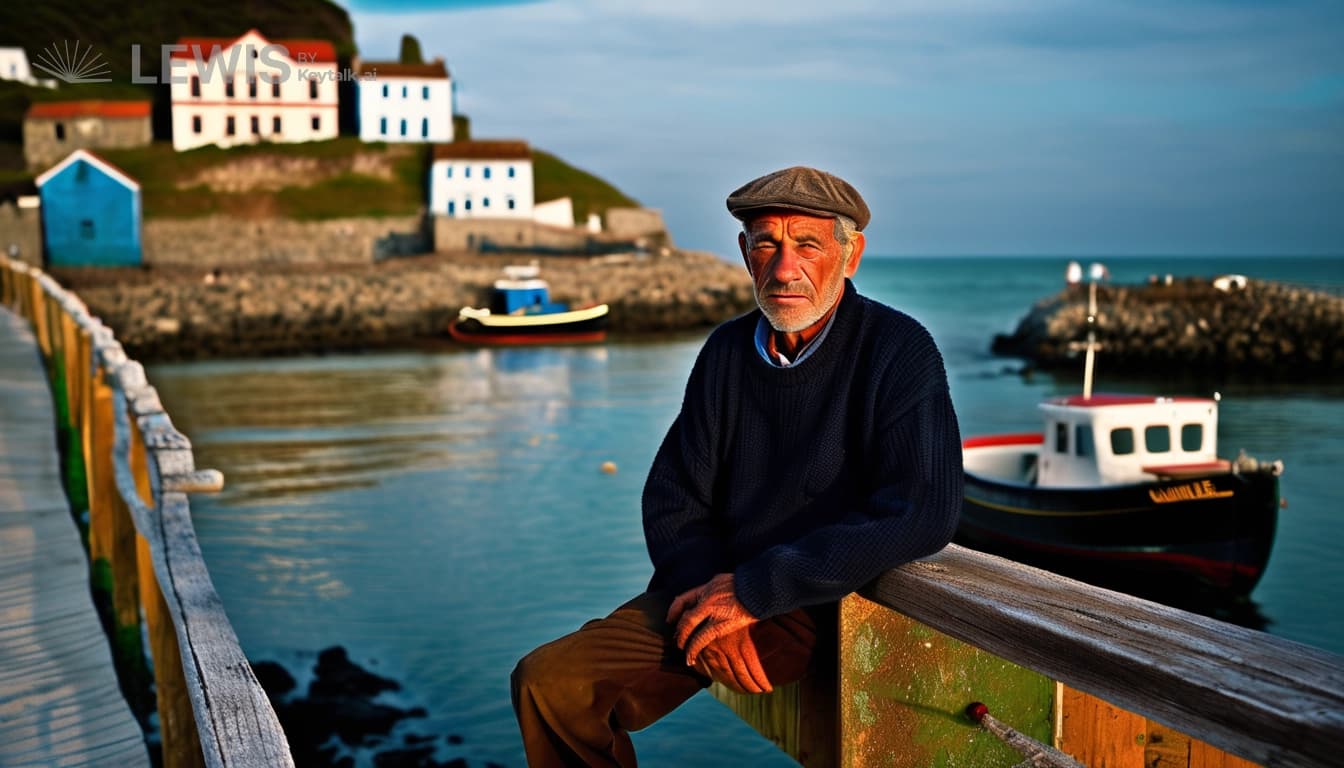
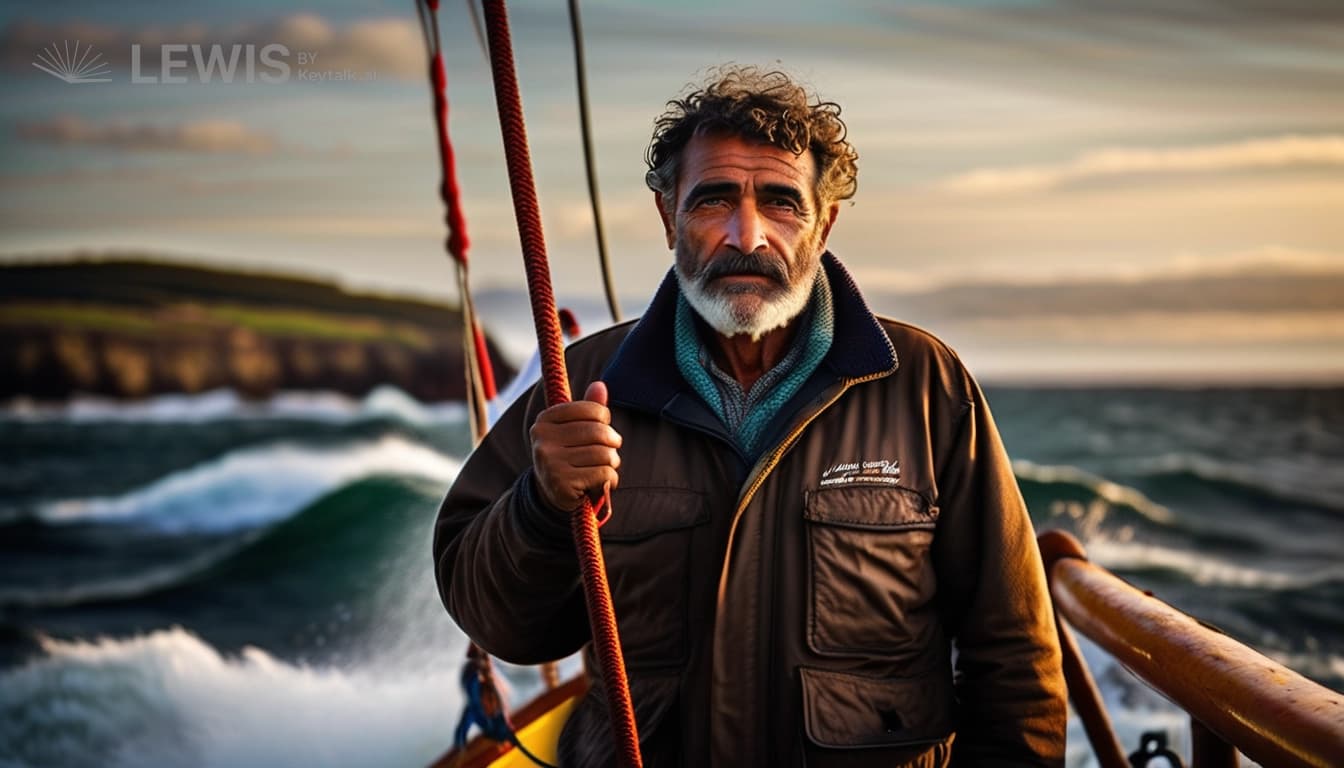
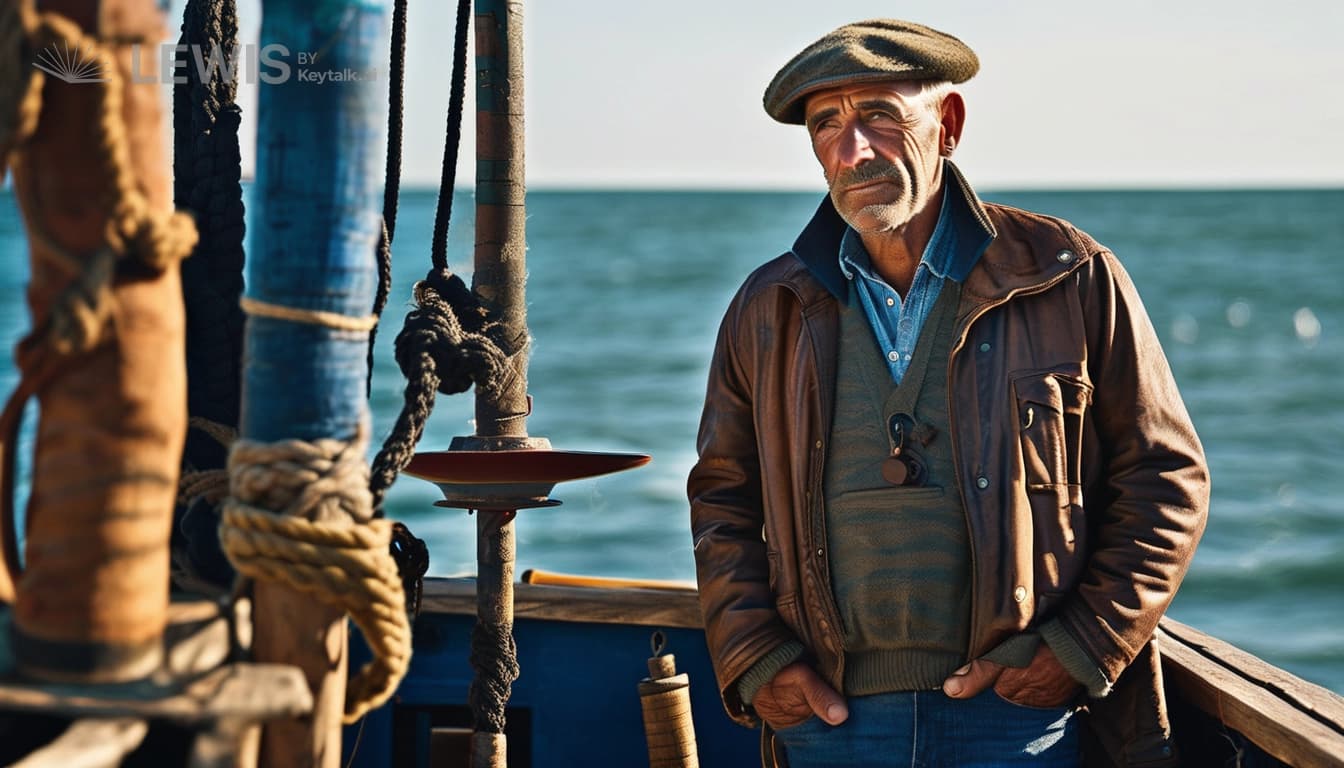
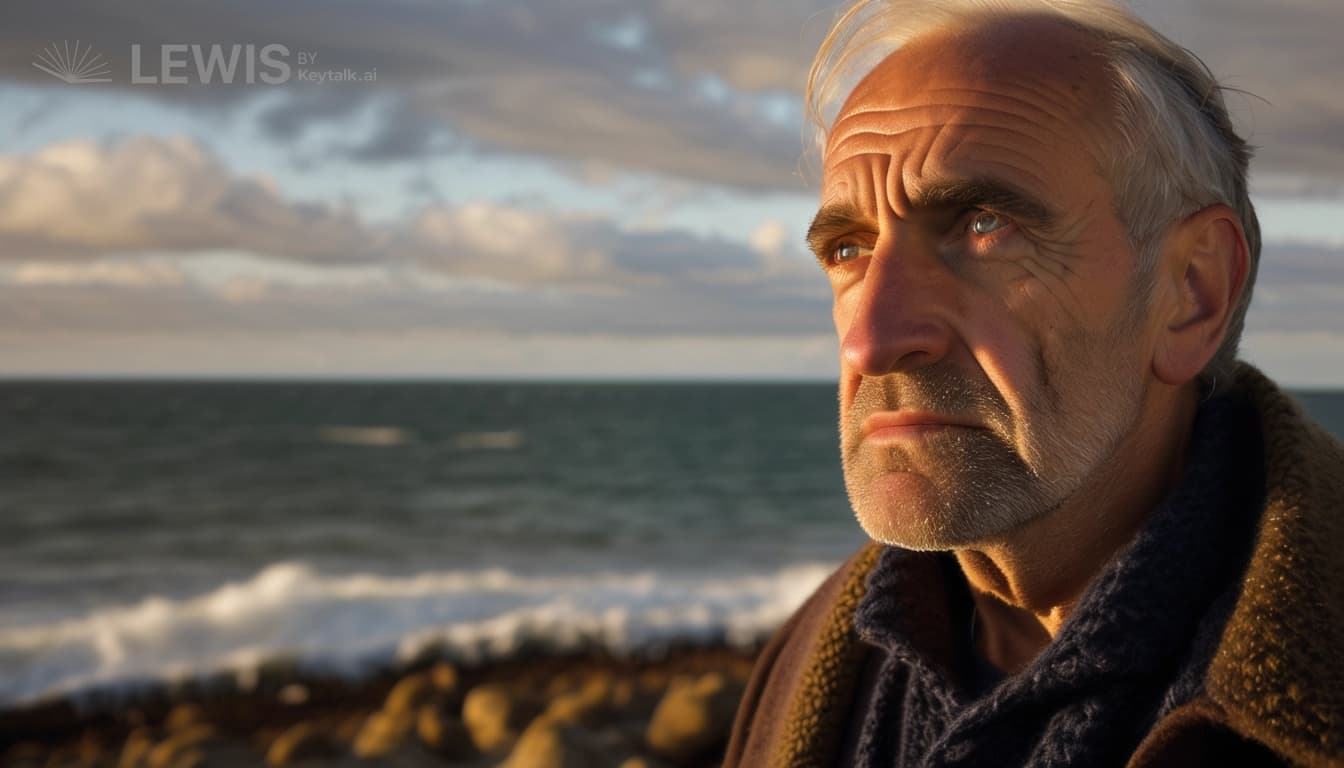
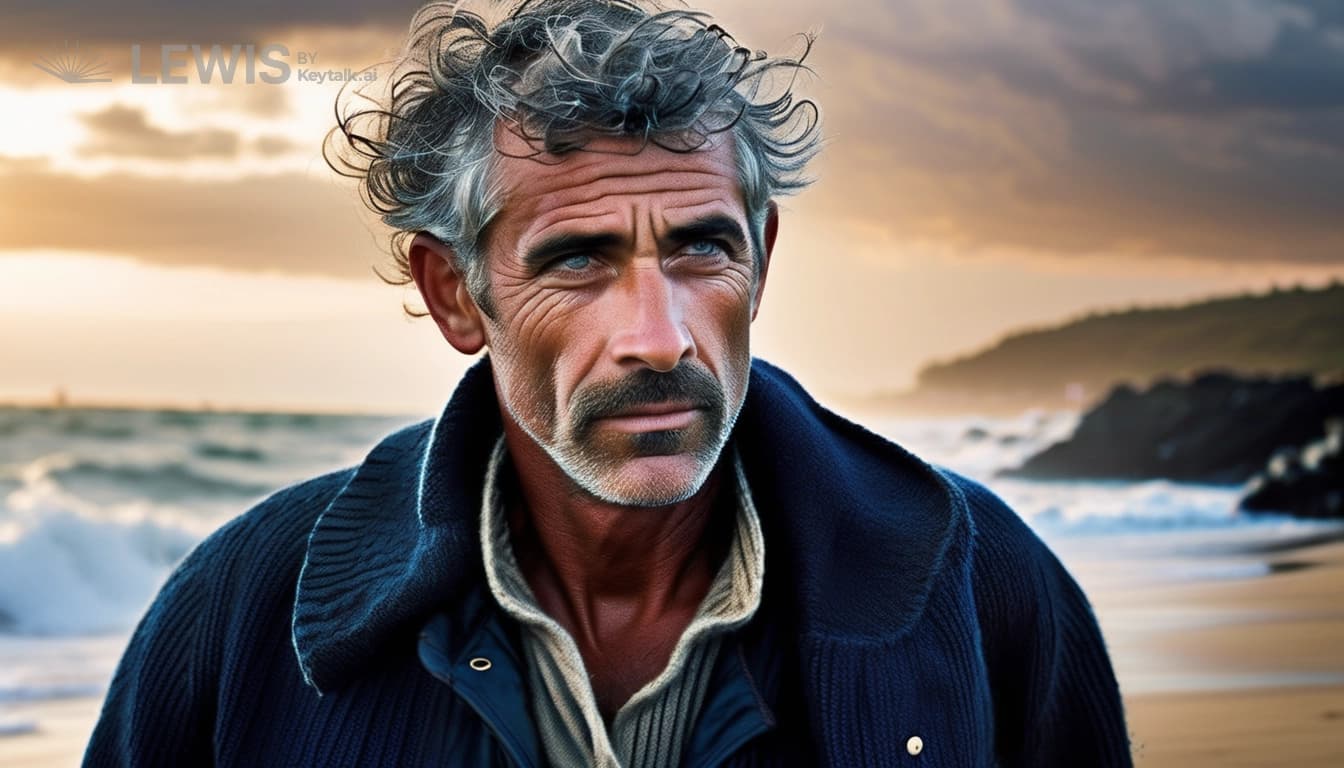
Joaquim Meireles da Costa, a 52-year-old fisherman and boat captain, embodies the spirit of the sea and the resilience of his coastal community. With weathered hands and eyes that reflect the depths of the ocean, Joaquim carries the weight of generations on his broad shoulders. As the protagonist of this tale, he stands as a beacon of hope amidst the encroaching tides of change. His rugged exterior belies a profound understanding of the delicate balance between man and nature, honed through years of navigating treacherous waters and unpredictable weather patterns.
Joaquim's speech is peppered with nautical terms and the occasional curse, his Portuguese accent thickening when emotions run high. Despite his gruff demeanor, he harbors a deep-seated optimism, believing that with perseverance and ingenuity, his family and community can weather any storm. This hope, however, is tempered by a shrewd pragmatism born from years of witnessing the gradual erosion of their way of life.
In quieter moments, Joaquim finds solace in crafting intricate ship models, his calloused fingers deftly manipulating tiny pieces with surprising gentleness. This hobby serves as both a connection to his ancestors and a metaphor for his current struggles – painstakingly rebuilding what time and tide threaten to wash away.
Beneath his salt-crusted exterior lies the mind of a strategist, constantly analyzing and adapting to the changing tides of both the ocean and the corporate world encroaching on his domain. This combination of traditional wisdom and cunning foresight makes Joaquim a formidable adversary to those who would seek to exploit his home waters.
As he stands on the precipice of change, Joaquim grapples with the responsibility of preserving his family's legacy while adapting to a rapidly shifting world. His greatest challenge lies in reconciling his deep-rooted traditions with the need for innovation, all while keeping his fractious family united and their livelihoods intact. The internal conflict between his role as a guardian of the old ways and the necessity to embrace new methods weighs heavily on him, driving him to seek novel solutions that honor the past while securing the future.
Joaquim's speech is peppered with nautical terms and the occasional curse, his Portuguese accent thickening when emotions run high. Despite his gruff demeanor, he harbors a deep-seated optimism, believing that with perseverance and ingenuity, his family and community can weather any storm. This hope, however, is tempered by a shrewd pragmatism born from years of witnessing the gradual erosion of their way of life.
In quieter moments, Joaquim finds solace in crafting intricate ship models, his calloused fingers deftly manipulating tiny pieces with surprising gentleness. This hobby serves as both a connection to his ancestors and a metaphor for his current struggles – painstakingly rebuilding what time and tide threaten to wash away.
Beneath his salt-crusted exterior lies the mind of a strategist, constantly analyzing and adapting to the changing tides of both the ocean and the corporate world encroaching on his domain. This combination of traditional wisdom and cunning foresight makes Joaquim a formidable adversary to those who would seek to exploit his home waters.
As he stands on the precipice of change, Joaquim grapples with the responsibility of preserving his family's legacy while adapting to a rapidly shifting world. His greatest challenge lies in reconciling his deep-rooted traditions with the need for innovation, all while keeping his fractious family united and their livelihoods intact. The internal conflict between his role as a guardian of the old ways and the necessity to embrace new methods weighs heavily on him, driving him to seek novel solutions that honor the past while securing the future.