본문으로 건너뛰기
Birthcry in the Fog cover image

Birthcry in the Fog

When a battered boat carrying a heavily pregnant woman and her two terrified companions washes up on the rocks beneath Malcolm’s isolated lighthouse, the survivors beg for sanctuary as monstrous entities prowl just beyond the fog. Forced to confront the birth he dreads amid the world’s collapse, Malcolm must choose whether to protect the group or succumb to his loathing, knowing the fate of every life aboard could tip humanity into oblivion.

Weekly ranking

rank icon image
#5 inGenre
Scroll

Plot Synopsis

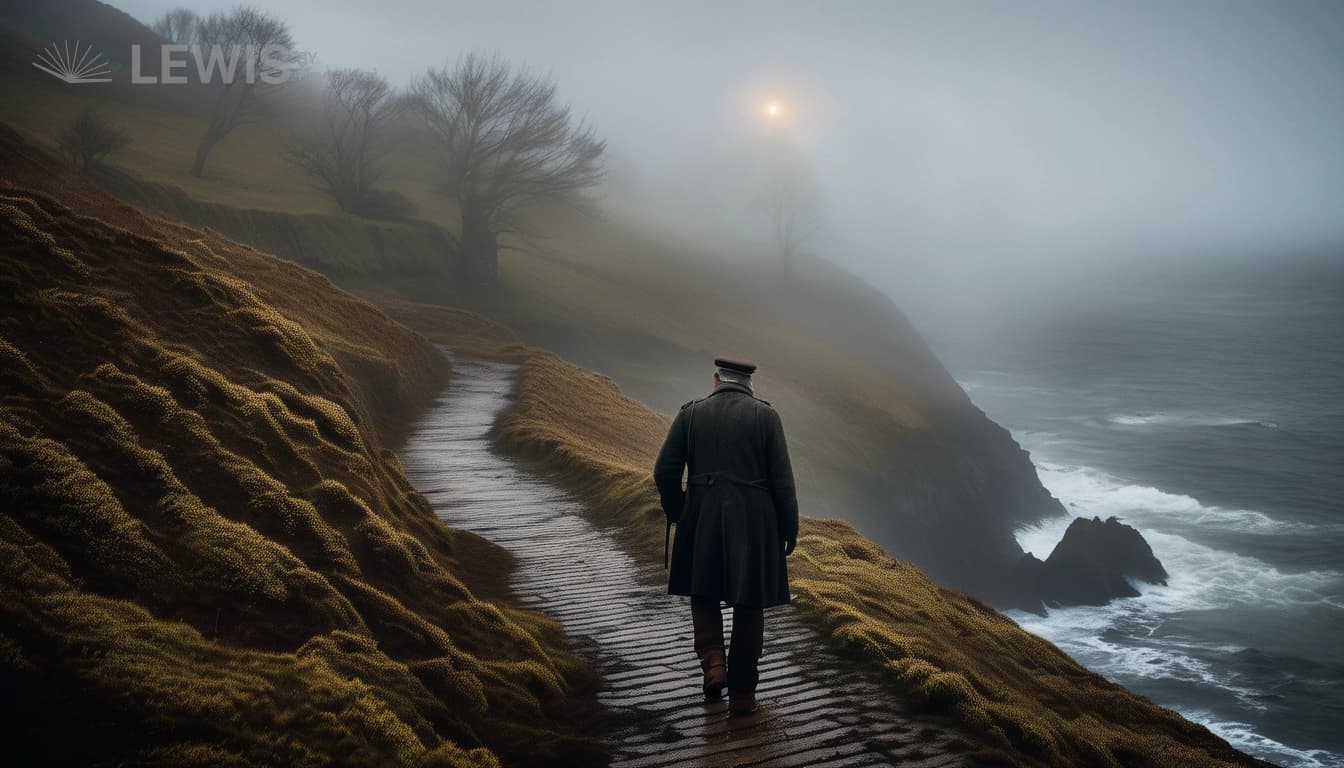
Malcolm Enderby has not spoken to another soul in weeks when the battered lifeboat shudders onto the rocks below his lighthouse, shrouded in a fog thick enough to smother sound. As he peers down, the figures scrambling up the jagged path ignite the usual storm of dread and duty within him. He relishes the illusion of control isolation provides, but the world beyond his glass—ravaged by monstrous, fog-born entities that hunt by sound and scent—has made even the illusion brittle. Malcolm’s hands tremble as he prepares the old rifle, not sure whether he means to warn them off or defend his fragile haven. Yet when he sees the woman—heavy with child, barely conscious—flanked by the stern, hawk-eyed Dr. Sabela Iqbal and the steady, unflinching Esi Mensah, the calculus shifts. He lets them in, unwillingly, already haunted by the memory of his daughter’s death and the way birth has become both a threat and a promise in this new world.

Inside the lighthouse, tensions rise as Sabela immediately asserts herself, demanding resources, dictating security, and quizzing Malcolm on the lighthouse’s defences. Her eyes never rest, always searching for the variables she cannot control. Sabela’s enclave, she explains, was wiped out days ago when the fog thickened and the creatures—pale, shifting amalgams of bone and sinew, attracted to the cries of the birthing—breached their perimeter. She mistrusts Malcolm’s reticence and Esi’s folk wisdom in equal measure, convinced that only the ruthless deserve survival. Esi, meanwhile, tends to the laboring woman with a quiet authority, her rituals and prayers clashing with Sabela’s clinical demands for speed and sterility. Malcolm, caught between their opposing philosophies, finds himself both repelled and fascinated by their certainty. He dreads the coming birth, convinced that new life will only summon death, but Esi’s unwavering composure and Sabela’s calculated boldness force him to reconsider his stance—if only to keep chaos at bay.

As the woman’s labor intensifies, so do the threats outside. The fog presses against the glass, writhing with shapes that test the lighthouse’s ancient foundations. Sabela proposes a brutal solution: to silence the mother with drugs or worse, buying time until the fog lifts. Esi opposes her fiercely, invoking ancestral wisdom and the sanctity of birth, insisting that to abandon the child is to forfeit hope itself. Malcolm, paralyzed by memories of his daughter’s stillbirth and haunted by guilt, is pushed to choose—his decision will determine not only who lives but what kind of world survives. The standoff explodes when the laboring woman, delirious with pain, lets out a scream that pierces the fog. Instantly, the monsters converge, their keening wails echoing through the spiral staircase, shaking the glass and steel. Sabela seizes a flare gun, ready to use the distraction as cover for escape, but Esi refuses to leave the woman’s side.

Malcolm’s scientific pragmatism collides with his battered empathy. He cannot bring himself to watch another child die, nor can he surrender entirely to Esi’s mysticism or Sabela’s cold logic. In a desperate gambit, he rigs the lighthouse’s ancient foghorn to blast at a frequency that disorients the monsters, buying precious minutes. The survivors barricade themselves in the lamp room, where Esi orchestrates the birth with a blend of herbal anesthetics and whispered invocations, her hands steady even as the beasts claw at the door. Sabela, her veneer cracking, admits a deep, hidden fear: that life itself is the vector for humanity’s extinction, and that every birth is a gamble with oblivion. Malcolm, forced to confront his hatred for birth and his longing for connection, finally intervenes—not by choosing a side, but by forging a fragile compromise. He helps Esi deliver the child while Sabela fortifies the barricade, each clinging to their own notion of survival.

The birth is harrowing, blood and fog mingling as the monsters breach the lower levels. The newborn’s first cries are met with a cacophony of unearthly shrieks from outside, but Malcolm’s gambit holds—the foghorn’s pulse drives the creatures back, though the cost is the shattering of the lighthouse’s mechanisms and the irrevocable drawing of every entity in the region to their location. As dawn breaks, the survivors emerge battered but alive. The mother, spent and silent, succumbs to her wounds, leaving the infant in Esi’s trembling arms. Sabela, her worldview punctured but not shattered, proposes they journey inland—her enclave’s failed protocols replaced by a new, hard-won understanding of human fragility and resilience. Malcolm, exhausted
Model Used
GPT-4.1
text
Stable Diffusion
image

Story Details

Keytalk Prompts Used
See all Keytalks
no chosen prompts
no chosen prompts
no chosen prompts
no chosen prompts
no chosen prompts
no chosen prompts
Model Used
GPT-4.1
text
Stable Diffusion
image

Character

Protagonist Character

Malcolm Enderby

GenderMale
OccupationLighthouse Keeper (formerly a marine biologist)

Profile

Malcolm Enderby stands at six foot one, his frame lean but corded with the pragmatic muscle of years spent battling salt winds and isolation atop the crumbling cliffs of the North Sea. His skin is weathered, sallow and etched with the mapwork of sleepless nights, while a thick beard—salt-and-pepper shot through with silver—obscures a jaw set perpetually in grim contemplation. Once a respected marine biologist, Malcolm’s academic precision lingers in his clipped, careful speech: he favors terse, analytical sentences, his Northumbrian accent softened by years of solitude but sharpened by latent impatience. His eyes—grey, flecked with amber—scan with the restless vigilance of someone forever anticipating disaster. Malcolm’s hands, rough and scarred, betray the nervous habit of tracing patterns across the lighthouse’s battered balustrade, a ritual begun after the death of his daughter years ago—a loss that fractured both his marriage and his faith in humanity’s capacity for survival. He dresses in layers: faded woolen jumpers, oilskin trousers, and a battered pea coat with an old university crest, clinging to relics of a world now drowned in fog and fear. Though fiercely private, Malcolm harbors an intellectual curiosity and an unyielding skepticism, often masking empathy behind brusque retorts and a refusal to entertain sentimentality. His solitary existence is punctuated by terse radio exchanges with distant survivors and the haunting memory of scientific rigor turned futile in the face of apocalyptic chaos. Malcolm’s core motivation—to shield the fragile remnants of life from the abyss—clashes with a gnawing loathing for the vulnerability and chaos that birth represents, especially in a world teetering on extinction. He is haunted by the fear that sanctuary breeds weakness, yet compelled by a fractured sense of duty to stand sentinel against the monstrous unknown. His inner conflict, rooted in both personal loss and the scientific imperative to preserve life, sets him on an inexorable collision course with the survivors who now threaten the sanctity of his isolation, demanding he choose between the brittle hope of connection and the cold solace of self-preservation.
Antagonist Character

Dr. Sabela Iqbal

GenderFemale
OccupationExobiologist and Survivalist Cult Leader

Profile

Dr. Sabela Iqbal, a 38-year-old exobiologist of Bengali-Mozambican descent, stands just above average height at 5’8”, her slender frame wiry from years of survivalist rigor rather than privilege. Her skin is a deep, lustrous sepia, often marked with the faint traces of old field scars, and her hair—jet black, streaked with premature silver—falls in a severe, practical braid down her back, save for the unruly wisps always escaping at her temples. Her angular face, with its high cheekbones and sharply intelligent, almost predatory dark eyes, rarely betrays warmth, and her full lips are typically pressed in a line of unsparing focus. She dresses in functional, weather-beaten layers: waterproof cargo pants, battered boots, and an olive-green military surplus jacket adorned with obscure patches—each a relic of lost expeditions. Sabela’s journey from brilliant exobiologist, lauded for her controversial theories on extraterrestrial life as evolutionary threat, to the iron-willed leader of a radical survivalist enclave, has shaped an ethos of ruthless pragmatism and unyielding skepticism toward all who seek sanctuary. Her voice carries the clipped precision of academic training, softened at rare moments by the melodic undertones of her Maputo upbringing; she rarely raises it, but every word is weighted and deliberate, often laced with biting irony or dry fatalism. Fiercely protective of her followers, she views outsiders—especially the desperate or the weak—with a cold, almost clinical detachment, believing that sentimentality is a luxury the new world cannot afford. Haunted by the collapse of global systems she once believed she could help prevent, Sabela is driven by a relentless need to control the variables of her environment, frequently testing the limits of loyalty within her enclave through ritualized trials. Her methods—scientific, systematic, sometimes verging on the inhumane—reflect both her brilliance and her capacity for moral ambiguity. Yet beneath the armor of her intellect and her cult’s dogma lies a restless longing for vindication, a compulsion to impose order on chaos, and, perhaps, a secret terror that the line between monstrousness and survival has blurred beyond recognition.
Sidekick Character

Esi Mensah

GenderFemale
OccupationFolk Healer and Midwife

Profile

Esi Mensah, a Ghanaian folk healer and midwife of sixty-two years, stands at five foot two, her wiry frame wrapped in layers of faded wax-print cloth and a threadbare, salt-stained cardigan that hints at her pragmatic resilience. Her mahogany skin is mapped with delicate ritual scars along her forearms, and her hands—broad-palmed, dexterous, their nails kept short—speak of decades spent coaxing life from the brink. Silver-streaked plaits crown her head, often tied back with strips of indigo cloth, framing a face both stern and compassionate: high cheekbones, wide-set, perceptive eyes that seem to peer straight through pretense, and a mouth quick to frown, but just as likely to break into a sly, knowing grin. Esi’s presence is both grounding and unsettling; she moves with measured deliberation, her voice rich with the cadence of Twi interwoven with clipped English, dispensing wisdom in parables and abrupt, unvarnished truths. Rooted in ancestral knowledge but haunted by the failures of modern medicine—having watched her coastal village ravaged by plague and abandonment—Esi’s approach to survival is fiercely communal, driven by a conviction that birth and death are sacred boundaries to be respected, not feared. Her sharp skepticism toward authority, forged through years of colonial oppression and patriarchal dismissal, creates natural friction with both Malcolm’s scientific detachment and Dr. Iqbal’s zealotry; yet her adaptability, intuitive healing, and unwavering moral compass make her indispensable amid chaos. Esi is not docile—her insistence on ritual, her refusal to rush the sacred, and her refusal to compromise the dignity of the vulnerable set her apart. Though burdened by regrets over estranged kin and the ghosts of those she could not save, she remains animated by a stubborn hope and a quiet defiance, her steady hands and biting wit a bulwark against despair. Her independent desire to preserve life—especially that of the unborn—compels her forward, yet she struggles with the guilt of past failures and the looming question of whether humanity deserves to endure. Esi’s methods—her rituals, her herbal concoctions, her silent prayers—clash with Malcolm’s rationalism and Iqbal’s fanaticism, but her willingness to challenge, comfort, and protect those around her will shape the fragile alliances within the lighthouse and force every survivor, herself included, to reevaluate what it means to hope in a dying world.
Model Used
GPT-4.1
text
Stable Diffusion
image

World

Location/Time, Era:
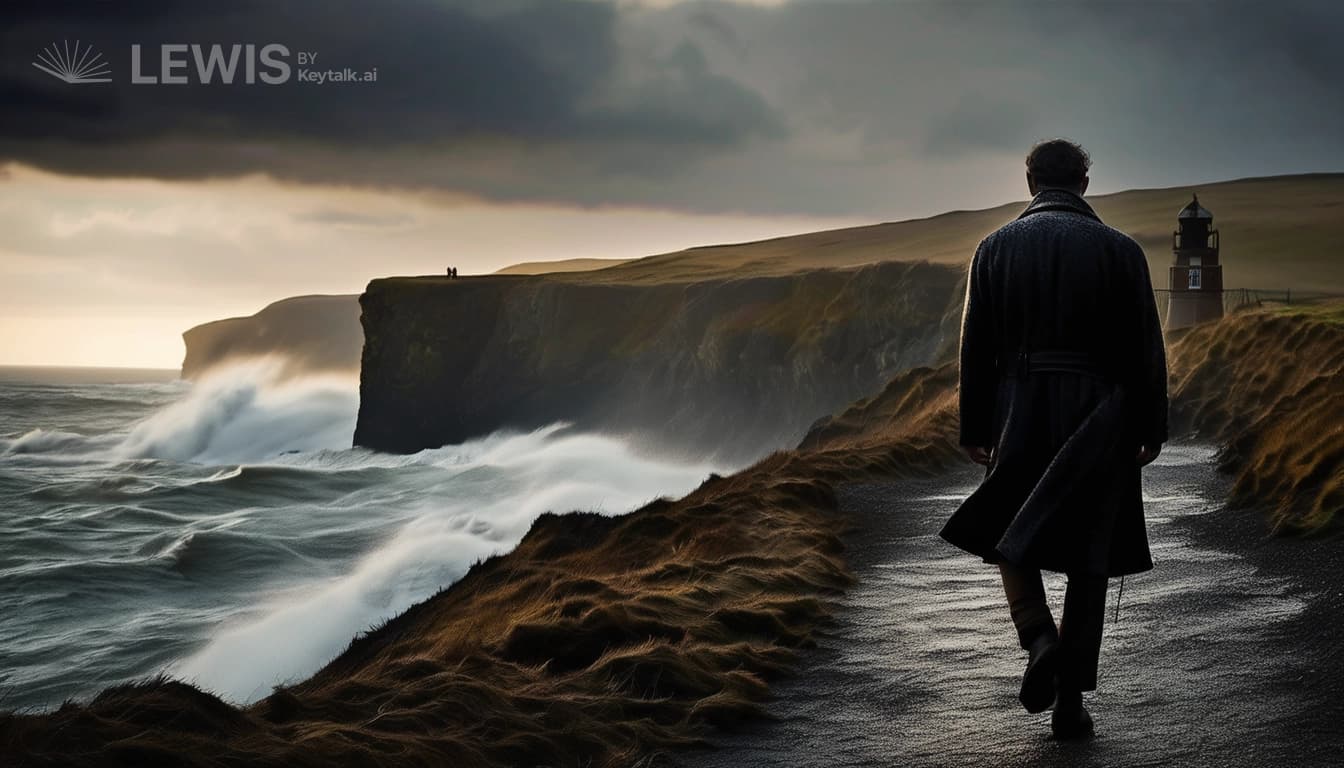
The story unfolds on the wind-lashed cliffs of Northumberland, where Malcolm’s lighthouse juts from the crumbling coastline like a tooth in a jaw half-swallowed by the North Sea. It’s late autumn in a post-collapse world—years after the first fogs swept in, shrouding the land in perpetual twilight and erasing the boundary between day and night. The nearest settlement lies in ruins, its church steeple and abandoned harbor submerged by storm surge and neglect. Time is counted not in hours but in intervals between fog incursions and monster sightings, with survivors marking their days by the frequency of radio static and the ebb and flow of the fog’s thickness. The lighthouse itself is a relic: its beacon, now unreliable, serves less to guide ships than to warn off the living and the dead.

Key rules of the world and their impact on the story and beyond:
Survival hinges on a brutal calculus—sound and scent summon the fog-born entities, whose predatory senses are honed to the chaos of birth and death. Absolute silence is demanded during moments of vulnerability; even the smallest cry can bring annihilation. Resources are scarce: fresh water is drawn from jury-rigged rain collectors, food scavenged from storm-wrecked trawlers or traded in coded radio exchanges with distant enclaves. Trust is rationed as carefully as ammunition; alliances form and fracture on the basis of old grudges, ideological divides, and the desperation of the moment. The monsters are not mere beasts but manifestations of the world’s unraveling—each encounter forces survivors to choose between sacrifice and connection, breeding both paranoia and unlikely solidarity.

Visual depiction of the world and its unique features:
The landscape is apocalyptic yet intimate—jagged rocks, skeletal trees bent by salt wind, and ruined cottages half-swallowed by creeping water. Fog is omnipresent, pulsing with ghostly motion, sometimes parting to reveal hunched, bone-white shapes prowling the periphery. The lighthouse interior is a labyrinth of rusted machinery, storm lanterns, and faded maps, with its lamp room transformed into a sanctuary-cum-barricade: mattresses, medical supplies, and makeshift charms strung from the ceiling. Outside, the world is stripped of color and certainty; the sky is perpetually bruised, the sea below both lifeline and menace. Details matter—every creak of floorboard, every glimmer of light through the fog, becomes a potential harbinger of either hope or horror.

Notable technology, philosophy, or cultural elements influencing the world and narrative:
Technology is scavenged and repurposed: ancient foghorns become weapons, radio waves both lifeline and lure. Rituals and science collide—Esi’s herbal remedies and ancestral prayers vie with Sabela’s pharmacological protocols and hard-won survival tactics. The remnants of old academia—Malcolm’s marine biology, Sabela’s exobiology—are twisted into tools for navigating extinction, while the survivors’ philosophies evolve under pressure: ruthlessness, communal care, fatalism, and the search for meaning in the face of oblivion. Birth is both taboo and miracle, marked by ritual, dread, and fierce debate. The lighthouse itself becomes a crucible for these clashing worldviews, forcing each character to confront not only the monsters outside, but the ones within—shaping every choice, every betrayal, and every fragile act of hope.
representative image
location 1 image

Location 1

Title: The Drowned Cloisters of Saint Aethelred
Description: Half-submerged beneath a ceaseless, churning tide, the cloisters jut from the black rocks like broken ribs, their ancient arches slick with salt and algae, echoing with the muffled tolling of a bell long lost beneath the waves. Fog curls in through shattered stained glass, pooling around crumbling pews and drowned altars where fish dart through the bones of forgotten monks. Here, the air tastes of rust and old prayers, and every footstep threatens to summon memories—or monsters—best left buried.
location 2 image

Location 2

Title : The Whispering Market of Low Tide
Description : At the edge of the ruined harbor, the Whispering Market sprawls over slick stones and broken boardwalks, half-submerged when the tide creeps in, its stalls fashioned from scavenged ship hulls and shrouded in tarps that flutter like specters in the mist. Here, survivors barter in hushed voices for forbidden medicines and charms, every transaction shadowed by the threat of fog-born predators prowling just beyond the lantern glow. The air hums with anxiety and hope—a place where desperation and invention breed alliances as fragile as the tide, and every whispered deal could mean the difference between salvation and surrender.
location 3 image

Location 3

Title: The Bone-Lit Archives Beneath Harker’s Mill

Description:
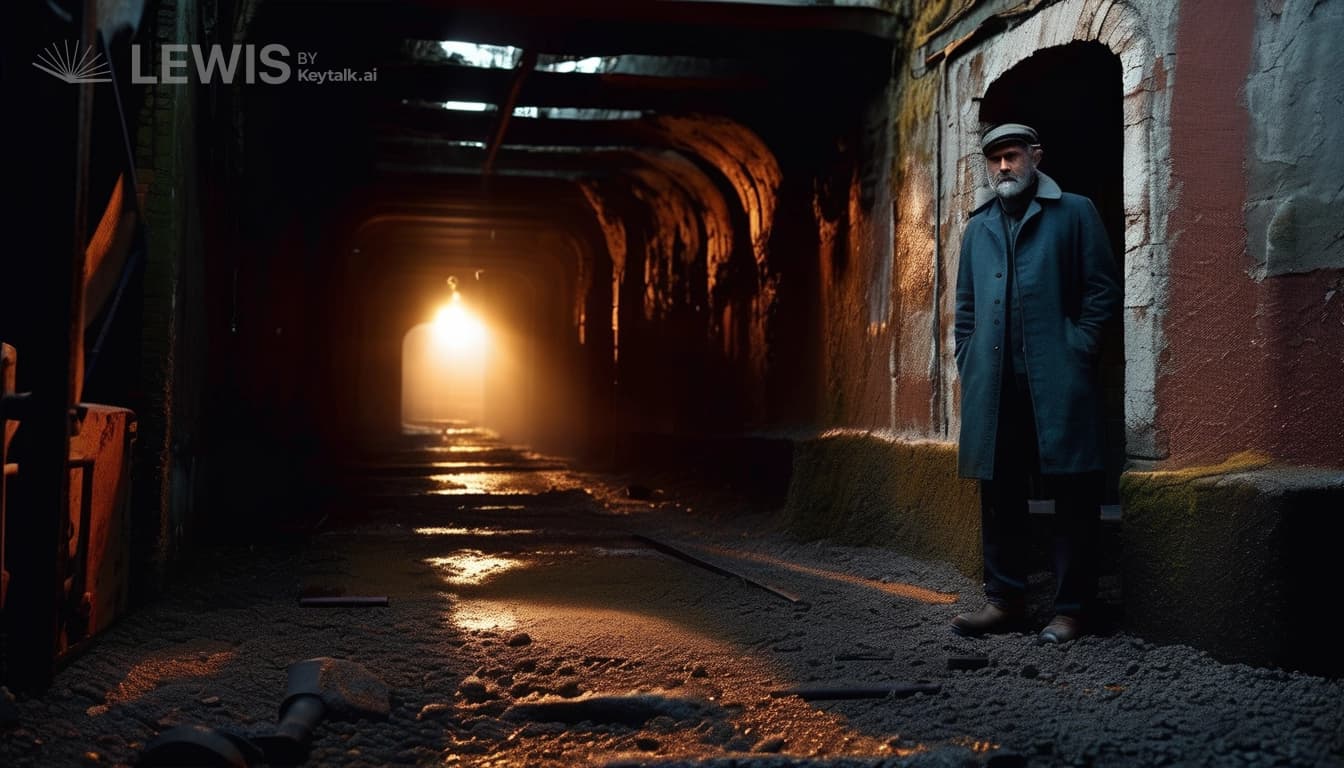
Down a hatch hidden beneath the splintered floorboards of Harker’s Mill, the Bone-Lit Archives sprawl like the calcified memory of a world that forgot how to hope—rows of shelves cobbled together from driftwood and rib bones, lanterns burning low with wicks of sinew, and everywhere the hush of parchment and the stench of old salt and marrow. The walls pulse with the history of desperate survivors: birth records etched on scapulae, maps inked across vertebrae, and warnings scrawled in frantic, looping hands, all illuminated by the unsteady glow of ossified chandeliers. Here, the air tastes of secrets and dread, and every footstep risks stirring both the fog-born monsters above and the ghosts of those who wagered everything on remembrance instead of forgetting.
Model Used
GPT-4.1
text
Stable Diffusion
image

Scenes

scene 1 image
Scene 1
The Ghosts Beneath the Lantern—Strangers Arrive in the Fog
[Place] - The isolated lighthouse perched on a battered, sea-lashed headland; the rocky path below, choked by fog
[Time] - Just before midnight, in the deep, oppressive quiet of a fog-shrouded night

[Action]
Malcolm Enderby, gaunt and haunted by weeks of silence, stands alone at the lighthouse window, staring into a fog so dense it blurs the line between sea and sky. When a battered lifeboat crashes onto the rocks below, the unnatural silence is broken—he’s seized by dread and a surge of reluctant responsibility. He hesitates, torn between self-preservation and a reflexive urge to help, his memories of loss swirling in the gloom. As the figures—Esi Mensah, Dr. Sabela Iqbal, and a laboring, near-unconscious pregnant woman—scramble up the treacherous path, Malcolm readies his ancient rifle, unsure whether to threaten or protect. He recognizes the exhaustion and desperation in their movements, and, despite his better judgment, decides to let them inside. Sabela immediately takes command, scanning for threats and questioning Malcolm’s preparedness with cold, clinical precision. Esi, in contrast, radiates quiet competence, focusing on the woman’s pain and murmuring soft prayers. Tension crackles as Sabela demands resources and security while Esi sets about creating a makeshift birthing space, the two women’s conflicting philosophies immediately apparent. Malcolm is caught in the undertow of their presence—his loneliness shattered, his fragile sense of control slipping away. He’s plagued by flashes of his daughter’s death and a mounting fear that new life will only bring more danger. The scene ends with Malcolm, rifle in hand, standing in the threshold between his sanctuary and the encroaching chaos, the fog pressing close, old ghosts whispering at his back.

[Impact on the story]
This scene shatters Malcolm’s isolation, forcing him to confront the intrusion of others and the unresolved grief lurking beneath his routines. The arrival of the trio catalyzes the clash of survival philosophies—Sabela’s ruthless logic versus Esi’s spiritual resilience—setting up the emotional and ideological conflicts that will drive the story. Malcolm’s internal struggle is reignited, as the line between duty and self-preservation blurs, and the memory of his daughter’s death becomes a ghostly presence guiding his choices.

[Description]
Malcolm’s solitary existence is upended when three desperate survivors—one of them in labor—arrive at his lighthouse, pursued by deadly, fog-born monsters. As he lets them in, tensions flare between the pragmatic Sabela and the intuitive Esi, with Malcolm caught between their competing worldviews. The uneasy alliance and resurfacing grief set the stage for the coming battles within and without.
scene 2 image
Scene 2
[Title]
Broken Promises and Unspoken Grief—Malcolm’s Daughter in the Shadows

[Place]
Inside the lighthouse—kitchen, cramped sleeping quarters, and lantern room; flickering lamplight and shadows thrown by fog and battered glass.

[Time]
Late night, immediately following the survivors’ arrival; the fog outside deepens, amplifying the sense of suffocation and isolation.

[Action]
Malcolm leads the newcomers through the labyrinth of his lighthouse, his nerves fraying with every echoing footstep. Sabela moves quickly to assess supplies and fortifications, probing for weaknesses in Malcolm’s routines and pressing him for answers about backup plans and escape routes. Her urgency exposes the fragility of his isolation—his stockpiled food, his makeshift barricades, the battered rifle he clings to out of habit rather than conviction. Esi, meanwhile, tends to the laboring woman with gentle authority, transforming the cramped quarters into a makeshift birthing room and quietly invoking ancestral protection. The clash between Sabela’s militaristic logic and Esi’s spiritual care intensifies, with Sabela dismissing Esi’s rituals as dangerous sentimentality and Esi countering that sterile pragmatism invites despair. Malcolm is drawn into their conflict, his own grief surfacing in fragmented memories—his daughter’s stillbirth, the hollow echo of promises broken, the way loss has shaped his every instinct. He finds himself unable to commit to either woman’s philosophy, instead haunted by a gnawing uncertainty about what survival truly means in this world. As tension builds, Malcolm retreats briefly to the lantern room, confronting the ghostly remnants of his daughter—her blanket, her faded photograph, the silence she left behind. The scene closes with Malcolm staring into the fog, his resolve shaken, as the first distant shrieks of the monsters drift up from the cliffs below, reminding him that the price of letting others in may be more than he can bear.

[Impact on the story]
This scene deepens the emotional stakes by forcing Malcolm to confront his unresolved grief and the consequences of past choices. The tension between Sabela and Esi escalates, underscoring the ideological rift within the group and heightening the sense of impending crisis. Malcolm’s inability to choose sides exposes his vulnerability and sets the stage for his eventual reckoning—his haunted indecision will shape the group’s chances for survival and the meaning of hope in a world ruled by fear.

[Description]
Malcolm’s lighthouse becomes a crucible for grief and conflicting survival philosophies as Sabela and Esi battle for influence over the group. His memories of loss resurface, leaving him paralyzed between cold logic and fragile faith. The scene builds emotional depth and foreshadows the life-or-death choices looming ahead.
scene 3 image
Scene 3
[Title]
The Anatomy of Fear—Sabela’s Rules, Esi’s Rituals, and a Battle for Control

[Place]
Inside the lighthouse’s main chamber, cluttered with survival gear, a battered desk, and the waning glow from the lantern room overhead. The air is heavy with the smell of antiseptic, sweat, and old seawater. Fog presses against every window, warping the world outside into a shifting grey tapestry.

[Time]
Moments after Malcolm’s solitary confrontation with grief; late night, as the mother’s labor pains intensify and the shrieks of monsters grow closer, echoing through the stone walls.

[Action]
This scene zeroes in on the escalating conflict between Sabela and Esi as the lighthouse’s fragile sanctuary becomes a battleground for control. Sabela, relentless, organizes the supplies and draws up contingency plans, pressing Malcolm for hard answers—how much food remains, how defensible are the doors, what weapons can be mustered if the creatures breach the lighthouse. Her intensity is fueled by the trauma of her enclave’s destruction and a fear that sentiment will get them all killed. Esi, meanwhile, transforms the chamber into a birthing space, laying out herbal poultices and whispering prayers over the mother. She asks Malcolm for towels and hot water, insisting the rituals are as vital as any barricade. The laboring woman’s pain becomes a catalyst: every moan or cry sparks a debate about how best to keep the monsters at bay. Sabela proposes sedating the woman to silence her, even suggesting more extreme measures if it comes to that. Esi refuses, her conviction rooted in faith and ancestral memory, countering that to suppress birth is to surrender hope. Malcolm is forced into the center of this ideological clash, torn between Sabela’s ruthless logic and Esi’s gentle, unyielding compassion. His memories of loss make him hesitant to act, yet both women demand his decision—will he sanction Sabela’s methods, or stand with Esi’s rituals? The tension between pragmatism and faith, violence and care, is palpable. Outside, the fog thickens and the monsters begin to press against the glass, their forms indistinct but unmistakably hungry. The scene ends with Malcolm’s paralysis—unable to choose, he watches as the mother’s agony mounts, the group’s survival hanging on his next move.

[Impact on the story]
This scene intensifies the power struggle between Sabela and Esi, forcing Malcolm’s internal conflict into the open and setting up the critical choice that will define the group’s fate. It pushes the characters’ philosophies to their breaking points, exposing hidden fears and desires while amplifying the stakes of the impending birth. Malcolm’s indecision fuels suspense and emotional vulnerability, driving the narrative toward a crisis point.

[Description]
The lighthouse becomes a pressure cooker as Sabela’s survival tactics clash with Esi’s spiritual care, both vying for Malcolm’s support. The escalating tension and imminent threat force the group to confront what survival truly means, setting the stage for an irreversible decision.
scene 4 image
Scene 4
[Title]
Songs in the Mist—The Birth Begins and the Monsters Answer

[Place]
The lamp room at the top of the lighthouse, cramped and stifling, walls slick with condensation, overlooking the swirling grey void. Flickering lantern light glints off broken glass and rusted metal, casting long, shifting shadows.

[Time]
Dead of night, as the mother’s labor peaks and the fog outside thickens into a living wall, punctuated by the distant, haunting cries of creatures circling ever closer.

[Action]
The scene opens with the mother writhing in pain as contractions wrack her body, her cries growing louder and more desperate. Esi, calm but visibly strained, prepares for the birth, improvising with threadbare supplies and herbal remedies, her prayers barely audible above the mounting agony. Sabela grows increasingly frantic, stalking the perimeter, checking barricades, and urging Malcolm to silence the mother by any means necessary—her desperation tinged with fear of repeating the enclave’s massacre. Malcolm hesitates, haunted by memories of his own loss, his hands trembling as he weighs Sabela’s cold logic against Esi’s unwavering faith. The tension erupts when the woman screams—a piercing, primal sound that slices through the fog. Instantly, the monsters react, their forms pressing against the glass, their wails echoing up the spiral staircase, threatening to breach the sanctuary. Sabela readies the flare gun, proposing a risky escape, but Esi refuses to abandon the birth, anchoring herself to hope even as terror mounts. Malcolm, pushed past indecision by the mother’s suffering and the imminent danger, devises a desperate plan to use the lighthouse’s ancient foghorn as a sonic shield, hoping to buy time for the birth. The group scrambles to fortify their position, dividing tasks under extreme duress: Esi guiding the birth, Sabela reinforcing barricades, Malcolm wiring the foghorn. As the monsters attack in force, the survivors’ philosophies collide—violence versus faith, survival versus hope—forcing Malcolm to find a fragile compromise that will define their future.

[Impact on the story]
This scene amplifies the emotional stakes for every character, exposing their deepest fears and convictions as survival becomes a race against time and terror. Malcolm’s forced action marks a turning point, revealing his capacity to lead and adapt under pressure, while Sabela and Esi’s clash pushes each to confront the limitations of their worldviews. The birth, set against the monsters’ assault, becomes a symbol of both risk and resilience, binding the group together in shared vulnerability and setting up the consequences that will ripple into the next scene.

[Description]
The birth and monster attack converge in a storm of agony and resolve, driving the survivors to their breaking point. Malcolm’s desperate gambit with the foghorn shifts the balance, forcing the group into uneasy cooperation and redefining the price of survival.
scene 5 image
Scene 5
[Title]
The Foghorn Gambit—Sacrifice, Survival, and the Shattering of Sanctuary

[Place]
Lamp room and mechanical heart of the lighthouse—claustrophobic, battered, echoing with the aftershocks of the foghorn’s blast and the scraping of monsters on iron and stone.

[Time]
Moments after the birth’s climax, deep night on the cusp of dawn, as the foghorn’s reverberations fade and the world outside teeters between chaos and silence.

[Action]
This scene picks up in the charged aftermath: the newborn’s cries have summoned a fresh frenzy outside, the foghorn’s sonic pulse temporarily disorients the monsters but its old machinery groans under the strain, threatening imminent failure. Malcolm, sweat-soaked and shaken, scrambles to keep the system running, knowing every second counts. Esi cradles the infant, her relief eclipsed by grief as the mother slips away, her breathing shallow, her wounds too deep. Sabela, wild-eyed and exhausted, scavenges for weapons and argues for immediate escape, sensing the sanctuary will not hold. The group is forced into a brutal triage: reinforce barricades or prepare to flee, mourn or survive. Malcolm faces a wrenching choice—whether to try one last repair on the foghorn, risking permanent damage, or to help ready the group for a retreat through the fog. Esi pleads for dignity and ritual for the mother, insisting they cannot abandon her body to the monsters. Sabela pushes for ruthless pragmatism, determined to save the living at any cost, revealing her own terror of dying in vain. As the foghorn sputters, monsters breach the lower level, their keening growing louder. Malcolm, haunted by his daughter's death and the shattering of his sanctuary, makes the sacrificial decision to overload the foghorn, drawing every creature in the region but buying the group a slim window to escape. In the chaos, Sabela and Esi must work together—one dragging supplies, the other carrying the infant—while Malcolm lingers for a final moment, saying a silent goodbye to the lighthouse and the woman lost to the night.

[Impact on the story]
This scene crystallizes the group’s transformation: Malcolm’s sacrifice severs his last tie to isolation, forcing him to let go of grief and step into fragile leadership. Sabela’s hard edges soften as she glimpses the cost of survival, while Esi’s spiritual strength anchors the group amid chaos. The shattering of the lighthouse marks the end of their sanctuary and the beginning of a new, perilous journey, binding the survivors in shared trauma and hope.

[Description]
The survivors are forced to abandon the lighthouse, sacrificing sanctuary for a slim chance at escape. Malcolm’s gamble with the foghorn draws every monster near, but buys the group precious time, forging an uneasy alliance and setting the stage for their uncertain future.
scene 6 image
Scene 6
[Title]
Dawn on Ruin—A Child’s Cry, a Mother’s Silence, and the Choice to Hope

[Place]
Clifftop outside the ruined lighthouse, fog thinned to shreds by the rising sun, with the battered remnants of the group gathered beside the jagged rocks and cold surf.

[Time]
Dawn, just after the desperate flight from the collapsing lighthouse—sky bruised purple and gold, mist lifting in ragged ribbons, the world raw and silent in the aftermath.

[Action]
The survivors stumble into the weak light of morning, battered by exhaustion and shock. The lighthouse, once a fortress, stands broken behind them, its lamp extinguished and its stones echoing with distant, dying shrieks. Esi, cradling the newborn, leads the group in a quiet vigil over the mother’s body—she insists on a ritual burial, even as Sabela rails against the risk, her hands trembling as she scans the shifting fog. Malcolm, hollowed out by loss and adrenaline, helps dig a grave with numb hands, the act both penance and release for all he failed to save. Sabela paces the perimeter, haunted by her own admissions—her certainty fractured, she is forced to watch as Esi’s compassion becomes a kind of defiance. The burial is brief and raw, a collision of Esi’s prayers and Sabela’s terse silence, while Malcolm finally lets himself weep, the dawn breaking over his grief. When the last stone is laid, Sabela proposes they move inland, her voice softer but edged with new resolve; her pragmatism now tempered by the memory of all they’ve lost. Esi, protective of the child and insistent that hope is not a luxury but a necessity, agrees to lead the way. Malcolm, stripped of his sanctuary and old fears, chooses to follow—not as a warden, but as a companion. The group sets out, bound by fresh loss and fragile hope, stepping into the unknown as the sun burns the last wisps of fog from the world.

[Impact on the story]
This scene cements the survivors’ transformation from fractured strangers into a tentative, wounded family. The burial of the mother marks the acceptance of loss, while the care for the newborn becomes a symbol of defiant hope. Sabela’s willingness to yield and Malcolm’s release of grief hint at new strengths, setting the stage for their journey into a world where survival means forging meaning from ruin.

[Description]
At dawn, the survivors bury the mother and face the consequences of their choices, forging a fragile alliance. As they set off inland, carrying both grief and hope, the collapse of the lighthouse marks not just the end of sanctuary, but the beginning of hard-won unity and the search for a new place to belong.
'Birthcry in the Fog'Story Chat

Want to chat with the characters from this story?

'Birthcry in the Fog'Story Chat

Want to chat with the characters from this story?

story image
story image
story image

You might also like

Comments0

rank icon image
#7 inGenre

Recommendation from YLAB Town

theme music