
본문으로 건너뛰기
The Melody That Kills Secrets cover image

The Melody That Kills Secrets

What if a gifted musician from Alabama, seized by haunting visions after a transformative festival performance, found herself ensnared in a cryptic conspiracy where every note she played threatened to expose powerful truths about her world? As Jenna’s final days in London unravel through puzzling clues—left-handed melodies echoing hidden desires, coded messages in psychedelic chords, and shadowy figures trailing her band—her relentless quest for meaning leads toward a shocking revelation about identity, innocence, and the inevitable collision between art and mortality.
Scroll

Plot Synopsis

Jenna Jade Henvix’s story begins in the sticky glow of a London summer night, her band’s final festival set still ringing in her ears as she stumbles offstage, sweat-soaked and breathless. She’s high on adrenaline and the faint, unshakable sense that something uncanny has shifted inside her—every note she played felt like a secret unlocked, and the crowd’s roar seemed to echo through her marrow. The moment she steps into the backstage gloom, she’s hit by the first vision: a flash of her mother’s face, blurred and flickering, mouthing silent words as kaleidoscopic lights fracture around her. It’s not the first time Jenna’s been haunted by memories of the woman who vanished years ago, but this is different—sharper, almost instructional, as if the music itself is transmitting a message she’s not yet ready to receive. She brushes it off, blaming exhaustion and cheap gin, but when she finds a left-handed melody scrawled in her own handwriting on a crumpled napkin she doesn’t remember using, Jenna’s curiosity sharpens into dread.

Over the next few days, Jenna’s visions intensify. Snatches of half-remembered songs haunt her dreams, each threaded with cryptic lyrics: coded messages about innocence, betrayal, and the shadowy machinery beneath the city’s pulsing surface. Soraya, her fiercely loyal audio engineer, notices the changes—Jenna’s playing has grown wilder, the band’s performances careening between brilliance and chaos. Soraya, ever the pragmatist, starts cataloging every oddity, convinced there’s a pattern in the madness. Meanwhile, Dr. Laurence Ashcroft, the enigmatic producer who first invited Jenna’s band to London, begins to circle closer. His reputation precedes him: brilliant, dangerous, rumored to dabble in the occult. He claims to recognize something ancient in Jenna’s new sound, hinting at lost folk traditions and spectral frequencies that unlock hidden truths. Jenna, desperate for answers, is drawn to his intensity, even as his cryptic warnings—“Some doors, once opened, refuse to close”—linger in her mind.

As the band’s final days in London spiral into a fever dream, Jenna’s grip on reality frays. She begins to see patterns everywhere: in the graffiti on Camden’s brick walls, in the hum of the Underground, in the way Soraya’s synths glitch at precisely the wrong moments. The visions become more pointed, offering her glimpses of a vast, invisible conspiracy—powerful figures in the city’s cultural elite manipulating art as a weapon, rewriting history with every censored lyric and silenced voice. Each time Jenna plays the left-handed melodies that come to her in dreams, she feels herself drawing closer to something dangerous and true. Soraya, alarmed by Jenna’s unraveling, tries to intervene, but Jenna’s hunger for meaning—her need to matter—outpaces her fear. When a shadowy stranger slips her a battered cassette tape after a show, whispering “Your mother died for this,” Jenna realizes the conspiracy is personal. The tape, when played, reveals a song encoded with fragments of her mother’s last performance—one that exposes the same hidden messages Jenna has been channeling.

Driven by a reckless empathy and the ache of unfinished family business, Jenna resolves to perform the forbidden song at the band’s final gig, convinced it will force the truth into the open. Ashcroft, torn between his obsession with revelation and his own haunted past, warns her that some truths demand sacrifices. Soraya, caught in the crossfire, tries to decode the song’s structure, desperate to protect Jenna from herself, but the music resists analysis—its meaning shifting with every performance, like a living code. As the band prepares for their last show, Jenna’s brother confides his own fears: he’s been followed, threatened, and now believes their entire family history is a lie orchestrated by unseen hands. The stakes are no longer just artistic or personal—they’re existential.

The night of the final gig, everything unravels. Jenna’s band takes the stage in a crowded warehouse, every note pulsing with the threat of revelation. As she plays, the visions sharpen: her mother, Ashcroft’s own ancestors, faceless figures weaving music and memory into chains. The audience shifts uneasily, some rapt, others fleeing as coded images flicker across the stage’s projection screens—Soraya’s handiwork, amplifying the song’s hidden frequencies. Jenna’s left hand bleeds onto her guitar, the old scar reopening as she hammers out the final chords. Ashcroft, watching from the shadows, realizes too late that he’s unleashed forces he can’t control. The music cracks something open in the world—a shudder that ripples through the crowd, exposing secrets long buried. Jenna’s last note hangs in the air, a question and
Model Used
GPT-4.1
text
Stable Diffusion
image

Story Details

Keytalk Prompts Used
See all Keytalks
no chosen prompts
no chosen prompts
no chosen prompts
no chosen prompts
no chosen prompts
no chosen prompts
Model Used
GPT-4.1
text
Stable Diffusion
image

Character

Protagonist Character

Jenna Mae Ellison

GenderFemale
OccupationIndie Singer-Songwriter (Touring Musician)

Profile

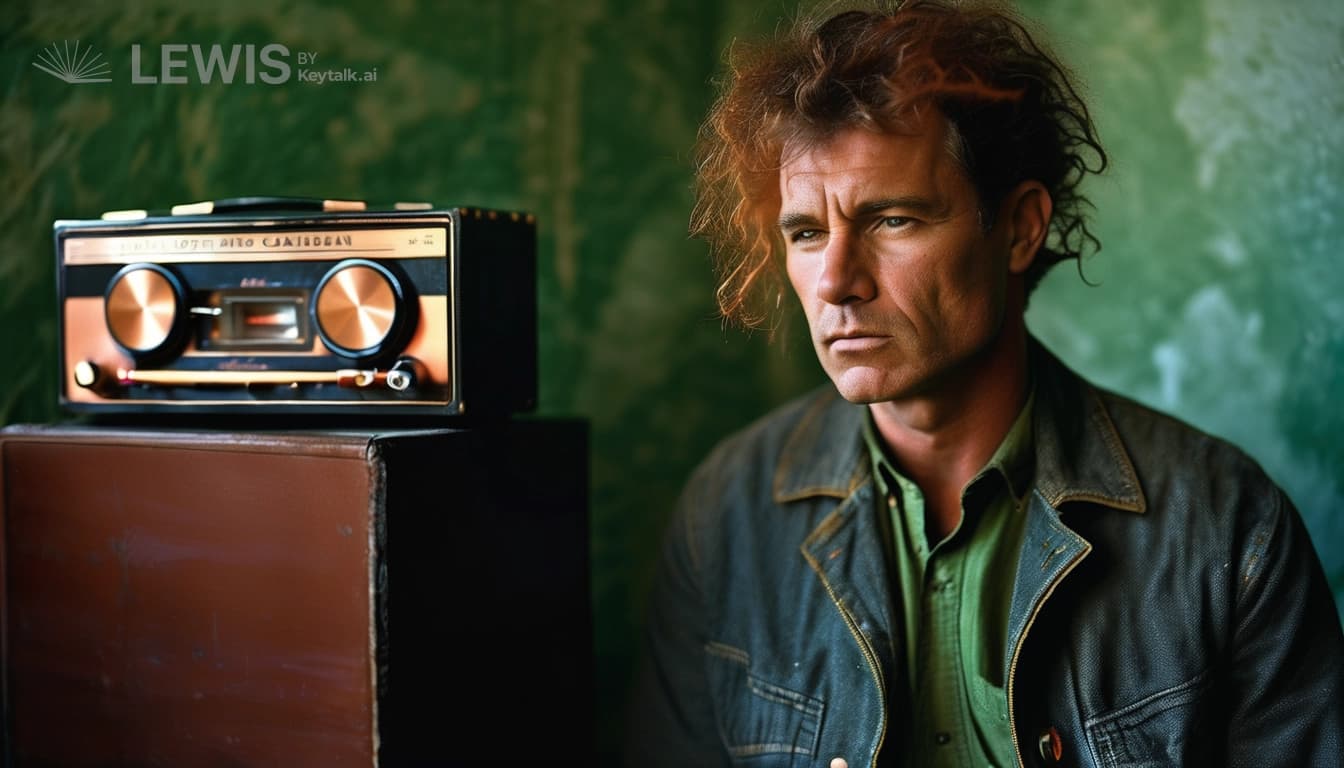
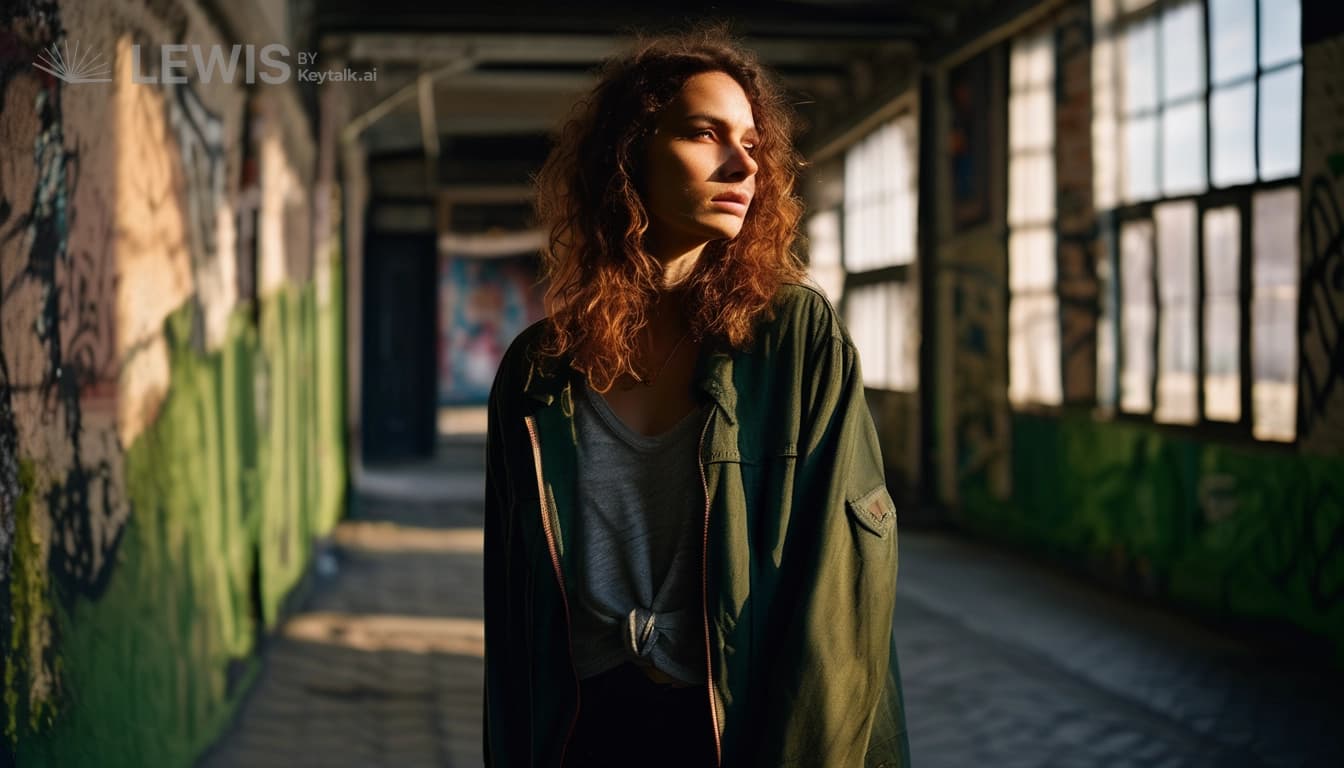
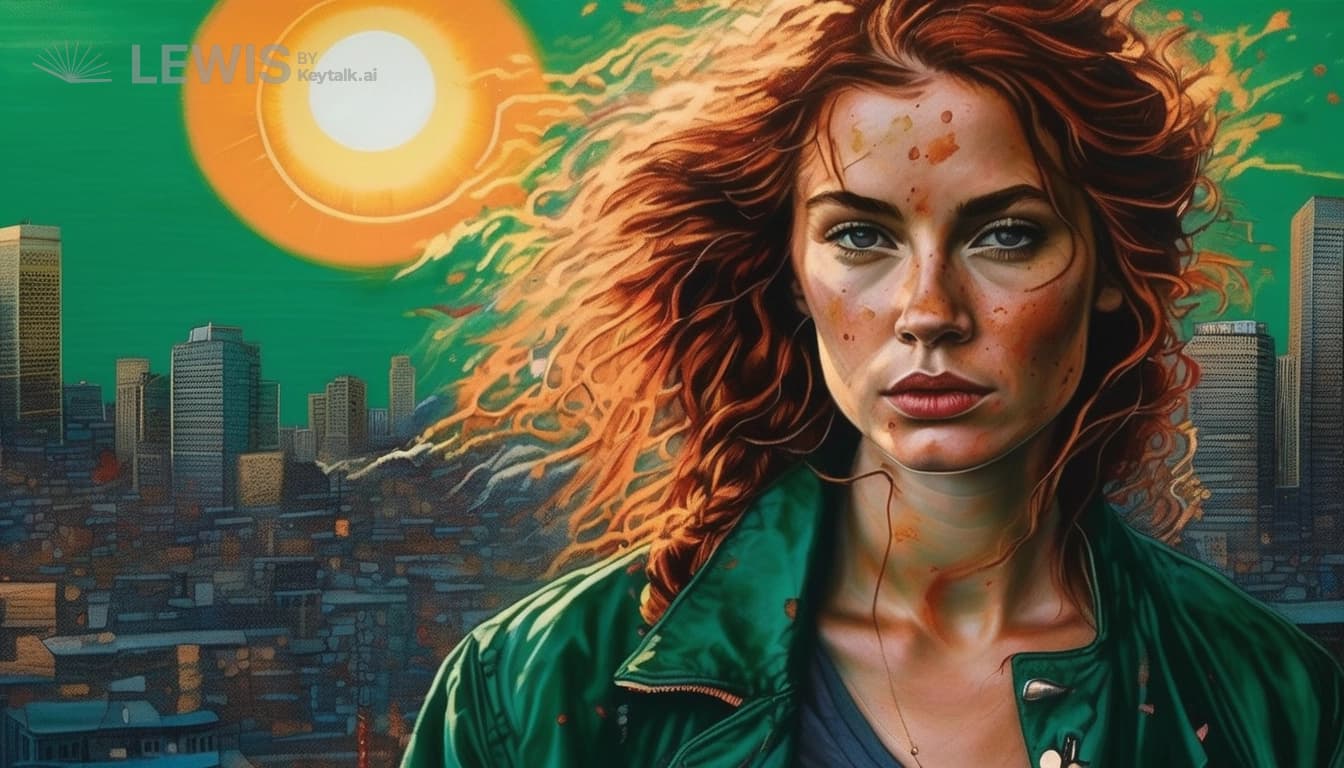
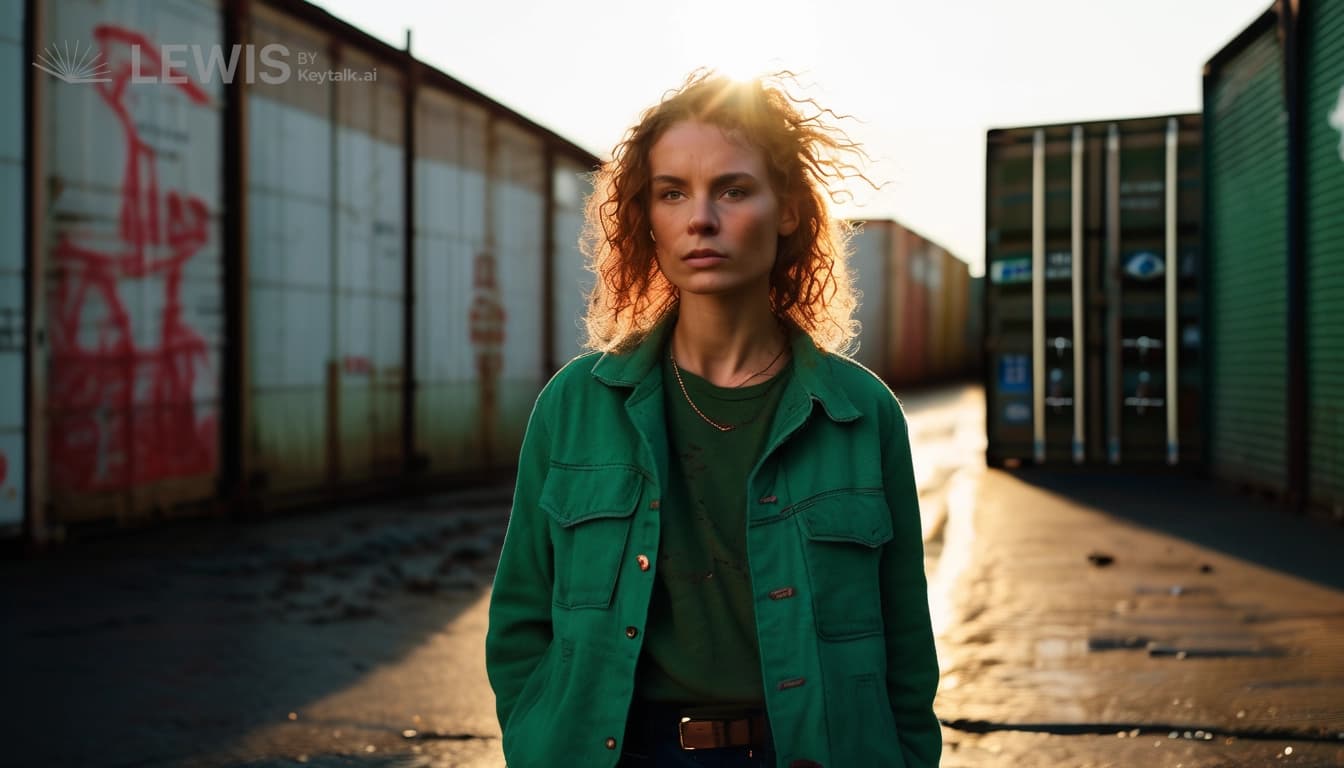
Jenna Jade Henvix stands at five foot six, with a wiry build and the restless energy of someone who’s never quite managed to sit still—her fingers constantly tapping out invisible rhythms on jeans faded from too many late-night gigs and cross-country train rides. Born and raised in Selma, Alabama, Jenna’s Southern roots are woven into her honeyed drawl and the bluesy undertones of her voice, though the world she’s come to inhabit is far from home. Her skin is sun-kissed, cheeks freckled, and her eyes—a piercing stormy green—seem to flicker with secrets she doesn’t yet understand. Shoulder-length hair, dyed a shifting shade between copper and rose gold, is usually yanked into a messy knot under a battered felt hat, a nod to both defiance and nostalgia. Jenna’s left hand bears a jagged scar along the knuckle, a relic from a childhood spent climbing pecan trees and sneaking into forbidden places—a restlessness that’s never left her. Her clothing is a patchwork of thrifted London jackets, vintage band tees, and worn leather boots, her style as unapologetically eclectic as her sound. Fiercely independent yet disarmingly open, Jenna is quick with a wry joke or a sharp observation, but she’s also marked by an unshakable empathy that compels her to write songs about the lost, the restless, and the overlooked. Her strength lies in her ability to draw people in—onstage or off, she has the rare gift of making strangers feel seen, though she struggles to let anyone close enough to truly know her. Jenna’s life has been shaped by a complicated family history, the daughter of a once-famous gospel singer who vanished when Jenna was a teen, leaving behind a tangle of rumors and a battered guitar. Now, in the final days of a European tour, Jenna finds herself haunted by cryptic visions and melodies that don’t seem to belong to her. She’s fiercely protective of her bandmates, especially her younger brother, but burdened by the gnawing fear that her music is both a gift and a curse. Jenna’s greatest aspiration is simple—to matter, to reach someone the way her mother’s voice once reached her—but her relentless pursuit of meaning risks unraveling the fragile reality she’s built for herself. She speaks in poetic fragments, her speech peppered with Southern idioms and flashes of dark humor, and she’s known for composing left-handed on battered napkins, seeing patterns in chaos where others see only noise. Jenna’s quirks—playing barefoot, humming before every show, carving secret notes into her guitar case—are more than habits; they’re talismans against a world that’s never felt entirely safe. As the shadows around her tighten, Jenna remains defiant, propelled by a hunger for truth and a stubborn refusal to be silenced—a quality that will prove both her salvation and her undoing.
Antagonist Character

Dr. Laurence Ashcroft

GenderMale
OccupationRenowned Music Producer and Occult Folklorist

Profile

Dr. Laurence Ashcroft, a tall, gaunt Englishman of mixed Anglo-Caribbean descent, commands attention with his piercing gray eyes set deep beneath expressive brows and a sharply angular face etched by decades of sleepless nights and cigarette smoke. At 6'2", his lean frame moves with an eerie, deliberate grace; he dresses in bespoke charcoal suits with threadbare velvet lapels, always paired with a tarnished silver ring and a thread of dark beads hidden beneath his collar—a nod to his Trinidadian grandmother's occult heritage. Once an enfant terrible of the avant-garde London music scene, Ashcroft has built his current reputation as both a visionary producer and an expert in the esoteric roots of European and Afro-Caribbean musical traditions, a duality that gives him a magnetic, almost cult-like presence in artistic circles. His speech is a measured baritone, carrying the clipped precision of old Oxbridge with sudden, lyrical asides that betray a fondness for myth and metaphor; in private, his words can cut with surgical cruelty or lull with hypnotic warmth, depending on his intent. Ashcroft’s public persona is urbane and inscrutable, but those close to him sense the relentless, almost obsessive curiosity that drives him—an insatiable hunger to unlock the hidden resonances between music, memory, and the supernatural. Socially, he drifts between elite salons and underground clubs, always with a notebook in hand, scribbling cryptic observations or humming forgotten melodies into a battered recorder. Haunted by his own encounters with the inexplicable and the burden of his family’s spiritual legacy, he’s both revered and mistrusted: a man of immense influence who manipulates events from the shadows, convinced that artistry must serve a greater, often dangerous, purpose. His greatest flaw is his conviction that he alone can decipher the world’s musical mysteries, a hubris that blinds him to the human cost of his experiments, even as his charm and intellect draw disciples and adversaries alike into his orbit. As Jenna’s journey begins, Ashcroft stands at the heart of London’s labyrinthine music scene, a gatekeeper whose enigmatic presence promises both revelation and ruin.
Sidekick Character

Soraya Farrow

GenderFemale
OccupationAudio Engineer and Synth Programmer

Profile

Soraya Farrow is a British-Iranian audio engineer and synth programmer, standing at 5'8" with a strikingly angular build, olive-toned skin, and a sharply defined jaw that seems sculpted for stubbornness. Her dark, close-cropped curls are streaked with silver at the temples—less from age than from years of late-night sessions and perpetual reinvention. Soraya’s eyes are quick and restless, an unusual shade of gray-green that flickers with both skepticism and mischief; a faint, faded tattoo of an analog waveform traces the inside of her left forearm, a relic of her rebellious early twenties. She favors utilitarian black jeans, worn boots, and oversized vintage band tees layered under a battered army jacket patched with cryptic symbols—practical, slightly androgynous, always ready for a gig or a confrontation. Raised between the relentless pulse of London’s underground club scene and her father’s quiet, book-lined immigrant home, Soraya grew up negotiating dualities: tradition and experimentation, belonging and outsiderhood. Her speech is rapid-fire, laced with dry wit and peppered with East London slang, but always precise when it comes to technical matters—she has little patience for musical pretension, and a tendency to call out bullshit with a single arched eyebrow. Fiercely independent, she’s driven by a need to shape the invisible currents of sound into something tangible, believing music is the only true language that exposes what people try hardest to hide. While loyal to Jenna and protective of her band, Soraya’s motivations are never wholly aligned; she’s secretly compiling her own archive of the band’s oddities and coded performances, convinced there’s a deeper pattern Jenna can’t—or won’t—see. Her greatest strength is a capacity for radical empathy, tuning into frequencies others ignore; her flaw is a stubborn refusal to share her own vulnerabilities, having learned that secrets are both currency and shield. Soraya’s presence unnerves Dr. Ashcroft, whose obsession with myth clashes with her data-driven skepticism, yet she’s drawn to his arcane knowledge, seeing in him a dangerous mirror for her own hunger for meaning. Navigating the margins of fame, Soraya is haunted by a gnawing ambition: to create something that outlasts her, even if it means risking everything she understands about art, loyalty, and the price of truth.
Model Used
GPT-4.1
text
Stable Diffusion
image

World

Location/Time, Era:
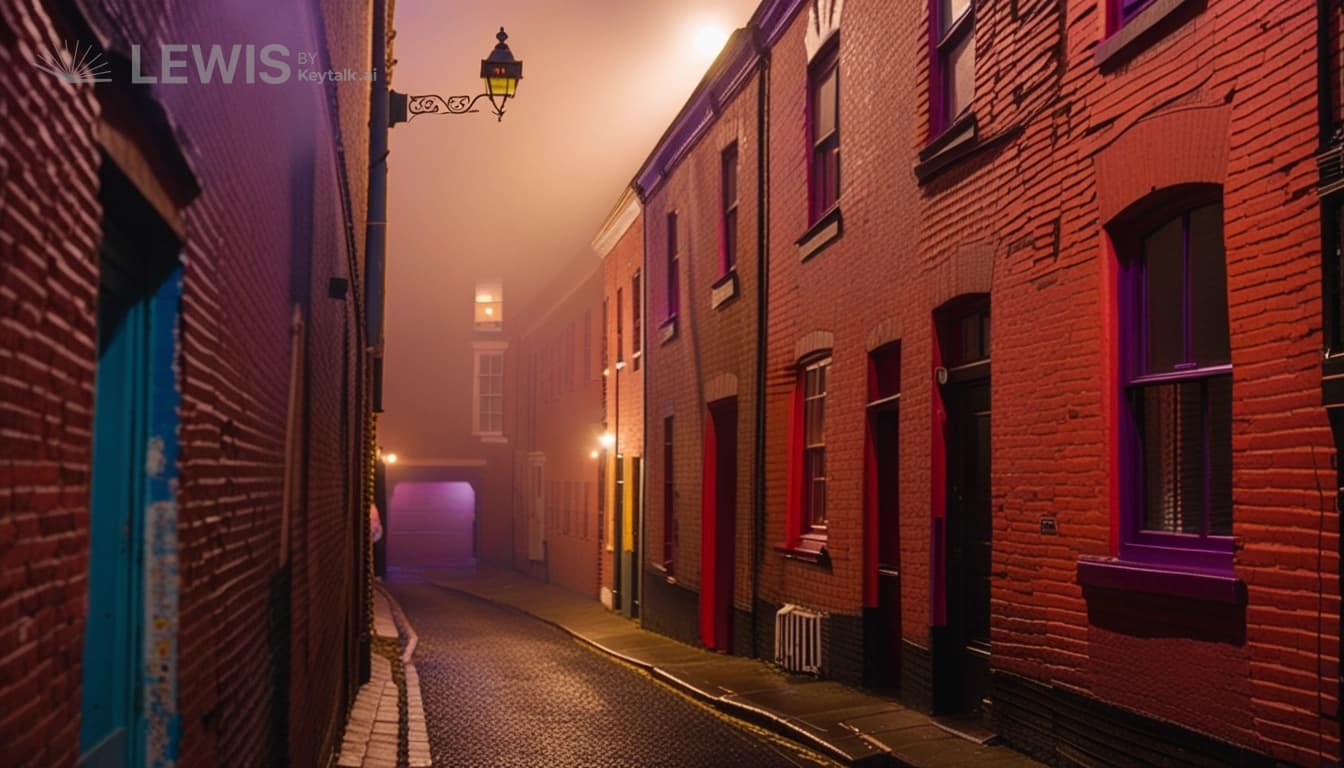
London, late June, present day—though it feels suspended between decades, caught in the delirious afterglow of a festival season that never truly ends. The city is a living palimpsest: summer haze clings to brutalist towers and neon-lit alleyways, blending the faded glamour of postwar nightclubs with the raw urgency of underground venues pulsing beneath railway arches. Jenna and her band haunt a narrow slice of this world—Camden’s graffiti-blasted backstreets, the echoing galleries of Hackney Wick, the secret gardens where musicians gather at dawn, trading stories and scars. Time is elastic here; days bleed into nights, and memories—especially Jenna’s—curl and fracture, making it impossible to tell where the past ends and the present begins. The city itself seems to conspire with her visions, offering up coincidences and patterns that press relentlessly against the edges of reality.

Key rules of the world and their impact on the story and beyond:
Music in this London is more than art—it’s a hidden language, subject to both overt censorship and covert manipulation by unseen cultural powers. There are ancient rules: certain melodies, when played with the left hand and the right intent, can unlock suppressed memories or transmit coded messages, triggering psychic aftershocks in both performer and audience. The city’s elite—producers, critics, and occult societies like The Order of the Resonant Veil—monitor and subtly control which songs rise and which are buried, believing that sound can shape collective memory and even destiny. Breaking these unspoken rules invites consequences: visions, hauntings, and a slow unraveling of self. For Jenna, every performance is a gamble, a tightrope between revelation and ruin; for Ashcroft, the rules are a means to power, but also a prison forged by his own hubris and haunted lineage.

Visual depiction of the world and its unique features:
London breathes in saturated color and shadow—murals peeling from soot-streaked brick, rivers of LED light snaking through fog-choked streets, secret symbols chalked on club doors or stitched into the lining of a producer’s jacket. Festival posters, torn and layered, create accidental collages that seem to echo Jenna’s visions; even the Thames mutters in strange harmonics at night, reflecting the fractured skyline. Warehouses double as sanctuaries and battlegrounds, their stages set with instruments both gleamingly modern and heartbreakingly antique. The city’s underbelly is mapped by sound: hums and glitches, distant sirens, the metallic clatter of trains, all woven into the music Jenna can’t stop hearing. Everywhere, there are hidden passageways—literal and metaphorical—inviting risk, promising revelation, always threatening to close behind those bold enough to enter.

Notable technology, philosophy, or cultural elements influencing the world and narrative:
Sound engineering has become both science and sorcery—audio tech is advanced but deeply personal, with synths and analog gear hacked to transmit subsonic frequencies laced with intention. Pirate radio signals and encrypted cassettes circulate in the shadows, carrying forbidden songs and whispered warnings. The prevailing philosophy is that music is memory and resistance: every note carries the weight of what’s been lost, censored, or weaponized. In this world, artists are archivists and revolutionaries, haunted by a collective anxiety that the past is mutable and the future can be rewritten through performance. Cultural rituals blend the occult with the everyday—gigs as rites of passage, secret gigs announced through coded graffiti, and the persistent belief that some songs can heal, while others are curses waiting to be sung.
representative image
location 1 image

Location 1

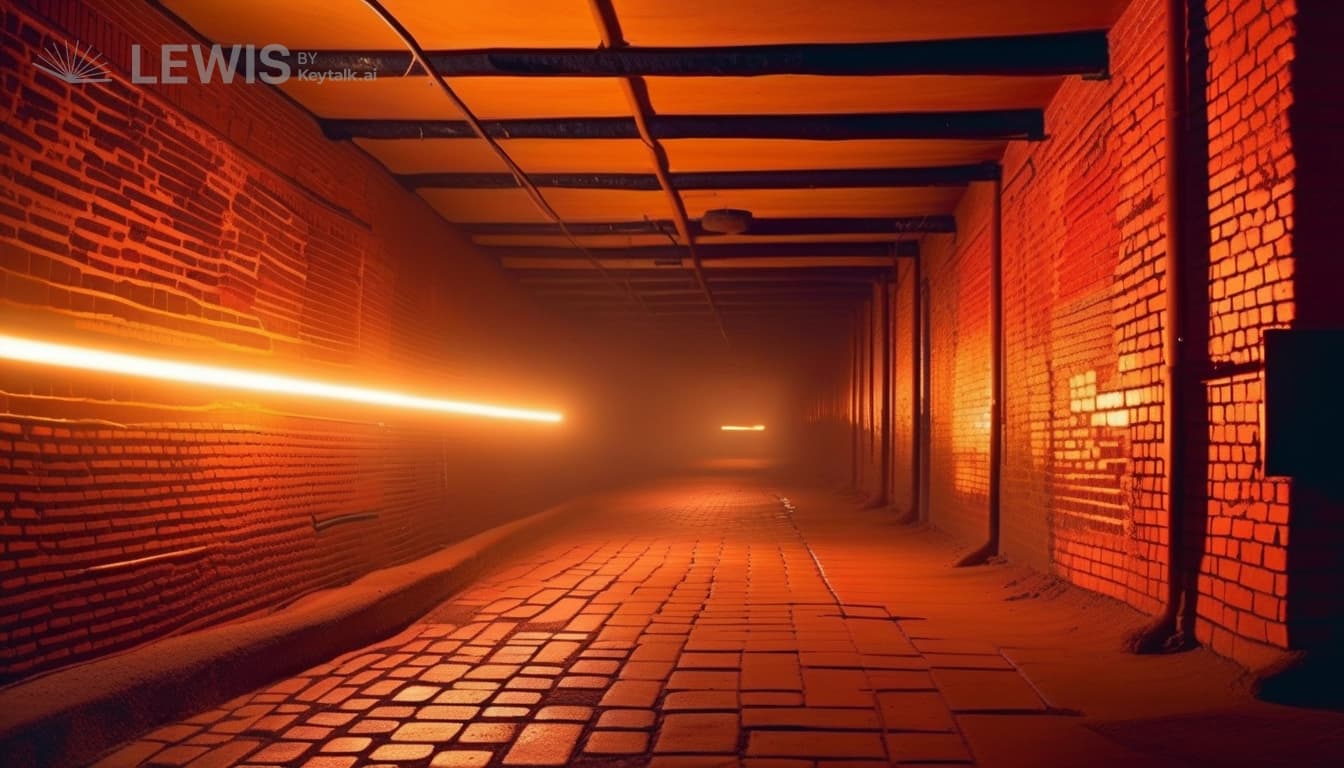
Title : The Liminal Vaults Beneath King’s Cross
Description : Hidden below the city’s thundering arteries, the Vaults pulse with a humid, breathless heat—brick tunnels slick with condensation, lined by rusted pipes that hum faintly with old, forbidden harmonies. Fluorescent graffiti glows in fractured technicolor along the curved walls, layering decades of secret gigs and whispered betrayals into a living, ever-shifting palimpsest. Here, where the air thrums with electric possibility and dread, Jenna first hears her mother’s song stitched into the underground’s heartbeat—each echo a clue, every shadow thick with the weight of things unsaid.
location 2 image

Location 2

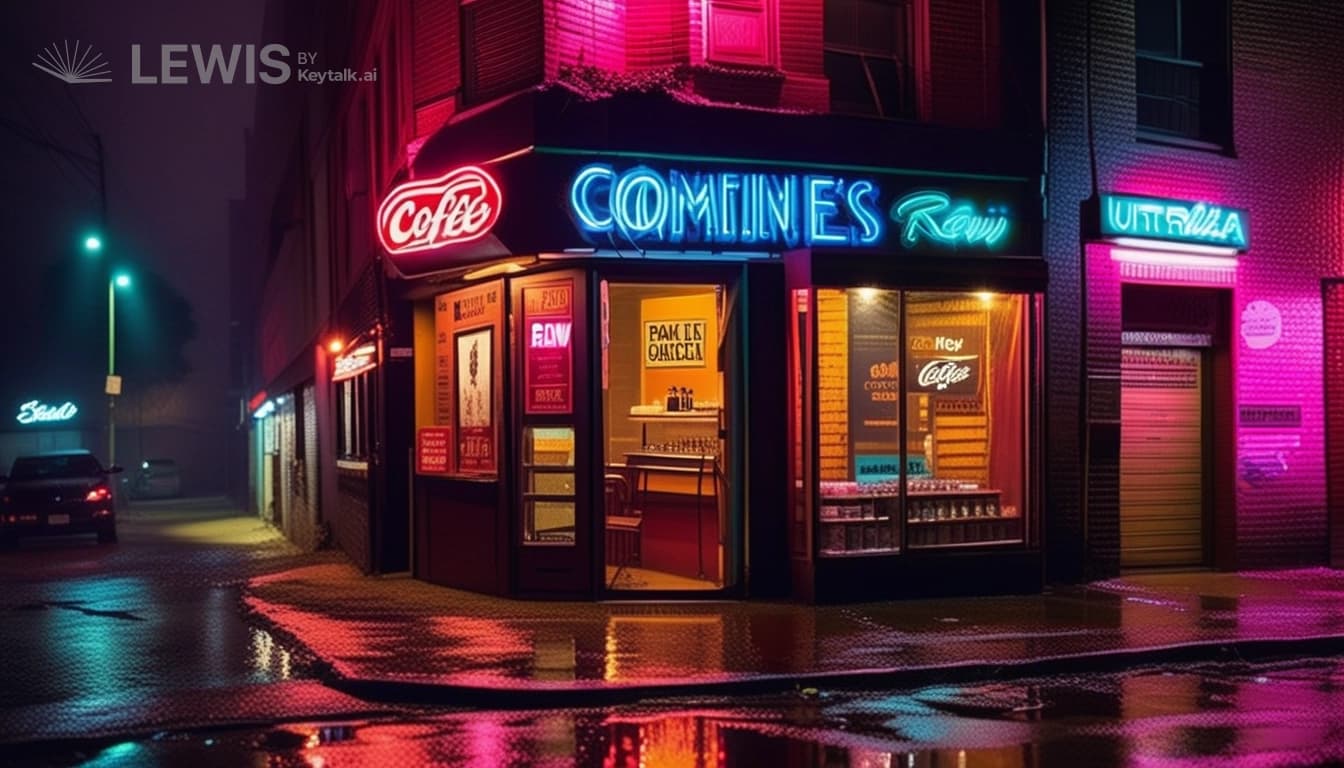
Title : The Siren’s Rest Café, Where Memory Is Currency

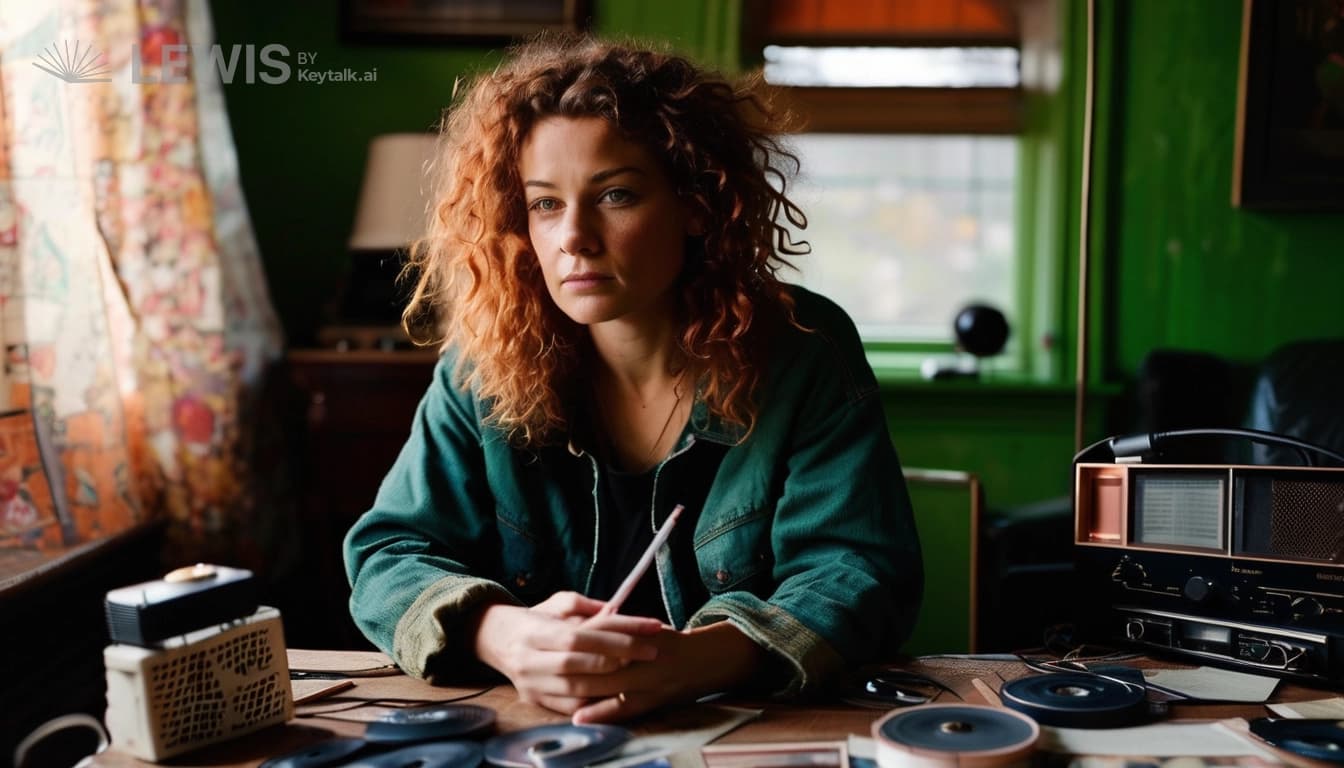
Description : Wedged between two boarded-up pawnshops in a back alley near Soho, the Siren’s Rest Café glows with a neon sign that flickers Morse code into the rain-slick darkness. Inside, the air hums with a low, fevered thrum—every table scattered with cassette tapes and Polaroids, traded over mugs of cardamom coffee by patrons whose eyes gleam with secrets they’re desperate to forget or sell. Here, Jenna’s haunted melodies are bartered for stories and old wounds, the walls pulsing with spectral graffiti that shifts whenever someone recalls a memory too painful to speak aloud.
location 3 image

Location 3

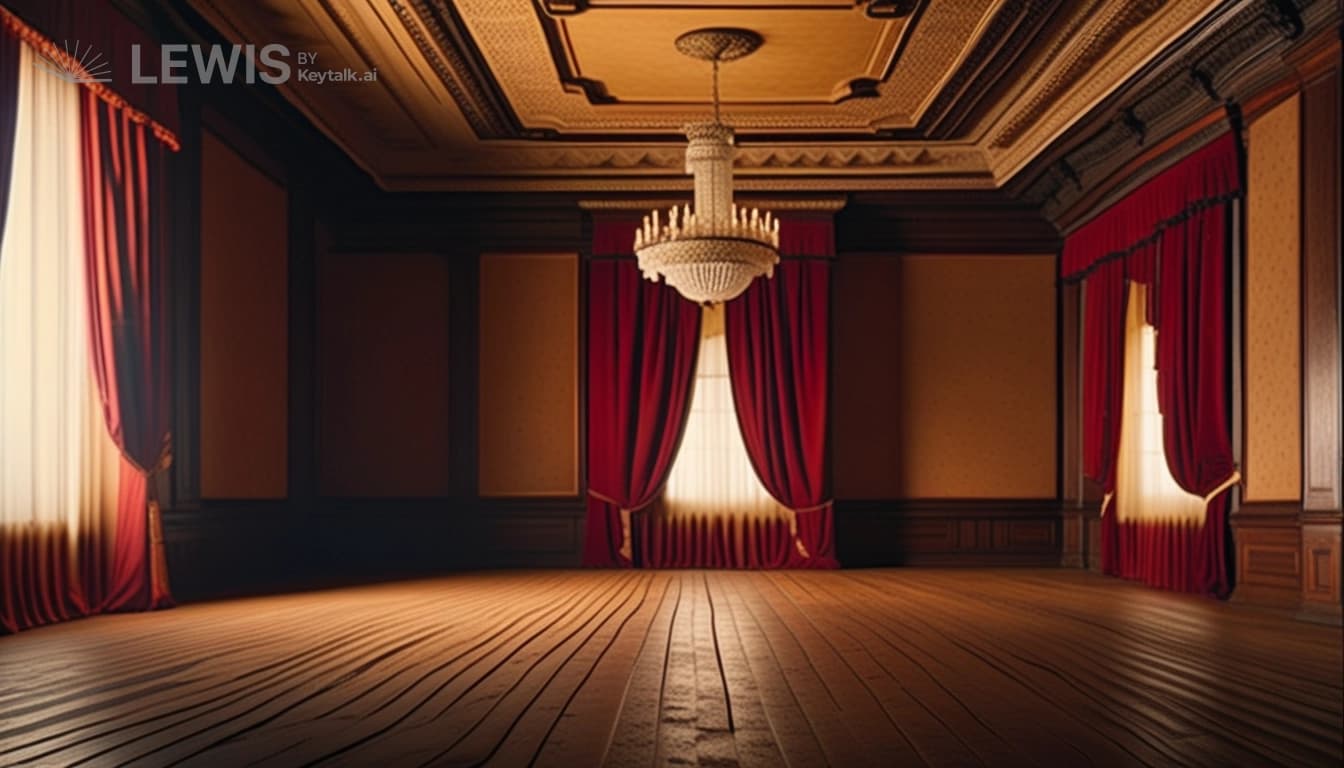
Title : The Withered Stage of the Velvet Requiem Society
Description : Once a sanctuary for London’s most heretical performers, the Velvet Requiem Society’s stage is a half-collapsed altar of splintered floorboards and velvet curtains stained with decades of spilled secrets. The air thrums with phantom frequencies—each spotlight flickers as if haunted by unfinished songs, while the battered monitors spit out warped reflections of anyone who steps into their glow, echoing the city’s suppressed histories. Tonight, as Jenna stands center stage, the crowd pressed close in sweat and anticipation, the room feels suspended between ritual and riot: every note she plays seems to unravel the very seams of the world.
Model Used
GPT-4.1
text
Stable Diffusion
image

Scenes

scene 1 image
Scene 1
The Night London Sings: Jenna’s Unraveling Encore

[Place]
Backstage area of a sprawling London music festival, sticky with spilled beer and humming with the afterglow of performance. Dimly lit, cluttered, fringed by the echo of the crowd and the distant throb of bass from the other stages.

[Time]
Late at night, immediately after Jenna’s band finishes their final festival set.

[Action]
Jenna staggers offstage, adrenaline still burning in her veins, surrounded by the chaotic energy of post-show euphoria and exhaustion. The scene should open with her trying to process the raw, almost supernatural high she felt onstage, sensing that something fundamental has shifted inside her. As she weaves through the cluttered backstage, she’s ambushed by a sudden, overwhelming vision: her mother’s face appearing in a fractured, kaleidoscopic flash, mouth moving in silent warning or guidance. This vision is more vivid than past memories—tinged with urgency and the sense of a message being transmitted through the music itself. Jenna’s initial reaction is denial; she blames stress, the heat, and the cheap gin still biting at her tongue.

She retreats to a quieter corner, trying to shake the vision, but her hands are trembling. Soraya, sharp-eyed and pragmatic, checks in on Jenna, noting her erratic energy and the wildness in her eyes. Their interaction is tense—Soraya is concerned but Jenna is evasive, brushing off the episode as artistic burnout. As the crew bustles around them, Jenna’s attention is snagged by a crumpled napkin scrawled in her own handwriting, featuring a left-handed melody she has no memory of writing. This discovery jolts her, sharpening her curiosity into unease. She pockets the napkin, her mind racing with half-formed theories about her mother and the strange connection she felt while performing.

Meanwhile, the atmosphere backstage is electric and slightly surreal, with snippets of conversation, the clatter of cases, and laughter echoing—contrasting with Jenna’s deepening internal disquiet. The scene closes with Jenna staring at the napkin, the ghost of her mother’s face flickering in her mind, and the unsettling realization that her music might be more than just sound—it might be a message she’s only beginning to decode.

[Impact on the story]
This scene establishes Jenna’s emotional and psychological vulnerability, planting the seeds of her obsession with the mysterious messages entwined in her music. It introduces the supernatural undertones, the unresolved grief for her missing mother, and hints at the beginnings of a larger conspiracy. Jenna’s relationship with Soraya is framed as both supportive and fraught, with Soraya positioned as her anchor to reality. The left-handed melody and vision set the trajectory for Jenna’s descent into the unknown, blending artistic drive with personal stakes.

[Description]
Backstage after her band’s electrifying festival set, Jenna experiences a haunting vision of her vanished mother and discovers a cryptic melody she doesn’t remember writing. The encounter rattles her, sowing the first seeds of doubt and obsession while Soraya grows concerned about Jenna’s unraveling state. This scene ignites Jenna’s quest for answers, intertwining her art with a personal and supernatural mystery.
scene 2 image
Scene 2
[Ashcroft’s Occult Invitation: A Melody Older Than Memory]
[Place]
Dr. Ashcroft’s private studio, a shadowy, labyrinthine space tucked above a forgotten record shop in Soho. The walls hum with vintage analog equipment, cryptic diagrams, and relics of lost musical traditions. The air hangs thick with incense and the whirr of reel-to-reel tapes.

[Time]
Two days after the festival set—late afternoon, sunlight slanting through dusty windows, casting strange patterns on the floor.

[Action]
Jenna arrives, clutching the crumpled napkin with the left-handed melody, her nerves raw and curiosity gnawing at her. Soraya insists on coming along, both protective and skeptical, determined to keep Jenna grounded. Ashcroft greets them with enigmatic warmth, his presence both magnetic and unsettling. He quickly zeroes in on the napkin, claiming to recognize its structure as something “older than memory,” a folk cipher hidden in plain sight. As he plays it back through arcane equipment, the room seems to pulse—Jenna’s visions intensify, fragments of her mother’s voice echoing with new urgency.

Ashcroft begins to share cryptic stories about London’s occult musical history, describing secret societies and forbidden songs used to manipulate the city’s soul. He hints that Jenna’s mother was involved, threading coded messages into her performances before vanishing. Soraya probes Ashcroft’s motives, wary of his obsession and the way he seems to feed off Jenna’s unraveling. Tension simmers between the women; Soraya’s loyalty clashes with Jenna’s hunger for answers.

Ashcroft offers Jenna a choice: pursue the truth behind her music and risk opening “doors that refuse to close,” or turn away and remain safe but ignorant. Jenna, driven by longing and grief, decides she must know—even if the cost is losing her grip on reality. As Ashcroft hands her a battered, unmarked cassette, he warns her that its contents have destroyed lives before. Jenna feels both terror and exhilaration, sensing she’s at the threshold of something immense and irreversible.

[Impact on the story]
This scene deepens the supernatural conspiracy and draws Jenna further into its web, solidifying Ashcroft’s role as both mentor and potential antagonist. Jenna’s relationship with Soraya is strained by her willingness to risk everything for answers. The introduction of the cassette and Ashcroft’s warnings raise the stakes and set Jenna on a collision course with the truth about her mother, her music, and the hidden powers lurking in London’s underbelly.

[Description]
Jenna and Soraya visit Ashcroft’s mysterious studio, where he reveals the ancient origins of Jenna’s melody and entangles her in a dangerous occult mystery. Given the choice between safety and revelation, Jenna chooses to pursue the truth, accepting a cassette that could expose her mother’s secrets—and unravel her own reality. The scene pushes Jenna deeper into the conspiracy, testing her relationships and setting the stage for greater risks.
scene 3 image
Scene 3
[Title]
Camden’s Underground: Chasing Ghosts and Shadow Deals

[Place]
The graffiti-plastered tunnels beneath Camden Market—an illicit, half-forgotten world of abandoned train platforms, echoing with the city’s hidden rhythms.

[Time]
Night, a few hours after Jenna and Soraya leave Ashcroft’s studio. The city above is alive with weekend chaos, while below, the air is thick with damp concrete and the pulse of distant bass.

[Action]
Jenna, still reeling from Ashcroft’s warnings and the weight of the unmarked cassette burning in her pocket, leads Soraya through a maze of shadowed passages and rusted gates. She’s drawn by a compulsion she can’t name, following the pattern of a melody that seems to map itself onto the graffiti—arrows, cryptic symbols, shards of song lyrics—scrawled in neon paint along the tunnel walls. Soraya, anxious but determined to protect Jenna, tries to ground her in reality, questioning every step and urging caution, but Jenna is single-minded, desperate for connection to her mother’s lost world.

They’re approached by a masked stranger—someone who seems to know Jenna’s every move, slipping her a torn flyer for an underground gig and whispering her mother’s name. The encounter is tense, charged with the threat of violence and a promise of revelation. Jenna senses she’s being watched, not just by the stranger but by other unseen presences lurking in the dark. Soraya’s frustration boils over, leading to a raw confrontation—she demands Jenna tell her everything about the visions, the music, and what Ashcroft really wants. Jenna, vulnerable and angry, finally confesses the full extent of her experiences, letting Soraya in on the secret that the cassette might contain her mother’s last message.

The scene ends with Jenna clutching the flyer, realizing it points to a clandestine show in the tunnels—one that promises answers, but only if she’s willing to descend further into danger. Soraya, despite her fear, vows not to let Jenna face whatever comes alone.

[Impact on the story]
This scene cements the partnership—and tension—between Jenna and Soraya, forcing Jenna to open up about her visions and the truth she’s chasing. It introduces the idea that Jenna’s journey is being orchestrated by unseen hands and that her mother’s story is deeply entwined with London’s underground music scene. The presence of the masked stranger and the cryptic flyer heighten the paranoia and sense of conspiracy, driving Jenna deeper into the city’s shadows and toward her next reckoning.

[Description]
Jenna and Soraya navigate the haunted tunnels of Camden, pursued by mysterious figures and their own growing fears. A cryptic encounter and a secret gig invitation push Jenna to share the truth with Soraya, deepening their bond even as the danger mounts. The stage is set for Jenna’s next descent into the city’s occult underworld, with Soraya now fully committed to facing the unknown by her side.
scene 4 image
Scene 4
[Title]
The Cassette and the Bloodline: Family Lies, Broken Frequencies

[Place]
Jenna’s cramped, dimly lit flat in North London—walls plastered with old gig posters, empty bottles crowding the windowsill, her battered guitar propped beside a secondhand record player. Rain rattles against the glass, muffling the distant city.

[Time]
Late night, immediately after Jenna and Soraya return, adrenaline and exhaustion still buzzing in their veins.

[Action]
Jenna, clutching the torn gig flyer and the mysterious cassette, paces the cluttered living room, unable to sit still. Soraya hovers, edgy and protective, scanning the room for signs they’re being watched or followed. Jenna’s brother, Callum, arrives unexpectedly, pale and shaken—he’s been threatened, shadowed through the city, convinced the conspiracy has turned its gaze on their family. The tension ratchets up as Callum reveals a set of family documents he found hidden in their childhood home: letters, faded photographs, and a birth certificate that contradicts everything they were told about their mother’s disappearance.

Driven by a need for proof, Jenna and Soraya dig out an old tape player and cue up the cassette. As the warped audio crackles to life, the three of them listen in stunned silence. The song—haunting, fractured—contains snippets of their mother’s voice, not just singing but speaking in code, referencing locations and names Jenna barely remembers. As the music plays, Jenna is hit by another vision: her mother in a hidden studio, desperate, the same left-handed melody echoing through her hands. Soraya tries to record and analyze the track, but her equipment glitches and distorts, as if the song itself is resisting capture.

A heated argument erupts between Jenna and Callum over how far they’re willing to go—the risk, the obsession, the cost of digging deeper. Soraya sides with Jenna, insisting the only path is forward, no matter the danger. The scene ends with Jenna, tears streaking her face, clutching both the cassette and the newly discovered documents, vowing to play the song at the clandestine gig. Outside, headlights sweep across the rain-streaked window—someone is watching, waiting.

[Impact on the story]
This scene brings all the personal stakes crashing together: Jenna’s quest for truth, Callum’s fear for their safety, and Soraya’s loyalty tested to breaking. The revelation of family secrets and the coded song raise the emotional intensity, making the conspiracy real and immediate. The trio’s conflict and unity set the stage for their final confrontation, while the presence of outside surveillance ratchets up paranoia and urgency. Jenna’s resolve hardens, and the lines between music, memory, and danger blur beyond recognition.

[Description]
In the claustrophobic safety of Jenna’s flat, she, Soraya, and Callum face the truth encoded in the mysterious cassette—and in their own bloodline. Family secrets, fractured music, and mounting threats force them into uneasy alliance, propelling Jenna toward her fateful final performance.
scene 5 image
Scene 5
[Title]
The Warehouse Revelation: Bleeding Truths and the Song That Shatters

[Place]
A cavernous, graffiti-tagged warehouse on the edge of East London, transformed into an illicit venue for the band’s final, secret show. The space is packed with a volatile mix of die-hard fans, underground artists, and shadowy figures from the city’s cultural elite. Flickering projection screens line the stage, pulsing with coded images and distorted family photographs. Backstage is a tangle of cables, battered cases, and anxious whispers.

[Time]
Late night, hours after the events in Jenna’s flat—rain-slick streets, the city humming with restless anticipation. The clock ticks down to midnight, when the band is set to take the stage for their last performance.

[Action]
The scene opens as Jenna, Soraya, and Callum arrive at the warehouse, tense and wary, scanning the crowd for threats. Jenna’s nerves are frayed but her determination burns—she clutches the battered cassette and her mother’s documents, refusing to let them out of sight. Soraya rushes to set up her synths and projection rig, intent on channeling the song’s secret messages through light and sound, hoping to reach allies in the crowd and warn off their enemies. Callum lingers at the edge of the stage, torn between fear and the need to protect his sister, his gaze darting to unfamiliar faces in the audience.

As showtime approaches, Ashcroft appears in the shadows, drawn by obsession and regret. He tries to warn Jenna one last time about the dangers of the forbidden song—his own past mistakes flashing across his face—but she brushes him off, unwilling to back down now. Meanwhile, Soraya’s equipment glitches under the warehouse’s strange acoustics and the song’s shifting frequencies, intensifying her anxiety and forcing her to improvise.

The band assembles behind the curtain, the atmosphere charged with the weight of secrets and the threat of violence. Jenna, bleeding from a reopened scar on her left hand, tunes her guitar with trembling fingers, her thoughts flickering between her mother’s encoded message and the possibility of never leaving the stage alive. Callum and Soraya share a fraught moment of solidarity, their alliance solidified by fear and love.

As the curtain rises, the first distorted notes echo through the warehouse, drawing the crowd into a trance. The forbidden song takes on a life of its own—visions and coded projections swirl above the audience, exposing the conspiracy’s roots and implicating powerful figures in the room. The music’s raw power cracks open old wounds, both personal and collective, forcing everyone present to confront uncomfortable truths. Jenna’s playing grows frantic and ecstatic, blood slicking the fretboard as she pours everything into the final, shattering chord. The crowd erupts in chaos—some fleeing, some transfixed, others recording, hungry for proof.

In the aftermath, Ashcroft is left reeling, realizing he’s unleashed something irreversible. Callum rushes to Jenna’s side as she collapses, spent and bleeding but triumphant. Soraya, shaken but resolute, gathers the equipment, determined to salvage whatever evidence she can. The warehouse hums with a new, dangerous energy—secrets torn open, nothing left to hide.

[Impact on the story]
This scene is the story’s crucible—the moment where all secrets collide and the truth, once hidden in music and memory, is forced into the open. Jenna’s willingness to sacrifice everything binds her to her mother’s legacy and exposes the conspiracy’s human cost. The band’s collective courage fractures the city’s silence, but at great personal risk. Relationships are tested and transformed; the characters are irrevocably changed, and the world they knew is shattered.

[Description]
At the band’s final, clandestine warehouse gig, Jenna’s forbidden performance cracks open the city’s hidden conspiracy, exposing old wounds and dangerous truths. The music’s raw power transforms everyone present, leaving no one untouched as secrets spill out under the warehouse’s flickering lights.
scene 6 image
Scene 6
[Title]
The Warehouse Revelation: Bleeding Truths and the Song That Shatters

[Place]
Backstage and onstage at the East London warehouse, post-performance; the space now transformed into a chaotic liminal zone where secrets hang heavy and consequences ripple through the crowd.

[Time]
Moments after midnight, with the forbidden song’s last note still reverberating in the charged air.

[Action]
As Jenna collapses backstage, bloodied and spent, Callum is at her side, torn between panic and awe—he’s shaken by the vision of their mother that flickered on the screens, and the sudden clarity about their family’s long-buried history. Soraya, adrenaline still spiking, frantically salvages tapes, synths, and hard drives, desperate to preserve any evidence before the authorities or shadowy figures move in. The crowd outside is splintered: some fans are dazed, others fleeing, and a handful of journalists and conspirators rush to record and interpret what they’ve just witnessed. Ashcroft is shattered, haunted by guilt and the realization that his pursuit of truth has brought unpredictable danger not only to Jenna but to the city’s cultural underbelly itself.

Jenna, barely conscious, clings to the battered cassette—her mother’s legacy now exposed to the world, but at a cost she’s not sure she can bear. Callum and Soraya work together to keep her safe, their relationship deepened by the ordeal. Amid the chaos, a few key allies quietly pledge support, while threats linger from those whose secrets have been revealed. The warehouse, now a nexus for revolution and reckoning, becomes the site of frantic negotiations and whispered plans for escape or resistance. The band’s unity is forever altered, each member forced to confront what they’ve lost and gained. Jenna’s sacrifice reverberates, leaving her poised between hope and devastation as the city’s underground gears up for the fallout.

[Impact on the story]
This scene marks the irrevocable exposure of the conspiracy and Jenna’s personal truth. The characters face immediate danger but also new possibilities—alliances shift, relationships are tested, and the city’s hidden machinery is exposed. Jenna’s sacrifice binds her to her mother’s legacy and sets the stage for future reckoning, leaving all involved changed and uncertain about what comes next.

[Description]
In the aftermath of Jenna’s forbidden performance, truths long hidden are forced into the open, reshaping relationships and threatening both the band’s future and the city’s secret power structures. The warehouse becomes a crucible of revelation, with Jenna’s sacrifice echoing through everyone present.
'The Melody That Kills Secrets'Story Chat

Want to chat with the characters from this story?

'The Melody That Kills Secrets'Story Chat

Want to chat with the characters from this story?

story image
story image
story image

You might also like

Comments0

rank icon image
#1 inConcept
rank icon image
#2 inConcept
rank icon image
#2 inConcept

Recommendation from YLAB Town

theme music