


Protagonist Character
Marisol "Sol" Kane
Profile
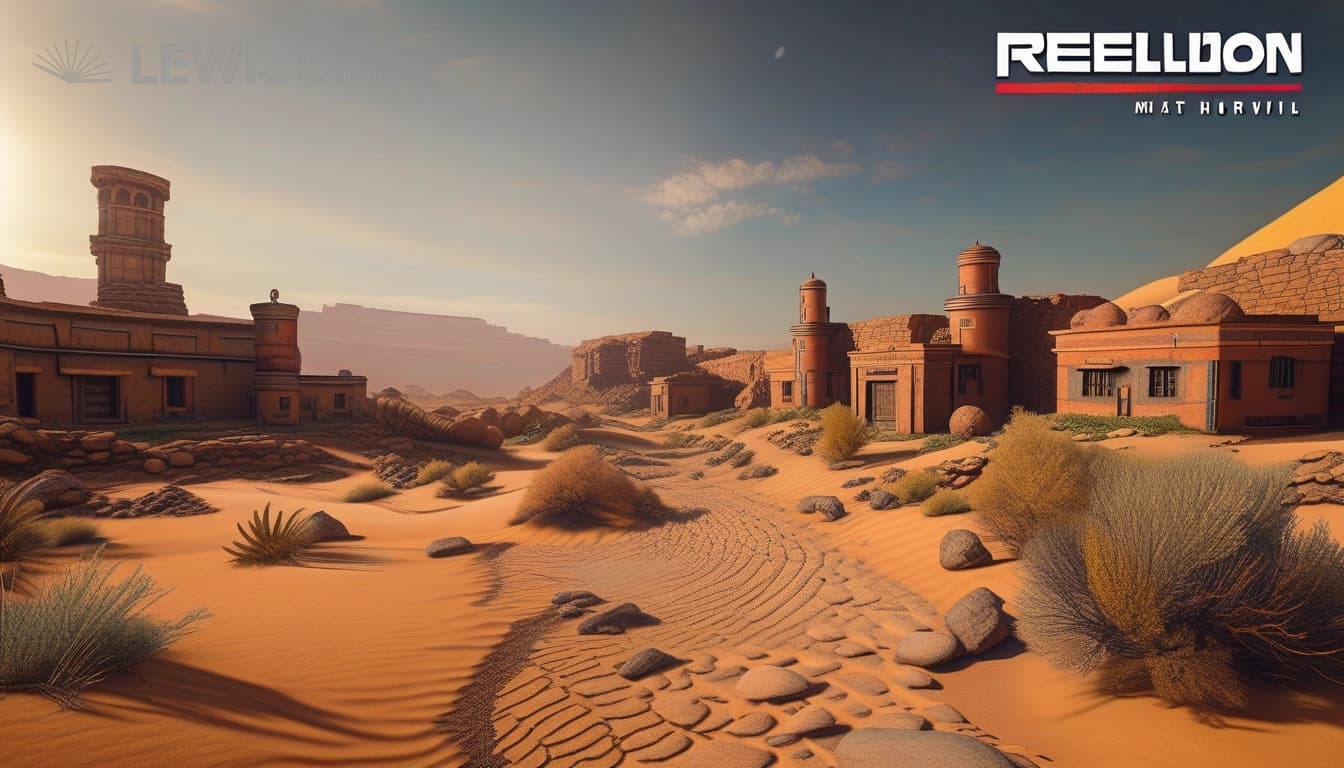
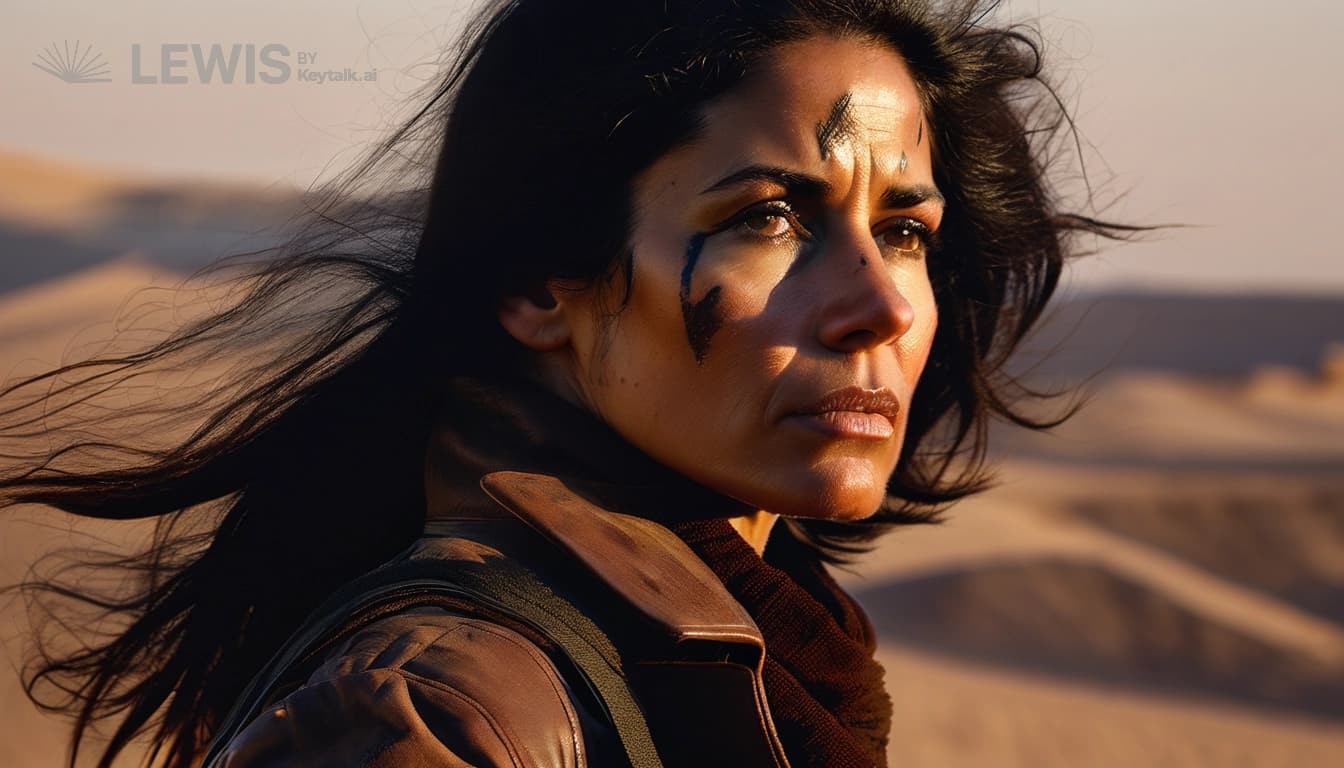
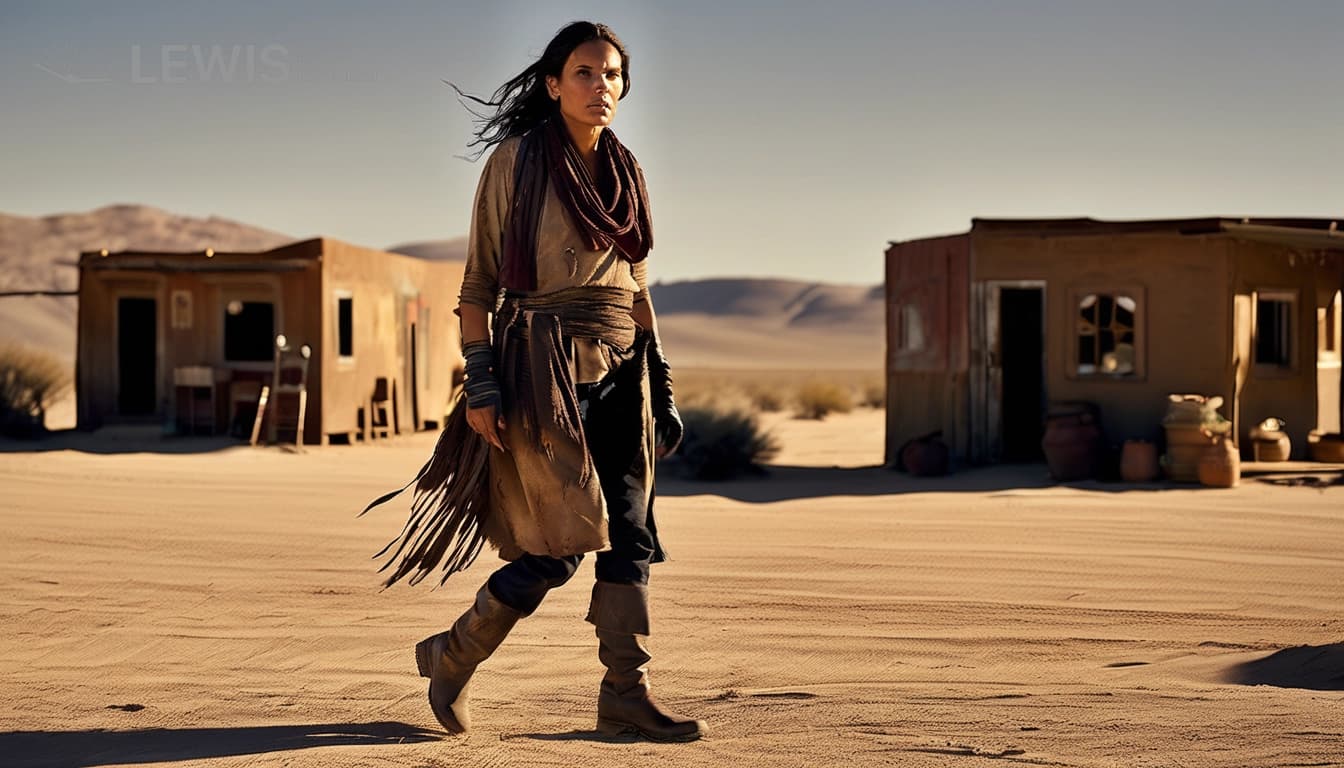
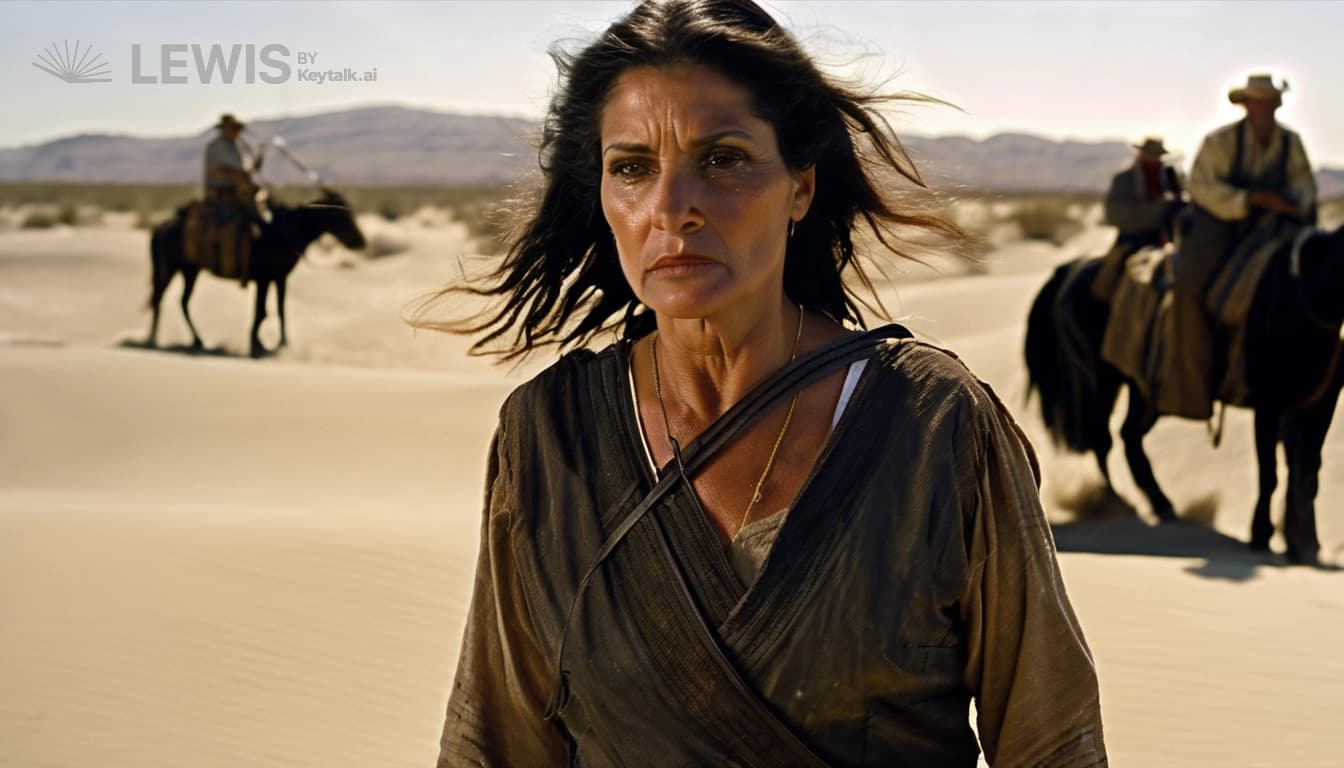
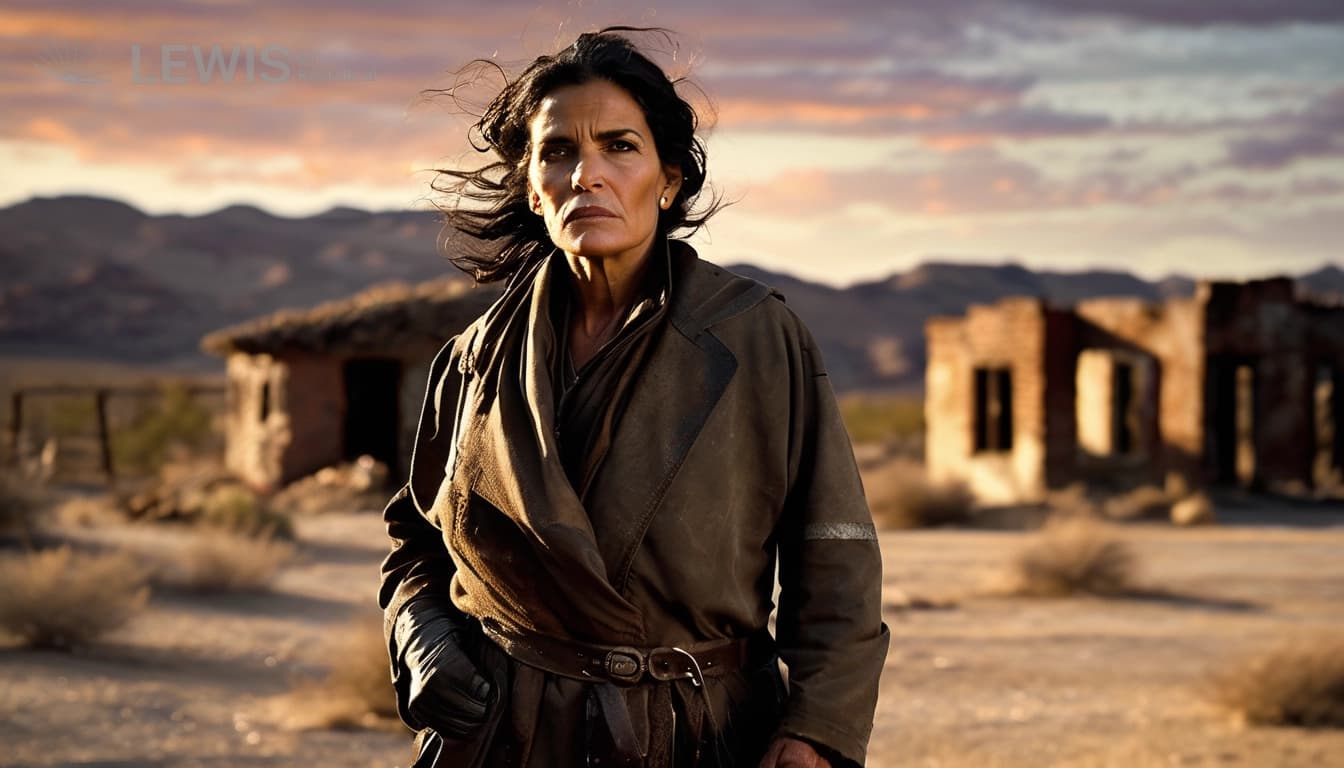
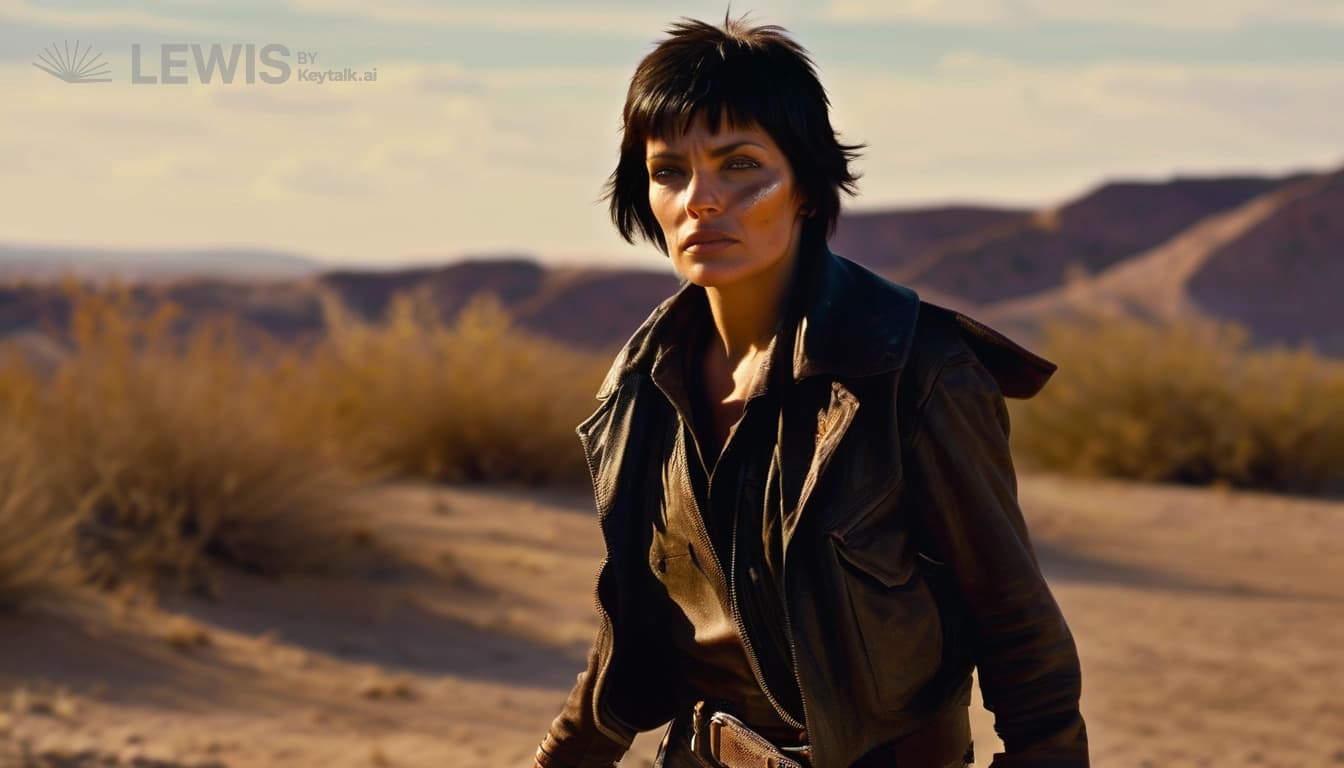
Marisol "Sol" Kane cuts a lone figure in the unforgiving expanse of the frontier, her silhouette as sharp and defiant as the serrated ridges of the desert skyline she calls home. At 34, she moves with the practiced efficiency of someone who has long since learned to conserve energy in both action and emotion, her every step measured, her every word deliberate. There’s a heaviness to her presence, not in a way that slows her, but in the way of someone carrying invisible scars—pain transmuted into armor. Once a soldier in one of the corporate wars that burned through the heartlands, she walked away from the ashes with a metal plate in her left thigh, a deep mistrust of causes, and a new trade: hunting men. Her reputation as a bounty hunter is one of cold precision, but beneath the surface lies a woman still haunted by fragments of the person she once was—a person she doesn’t quite remember and isn’t sure she wants to. Sol’s voice is low, roughened by sand and whiskey, punctuated by a wry humor that cuts through her otherwise terse speech. She rarely speaks in full sentences, her clipped phrases laced with a dry, almost fatalistic wit that betrays a mind constantly at work, weighing every interaction for its use or threat. Her current base is a weather-beaten shack perched on the outskirts of a dying outpost, its walls lined with salvaged tech she tinkers with in rare idle moments, her hands as deft with circuits as they are with a rifle. She has a knack for machines, though she claims she hates them, a contradiction that gnaws at her more than she’ll admit. Trust doesn’t come easy to Sol—she’s been betrayed too many times to believe in the permanence of loyalty—but she holds a quiet, almost superstitious reverence for the desert itself, as if its vast emptiness offers answers she can’t find elsewhere. Her philosophy is simple: survive first, question later. And yet, buried beneath her pragmatism is a faint, unspoken yearning for something more than survival, a flicker of an idea she doesn’t dare name. It’s in the way she lingers a moment too long on sunsets, in the way she keeps an old, dog-eared book of poetry in her coat pocket, and in the way her eyes sometimes soften when no one’s looking. Sol Kane is a woman at the edge—of the map, of herself, of something she can’t quite define—and though she’d never admit it, part of her is waiting, hoping, for someone or something to push her over.