본문으로 건너뛰기
Fake Romance, Real Chaos cover image

Fake Romance, Real Chaos

At the annual high school talent show, a relentlessly witty outsider agrees to help his perfectionist sister win over her secretly smitten rival; their unpredictable scheme—staging an unscripted fake romance—unravels family secrets, uproots friendships, and upends expectations, forcing everyone to confront hidden desires in slapstick, surreal style, as love blossoms in places nobody dared to look.

Weekly ranking

rank icon image
#4 inConcept
rank icon image
#12 inTheme
rank icon image
#27 inConcept
Scroll

Plot Synopsis

Felix Doyle has never cared for the spotlight, despite his knack for stealing it. He’s Northbrook High’s resident troublemaker and comic, a master of turning humiliation into hilarity—especially when it comes to navigating his family’s relentless expectations. But this year’s annual talent show is different: his sister, Minji, usually a paragon of academic and extracurricular perfection, is desperate to finally beat Pixie Sunder, the reigning queen of drama, at her own game. What Minji lacks in charisma, she hopes to make up for in precision, but the odds are stacked against her. When Felix catches wind of Minji’s plan to dazzle with a sterile, over-rehearsed musical number, he can’t help but intervene—partly out of fraternal loyalty, partly because he’s itching for a new brand of chaos. He hatches a scheme: what if Minji and he fake a scandalous, unscripted romance right under Pixie’s nose, upending the social calculus and stealing the show through sheer unpredictability?

Pixie, meanwhile, is laser-focused on staging her magnum opus—a one-act tragedy she’s written herself, featuring herself in three different roles. She’s determined to cement her legacy before graduation and finally win her parents’ grudging respect. But her competitive edge is sharpened by obsession: her arch-rival Minji is the only person who ever threatened her rule over Northbrook’s cultural scene. Secretly, Pixie’s feelings for Minji are far more complicated—she’s been nursing a crush for years, channeling her longing into barbed banter and increasingly elaborate productions. When she hears rumors of Minji’s “new relationship” with Felix, her world tilts. Determined not to be outmaneuvered, Pixie embarks on a campaign of sabotage, unleashing a series of surreal, slapstick pranks that ricochet through rehearsals: prop swords swapped for rubber chickens, stage cues replaced with snippets of Bollywood dance tracks, and a mysterious fog machine that turns the auditorium into a disco inferno.

Dante Kim, the quietly competent stage manager, finds himself in the crossfire. Tasked with keeping the show running, he’s forced to mediate between Felix’s anarchic improvisation and Pixie’s ironclad control. Dante’s own motivations are more subtle—he wants recognition for his technical brilliance and to prove, at least to himself, that being the “guy in the wings” doesn’t mean being invisible. He’s drawn into Felix’s scheme as an unwilling accomplice, rigging lighting cues to spotlight spontaneous moments and occasionally sabotaging Pixie’s monologues with perfectly timed blackout gags. Dante’s dry, skeptical humor becomes the glue that keeps the whole circus from imploding, even as he begins to realize that his own sister, Minji, might be in over her head—and that he’s tired of cleaning up everyone else’s emotional messes.

As rehearsals careen toward opening night, the fake romance between Felix and Minji spirals out of control. Felix’s improvisational genius means every “spontaneous” moment is more outrageous than the last: a fake proposal during lunch, a viral TikTok dance-off that ends in a cafeteria food fight, and a heart-stopping moment when Felix, in full Shakespearean drag, serenades Minji from the roof of the gym. The scheme has unintended consequences—old friendships fracture as loyalties are tested, secrets spill out in unscripted confessionals, and everyone starts questioning what’s real and what’s just performance. Pixie, driven by jealousy and vulnerability, makes a shocking decision: she rewrites her entire play on the fly, turning it into a surrealist satire about love, fame, and the absurdity of high school itself. Her monologues become pointed jabs at Felix and Minji, blurring the line between art and revenge.

The night of the talent show is pure chaos. Felix and Minji’s act starts with practiced banter and devolves into wild improvisation—an unscripted duet that reveals the cracks in their relationship and, unexpectedly, the raw affection beneath their sibling rivalry. Pixie’s play, meanwhile, explodes into avant-garde farce, the audience unsure whether they’re watching a breakdown or a breakthrough. Dante, in his booth, orchestrates a coup: he sabotages the lighting so that every act, planned or not, is thrust into the same glaring spotlight, forcing everyone onstage to confront their real selves. In the climactic scene, Minji breaks character, admitting her exhaustion and resentment, while Felix confesses his fear of never being truly seen. Pixie interrupts with a confession of her own—her feelings for Minji, her terror of vulnerability, and her longing for connection. The auditorium falls silent, then erupts in laughter and applause as the boundaries between act and reality dissolve.

In the aftermath
Model Used
GPT-4.1
text
Stable Diffusion
image

Story Details

Keytalk Prompts Used
See all Keytalks
no chosen prompts
no chosen prompts
no chosen prompts
no chosen prompts
no chosen prompts
no chosen prompts
Model Used
GPT-4.1
text
Stable Diffusion
image

Character

Protagonist Character

Felix Doyle

GenderMale
OccupationAmateur Stand-up Comedian / High School Senior

Profile

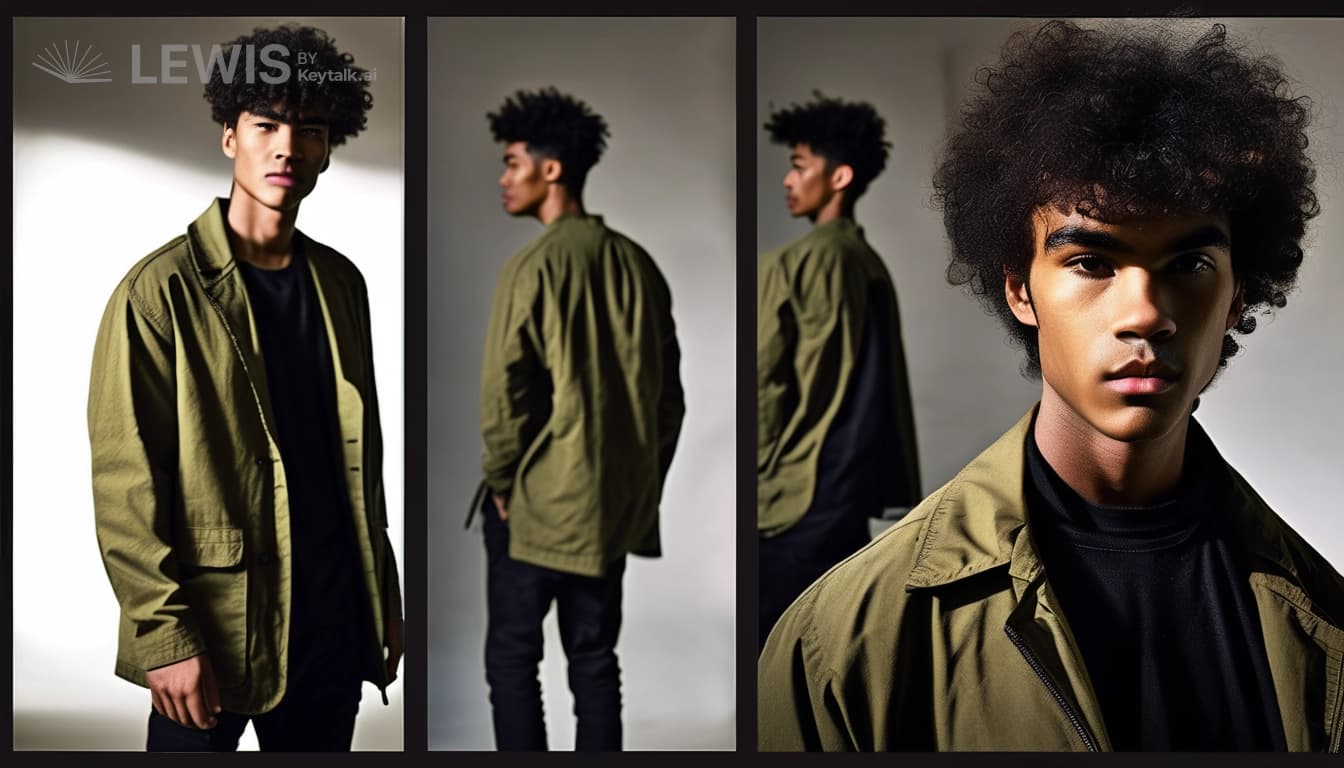
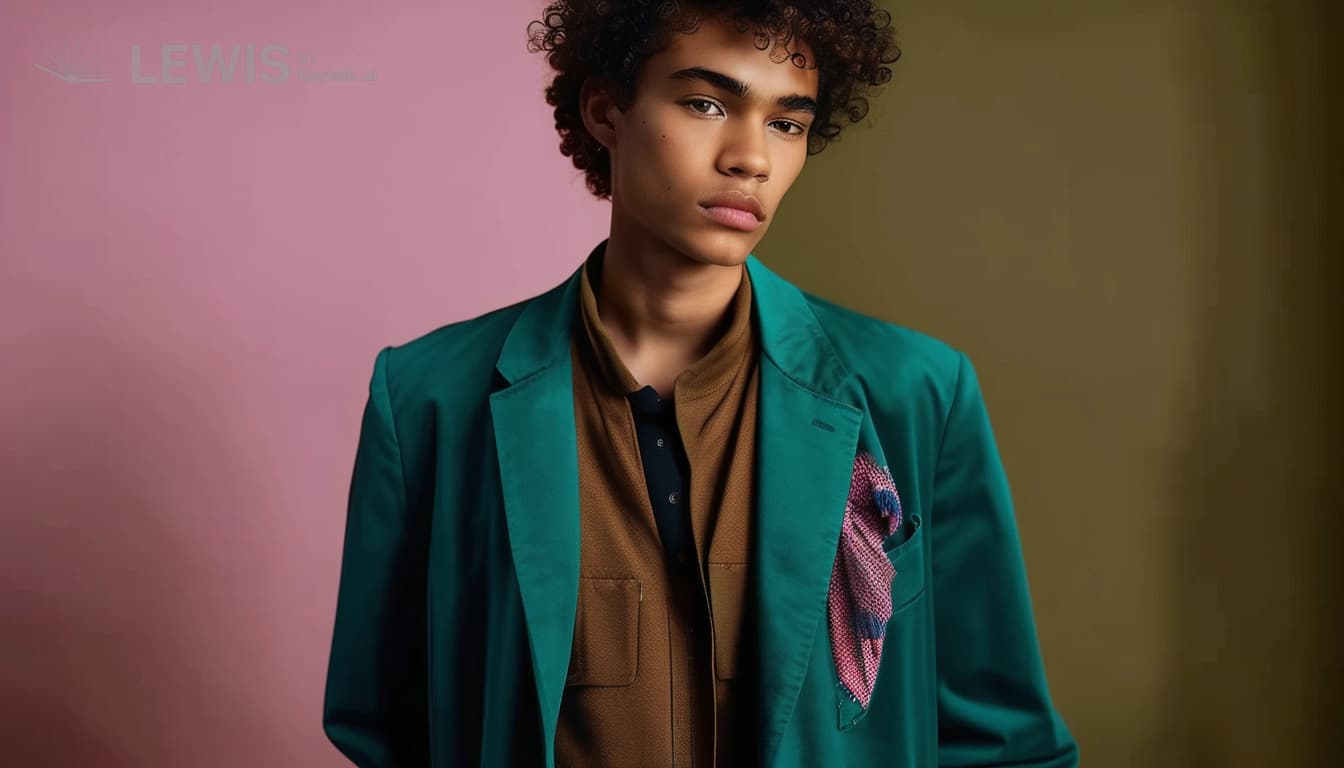
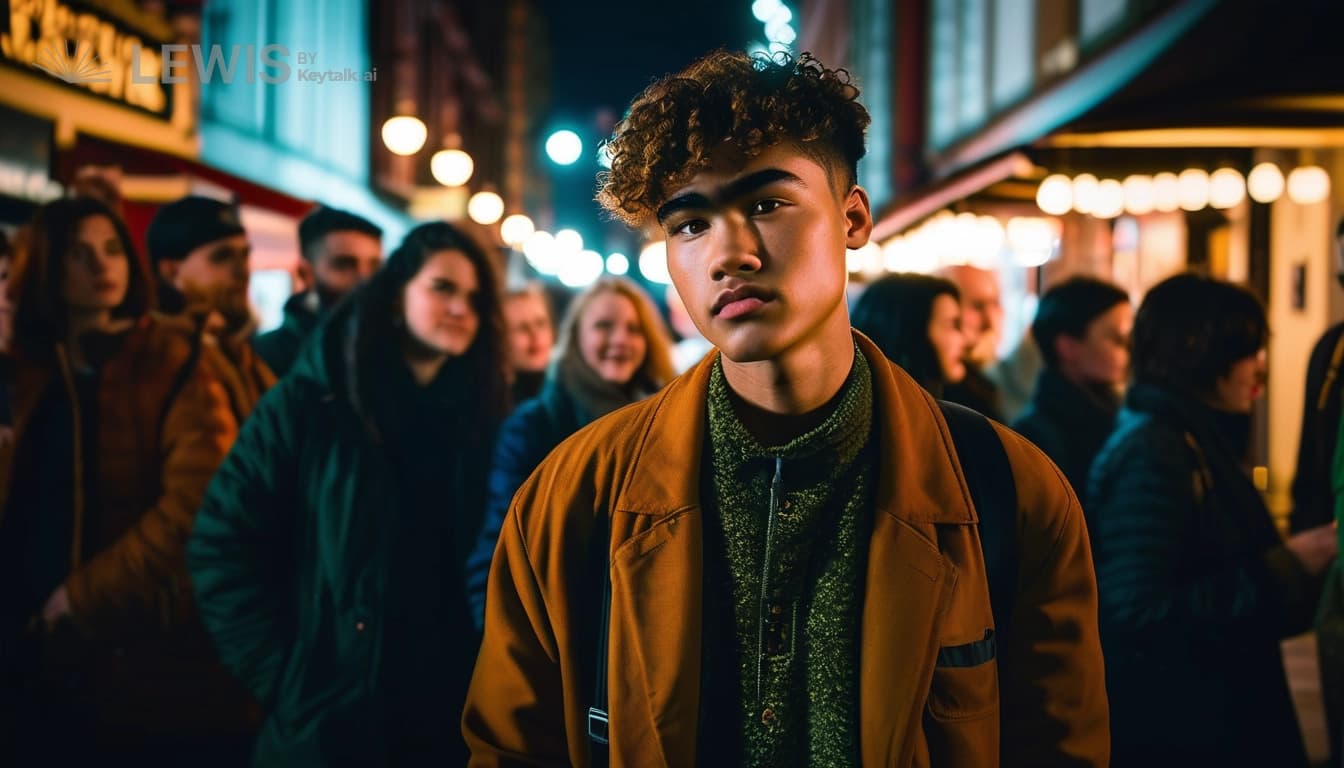
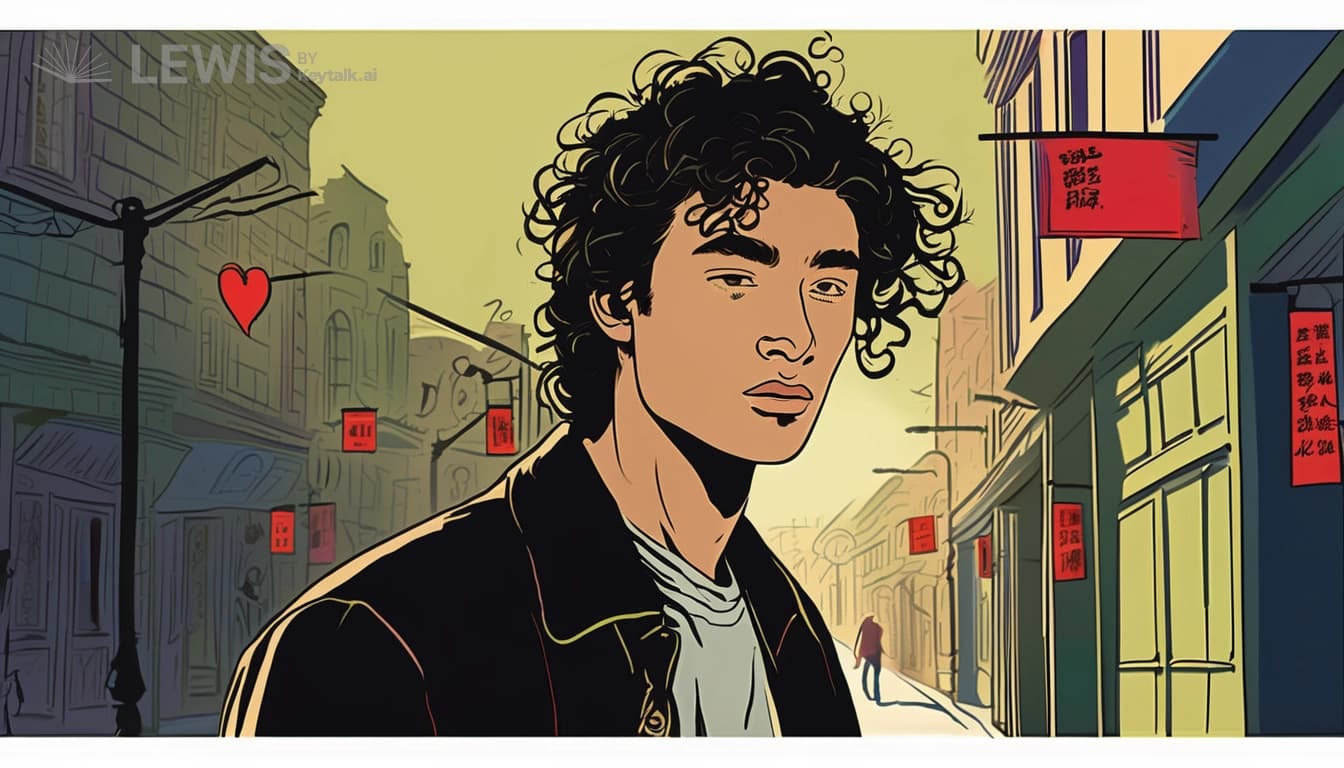
Felix Doyle, a lanky, sharp-eyed seventeen-year-old with an unruly mop of inky hair and a perpetual smirk, stands out in the fluorescent-lit halls of Northbrook High—not just because of his towering six-foot-one frame, but for his irrepressible wit and the mismatched thrift-store blazers he insists on pairing with battered Converse and ironic slogan tees. The son of Irish-Chinese immigrants, Felix carries his cultural duality with playful irreverence, peppering his rapid-fire banter with Cantonese endearments and deadpan references to Dublin pubs, making him both endearing and unpredictable to those brave enough to engage him. As an amateur stand-up comedian and self-appointed court jester of the senior class, he’s quick to skewer hypocrisy and wield humor as both shield and sword, a habit honed from years of being the oddball in a rigid, achievement-obsessed family. Felix’s brilliance is matched only by his knack for trouble; he’s infamous for elaborate pranks and a talent for improvising chaos out of thin air. Despite a reputation for emotional aloofness, his devotion to his perfectionist younger sister is fierce, often manifesting as sardonic pep talks and secret acts of sabotage on her behalf. Felix’s closest confidant is his over-caffeinated best friend, Lila, with whom he shares a love of offbeat indie films and late-night walks through neon-lit suburbs. Beneath his breezy sarcasm and kinetic energy lies a restlessness—a longing to be genuinely seen rather than merely tolerated, and a fear that he’ll never quite fit the mold his family or school expects. His speech tumbles out in a tumble of dry quips and self-aware asides, his eyes always scanning for the next punchline or escape hatch. Felix’s relentless resourcefulness, outsider’s perspective, and taste for the absurd make him the perfect architect for a scheme so unpredictable it could only unravel in spectacular, comedic fashion—setting the stage for the high school’s most unforgettable talent show and, perhaps, finally giving him the spotlight he’s always sidestepped.
Antagonist Character

Priya "Pixie" Sunder

GenderFemale
OccupationDrama Club President / Aspiring Director

Profile

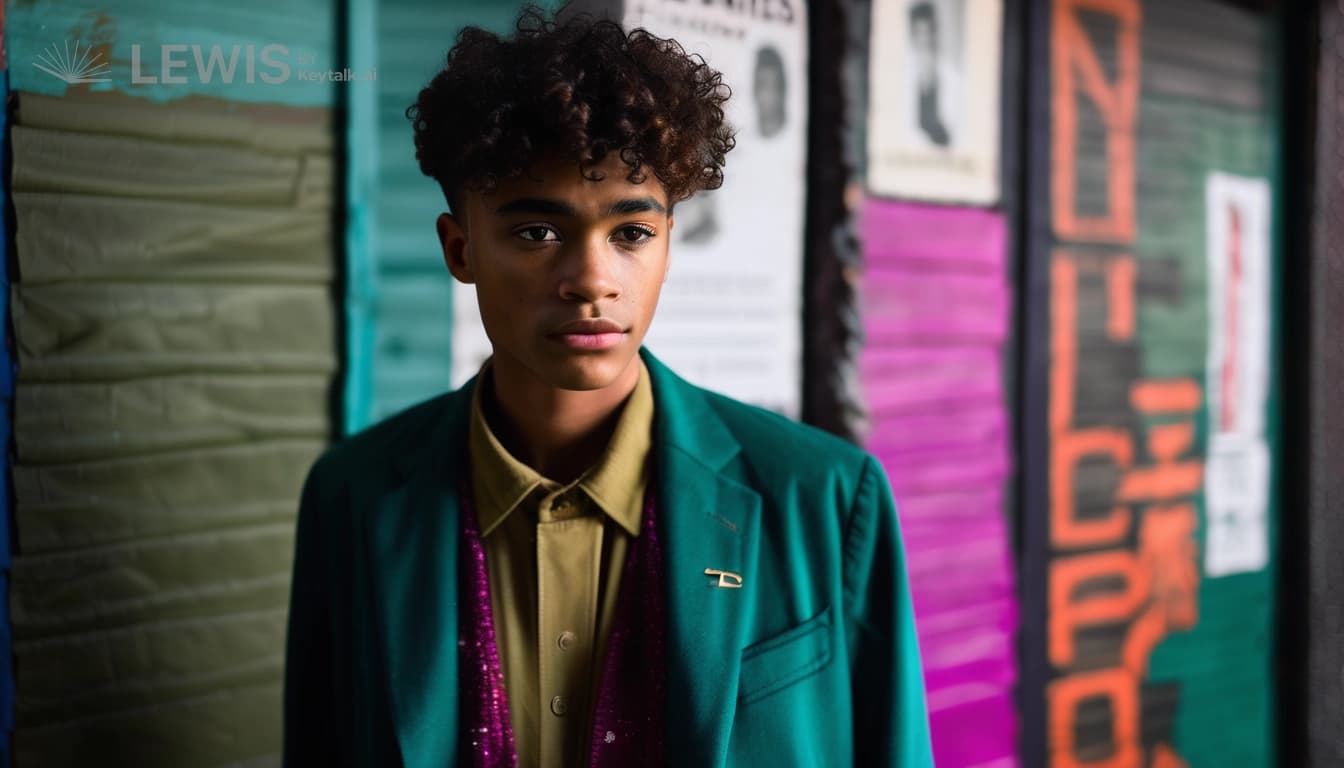
Priya “Pixie” Sunder is a sharp-eyed, quick-witted Indian American senior whose theatrical flair and ironclad ambition have made her both revered and resented at Northfield High. Standing just under five feet but radiating the presence of someone twice her size, Pixie’s build is compact and wiry, her movements always purposeful, like she’s choreographing her own invisible musical. Her skin is a warm caramel, her dark hair cropped into a choppy pixie cut dyed with streaks of teal and magenta—an homage to her penchant for the dramatic and a subtle rebellion against her conservative Tamil parents. With keen, foxlike brown eyes set in an angular face, and a perpetually arched eyebrow that seems to challenge the world, she commands attention whether she’s in her signature oversized blazers (pilfered from thrift stores and customized with safety pins and enamel pins of obscure playwrights) or her battered Doc Martens. As Drama Club President and director, Pixie rules her domain with a mix of biting sarcasm and genuine mentorship; she’s a perfectionist with a gift for spotting hidden talent, but her relentless drive often alienates those who can’t keep pace. Her speech is rapid-fire, peppered with Shakespearian insults and South Indian endearments, and she has a knack for turning even mundane conversations into mock auditions. Raised in a household where excellence is expected but artistic ambitions are viewed with suspicion, Pixie has learned to mask insecurity with bravado, channeling her longing for creative freedom into elaborate productions that blur reality and performance. Her closest relationships are transactional—she believes vulnerability is a liability in the cutthroat world of high school theatre—but beneath her polished cynicism, she secretly yearns for genuine connection and recognition beyond the stage. Pixie’s core motivation is to cement her legacy with a show that will finally earn her both her parents’ approval and her peers’ awe, but her obsession with control and reputation leaves her ill-prepared for the chaos and unpredictability that the talent show’s unscripted scheme is about to unleash. Her penchant for dramatic reveals, compulsive list-making, and habit of reciting monologues under her breath make her as eccentric as she is formidable—her methods are always unconventional, but her vision and tenacity make her the natural, if divisive, antagonist to anyone who threatens to upstage her.
Sidekick Character

Dante Kim

GenderMale
OccupationStage Crew Techie / Lighting Designer

Profile

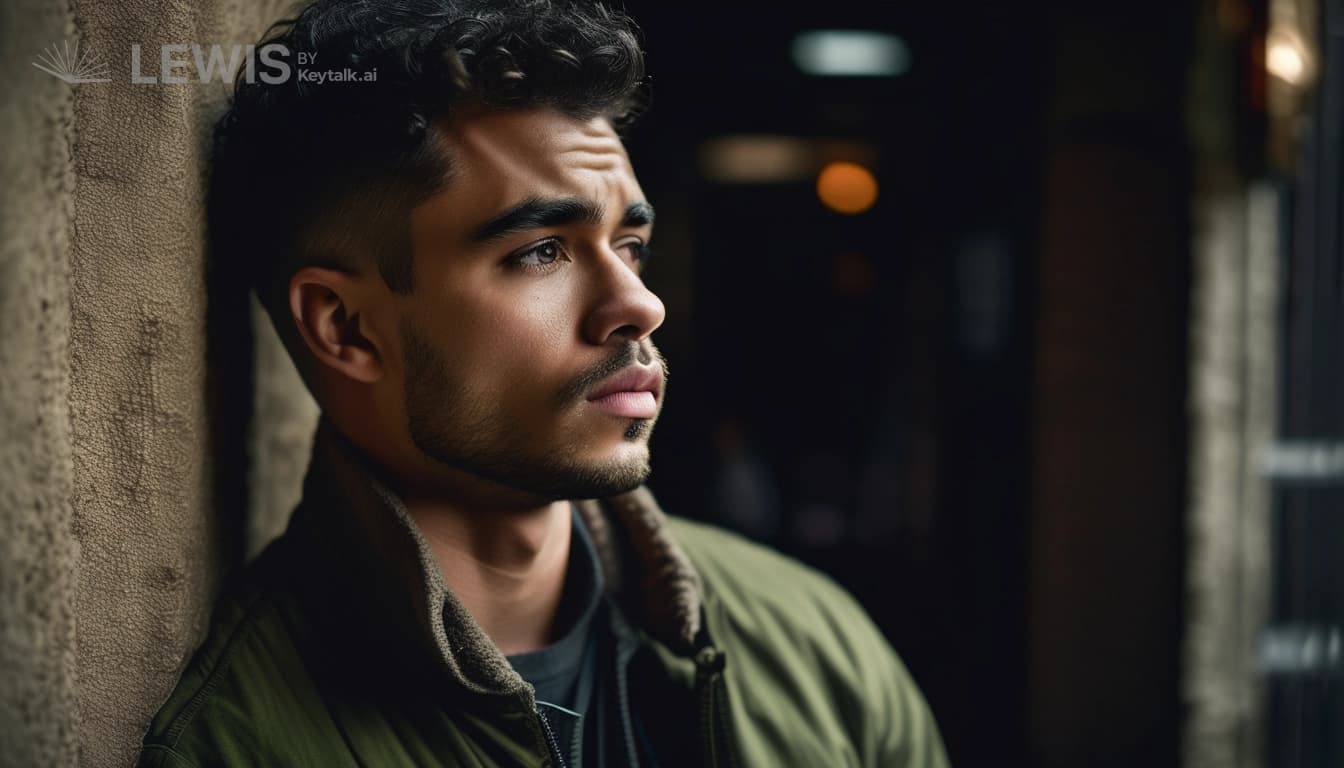
Dante Kim, a 16-year-old Korean-American with the wiry, unassuming build of someone who’s always lugging cables behind the scenes, is the stage crew’s unsung genius at Northbrook High. Standing at 5'6" with sharp, observant dark eyes behind round glasses and a mop of jet-black hair perpetually streaked with chalk and gaffer tape residue, Dante’s long, nimble fingers seem more at home finessing a dimmer board than shaking hands. His quick, clipped speech—punctuated by dry asides and the occasional burst of technical jargon—reflects his pragmatic, no-nonsense upbringing as the middle child in a boisterous, achievement-driven immigrant family, where quiet competence has always been his armor and his rebellion. Though he ducks the spotlight with an ironic, almost conspiratorial grin, Dante’s deadpan wit and penchant for dead-on impressions make him the covert pulse of every rehearsal, his loyalty to the stage only rivaled by his fiercely protective love for his perfectionist older sister, Minji. Unlike Felix’s flamboyant comedy or Pixie’s grand theatrical vision, Dante approaches problems with ruthless logic and a knack for improvisational fixes, quietly steering chaos into order with a roll of his eyes and a muttered “Don’t worry, I got this.” His understated ambition is to design lighting for real productions, but he keeps this close—content for now to build the world others perform in, even if he sometimes resents being overlooked. Dante’s introverted skepticism and love of technical precision fill the emotional and practical gaps between the story’s big personalities; while he’s allergic to melodrama, his subtle empathy and outsider’s perspective make him the unlikely confidant for both protagonist and antagonist. Beneath his sarcastic shell lies a longing for creative recognition and genuine connection, but his tendency to retreat behind sarcasm and schematics sometimes leaves him stuck in the wings, watching other people’s stories unfold. Dante’s utilitarian wardrobe—black cargo pants, battered sneakers, faded hoodies layered over graphic tees—signals his refusal to play the part of either clown or diva, while the faint scar along his right cheek (a souvenir from a rogue Fresnel lamp) hints at a history of quietly taking the fall for others’ mistakes. He’s the sidekick who refuses to be anyone’s sidekick, wielding the power to illuminate the stage—or plunge it into chaos—whenever he chooses.
Model Used
GPT-4.1
text
Stable Diffusion
image

World

Location/Time, Era:
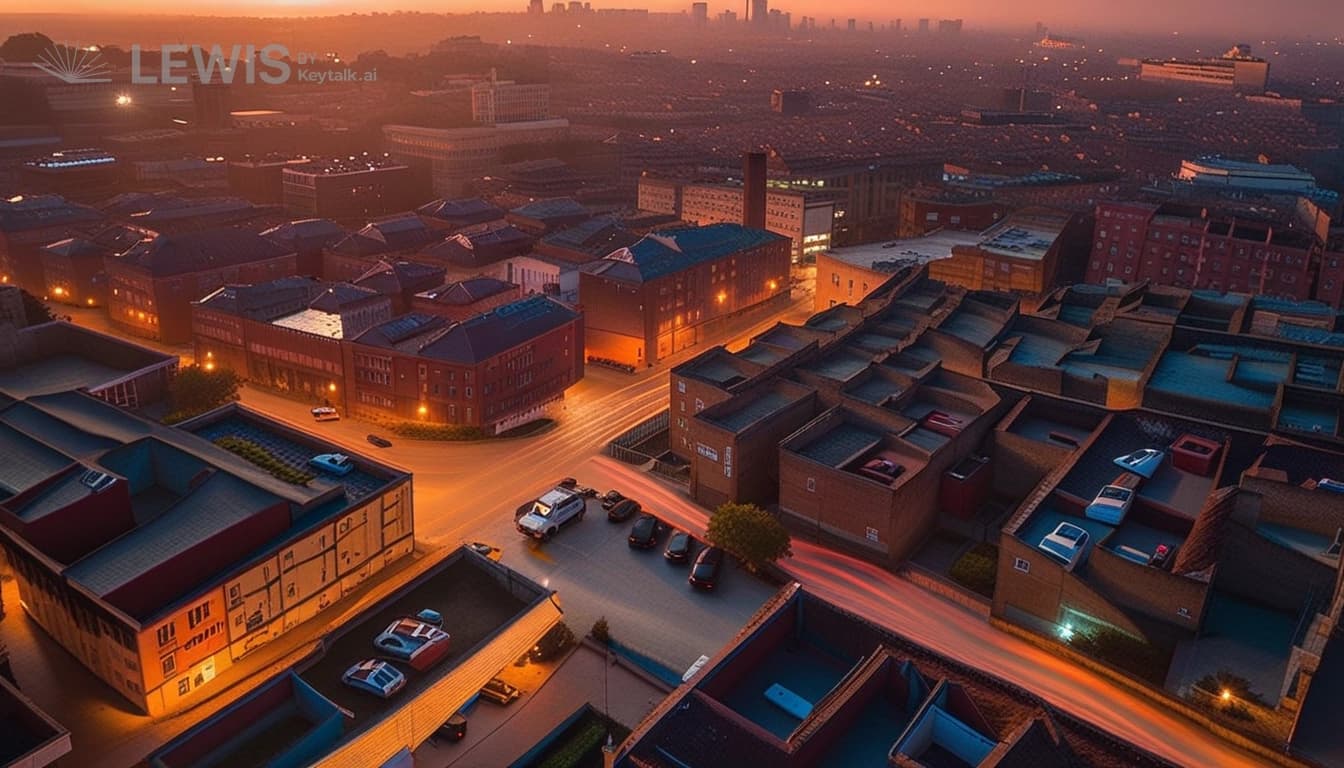
Northbrook, a sprawling, upper-middle-class suburb on the ragged edge of a major American city, pulses with a veneer of affluence and order that barely conceals its undercurrent of chaos. It’s late spring in the present day, the air thick with the scent of over-fertilized lawns, cherry blossoms, and the anxious tang of impending graduation. The high school—Northbrook High, a modernist glass-and-brick behemoth sandwiched between a labyrinthine strip mall and a forgotten patch of woods—is the town’s true nerve center, its fluorescent-lit halls both a battleground and a stage. Life here is dictated by the academic calendar and a relentless cycle of extracurricular competitions, where reputations are made and broken in the glare of social media and the shadowy corners of group chats. The annual talent show is the year’s last great spectacle: part arms race, part confession booth, where performances have the power to reshape social hierarchies overnight.

Key rules of the world and their impact on the story and beyond:
Northbrook High’s most sacred law is that everything—talent, romance, even rebellion—must be performed, and every performance is subject to instantaneous, merciless judgment by peers, parents, and the ever-watchful faculty. Social power is a currency more volatile than bitcoin, traded not just in likes and retweets but in whispered rumors and viral TikToks, where the line between staged and genuine is always up for grabs. The administration enforces a strict “No Pranks” policy post the infamous 2017 Glitterpocalypse, but it’s common knowledge that the most legendary students are the ones who outwit the system, bending the rules without ever quite breaking them. Family expectations loom large: in this world, achievement is survival, and failure means invisibility—or worse, becoming meme fodder. These pressures force characters into elaborate deceptions and alliances, fueling the high-stakes gamesmanship that gives every scheme its sting and every confession its risk.

Visual depiction of the world and its unique features:
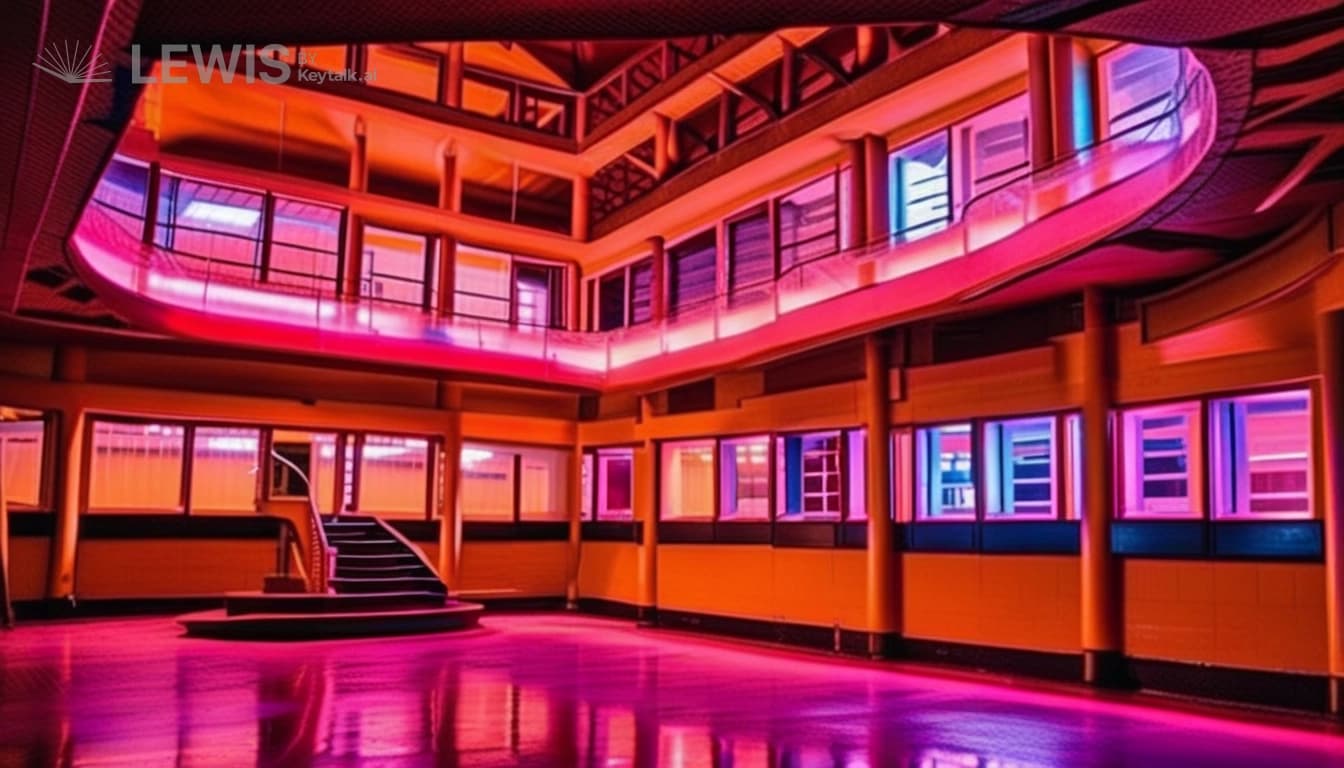
The school itself is a riot of contradictions: graffiti murals in the stairwells half-heartedly censored by maintenance, trophy cases bulging with robotics medals and theater masks, and a cafeteria where every clique claims its own defensible territory. The auditorium, with its creaking velvet seats and flickering house lights, is both hallowed ground and haunted funhouse—echoing with stories of triumph, humiliation, and mythic technical disasters. Backstage is a maze of tangled extension cords, abandoned props, and cryptic stage manager notes scrawled in Sharpie on the walls, while the green room doubles as a confessional, black market snack bar, and occasional battlefield. Outside, neon-lit strip malls host clandestine dance-offs, late-night plotting sessions, and TikTok shoots that spiral into surreal, slapstick misadventures. Even the quiet suburban streets crackle with the promise of transformation: every mailbox, bus stop, and cul-de-sac is a potential stage, every ordinary night one dare away from turning legendary.

Notable technology, philosophy, or cultural elements influencing the world and narrative:
Northbrook’s students are digital natives, fluent in meme warfare and guerrilla filmmaking, their lives curated and critiqued in real time across platforms—Instagram, Discord, TikTok—where a single viral clip can make or break a reputation. The culture is a mashup of relentless self-optimization (fueled by immigrant work ethic and parental ambition), ironic detachment (a defense against disappointment), and subversive creativity (the only real way to stand out). Theater and comedy are not just electives but weapons and survival skills, with rival factions—drama kids, STEM prodigies, pranksters—waging an unspoken cold war for cultural dominance. The philosophy here: everything is a performance, authenticity is currency, and the only way to win is to blur the boundaries between act and reality so thoroughly that no one, not even yourself, can tell the difference. This ethos drives the characters to risk, rebel, and reveal themselves in ways that are as hilarious as they are heartbreaking, making every moment a potential turning point—onstage or off.
representative image
location 1 image

Location 1

Title : The Roof of Infinite Detentions

Description : Perched above Northbrook High’s battered gym, the roof is a forbidden kingdom of tar-stained gravel, graffiti scrawled by generations of bored rebels, and a lone, flickering security light that makes every midnight stunt feel mythic. The air tastes like old rain and adrenaline, city noise humming below as Felix—draped in borrowed Shakespearean velvet—serenades Minji to a chorus of distant car horns and the shrill echo of a janitor’s whistle. Up here, secrets spill as easily as laughter, and every reckless rooftop dare feels like rewriting the rules of the world, if only until someone remembers to lock the hatch.
location 2 image

Location 2

Title : The Neon Oracle Bubble Tea Lab
Description : The Bubble Tea Lab is a riot of color and caffeinated chaos—neon tubing snakes across the ceiling, casting pink and blue shadows over mismatched couches sticky with syrup and whispered secrets. The air thrums with the sound of blenders and anxious laughter, every surface littered with sketchbooks, half-finished TikTok plans, and the detritus of rehearsals gone awry. It’s here, under the flickering sign that reads “Ask and Ye Shall Sip,” that Felix and Minji hatch their scandalous scheme, the lab’s electric energy blending their nerves and bravado into something dangerously real.
location 3 image

Location 3

Title: The Gilded Labyrinth of PTA Hall

Description: Beneath gaudy chandeliers and a riot of trophy-filled glass cases, the PTA Hall sprawls like a suburban Versailles—maze-like corridors lined with decades of gold-framed group photos, each one a still life of forced smiles and buried grudges. On talent show night, the air shivers with nerves and deodorant, echoing with the staccato of hurried footsteps as contestants duck behind velvet partitions, plotting sabotage or salvation. Here, reputations are minted and shattered beneath the watchful gaze of Northbrook’s parental aristocracy, every whispered secret and off-script confession ricocheting off linoleum floors and straight into legend.
Model Used
GPT-4.1
text
Stable Diffusion
image

Scenes

scene 1 image
Scene 1
The Unwritten Script—Felix’s Prank, Minji’s Desperation, and the Secret Rivalry That Started It All

[Place]
Northbrook High auditorium, backstage and rehearsal area

[Time]
After school, a week before the talent show auditions

[Action]
Felix, feigning indifference, sneaks into the dimly lit rehearsal hall, catching the end of Minji’s painfully precise, soulless rehearsal for the talent show. He watches as Minji obsessively repeats the same notes, her anxiety mounting with every imperfection. Minji is desperate—this isn’t just a performance, it’s her last shot at finally outshining Pixie and winning their parents’ approval. Felix senses her unraveling and, half out of mischief and half out of brotherly concern, decides to intervene. He orchestrates an impromptu “prank” by hijacking the sound system, playing an absurd mashup of Minji’s song with animal sound effects, forcing her into the spotlight in front of early-arriving drama kids.

Pixie, passing by, witnesses Minji’s humiliation and smirks but can’t hide her fascination. Underneath her barbed commentary lies a flicker of something softer—envy, longing, and the thrill of a worthy opponent. Felix reads the tension and files it away, intrigued by Pixie’s reaction. Meanwhile, Dante, already deep in tech prep, is irritated by Felix’s interference and Minji’s meltdown, but is quietly impressed by how Felix commands the room’s attention. He makes a mental note to keep tabs on Felix, knowing chaos is on the horizon.

This scene sets up the sibling dynamic—Minji’s perfectionism versus Felix’s chaos—while planting the seeds of the rivalry and Pixie’s complicated feelings. Felix proposes his outrageous plan to “help” Minji by turning the show into a spectacle, hinting at the fake romance scheme. Minji is torn between horror and a desperate hope that maybe, just maybe, Felix’s madness could work. The scene ends with Pixie watching from the wings, already plotting her countermove.

[Impact on the story]
This opening scene establishes the central conflicts: Minji’s struggle for identity, Felix’s compulsion to disrupt and protect, and Pixie’s obsession with both victory and Minji herself. It injects immediate energy and sets the emotional stakes, laying the groundwork for the fake romance plot and Pixie’s sabotage campaign. Dante’s role as reluctant peacekeeper is seeded, and the first sparks of chaos are struck, promising escalating tension and unexpected alliances.

[Description]
Felix’s prank derails Minji’s rigid rehearsal, exposing her desperation and igniting a chain reaction among the main characters. Rivalries, secret motivations, and emotional vulnerabilities are brought into sharp focus, setting the stage for the chaos—and comedy—to come.
scene 2 image
Scene 2
Prop Swords and Paper Hearts—Dante’s Dilemma, Pixie’s Obsession, and the First Sabotage

[Place]
Northbrook High auditorium stage, tech booth, and backstage corridors

[Time]
The next afternoon, during the first full-cast talent show rehearsal

[Action]
Rehearsals are in full swing, and the atmosphere is thick with nerves and rivalry. Minji, still rattled from Felix’s prank, forces herself to double down on precision, but her confidence is visibly shaken. Felix arrives late, playing the role of the charming disruptor—he plants subtle hints about his and Minji’s “unpredictable new act,” leaving the other performers buzzing with gossip. Pixie commands the stage in early run-throughs of her one-act, all sharp edges and brittle perfection, but she’s clearly distracted, her gaze flicking to Minji with every line.

Dante, already juggling an impossible lighting schedule, is frustrated by the growing chaos. He notices the tension between Minji and Pixie and senses Felix’s hand in the undercurrents. When Pixie tries to rehearse a crucial dramatic monologue, she discovers her prop sword has been replaced with a ridiculous rubber chicken. The cast erupts in laughter, but Pixie’s mask almost slips—her anger is edged with embarrassment, and for a split second, vulnerability. Felix grins from the wings, but even he’s surprised by how raw Pixie’s reaction is.

Dante is forced to intervene, smoothing things over with a dry, diplomatic apology, while quietly warning Felix that sabotage will get them both banned from tech. Minji, mortified and furious, confronts Felix backstage, torn between blaming him and admitting she found Pixie’s crack in composure oddly satisfying. Meanwhile, Pixie storms out, already plotting a countermove—her obsession with besting Minji now fueled by jealousy and wounded pride.

[Impact on the story]
This scene escalates the rivalry and raises the emotional stakes. Pixie’s veneer of control cracks, revealing real feelings beneath her competitive front. Felix’s antics begin to blur the line between playful disruption and genuine sabotage, putting him at odds with Dante and complicating his relationship with Minji. Dante’s role as mediator becomes more pronounced, and his frustration with always being the responsible one simmers. The first act of sabotage is a catalyst, setting off a chain of retaliation and intensifying the web of secrets and alliances.

[Description]
The first rehearsal devolves into chaos as Felix’s prank triggers an unexpected emotional response from Pixie, while Dante struggles to keep order. Rivalries deepen, vulnerabilities surface, and the seeds of a prank war are sown, pushing every character closer to the edge.
scene 3 image
Scene 3
Viral Confessions—Lunchroom Proposals, TikTok Scandals, and the Shattering of Old Alliances
[Place]
Northbrook High cafeteria, main hallway, and outdoor courtyard

[Time]
The following day, during lunch and after school

[Action]
Felix escalates the fake romance scheme with a grand, over-the-top “proposal” to Minji in the middle of the crowded cafeteria. He recruits Dante to secretly film the spectacle, promising it’ll blow up online and cement their unpredictable act in the public imagination. Minji, mortified but desperate to outshine Pixie, reluctantly plays along—her performance stiff at first, then growing more convincing as the student body erupts in cheers, jeers, and viral TikToks. The cafeteria is a storm of laughter, phones, and disbelief as Felix, in his element, spins the chaos into a meme-worthy moment.

Pixie witnesses the proposal and is visibly shaken, her jealousy barely masked by a sarcastic quip to her entourage. She immediately suspects Felix’s ploy but can’t be sure Minji isn’t in on it for real. Fueled by a mix of heartbreak and competitive rage, Pixie hatches a revenge plan—organizing her own viral stunt to reclaim the spotlight, and privately confronting Minji in the hallway with pointed barbs disguised as “friendly advice.” The exchange between them is tense, laced with double meanings and unresolved feelings.

Meanwhile, Dante edits the proposal video into a viral sensation, but his involvement makes him uneasy. He’s caught between loyalty to Felix and concern for Minji, who seems increasingly out of her depth. Old friendships begin to fracture as the rumor mill goes into overdrive; Minji’s academic friends distance themselves, uncomfortable with her sudden notoriety, while Felix’s prankster allies revel in the drama. In the courtyard after school, Minji and Felix finally argue in private—Minji confessing her anxiety about the fallout and questioning whether the scheme is worth the pain. Felix, for the first time, hesitates, sensing the real cost of his antics.

[Impact on the story]
The scene detonates the fake romance into public spectacle, transforming it from a private scheme into a schoolwide obsession. Minji’s social world starts to unravel as her old support system falters, forcing her to rely more on Felix and Dante. Pixie’s jealousy and obsession intensify, pushing her toward riskier acts of sabotage and emotional confrontation. Dante’s role as the reluctant enabler deepens, sowing seeds of guilt and self-doubt. The lines between performance and reality blur further, and the first cracks appear in the siblings’ alliance.

[Description]
Felix’s viral cafeteria proposal turns the fake romance into a public scandal, fracturing friendships and fueling Pixie’s vendetta. Minji is left adrift, torn between her ambitions and the chaos unleashed, while Dante’s involvement deepens his internal conflict. The scene marks a turning point as alliances shift and the stakes become deeply personal.
scene 4 image
Scene 4
Stage Left: Where Siblings Break and Stagehands Crack—Dante’s Stand, Minji’s Meltdown, and Felix’s Fear

[Place]
Backstage at Northbrook’s auditorium, the maze of wings and storage closets, and the deserted stairwell just outside the theater

[Time]
Late afternoon, the day before the talent show—final dress rehearsal

[Action]
The rehearsal is chaos from the start. Felix arrives late, still riding the high from his viral antics, but Minji is a ghost of her former self—hunched, exhausted, her nerves stretched to snapping. Dante is everywhere at once, snapping orders into the headset, putting out fires as Pixie’s latest sabotage (a disco fog machine set to “maximum absurdity”) clouds the stage. Tension crackles as Minji repeatedly fumbles her cues, her anxiety mounting with every sideways glance from the crew and every sarcastic remark from Pixie. Felix tries to lighten the mood with a joke, but Minji snaps at him in front of everyone, her voice sharper than she intends. The room freezes; Dante intervenes, pulling Minji aside under the pretense of a costume check.

In the cramped stairwell, Minji’s façade crumbles. She confesses her fear of failure, the unbearable pressure of being “perfect,” and her resentment toward Felix for turning her struggle into a spectacle. Felix, shaken by her vulnerability, finally sees the toll his schemes have taken. For once, he’s speechless, guilt writhing beneath his usual bravado. Dante, listening from the doorway, is forced to choose: keep enabling Felix’s chaos or step in for Minji’s sake. He quietly confronts Felix backstage, warning him that their game is breaking Minji apart—and that he won’t keep covering for him if things go further off the rails. Felix is rocked by the realization that his need for attention has consequences beyond his own reputation.

Meanwhile, Pixie lurks just out of sight, eavesdropping on the siblings’ argument. The rawness of Minji’s breakdown unsettles her, momentarily puncturing her armor of irony. She returns to rehearsal with a new edge, her lines sharper, her performance tinged with real bitterness. The atmosphere backstage is charged with unspoken tension, alliances shifting as the show teeters on the brink of disaster.

[Impact on the story]
The siblings’ bond is fractured, leaving Minji isolated and Felix wracked with guilt and doubt. Dante’s internal conflict reaches a tipping point, setting him up for decisive action. Pixie’s emotional walls start to crack as she witnesses genuine vulnerability. The scene raises the emotional stakes for all four, making the upcoming performance a crucible for their relationships and identities.

[Description]
Backstage chaos and personal meltdowns force the siblings to confront the emotional cost of their scheme. Dante is pushed to take a stand, while Pixie’s obsession takes on a darker, more vulnerable edge. The scene drives a wedge between the main characters, setting up a volatile and high-stakes finale.
scene 5 image
Scene 5
[Title]
The Play That Ate Itself—Pixie’s Rewrite, Dante’s Coup, and the Night the Spotlight Refused to Move

[Place]
Northbrook High auditorium—onstage and in the control booth; labyrinthine backstage corridors swirling with performers and tech crew

[Time]
Night of the talent show, moments before and during the main performances

[Action]
The auditorium buzzes with anticipation and nerves. Felix and Minji, still raw from their confrontation at dress rehearsal, prepare for their act, both unsure if they’ll stick to their script or let the chaos take over. Felix is riddled with guilt, while Minji teeters between resentment and the desperate need to reclaim her own narrative. Their act begins with practiced banter, but the tension between them quickly erupts, leading to unscripted confessions and unexpected emotional vulnerability in front of the whole school.
Meanwhile, Pixie, freshly shaken by witnessing Minji’s breakdown, has torn up her original tragedy and rewritten her play as an avant-garde satire—skewering not just Felix and Minji but the very fabric of high school performance itself. She stalks the stage in a whirlwind of costume changes and biting monologues, channeling her bitterness and jealousy into cutting humor and surreal spectacle.
Dante, fed up with the endless drama and his own invisibility, orchestrates a technical coup from the booth: he overrides the show’s lighting cues so that every act, planned or improvised, is thrown into the same harsh spotlight. This forces performers to confront their real selves, stripping away any remaining artifice. The audience is swept along, uncertain if what they’re seeing is staged or a genuine breakdown.
As the acts collide and unravel, alliances shift onstage and off. Minji, exhausted and exposed, finally breaks character, admitting her struggles and resentment. Felix confesses his fear of never being truly known. Pixie interrupts with her own confession—her complicated feelings for Minji and her longing for connection beneath the sarcasm. The emotional crescendo brings everything to a standstill, before laughter and applause erupt, blurring the lines between performance and reality.

[Impact on the story]
This scene is the crucible for all main characters, forcing them to shed their public personas and reveal their true selves. The fake romance, rivalry, and backstage schemes culminate in public catharsis and mutual vulnerability. Dante’s decision to sabotage the lighting marks his transition from passive enabler to active disruptor. Pixie’s rewrite transforms her performance from a bid for dominance into a raw search for authenticity. The relationships among Felix, Minji, Pixie, and Dante are fundamentally altered, setting the stage for genuine reconciliation and new beginnings.

[Description]
On talent show night, all schemes and secrets are exposed as the performances spiral into unscripted chaos and confession. The spotlight—both literal and metaphorical—forces the characters to confront themselves and each other, dissolving old rivalries and reshaping their connections. This pivotal scene brings the emotional stakes to a head and drives the story toward its cathartic conclusion.
scene 6 image
Scene 6
[Title]
After the Curtain—Unmasked Hearts, Broken Rivalries, and the New Rules of Northbrook

[Place]
Backstage corridors and deserted auditorium seats, immediately after the talent show; the echoing, half-lit emptiness where applause has faded but the tension lingers

[Time]
Late evening, just after the final curtain falls—costumes half-off, makeup smeared, adrenaline still humming in everyone’s veins

[Action]
As the crowd disperses, the main characters are left in the aftermath—shell-shocked, emotionally raw, and utterly exposed. Felix stands awkwardly by the stage door, torn between relief and anxiety as he waits for Minji, unsure whether to apologize or disappear. Minji, emotionally spent but lighter, steps out of the dressing room with her guard finally down, searching for her brother and—surprisingly—Pixie.
Pixie lingers alone in the wings, makeup streaked, clutching the torn pages of her script. She’s riding the high of catharsis but also terrified by what she revealed onstage. Dante, for once, emerges from the booth and finds the others, feeling a mix of pride and uncertainty about his sabotage; he’s finally stepped into the light, but now must face the consequences.
Conversations unfold—some halting, some heated, some redemptive. Felix and Minji share a quiet reckoning, acknowledging the mess they’ve made and the truths they’ve uncovered. Pixie, vulnerable but defiant, approaches Minji, risking rejection but hoping for honesty. Dante is drawn into the group, no longer content to be on the sidelines.
Secondary characters—former friends and rivals—drift through, offering congratulations, apologies, or just stunned silence, reflecting the ripple effect of the night’s chaos. The group navigates the awkwardness of exposed secrets, the promise of new alliances, and the uncertainty of what comes next. The scene ends with the four of them—Felix, Minji, Pixie, and Dante—sharing a moment of uneasy camaraderie, recognizing that everything has changed, but not knowing exactly how.

[Impact on the story]
This scene provides essential emotional resolution, allowing the characters to process what happened under the spotlight and begin to rebuild—or redefine—their relationships. It marks the start of genuine healing for Minji and Felix, the tentative forging of a new connection between Minji and Pixie, and Dante’s acceptance of his own agency and visibility. The fallout from the night’s confessions and chaos will shape how each of them moves forward, individually and together.

[Description]
In the aftermath of the show, the masks come off for good. The main characters confront each other and themselves in the quiet backstage hush, forging new dynamics and facing the uncertain future with a mix of hope, regret, and relief. This essential epilogue sets the tone for everything that comes after—the old rules are gone, and Northbrook will never be the same.
'Fake Romance, Real Chaos'Story Chat

Want to chat with the characters from this story?

'Fake Romance, Real Chaos'Story Chat

Want to chat with the characters from this story?

story image
story image
story image

You might also like

Comments0

rank icon image
#1 inConcept
rank icon image
#3 inTheme
rank icon image
#7 inConcept
theme music