본문으로 건너뛰기
Identity for Sale cover image

Identity for Sale

In a city that hosts ‘Emotion Markets’—clandestine gatherings where people trade vivid memories to fill personal voids—a successful but hollow-hearted entrepreneur becomes addicted to purchasing fragments of other lives. When these patchwork emotions start bleeding into his reality, warping his sense of self and the lives of those around him, he launches a desperate, mind-bending quest to reconstruct his original identity before the chaos within him shatters the world he built.

Weekly ranking

rank icon image
#2 inConcept
rank icon image
#32 inGenre
Scroll

Plot Synopsis

Julian Mercer’s first foray into the Emotion Market is almost accidental—he’s chasing insomnia, not transcendence, down rain-slick alleys beneath his glass-and-steel loft. The Market is nothing like he imagined: not the drug den of desperate faces, but a cathedral of longing, curated by Mireille Belkacem, whose gloved hands administer memory as communion. Julian, whose success is built on innovation and emotional detachment, is unmoored by the ceremony—one moment, he’s a spectator, the next, he’s clutching a borrowed childhood: a mother’s laughter in a sunlit kitchen, the ache of a first heartbreak. The sensation is overwhelming, seductive, and for the first time in years, Julian feels something that isn’t filtered through ambition or cynicism. He leaves with a chip humming in his pocket and the sense that he’s glimpsed a life more vivid than his own.

Julian returns, again and again, each time trading more credits for fragments of other people’s lives—a wedding toast, a father’s approval, the electric terror before a stage debut. The Market, once a curiosity, becomes a compulsion. Julian’s startup thrives, but he finds himself losing track of which emotions are his: he laughs with a stranger’s nostalgia, rages with a borrowed grief. Colleagues notice his erratic behavior—brilliance spiked with volatility—and his rare confidante, Noor Ibrahim, intervenes. Noor, a memory rehabilitation specialist, recognizes the Market’s signature dissonance in Julian’s speech and warns him: “You can’t patchwork a soul, Jules. You’ll come apart at the seams.” But Julian is already hooked, chasing an elusive wholeness that no amount of success, or therapy, has ever delivered.

As the memories accumulate, their borders blur. Julian’s sense of self fractures; he wakes from dreams that aren’t his, recalls conversations he’s never had. At a crucial investor pitch, he freezes—his mind hijacked by a memory of stage fright that isn’t his own. Publicly humiliated, Julian spirals, retreating into the Market’s neon shadows. Desperate to regain control, he confronts Mireille, demanding she “undo” the damage. Mireille, equal parts fascinated and contemptuous, offers a chilling solution: a bespoke memory map, a procedure to reconstruct his original identity—but only if he submits to her methods and helps her test a new, riskier protocol. Mireille sees in Julian not just a client, but a case study—proof of her theory that identity is a sum of curated experiences, and that, with enough precision, even a shattered self can be reassembled.

Noor intervenes, wary of Mireille’s clinical detachment and ulterior motives. She insists on helping Julian recover organically—by confronting the voids that drove him to the Market in the first place. The trio’s uneasy alliance fractures as Mireille and Noor clash over ethics and agency: Mireille views Julian as data, Noor as a person in crisis. Julian, caught between their philosophies, is forced to make choices that echo through their lives. He seeks out his estranged sister, hoping to reclaim lost pieces of his past, but finds only guilt and unresolved pain. Each step toward recovery is undermined by rogue memories—moments of violence, joy, regret—that surface at the worst possible times, warping his relationships and driving him further from himself.

The city teeters on the edge of chaos as news of “memory bleed” spreads—others, too, are unraveling, their identities destabilized by illicit trades. Mireille’s Market comes under threat from authorities and rival brokers. In a final, desperate gambit, Julian agrees to undergo Mireille’s reconstruction protocol, but only if Noor supervises. The process is harrowing—a labyrinth of memories, real and implanted, where Julian must choose which fragments to keep and which to surrender forever. He faces the memory of his sister’s betrayal, the hollow victories of his career, and the bittersweet ache of every emotion he’s purchased. In the end, he sacrifices the Market’s most euphoric memories, choosing authenticity over borrowed bliss.

Julian emerges changed—diminished in some ways, but newly anchored in the truth of his own pain and longing. He walks away from his company, unable to trust the self who built it, but reconciles with his sister, forging a fragile new connection grounded in honesty. Mireille’s Market collapses under legal and existential scrutiny; she disappears, leaving behind only her private graveyard of memories. Noor continues her work, now haunted by the limits of empathy and the knowledge that some wounds are necessary to a coherent self. The city’s appetite for emotional exchange endures, but Julian’s journey stands as a caution and a hope: that wholeness is not found in acquisition, but in the slow, painful reclamation of one’s

Model Used
GPT-4.1
text
Stable Diffusion
image

Story Details

Keytalk Prompts Used
See all Keytalks
no chosen prompts
no chosen prompts
no chosen prompts
no chosen prompts
no chosen prompts
no chosen prompts
Model Used
GPT-4.1
text
Stable Diffusion
image

Character

Protagonist Character

Julian Mercer

GenderMale
OccupationTech Startup Founder (Specializing in immersive neural interface devices)

Profile

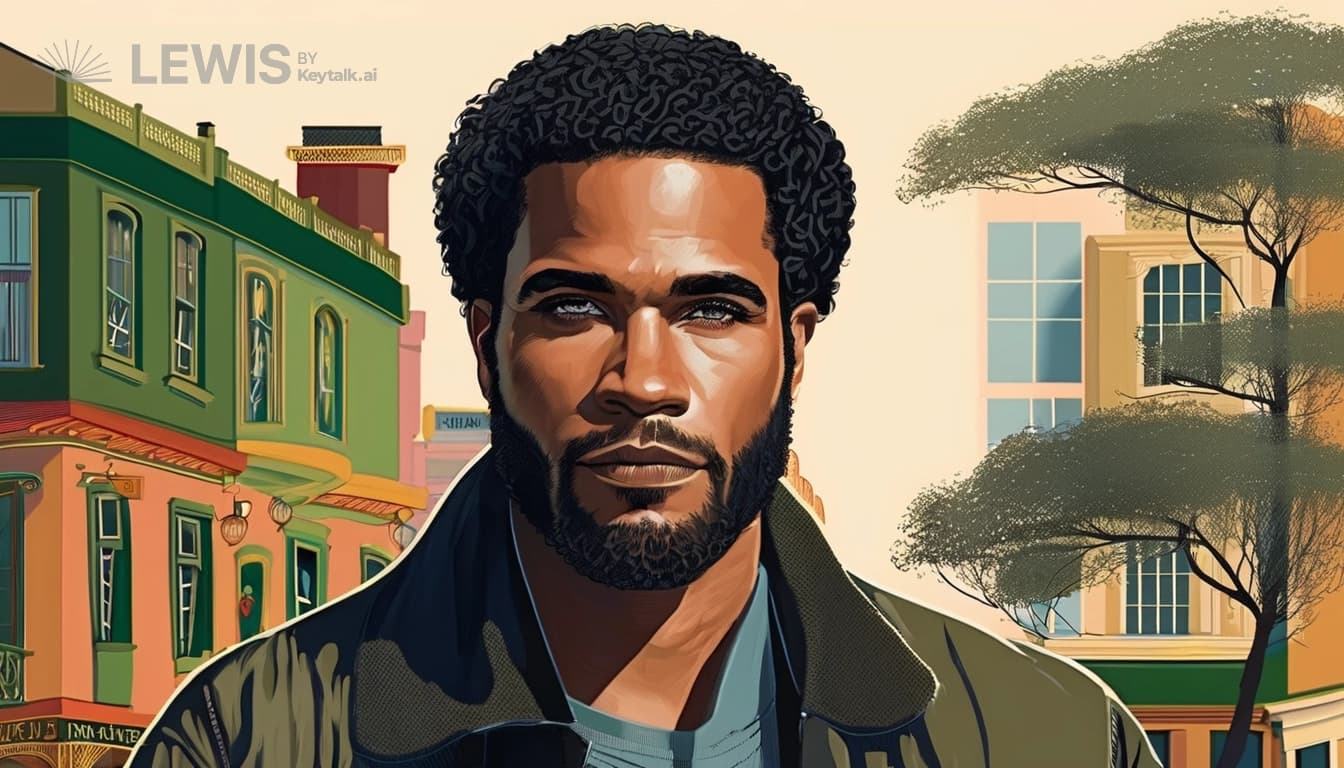
Julian Mercer, a 37-year-old biracial man of Anglo-Jewish and Ghanaian descent, stands at a lanky six feet with a wiry build that speaks less of athleticism and more of sleepless nights spent hunched over glowing screens. His angular face is defined by high cheekbones, a sharp jawline, and eyes the color of wet slate—intensely alert, but often distant, as if perpetually tuned to some other frequency. Short, tight curls—black with faint threads of silver—frame his forehead, and a faded scar slices through his left eyebrow, a relic from a reckless teenage night in East London. Julian’s wardrobe is a careful blend of understated luxury and tech-world eccentricity: tailored charcoal trousers, monochrome tees, and a perpetually rumpled, oversized olive trench coat, pockets always stuffed with prototype neural chips and battered Moleskines. Once a scholarship kid who coded to escape council flat monotony, Julian clawed his way into the city’s elite, now helming a cutting-edge neural interface startup in a minimalist high-rise loft overlooking the Emotion Markets’ neon underbelly. His clipped, rapid-fire speech—spiked with dry wit and the occasional London slang—hints at both his working-class roots and relentless ambition, but he’s become increasingly evasive, his conversations laced with philosophical tangents and abrupt, searching silences. Driven by a restless hunger for novelty and meaning, Julian excels at reading people and manipulating tech, but struggles with intimacy, often deflecting with charm or biting sarcasm. He maintains a carefully curated distance from colleagues and the few friends who remain, including an estranged sister whose memory haunts him more than he admits. Prone to insomnia and compulsive note-taking, Julian’s mind is a restless engine—ingenious, but prone to obsession and self-doubt. Beneath his curated confidence lies a gnawing emptiness, a fear that his success is built on borrowed dreams and that his true self is slipping through the cracks. This existential ache fuels his fascination with the Emotion Markets and primes him for the unraveling to come, as his relentless drive and experimental mind make him both uniquely equipped—and dangerously vulnerable—to the seductive chaos that threatens to consume his identity.
Antagonist Character

Mireille Belkacem

GenderFemale
OccupationCurator of the Emotion Markets (Underground Broker and Memory Synthesist)

Profile

Mireille Belkacem stands at just under five feet tall but emanates a gravity that makes her the axis of any room—her compact, wiry frame a testament to years spent moving swiftly through spaces where secrets are currency and trust is always rented, never owned. Of Algerian-French descent, she wears her identity as a subtle defiance: olive skin unsoftened by age, an angular face with a hawk-like nose and hard, clever eyes the color of burnt umber—eyes that, even in shadow, seem to weigh and tally everything. Her hair, once black, now silver-streaked and kept in a severe chignon, hints at a discipline honed by necessity, not vanity. Mireille’s clothing is precise and anachronistic—tailored charcoal suits, discreet gold jewelry, and always soft leather gloves, more for ritual than concealment; the gloves have become her signature, a boundary between her and the emotions she brokers. As curator of the Emotion Markets, she is both judge and alchemist, orchestrating memory trades with a surgeon’s detachment, her clipped Parisian accent and measured cadence exuding the kind of authority that never needs to shout. Her background is a latticework of old-world academia (a lapsed neuroscientist haunted by her own failed research into trauma erasure) and underworld pragmatism—she learned early to navigate systems built to erase women like her, and she’s built her empire as an answer to that erasure. Mireille’s greatest strength is her analytical intellect, but it’s laced with a ruthless pragmatism: she sees people as composites of their histories, valuable only insofar as their experiences can be extracted, refined, and sold. Yet, beneath her unyielding exterior, there’s a flicker of existential hunger—her private collection of memories is a graveyard of moments she can never feel herself. She’s driven by a need for control, wielding her expertise as a shield against the chaos of raw emotion, but her detachment is cracking, betrayed by restless insomnia and the compulsive need to test the limits of memory synthesis on herself. Mireille’s speech is elegant, almost surgical, but she has an unnerving habit of echoing her clients’ phrases, as if sampling their emotional cadence. She is respected, feared, and desperately lonely—a woman who believes she can engineer meaning but who is haunted by the suspicion that she will always be an observer, never a participant. Her methods—clinical, calculated, and at times shockingly merciless—set her in direct, intimate opposition to anyone who threatens the delicate equilibrium she’s built atop the city’s collective longing.
Sidekick Character

Noor Ibrahim

GenderFemale
OccupationPsychiatric Social Worker (specializing in memory rehabilitation for Emotion Market addicts)

Profile

Noor Ibrahim stands at five-foot-seven with a lean, purposeful build, her olive skin bearing faint traces of childhood eczema that she covers with soft linen sleeves even in summer. Her thick, dark hair is cropped close to her head—a practical choice, reflecting her preference for function over vanity—while expressive brows frame sharp, almond-shaped eyes that flicker with curiosity and skepticism in equal measure. Born to Lebanese immigrants in the city’s east, Noor grew up navigating the liminal spaces between cultures, learning to mediate conflict and translate emotion long before she earned her degree in psychiatric social work. In her current role, she specializes in memory rehabilitation for Emotion Market addicts, approaching her clients with a blend of clinical detachment and gut-level empathy that sets her apart from colleagues. Her wardrobe is an eclectic mix: tailored slacks and oversized blazers scavenged from thrift shops, accented by a battered leather satchel and a silver ring she fidgets with when anxious. Noor’s speech is sharp, peppered with dry humor and regional slang, but her tone softens when she senses vulnerability—she refuses to coddle, yet never abandons those she chooses to help. Driven by a deep-seated belief that memory is both a right and a responsibility, Noor is fiercely independent, often clashing with authority and resisting easy answers. She struggles with a restless need to fix broken systems, sometimes overstepping boundaries in her pursuit of justice, and a lingering fear that her own memories are not as untainted as she claims. Despite these flaws, Noor’s loyalty runs deep; she is the kind of ally who challenges, questions, and supports in equal measure, bringing grounded skepticism and emotional intelligence to Julian Mercer’s volatile quest. Her nuanced understanding of the markets—and her complicated relationship with their enigmatic curator, Mireille Belkacem—make her indispensable, yet she remains guided by her own compass, refusing to be merely a shadow to either protagonist or antagonist.
Model Used
GPT-4.1
text
Stable Diffusion
image

World

Location/Time, Era:
The city—known informally as “Stellaris”—is a sprawling metropolis stitched together from old-world stone and hypermodern glass, situated on the banks of a river that divides its past from its neon-soaked present. It’s the late 2030s, an era when digital innovation has outpaced social adaptation, and the city pulses with restless ambition. High-rise lofts and minimalist tech offices tower above labyrinthine alleys, where the Emotion Markets bloom in the shadow of corporate monoliths. Nights are longer here; the sun is filtered through perpetual haze, and rain slicks everything in refracted color. Time feels elastic—life cycles accelerate, identities shift, and memory, once linear and sacred, is now liquid currency traded in clandestine rituals beneath the city’s surface.

Key rules of the world and their impact on the story and beyond:
Emotion Markets operate in legal gray zones—neither sanctioned nor openly condemned—protected by a web of bribes, coded contracts, and cultural blind spots. Memories can be extracted, synthesized, and implanted via neural chips, but the process is inherently unstable; “memory bleed” is a known risk, causing borrowed emotions to leak, warp, or overwrite original identity. There are rigid protocols enforced by Mireille Belkacem, the Market’s curator: only vivid, high-impact memories are allowed, and trades must be anonymized to prevent direct emotional entanglement. However, black-market brokers ignore these rules, fueling chaos and addiction. The authorities hover on the periphery, aware but complicit, as the city’s elite quietly indulge and ordinary citizens grapple with the fallout—creating a landscape where every transaction threatens not just personal integrity, but the city’s social fabric.

Visual depiction of the world and its unique features:
Stellaris is a city of contrasts: opulent penthouses overlook districts riddled with graffiti, their walls pulsing with LED murals that echo the emotional trades below. The Emotion Markets themselves are hidden in decommissioned subway stations, abandoned churches, and repurposed warehouses—spaces transformed into sanctuaries of longing, lit by phosphorescent blues and deep crimson. Market nights are surreal; incense mingles with ozone, and holographic projections shimmer overhead, displaying the emotional spectra available for purchase. Neural chip kiosks—sleek, clinical, and unmarked—dot the Market’s perimeter, while memory brokers move through the crowd, their gloves and visors a sign of ritual, not protection. The city’s everyday life is haunted by these undercurrents: commuters glance nervously at their reflections, wondering which emotions are truly theirs.

Notable technology, philosophy, or cultural elements influencing the world and narrative:
Neural interface technology—Julian’s own specialty—has revolutionized memory transfer, but its ethics remain hotly debated. The city’s intellectual elite convene in salons and forums, arguing whether memories are property, therapy, or existential poison. The prevailing philosophy is fractured: some see the Markets as liberation from trauma, others as a dangerous commodification of the soul. Cultural rituals have evolved—weddings, funerals, even birthdays are now occasions for memory sharing, sometimes sanctioned, sometimes illicit. The desire for authenticity wars with the hunger for novelty; people curate identities as carefully as wardrobes, and the lines between self and other blur. These tensions are embodied in Julian, Mireille, and Noor, whose choices—shaped by technology, philosophy, and culture—drive the drama and threaten to upend not just their own lives, but the city’s uneasy equilibrium.
representative image
location 1 image

Location 1

Title: The Reliquary of Unclaimed Pasts
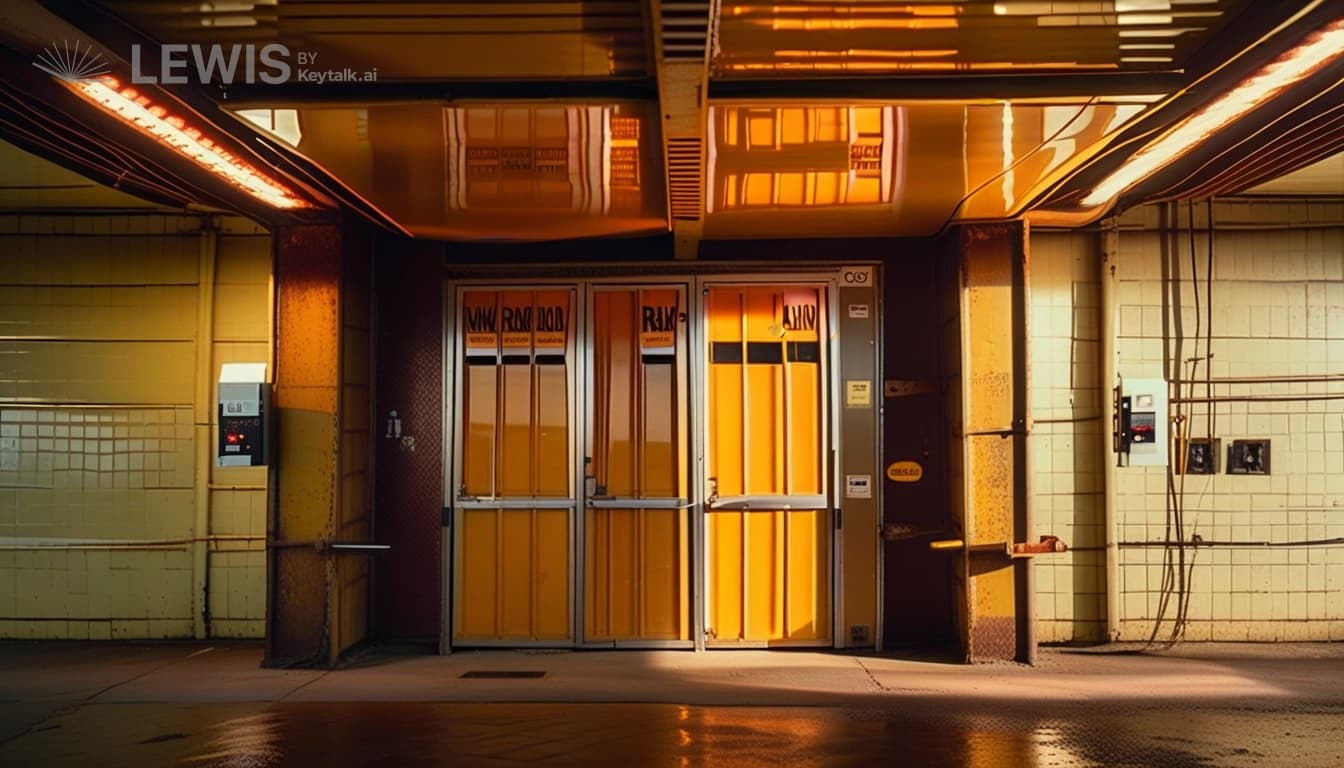
Description: The Reliquary sits behind a rusted freight elevator, its entrance veiled by hanging strips of faded velvet that shiver with every footstep. Inside, memory chips—each lacquered bone-white and etched with someone’s lost name—nestle in velvet-lined drawers beneath amber-tinted glass, casting fractured halos across the faces of the desperate and the curious. The air hums with the ache of orphaned moments: a lullaby’s echo, a wedding ring’s warmth, all waiting for a buyer to claim a history that never belonged to them.
location 2 image

Location 2

Title : Luminara Bridge’s Afterglow Market
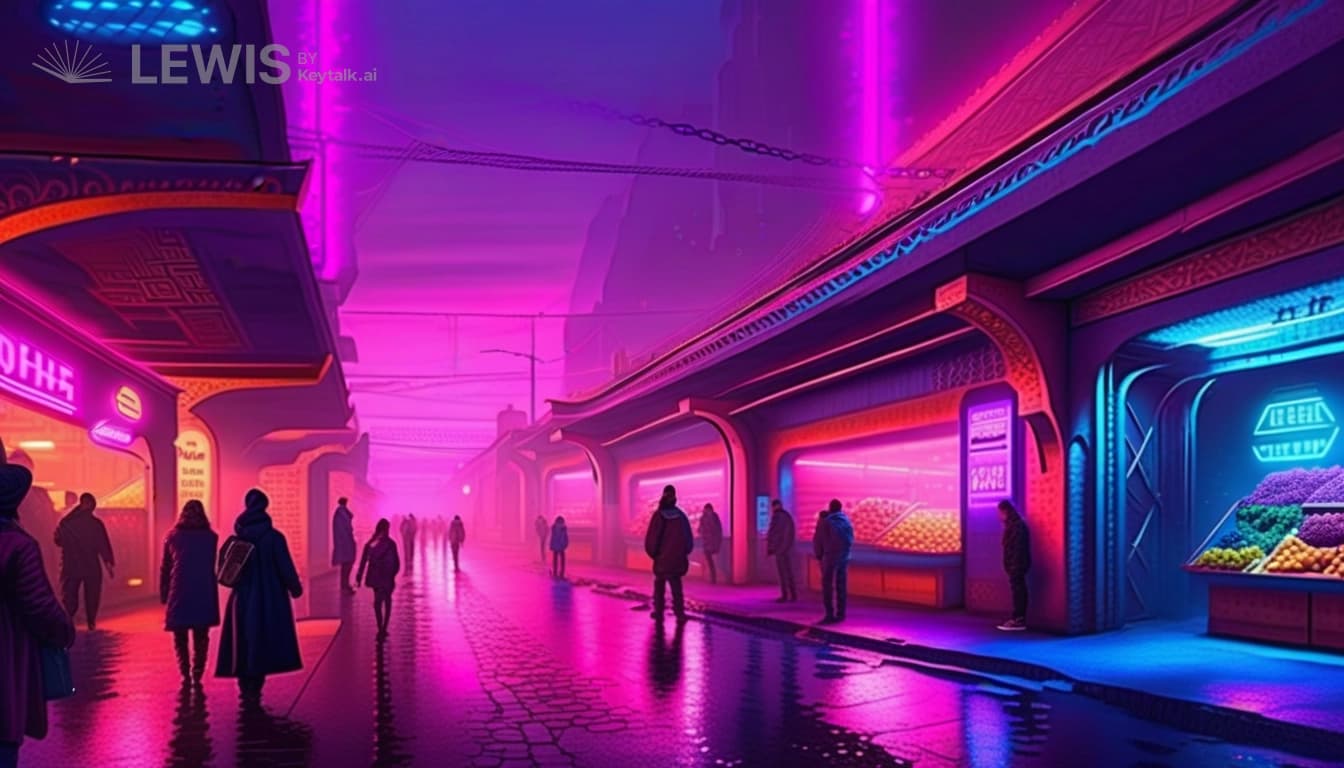
Description : Under the spectral sweep of Luminara Bridge’s LED veins, the Afterglow Market blooms in electric twilight—stalls stitched from repurposed smartglass, their surfaces flickering with fragments of rented emotion. Scents of rain-warmed ozone and counterfeit jasmine mingle as brokers in phosphorescent masks beckon buyers to sample curated heartbeats, each transaction sealed with a hush and a trembling hand. Here, memory is currency and the air itself seems charged with longing, every shadow hiding a secret barter, every pulse of neon a promise of borrowed ecstasy or regret.
location 3 image

Location 3

Title: The Gutter Saints’ Archive Beneath St. Elodie
Description: Beneath the cracked marble bones of St. Elodie’s abandoned cathedral lies the Archive—a labyrinthine ossuary where memories are not sold but confessed, carved into walls slick with candle soot and prayers half-remembered. Here, desperate souls gather in flickering candlelight to barter secrets for absolution, each whispered recollection echoing through stone corridors thick with incense and old grief. The air hums with the weight of unspoken histories, and as Mireille’s final protocol unfolds amid these haunted vaults, Julian must choose which truths to exhume and which to let rot in the sacred dark.
Model Used
GPT-4.1
text
Stable Diffusion
image

Scenes

scene 1 image
Scene 1
Rain-Slicked Reverence—Julian’s Accidental Pilgrimage
[Place]
The winding alleys beneath Julian’s glass-and-steel loft, leading to the hidden entrance of the Emotion Market—a former church repurposed as a sanctuary for memory exchange.

[Time]
Late at night, just past midnight, with the city glimmering under rain and neon.

[Action]
Julian, restless and unable to sleep, wanders the city’s labyrinthine backstreets, propelled by a vague dissatisfaction rather than a clear purpose. He stumbles upon the Emotion Market, expecting a den of vice but finding an unexpected hush—a place that feels sacred, not sordid. Mireille Belkacem presides with clinical grace, her gloved hands orchestrating rituals that blur the line between commerce and communion. Julian is drawn in, half skeptical, half desperate, and volunteers for the ceremony. The exchange is disarmingly intimate: a chip pressed to his skin, a cascade of memories not his own—sunlit kitchens, heartbreaks, joy, loss. He’s overwhelmed, physically shaken, suddenly aware of a depth of feeling he’s spent years avoiding. The Market’s regulars observe him with a mixture of envy and pity, sensing both his vulnerability and the inevitability of his return. Julian leaves with a borrowed memory chip humming in his pocket, his emotional detachment shattered, haunted by the sense that he’s glimpsed a life more vivid than his own.

[Impact on the story]
This scene marks Julian’s first real encounter with emotional intensity, setting up his addiction to the Market and the unraveling of his identity. His initial experience changes him profoundly, introducing both longing and vulnerability that will drive his choices and relationships. Mireille is established as a figure of power and ambiguity, foreshadowing her manipulative influence. Julian’s disconnection from his own emotions is exposed, laying the groundwork for Noor’s later intervention and the core conflict of borrowed versus authentic experience.

[Description]
Julian’s sleepless night leads him to the Emotion Market, where he is initiated into memory exchange by Mireille. The overwhelming sensation of borrowed memories leaves him shaken and longing for more, setting the stage for his obsession and the fracturing of his identity.
scene 2 image
Scene 2
Communion and Compulsion—Mireille’s Market Revealed

[Place]
Inside the Emotion Market’s sanctum—a high-ceilinged, candle-lit nave transformed into a labyrinth of booths and alcoves, each humming with the promise of sensation. Mireille’s private chamber, partitioned by glass and velvet curtains, is the heart of the operation.

[Time]
The following night, just after Julian’s first visit, as the city’s rain has faded to a cold mist and the Market pulses with late-night seekers.

[Action]
Julian, unable to shake the aftertaste of borrowed memories, returns to the Market with a mix of anticipation and unease. He hesitates outside but is drawn in by the magnetic ritual—watching others receive fragments, trading credits for moments of intimacy and pain. Mireille, noticing his return, invites him to her chamber, where she probes his motivations: is he chasing catharsis or escape? Julian struggles to articulate his hunger, admitting he feels more alive with these memories than with his own. Mireille offers him a curated selection—a father’s approval, a lover’s forgiveness, the terror before a stage debut—and Julian, now hooked, chooses greedily, barely considering the cost. The Market’s regulars observe his rapid immersion; some warn him, others envy the rawness of his experience. Julian’s exchanges grow riskier—he begins to lose track of which emotions are his, laughing with nostalgia that isn’t his, grieving losses he’s never suffered. Mireille, both amused and clinical, hints at deeper offerings, subtly testing the limits of Julian’s identity and hinting at her own theories about memory’s power to reshape the self. This scene weaves in glimpses of subplots: rival brokers eyeing Julian’s volatility, Noor’s worried text left unanswered, and the Market’s shadowy reputation spreading through the city’s tech elite.

[Impact on the story]
Julian’s compulsion is cemented—his dependence on the Market escalates from curiosity to obsession. The emotional stakes intensify as the audience witnesses his unraveling, the blurred boundaries of self and other. Mireille’s manipulative influence grows more explicit, positioning her as both gatekeeper and antagonist. The Market’s seductive danger is revealed, foreshadowing Noor’s intervention and the mounting threat of identity dissolution. Subplots begin to intertwine, setting up conflicts with colleagues, Noor, and rival brokers.

[Description]
Julian returns to the Market, driven by a craving for borrowed emotions. His exchanges deepen, blurring his sense of self and intensifying his dependence on Mireille’s offerings, while the Market’s dangers and intrigue begin to surface.
scene 3 image
Scene 3
Patchwork Soul, Fraying Edges—Noor’s Warning and Julian’s Unraveling

[Place]
Julian’s minimalist apartment—glass walls overlooking a city smudged by neon, the cold architecture a stark contrast to the chaotic warmth of the Market. Later, Noor’s cozy office, a sanctuary lined with old books and soft lamplight, worlds away from the Market’s clinical allure.

[Time]
A week after Julian’s second visit to the Market, as the city’s nights grow longer and his sleep grows shorter. Early evening, when work emails have slowed but Julian’s mind refuses to quiet.

[Action]
Julian is restless, pacing his apartment, feeling emotions that don’t belong to him—his laughter echoes with unfamiliar nostalgia, his anger spikes with a grief he can’t place. He attempts to work, but his creativity is erratic; one moment, he’s brilliant, the next, he’s volatile, snapping at colleagues and making impulsive decisions that alarm his team. Noor, noticing Julian’s spiraling behavior and cryptic messages, reaches out and insists he come in. In her office, Noor confronts him about the Market—her tone gentle but firm, her concern edged with professional urgency. She explains the concept of memory dissonance, warning him that patching a soul with borrowed fragments is dangerous: it risks unraveling his sense of self. Julian, defensive but desperate, confesses how alive he feels with the Market’s memories, and how empty his own life seems by comparison. Noor tries to anchor him, urging him to face his original wounds rather than masking them, but Julian is resistant—his hunger for sensation outweighs his fear of losing himself. As they argue, Noor’s empathy and Julian’s defiance collide, revealing the depth of their history and mutual care. The scene closes with Julian departing, unresolved and raw, Noor’s warning ringing in his ears as he heads back toward the Market’s seductive embrace.

[Impact on the story]
Julian’s internal conflict is sharpened—his dependence on the Market now threatens his professional and personal relationships. Noor’s intervention introduces a critical ethical counterpoint, deepening the emotional stakes and foreshadowing a battle over Julian’s agency. Julian’s unraveling accelerates, setting up future consequences and cementing his isolation.

[Description]
Julian’s unstable behavior draws Noor’s intervention, forcing him to confront the dangers of memory trading. Their tense exchange exposes the risks of patchwork identity and pushes Julian further into obsession, while Noor emerges as his only lifeline.
scene 4 image
Scene 4
[Title]
Memory Bleed—The City’s Crisis and the Ghosts in Julian’s Past

[Place]
A crowded city street at dusk, the skyline fractured by police drones and Market runners scattering into alleys; Julian’s office during a boardroom meltdown; finally, the dimly lit hallway outside his estranged sister Lena’s apartment, the air thick with everything unsaid.

[Time]
Several days after Noor’s warning—night falls heavy, the city tense with rumors of “memory bleed” and Market casualties. The world outside feels on the verge of unraveling, mirroring Julian’s inner chaos.

[Action]
News of memory distortions sweeps the city—emergency alerts flash across billboards, and Market regulars whisper of lost time and swapped identities. Julian, reeling from Noor’s intervention, struggles to function at work; his mind flickers between boardroom stress and invasive memories not his own. During a crucial meeting, he’s blindsided by a surge of borrowed terror—a stage fright flash—leaving him frozen, stammering, humiliated in front of investors. The moment goes viral, his authority questioned, his team shaken.

Desperate and exposed, Julian flees the office, navigating streets thick with fear and Market paranoia. He passes Market checkpoints, witnesses a stranger break down in public—sobbing with someone else’s joy. The city’s collective anxiety amplifies Julian’s isolation. Battling memory bleed and insomnia, he’s haunted by the sense that his real past is slipping further away.

He finds himself outside Lena’s apartment, driven by a half-remembered longing and the hope that reconnecting with his own history might anchor him. The encounter is tense and awkward—Lena is wary, old wounds barely scabbed over. Their conversation dredges up guilt, resentment, and grief over their fractured family, but also a flicker of genuine connection and regret for lost years. Lena, seeing Julian’s distress and confusion, is torn between slamming the door and letting him in.

[Impact on the story]
The city’s crisis mirrors Julian’s personal unraveling, raising the stakes from private obsession to public emergency. Julian’s public humiliation and failed attempt to reclaim his past intensify his desperation, driving him toward Mireille’s dangerous solution. The scene deepens the theme of fractured identity, introduces the city’s broader collapse, and forges a fragile, painful link between Julian and his sister—a hint of hope amid chaos.

[Description]
Memory bleed erupts citywide, echoing Julian’s own identity crisis. After a humiliating breakdown at work, Julian seeks out his estranged sister, hoping for solace but finding only raw wounds and tentative understanding. The mounting chaos forces Julian to confront both his broken self and the city unraveling around him.
scene 5 image
Scene 5
[Title]
The Reckoning Protocol—Choosing Which Self to Salvage

[Place]
Mireille’s clandestine lab, hidden behind a false wall in the Market’s sanctum—a sterile, softly lit space pulsing with the hum of memory machines, wires snaking like veins through the gloom. Noor stands by, tense and vigilant, as observer and reluctant guardian.

[Time]
A sleepless night after Julian’s failed reconciliation with Lena. The city is under curfew; outside, sirens echo as authorities clamp down on Market activity. Inside, time feels suspended—nothing exists but the choices ahead.

[Action]
Julian arrives, exhausted and raw, ready to bargain for his sanity. Mireille welcomes him with clinical detachment, her fascination with his unraveling barely concealed. Noor, wary but resolute, insists on full transparency and oversight, setting clear boundaries for Julian’s protection. The tension between Mireille’s curiosity and Noor’s empathy crackles in the air—each woman determined to shape Julian’s fate according to her own philosophy.

Mireille explains the procedure: a guided navigation through Julian’s tangled memories, old and borrowed, where he must confront the origins of his fractures and choose which experiences to keep, edit, or erase. Noor pushes Julian to prioritize authenticity and self-forgiveness; Mireille tempts him with the possibility of a perfectly curated self, free from pain. Julian’s motivations shift between desperate hope for relief, terror of losing what little selfhood remains, and a growing suspicion that both women’s interventions are as much about themselves as about him.

The protocol begins. Julian is immersed in a hallucinatory “memory map,” encountering pivotal moments—his mother’s death, his first entrepreneurial triumph, the Market’s euphoria, Lena’s betrayal. Each memory is accompanied by visceral emotion and the risk of permanent loss. Mireille urges him to relinquish pain and embrace synthetic wholeness; Noor pleads for acceptance of brokenness as the path to healing. Julian’s anguish peaks as he faces the choice: cling to euphoric Market memories or surrender them to reclaim his own flawed past.

As the procedure intensifies, boundaries between real and implanted memories blur dangerously. Noor intervenes at a critical moment to prevent Mireille from overriding Julian’s will. Julian, battered but lucid, makes his final selections—discarding the most seductive Market experiences, choosing to keep pain and regret as anchors for his identity. The process leaves him trembling, diminished yet grounded, newly aware of the cost of both memory and forgetting.

[Impact on the story]
This scene is the emotional and thematic climax: Julian’s agency is tested as he’s forced to define his true self amid competing influences and existential risk. Noor and Mireille’s philosophies collide, exposing their vulnerabilities and reshaping their relationships with Julian and each other. The harrowing protocol both damages and liberates Julian, setting up the final aftermath—his reckoning with his past, Mireille’s downfall, and Noor’s changed outlook on healing.

[Description]
In Mireille’s lab, Julian undergoes a perilous memory reconstruction, guided by both Mireille and Noor. He must choose which memories to keep or surrender, torn between synthetic bliss and authentic pain. The ordeal redefines his sense of self, fractures and all, while irrevocably altering his bond with both women.
scene 6 image
Scene 6
[Title]
A Fragile Reunion—Letting Go of Borrowed Bliss

[Place]
Julian’s childhood home, now dim and echoing, on the city’s quiet outskirts—a place he’s avoided for years. The rooms are half-abandoned, filled with dust and remnants of a life left behind, including boxes of old photographs and letters.

[Time]
Dawn, the morning after the protocol. The city is still tense in the aftermath of the Market’s exposure and collapse. Julian arrives as first light struggles through grime-streaked windows, signaling the beginning of an uncertain future.

[Action]
Julian returns to his childhood home, physically and emotionally drained from the harrowing memory reconstruction. He is uncertain whether he is coming to say goodbye to his past or to reclaim it. The house feels foreign, haunted by echoes of his mother’s laughter and Lena’s absence—both real and reconstructed. As Julian moves through the familiar spaces, fragments of memory—some genuine, some suspect—flare and fade, forcing him to confront what he’s lost and what he’s chosen to keep.

He finds his sister, Lena, waiting in the kitchen. Their reunion is tentative, raw with unspoken apologies and the weight of old wounds. Lena senses the change in him; she’s wary but willing to listen. Julian struggles to articulate his fractured journey—the compulsion, the unraveling, the painful choice to let go of the Market’s most euphoric memories. The conversation is halting, marked by moments of vulnerability and flashes of anger as they probe at old resentments and test the possibility of forgiveness.

Amid the emotional negotiation, Noor calls—her voice distant but steady, letting Julian know the authorities have raided the Market and Mireille has vanished. Julian and Lena process this news together, realizing that the Market’s collapse doesn’t erase its impact. They sift through family relics, piecing together shared history and acknowledging the gaps that will never be filled. Julian accepts that healing will be slow and imperfect—a process of learning to live with his scars rather than erasing them.

As the sun rises, Julian makes the quiet decision to leave his company behind, unable to trust the self who built it on borrowed feelings. Instead, he and Lena agree to try again, forging a tentative bond rooted in honesty and mutual pain rather than nostalgia or illusion. The reunion is fragile but real, and for the first time in years, Julian allows himself to hope—not for wholeness, but for authenticity.

[Impact on the story]
This scene brings emotional closure and establishes the consequences of Julian’s choices. It grounds the aftermath of the Market’s collapse in personal reconciliation, showing that healing is possible but difficult. Julian’s decision to abandon his company and embrace his authentic, fractured self marks genuine growth. The fragile reconnection with Lena offers hope, while Noor’s update cements the end of the Market era and leaves open questions about the future of emotional commodification.

[Description]
Julian returns to his childhood home to face Lena and the remnants of his past. Their tentative reunion is shaped by honesty, pain, and the fallout from the Market’s collapse, setting the stage for uncertain but authentic healing. The scene marks Julian’s acceptance of his imperfect self and the beginnings of a real connection with his sister.
'Identity for Sale'Story Chat

Want to chat with the characters from this story?

'Identity for Sale'Story Chat

Want to chat with the characters from this story?

story image
story image
story image

You might also like

Comments0

rank icon image
#6 inConcept
rank icon image
#89 inGenre

Recommendation from YLAB Town

theme music