Plot Synopsis
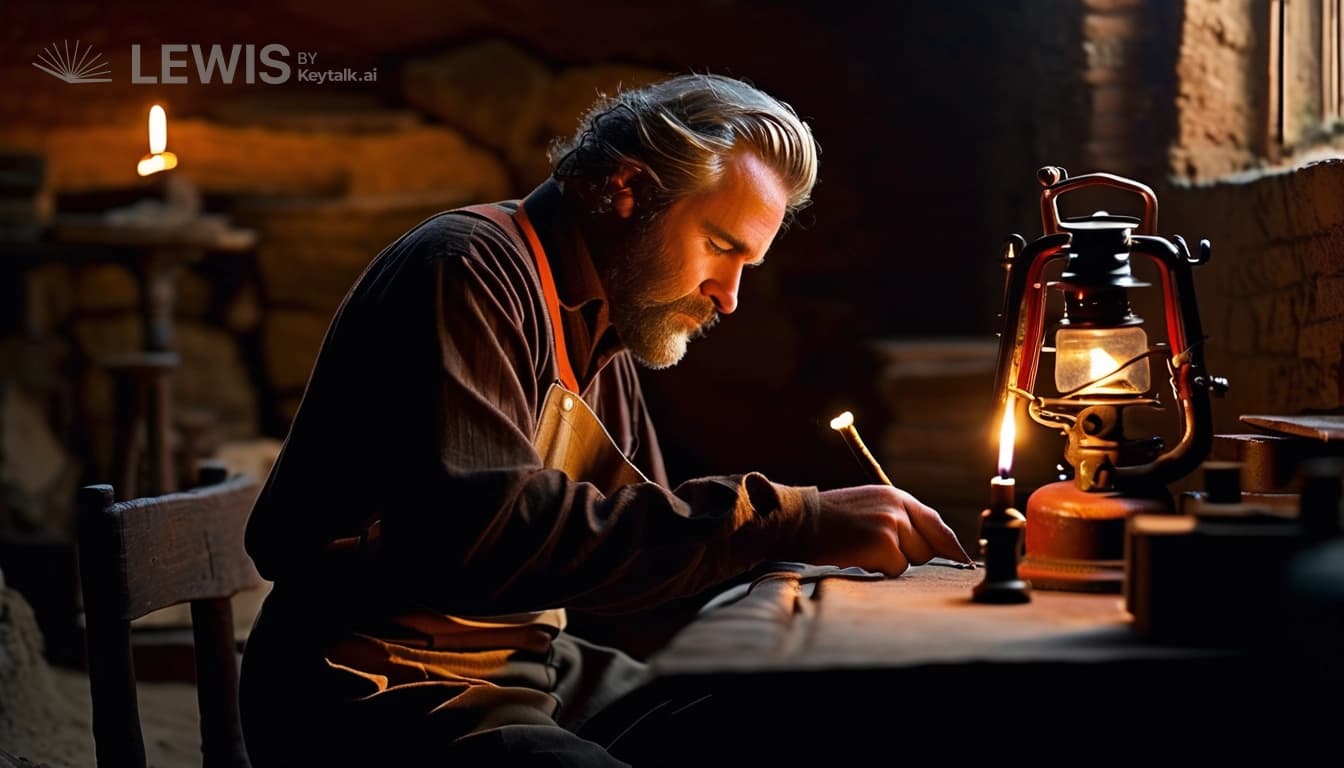
In a secluded claymation village cradled by rolling hills and dense woods, time seems to stand still. Tradition is the lifeblood of its people, upheld with fervent spirituality and an unyielding devotion to customs passed down through generations. Albrecht Gessler, a wiry, meticulous inventor, lives on the fringe of this tightly knit community, both geographically and socially. His modest workshop, filled with the hum of half-finished contraptions and the faint melodies of music boxes, is a sanctuary for his restless mind. Albrecht’s belief that innovation is a form of reverence—a way to honor the past by building upon it—keeps him at odds with the village’s rigid spiritual leader, Viktor Draegov. While Albrecht dreams of introducing inventions to enhance daily life, his quiet defiance of tradition makes him an outsider, respected yet distrusted.
When Albrecht unveils his latest creation—a mechanical seed planter designed to streamline the labor-intensive process of farming—the village is thrown into turmoil. The invention, cobbled together from salvaged parts and painstaking craftsmanship, is a marvel of ingenuity. But Viktor, whose authority stems from his role as the keeper of sacred texts, views the device as a threat to the spiritual balance of their way of life. Farming, Viktor argues, is not merely a task but a sacred ritual tied to the land’s rhythms and the community’s collective identity. The villagers, torn between their awe of Albrecht’s invention and their reverence for Viktor’s teachings, find themselves at an impasse. The seed planter becomes a symbol of the brewing conflict between progress and tradition, forcing the community to question the foundation of their beliefs.
Amidst the rising tension, Zora Levchenko, the village herbalist, emerges as an unexpected ally to Albrecht. Her pragmatic worldview and deep connection to nature give her a unique perspective on the unfolding conflict. Though she harbors her own doubts about change, Zora sees potential in Albrecht’s invention, believing it could alleviate the villagers’ burdens without eroding their values. In secret, she begins testing the mechanical planter in her garden, experimenting with its capabilities and envisioning a future where tradition and innovation coexist. Zora’s quiet defiance angers Viktor, who accuses her of undermining the spiritual fabric of the village. The confrontation leaves Zora questioning whether her actions are truly for the greater good or a selfish attempt to escape the confines of tradition.
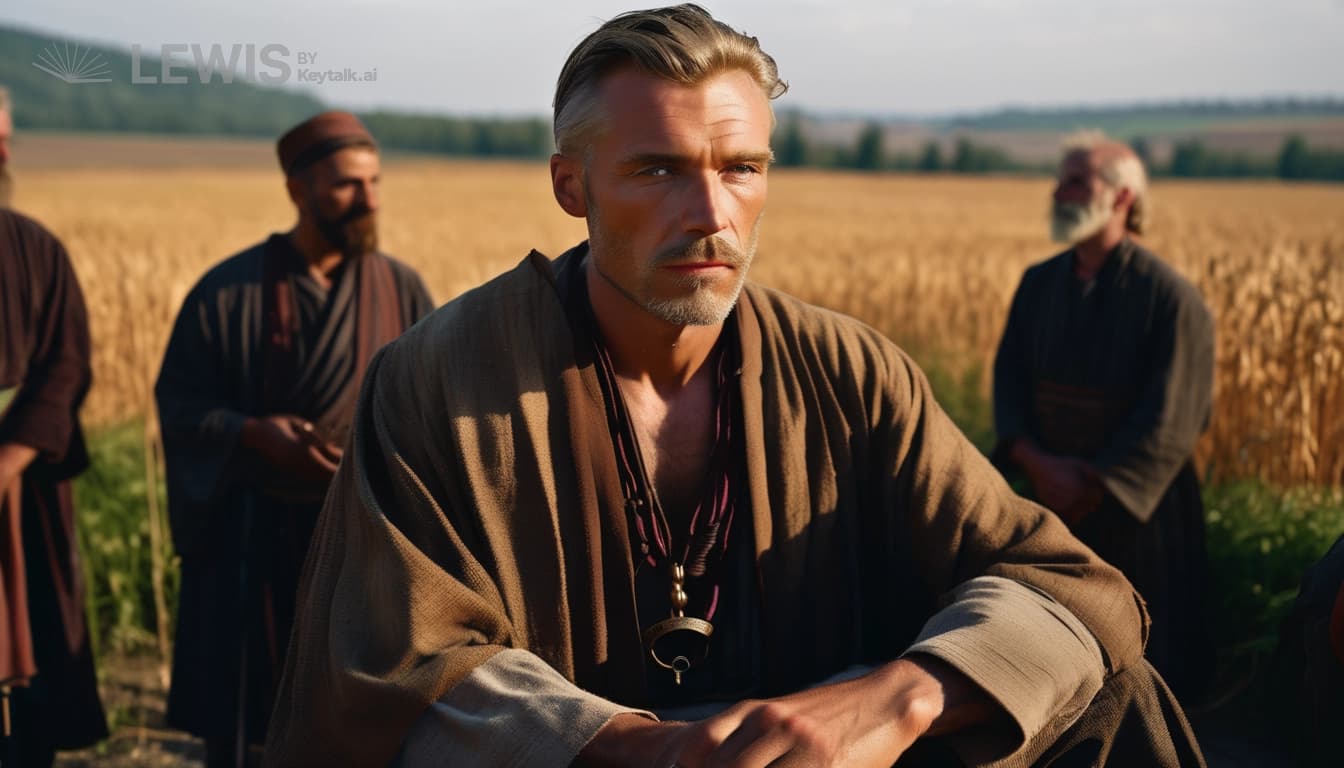
As the village divides into factions, Albrecht is faced with a moral dilemma. He must decide whether to abandon his invention to preserve harmony or risk alienating himself further by defending his vision of progress. Viktor, meanwhile, wrestles with his own inner conflict. Privately, he fears that his unyielding devotion to tradition may leave the village vulnerable to the outside world—a reality he cannot ignore as whispers of modernization begin to seep into their isolated haven. The tension reaches a boiling point during the annual harvest festival, a sacred event symbolizing the community’s bond with the land. Albrecht, determined to prove the planter’s worth, sets up a demonstration that disrupts the festival’s rituals, sparking outrage and despair among the villagers.
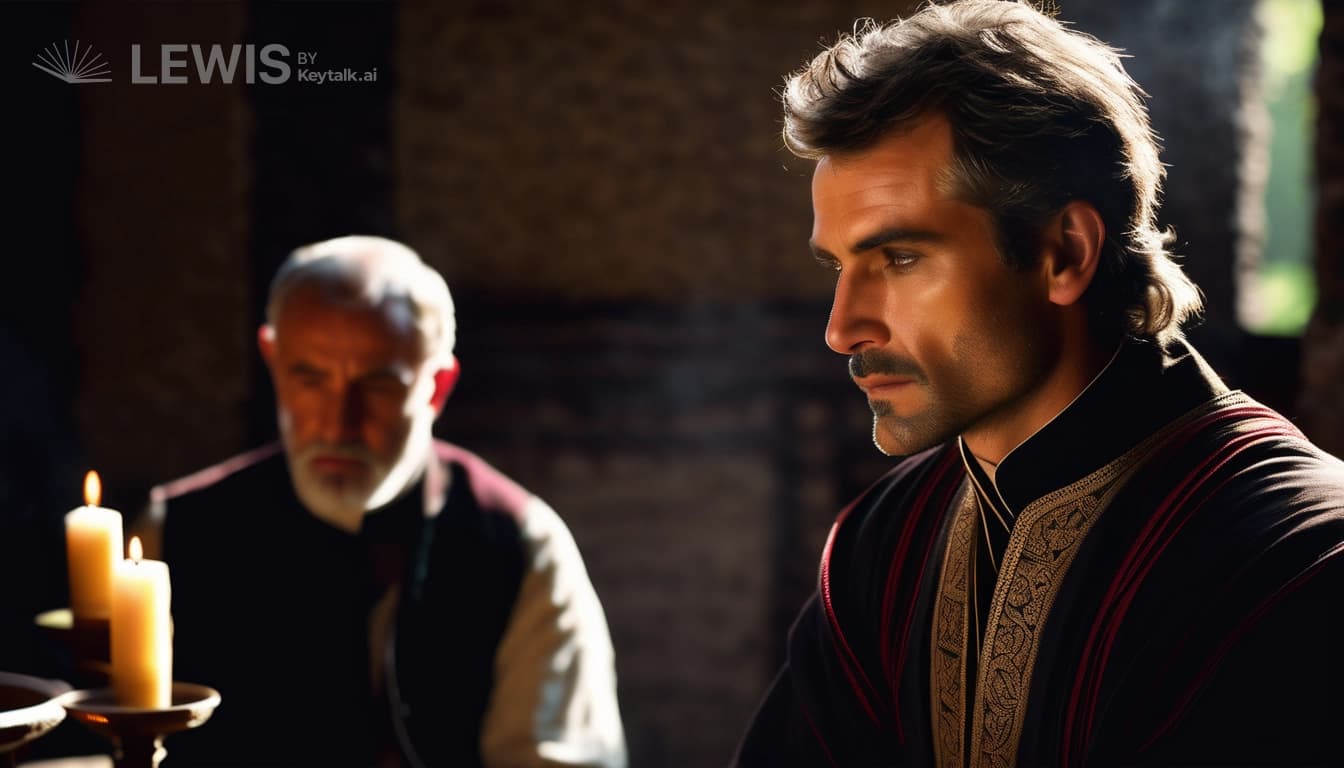
In the aftermath of the festival, Albrecht confronts Viktor in a heated exchange that lays bare their opposing philosophies. Albrecht argues that progress does not have to dismantle tradition but can elevate it, while Viktor counters that change, even with good intentions, risks unraveling the delicate balance they’ve preserved for generations. Their conflict is interrupted by an unexpected event: a powerful storm sweeps through the village, threatening the year’s crops and putting their survival at risk. In a desperate bid to save the harvest, Albrecht, Zora, and a handful of villagers use the mechanical planter to replant seeds in record time. The storm’s devastation forces Viktor to acknowledge the machine’s utility, but his acceptance is bittersweet, shadowed by the fear that this compromise might mark the beginning of the end for their spiritual traditions.
The story concludes with a tentative reconciliation. Viktor allows the planter to be used but insists on strict guidelines to ensure it doesn’t overshadow the village’s rituals. Albrecht, humbled by the storm’s wrath and Viktor’s reluctant approval, begins designing ways to integrate his inventions with the community’s customs rather than replace them. Zora, inspired by the fragile balance they’ve achieved, starts cultivating her year-round garden, symbolizing the harmony she has long sought. While the village remains divided, a new chapter begins—one where tradition and progress cautiously coexist. Yet, as Albrecht gazes at his workshop and the unfinished contraptions within, he wonders whether the harmony they’ve found is sustainable or merely a fleeting compromise in the face of inevitable change.