Plot Synopsis
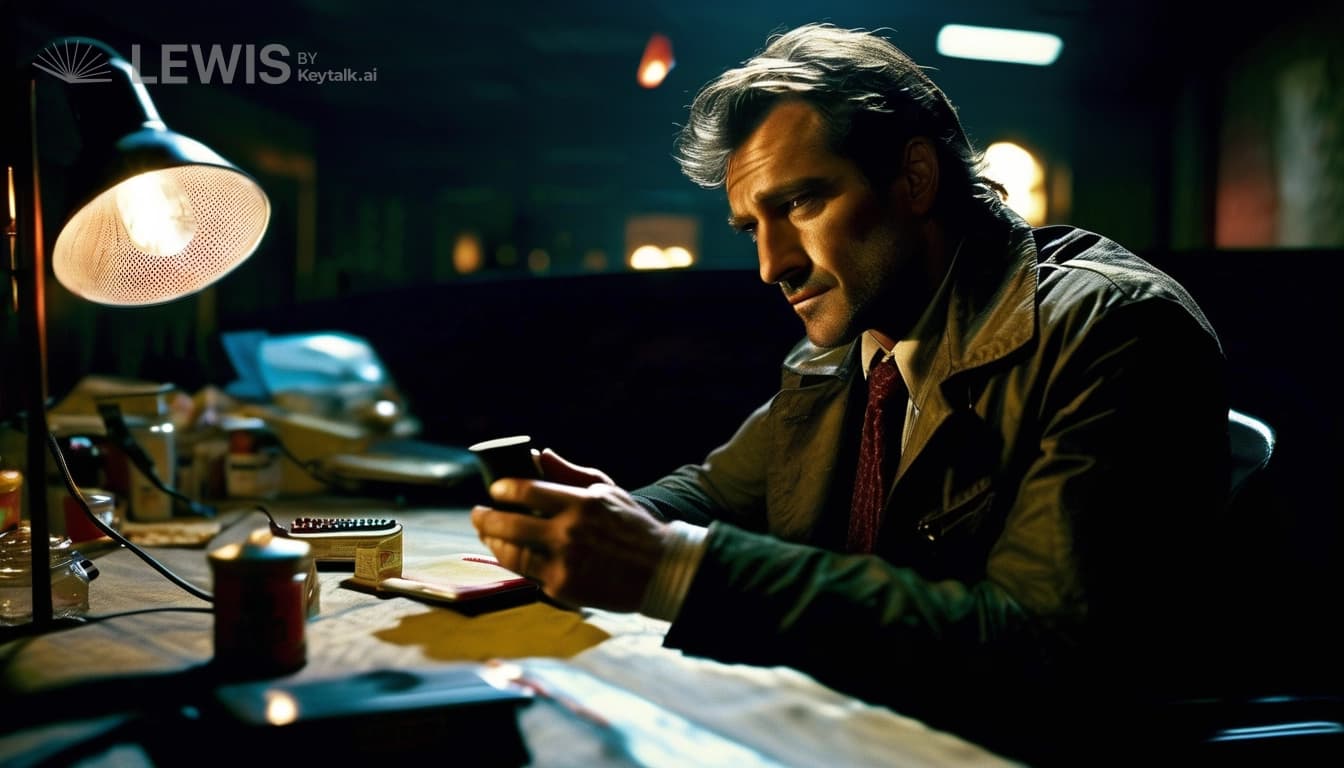
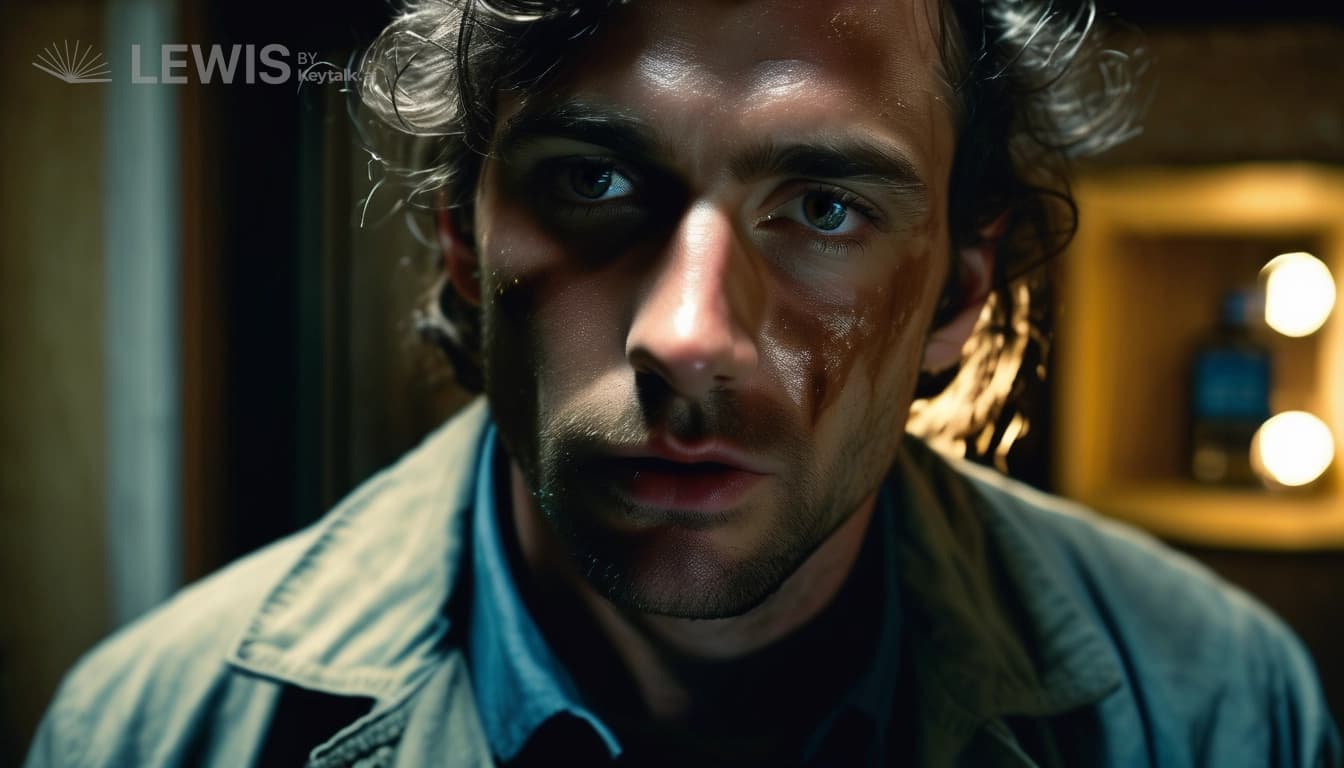
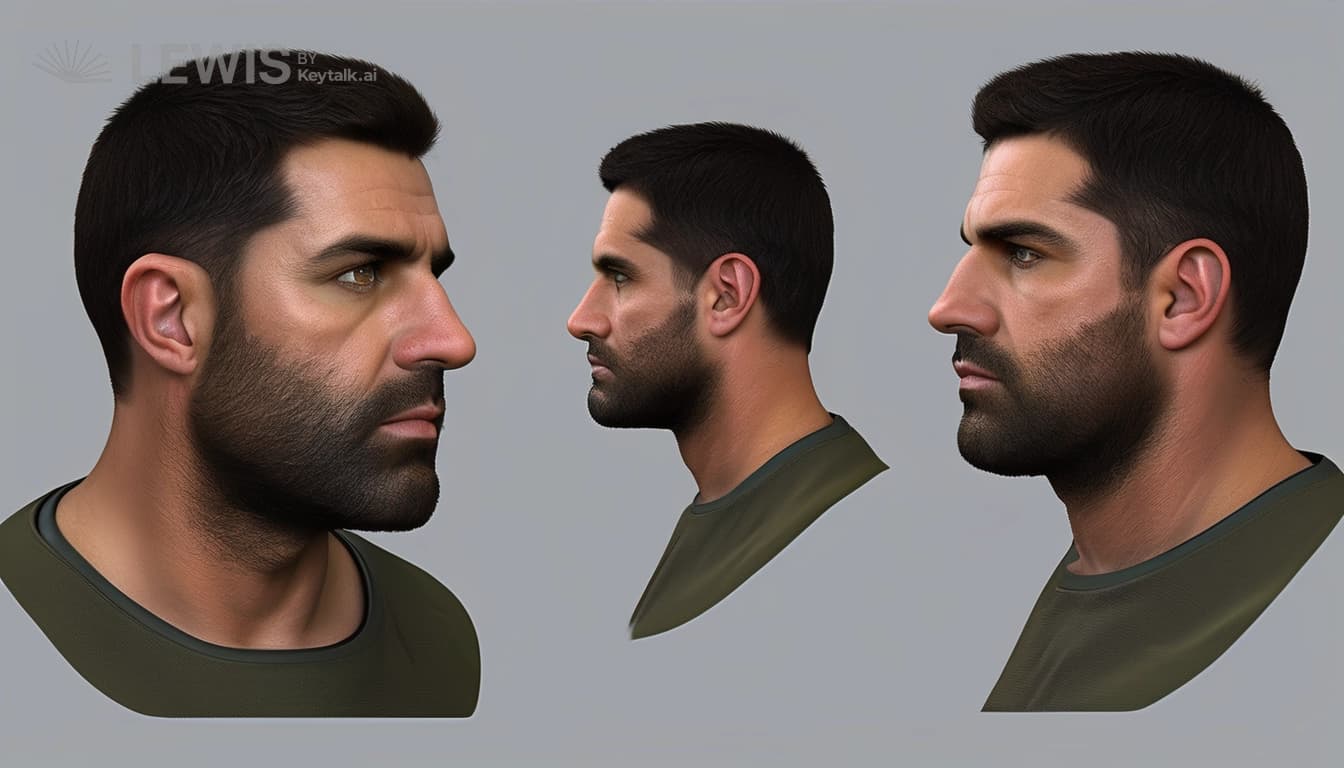
Julian Thorne’s life had become a study in decay, mirroring the rust and wreckage of the Scraplands he frequented. Years after the failed Xylos invasion, the world celebrated its new "Heroes," individuals gifted with extraordinary abilities from salvaged alien gene-tech. Julian, the disgraced xenobiologist who once warned of this very technology, now eked out a living on the black market, reverse-engineering alien biology for pragmatic brokers like Sona Reyes. It was during one such job, analyzing a corrupted gene-spore for Sona, that his deepest fears were confirmed. The "Hero Gene" wasn't a gift; it was a parasitic symbiont, the Xylos's true invasion plan. The initial burst of power was just the larval stage. His models predicted a final, horrifying metamorphosis where the host would become a biological broadcast tower, triggering every dormant spore on the planet and transforming Earth's biosphere into a Xylos nursery. The world’s greatest savior, Director Kaelen Valerius, wasn't just the first Hero—he was Patient Zero, his body the ticking clock for humanity's extinction. Armed with this terrifying knowledge and a desperate need for vindication, Julian knew he had to hunt down the world's beloved saviors and convince them to sacrifice their powers, starting with the most powerful and dangerous of them all.
His first attempts were disastrous, earning him a spot on the Global Defense and Integration’s most-wanted list. Branded a terrorist, Julian was forced to rely on the one person who saw him not as a madman, but as a problematic asset: Sona Reyes. She was initially skeptical, viewing his apocalyptic warnings through her lens of radical pragmatism. A world-ending parasite was bad for business, but so was antagonizing Kaelen Valerius, who controlled the legitimate flow of alien tech. Julian, however, offered her something more tangible than doomsday prophecies. He showed her the subtle biological markers of the parasite's progression: the faint, silvery scarring that traced the nervous systems of the "gifted," the increased metabolic rates, the subtle shifts in their brainwave patterns. He proved that the longer a Hero held their power, the more their own biology was rewritten. Sona, who had built her empire on seeing patterns in wreckage, recognized the truth in Julian's data. She agreed to help, not to save the world, but to secure her own future—and to gain leverage over the single most powerful man on the planet. Using her vast network, she provided Julian with safe houses, untraceable tech, and access to the fringes of society where the less-celebrated, more desperate Heroes were starting to show signs of the parasite's later stages.
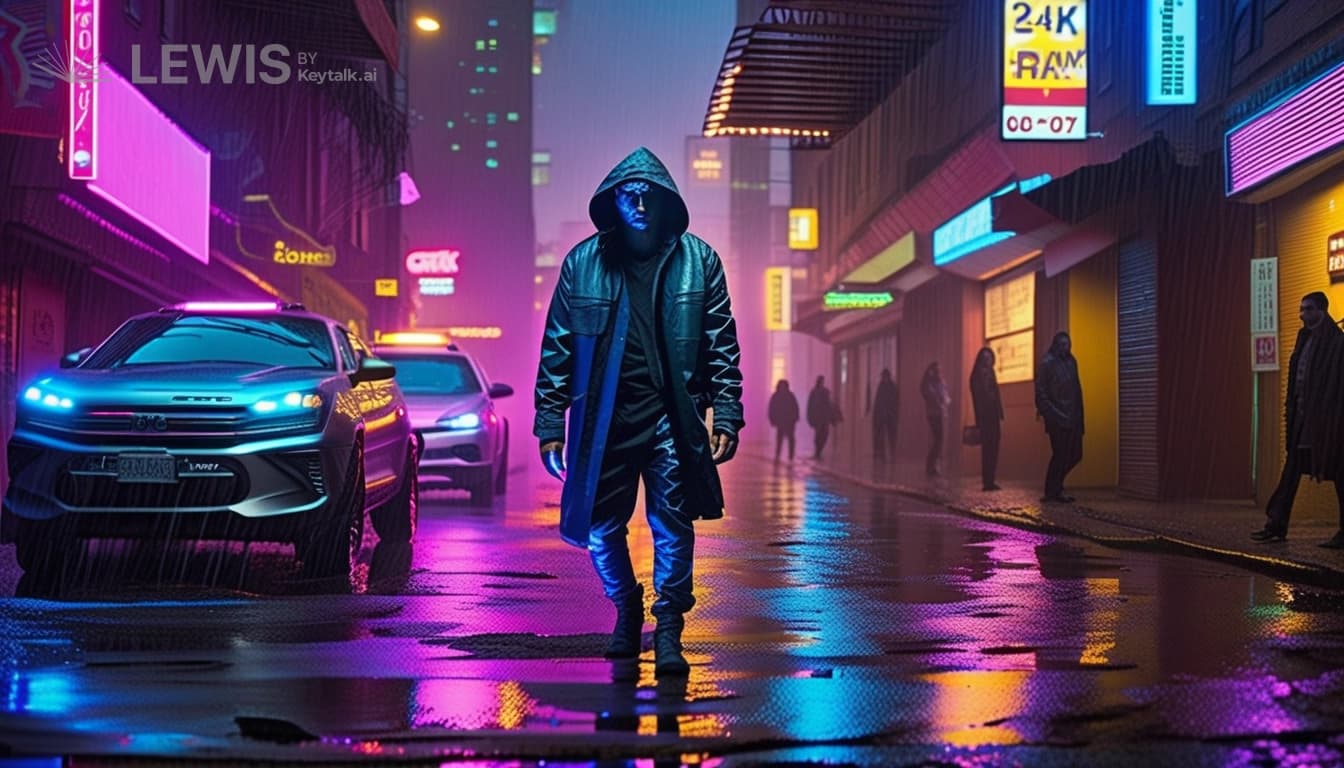
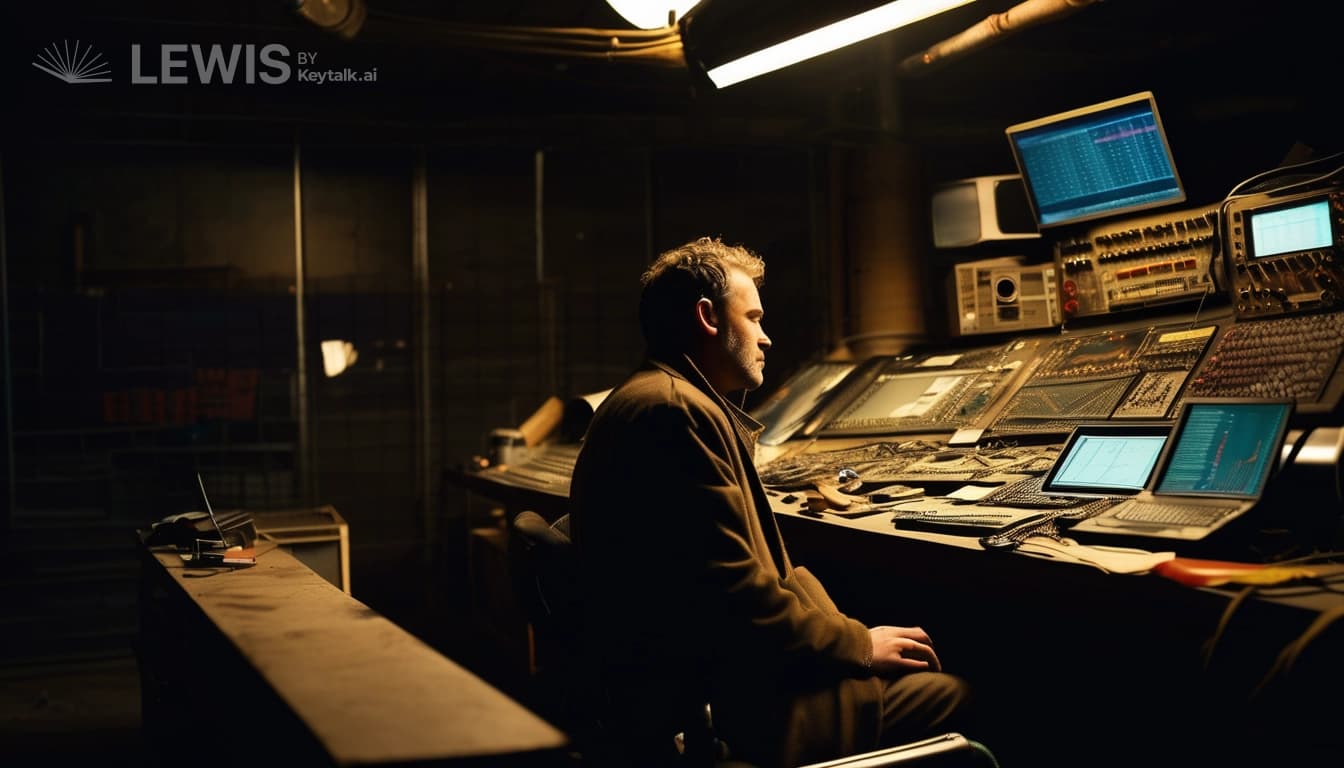
The hunt began in the shadows, a grim counter-narrative to the world's heroic fairy tale. Julian and Sona tracked down lower-tier Heroes, those whose powers were unstable or whose bodies were beginning to break down. They found a pyrokinetic whose skin was slowly vitrifying into a glass-like substance and a teleporter whose body was phasing in and out of reality against her will. These weren't saviors; they were victims. Julian, using a crude but effective retrovirus he engineered in Sona’s mobile lab, offered them a choice: a painful, debilitating process to purge the symbiont and return to a normal, fragile human life, or an agonizing death as the parasite consumed them. Each success was a victory, but also a new piece of the puzzle, revealing more about the symbiont's life cycle. Meanwhile, Kaelen Valerius, feeling the subtle shifts in his own body and sensing the growing "gaps" in the network of Heroes, escalated his hunt for Julian. He wasn't just a Director protecting his assets; he was an addict protecting his supply, convinced that Julian's "cure" was a weapon designed to weaken humanity and leave it vulnerable. The conflict became deeply personal, a battle of ideologies fought through proxies in the dark alleys and abandoned factories of the post-invasion world.
The turning point came when Julian and Sona discovered the symbiont's true purpose was not just to reproduce, but to terraform. The final stage, which Julian dubbed the "Bloom," would not just kill the host but detonate them in a wave of psychic and biological energy, rewriting the DNA of all life within a massive radius. Kaelen, as the Prime Subject, was destined to be the epicenter of a planetary extinction event. Julian realized he couldn't just convince Kaelen; he had to force the cure on him. Their investigation led them to a shocking discovery, hidden deep within Kaelen's classified military records: Kaelen hadn't just been saved by the symbiont on the day of the invasion; he had been fatally wounded. The parasite wasn't just giving him powers; it was the only thing keeping him alive. His fanatical devotion to the Hero program wasn't just about security; it was about survival. To accept the cure would be to accept his own death, a sacrifice his trauma-forged psyche refused to make. This revelation shifted the emotional stakes entirely. Kaelen wasn't a monster, but a tragic figure clinging to a parasitic life raft, dragging the entire world down with him.
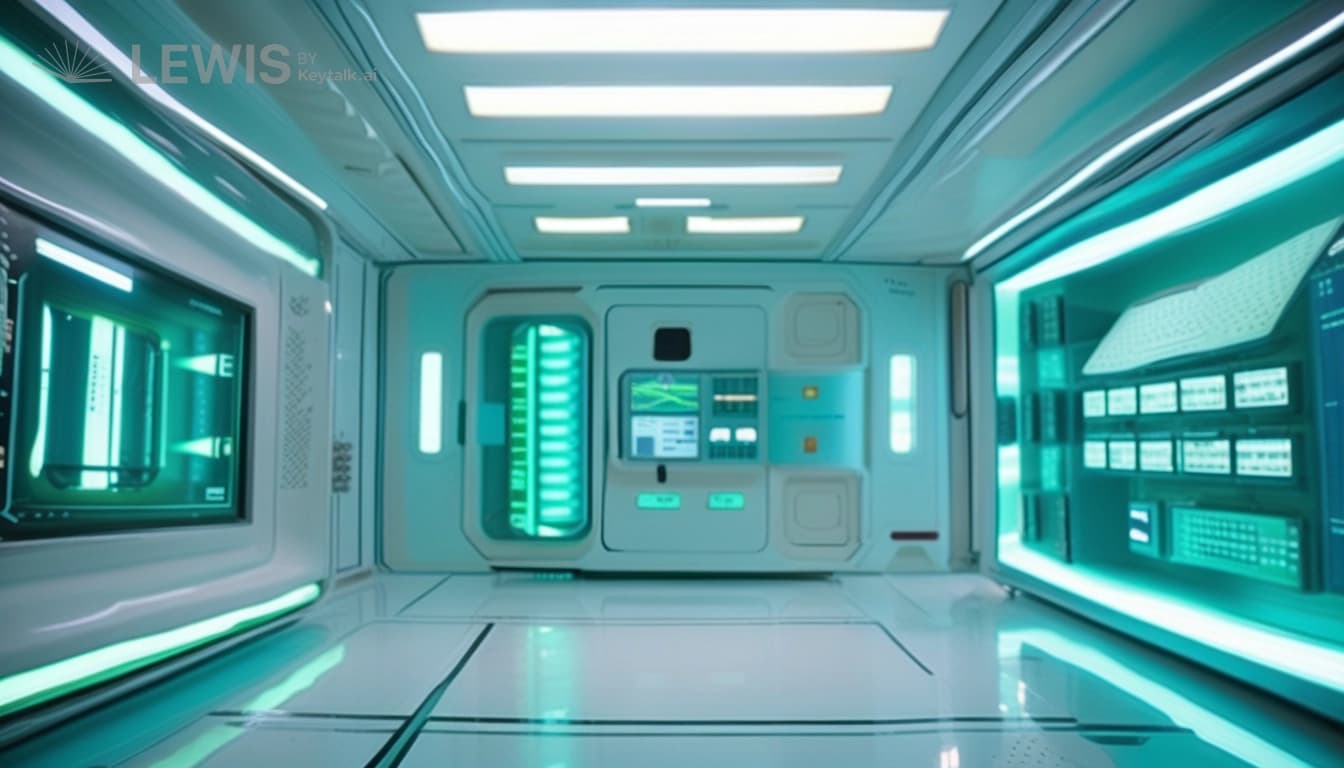
Armed with this knowledge, Julian and Sona planned their final, desperate gambit. They leaked targeted information through Sona's network, not to the public, but to other high-level Heroes, showing them the proof of their own degradation and Kaelen's terminal diagnosis. They sowed dissent, creating cracks in the monolithic structure of the GDI. The climax was not a public battle, but a tense, intimate confrontation. Julian, using Sona's tech to bypass the GDI's formidable defenses, managed to get into Kaelen's private sanctum—a sterile, white medical bay where the Director spent more and more time managing the symbiont's increasingly aggressive hold. There, Julian didn't present Kaelen with an ultimatum, but with a choice. He laid out the two paths: embrace the Bloom and become the architect of global annihilation, a final act of nihilistic control, or accept the cure, die a man, and give humanity a chance to survive without its false gods. It was a battle of wills between two broken men: Julian, desperate for vindication, and Kaelen, terrified of the weakness and mortality that awaited him.
In the end, Kaelen made a choice that was both surprising and inevitable. He saw the unyielding conviction in Julian's eyes—the same conviction he saw in the mirror every day—and understood. He also saw the data, the undeniable proof that the tremors in his own body were the preamble to the end. With a quiet, weary dignity, Kaelen Valerius, the world's first and greatest Hero, agreed to the procedure. He broadcast a final message, not of defiance, but of confession, revealing the truth of the Hero Gene and absolving Julian Thorne. He then allowed Julian to administer the retrovirus. The process was agonizing, and as the parasite was purged, Kaelen’s body, no longer sustained by alien biology, finally succumbed to the wounds he had suffered years ago. He died not as a god, but as a soldier. In the aftermath, the world was thrown into chaos. Julian Thorne was no longer a terrorist, but he wasn't a hero either; he was the man who had murdered their savior to save them. Sona Reyes, having secured exclusive salvage rights to the now-defunct GDI's most advanced technology, became one of the most powerful people on a planet stripped of its protectors. The story ends with Julian, alone in his lab, looking at the global reports of other Heroes choosing the cure, while new, unknown threats began to stir in the void left by the Xylos, leaving a fragile, powerless humanity to face the future on its own.