Plot Synopsis
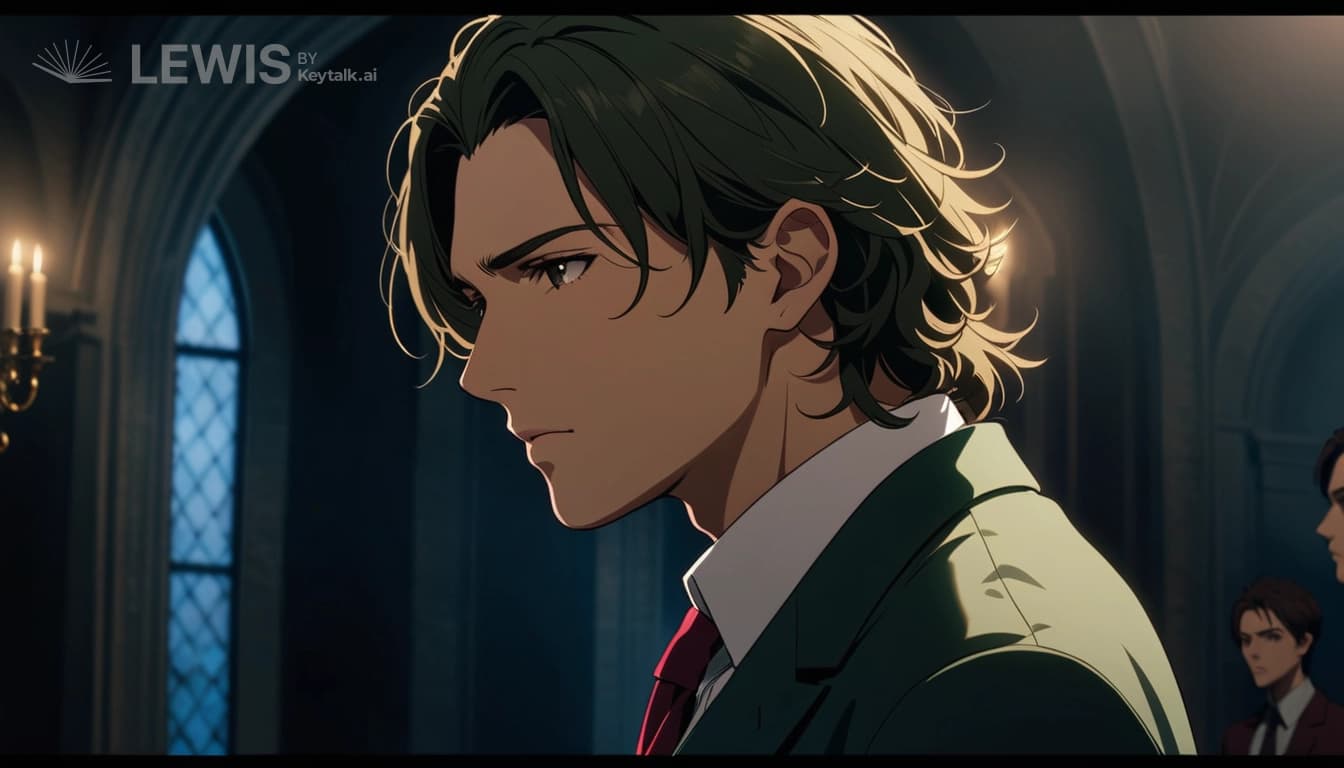
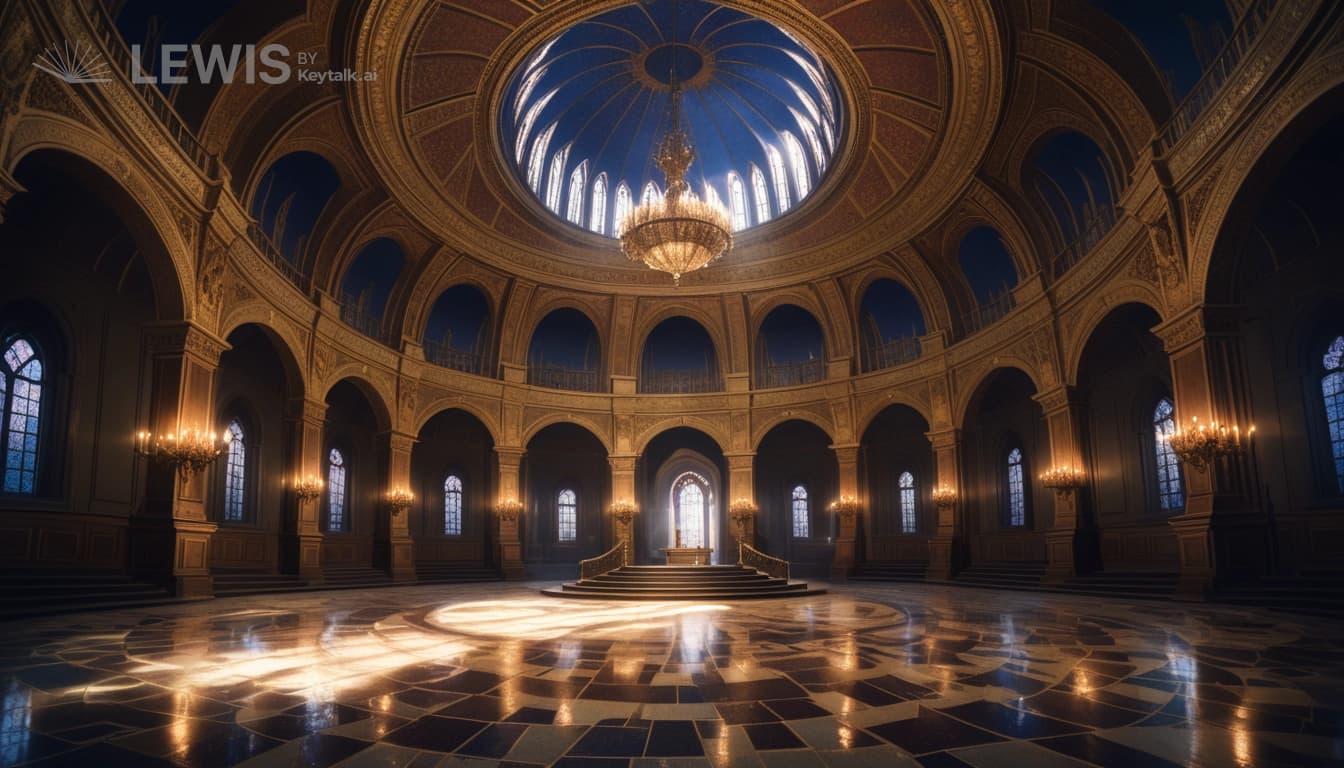
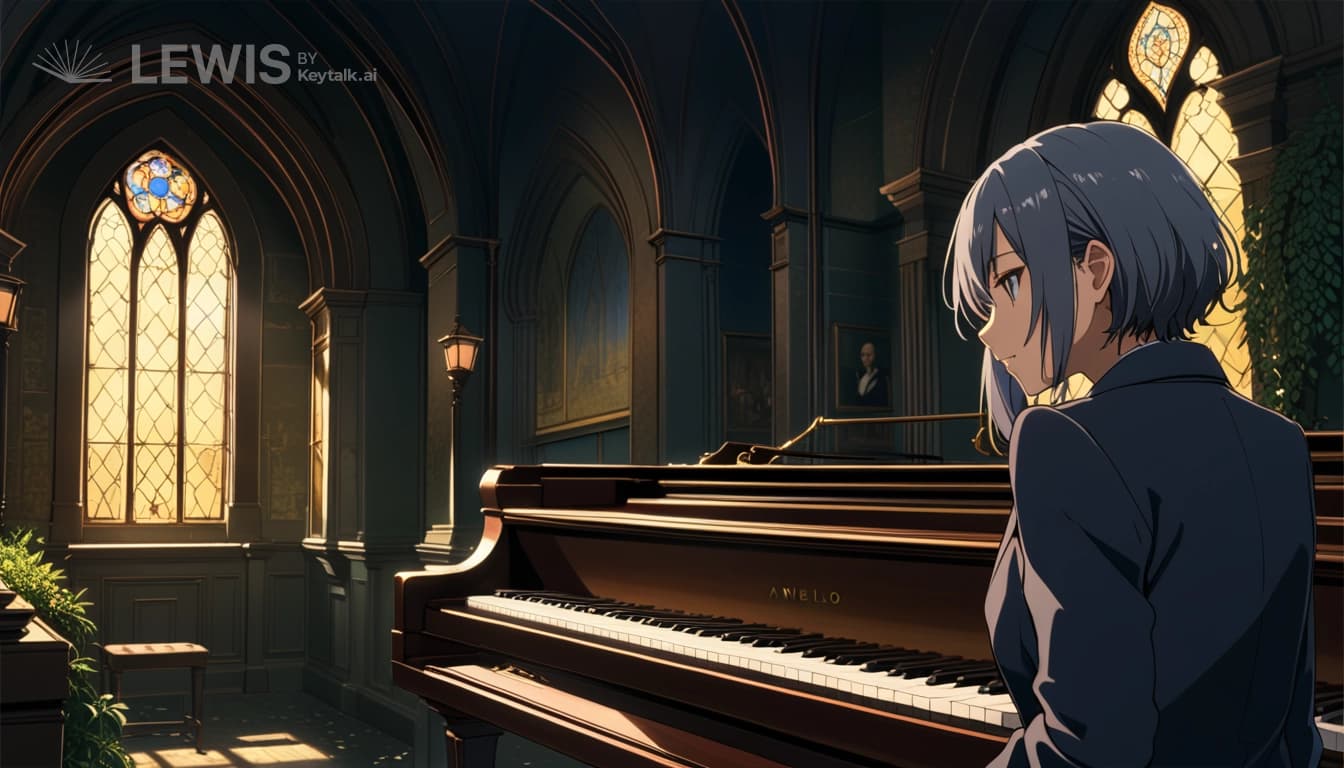
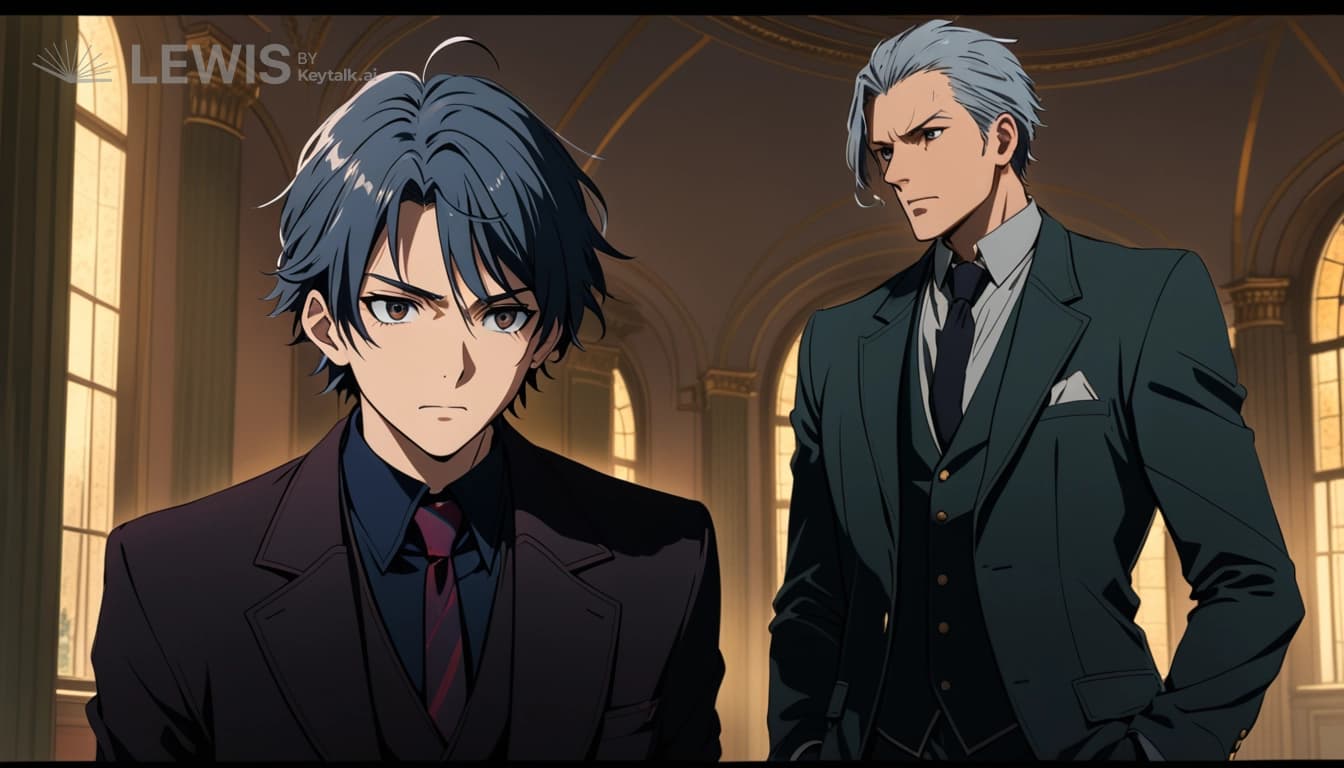
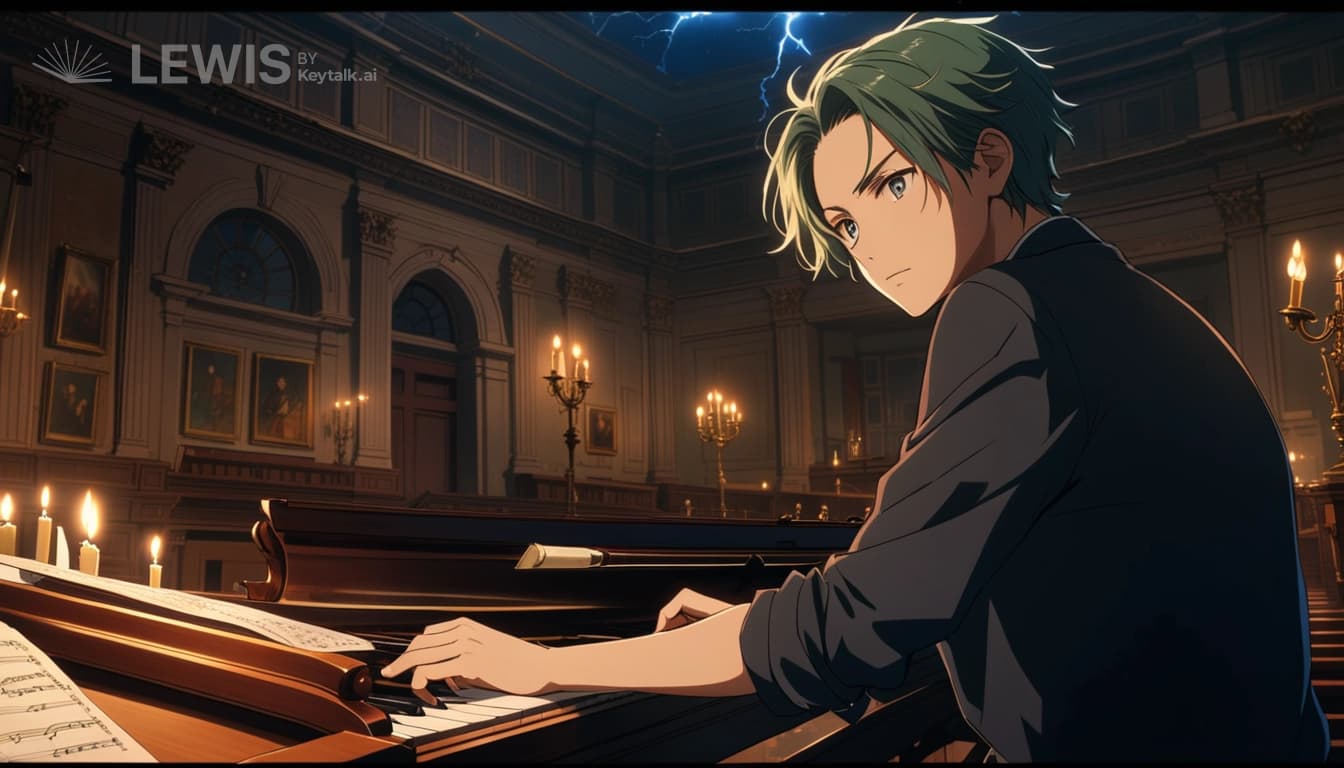
Julian Everhart stands at the heart of the withering coastal conservatory, its faded marble columns and wind-rattled stained glass echoing his own sense of impermanence. Raised in the shadow of his twin brother, Adrian, Julian’s life has always been measured in duet—equal parts rivalry and devotion. Their bond is a paradox: music flows between them with effortless synchronicity, yet every note is laced with the tension of wanting to be recognized as an individual. As the conservatory’s annual selection approaches—a brutal, anonymous competition masterminded by Dr. Lucien Armand—Julian is propelled by the hope of finally stepping out from his brother’s reflected glow. But beneath his sardonic humor and rebellious exterior, he’s terrified: what if his music is only half alive without Adrian’s presence? Dr. Armand’s insistence on masks and anonymity is meant to strip away legacy and favoritism, but for Julian, it’s a cruel twist—what if the very person he’s meant to surpass is the only one who truly understands him?
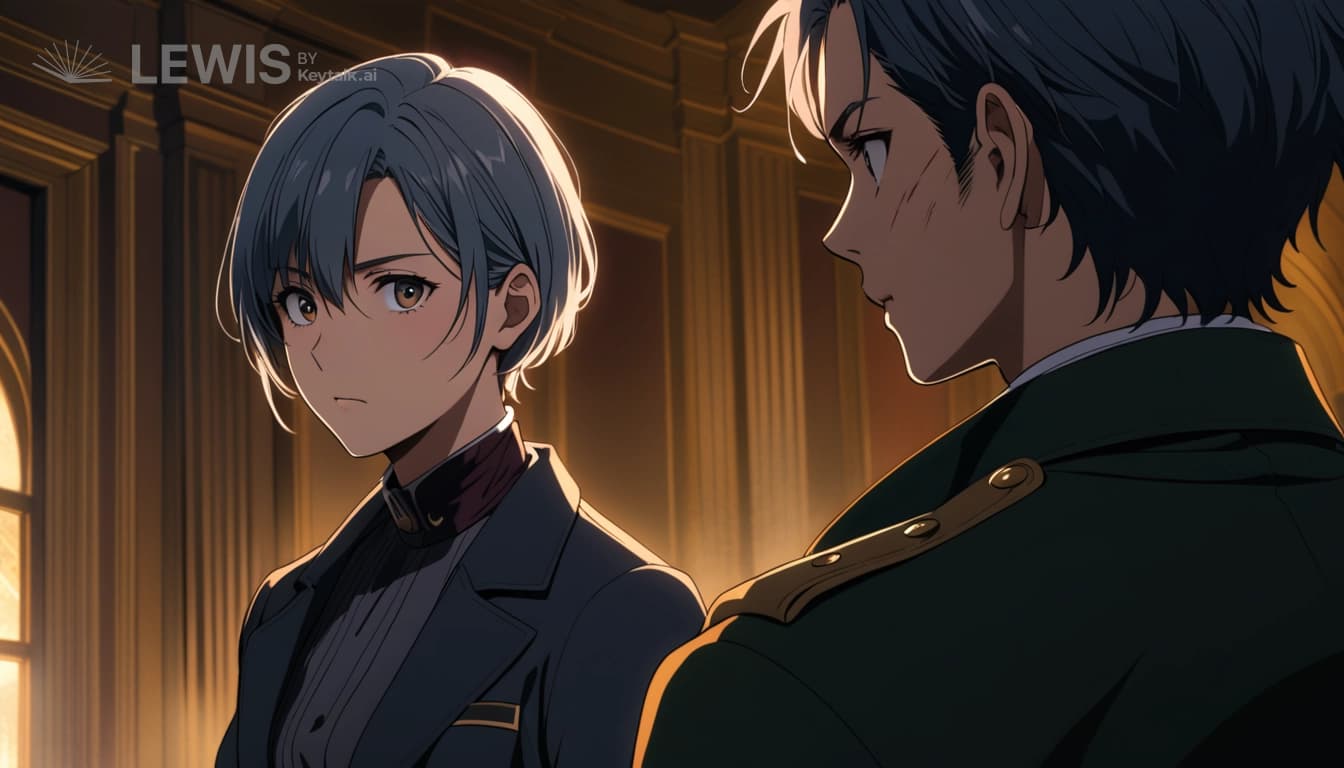
The twins enter the selection cloaked in elaborate masks and false names, forced to perform in isolation, never knowing if the rival they’re facing is a stranger or the other half of their soul. Each round is a crucible. Julian’s improvisational style clashes with the conservatory’s rigid expectations, but he risks everything, slipping forbidden melodies and fragments of their childhood improvisations into his performances. He’s desperate to signal Adrian, to reach across the divide, but the possibility that his brother might not recognize him gnaws at his confidence. Mireille Sato, the instrument restoration specialist, becomes an unexpected confidante. She’s drawn to Julian’s restless energy and the twins’ mysterious connection, offering blunt advice and quiet support. Her skepticism of Armand’s methods and her own failed ambitions as a pianist make her the rare adult who questions the cruelty of genius. In private, Mireille encourages Julian to trust his instincts, but warns that the selection is designed to fracture even the closest bonds. She senses the danger in Julian’s obsession: the more he tries to distinguish himself, the more he risks losing the harmony that gives his music its haunting power.
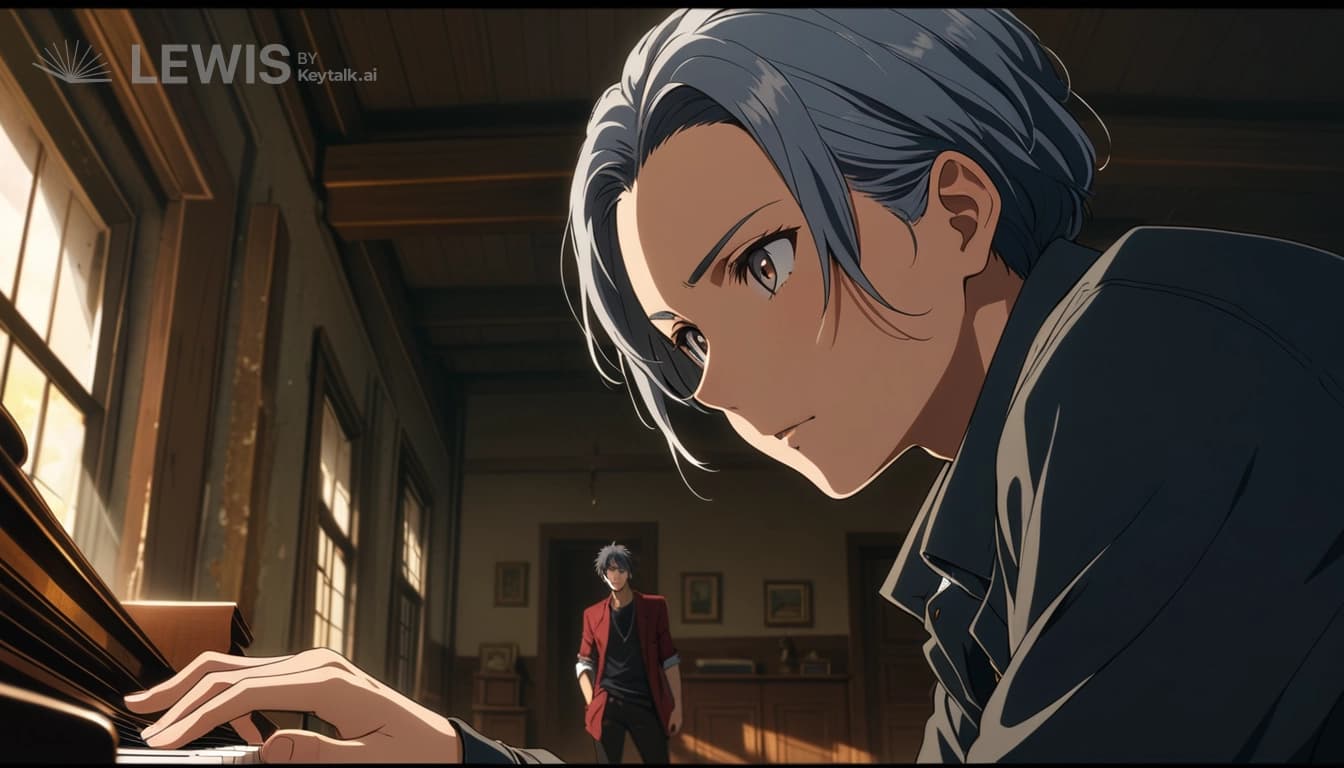
As the competition intensifies, the twins’ choices create ripple effects. Julian’s risky improvisations earn both acclaim and suspicion. Dr. Armand, watching with cold precision, senses the presence of prodigious talent but cannot identify the player behind the mask. He’s haunted by his own failed career, desperate to shape a legacy that will outlive him, and pushes the contestants further, orchestrating duets between masked rivals that force them to expose vulnerabilities. One night, Julian and Adrian are paired for a blind duet—neither knowing for certain if it’s the other behind the mask. The performance crackles with tension and longing, their styles clashing and then converging in a way that leaves the audience breathless. Mireille, tuning a battered piano backstage, recognizes the improvisational fragments: she knows the twins are playing with, and against, each other. In that moment, Julian feels both triumph and terror; the music is transcendent, but the possibility of irrevocable rupture looms.
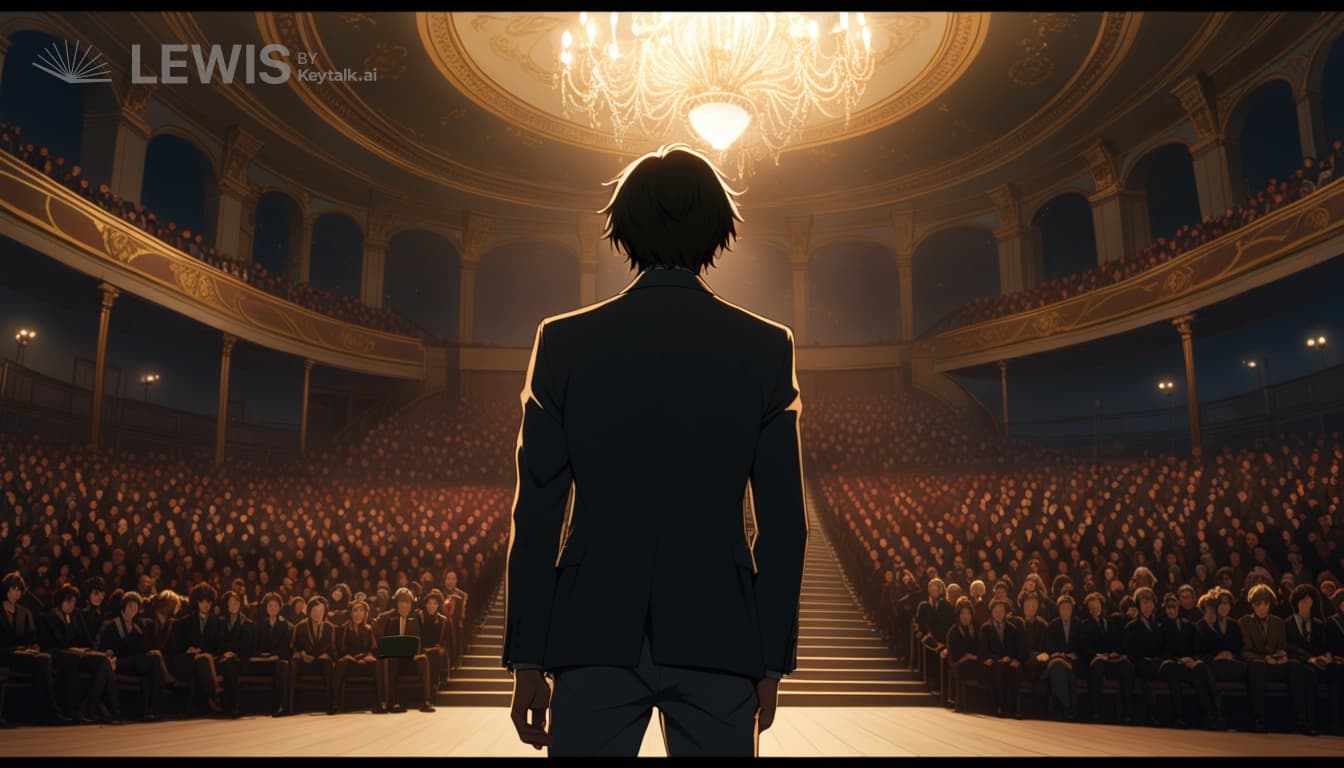
The aftermath is brutal. Dr. Armand, sensing a seismic shift, decides to pit the masked finalists against each other in a final, solo round—no duets, no collaboration, just the raw exposure of individual artistry. Julian, now consumed by the need to prove himself, prepares a piece that incorporates the most intimate motifs of his shared history with Adrian—a musical confession, both challenge and apology. Mireille warns him: this performance will either reconcile the twins or destroy their fragile connection. The night of the final, the conservatory is electric with anticipation. Julian steps onto the stage, masked and anonymous, and delivers a performance so hauntingly personal that it stuns the judges, the audience, and—he suspects—Adrian himself. The last notes hang in the air like a question: is this the birth of a solo prodigy, or the end of a legendary duo?
The masks come off in the aftermath, but the revelation is devastating. Adrian, shattered by the intimacy and finality of Julian’s piece, realizes that their bond has been both a sanctuary and a prison. Dr. Armand, satisfied that genius has been revealed through adversity, offers Julian the coveted solo contract, but at a cost: Adrian refuses to play with him again. The twins’ harmony is severed, their music forever changed. Mireille, watching the fallout, confronts Armand about the human cost of his methods, but the conservatory’s machinery grinds on. Julian is left with the victory he craved, but it tastes of ash—his music is singular now, brilliant but brittle, haunted by the ghost of what he’s lost.
In the final chapter, Julian stands alone in the shadowed practice room, fingers hovering over the keys