Plot Synopsis
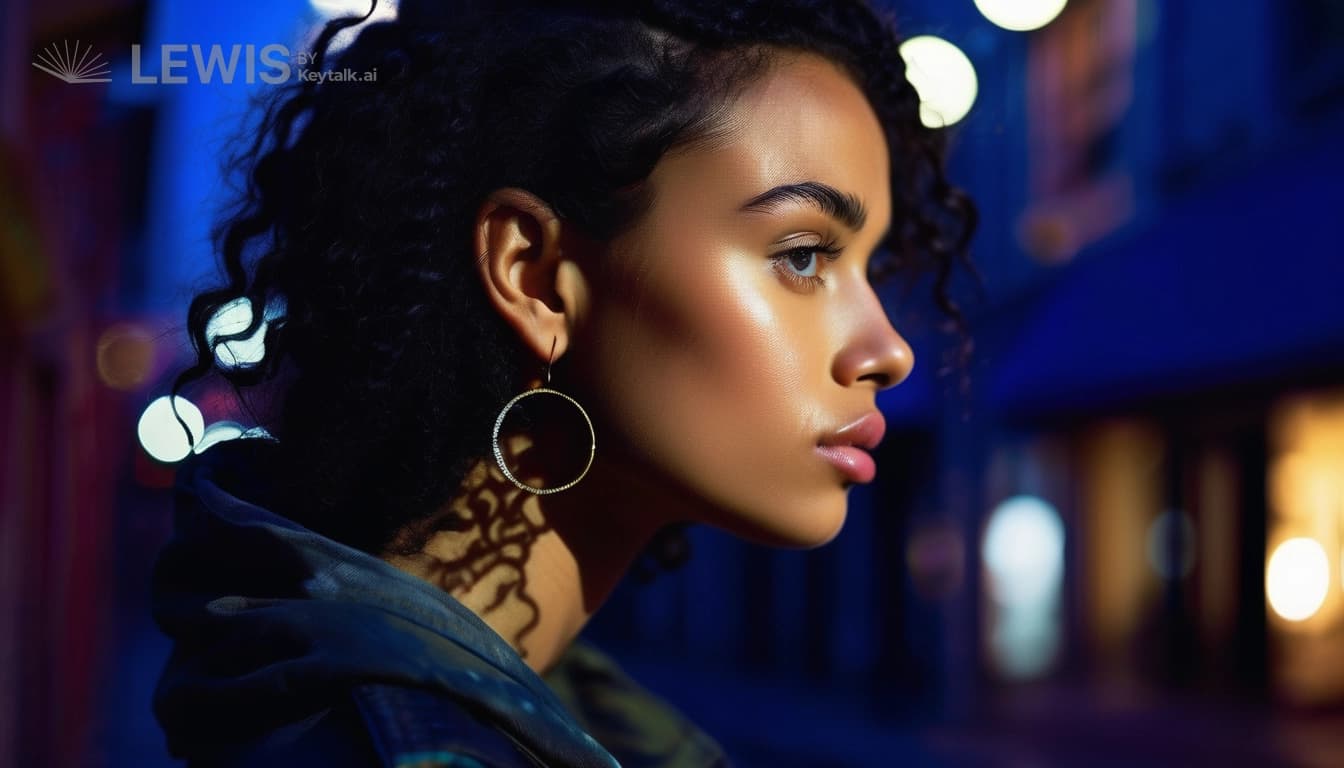
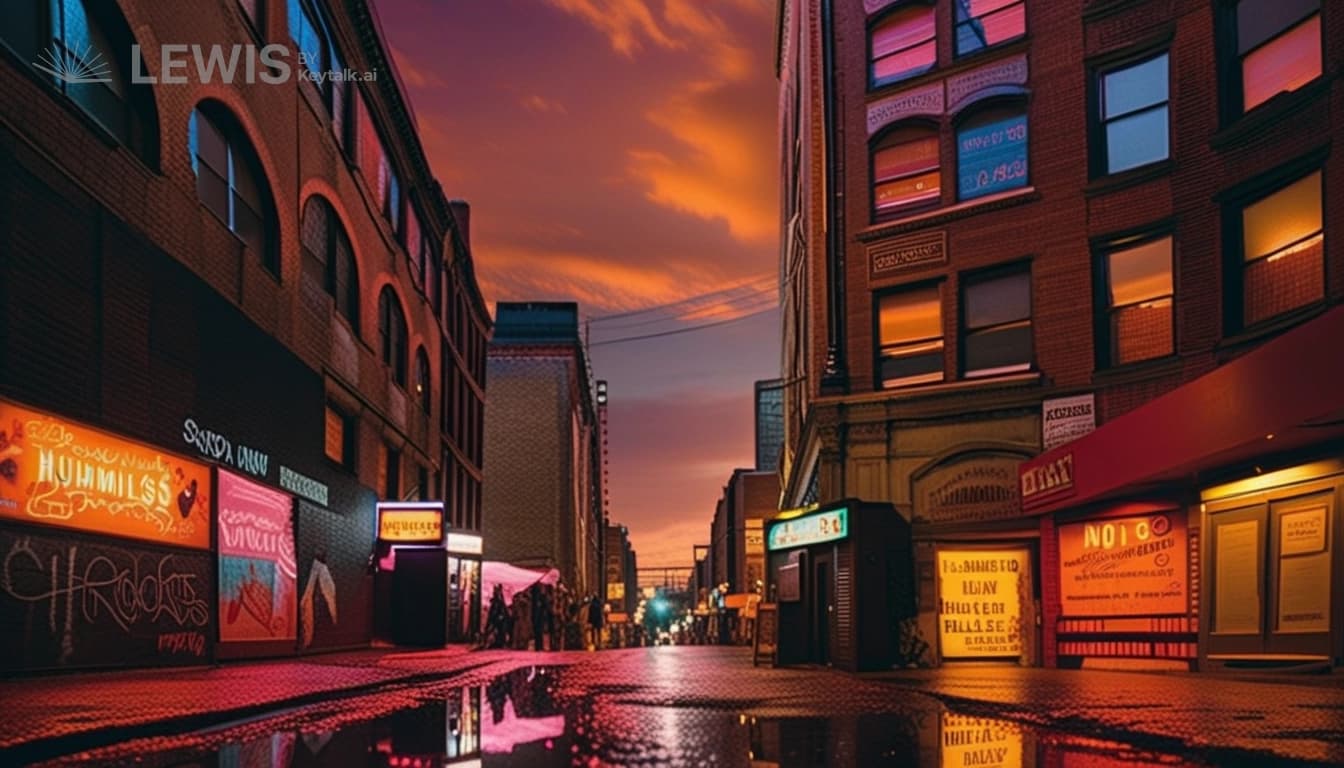
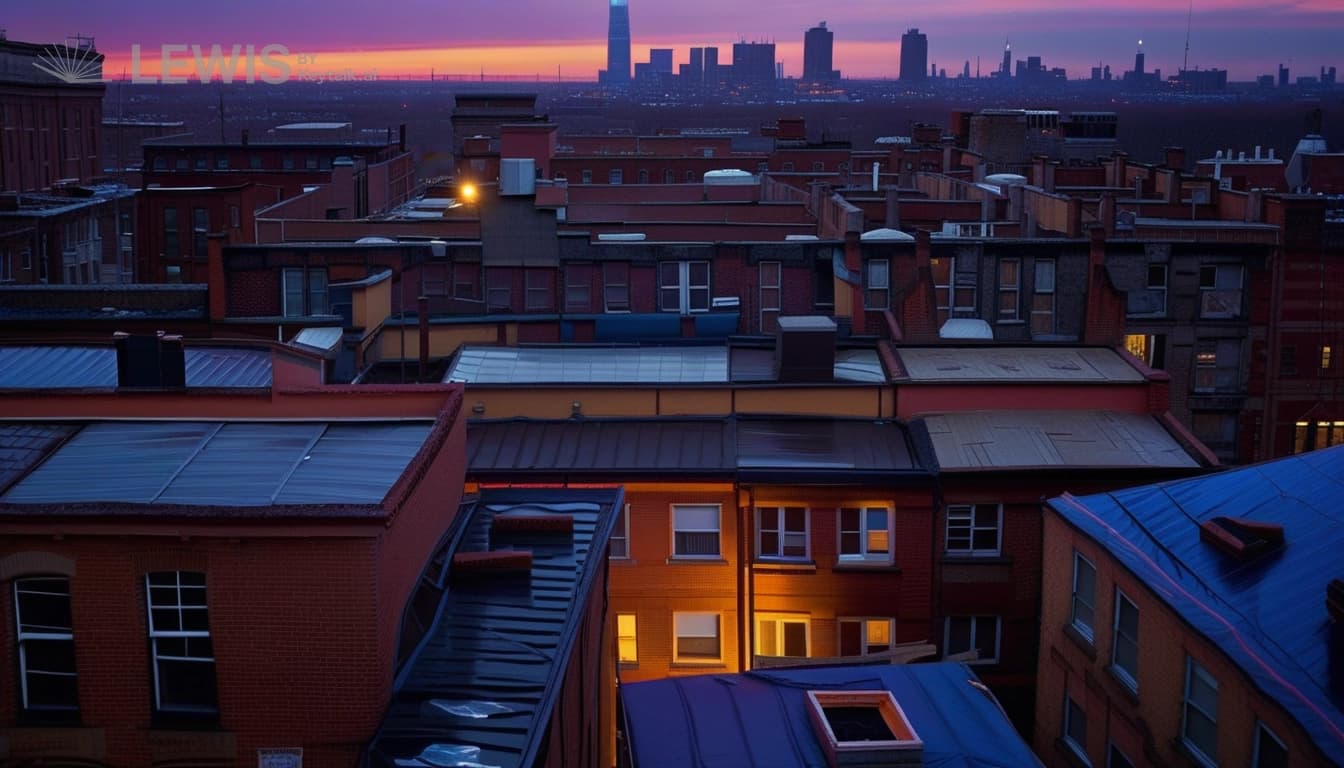
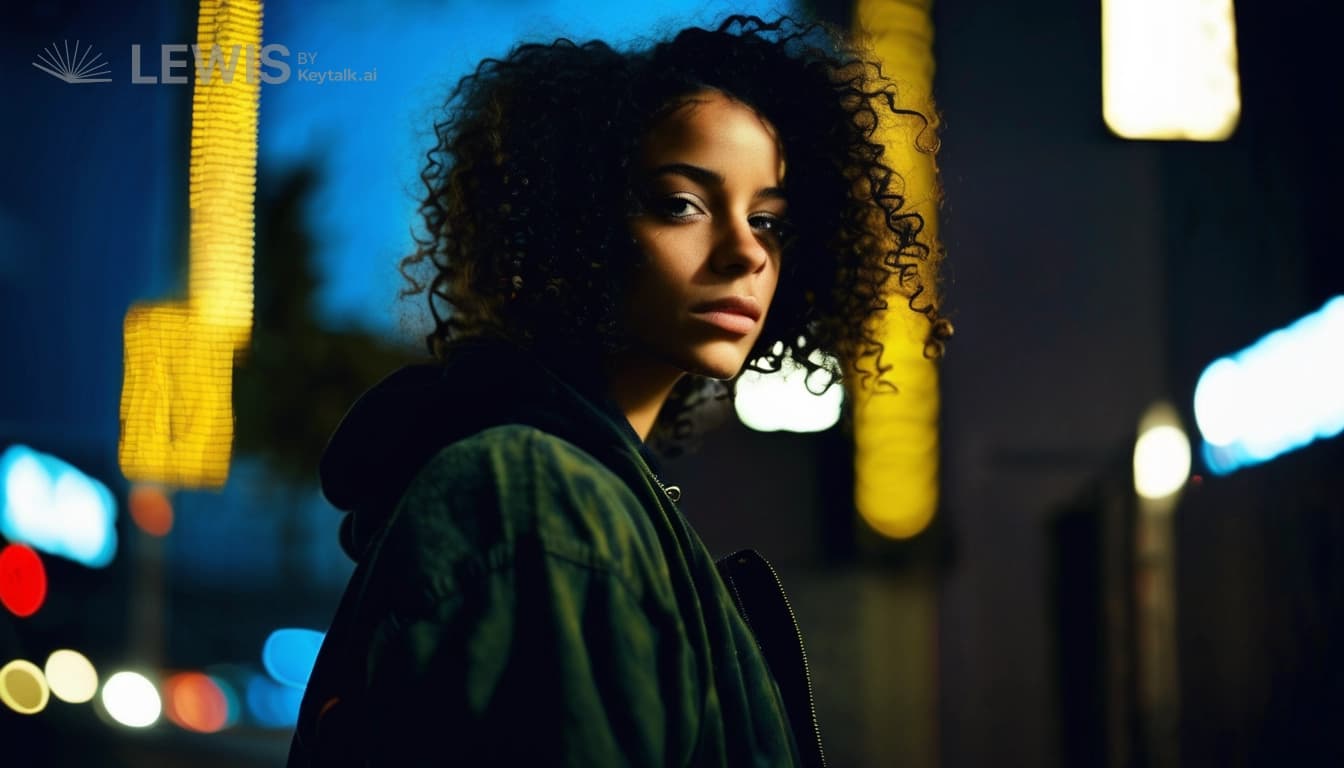
Isla Monroe’s story begins in the city’s electric heart, scrawling her cobalt tag across a rooftop billboard while the skyline bleeds neon. She’s seventeen, restless, and convinced she’s invisible unless she leaves a mark—paint, ink, scars. Her world is Zahra El-Sayed’s steady hands and fierce love; Zahra is the anchor in Isla’s storm, the only one who sees her beneath the bravado and burnt edges. But Isla is haunted by a hunger for something rawer, truer—an authenticity she’s never quite touched. When Lucien Serrano crashes into her night, it’s with a dare and a smirk: he’s the city’s secret, a muralist and nightlife king who promises danger and understanding in equal measure. He offers Isla not safety, but the thrill of exposure—he wants her walls down, her wounds bared, and she wants it too, even as she knows it’s a risk that could cost her everything.
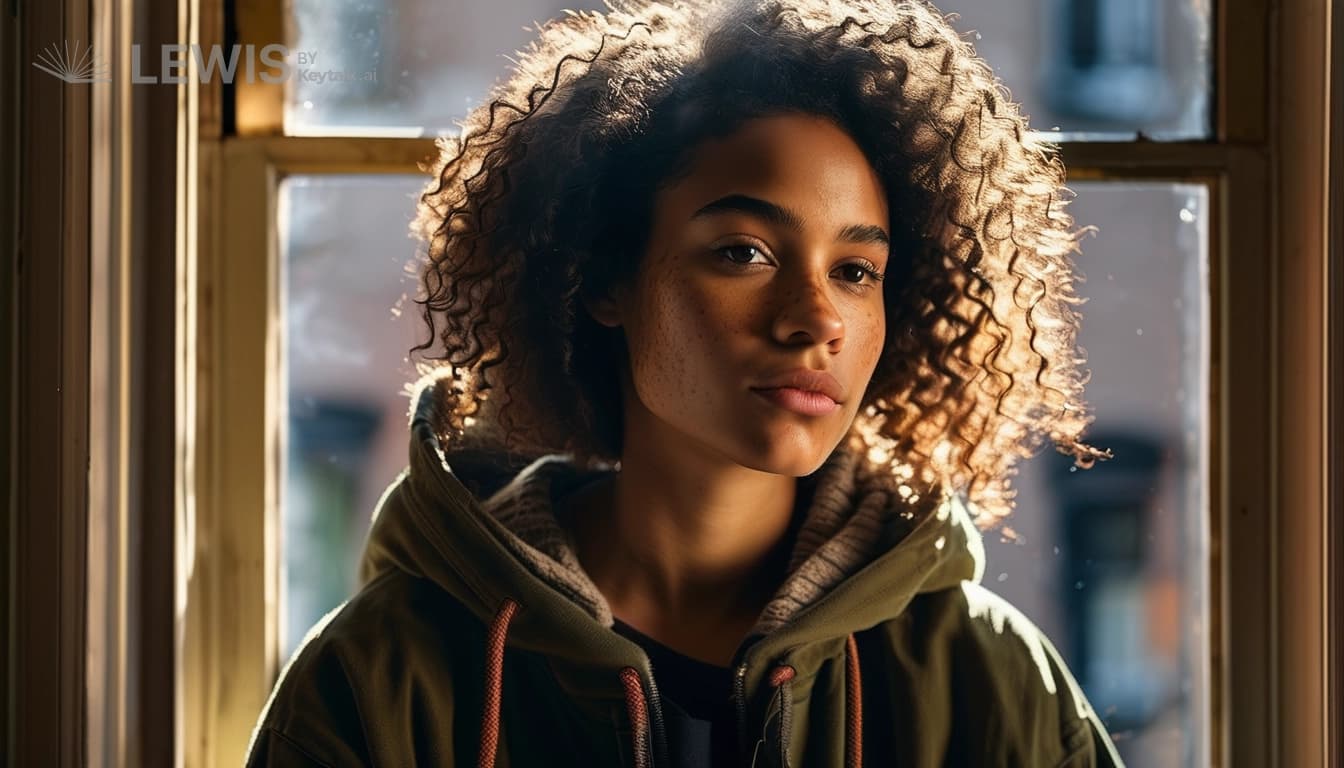
Their collision sparks a new chapter: Lucien draws Isla into his world of rooftop parties, midnight mural raids, and backroom deals. Zahra watches, wary, seeing the shadows behind Lucien’s charm and the bruises Isla tries to hide. Isla’s loyalty to Zahra is fierce, but Lucien’s seductive cruelty—his way of pushing her to the edge of herself—pulls her deeper into the city’s underbelly. Each choice Isla makes—to skip a shift at the parlor, to tag over a rival’s turf, to follow Lucien into a locked club with a reputation for secrets—creates ripples. Zahra’s steady love begins to chafe; Isla wants more than safety now, she wants revelation, even if it means betrayal.
The first real fracture comes when Lucien reveals one of Zahra’s own secrets in a moment of calculated cruelty: a mural Zahra painted years ago, her private rebellion against her parents’ strictness, is suddenly exposed on social media, tagged with Isla’s signature. Zahra feels the sting of betrayal—Isla’s hunger for truth has made her reckless, and Lucien’s games have consequences neither girl can control. The city’s art scene erupts with gossip, and Zahra’s carefully built reputation at the community center is threatened. Isla tries to apologize, her words raw and broken, but Zahra’s trust is not so easily mended. The emotional stakes sharpen; Isla is forced to confront the fallout of her choices, realizing that every mask she peels away reveals another wound.
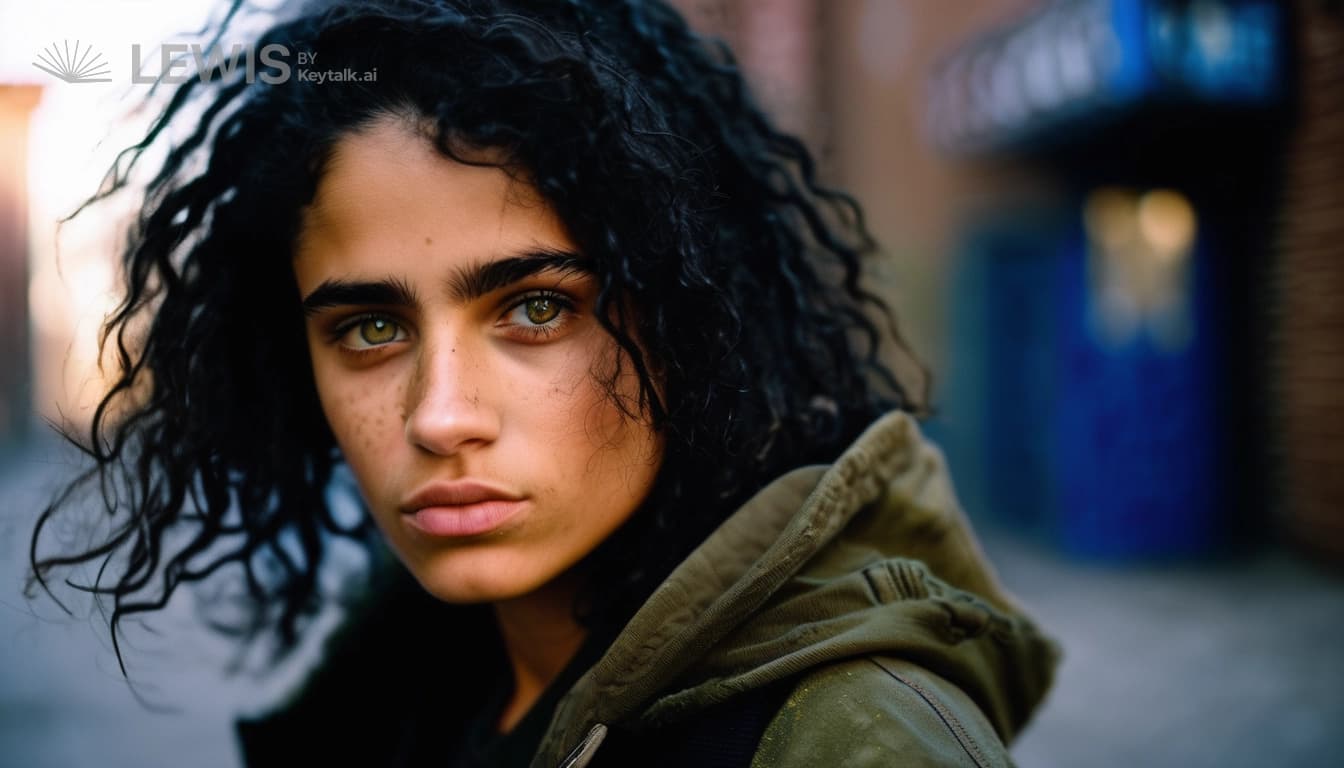
Lucien, meanwhile, is on his own collision course—his art is gaining notoriety, but his life is unraveling. The city’s nightlife is turning on him, old debts resurfacing, and the line between creation and destruction blurs. Isla becomes both his muse and his mirror: she sees through his masks, but she’s addicted to the pain he can inflict. Their romance is a razor’s edge, thrilling and toxic, each encounter burning brighter and costing more. Lucien pushes Isla to betray Zahra again, this time by helping him sabotage a rival muralist whose work Zahra admires. The moment is a crucible; Isla must choose between the seductive rush of Lucien’s chaos and the steady, painful love Zahra offers.
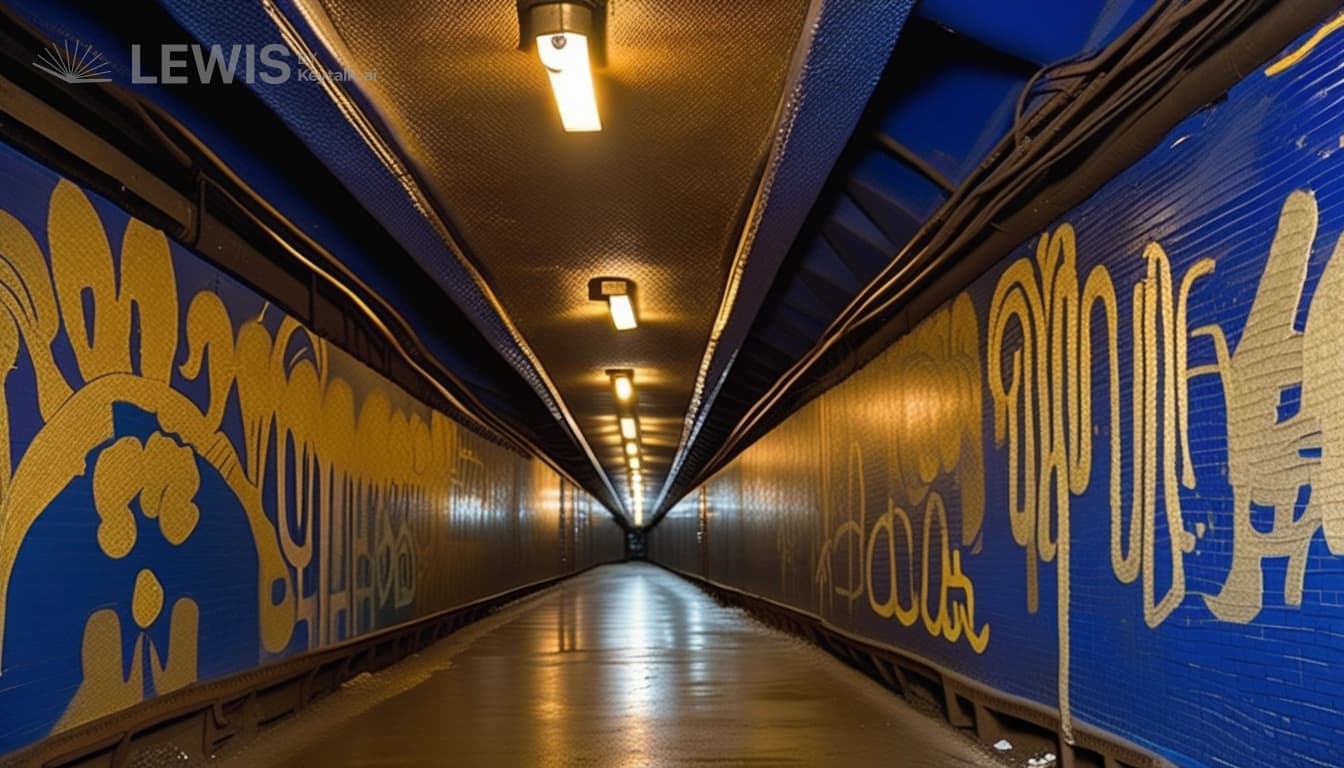
Zahra, refusing to be a victim, confronts both Isla and Lucien. Her pragmatism becomes a weapon—she exposes Lucien’s lies to the city’s art scene, revealing his manipulations and the debts he’s hidden. The confrontation is brutal: Isla is forced to see Lucien’s cruelty not as romantic, but as cowardice born of fear. Zahra’s refusal to let Isla off easy is both punishment and grace; she offers Isla a path back, but only if Isla chooses honesty over thrill. Isla’s final act is a public mural, painted alone under the city’s moonlight—a confession in cobalt and gold, her secrets laid bare for everyone to see.
In the aftermath, Lucien disappears into the city’s shadows, his legacy a mix of beauty and destruction. Zahra’s reputation survives, scarred but stronger, and she forgives Isla—not with easy affection, but with the promise of rebuilding trust brick by brick. Isla is changed: she’s learned that tenderness survives not in the absence of masks, but in the courage to remove them, even when it hurts. The story ends not with triumphant victory or devastating tragedy, but with a bittersweet reckoning—Isla, Zahra, and the city itself marked by scars and color, proof that real connection endures when you dare to be seen.