본문으로 건너뛰기
**The Sands of Sovereignty** cover image

**The Sands of Sovereignty**

Beneath the scorched sand of 7th-century Arabia, an enslaved desert guide discovers an otherworldly artifact capable of rewriting the destinies of nations. Torn between the ensnaring rhetoric of an emergent empire and his own longing for personal liberation, he is thrust into a perilous journey across forbidden territories, where the line between fantastical salvation and existential annihilation blurs as he confronts what freedom truly entails.

Weekly ranking

rank icon image
#2 inConcept
rank icon image
#2 inConcept
rank icon image
#5 inConcept
Scroll

Plot Synopsis

In the blistering heart of 7th-century Arabia, Nizar al-Khamees trudges across the endless sands, his keen eyes scanning the shifting dunes for signs of water or shelter. Born into servitude, he has spent his life guiding caravans through the unforgiving desert, his skills prized but his humanity overlooked. On one such journey, under the relentless sun and the weight of his chains, Nizar stumbles upon an unearthly artifact buried beneath the sand—a smooth, iridescent sphere pulsing faintly with an otherworldly glow. The artifact hums with power, a sensation that courses through his body like a distant storm. Though terrified of its implications, he hides it, sensing that it could be his key to escape both his masters and the life that has imprisoned him.

Fate intervenes when Malik ibn Sarraj, an envoy of the rapidly expanding empire, arrives at Nizar’s encampment. Malik, tasked with securing alliances and resources for the empire’s conquests, immediately senses Nizar’s value as a guide. A calculating man, Malik offers Nizar a dangerous proposition: lead him through forbidden territories in search of lost ruins rumored to hold treasures capable of solidifying the empire’s dominance. Nizar, wary of Malik’s motives but seeing an opportunity to break free, reluctantly agrees. The artifact remains his secret, though its strange whispers in the dead of night begin to gnaw at his resolve.

As they traverse treacherous landscapes, the duo’s uneasy alliance is tested. Malik’s polished demeanor and manipulative charm clash with Nizar’s quiet defiance, but they are forced to rely on one another to survive the desert’s perils. Along the way, they encounter Layla bint Zafir, a smuggler whose reputation for navigating dangerous routes precedes her. Layla, intrigued by the potential value of the ruins—and suspicious of Malik’s imperial agenda—joins them for her own reasons. Her sharp wit and resourcefulness prove invaluable, but her guarded nature hints at a past as turbulent as the desert winds. Together, the trio forms a fragile partnership, each harboring secrets and ambitions that threaten to unravel their mission.

Their journey takes them deep into lands untouched by civilization, where the desert seems alive with ancient, forgotten power. The artifact, now glowing brighter and vibrating more intensely, begins to affect Nizar in unsettling ways. He experiences visions—fractured images of cities rising and falling, of people speaking languages he cannot understand, of himself standing at the center of it all. The artifact’s whispers grow louder, promising freedom but at an unimaginable cost. When Malik discovers its existence, his pragmatic loyalty to the empire is shaken. He sees the artifact not only as a weapon but as something that could redefine his place in history. Layla, meanwhile, wrestles with the temptation of selling such a relic to the highest bidder, though she is haunted by a nagging sense of its danger.

Conflict erupts when they reach the ruins—a labyrinthine city swallowed by sand and time. Here, the artifact’s true nature is revealed: it is not merely a tool but a conduit for rewriting reality itself. Nizar, who has always longed for freedom, is presented with a choice: wield the artifact’s power to liberate himself and others like him or destroy it to prevent it from falling into the hands of the empire. Malik, driven by a fear of irrelevance and a yearning for control, attempts to claim the artifact for the empire, while Layla’s pragmatism falters as she realizes the artifact’s power could unleash chaos far beyond her comprehension.

In a climactic confrontation, Nizar finally takes control of his destiny. Rejecting Malik’s vision of order through domination and Layla’s impulse for personal gain, he chooses to destroy the artifact, sacrificing the chance to rewrite his own fate. The artifact’s destruction unleashes a wave of energy that collapses the ruins around them, forcing the trio to flee. Nizar emerges from the sands, battered but resolute, the chains of servitude now broken in more ways than one. Malik, shaken by the loss and his own moral compromises, retreats to the empire with a shadow of doubt cast over his ambitions. Layla, though frustrated at the lost opportunity, parts ways with Nizar, her respect for him grudging but genuine.

As the desert swallows the remnants of the ruins, Nizar gazes out at the vast horizon. For the first time, he feels a glimmer of freedom—not gifted by an artifact or empire, but claimed through his own choices. The desert, once a prison, now feels like a blank canvas, its endless expanse mirroring the boundlessness of his will. Though the journey has scarred him, it has also shaped him, and he walks forward with the quiet resolve of a man who has learned that freedom is not found in power, but in the courage to forge one
Model Used
GPT-4o
text
Stable Diffusion
image

Story Details

Keytalk Prompts Used
See all Keytalks
no chosen prompts
no chosen prompts
no chosen prompts
no chosen prompts
no chosen prompts
no chosen prompts
Model Used
GPT-4o
text
Stable Diffusion
image

Character

Protagonist Character

Nizar al-Khamees

GenderMale
OccupationDesert guide

Profile

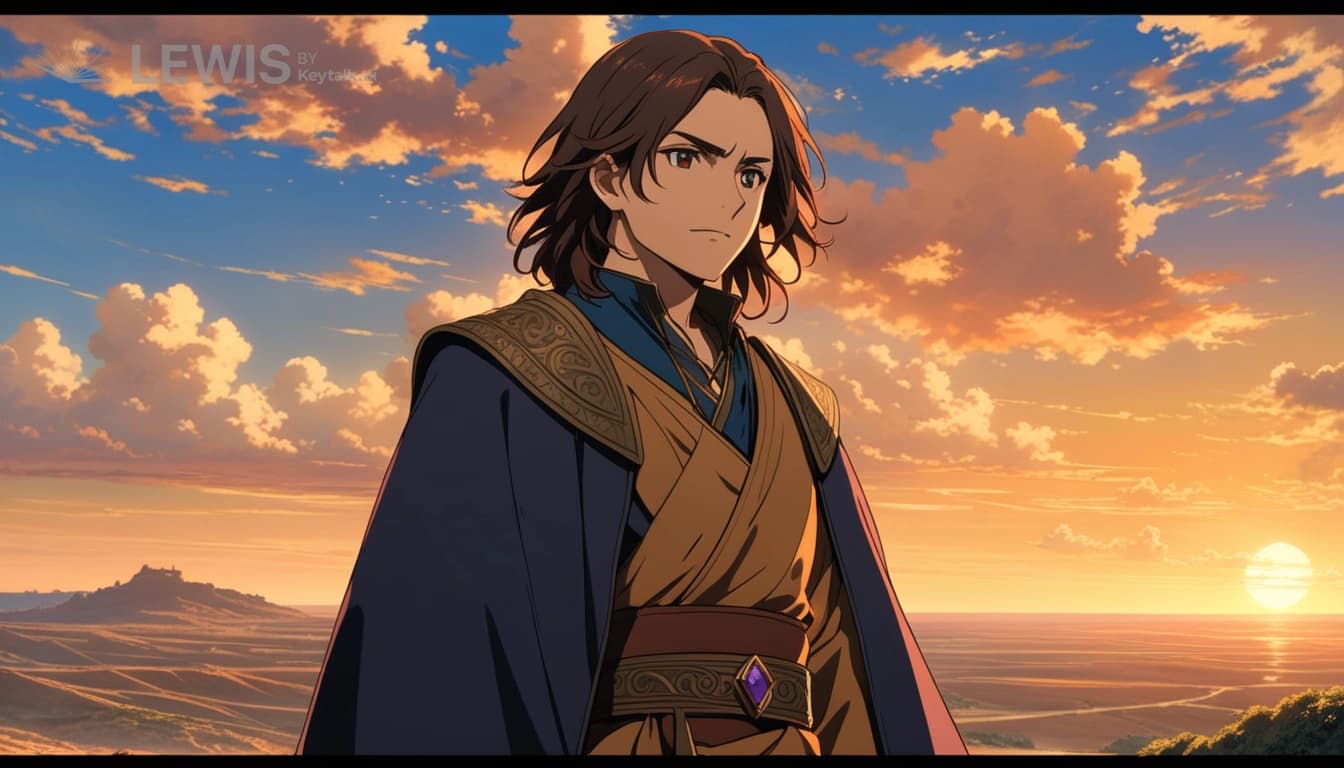
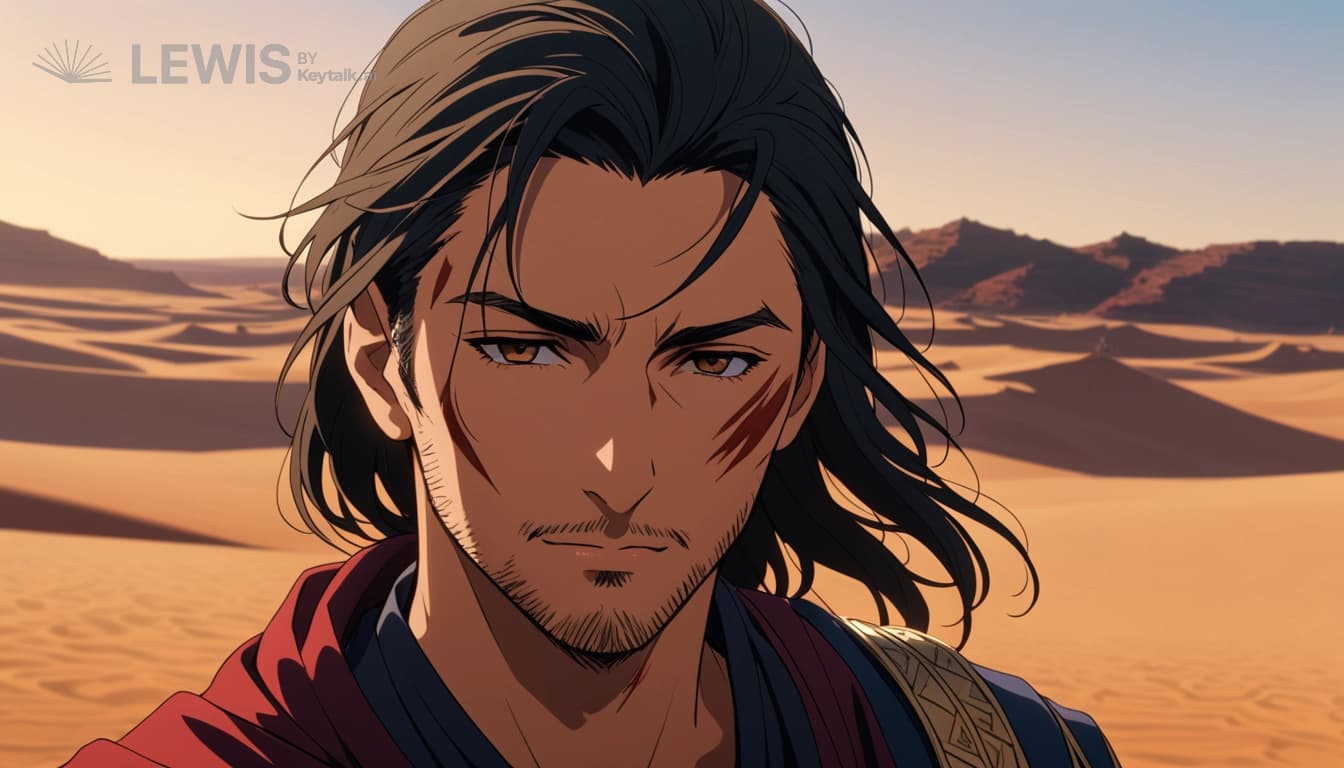
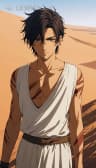
Nizar al-Khamees moves through life with the quiet precision of someone who has spent years deciphering the language of the desert. At 27, his lean, sun-scorched frame and sharp, hawk-like eyes reflect both the physical toll of his role as a desert guide and the fierce intellect honed by navigating treacherous terrains. Born into servitude, Nizar bears the quiet dignity of someone who refuses to let chains define him, though the scars—both visible and hidden—betray years of endurance rather than submission. His speech, colored by the clipped yet melodic rhythm of the Hijaz dialect, is deliberate, often laced with wry observations that reveal a keen, if guarded, sense of humor. A man of contradictions, he exudes a calm pragmatism while harboring a restless yearning for something greater than the endless horizon of sand. His fascination with ancient tales, whispered over campfires by wandering traders, has fostered a deep respect for the mysteries of the world, though he maintains a healthy skepticism born from betrayal and survival. Nizar’s practical skills—an uncanny ability to read shifting dunes, a knack for tracing faint water sources, and an eidetic memory for celestial patterns—make him invaluable yet invisible, a tool rather than a man in the eyes of those who command him. Despite this, there’s a quiet defiance in his soul, an unspoken belief that the desert, vast and unyielding, mirrors the boundlessness of human will. He carries a small, intricately carved bone talisman—a relic of his childhood—tucked into his sash, a rare indulgence in sentimentality. Torn between a sense of duty instilled by years of servitude and a growing desire to reclaim his own narrative, Nizar stands at the precipice of change, though he may not yet recognize it.
Antagonist Character

Malik ibn Sarraj

GenderMale
OccupationEnvoy of the Emergent Empire

Profile

Malik ibn Sarraj, at thirty-five, carries himself with the calculated poise of a man who has risen through the desert winds of adversity to become a trusted envoy of the emergent empire. Hailing from a lineage of tribal negotiators, his silver tongue is matched only by his sharp intellect, making him an indispensable asset in the empire’s relentless expansion. He is meticulous in his speech, favoring formal, measured tones that exude authority, though his words often veil deeper manipulations. Malik’s charisma is undeniable, yet it cloaks an inner turmoil—an insidious fear of irrelevance should he falter in his service. His dark, scrutinizing eyes seem to weigh every soul he encounters, calculating their worth to his cause. Though fiercely loyal to the empire, his loyalty is not blind; it stems from a pragmatic belief in order over chaos, even at the cost of personal morality. Beneath his polished exterior lies a man prone to quiet bouts of doubt, haunted by the lives lost in the wake of his decisions. Malik’s rare moments of solitude are spent meticulously drafting calligraphy, a skill inherited from his late mother, which serves as both a meditative practice and a stark reminder of his humanity. Despite his outward confidence, he wrestles with an unspoken yearning for something beyond the empire’s ambitions—though he would never admit it, even to himself. As an antagonist, Malik embodies the complexity of a man torn between duty and the faint, inescapable pull of his own conscience, his actions shaping the landscape of both the protagonist’s journey and the unfolding history around them.
Sidekick Character

Layla bint Zafir

GenderFemale
OccupationSmuggler

Profile

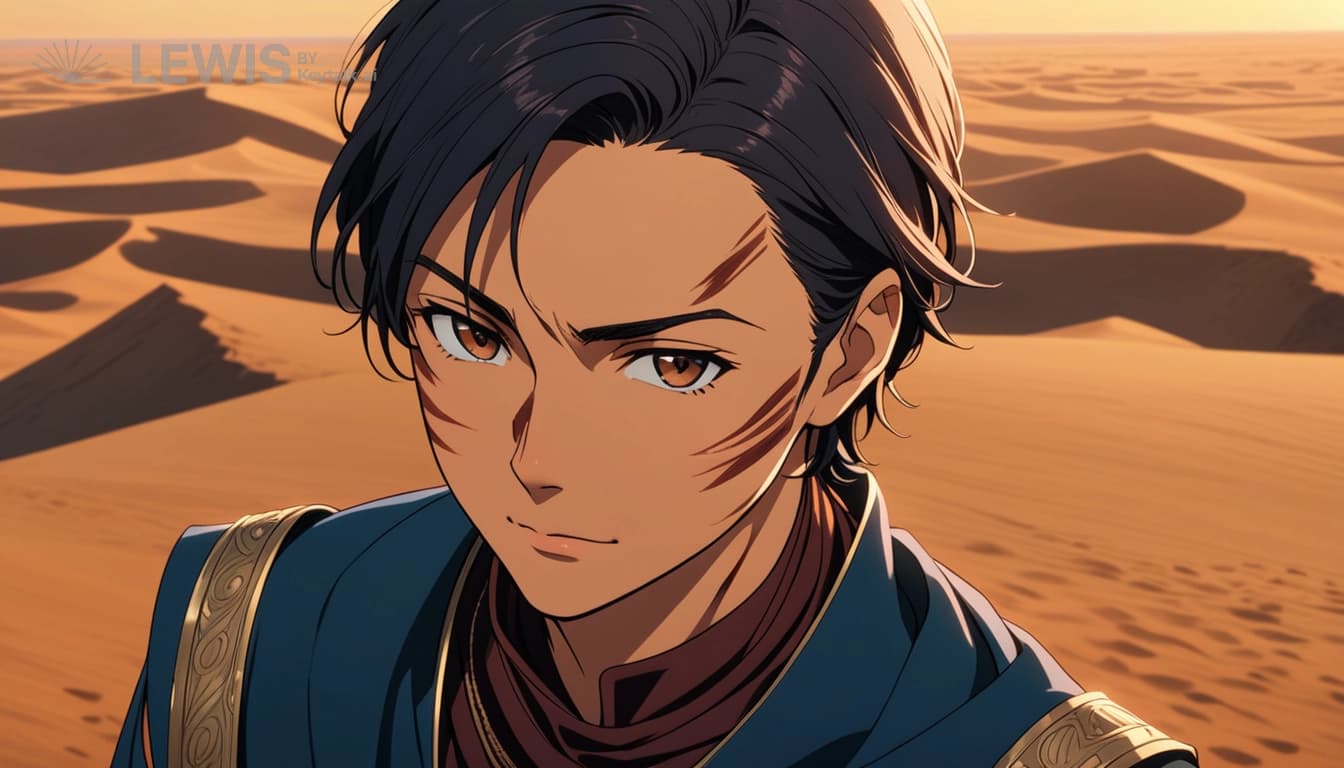
Layla bint Zafir, a 29-year-old smuggler, is a woman shaped by both the harshness of the Arabian desert and the shadows cast by her own choices. Raised in a nomadic tribe torn apart by tribal skirmishes, she learned early to barter survival for loyalty, cultivating a resourceful and fiercely independent nature. Layla has a sharp tongue and a sharper wit, often masking her vulnerabilities with sarcasm and a disarming smile. Her deep, melodic voice carries the inflection of western desert dialects, and her speech oscillates between informal banter and precise bargaining, depending on whom she’s dealing with. She wears her pragmatism like armor, but beneath her calculating exterior lies a restless yearning for control over her fate—an aspiration that often clashes with her moral compass. Currently living in the bustling outskirts of a desert trade hub, she operates under a loose network of traders and informants, smuggling rare goods and secrets across hostile territories. Her reputation for reliability is matched only by whispers of her unpredictability, as she’s known to take risks others wouldn’t dare. Layla’s personal philosophy, shaped by years of betrayal and hardship, is simple: trust no one, but never stop calculating what someone’s trust might be worth. Her relationships are fleeting, marked by necessity rather than affection, though she harbors a quiet regret for the connections she’s let slip away. A talent for cartography and an obsession with celestial navigation give her an edge in her trade, but her impulsive decisions sometimes leave her staring down consequences she barely escapes. Layla’s flaws—her guardedness and occasional recklessness—make her a dynamic supporting character, someone whose path intersects with others in ways that challenge her ability to stay true to her principles while navigating the volatile tides of ambition and survival.
Model Used
GPT-4o
text
Stable Diffusion
image

World

1. Where/When:
The story unfolds in the vast, arid expanse of 7th-century Arabia, a land both harsh and mesmerizing in its extremes. This is a time when tribal loyalties dictate survival, and burgeoning empires seek to consolidate power in a region defined by its volatile mix of trade, war, and faith. The desert dominates every aspect of life, its shifting dunes and scorching heat forming an unyielding crucible that shapes the character and fate of all who dwell within it. The timeline exists on the cusp of historical transformation, as ancient tribal cultures collide with the ambitions of expanding imperial forces, creating a backdrop of political upheaval and existential uncertainty.

The narrative’s key settings include bustling trade hubs where merchants haggle in vibrant bazaars beneath colorful awnings; isolated nomadic encampments that dot the endless desert; and the ruins of a forgotten city swallowed by sand and time, whose labyrinthine halls and cryptic carvings speak of an ancient, arcane power. These locations weave together an intricate tapestry of survival, ambition, and mystery.

---

2. Important rules of the universe and how they impact the story:
- **The Desert as a Living Entity:** In this world, the desert is more than a geographical feature; it is a force of nature that commands respect, awe, and fear. Its ever-shifting sands can obscure paths, swallow entire cities, and reveal secrets long buried. The desert’s indifference to human life creates a natural selection of resilience and cunning, shaping the characters who inhabit it. For Nizar, the desert is both a prison and a mentor, teaching him survival and self-reliance while mirroring the vast, untamed potential within himself.

- **Servitude as a Social Norm:** Slavery and servitude are entrenched in the societal fabric, dictating the power dynamics between characters. Nizar’s status as a slave defines his initial lack of agency, while Malik’s position as a representative of the empire underscores the hierarchical and exploitative structures of the time. This stratified society establishes the stakes for Nizar’s journey, as his quest for freedom challenges the very foundations of this world.

- **The Forbidden Territories:** These are lands deemed unapproachable due to superstition, hostile tribes, or environmental hazards. They represent the unknown and are shrouded in legends of ancient civilizations. Traversing these territories is not only physically dangerous but also a moral and psychological test, forcing characters to confront their deepest fears and desires.

- **The Artifact’s Power to Rewrite Reality:** The artifact introduces a supernatural element that transcends the known laws of the universe. It operates on principles neither fully understood nor controllable, its power both a temptation and a curse. Its whispers amplify the characters’ internal struggles, manipulating their fears and ambitions. The artifact’s ultimate nature—as a conduit for altering destinies—underscores the story’s central theme: the cost and meaning of freedom.

---

3. The visual description of the universe:
The universe is a study in contrasts, where the unforgiving beauty of the desert clashes with the fragile imprints of human civilization. The sands stretch endlessly, their golden hues shifting to fiery red under the setting sun and cooling to pale silver beneath the moonlight. The dunes are alive, reshaped daily by the winds, their peaks casting long, sharp shadows that hint at the desert’s ever-changing nature. Dust storms loom on the horizon like vengeful spirits, their ochre clouds swallowing the sky and reducing all visibility to chaos.

The trade hubs are chaotic mosaics of color and sound, with traders shouting over one another in a cacophony of dialects, their stalls overflowing with exotic spices, glimmering silks, and intricate trinkets. Camels, laden with goods, snort impatiently as their handlers negotiate deals, while the smell of roasting meat and incense drifts through the air.

The ruins, in stark contrast, are hauntingly still. These ancient structures, carved from sandstone and adorned with faded murals, stand in defiance of time, their walls etched with cryptic symbols and weathered by centuries of wind and sand. The air within the ruins feels heavier, charged with an almost tangible energy that prickles the skin and raises the hairs on the back of the neck. The artifact’s glow bathes the surroundings in an otherworldly light, casting eerie, shifting reflections on the walls and floors, as if the ruins themselves are alive.

---

4. Notable technologies or philosophies of the universe that impact the story:
- **Celestial Navigation and Cartography:** The universe places immense importance on the stars and their patterns, which serve as the primary means of navigation. Nizar’s ability to read the celestial map is not just a skill but a lifeline in the desert’s featureless expanse. Layla’s expertise in mapping and her obsession with precision reflect how survival in this world is pred
representative image
location 1 image

Location 1

- Title: The Bazaar of Ahlam's Veil
- Description: Beneath the woven canopies of vibrant silks, the Bazaar of Ahlam's Veil thrives with an intoxicating mixture of spices, incense, and murmured deals—its labyrinthine alleys teeming with merchants whose eyes glint sharper than their blades. Amidst the cacophony, Nizar discreetly exchanges glances with Malik, their uneasy partnership forged under the veiled promise of freedom and treachery. It is here, amidst a tapestry of color and deception, that Layla emerges from the shadows, her words as sharp as her reputation, binding the trio in a fragile, fateful alliance.
location 2 image

Location 2

- Title: The Obsidian Ridge of Al-Mawt
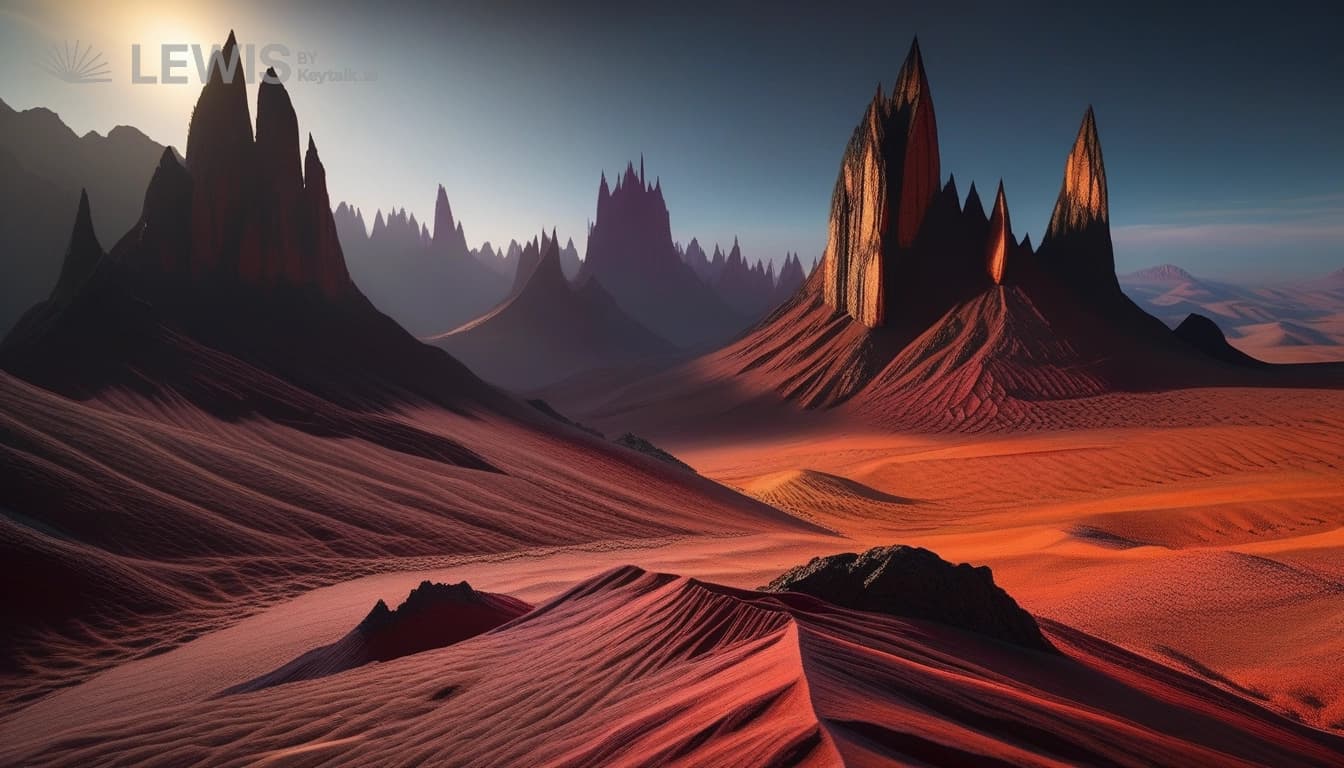
- Description: Jagged spires of black glass rise like the teeth of a buried beast, their edges sharp enough to cut the desert wind. The ground beneath is treacherous, a mosaic of shattered obsidian that reflects the dying sun in fractured, blinding patterns. Here, as the whispers of the artifact grow deafening, Nizar confronts Malik in a volatile exchange, their fragile alliance cracking beneath the weight of greed and mistrust.
location 3 image

Location 3

- Title: The Sunken City of Qadir’s Grasp
- Description: Beneath a shroud of shifting dunes, the ruins of Qadir’s Grasp emerge like skeletal remains clawing at the sunlit sky, their blackened spires fractured by time and buried in despair. Ancient carvings twist along the obsidian walls, alive with an eerie phosphorescence that mirrors the pulsing artifact in Nizar’s trembling hands. As the trio steps into the labyrinth, the air grows suffocatingly heavy, and the whispers of the artifact meld with the mournful wails of the wind, promising salvation yet foretelling doom.
Model Used
GPT-4o
text
Stable Diffusion
image

Scenes

scene 1 image
Scene 1
- Title : The Artifact Beneath the Sands
- Place: A desolate stretch of the 7th-century Arabian desert, amidst shifting dunes.
- Time: Midday, under the searing heat of the relentless sun.
- Action: Nizar al-Khamees, burdened by chains and exhaustion, discovers a mysterious, glowing sphere buried beneath the sand while searching for water during a caravan journey.
- Impact: This discovery plants the seed of potential escape and power in Nizar's mind, setting the stage for his inner conflict and the unfolding events.
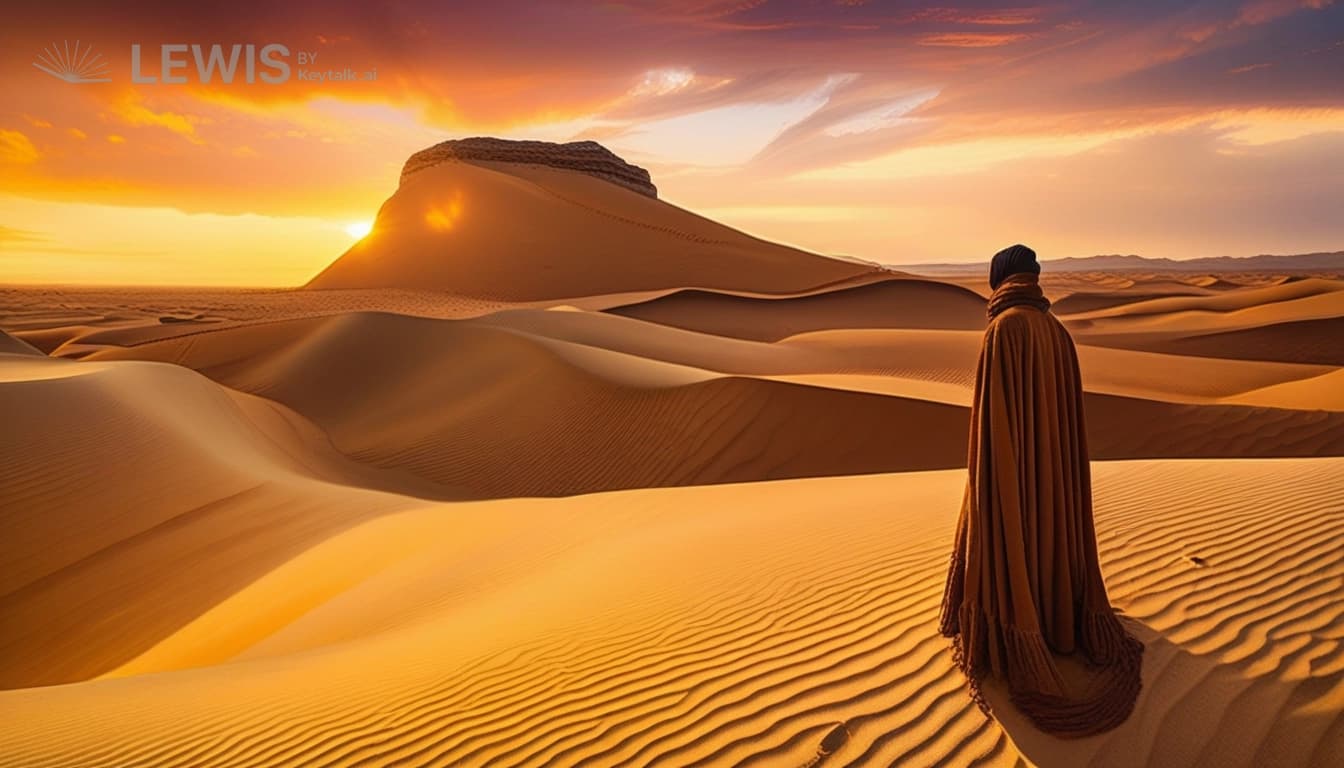
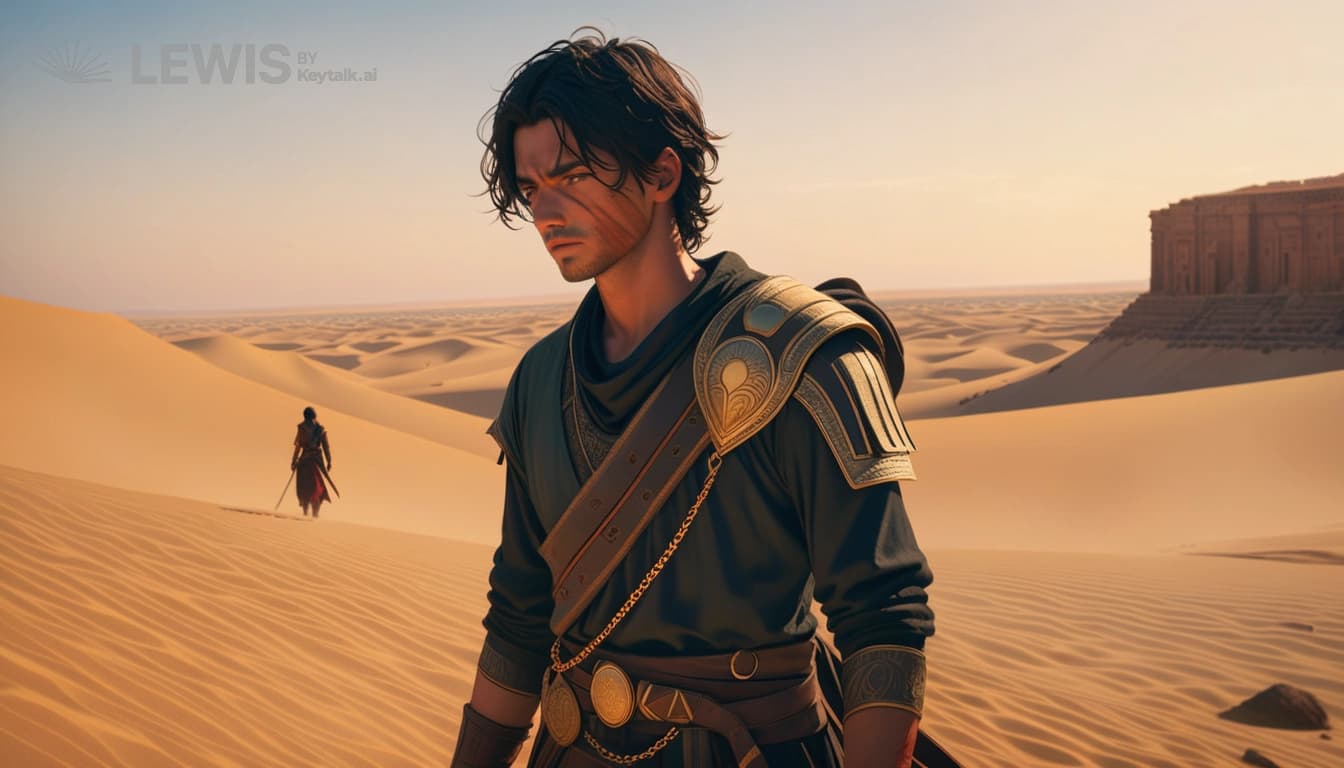
- Description: The desert stretches endlessly, its golden expanse shimmering like molten gold under the punishing sun. Nizar digs with trembling hands, his breath shallow, until his fingers brush against the smooth, iridescent surface of the artifact. It pulses faintly, a soft hum resonating in his chest, as though the desert itself had exhaled a secret into his soul.
scene 2 image
Scene 2
- Title: A Proposition Under the Empire's Shadow
- Place: A caravan encampment on the edge of a rocky outcrop, surrounded by the vast emptiness of the desert.
- Time: Dusk, as the sun dips below the horizon, painting the sky in hues of amber and violet.
- Action: Malik ibn Sarraj arrives at the encampment, his imperial authority evident in his commanding presence. He offers Nizar an enticing yet perilous deal: to guide him through forbidden desert territories in search of fabled ruins. Nizar, concealing the artifact and his growing unease, agrees reluctantly, sensing both opportunity and danger in Malik’s proposition.
- Impact: The encounter sets Nizar on a collision course with Malik’s ambitions and moral ambiguities, further entwining their fates and amplifying the stakes of Nizar’s hidden artifact.
- Description: The encampment buzzes with subdued activity as shadows lengthen over the sands. Malik stands apart, his polished armor catching the last light of the day, while Nizar’s rough hands tighten into fists behind his back. The air between them brims with unspoken tension, the desert wind carrying away words heavy with promise and peril.
scene 3 image
Scene 3
- Title: Forging a Fragile Alliance
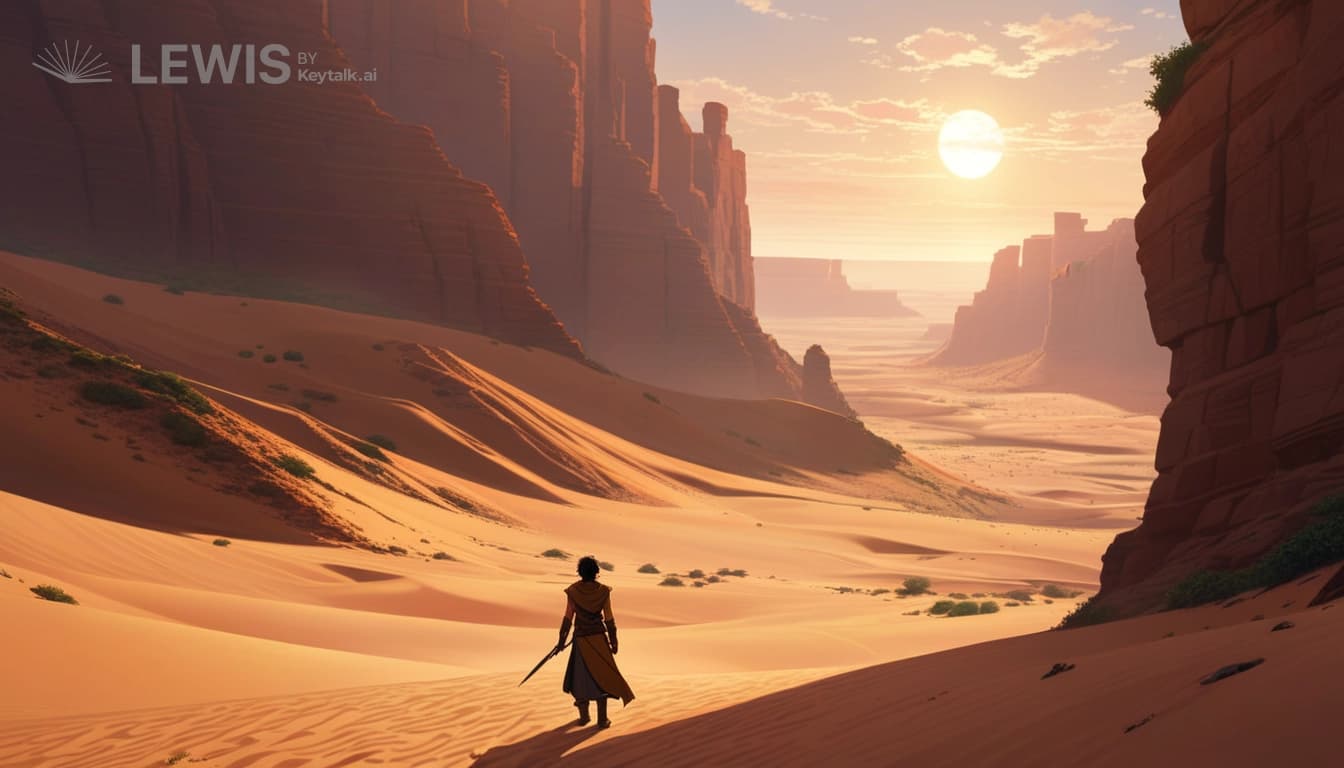
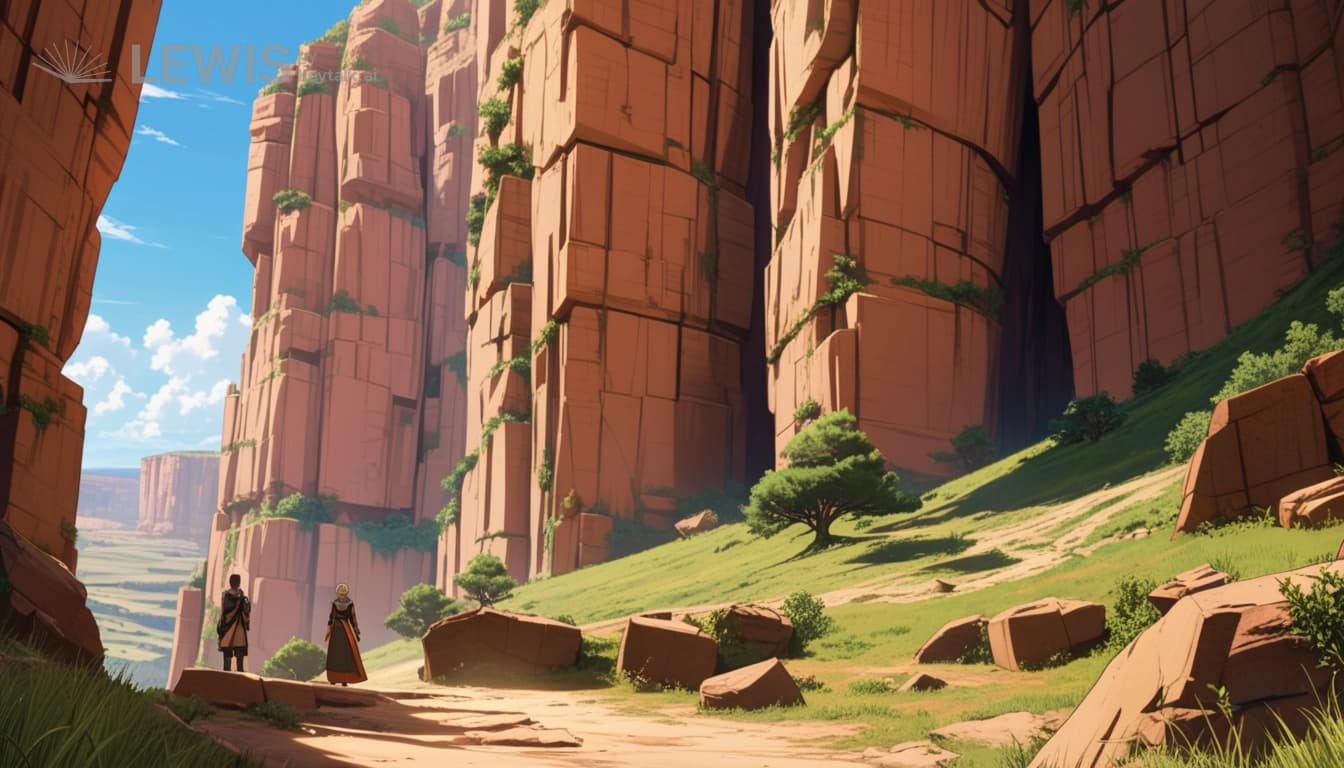
- Place: A narrow canyon carved by centuries of wind, its towering sandstone walls casting jagged shadows over the caravan trail.
- Time: Midday, the sun at its zenith, its relentless heat pressing down on the travelers like an unseen weight.
- Action: Nizar and Malik are joined by Layla bint Zafir, a sharp-tongued smuggler who agrees to guide them through treacherous paths in exchange for a share of the ruins’ rumored treasures. Tensions simmer as Layla’s mistrust of Malik’s imperial intentions clashes with his attempts to assert control, while Nizar remains guarded, hiding the artifact and his mounting visions.
- Impact: The trio's uneasy alliance sets the stage for internal conflicts and shifting loyalties, with each character’s hidden agenda threatening to unravel their mission.
- Description: The canyon walls echo with the faint clatter of hooves and muted arguments as Layla’s piercing gaze sweeps over Malik and Nizar, her presence both a boon and a threat. The oppressive heat mingles with the weight of unspoken secrets, the air thick with the promise of both opportunity and betrayal.
scene 4 image
Scene 4
- Title: The Whispers of Forgotten Power
- Place: A barren expanse of desert, where the sands ripple like molten gold under the fading light, interrupted only by jagged outcrops of blackened rock.
- Time: Dusk, as the sun dips below the horizon, painting the sky in hues of blood and ash, and the desert grows eerily still.
- Action: Nizar begins hearing the artifact’s whispers intensify, their cryptic promises and warnings entwining with his growing visions of ancient civilizations and power. Malik grows suspicious of Nizar’s distracted demeanor, while Layla, sensing something amiss, probes him with sharp questions, her curiosity escalating into veiled threats. The artifact’s influence subtly shifts the group’s dynamics, amplifying paranoia and distrust.
- Impact: The artifact’s growing presence deepens the fractures in the trio’s fragile alliance, heightening tensions and foreshadowing the imminent clash of motives as they near the ruins.
- Description: The twilight casts the desert in an otherworldly glow, the air vibrating faintly with a hum only Nizar can hear. His grip tightens over the hidden artifact, its pulsating warmth a traitorous beacon as Malik’s calculating gaze lingers too long, and Layla’s sharp words cut through the oppressive silence like a blade.
scene 5 image
Scene 5
- Title: The Ruins and the Reckoning
- Place: A labyrinthine city swallowed by sand, its crumbling spires and half-buried archways clawing at the starless night sky, surrounded by an oppressive silence broken only by the occasional moan of the wind.
- Time: Midnight, with the cold desert air carrying an unnatural stillness, as if the ruins themselves are holding their breath.
- Action: The trio steps cautiously into the ruins, the artifact’s glow illuminating ancient carvings that writhe as though alive. Malik reveals his intent to claim the artifact for the empire, igniting a volatile clash of ideals and desperation. Nizar, torn between the whispers of unimaginable power and his yearning for freedom, is forced to confront both Malik’s growing aggression and Layla’s wavering pragmatism as their fragile alliance crumbles.
- Impact: The artifact’s power is revealed to be capable of altering reality itself, turning the ruins into a battleground of ambition, fear, and moral conflict. The trio’s deepest flaws and desires surface, pushing Nizar to an irreversible decision that will define all their fates.
- Description: The ruins seem alive, their shadows shifting with malevolent intent as the artifact hums louder, its glow casting grotesque, shifting patterns on the ancient walls. Malik’s voice rises, commanding and unyielding, while Layla’s sharp eyes dart between him and Nizar, her fingers twitching near the hilt of her blade. Nizar, trembling yet resolute, feels the artifact’s heat searing into his palm, the weight of its power crushing yet intoxicating, as the ruins seem to watch, waiting.
scene 6 image
Scene 6
- Title: The Desert's Embrace of Freedom
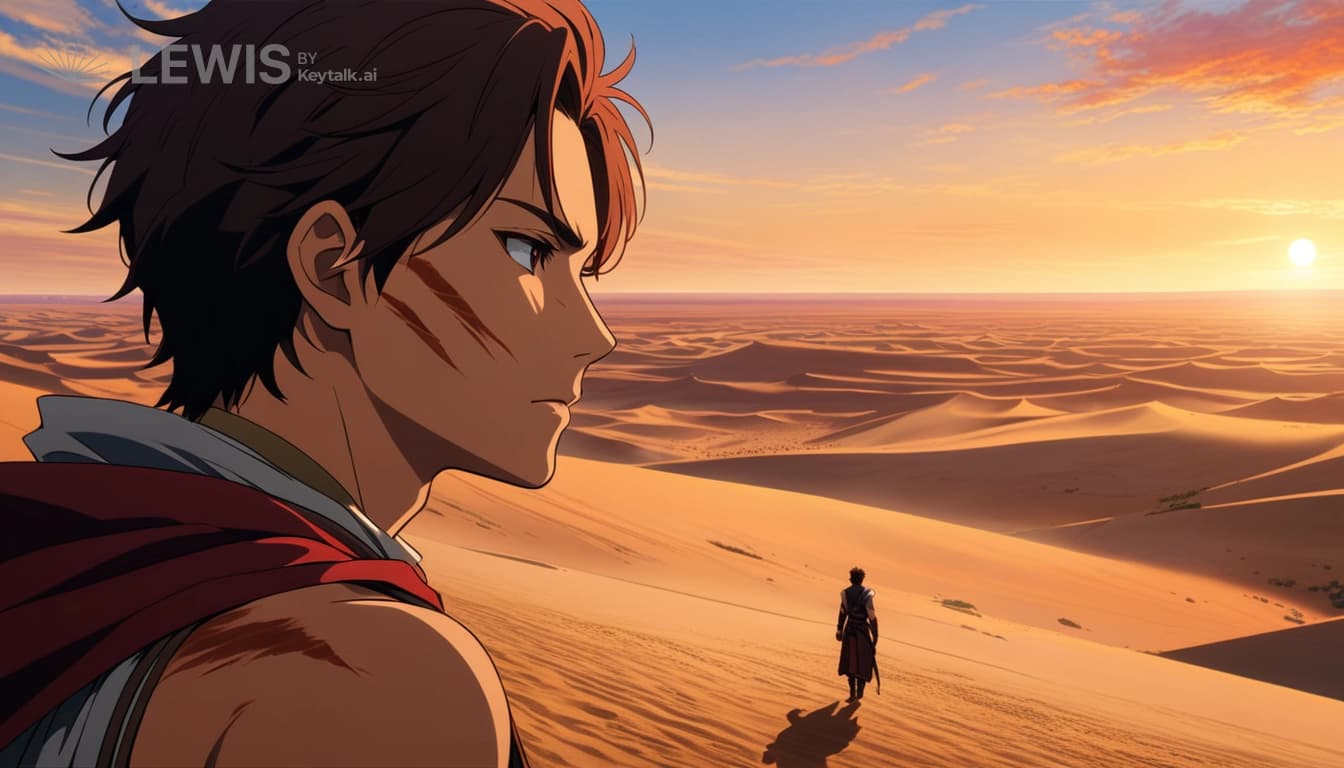
- Place: The vast, endless desert at dawn, where golden sands stretch toward a horizon painted in hues of orange and crimson, the ruins now reduced to a distant, indistinct blur swallowed by the shifting dunes.
- Time: The break of dawn, with the first rays of sunlight casting long shadows and a soft warmth over the cool desert, the air carrying a faint, bittersweet stillness.
- Action: Nizar emerges from the ruins, battered but alive, having destroyed the artifact and severed its hold over him. Malik retreats toward the empire, his ambitions and certainties fractured, while Layla parts ways, her respect for Nizar grudging yet sincere. For the first time, Nizar faces the desert not as a prison but as a boundless expanse, symbolizing the freedom he has claimed through his choices.
- Impact: The destruction of the artifact signifies the end of Nizar’s servitude—both to his masters and to the power he once feared. The trio, changed but no longer bound together, scatters, leaving Nizar to chart his own path in a world now filled with infinite possibilities.
- Description: The desert greets Nizar with a quiet, solemn beauty, the sands shimmering like molten gold under the rising sun. His chains, both literal and metaphorical, lie buried in the ruins behind him, and though his body bears the scars of his journey, his gaze is steady and unbroken. The desert stretches endlessly before him, no longer a cage but a canvas, its emptiness alive with promise.
'**The Sands of Sovereignty**'Story Chat

Want to chat with the characters from this story?

'**The Sands of Sovereignty**'Story Chat

Want to chat with the characters from this story?

story image
story image
story image

You might also like

Comments0

rank icon image
#2 inConcept
rank icon image
#3 inConcept
rank icon image
#25 inConcept

Recommendation from YLAB Town

theme music