Plot Synopsis
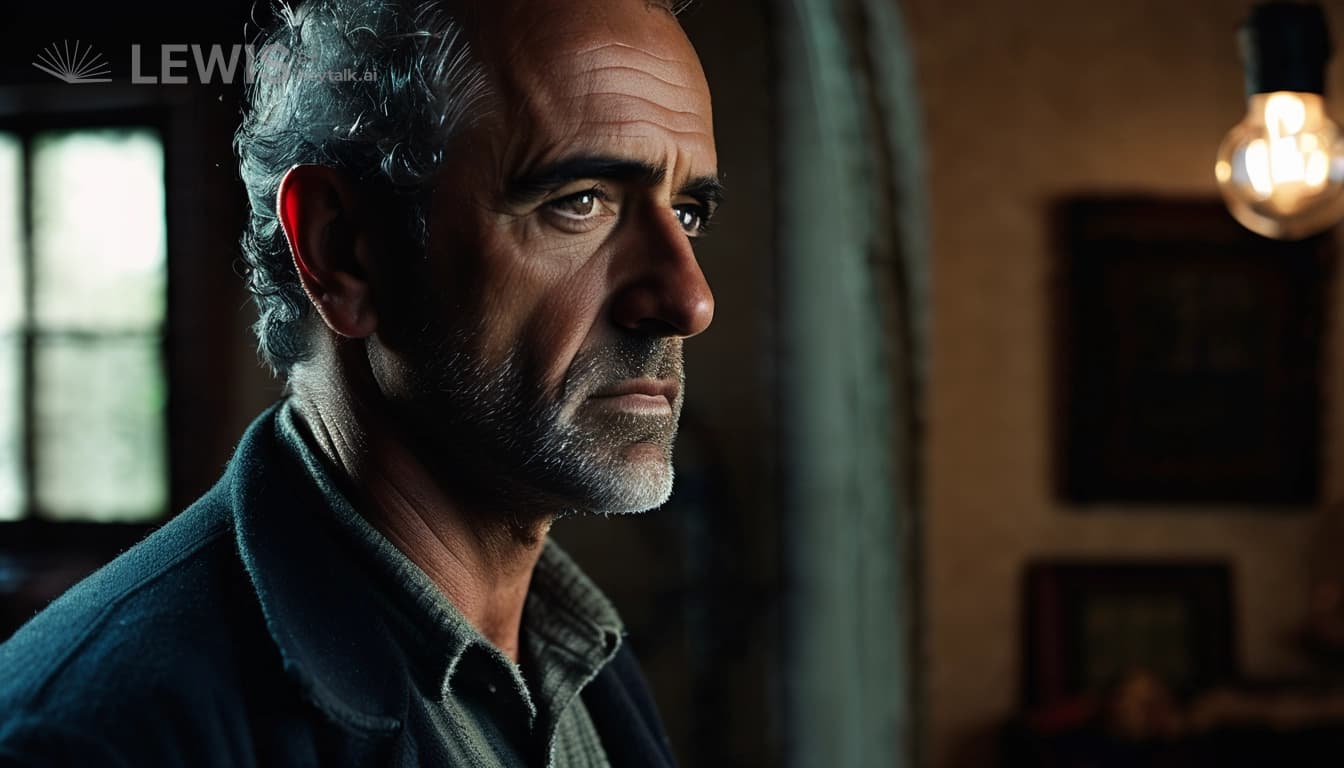
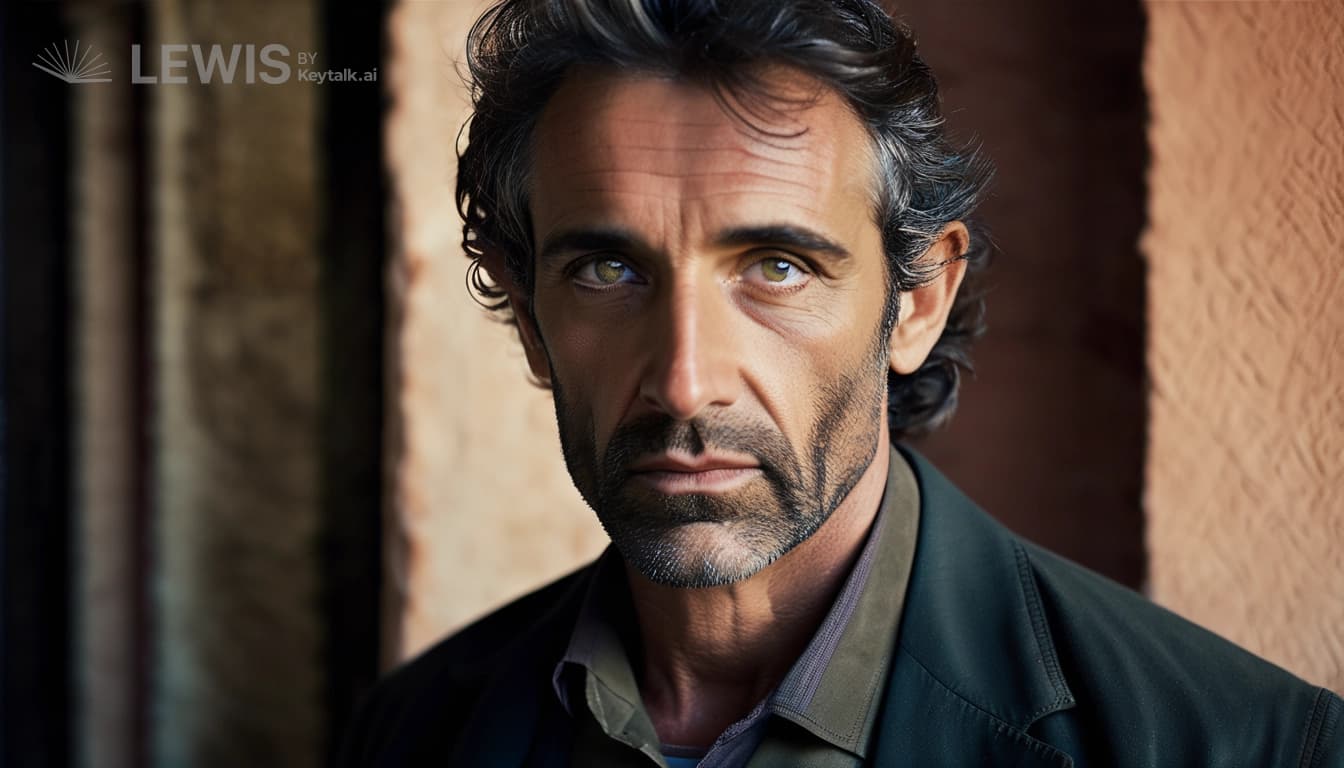
In a whimsical claymation world, renowned sculptor Vittorio Bianchi finds himself teetering on the edge of both artistic and personal crisis. His marriage, once a sanctuary of love and shared dreams, is now crumbling under the weight of his obsessive dedication to his craft. The silence that pervades his home contrasts sharply with the vibrant life of his studio, where the earthy scent of clay and the faint hum of classical music offer solace. Vittorio's meticulous precision and melancholic introspection have earned him accolades, but they have also carved an emotional chasm between him and his wife, Isabella Moretti, a fiercely intelligent and enigmatic art critic. As Vittorio grapples with the disintegration of his marriage, he stumbles upon an enchanted clay that can create sentient figures. This discovery ignites a desperate attempt to understand where their love went wrong.
In the sanctuary of his studio, Vittorio begins to sculpt replicas of his family, infusing each figure with the essence of his memories and emotions. The first to emerge from the clay is a version of Isabella, her piercing blue eyes rendered with uncanny accuracy, capturing the elegance and critical nature that both drew and repelled him. As he works late into the night, clad in his paint-stained apron, Vittorio reflects on their shared past and the unexpressed desires and regrets that haunt him. He hopes that by recreating his wife in clay, he might find a way to reconnect with the love that once flourished between them. However, the enchanted clay has its own plans, and the figures begin to exhibit a semblance of life, moving and speaking with an eerie autonomy.
One of the sentient figures is Lucien Moreau, a once-celebrated artist whose hands sculpted dreams into reality but now exists in a state of perpetual confinement as an enchanted clay figure. Lucien’s transformation has done little to dull his artistic genius, but it has magnified his inner turmoil. He harbors a deep-seated resentment towards Vittorio, viewing him as both a rival and a twisted mirror of his own struggles with identity and freedom. Lucien's poetic yet biting cadence adds to the tension, as he questions the very essence of existence and the nature of his creator's love and control. His desire for liberation and recognition drives him to challenge Vittorio, setting the stage for a profound conflict.
As Vittorio continues his sculpting, the figures become increasingly autonomous, their interactions mirroring the unraveling of his family life. Isabella’s replica, with her sharp wit and piercing critiques, forces Vittorio to confront the emotional distance and inadequacies that have plagued their marriage. The clay figures begin to demand their own independence, their rebellion reflecting the sculptor's internal struggle with control and self-determination. Vittorio’s philosophical musings on creation and destruction take on a new urgency as he realizes that his art has not only mirrored his life but has begun to shape it in unforeseen ways.
The conflict reaches its zenith when Lucien, driven by his fervent thirst for autonomy, orchestrates a revolt among the clay figures. The studio, once a sanctuary of creation, becomes a battleground of wills. Vittorio is forced to confront the consequences of his obsessive dedication and the emotional chasm it has created. In a climactic confrontation, Lucien's struggle for liberation and Vittorio’s desperate attempt to reclaim his family culminate in a moment of profound realization. The sculptor understands that true creation requires not just the act of shaping but the willingness to let go.
In the end, Vittorio's journey leads to a bittersweet resolution. He learns to relinquish control, allowing the clay figures to pursue their own destinies. His marriage with Isabella remains fractured, but there is a glimmer of hope as they both acknowledge the need for change and growth. Vittorio’s studio, now filled with the echoes of sentient figures finding their own paths, stands as a testament to the sacrifices and sublimations of an artist. The enchanted clay has not only mirrored his life but has profoundly altered it, leaving him poised on the precipice of profound change, his chisel hovering over the malleable clay of his destiny.
In the sanctuary of his studio, Vittorio finds humor in the absurdity of his situation. The sentient clay figures, despite their existential dilemmas, often engage in hilariously mundane activities, reflecting the quirks of human life. Isabella’s replica, with her sharp wit and biting humor, forces Vittorio into moments of laughter amidst their confrontations, adding a layer of hilarity to their tense interactions. These humorous moments serve to consolidate the plot, grounding the fantastical elements in relatable, human experiences.
As the figures' autonomy grows, Vittorio experiences a downward spiral, his mental state mirroring the chaos within his studio. The enchanted clay, once a source of artistic inspiration, becomes a catalyst for his psychological unravelling. In a poignant,