Plot Synopsis
Amano Shizuka, a coroner with an artist's eye and a morbid fascination, finds his unique talents unexpectedly thrust into the spotlight, blurring the line between the reverence of death and the allure of macabre performance art.
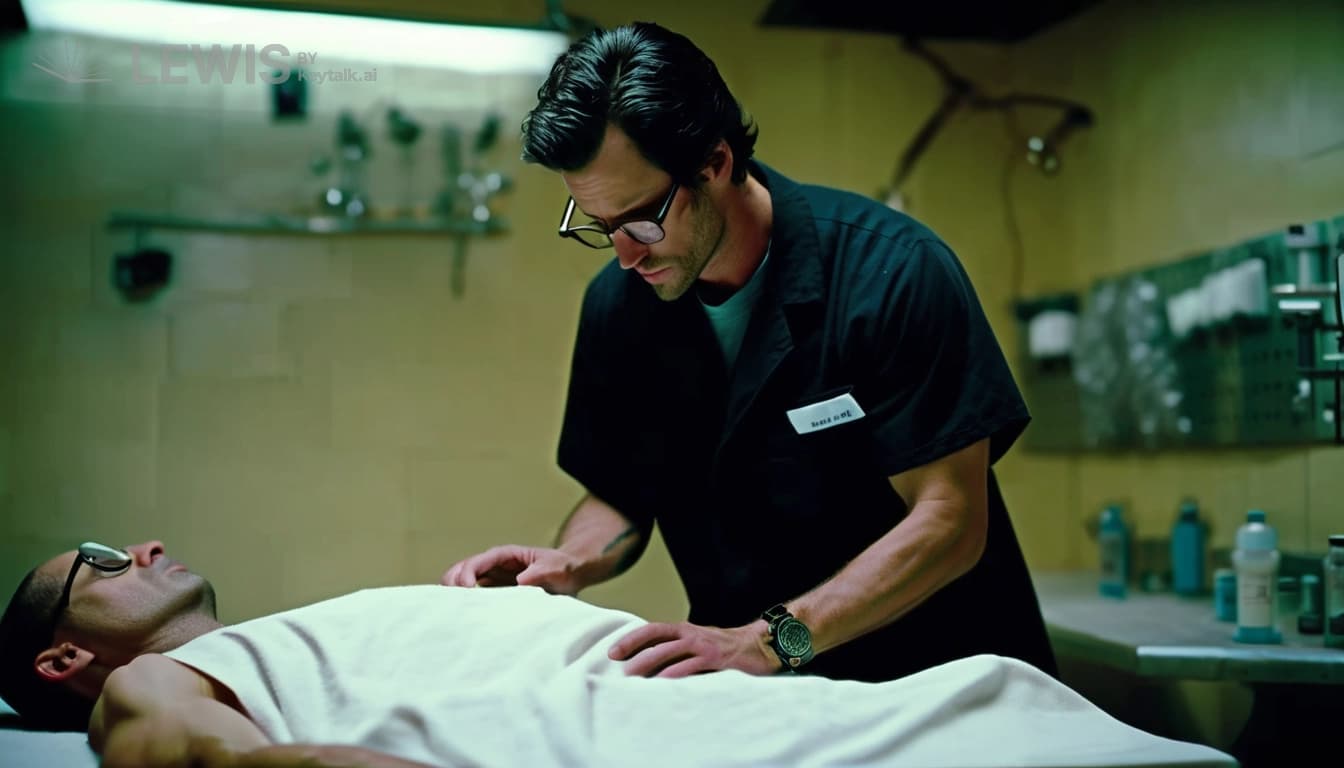
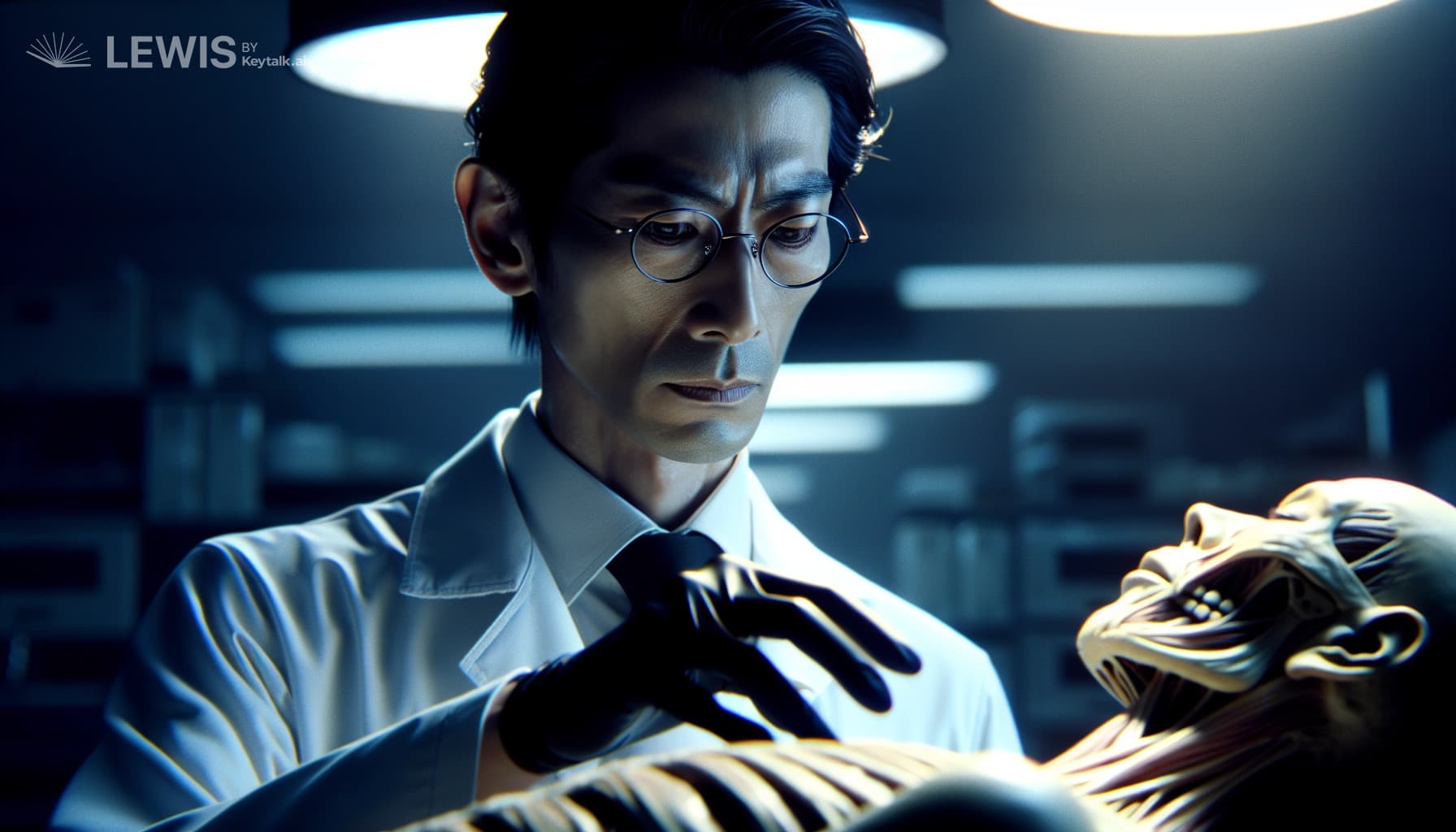
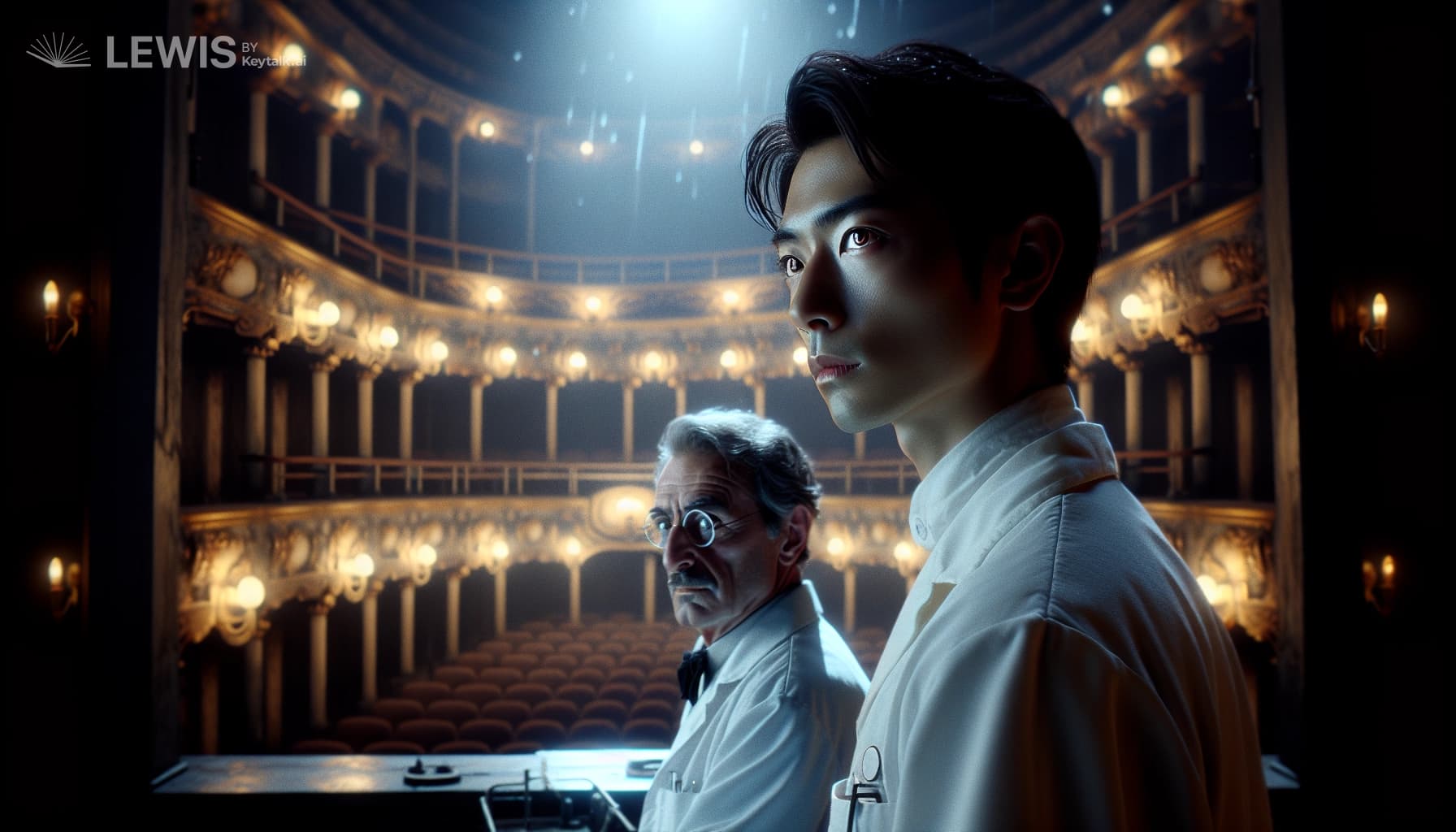
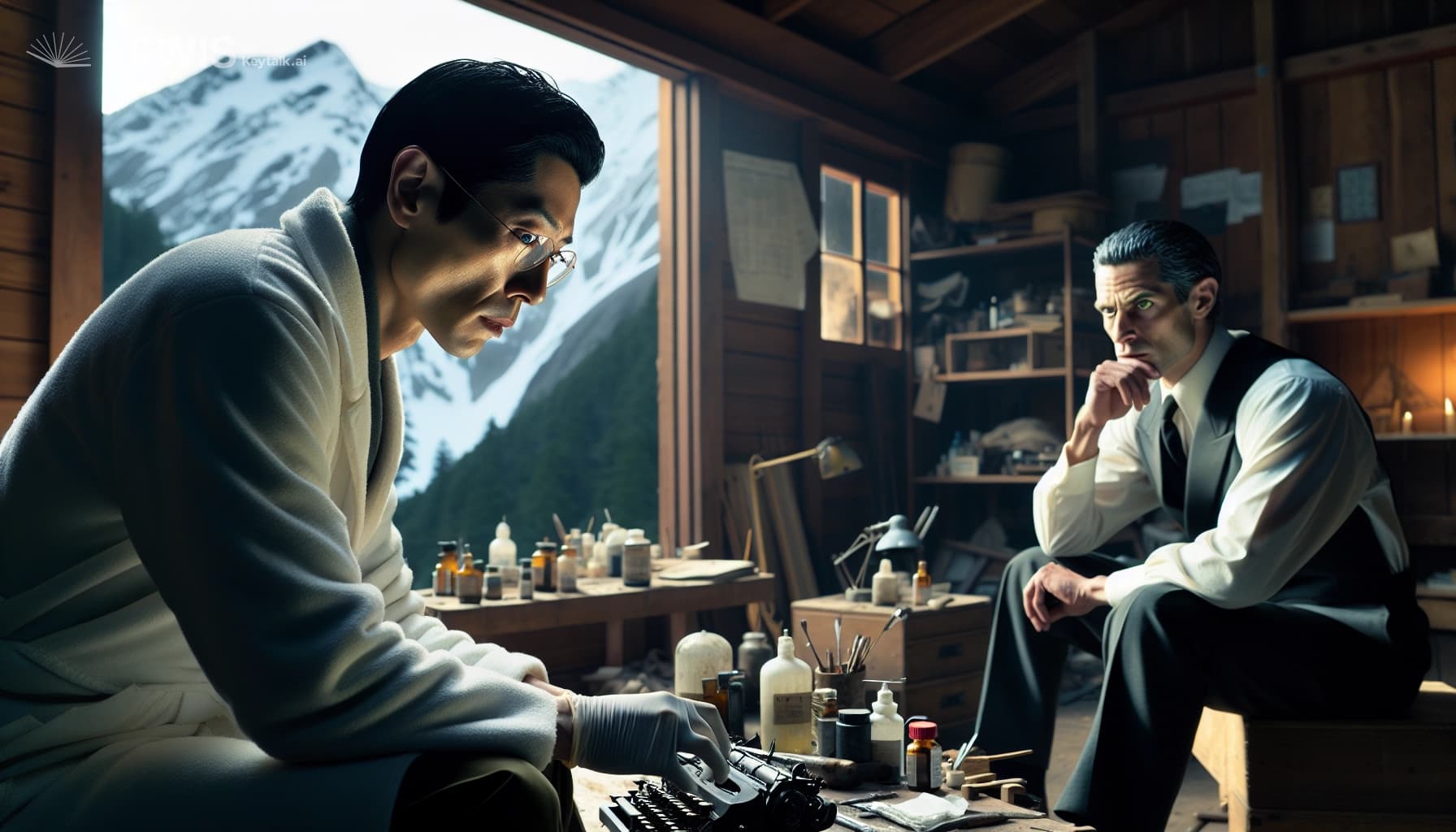
Amano, a man who navigates the world of the deceased with an unsettling serenity, treats each autopsy as a macabre masterpiece. His meticulous embalming techniques, bordering on the artistic, become a whispered legend within the sterile walls of the city morgue. Vittorio Bellini, a jaded art critic with a penchant for the unconventional and a hunger for genuine originality, catches wind of Amano's peculiar talents. Intrigued and seeking to shake up the stagnant art scene, Vittorio arranges a clandestine meeting, his curiosity piqued by the rumors of Amano's artistry.
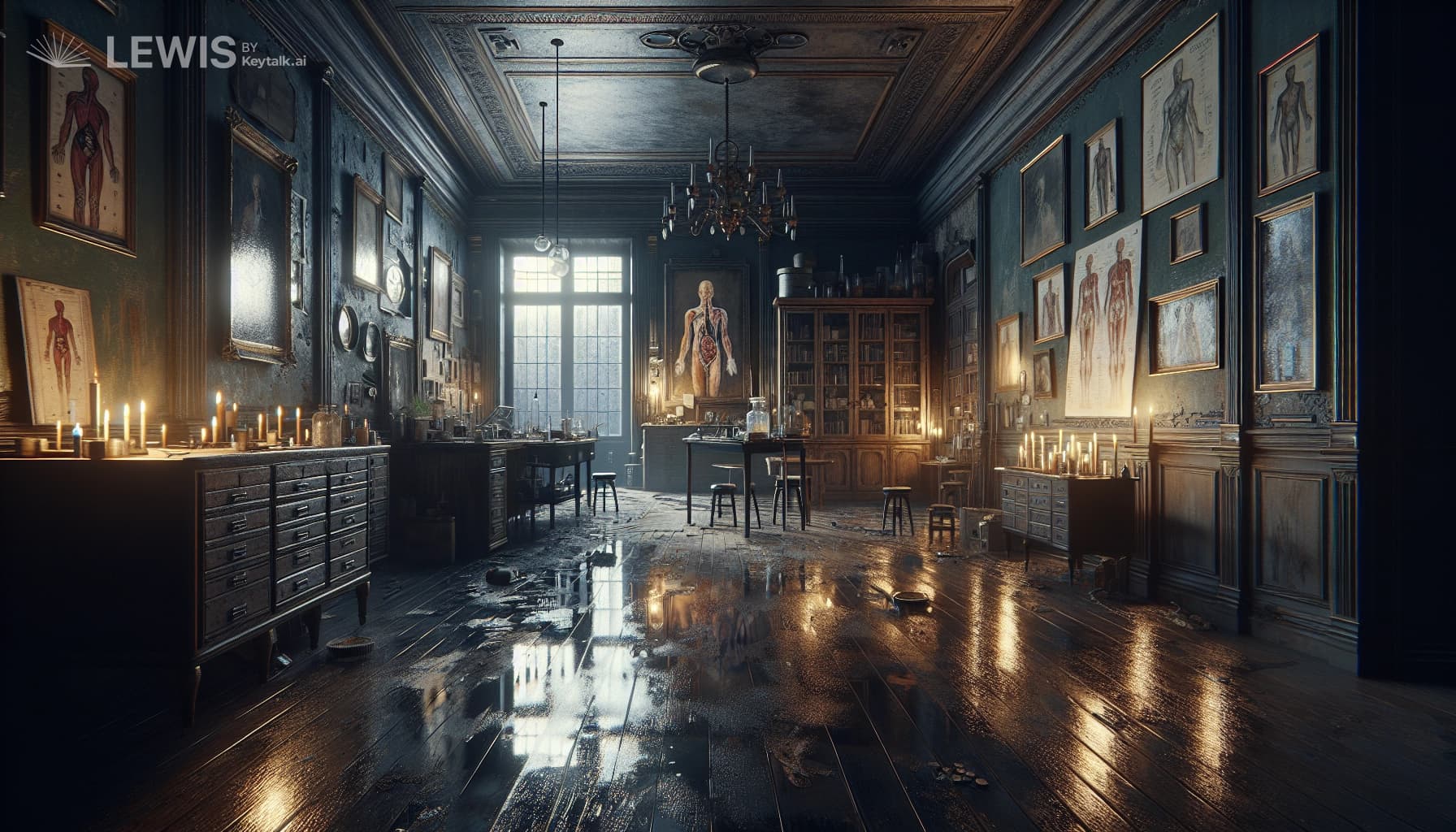
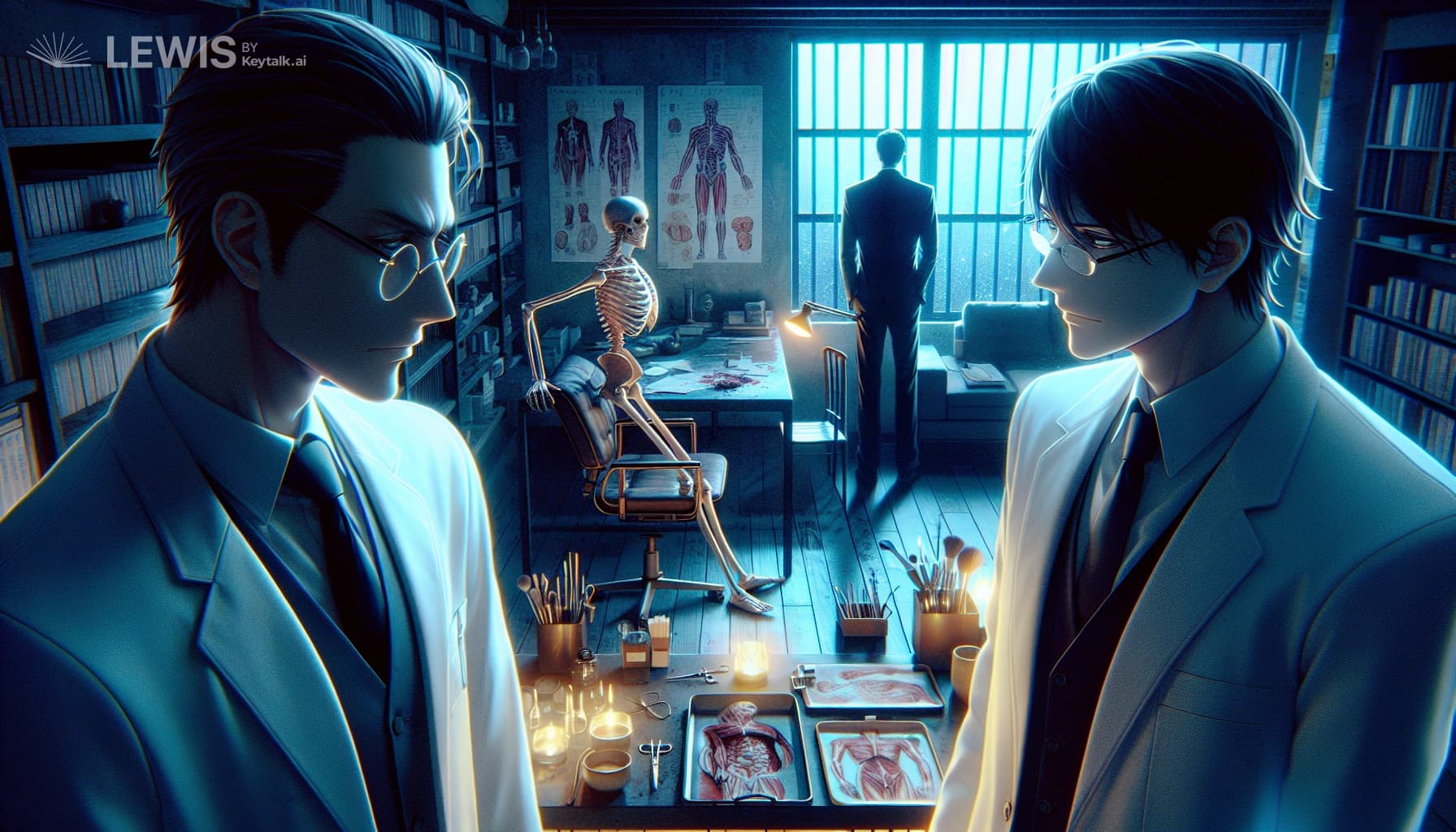
Their meeting, orchestrated in the stillness of Amano's apartment, a space where anatomical drawings mingle with the tools of his trade, is both a clash of personalities and a meeting of minds. Amano, initially indifferent to the attention, finds himself drawn to Vittorio's challenge: to elevate his work from the confines of the morgue and into the realm of art. Vittorio, sensing an opportunity to make his mark on the art world, proposes an exhibition unlike any other – a macabre showcase of Amano's embalming artistry, veiled as avant-garde sculpture.
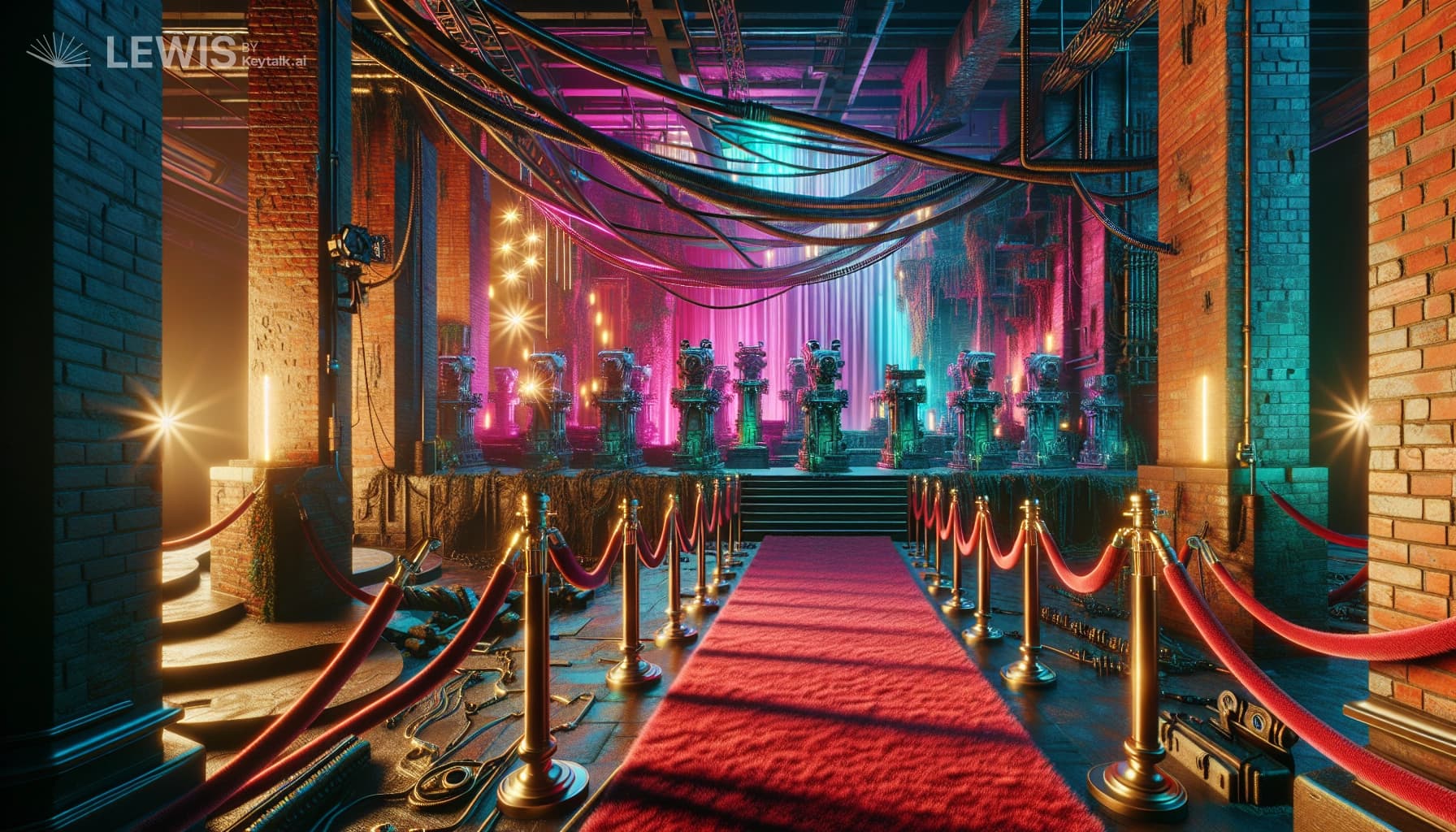
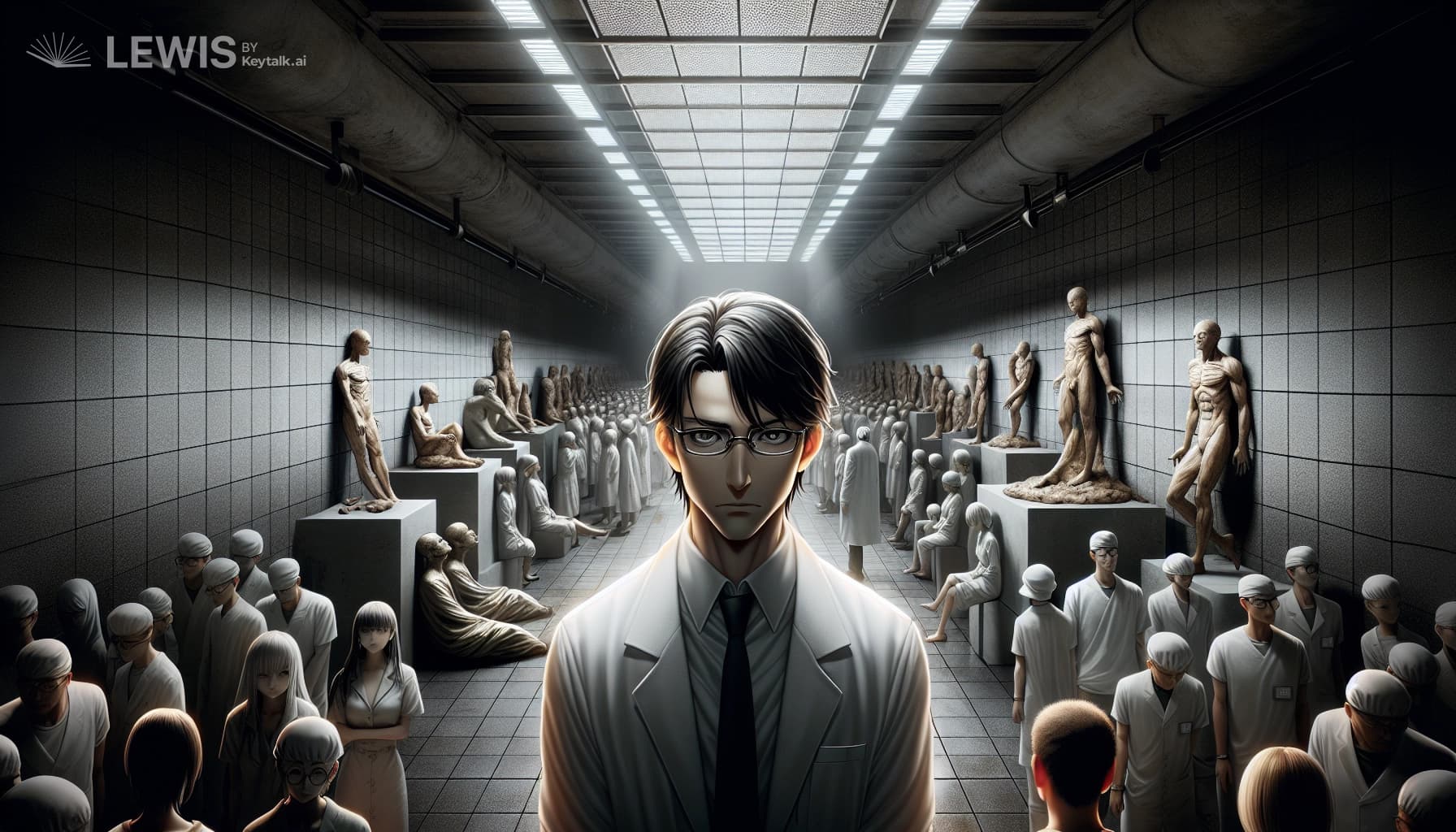
Word of the exhibition, shrouded in secrecy and whispered rumors, spreads through the city's underground art scene like a virus. The opening night is a spectacle of morbid curiosity and nervous excitement, a stark contrast to the hushed reverence of Amano's morgue. The crowd, a mix of art patrons, thrill-seekers, and the morbidly curious, reacts with a mixture of awe and disgust. Amano, thrust into the unfamiliar role of an artist, finds himself both repulsed and strangely exhilarated by the reactions he elicits.
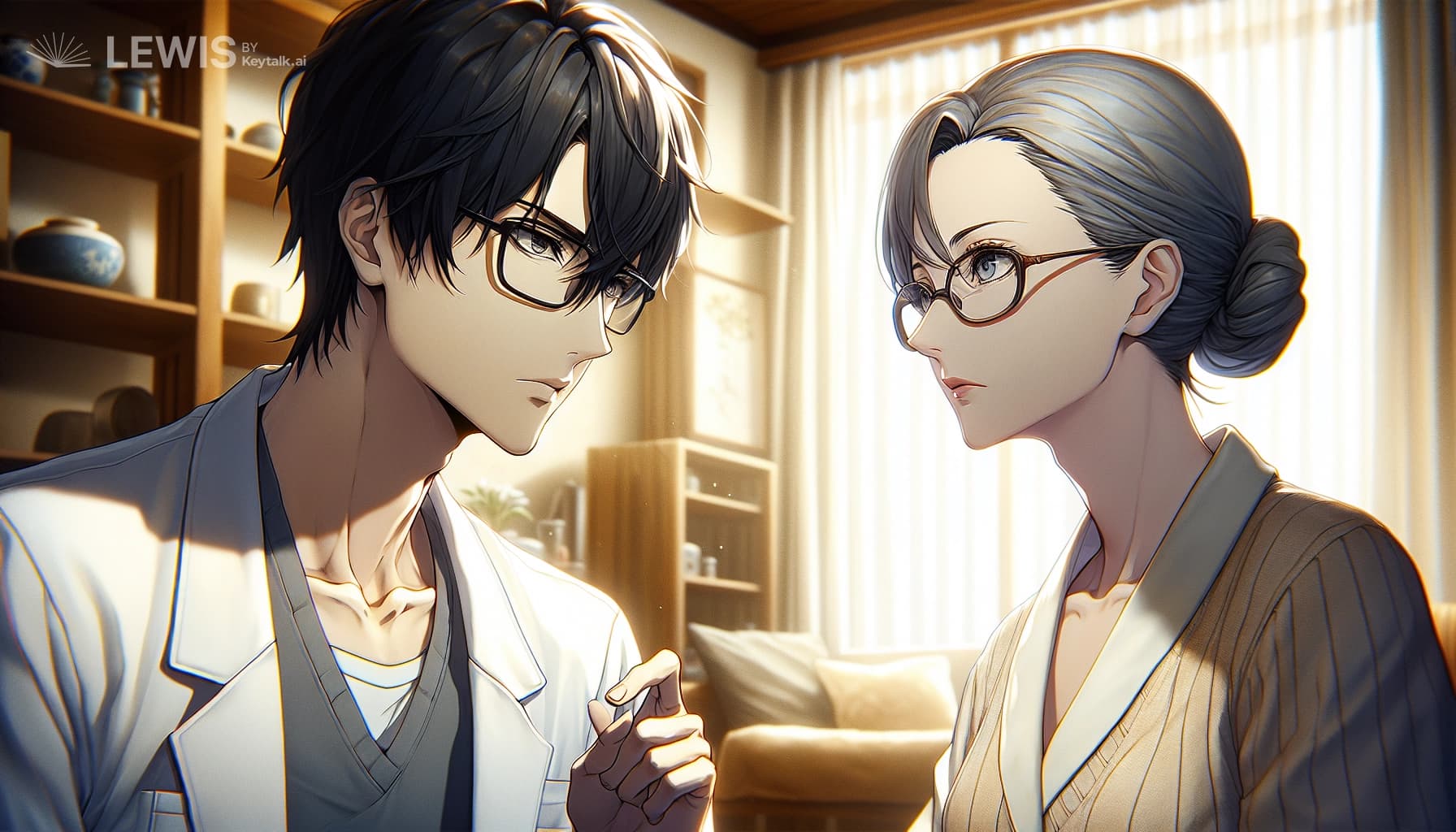
As the lines between artist and mortician blur, Amano's work draws the attention of Valdís Sigurðardóttir, a textile conservator and Amano's only confidante. Valdís, accustomed to the quiet beauty of aged fabrics, recognizes a kindred spirit in Amano, but she is also the first to voice her concern, recognizing the dangerous path he is on. Her words, however, fall on deaf ears as Amano, intoxicated by the attention and his own burgeoning artistic ego, delves deeper into his macabre performances.
The lines between life and death, art and exploitation, become increasingly blurred as Amano's performances grow bolder, his creations more lifelike, and his audience's hunger for the macabre grows insatiable. The climax arrives with Amano's most daring piece yet, a tableau of life perpetually suspended in death, a mirror reflecting the audience's own mortality back at them. The exhibition becomes a night of chaos and revelation, forcing both Amano and Vittorio to confront the consequences of their actions and the ethical boundaries they have crossed. In the aftermath, Amano disappears, leaving behind the echoes of his macabre art and the question of whether his creations were a celebration of life, a mockery of death, or something more unsettling altogether.