Amidst the rhythmic chaos of a 1960s underground jazz scene, a rebellious teenage girl, grappling with her father's authoritarian grip over the family's prestigious musical legacy, embarks on an unexpected journey of self-discovery, rebellion, and forgiveness, entwined with a mysterious trumpet player whose melodies unlock the doors to her innermost dreams and fears.
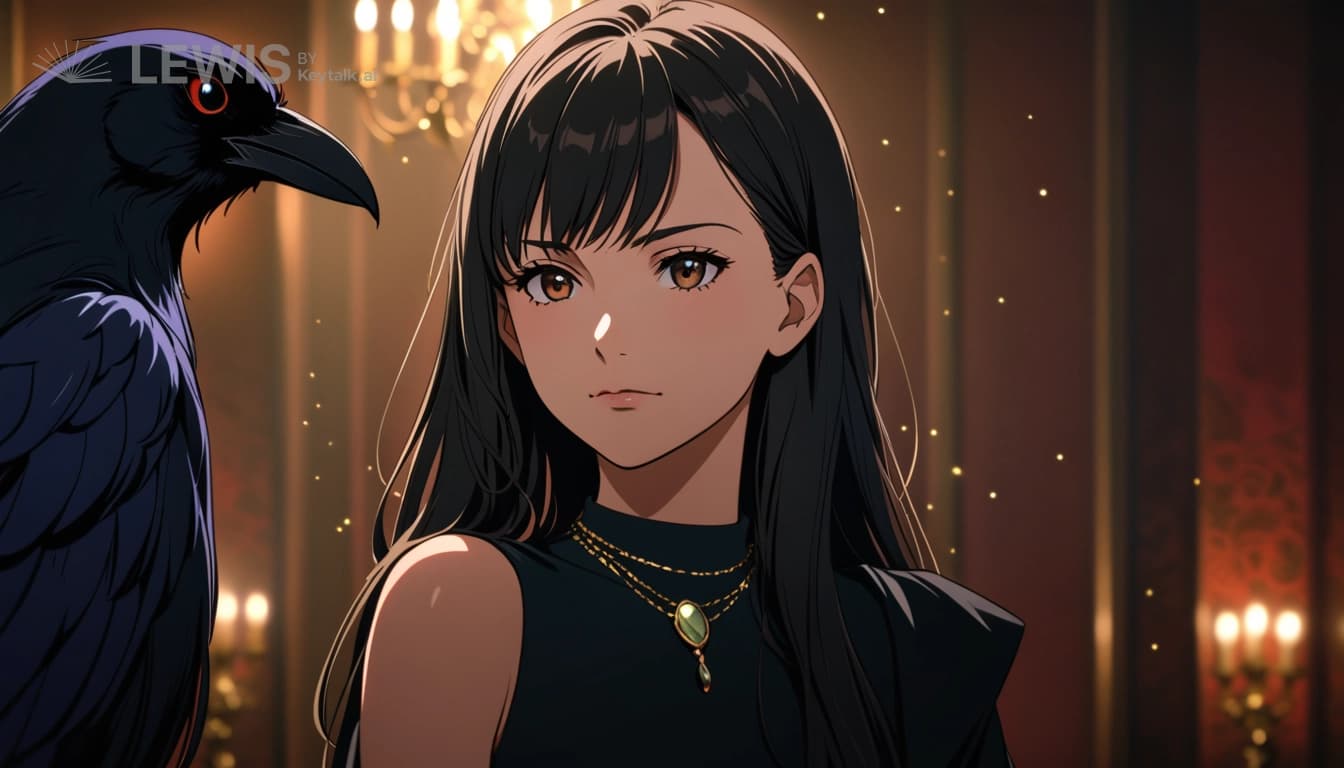
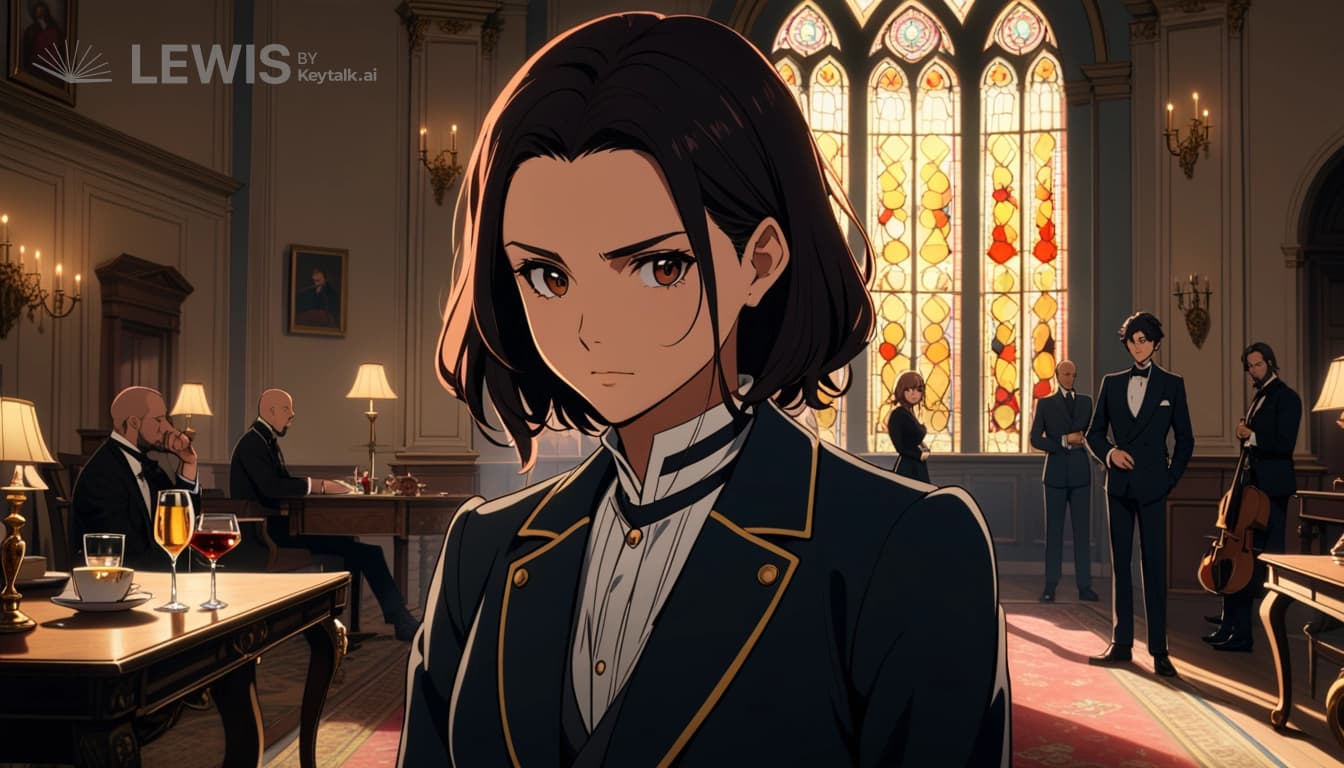
Amidst the rhythmic chaos of a 1960s underground jazz scene, Giovanna Rossi, a rebellious seventeen-year-old, grapples with her father's authoritarian grip over the family's prestigious musical legacy. Raised under the looming shadow of her father, Vittorio Lombardi, a high-minded music producer with an unyielding dedication to artistic perfection, Giovanna finds herself torn between reverence for her father's achievements and a burgeoning desire for autonomy. This tumultuous relationship fuels her rebellious streak, leading her to clandestinely frequent smoky clubs where the raw, unrefined energy of jazz resonates with her untamed spirit.
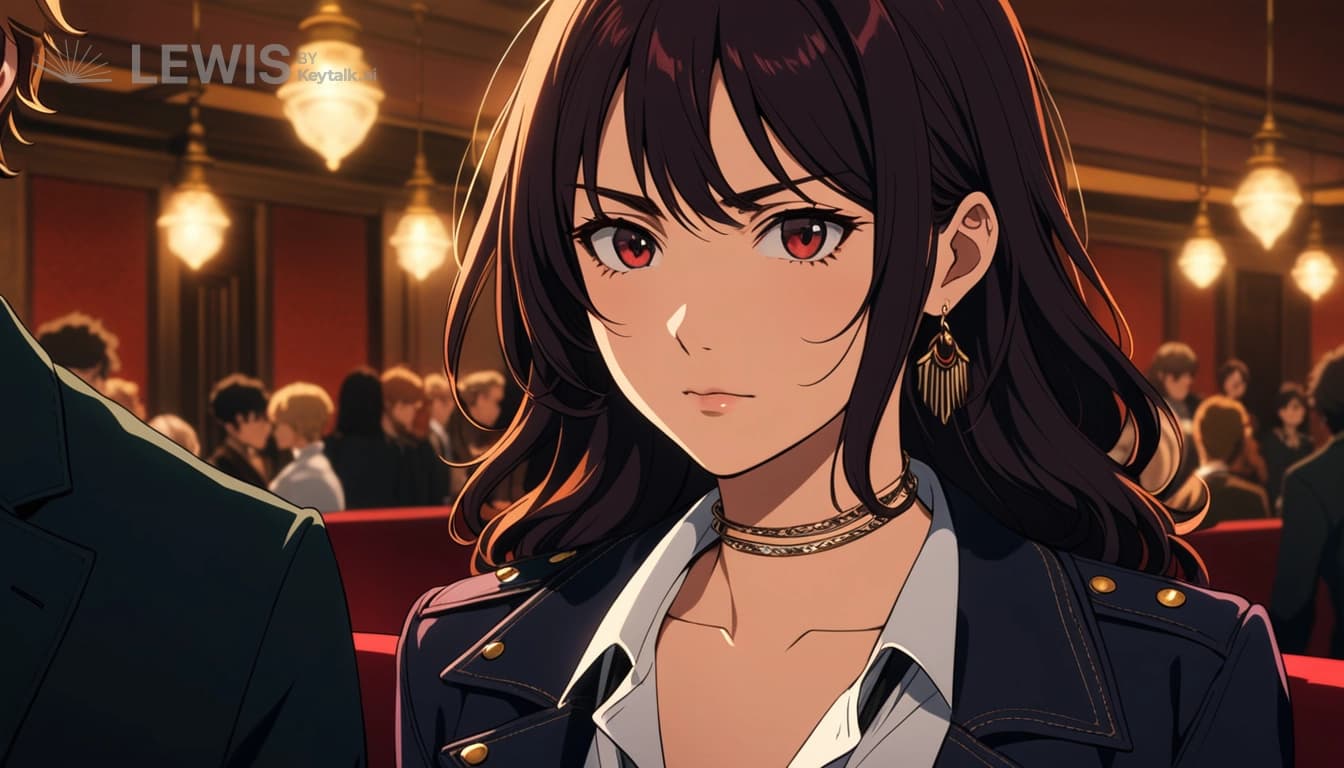
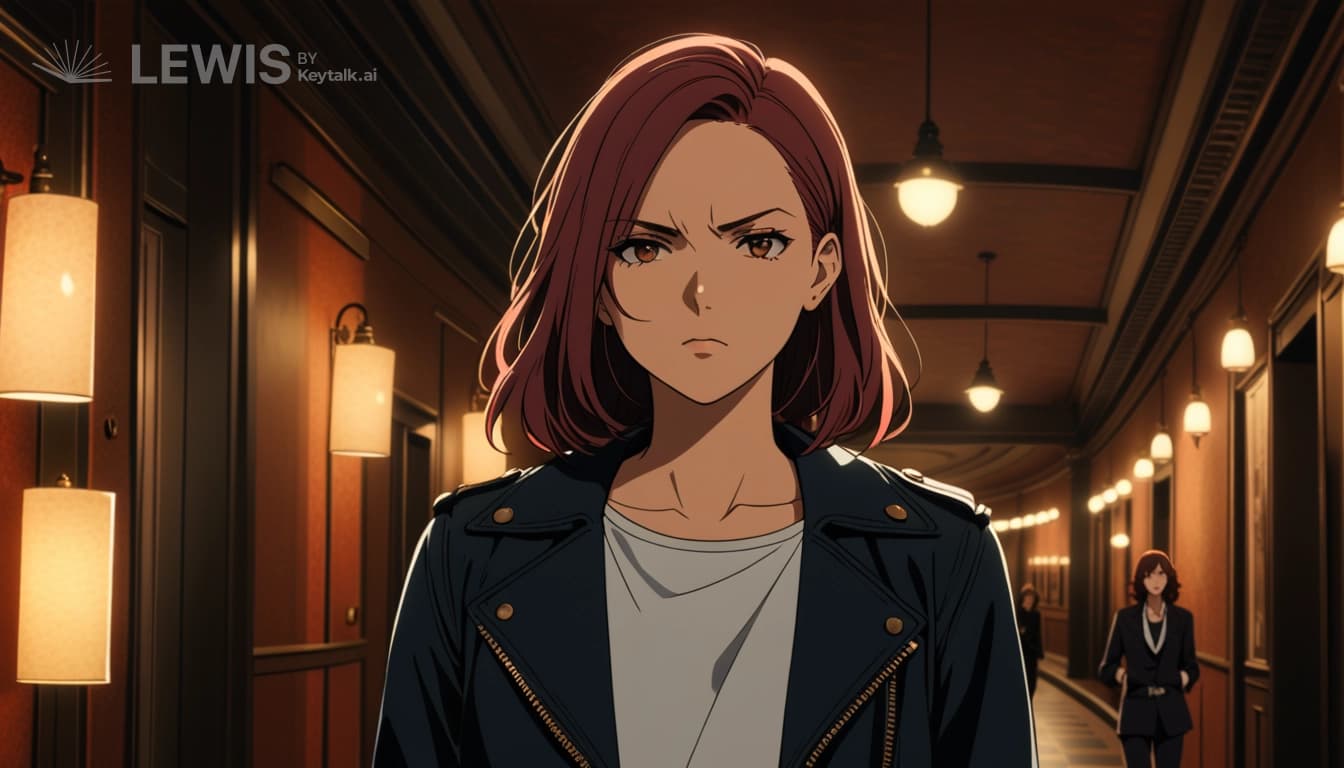
Giovanna's journey of self-discovery begins one fateful night when she encounters Alessandro "Sandro" Bellini, a 25-year-old jazz trumpet player whose soulful melodies captivate her. Sandro, an enigmatic figure in the underground jazz world, embodies a fierce defiance against the constraints of a male-dominated industry. Her rational demeanor and profound musical talent strike a chord with Giovanna, igniting an unexpected friendship that challenges and inspires her. Drawn to Sandro's unwavering determination to carve her own path despite societal expectations, Giovanna begins to see a reflection of her own struggles and aspirations.
As Giovanna and Sandro's bond deepens, they embark on a journey through the vibrant, tumultuous world of underground jazz. Giovanna's talent for piano, marked by her penchant for improvisation, flourishes under Sandro's mentorship. Together, they navigate the exhilarating highs and crushing lows of the jazz scene, their music becoming a powerful conduit for expression and rebellion. However, Giovanna's newfound freedom and burgeoning independence come at a cost, as her relationship with her father grows increasingly strained.
Vittorio, entrenched in his rigid ideals and unwavering commitment to preserving the Lombardi legacy, views Giovanna's rebellion as a direct affront to his life's work. His authoritarian grip tightens, leading to explosive confrontations that lay bare the deep-seated tensions between father and daughter. Vittorio's complex emotions, a blend of love, fear of inadequacy, and an uncompromising standard for artistic integrity, render him both a formidable antagonist and a figure of tragic depth. His inability to reconcile his high standards with the evolving nature of jazz and his daughter's individuality becomes a central conflict in the narrative.
As the story progresses, Giovanna's journey of self-discovery takes a darker turn. The underground jazz scene, with its intoxicating allure, reveals its shadows—substance abuse, exploitation, and the relentless pressure to succeed. Giovanna finds herself grappling with her innermost dreams and fears, her once unbridled defiance tempered by the harsh realities of the world she has chosen. Sandro, too, faces her own demons, her rational mind at odds with the emotional depth of her music, creating a poignant parallel to Giovanna's struggles.
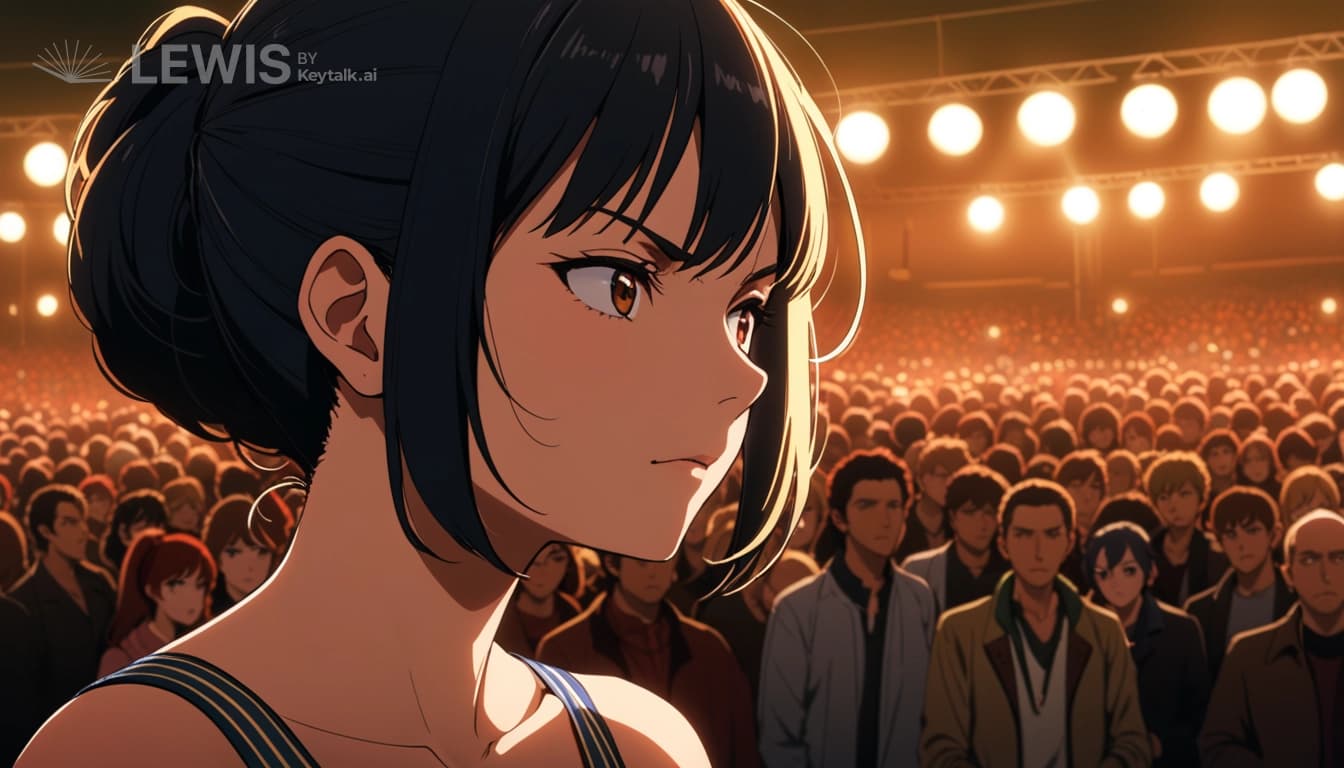
In the climactic resolution, the stage is set for an electrifying performance at a renowned underground jazz festival. Giovanna, determined to assert her independence, prepares for a solo performance that will either solidify her place in the jazz world or unravel under her father's scrutinizing gaze. Vittorio, despite his objections, attends the event, his presence a looming specter of judgment. As Giovanna takes the stage, the tension is palpable, her fingers trembling over the piano keys.
The performance begins with a hauntingly beautiful melody, a testament to Giovanna's technical prowess and emotional depth. As the piece progresses, she transitions into an improvised segment, her music reflecting the tumultuous journey she has endured. Each note resonates with raw emotion, weaving a tapestry of defiance, vulnerability, and unyielding passion. The audience is entranced, the energy in the room electric.
In a moment of pure catharsis, Giovanna's music reaches a fever pitch, the intensity of her performance a direct challenge to her father's rigid ideals. Vittorio, watching from the sidelines, is visibly moved, his stern facade cracking under the weight of his daughter's unrestrained expression. As the final notes fade into an echoing silence, the room erupts in thunderous applause, the audience recognizing the profound transformation they have witnessed.
Vittorio, his eyes glistening with unshed tears, approaches the stage. In a rare moment of vulnerability, he acknowledges Giovanna's talent and the unique voice she has forged. This tentative understanding marks a pivotal shift in their relationship, a fragile truce born from mutual respect and love. Their reconciliation, though fraught with lingering tensions, signifies the beginning of a new chapter, one where both father and daughter can coexist without the shadow of artistic tyranny.
The story concludes with Giovanna and Sandro standing at the precipice of a new beginning. Giovanna, having navigated the labyrinth of self-discovery, rebellion, and forgiveness, emerges as a more nuanced, resilient individual, ready to forge her own path in the world of music. Sand
Keytalk Prompts Used
Climax & Ending
well_paced
Model Used
GPT-4o
text
Stable Diffusion
image
Story Details
Keytalk Prompts Used
See all Keytalks
Model Used
GPT-4o
text
Stable Diffusion
image
✦
Character
Protagonist Character
Giovanna Rossi
GenderFemale
OccupationHigh school student
Profile
Giovanna Rossi, a seventeen-year-old high school student, is a tempestuous blend of defiance and sensitivity, her spirit as untamed as the jazz that reverberates through the smoky clubs she clandestinely frequents. Raised under the shadow of her father’s stern legacy—a virtuoso whose name commands reverence in the world of music—she navigates life with a mixture of reverence and resentment. Her father’s rigid expectations clash violently with her burgeoning desire for autonomy, fueling a rebellious streak that sees her slipping out into the night, drawn to the raw, unrefined energy of the underground jazz scene. Giovanna’s passion for music is undeniable, yet it manifests in ways that defy traditional boundaries; her talent for playing the piano is matched only by her penchant for improvisation, a metaphor for her approach to life. Her speech, often peppered with the slang of the era and an unfiltered frankness, reflects a mind that is both curious and critical, yet her eyes betray a depth of unvoiced dreams and fears. She yearns for a world where she can forge her own path, unencumbered by the weight of familial expectations. Her relationship with music is both a sanctuary and a battlefield, each note a step towards self-discovery. Despite her outward bravado, Giovanna harbors a contemplative side, often found scribbling poetry in the margins of her textbooks or losing herself in the melancholic solace of a solitary walk. This dichotomy between rebellion and introspection renders her a character of profound complexity, poised on the brink of a transformative journey.
Antagonist Character
Alessandro "Sandro" Bellini
GenderFemale
OccupationJazz Trumpet Player
Profile
Alessandro "Sandro" Bellini, a 25-year-old jazz trumpet player, stands as an enigmatic figure amidst the vibrant and tumultuous underground jazz scene of the 1960s. Her rational demeanor, often a stark contrast to the chaotic world she inhabits, is both her shield and her sword. Sandro is a valiant soul, her courage not only visible in the fierce, soulful melodies she coaxes from her trumpet but also in her steadfast refusal to conform to the expectations of a male-dominated industry. Despite her sweet nature, she harbors a deep-seated frustration and a lingering sadness, remnants of a past where her dreams were often dismissed due to her gender.
Raised in a conservative family in Florence, Sandro's early life was steeped in the rich traditions of classical music, where her talents were nurtured but her aspirations to explore jazz were stifled. Her rebellion against these constraints led her to the smoky clubs and hidden basements of New York City, where she now carves out a precarious living, her days spent in rehearsals and nights lost in the intoxicating swirl of improvisation and rhythm.
Sandro's relationships are few but profound. Her connection to the music is almost spiritual, and her trumpet is both her confidante and her voice. Her aspirations are not for fame, but for a deeper, almost ethereal understanding of her art and self. She is driven by an insatiable curiosity and a desire to push the boundaries of her musical expression.
Internally, Sandro grapples with a complex web of emotions. She is haunted by the fear of mediocrity and the shadow of her family's prestigious legacy, yet she is equally propelled by a fervent desire to forge her own path. Her speech is a blend of formal articulation and the colorful slang of the jazz world, her words often laced with a subtle, biting wit. She avoids profanity, preferring instead to use sharp, incisive language to make her points.
Sandro's greatest challenge lies in reconciling her rational mind with the emotional depth of her music. This dichotomy fuels her internal conflict, making her journey one of both external adventure and profound personal discovery. Her role in the story is that of a supporting character, a catalyst for the protagonist's own journey of self-discovery and rebellion. Through her, the protagonist will learn that true freedom comes not from defiance alone but from the courage to face one's innermost fears and dreams.
Sandro's quirks and talents are manifold. She has an uncanny ability to memorize complex musical pieces after a single hearing and a peculiar habit of tapping out rhythms with her fingers whenever she is deep in thought. Her presence in the story is a blend of inspiration and challenge, her rationality a steadying force, her bravery a beacon, and her hidden vulnerabilities a mirror to the protagonist's own struggles.
Sidekick Character
Vittorio Lombardi
GenderMale
OccupationMusic Producer
Profile
Vittorio Lombardi, at 45, stands as a formidable figure in the 1960s underground jazz scene. As a high-minded music producer, his profound understanding of the jazz genre is both a strength and a potential flaw. His stringent adherence to the preservation of his family’s prestigious musical legacy has earned him a reputation for being high-minded, often to the point of arrogance.
Vittorio's past is a mosaic of rigorous discipline and relentless pursuit of musical excellence. Born into a family that revered jazz almost as a religion, he was groomed from an early age to uphold and enhance the Lombardi legacy. His father, a renowned jazz musician, instilled in him a sense of duty and an uncompromising standard for artistic integrity. This upbringing has made Vittorio a man of complex emotions, balancing a deep love for music with an authoritarian streak that often alienates those around him.
Currently, Vittorio is entrenched in the chaotic vibrance of the underground jazz world, managing and producing some of the era's most promising talents. He resides in a modest yet stylish apartment, its walls adorned with records and memorabilia from the golden age of jazz. His life is a whirlwind of late-night recording sessions, intense rehearsals, and the ever-present hum of saxophones and trumpets.
Vittorio’s relationships are a tangled web of respect, fear, and unspoken tension. He is both a mentor and a tyrant to the young musicians he produces, admired for his expertise but often resented for his harsh criticism. His aspirations are singular: to ensure that the Lombardi name remains synonymous with musical excellence. However, this single-minded dedication often blinds him to the emotional and personal needs of those around him.
Internally, Vittorio grapples with a profound sense of responsibility and an underlying fear of inadequacy. His personal philosophy is a stark blend of idealism and pragmatism, believing that true art can only emerge from struggle and discipline. This belief drives him to push others to their limits, often at the cost of personal relationships.
One of Vittorio's ongoing challenges is his inability to reconcile his high standards with the evolving nature of jazz and the world around him. His growth area lies in learning to balance his respect for tradition with the acceptance of innovation and individuality.
Vittorio’s unique quirks include a penchant for meticulously arranging his vinyl collection in chronological order and an almost ritualistic approach to his morning espresso, which he brews with the precision of a maestro. His speech is formal and measured, with a slight Italian accent that adds to his authoritative presence. He rarely uses profanity, preferring sharp, articulate critiques that cut deeper than any curse.
As an antagonist in the story, Vittorio’s high-minded nature and profound influence over the underground jazz scene set him up as a formidable obstacle for the protagonist. His rigid control and authoritarian grip on his family’s legacy will challenge the protagonist’s journey of self-discovery and rebellion, creating a dynamic and emotionally charged conflict.
Keytalk Prompts Used
Antagonist Character
valiant
sweet_lady
Sidekick Character
profound
high_minded
Model Used
GPT-4o
text
Stable Diffusion
image
✦
World
1. Where/When: The setting is the vibrant and tumultuous underground jazz scene of New York City during the 1960s. This period is characterized by cultural upheaval, artistic innovation, and a fervent push against societal norms.
2. Important rules of the universe and how it impacts the story: In this world, the underground jazz scene operates under a strict dichotomy of reverence for the genre's rich history and a relentless drive towards innovation. There is an unspoken code among musicians to honor the legacy of jazz while pushing its boundaries through improvisation and personal expression. This tension between tradition and innovation is central to the story, influencing the characters' motivations and conflicts. The patriarchal nature of the society and industry further complicates the dynamics, particularly for female musicians like Giovanna and Sandro, who must navigate both gender biases and artistic expectations.
3. The visual description of the universe: The underground jazz clubs of 1960s New York City are a sensory overload of dimly lit rooms, filled with the smoky haze of cigarettes and the heady aroma of spilt whiskey. The walls are adorned with sepia-toned photographs of jazz legends, their eyes watching over the new wave of musicians who now claim the stage. The air is thick with the sounds of trumpets, saxophones, and pianos, each note a testament to the raw, unfiltered energy that defines the scene. The clubs themselves are a patchwork of worn leather booths, scuffed wooden floors, and makeshift stages, creating an atmosphere that is both gritty and electrifying. Outside the clubs, the city pulses with the rhythm of change, its streets alive with activism, art, and the constant hum of urban life.
4. Notable technologies or philosophies of the universe that impact the story: The technological landscape of this world is marked by analog recording equipment and vinyl records, tools that capture the authenticity and imperfection of live jazz performances. Reel-to-reel tape recorders and portable record players are prized possessions among musicians, allowing them to preserve and share their art. The philosophy of the underground jazz scene is one of rebellion and self-expression, where improvisation is not just a musical technique but a way of life. This philosophy clashes with the more rigid, perfectionist ideals held by characters like Vittorio, creating a fertile ground for conflict and growth. The prevailing social movements of the 1960s—civil rights, gender equality, and artistic freedom—also permeate the story, influencing the characters' actions and aspirations.
In this richly textured world, Giovanna Rossi's journey of self-discovery, rebellion, and eventual reconciliation unfolds against a backdrop of musical brilliance and societal change, creating a narrative that is as emotionally charged as it is culturally resonant.
Location 1
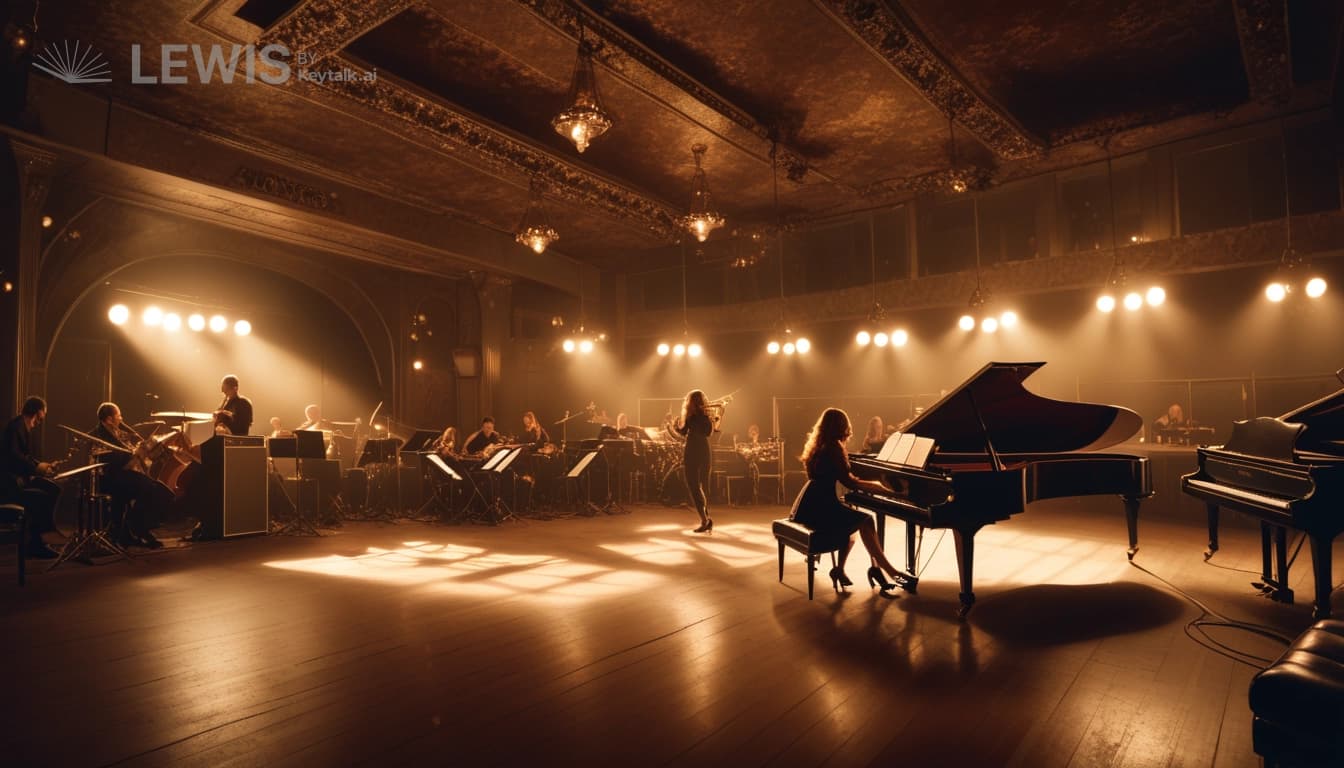
- Title: The Blue Note Lounge - Description: The Blue Note Lounge, shrouded in a haze of cigarette smoke, hums with the frenetic energy of the 1960s underground jazz scene. Dimly lit by flickering neon signs, the room pulses with the raw, unrestrained rhythms of improvisational jazz, the air thick with the scent of whiskey and rebellion. Here, amidst the cacophony of saxophones and the soulful wail of Sandro's trumpet, Giovanna Rossi embarks on her clandestine journey of self-discovery, her fingers dancing over piano keys in defiance of her father's authoritarian grip.
Location 2
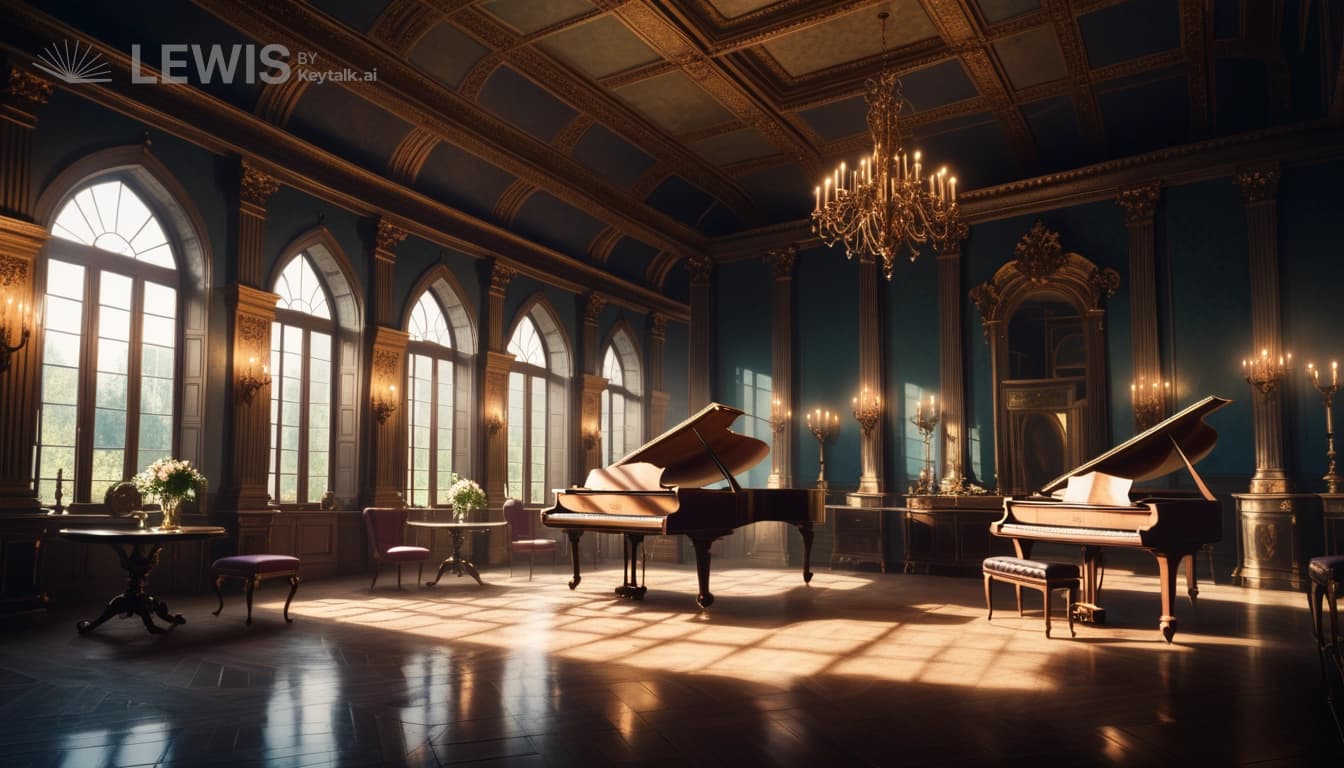
- Title : Vittorio's Studio Sanctuary - Description: The dimly lit sanctuary of Vittorio's studio, with its walls adorned with gold records and vintage instruments, becomes a battleground where Giovanna's rebellious spirit clashes with her father's unwavering commitment to artistic perfection. The air crackles with tension as their heated arguments reverberate through the room, each note on the grand piano a stark reminder of their irreconcilable ideals. Here, amidst the relics of a prestigious musical legacy, Giovanna's struggle for autonomy reaches a fever pitch, setting the stage for an explosive confrontation.
Location 3
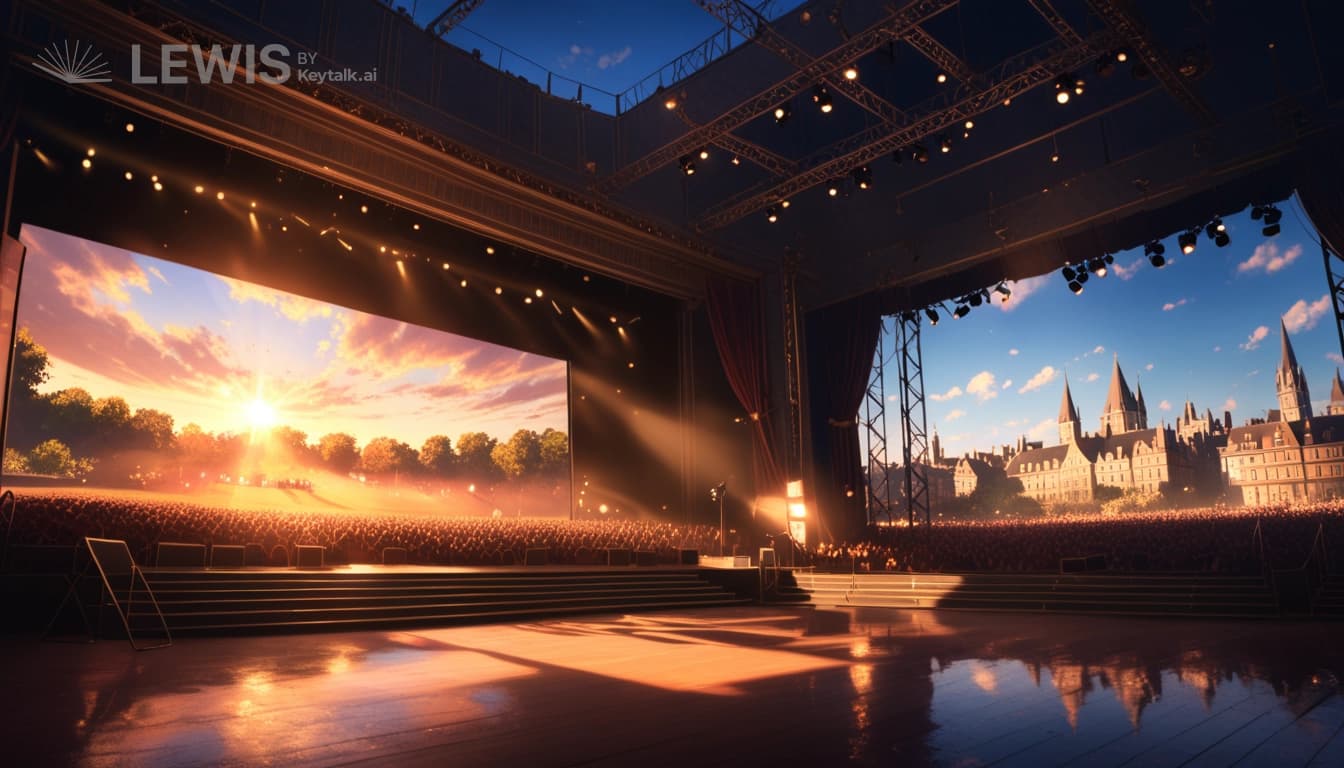
- Title: Greenwich Village Jazz Festival Stage - Description: The dimly lit stage of the Greenwich Village Jazz Festival thrums with an electric energy as Giovanna steps into the spotlight, her heart pounding in rhythm with the expectant hush of the audience. Under the vigilant gaze of her father, she weaves a tapestry of defiant, poignant melodies that encapsulate her tumultuous journey, each note a testament to her unyielding spirit and raw emotion. As the final echoes of her performance fade, the room erupts in applause, signaling the fragile yet profound reconciliation between her and Vittorio, a moment of catharsis and newfound respect.
Keytalk Prompts Used
Visual & Sound
new_wave
Model Used
GPT-4o
text
Stable Diffusion
image
Scenes
01
Scene 1
- Title : The Shadow of Lombardi - Place: The Lombardi family estate, Milan - Time: Late evening, 1962 - Action: Giovanna clashes with her father, Vittorio, over her desire to explore jazz. - Impact: This confrontation sets the stage for Giovanna's rebellion and her journey into the underground jazz scene. - Description: In the opulent parlor of the Lombardi estate, the tension between Giovanna and her father mounts as she defiantly declares her love for jazz, her father's stern visage casting a long, oppressive shadow over her aspirations.
02
Scene 2
- Title : A Melancholic Encounter - Place: A smoky underground jazz club, Milan - Time: Midnight, 1962 - Action: Giovanna meets Sandro Bellini for the first time, captivated by her soulful trumpet performance. - Impact: This encounter ignites a deep connection and sets the foundation for Giovanna's journey of musical self-discovery and rebellion. - Description: Amid the haze of cigarette smoke and the hum of murmured conversations, Giovanna's eyes lock onto Sandro, her trumpet's melancholic notes weaving a spell that resonates with Giovanna's yearning for freedom and individuality.
03
Scene 3
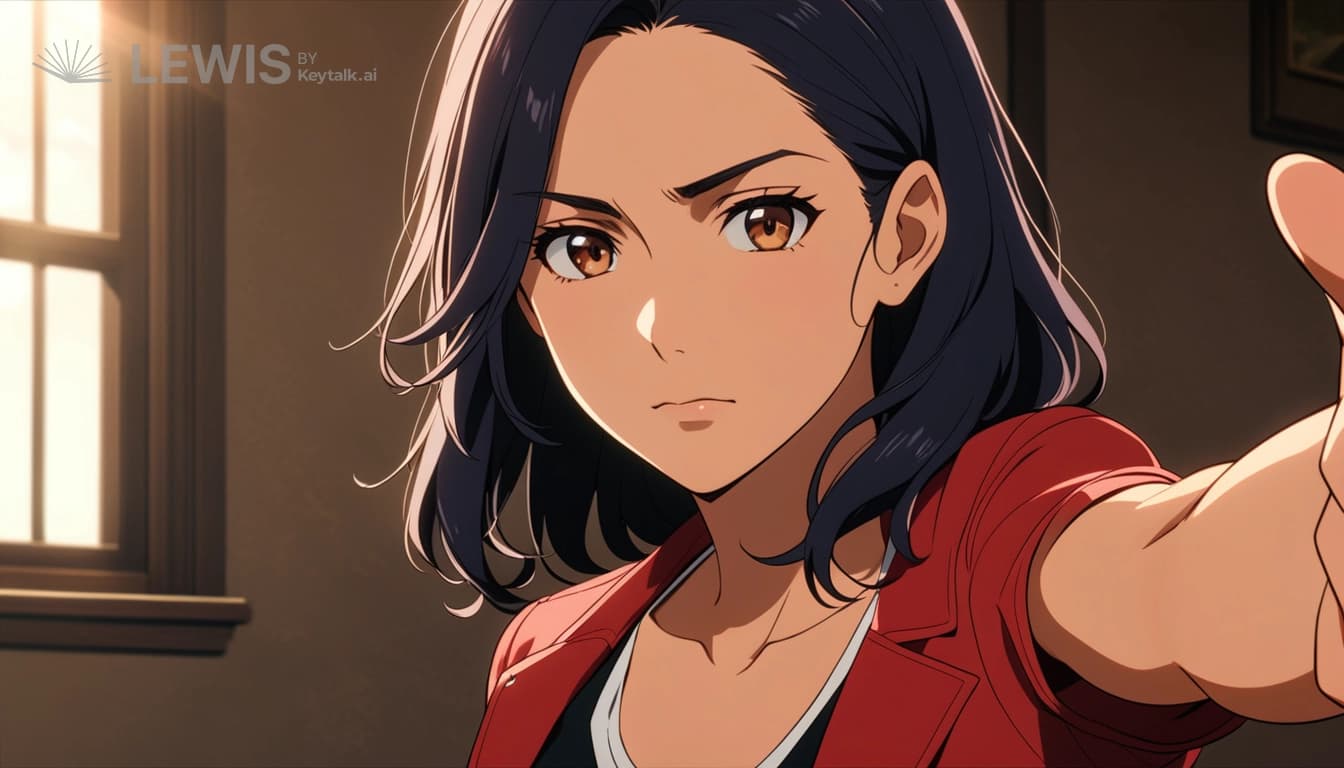
- Title : The Crescendo of Rebellion - Place: Sandro's modest apartment, Milan - Time: Late afternoon, 1962 - Action: Giovanna and Sandro practice together, their music a rebellious blend of improvisation and raw emotion, as Giovanna's frustrations with her father fuel her intense performance. - Impact: The bond between Giovanna and Sandro strengthens, and Giovanna's defiance against her father's rigid control intensifies. - Description: Sunlight filters through the dusty windows, illuminating the room where Giovanna's fingers dance across the piano keys with fervent intensity, each note a defiant declaration against the suffocating expectations of her father, while Sandro's trumpet wails in a harmonious rebellion.
04
Scene 4
- Title: Confronting the Titan - Place: Vittorio Lombardi's grandiose music studio, Milan - Time: Evening, 1962 - Action: Giovanna confronts her father, Vittorio, in a heated argument about her place in the music world and his overbearing control, leading to a dramatic clash of ideals and emotions. - Impact: The confrontation deepens the rift between them, pushing Giovanna further towards independence and solidifying her resolve to break free from her father's dominance. - Description: The opulent studio, with its pristine instruments and framed accolades, becomes a battleground where Giovanna's voice, quivering with both anger and determination, challenges the immovable force of Vittorio's authoritarian presence, each word stripping away the veneer of their strained relationship.
05
Scene 5
- Title: The Dark Side of Jazz - Place: A dimly lit underground jazz club, hidden in the labyrinthine streets of Milan - Time: Late night, 1962 - Action: Giovanna and Sandro find themselves drawn deeper into the underbelly of the jazz scene, encountering the harsh realities of substance abuse and exploitation that permeate the world they once found enchanting. - Impact: Giovanna's idealized perception of the jazz world shatters, leading her to confront her own vulnerabilities and the price of her rebellion. - Description: The smoky haze of the club obscures the faces of the musicians, their soulful tunes tinged with an underlying sadness, while the patrons, lost in the grip of addiction, paint a stark contrast to the vibrant melodies, casting a somber shadow over Giovanna's quest for autonomy.
06
Scene 6
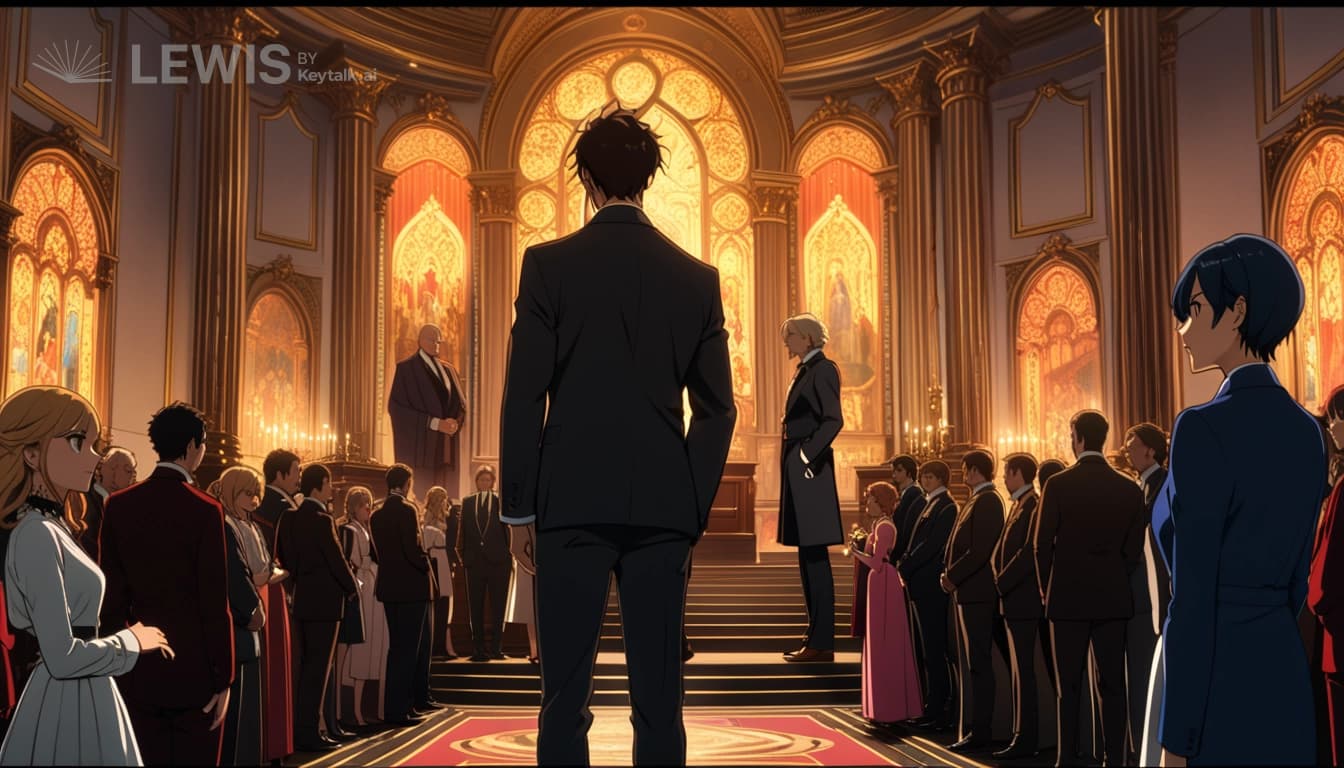
- Title : The Symphony of Reconciliation - Place: A renowned underground jazz festival, Milan - Time: Evening, 1962 - Action: Giovanna performs a solo piece that encapsulates her journey of defiance and self-discovery, under the scrutinizing gaze of her father, Vittorio, culminating in a moment of mutual acknowledgment and tentative understanding. - Impact: The performance serves as a cathartic release for Giovanna and a pivotal moment in mending her fractured relationship with her father, marking the beginning of a fragile truce based on mutual respect and love. - Description: As Giovanna's hauntingly beautiful melody transitions into an impassioned improvisation, the audience is entranced, the atmosphere electric with raw emotion, while Vittorio, visibly moved, finally recognizes his daughter's unique voice, leading to a thunderous applause and a poignant moment of reconciliation.