Plot Synopsis
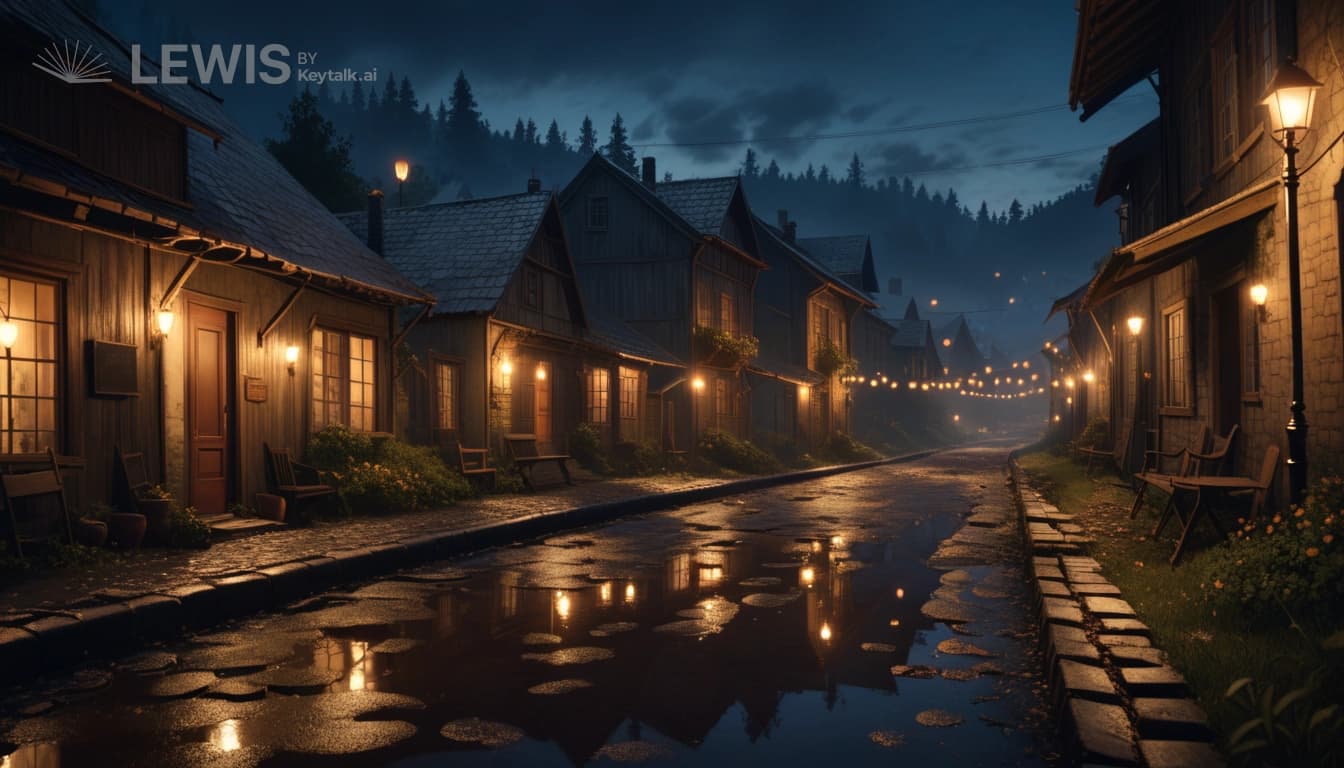
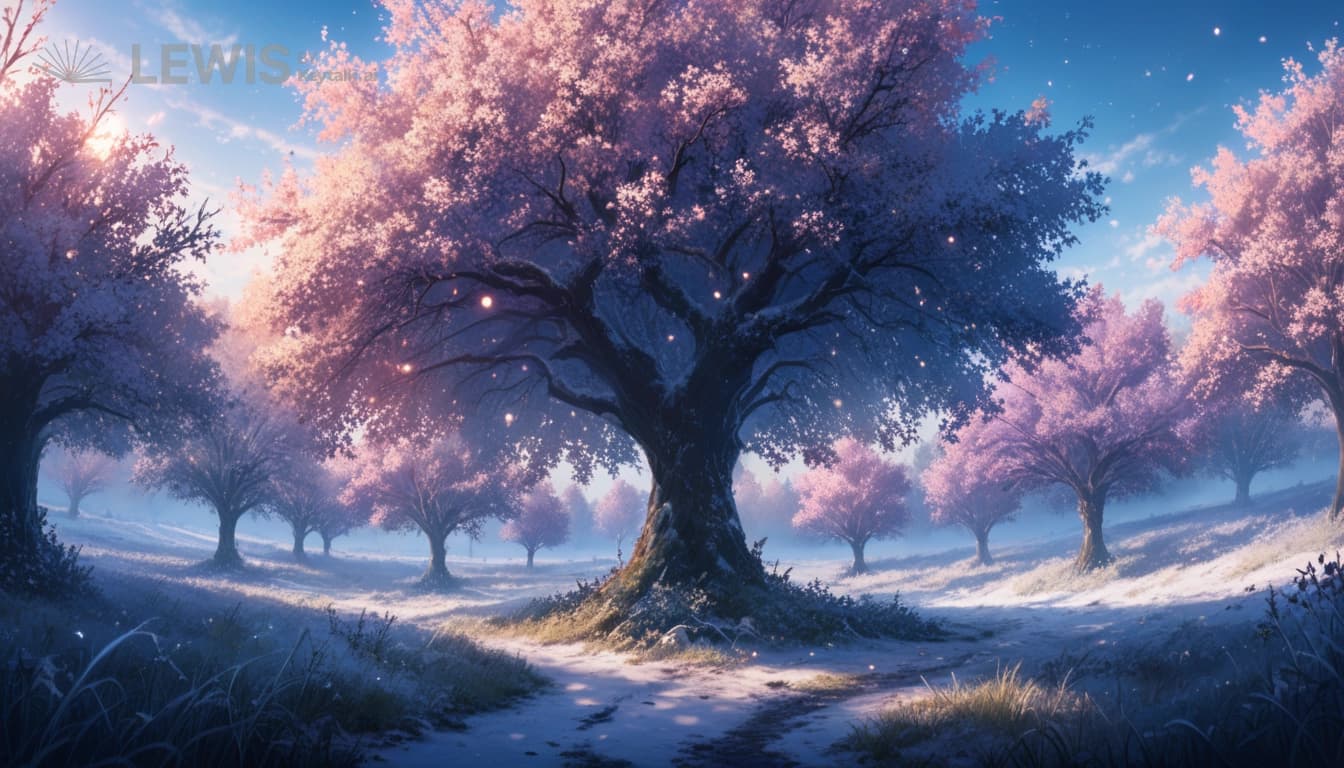
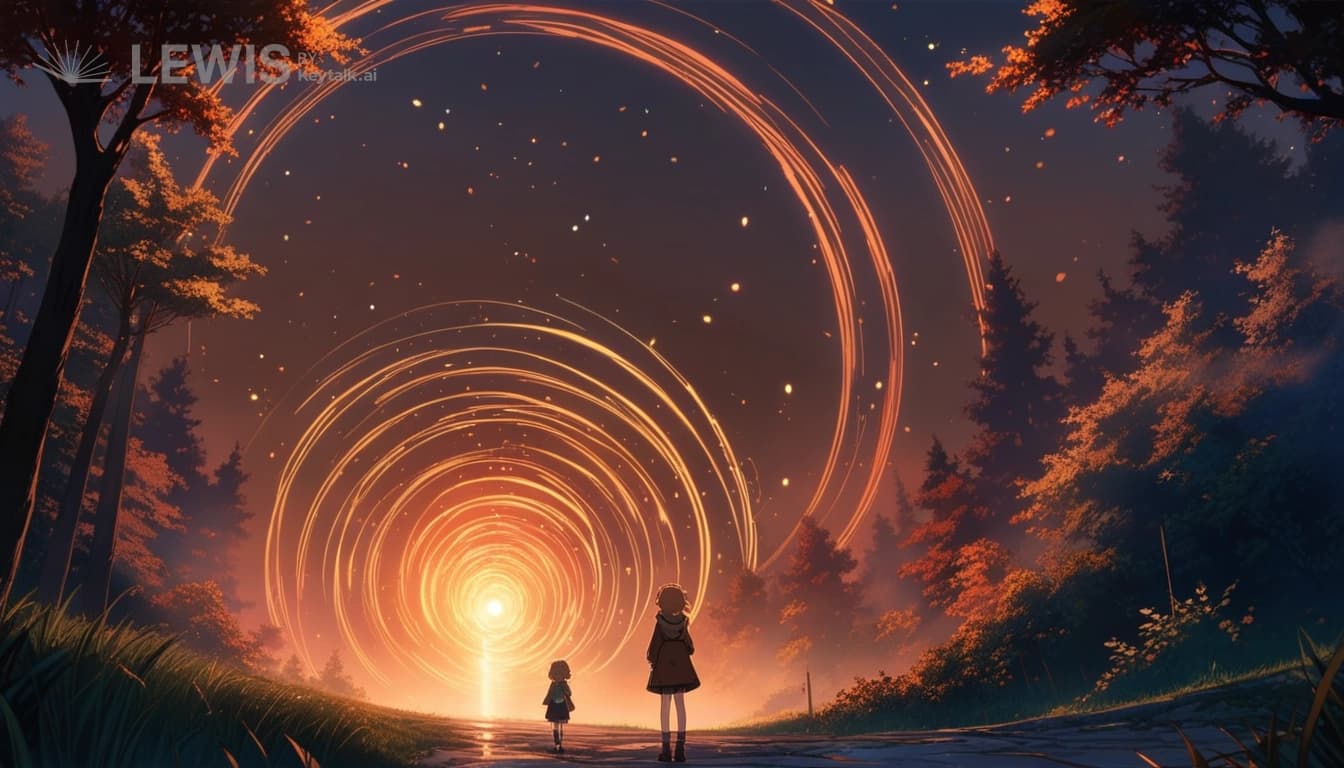
Elsie Winter’s world is a study in contrasts: the bitter salt wind of her English seaside town, where even the Christmas lights flicker half-heartedly, and the riotous magic inside her own head, where every snowflake is a story and every wishbone a talisman. Her reputation as the “Wishmaker” is a double-edged sword—children adore her chalk-drawn kingdoms, but adults see only a girl refusing to grow up. At home, her mother’s patience wears thin, the house echoing with the absence of her father, whose bedtime stories once made the world shimmer. One cold December afternoon, after another humiliating day at school, Elsie flees to the misty woods, drawn by a song she’s sure only she can hear—a melody stitched from forgotten carols and the ache of longing. She stumbles through the fog and into another world: a snowbound kingdom where memory shapes mountains and wild Christmas wishes—foxes with paper crowns, armies of tin soldiers, and weeping icicle spirits—roam free.
In this kingdom, Elsie is instantly recognized by the denizens—part child, part memory, part wish—as the long-awaited Dreamsmith, her mismatched eyes marking her as both “chosen” and “dangerous.” She’s swept into a court of impossible beauty and strange rules, where the landscape shifts with the stories she tells and the wounds she tries to mend. Her first guide is Anya Starling, a prickly Wish-Forager who distrusts prophecies and has little patience for Elsie’s breathless wonder. Anya’s job is to collect and catalogue lost wishes before they turn wild, and she treats Elsie with equal parts skepticism and reluctant fascination. Together, they navigate the kingdom’s wonders—an endless sleigh-ride through starlit forests, a ballroom where forgotten lullabies waltz in the air—but also its dangers, as Elsie’s presence begins to awaken ancient, restless magic.
Presiding over all is Mr. Nicholas Frost, the enigmatic Keeper of Grown Truths. He is both guardian and jailor, maintaining the delicate balance that keeps the kingdom from unraveling. Nicholas welcomes Elsie as a prophet, but his polite, icy manner hides unease: the Dreamsmith’s creative power is intoxicating, yet every new invention, every remembered wish, risks destabilizing the boundary between childlike wonder and adult knowledge. Nicholas is haunted by the knowledge that the kingdom endures only so long as no one truly grows up; the moment someone accepts the painful clarity of adulthood, the magic will dissolve, and all those who dwell within will become mere echoes—forgotten as quickly as last year’s toys. His job is to enforce innocence, subtly policing any signs of maturity, and he watches Elsie with a mixture of hope and dread.
Elsie’s own desires—her longing for acceptance, her terror of abandonment, her fierce loyalty to the kingdom’s wild spirits—drive her deeper into the heart of the land. She revels in her newfound power, shaping the world with stories and mending broken wishes, but the cost becomes clear as Anya grows restless, questioning why no one in the kingdom remembers where they came from, why every attempt to leave ends in blizzard and confusion. Elsie begins to notice cracks: a snowman who mutters in forgotten grown-up voices, a wish-bird that turns to dust when held too tightly, and a memory of her father, always just out of reach. Each act of creation saps something from her, and the landscape becomes more unstable, wild wishes turning feral and lashing out at the boundaries Mr. Frost guards so fiercely.
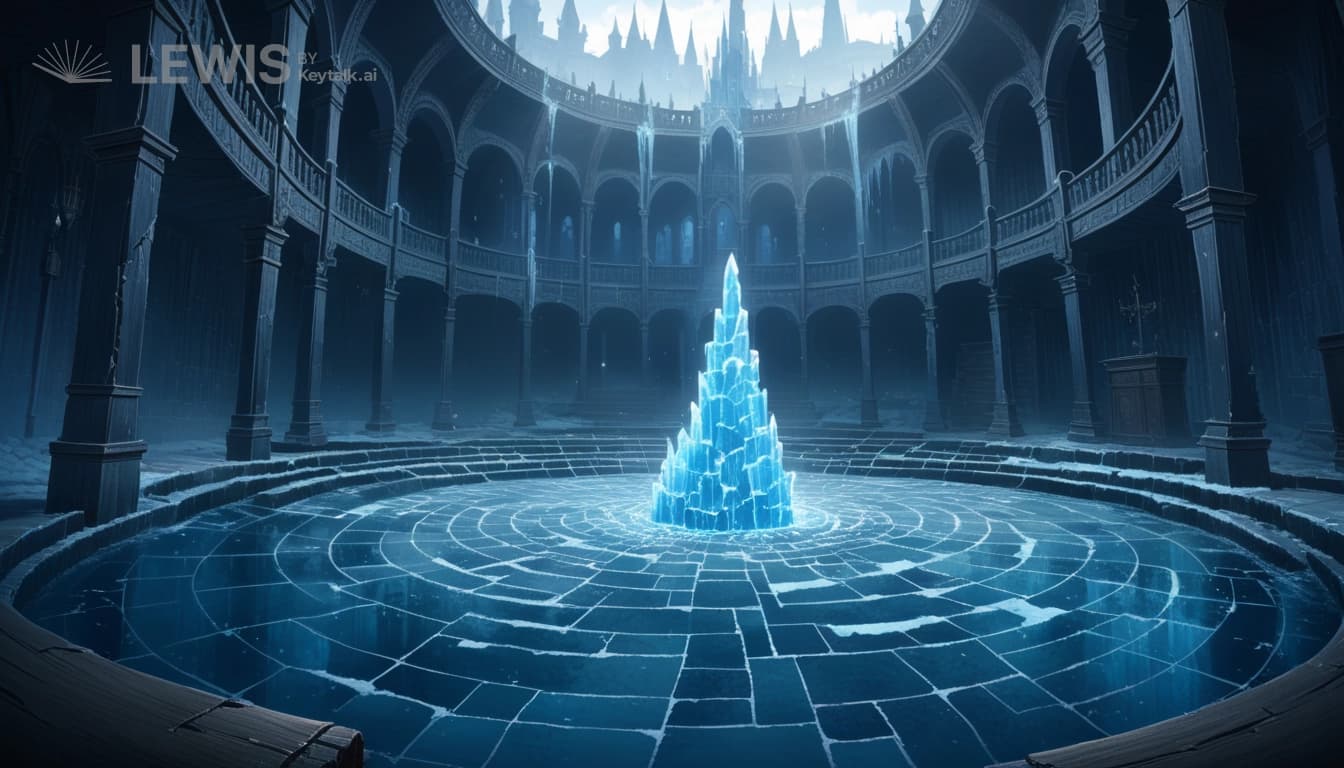
The turning point comes when Anya, desperate to understand the truth, leads Elsie to the edge of the kingdom, where the icy mist roils and fragments of lost childhood memories swirl like ghosts. There, they discover the cruel secret: this world is a sanctuary only for those who refuse to grow up. Every adult memory, every acceptance of grief or loss, causes the land to fracture. Mr. Frost reveals the full extent of his role—he is not just a warden, but a collector of those who dare to remember, quietly erasing or exiling them to preserve the illusion of eternal Christmas. The cost of Elsie’s magic is clear: the more she clings to the fantasy, the more she traps herself and others in a fragile, stagnant eternity, never allowed to change, to grieve, or to truly belong.
Elsie is forced to choose. She can remain, worshiped as a prophet, sustaining the kingdom’s beauty but knowing it is built on denial and perpetual loneliness—or she can accept the pain of growing up, of letting go, and risk destroying the world that has finally given her a sense of belonging. Anya, who has always yearned for something beyond, begs her to break the cycle, even if