
본문으로 건너뛰기
Breedless Revolution cover image

Breedless Revolution

What if the hierarchy of canine society mirrored the worst facets of human civilization—with privileged breeds policing hunger and violence, and marginalized mutts forced into desperate gambits for scraps and status? Amid the daily threats of capture and betrayal, a young dog with an almost mystical ability to perceive suffering in others embarks on a mission to unite outcasts spanning breed and background; as the boundaries between innocence and experience blur, new dimensions of empathy and resilience emerge—changing the underworld not by force or cunning, but by forging a collective vision that challenges both human oppression and the entrenched cruelties within their own species.

Weekly ranking

rank icon image
#1 inVisual & Sound
rank icon image
#1 inConcept
rank icon image
#1 inVisual & Sound
Scroll

Plot Synopsis

The city’s back alleys seethe with a thousand canine lives, each dictated by the invisible hand of breed and bloodline. Jasper Underfoot spends his days weaving through this labyrinth, his every step measured against the ever-watchful eyes of the Breed Purity Council’s enforcers. He has made a life of small mercies and quiet interventions: a warning bark before a raid, a bone left for a limping pup, a word in the right ear to stave off violence. Yet, the system’s cruelty is relentless. The privileged purebreds, led by Sir Reginald of Harrowgate, stalk the city’s arteries in blue-and-gold sashes, policing hunger and doling out punishment for the smallest trespasses—while mutts and mongrels like Jasper scramble for scraps, forced into uneasy alliances and desperate betrayals. Jasper’s motivation is as simple as it is impossible: to forge kinship among the fractured, to prove that a new order can rise not from dominance, but from the radical act of collective empathy. Haunted by the memory of a vanished littermate—lost to a Council round-up—he refuses to accept that division is destiny.

One night, a minor skirmish between rival packs explodes into chaos when Reginald’s constables descend, meting out swift, brutal justice. Jasper, sensing the simmering anguish in the crowd, intervenes—his words and presence quelling violence before it erupts into bloodshed. News of his uncanny ability spreads, painting him as both folk hero and dangerous agitator. Reginald, for whom order is sacrosanct, marks Jasper as a subversive element. He increases patrols, decrees harsh new edicts, and fixates on the mutt with the notched ear, convinced that only by crushing such insurrection can the city be saved from anarchy. Reginald’s own motivations are tinged with desperation; rumors of reform within the Council and his handler’s absence gnaw at his composure, driving him to further excesses. His fear of irrelevance, more than devotion to the code, propels him into a private war against Jasper—a war he intends to win at any cost.

Jasper’s closest confidante is Maribel Patchtail, the city’s most respected underground healer. She has little patience for messianic dreams and even less for empty rhetoric, but she recognizes Jasper’s sincerity and the potential for change in his vision. Maribel’s own motivations are fiercely pragmatic: she wants to preserve the fragile networks of mutual aid that keep the vulnerable alive, fearing that Jasper’s idealism may ignite the very chaos Reginald fears. Still, she becomes his indispensable ally, patching wounds, gathering intelligence, and quietly recruiting those who have the most to lose. Their dynamic is fraught with tension and mutual respect—Jasper’s hopefulness counterbalanced by Maribel’s wary, earned wisdom. As Jasper’s following grows among the outcasts, Maribel struggles to reconcile her skepticism with a longing for real, transformative kinship.

The first major turning point comes when Jasper, guided by his empathy, uncovers a secret: the Council is planning a mass cull, using poisoned bait to “cleanse” entire districts of mongrels. Rather than respond with violence, Jasper orchestrates a citywide warning network, using coded signals and trusted messengers to evacuate the targeted zones. This act of coordinated resistance unites disparate packs—spaniels, hounds, terriers, and true mongrels—under a single purpose for the first time. Yet, the cost is steep: several of Jasper’s closest allies are captured, and Maribel’s clinic is burned in a retaliatory raid. These losses test the movement’s resolve and Jasper’s faith in the possibility of bloodless revolution. For Reginald, the embarrassment of a failed purge triggers a spiral of paranoia—he begins purging his own ranks, suspecting treachery everywhere, even as his authority begins to erode.

As the city’s tensions reach a fever pitch, Jasper’s uncanny ability to perceive suffering begins to shift from burden to weapon. He starts to see not only the pain of his allies but the fractures within the Council itself—the doubts of younger enforcers, the hollow pride of Reginald, the yearning for gentler times in even the most hardened adversaries. Rather than exploit these weaknesses with violence, Jasper engineers a series of encounters—public debates, shared rescues, even acts of mercy toward captured constables—forcing both sides to confront the humanity (or caninity) in their enemies. Maribel, once skeptical, becomes a bridge to the old and wounded, her reputation lending credibility to Jasper’s increasingly radical vision: not just survival, but transformation.

The climax arrives in a citywide confrontation. Reginald, isolated and desperate, orchestrates a final crackdown, rounding up the leaders of the mutt coalition for
Model Used
GPT-4.1
text
Stable Diffusion
image

Story Details

Keytalk Prompts Used
See all Keytalks
no chosen prompts
no chosen prompts
no chosen prompts
no chosen prompts
Model Used
GPT-4.1
text
Stable Diffusion
image

Character

Protagonist Character

Jasper Underfoot

GenderMale
OccupationWayfinder and Unofficial Mediator among Strays

Profile

Jasper Underfoot, a male three-year-old mixed-breed dog, embodies the restless resilience of the city’s marginalized mutts, his lineage a tangled tapestry of shepherd, terrier, and hound—none of it valuable in the eyes of the pedigree elite who patrol the best scraps and warmest shelters. Of medium height and wiry build, Jasper moves with a limber, almost furtive grace, every muscle honed by a lifetime spent weaving through alleyways and evading the brutal canine constables. His coat is a mottled patchwork—coal black streaked with ash and caramel, rough around the shoulders, and dense enough to blunt the worst of the city’s cold. A jagged notch scars his left ear, a silent testament to past betrayals, while his sharp amber eyes—unusually expressive, almost human—betray a depth of perception that unsettles even those who trust him most. As the unofficial wayfinder and mediator among the city’s strays, Jasper has cultivated a reputation for uncanny empathy: he seems to sense unspoken hurts and dangers, often intervening before violence flares or hopelessness curdles into rage. His voice, when he speaks, is low and measured, peppered with slang and idioms scavenged from every pocket of canine society, granting him a chameleon-like ability to connect with disparate groups. Jasper’s relentless curiosity and refusal to accept the city’s cruel hierarchies set him apart; he listens more than he talks, learns quickly, and acts decisively when others hesitate. Yet his deep compassion can become a liability, drawing him into conflicts that test the limits of his optimism and leaving him vulnerable to manipulation by those who exploit kindness as weakness. Haunted by memories of a vanished littermate and driven by the conviction that change is possible, Jasper’s core motivation is to forge unity among the outcasts—not through dominance, but through a shared vision that transcends breed or background. His only possessions are a battered red collar, worn more for sentimental reasons than hope of rescue, and a habit of gifting found treasures—bones, rags, bright bottle caps—to those most in need, earning him a following among the desperate but also placing him squarely in the crosshairs of those who profit from division. Even before his journey truly begins, Jasper’s blend of hard-won street wisdom, restless idealism, and quietly magnetic presence mark him as a catalyst in a world teetering between brutality and something altogether new.

Antagonist Character

Sir Reginald of Harrowgate

GenderMale
OccupationChief Enforcer of Breed Purity Council

Profile

Sir Reginald of Harrowgate, a male purebred Doberman from an illustrious line of European show dogs, stands as a living testament to the rigid ideals of the Breed Purity Council, over which he presides as Chief Enforcer. Towering at an imposing 27 inches, his lean, muscular frame carries the unmistakable symmetry of championship breeding—a chiseled jawline, pronounced stop, and almond-shaped mahogany eyes that glint with both intelligence and chill calculation. His glossy, jet-black coat, interrupted only by rust markings on his muzzle and limbs, is always meticulously groomed—a visible signal of his fastidiousness and pride in heritage. Reginald’s clipped ears and docked tail, badges of his status, lend him an almost statuesque presence, accentuated by a regal posture and the starched blue-and-gold sash he wears as his badge of office. Raised within the marble halls of Harrowgate Kennels and tutored by humans in the art of discipline, he internalized a worldview that equates order with virtue and deviation with decay—a perspective hardened by years spent quashing uprisings among the city’s mongrel underclass. Reginald’s speech is brisk, formal, and laced with archaic idioms, betraying both his privileged upbringing and his disdain for colloquial rabble; yet beneath his polished exterior lies a zealotry bordering on the fanatical, driven by the conviction that only strict adherence to lineage can preserve canine civilization from chaos. While celebrated for his iron resolve, photographic memory for pedigrees, and unerring loyalty to the Council, his rigid sense of duty blinds him to nuance and fosters a quiet paranoia that any show of mercy will invite disorder. He is haunted by the specter of his own obsolescence, as younger council members whisper of reform, and he masks his growing insecurity with ritualized habits—exacting patrols, ceremonial grooming, and nightly recitations of the Breed Codex. Reginald’s only confidante is an aging human handler, now largely absent, whose approval he still craves. Beneath his authoritarian veneer flickers a longing for validation, but his fear of contamination—both literal and moral—keeps him isolated, driving him to ever harsher measures. This potent blend of pride, insecurity, and inflexibility makes him a formidable adversary—one whose very presence embodies the cruel, brittle order the protagonist must confront and transcend.
Sidekick Character

Maribel Patchtail

GenderFemale
OccupationForager and Underground Healer

Profile

Maribel Patchtail, a five-year-old mixed-breed terrier-spaniel cross with a dappled gray-and-ginger coat and a white blaze along her muzzle, stands just under 18 inches tall—sturdy but limber, her compact frame and nimble paws betraying a life spent slipping through alleyways and over battered fences. Born in the labyrinthine backlots behind the city’s upscale kennels, Maribel grew up scavenging for edible scraps among broken glass and forgotten refuse, learning early that survival demanded resourcefulness and a keen sense of when to retreat or risk a bold move. Her left ear, notched by a long-ago snare, and the faded scars beneath her fur, are quiet testaments to a past steeped in danger and ingenuity. As an underground healer and forager, she’s known among the marginalized for her encyclopedic knowledge of urban flora and her deft, almost ritualistic, care for the sick and wounded—a role that grants her respect and wary gratitude but also isolates her, marking her as both indispensable and other. Maribel’s personality is defined by a gentle but iron-willed pragmatism, balancing deep compassion with a no-nonsense skepticism toward charismatic leaders and grand promises—traits that create a natural foil to Jasper Underfoot’s youthful idealism and visionary fervor. She’s fiercely loyal, but her loyalty is earned, not given; her sharp tongue and dry wit, tinged with the clipped cadence of the city’s underbelly, often mask a deep-seated anxiety about failing those who rely on her. Unlike the rigid, status-obsessed Sir Reginald, Maribel resists hierarchy instinctively, preferring the quiet authority of competence over formal power, and her methods—stealthy, indirect, and grounded in practical care—frequently put her at odds with both the Council’s brutal enforcers and those who dream of revolution without regard for consequence. Driven by a longing for genuine community rather than glory, her aspirations orbit around building trust and stability in a world that offers neither, and she’s haunted by the question of whether true kinship can exist among creatures so relentlessly divided by pedigree and past wounds. Her speech is brisk, often punctuated by knowing glances or wry asides, and she has a habit of quietly observing before acting, weighing every risk with the precision of one who has seen too many friends lost to careless hope. Maribel’s independent motivations—protecting the vulnerable, preserving the fragile networks of mutual aid that sustain her world—mean she is never just a supporter, but a force of her own, challenging both Jasper’s optimism and Reginald’s authoritarian certainties. Her presence in the story introduces a grounded, morally complex counterpoint to idealism and tyranny alike, quietly reminding all that survival and solidarity are built not on grand gestures, but on the unglamorous labor of care, memory, and hard-won trust.
Model Used
GPT-4.1
text
Stable Diffusion
image

World

Location/Time, Era:
The city sprawls beneath a perpetual haze, its boundaries marked not by walls but by shifting allegiances and the invisible lines drawn by those who wield power. This era is known as the Long Dusk—a time when the old certainties of breed and station have calcified into something both beautiful and grotesque, and twilight seems to linger unnaturally, as if the sun itself hesitates to illuminate the city’s wounds. Each district pulses with a rhythm that is at once intoxicating and unsettling; the grandeur of the uptown promenades and the labyrinthine squalor of the mongrel warrens exist in uneasy counterpoint, their fates entwined by a tension that never quite resolves. The nights stretch long, haunted by the echoes of distant barks and the low, throbbing hum of restless lives lived on the cusp of calamity. Every hour brings fresh opportunities for escape, betrayal, or redemption, but nothing remains untouched by the city’s omnipresent melancholy—a melody that stains even the rare moments of hope.

Key rules of the world and their impact on the story and beyond:
Order is enforced through a sprawling, quasi-religious bureaucracy that regards deviation as contagion; breed purity is not simply a matter of pride, but the axis upon which justice, shelter, and even the right to eat pivot. The Council’s decrees are delivered with ritualistic severity, each edict resonating like a discordant chord through the alleys and courtyards, twisting the most mundane interactions into high-stakes gambits. Violence is not always overt—it simmers in the language of exclusion, in the calculated withholding of comfort, in the sanctioned spectacle of punishment that renders suffering both public and strangely aestheticized. Yet, these rules breed subcultures of resistance: secret fraternities of mutts, clandestine networks of healers, and informal tribunals where the city’s outcasts test new forms of justice and kinship. The ever-present sense of surveillance—of being watched, judged, and perhaps found wanting—amplifies anxieties and tempers every act of defiance with the awareness that retribution can come from any shadow.

Visual depiction of the world and its unique features:
The city unfolds as a living canvas of chiaroscuro, its beauty inseparable from its horrors. Rain-slicked cobblestones reflect not only moonlight but the gaudy, flickering glow of Council banners, their colors eerily vibrant against the gloom. Alleyways twist like the coils of an old melody—sometimes inviting, sometimes menacing—each corner a potential stage for brutality or unexpected tenderness. The architecture itself seems haunted by the memory of vanished freedoms; ornate facades crumble into overgrown lots, while the grand amphitheaters of the purebreds echo with both ceremonial processions and the muffled cries of those dragged away in the night. Even the smallest spaces—a gap beneath a fence, a forgotten garden, a rusted storm drain—are charged with a sensuous, almost sinister energy, as if every surface remembers the dramas enacted upon it.

Notable technology, philosophy, or cultural elements influencing the world and narrative:
The city’s denizens have created a system of coded sounds—scraps of song, rhythmic barks, even the clatter of claws on metal—that serve as both warning and rallying cry, a haunting symphony that threads through the urban underbelly. This sonic currency binds disparate packs, transforming ordinary communication into something clandestine and sacred. The ruling Council has elevated breed lineage into a philosophy of existential dread: they believe impurity is the root of suffering, and their rituals—part pageantry, part psychological warfare—reinforce this creed until it becomes an internalized soundtrack, warping even private dreams. Meanwhile, the marginalized mutts construct their own counter-narratives: artful graffiti, tales told in hushed tones, and makeshift shrines to lost kin. These practices do more than soothe—they foster a creeping awareness that beauty and horror, order and chaos, are inseparable, and that every act of empathy or resistance leaves a lingering resonance, shaping what the city might one day become.
representative image
location 1 image

Location 1

Title : The Lantern Court of Unmarked Kin
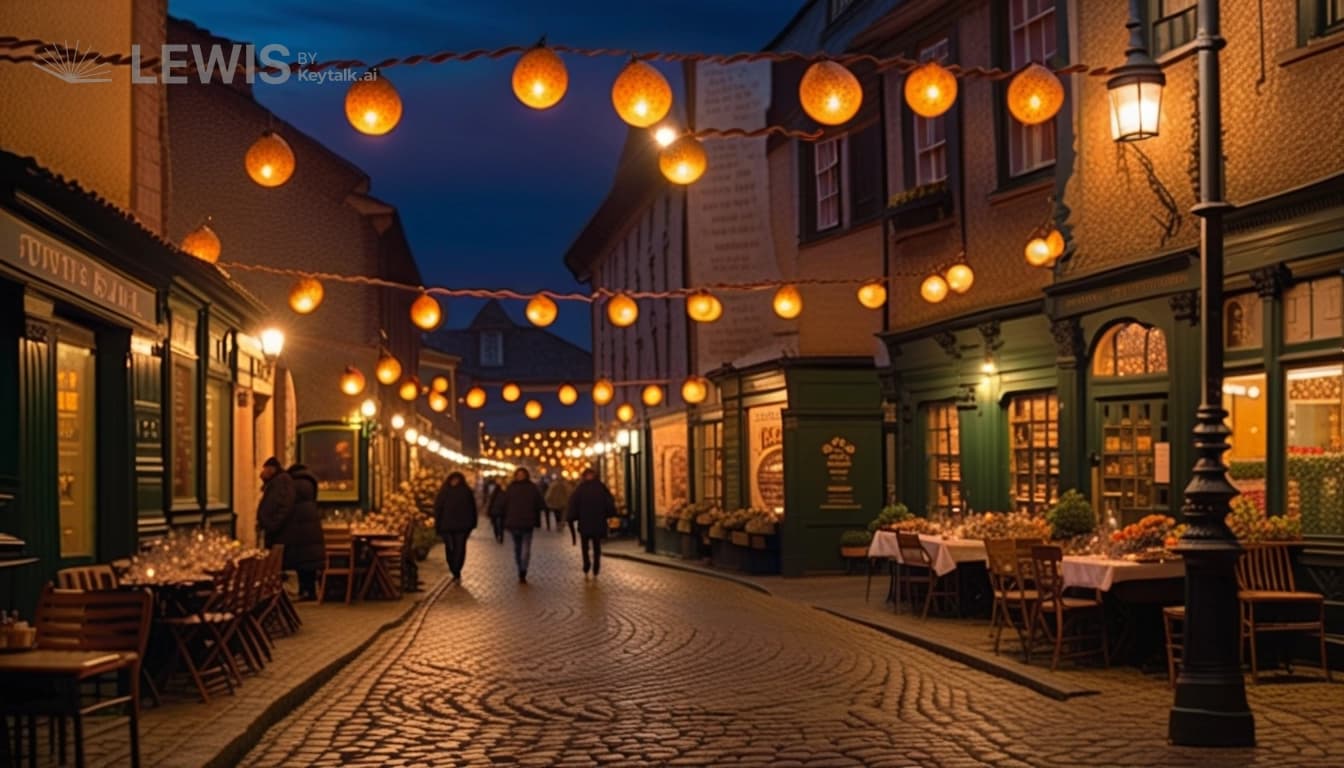
Description : Deep in the labyrinthine heart of the city, the Lantern Court glows with a patchwork of battered lanterns strung above cracked flagstones, each casting trembling shadows on mongrels huddled around scavenged hearths. Here, the air thrums with whispered bargains and urgent pawbeats, the scent of old grease mingling with fear and hope as Jasper’s clandestine warnings ripple through the crowd. It is a sanctuary carved from desperation, where breedless dogs gather in defiant solidarity—every flicker of light a quiet promise that kinship can survive the darkness.
location 2 image

Location 2

Title : The Gutterbone Market at the Edge of Dusk
Description : Ragged awnings sag between twisted lamp posts, their patchwork colors muted by grime and the perpetual twilight that settles here, where mongrels barter for scraps and secrets. The scent of stale meat and rain-soaked fur mingles with the sharp tang of desperation; constables prowl the perimeter, their blue-and-gold sashes glinting like warning blades, while Jasper slips through the shifting crowd, orchestrating silent warnings that ripple through the market’s fractured heart. Every transaction is an act of defiance, every glance a pact—here, survival is negotiated in whispers, and hope flickers in the shadows where poison and mercy collide.
location 3 image

Location 3

- Title : The Forgotten Vaults Beneath Council Hall
- Description : Beneath the marble grandeur and gilded menace of Council Hall lies a labyrinth of stone chambers, slick with condensation and heavy with the scent of rust and old fur—a subterranean oubliette where the “unfit” are vanished to history. Flickering gaslight reveals walls scarred by desperate claws, scattered bones gnawed clean by hunger and despair, and the silent machinery of past purges: chains, muzzles, and crates marked with the Council’s sigil, half-buried in shadow. Here, the air throbs with the ghosts of those sacrificed for purity’s sake, their presence pressing in on the living, turning every whispered plan of escape or insurrection into an act of defiance against a legacy of cruelty.

Keytalk Prompts Used

Visual & Sound
Model Used
GPT-4.1
text
Stable Diffusion
image

Scenes

scene 1 image
Scene 1
Beneath Sash and Shadow: Jasper’s Quiet Defiance
[Place] - The winding alleys behind the old fish market, dense with refuse, shadows, and the scent of desperation
[Time] - Late evening, just before midnight, when the city’s privileged have retreated and the mutts begin to stir

[Action]
The scene opens with Jasper weaving through the labyrinth of narrow alleys, his senses attuned to every subtle shift in the city’s pulse. He pauses to offer small acts of kindness—sharing scraps, quietly warning a nervous terrier of an impending patrol. Tension simmers as a skirmish erupts between rival packs, fueled by hunger and suspicion. Sir Reginald’s enforcers arrive suddenly, their blue-and-gold sashes glinting in the moonlight, bringing an air of menace and authority. Jasper positions himself at the center of the chaos, his presence and reputation compelling the crowd to listen; he intervenes, not with violence, but with words and empathy, diffusing the situation and preventing bloodshed. Reginald observes from a distance, his composure slipping as he registers Jasper’s influence. The enforcers mark Jasper for surveillance, whispering about his growing reputation as a troublemaker. Maribel Patchtail appears briefly, patching wounds and quietly reminding Jasper of the risks he’s courting. The scene closes with Jasper alone, haunted by memories of his lost littermate, reaffirming his resolve to challenge the city’s cruel order.

[Impact on the story]
This scene establishes Jasper’s role as both a caretaker and a subversive force, highlighting his uncanny ability to calm volatile situations and inspire hope in the outcasts. Reginald’s mounting anxiety and fixation on Jasper are set in motion, escalating the city’s tension and setting up future conflicts. Maribel’s cautious support is introduced, foreshadowing the complex alliance that will underpin the resistance. Emotionally, Jasper’s quiet defiance and sense of loss deepen his character, making his motivation and vulnerability tangible to the reader.

[Description]
Jasper intervenes in a dangerous skirmish, preventing violence and earning the attention of both the Breed Purity Council and his peers. Reginald’s growing obsession with Jasper’s influence is sparked, while Maribel’s pragmatic support hints at the coming alliance. The scene sets the tone for the city’s simmering unrest and Jasper’s radical empathy.
scene 2 image
Scene 2
[Title] - Maribel’s Clinic, Maribel’s Code: Trust Forged in Blood and Bone
[Place] - The cramped, candlelit back room of Maribel’s underground clinic, hidden beneath a derelict bakery in the mongrel quarter
[Time] - The dead of night, immediately after Jasper’s intervention in the alley skirmish; the city outside is tense, restless, and thick with rumors

[Action]
Jasper arrives at Maribel’s clinic, shaken but determined, bearing the wounds—physical and emotional—of the night’s chaos. The clinic is crowded with mutts nursing bruises and fresh scars, the air pungent with antiseptic and fear. Maribel is in the midst of tending to a battered pup when Jasper enters; she barely glances up, her demeanor brisk but her eyes betraying relief. She chides Jasper for his recklessness even as she stitches a gash on his shoulder, challenging his idealism with pointed questions about his endgame. Their exchange is laced with tension and mutual respect, with Maribel pushing Jasper to clarify his intentions while quietly signaling her willingness to help. Jasper, in turn, tries to recruit her for a broader cause, appealing to her sense of responsibility and hinting at the possibility of real change. As Jasper helps distribute food and comfort to the injured, he witnesses the fragile web of alliances Maribel has built—a network of informants, healers, and streetwise pups all reliant on her code of practical compassion. The scene is punctuated by the arrival of a nervous messenger bearing news: Reginald’s enforcers are intensifying patrols and targeting those rumored to be close to Jasper. The threat feels immediate and personal, forcing Maribel and Jasper into a pact of necessity. Despite her skepticism, Maribel agrees to support his efforts, but only on the condition that he promises not to endanger the vulnerable. The scene ends with Jasper slipping out into the night, patched up and uncertain, while Maribel watches from the shadows, already calculating the risks of her new alliance.

[Impact on the story]
This scene deepens the partnership between Jasper and Maribel, highlighting their contrasting philosophies—idealism versus pragmatism—and the mutual trust that grows from shared risk. Maribel’s reluctant commitment marks a turning point, broadening Jasper’s support network and cementing the fragile beginnings of an organized resistance. The rising threat from Reginald becomes more immediate, escalating tension and urgency. Emotionally, Jasper’s vulnerability and Maribel’s guarded compassion create a sense of intimacy and stakes, drawing the reader further into their struggle.

[Description]
Jasper seeks refuge and counsel at Maribel’s clinic after the alley confrontation, forging a wary alliance with the city’s most respected healer. Their partnership, born of necessity and mutual respect, sets the stage for organized resistance and raises the stakes as Reginald’s crackdown looms. The scene explores the balance between hope and survival, and the quiet courage required to trust in a world built on suspicion.
scene 3 image
Scene 3
[Title] - The Blue-and-Gold Parade: Reginald’s Mask Slips
[Place] - The heart of the city’s main thoroughfare, beneath flickering streetlamps and banners; crowds cluster in alleys and doorways as the purebred constables march
[Time] - Early evening, the night after Jasper and Maribel’s pact; tension hangs thick, rumors of new Council edicts swirling

[Action]
Reginald leads his constables in a highly public display of power—a blue-and-gold parade meant to intimidate and reassure, both spectacle and threat. The procession is meticulously staged, with purebreds strutting in polished sashes, barking out decrees, and demanding documents from anyone suspected of mongrel lineage. The city’s mutts watch from the shadows, fear and anger simmering in their eyes; some slip away, others linger, measuring the parade’s tone for signs of escalation. Jasper moves through the crowd with calculated subtlety, gauging reactions, whispering reassurances, and quietly urging restraint. He observes Reginald’s veneer of control cracking—his bark sharp but his eyes restless, flinching at the murmurs of dissent and the snickers of younger enforcers who question the Council’s legitimacy. Maribel, hidden among the masses, takes note of vulnerable pups and the shifting loyalties of constables, quietly marking potential allies and weaknesses. The parade culminates in a tense confrontation: Reginald publicly denounces Jasper as a dangerous agitator, inflaming the crowd and sowing division. Jasper, refusing to retreat, stands his ground—his silent defiance provoking both admiration and fear. The spectacle ends with a flurry of new edicts: curfews, harsher punishments, and threats of mass raids. The atmosphere shifts from uneasy truce to open hostility; whispers of rebellion ripple through the city, while Reginald’s authority starts to fray at the edges.

[Impact on the story]
This scene marks a decisive escalation in the conflict, exposing Reginald’s growing desperation and the fractures within his own ranks. Jasper’s public defiance solidifies his reputation as both hero and target, drawing new supporters but increasing the danger. Maribel’s observations deepen her commitment, as she sees firsthand the impact of Jasper’s influence and the vulnerability of those caught in the crossfire. The city’s mood transforms—fear gives way to simmering resistance, and the lines between oppressor and oppressed begin to blur.

[Description]
Reginald’s parade through the city turns from a show of force into a public unraveling, with Jasper’s quiet resistance sparking admiration and unrest. The scene heightens the stakes, exposes weaknesses in the Council’s grip, and brings the movement’s struggle into the open, setting the stage for the next phase of rebellion.
scene 4 image
Scene 4
[Title] - Poisoned Streets, Whispered Warnings: The Night of the Cull
[Place] - The tangled alleyways and abandoned lots on the city’s eastern edge; hidden dens, rooftops, and shadows where the mutts gather
[Time] - Late night, hours after Reginald’s parade and the announcement of harsher edicts; the city pulses with anxious anticipation

[Action]
Jasper receives word from a frightened spaniel messenger—a secret edict from the Council has authorized a mass cull, with poisoned bait scattered across mongrel districts. The news comes in fragments: hushed warnings, panicked gestures, the bitter scent of danger already clinging to the night air. Jasper calls Maribel and trusted allies to a clandestine meeting in a crumbling warehouse, urgency crackling between them. He lays out a plan for a citywide warning network, assigning roles—coded signals, runners, and hidden routes—to evacuate the most vulnerable. Maribel, torn between skepticism and duty, mobilizes her own network of healers and scouts, risking her clinic and reputation to save lives. The scene unfolds in tense, overlapping action: messengers dart through alleys, pups are hauled from their beds, old dogs are coaxed from hiding, and brief moments of hope flicker amid the chaos. Jasper’s empathy is palpable, guiding him to the pockets of greatest need; he encounters resistance from fearful mutts and exhausted allies, but his resolve is contagious. Meanwhile, Reginald’s constables patrol the streets, their presence looming, occasionally intercepting and arresting those suspected of subversion. Maribel’s clinic is targeted in a retaliatory raid—she narrowly escapes, wounded but defiant. Several of Jasper’s closest allies are captured, their absence felt acutely as the operation unfolds. The night is a blur of whispered warnings, desperate rescues, and agonizing losses; by dawn, the city is changed, its outcasts united in trauma and purpose.

[Impact on the story]
This scene marks the first true act of collective resistance, testing Jasper’s leadership and Maribel’s pragmatism. The successful evacuation builds trust and solidarity among disparate packs, but the heavy casualties and destruction of Maribel’s clinic deepen the movement’s grief and resolve. Jasper’s vision for bloodless revolution is strained by loss, and Maribel’s skepticism turns to commitment as she witnesses the power of unity in the face of violence. Reginald’s authority is further undermined, his failed purge fueling paranoia and alienation within his ranks. The city’s underdogs, once fractured, emerge with a shared trauma and purpose, setting the stage for the next phase of rebellion.

[Description]
The Night of the Cull becomes a crucible of solidarity and sacrifice, forging the mutts into a united front through Jasper’s leadership and Maribel’s resourcefulness. The coordinated resistance saves lives but exacts a heavy toll, crystallizing the stakes and transforming the city’s fractured outcasts into a movement fueled by loss and hope.
scene 5 image
Scene 5
[Title] - Ashes and Alliances: Loss, Loyalty, and the Birth of a Revolution
[Place] - The gutted ruins of Maribel’s clinic and the surrounding alleys; scattered hideouts where survivors regroup
[Time] - Dawn and the tense hours that follow the Night of the Cull

[Action]
The scene opens in the smoldering aftermath of the clinic’s destruction. Ash drifts in the early light; the scent of charred herbs and singed fur hangs over the ruins. Survivors stagger in—Jasper, shaken but purposeful, surveys the devastation, searching for signs of hope amid the rubble. Maribel, wounded and furious, sorts through the debris for salvageable supplies, refusing to let her loss become a symbol of defeat. Tensions flare as traumatized mutts mourn their captured friends, some demanding retribution while others cling to Jasper’s vision of restraint. In this crucible, Jasper must rally the shaken coalition—his empathy reveals not only their fear and rage but their yearning for meaning after so much loss. He persuades them that what was burned can become the seed of something new: the movement itself. Maribel, her skepticism battered but not broken, steps up as a hard-edged organizer, channeling grief into strategy and mutual aid. Secret meetings spark across the district; unlikely allies—former rivals, even a disillusioned young constable—slip into the fold, drawn by the movement’s growing momentum. The first oaths of loyalty are exchanged not in triumph, but in the shadow of grief. As news of the failed cull and the coalition’s survival spreads, Reginald’s paranoia escalates—he purges suspected traitors among his ranks, inadvertently driving more to Jasper’s cause. The city’s mood shifts: what began as a night of terror becomes the dawn of open defiance.

[Impact on the story]
This scene marks the emotional low point and the moment of rebirth for the mutt coalition. Jasper’s leadership is tested and solidified as he transforms collective trauma into resolve, while Maribel’s pragmatism becomes the backbone of the movement. The destruction of the clinic ceases to be a defeat and instead catalyzes a deeper unity and sense of purpose. Reginald’s loss of control over his own forces foreshadows his unraveling, and the city’s underdogs, once scattered, crystallize into a true revolutionary front.

[Description]
In the ashes of Maribel’s clinic, grief and rage forge new bonds—Jasper’s empathy and Maribel’s resilience unite the survivors, turning tragedy into the bedrock of a revolution. The mutts’ alliance becomes unbreakable, while Reginald’s authority fractures, setting the stage for a final, decisive confrontation.
scene 6 image
Scene 6
[Title] - The Last Assembly: Mercy, Madness, and the Breaking of Chains
[Place] - The old amphitheater beneath the city’s abandoned railway, now claimed as neutral ground by the coalition
[Time] - Night, under a cold, fractured moon, hours after the city’s latest crackdown

[Action]
Jasper, Maribel, and the battered leaders of the mutt coalition are herded into the amphitheater by Reginald’s enforcers, blue-and-gold sashes flickering like warning lights in the gloom. The air is thick with tension—every bark or whimper echoing off the stone, amplifying the stakes. Reginald appears, gaunt and feverish, his authority hanging by a thread; his once-loyal constables watch with uneasy eyes, some bearing fresh wounds from internecine purges. He demands submission, promising clemency if Jasper renounces his cause, but his voice cracks beneath the weight of doubt and exhaustion.

Jasper, sensing the fractures within the ranks, refuses to kneel. Instead, he addresses not just the coalition, but the enforcers themselves—speaking of pain, loss, and the possibility of kinship beyond bloodlines. His empathy radiates, unsettling Reginald and visibly moving several younger purebreds, who begin to question their orders. Maribel, resolute despite her injuries, backs Jasper with a call for mutual protection: she offers treatment even to the wounded constables, blurring the lines of enemy and ally in real time. The amphitheater becomes a crucible—old hatreds colliding with new, uneasy hope.

As Reginald’s grip slips, he lashes out, attempting to make an example of a captured mutt. Jasper intervenes, not with violence but with mercy, offering Reginald a chance to end the cycle—publicly, in front of both factions. The gesture stuns the assembly; a tense silence falls. The moment hangs, precarious. Finally, a young constable steps forward, laying down his sash, followed by others. The tide turns: the crowd rejects the old order, refusing Reginald’s commands. In a final, desperate act, Reginald tries to reassert control, but his authority dissolves; he’s disarmed, left to confront the ruins of his ideals.

Jasper and Maribel lead the assembly in forging a new pact—one not of dominance, but of shared survival and hard-won trust. The boundaries between breed and mongrel blur as old enemies help bind wounds and bury the dead. The city’s power shifts, not with the clang of battle, but with the slow, uncertain birth of kinship.

[Impact on the story]
This scene delivers the revolution’s decisive moment, transforming simmering unrest into a new social order rooted in empathy and solidarity. Jasper’s refusal to answer violence with violence becomes the movement’s defining act, breaking the city’s cycle of cruelty and creating space for genuine reconciliation. Maribel’s pragmatic mercy cements her as the movement’s moral anchor. Reginald’s downfall is both tragic and necessary, illustrating the collapse of the old regime. The surviving characters are marked by the trauma of the struggle but find hope in the fragile, unprecedented alliance they’ve built.

[Description]
In the city’s shadowed heart, Jasper and Maribel unite enemies and allies alike through mercy and courage, dissolving the old order as Reginald falls. What begins as a final crackdown ends with the birth of a new kinship, forever altering the city’s future. The revolution’s victory is found not in bloodshed, but in the breaking of invisible chains.
'Breedless Revolution'Story Chat

Want to chat with the characters from this story?

'Breedless Revolution'Story Chat

Want to chat with the characters from this story?

story image
story image
story image

You might also like

Comments0

rank icon image
#1 inVisual & Sound
rank icon image
#2 inVisual & Sound
rank icon image
#2 inConcept

Recommendation from YLAB Town

theme music