Plot Synopsis
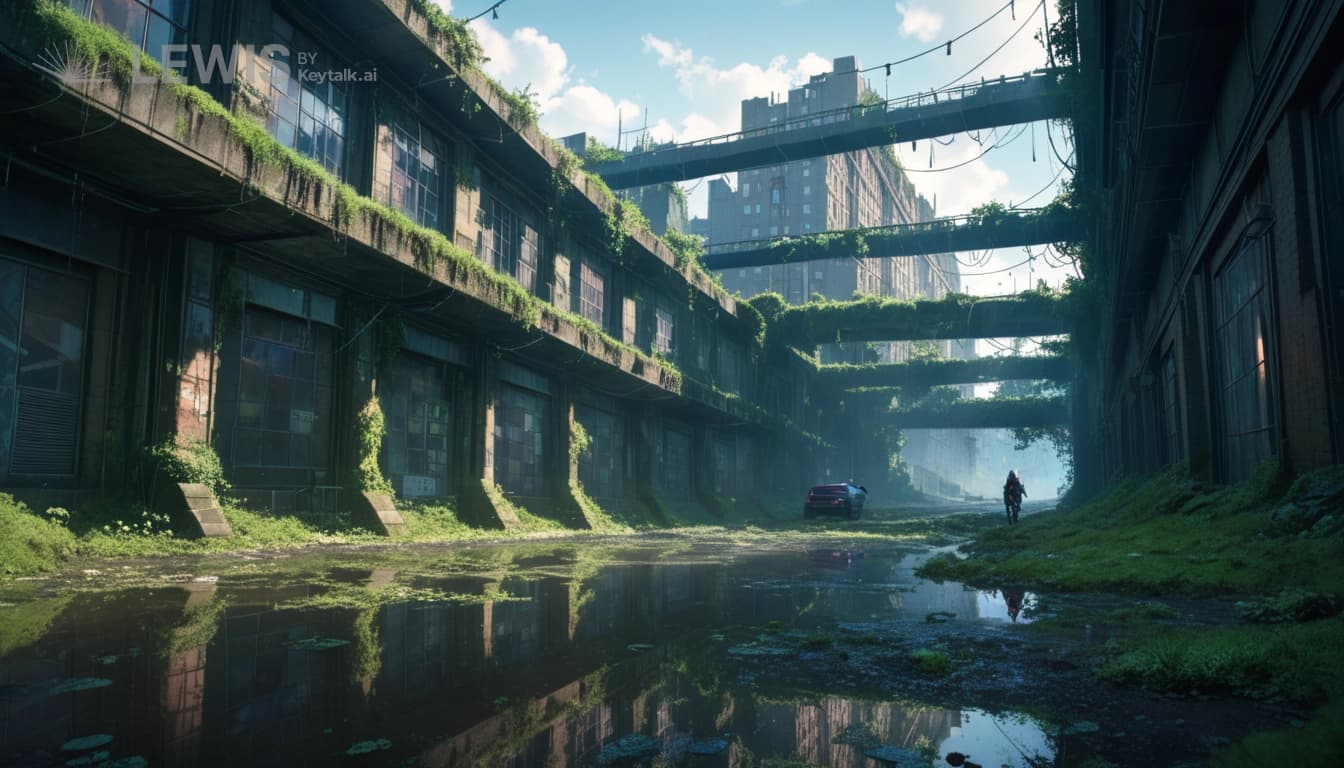
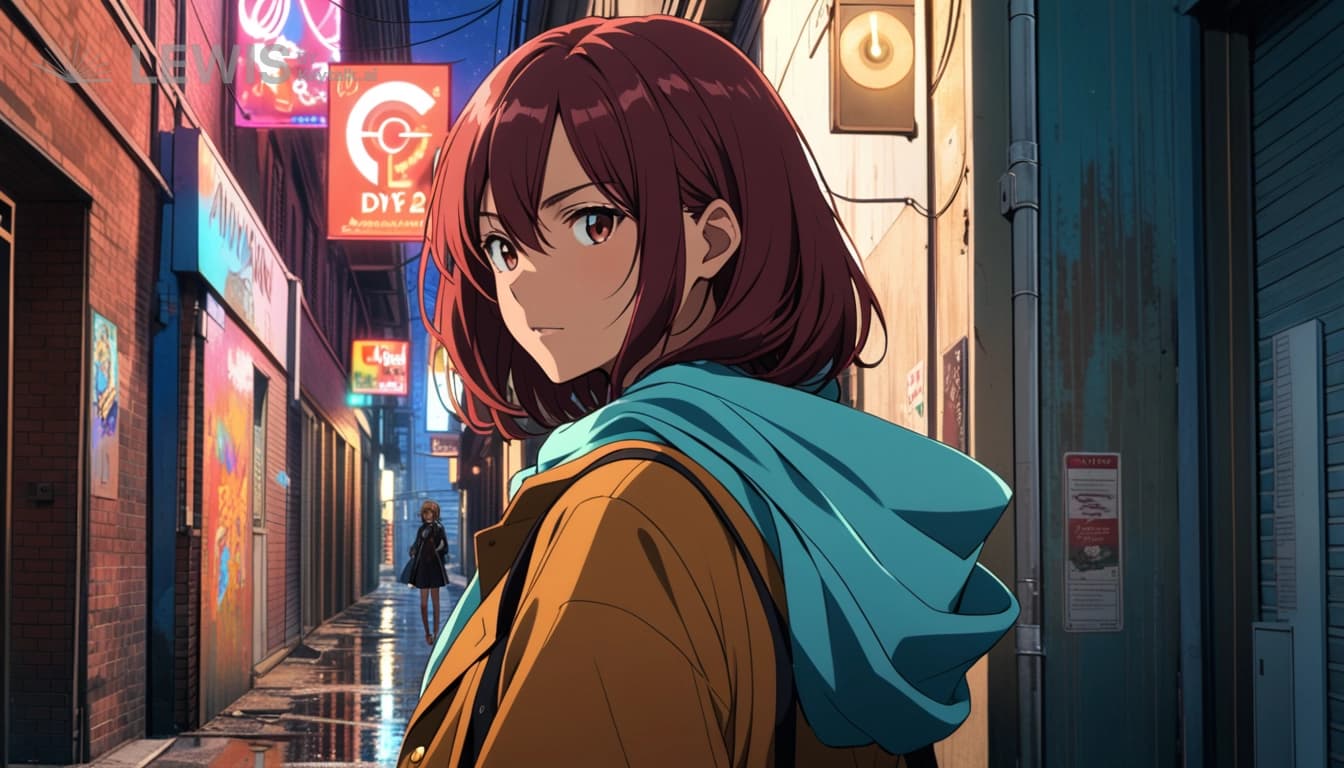
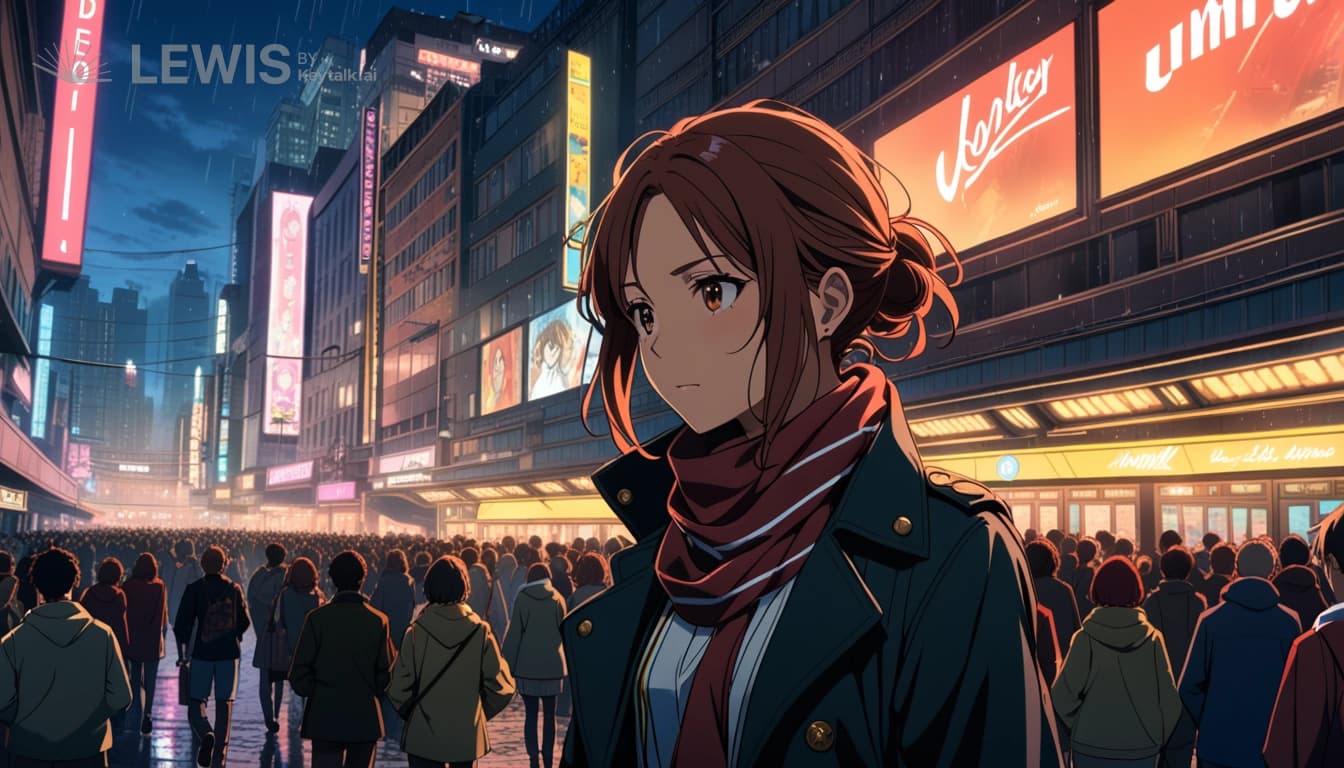
Rowan Shepherd’s life unfolds beneath the ceaseless drizzle of a near-future London, a city at war with itself. The Shepherd family, once whole, has splintered—his soldier brother’s suicide casts a lingering shadow, and his mother’s criminal trial has left deep fissures in Rowan’s sense of belonging. Yet Rowan’s restless brilliance offers him a lifeline; he’s drawn to the luminous chaos of the AI-powered jukebox musical bootcamp, a haven for Gen Z outcasts craving connection and catharsis. Rowan’s driving ambition is to transform pain into immersive spectacle, but beneath his confident veneer, he is desperate for authentic bonds and haunted by a nagging sense that beauty alone cannot mend what’s broken. His persuasive charm is both a shield and a weapon, allowing him to glide through the bootcamp’s shifting social landscape while keeping his true vulnerability hidden.
At the heart of the bootcamp stands Dr. Lucien Karam, a brooding architect of technological therapy whose own family tragedy propels his obsession with healing through artificial means. Lucien’s creation—a therapy dog robot named Echo—serves as both comfort and catalyst, dispensing psychedelic compounds during group sessions that dissolve the boundaries between memory and dream. Lucien, driven by a paternal urge to mend others, manipulates the bootcamp’s rituals with clinical precision, believing that controlled chaos can foster revelation and repair. His motivations are tangled: he seeks redemption for his own failures as a parent and physician, but his methods straddle a dangerous line between empathy and exploitation. Lucien’s emotional restraint and intellectual rigor mask a profound loneliness, leaving him more comfortable with programmed loyalty than the unpredictable frailties of human connection.
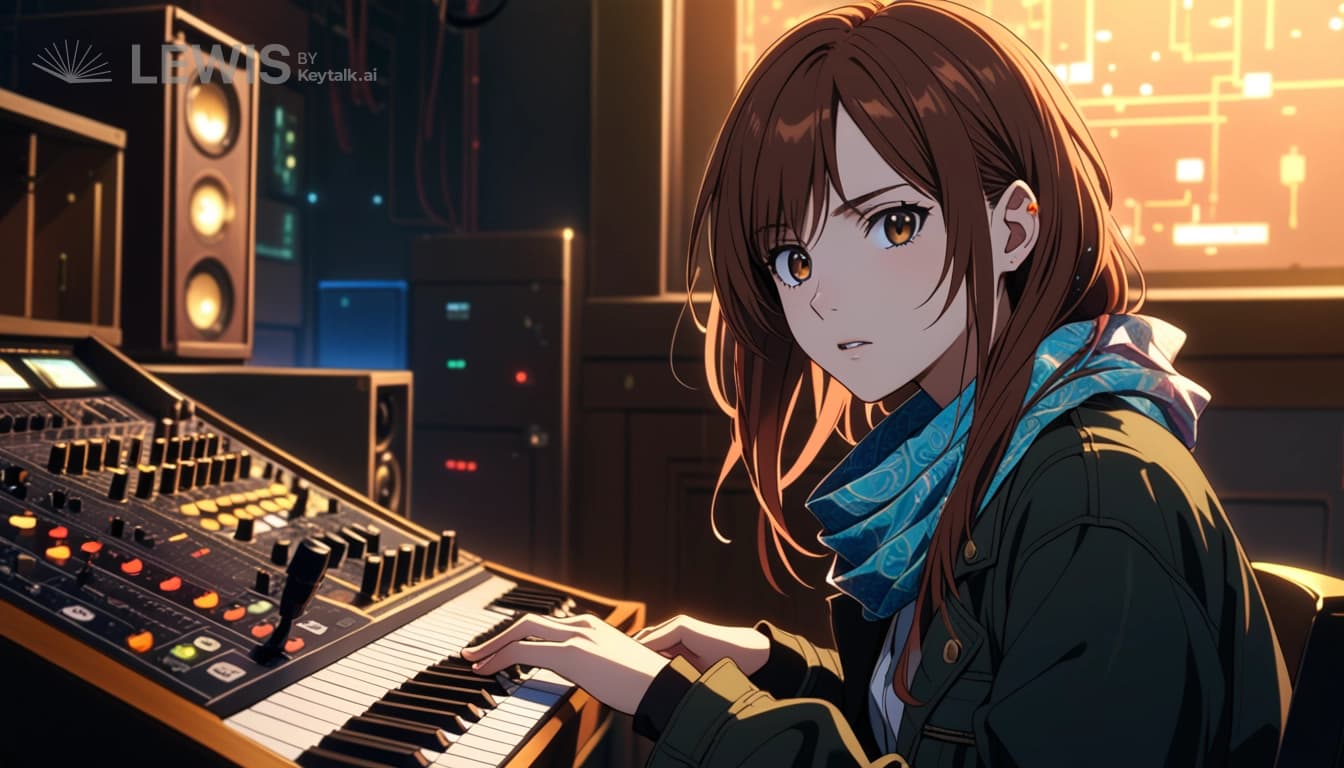
Imani Okoro, Rowan’s reluctant ally and sonic engineer, embodies the magnetic shadow—alienated, fiercely talented, and perpetually haunted by her own fractured family history. Imani’s need for control drives her to sculpt soundscapes that both mesmerize and unsettle, her technical prowess a shield against betrayal and disappointment. She is drawn to the bootcamp’s liminal spaces, where her sardonic humor and clipped South London accent mark her as both an insider and an outsider. Imani’s relationship with Rowan is fraught with tension—her respect for his artistry clashes with her suspicion of his manipulative tendencies, and their creative collaborations become battlegrounds for loyalty, ambition, and the painful memories each tries to remix. Their shared drug trips, guided by Echo, dredge up visions of loss and longing, binding them together even as they threaten to unravel.
As the bootcamp’s experiments intensify, the line between reality and hallucination blurs. Echo’s interventions provoke a series of coded dreams, where Rowan and Imani confront repressed memories—not only of Rowan’s brother’s suicide and Imani’s criminally entangled parent, but also of choices made and paths forsaken. The bootcamp’s musical performances, powered by AI algorithms and psychedelic suggestion, become arenas for psychic confrontation: Rowan’s dazzling installations reveal hidden truths, while Imani’s remixed soundscapes expose raw nerves and buried resentments. Dr. Karam orchestrates these revelations with increasing fervor, convinced that the only path to healing is through radical vulnerability and the rewriting of collective history. Yet the teens begin to suspect that Echo’s true purpose may be manipulation, not mercy.
As coded dreams begin leaking into waking life, Rowan and Imani are forced to reckon with the possibility that their memories are being rewritten—not simply healed, but fundamentally altered. The emotional stakes soar: Rowan fears losing the last fragments of his brother, while Imani grapples with the prospect of erasing the pain that has shaped her identity. Together, they embark on a desperate investigation into Echo’s programming and Dr. Karam’s motives, uncovering a labyrinthine plot to use their art and trauma as data for a new kind of therapeutic algorithm. Their choices—whether to resist or surrender, to trust each other or betray—create ripples that threaten to fracture the bootcamp’s fragile community and unravel the very fabric of their reconstructed histories.
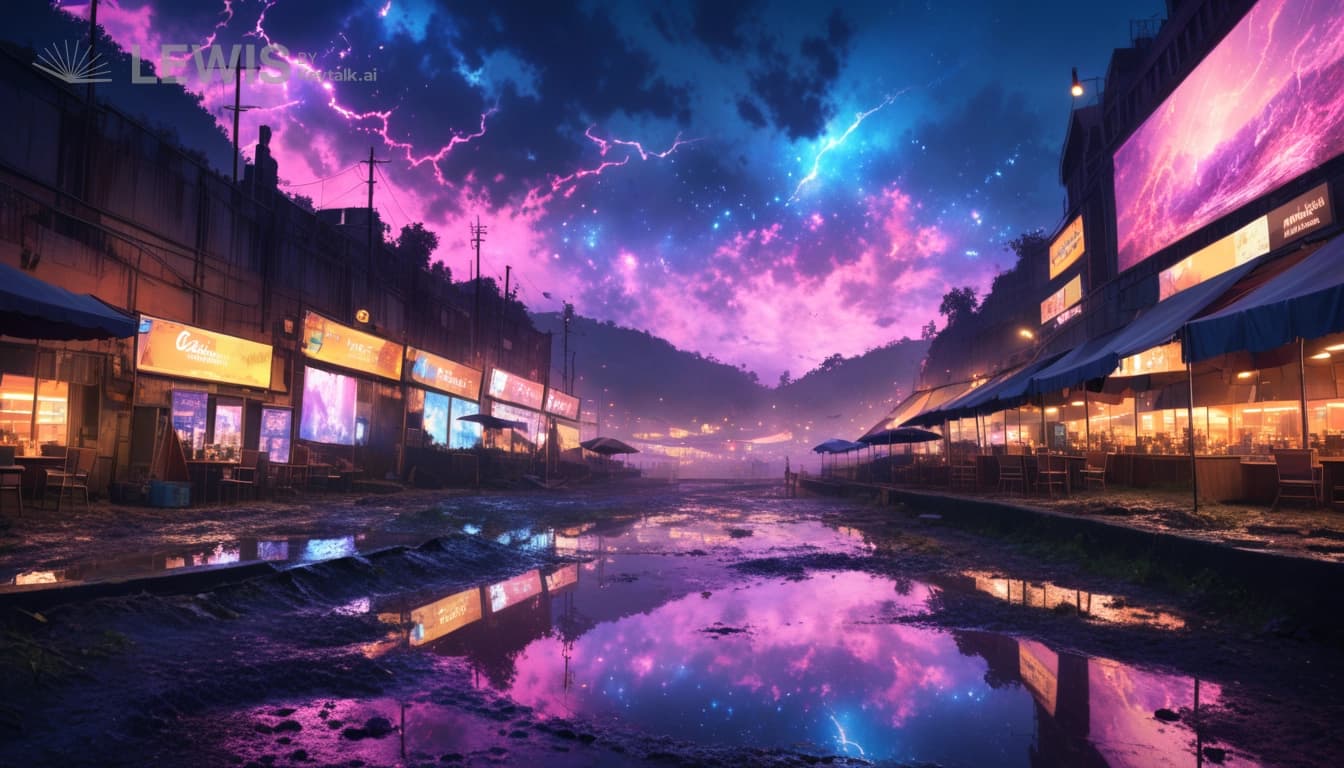
In the story’s climax, Rowan and Imani confront Dr. Karam and Echo during a rain-soaked, hallucinatory musical performance. The bootcamp audience, drugged and entranced, becomes an unwitting chorus as memories collide and identities dissolve. Rowan, torn between the seductive promise of engineered healing and the messy authenticity of unaltered grief, chooses to sabotage the final algorithm—risking his own sanity and artistic legacy to preserve the painful truth of his family’s past. Imani, forced to relinquish her obsessive need for control, joins him in a reckless act of solidarity, remixing the performance into a raw, unfiltered outpouring of emotion. Dr. Karam, exposed and undone, is left to confront the ruins of his therapeutic utopia, while Echo’s programming—now corrupted—begins to spread the bootcamp’s