Plot Synopsis
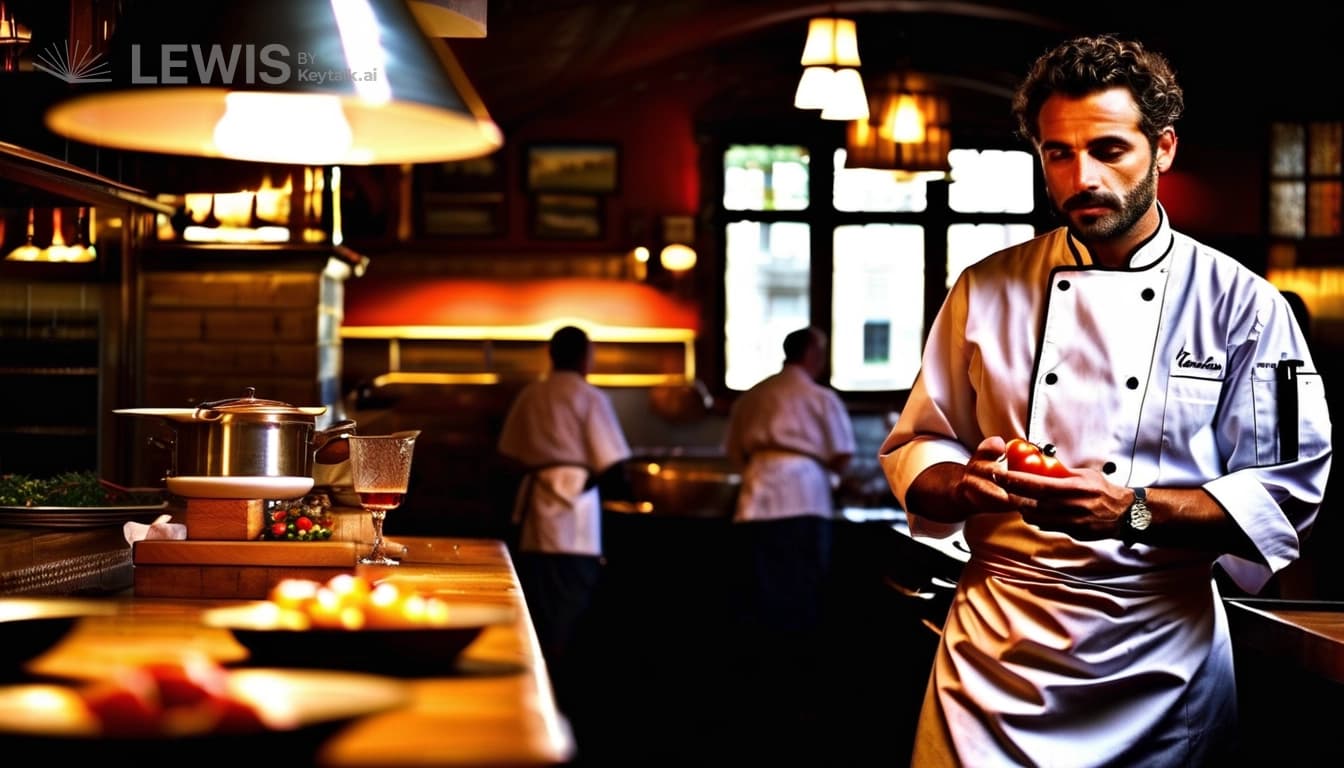
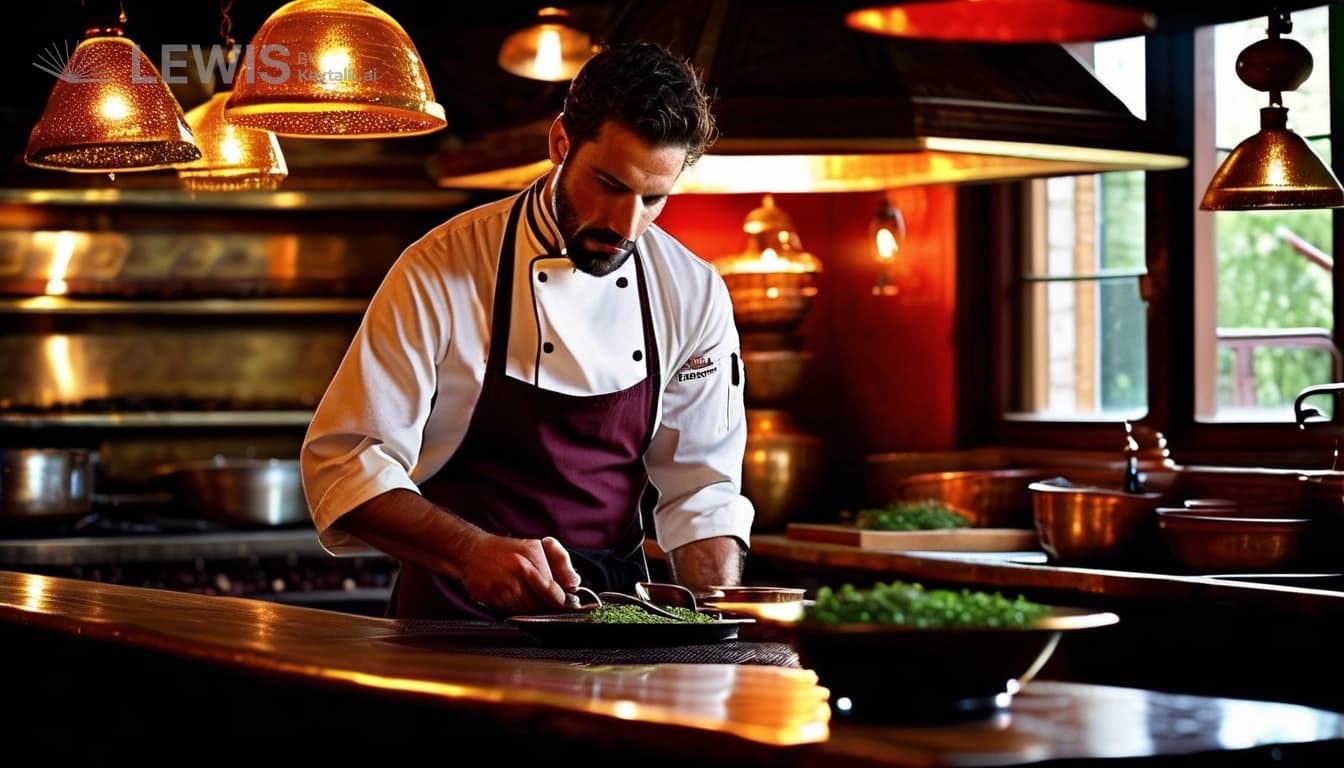
In the heart of a bustling Italian neighborhood, Luca Ferrante, a passionate but perfectionist chef, struggles to save his family's restaurant, Ferrante’s Trattoria, from imminent closure. Despite his inventive culinary skills, the trattoria’s reputation has waned, burdened by outdated traditions and dwindling customers. Luca’s relentless pursuit of culinary mastery has driven him to seek the elusive secret to perfecting Aglio e Olio—a dish he believes could reinvigorate the trattoria’s menu and, perhaps, its fortunes. However, tensions with his pragmatic younger sister, who urges him to focus on practical solutions rather than culinary experiments, weigh heavily on him. The trattoria’s creaky wooden floors and fading charm serve as a stark reminder of his family’s legacy, which he feels slipping away.
One evening, while pacing the neighborhood’s lively market in search of inspiration, Luca encounters Silvano Moretti, a destitute yet dignified spice merchant known for his encyclopedic knowledge of flavors. Silvano, once celebrated for his vibrant shop, has been reduced to bartering his expertise for meals after losing everything in a fire. Intrigued by Luca’s desperation and fiery passion, Silvano gifts him a small vial of a rare ingredient—an aromatic spice blend he refers to as "the soul of generosity." Silvano’s cryptic instructions to use it sparingly and with intention pique Luca’s curiosity. Though skeptical of its potential, Luca decides to integrate the spice into his Aglio e Olio recipe, hoping it might be the secret ingredient he’s been searching for.
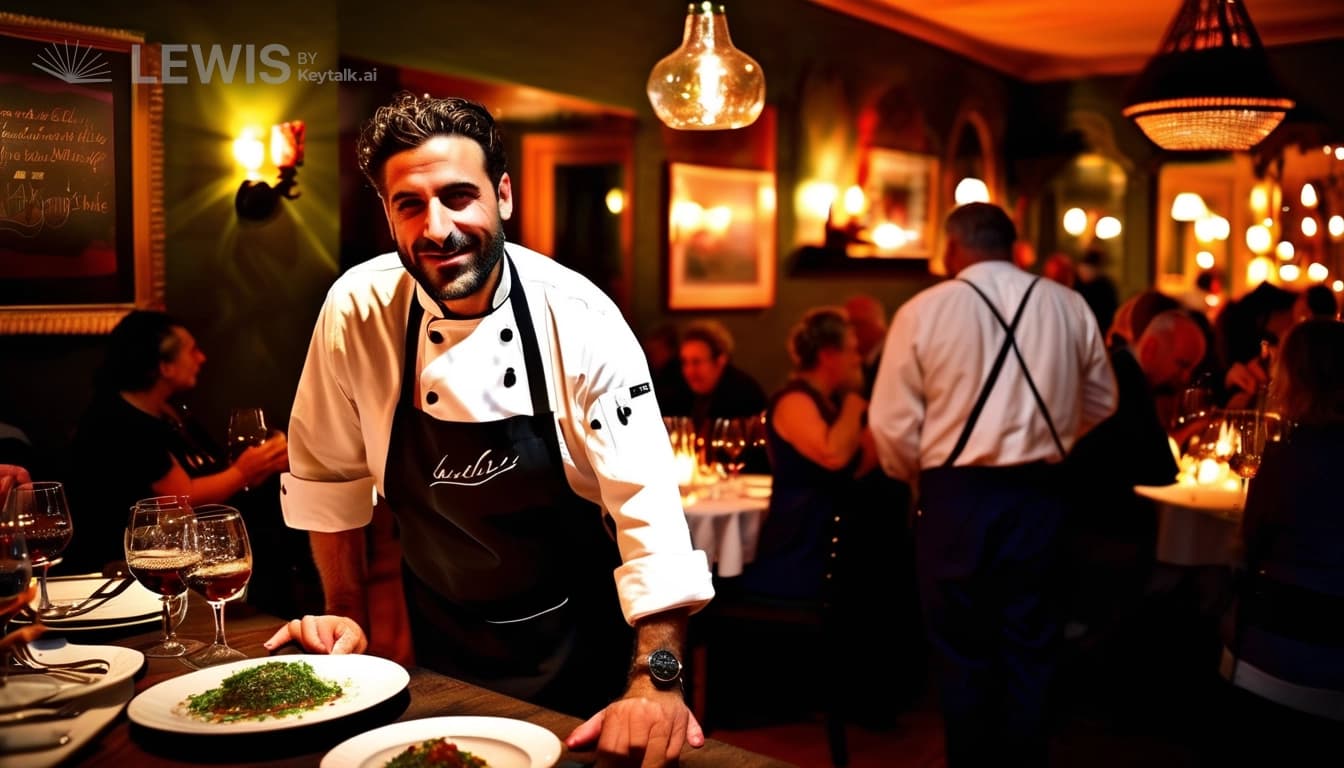
The dish, now infused with the rare spice, is introduced to Ferrante’s Trattoria’s menu the following week. To Luca’s surprise, the patrons react to the dish in unexpected ways. It doesn’t just tantalize their taste buds—it stirs their emotions, evoking a sense of warmth and nostalgia that seems to break through barriers. One customer anonymously pays for another’s meal, while another leaves an unusually generous tip with a heartfelt note. Soon, acts of kindness ripple through the restaurant, creating a palpable sense of community. Giorgia Rinaldi, a spirited and idealistic community organizer who frequents the trattoria, notices this shift and approaches Luca with an idea. She proposes collaborating with the trattoria to host “Pay It Forward Nights,” where patrons can contribute to meals for those in need. Though hesitant at first, Luca agrees, spurred by the growing buzz surrounding his dish and the sudden influx of customers.
As the community embraces the initiative, Luca begins to reassess his beliefs about generosity and connection. Silvano becomes an unexpected mentor, challenging Luca to understand the deeper value of food as a bridge—not just between flavors, but between people. However, the trattoria’s newfound success also reignites tensions within Luca’s family. His sister remains wary of the financial risks tied to their charitable ventures, fearing they might jeopardize the restaurant’s fragile recovery. Luca, torn between his perfectionist instincts and the growing realization that the trattoria’s survival may depend on embracing change, finds himself at a crossroads.
When a local food critic writes a glowing review of Luca’s Aglio e Olio, spotlighting the restaurant’s community-driven initiatives, the trattoria experiences a surge in popularity. Yet, just as things seem to be turning around, Luca discovers that Silvano is struggling to pay rent and faces eviction from his cramped studio. Luca, moved by Silvano’s quiet resilience and generosity, decides to organize a neighborhood fundraiser at the trattoria. With Giorgia’s help, the event becomes a lively celebration of the community’s spirit, featuring stories, music, and dishes inspired by Silvano’s spice blends. The fundraiser not only saves Silvano’s home but deepens the trattoria’s role as a hub for connection and goodwill.
In the final act, Luca prepares one last special dish infused with Silvano’s spice blend, serving it to a packed room of patrons who have come to see the trattoria not just as a restaurant, but as a cornerstone of their neighborhood. The dish is a culmination of Luca’s journey—honoring tradition while embracing innovation, and celebrating the transformative power of generosity. As Ferrante’s Trattoria thrives once again, Luca realizes that his dream of leaving a lasting mark was never about individual perfection but about fostering a legacy that uplifts others. The story closes with Luca twirling his wooden spoon, brainstorming new recipes, and glancing at Silvano and Giorgia, who sit at the counter sharing laughter. The trattoria, once fading, now hums with life, a testament to the bonds that food—and kindness—can create.