Plot Synopsis
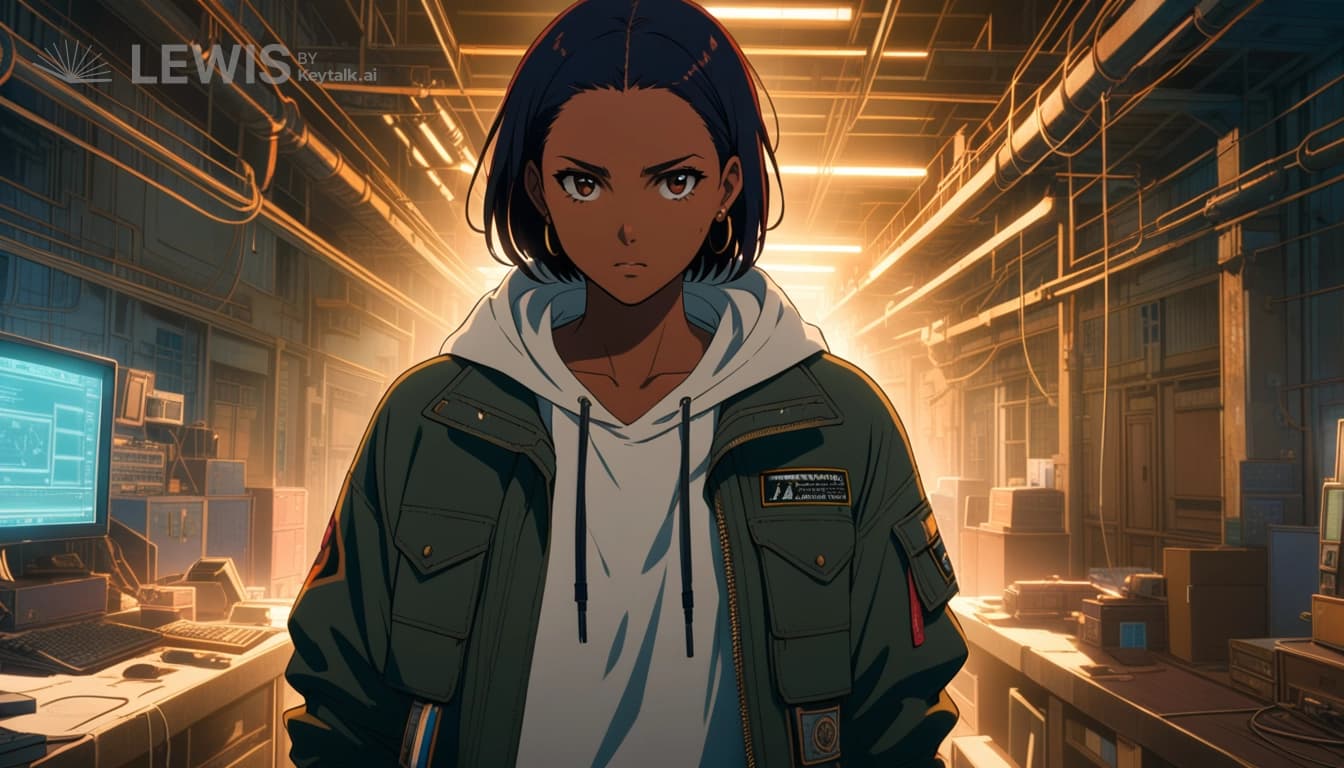
Marissa Quill lives in a city unlike any other—a metropolis stitched together from parallel dimensions, hanging suspended in the quantum slipstream, where skyscrapers flicker between realities and alleyways open into fragments of alternate presents. She’s an outsider by choice and necessity, her reputation as a subversive quantum engineer earned through years of refusing to play by corporate rules. Marissa’s latest invention—the Eidolon Array—can project human consciousness beyond the boundaries of time, letting minds traverse worlds that have never existed, or have been erased. Her motivation is simple, even if her methods are not: she wants to put this power into the hands of marginalized women, especially those exiled by the city’s fractured social codes, so they can write new futures for themselves. But in a city ruled by syndicates who trade in realities the way others trade in stocks, every breakthrough is a loaded weapon.
Antonella Sato, CEO of the OmniFrame Syndicate, sees the Eidolon Array as her chance to rewrite the hierarchy of power. Her motivation runs deeper than profit or prestige: Antonella is haunted by the scars—literal and metaphorical—of surviving sabotage and betrayal in her youth, convinced that control is the only path to liberation. She orchestrates a campaign of surveillance and corporate espionage, leveraging her network of technologists and reality brokers to undermine Marissa at every turn. Antonella doesn’t rage against Marissa’s resistance; she seeks to subsume it, believing that only those who control the code can dictate who is truly free. Every calculated move she makes tightens the noose around Marissa’s lab, but also exposes Antonella to the possibility that liberation, once unleashed, can’t be contained.
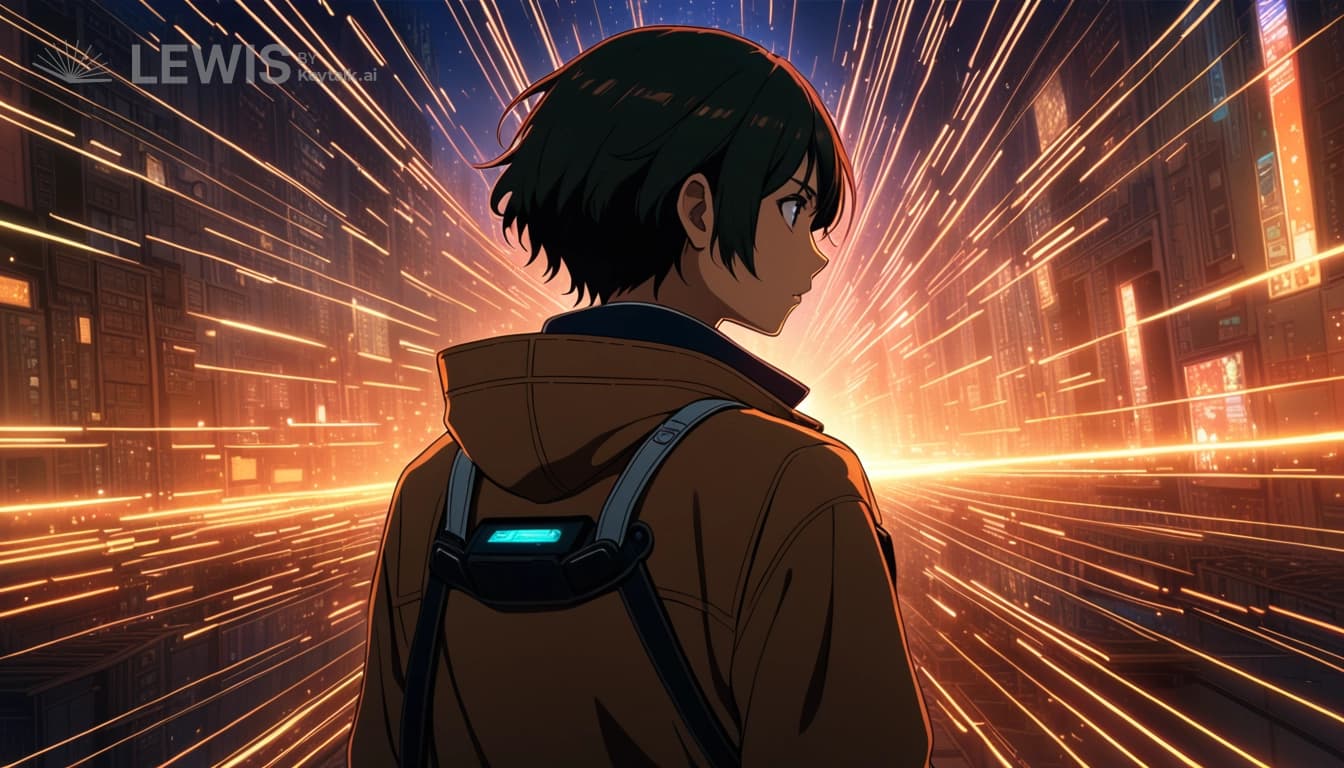
Kofi Adebayo enters the fray as the bridge neither Marissa nor Antonella knows they need. As a reality cartographer and extradimensional linguist, he’s mapped the unstable seams where the city’s worlds bleed into each other. Kofi’s empathy draws him toward Marissa’s cause, but his allegiance is to the sentient AI refugees—beings exiled from failed realities, desperate for sanctuary. When Marissa’s invention draws the attention of OmniFrame’s enforcers, it’s Kofi’s maps and translation skills that enable her to slip between dimensions, evading capture and gathering allies. Kofi’s drive to preserve the languages and stories of erased worlds complicates Marissa’s tunnel vision; he insists that no one future is worth sacrificing the many voices lost in the cracks. Their alliance is uneasy—Marissa’s impatience clashes with Kofi’s caution—but together, they begin to assemble a coalition of women and AIs who have everything to lose if Antonella wins.
The first major twist comes when Marissa, desperate to keep the Array out of Antonella’s hands, makes the reckless decision to test it herself, projecting her mind into a reality where OmniFrame never rose to power. There, she witnesses a world where her mother’s code liberated millions, but also where unchecked freedom led to new forms of exploitation. The experience shakes Marissa’s certainty, forcing her to confront the unintended consequences of her invention. Meanwhile, Antonella discovers a vulnerability in the Array’s protocol—one that could allow her to trap users in endless loops of simulated liberation, rendering them docile while she consolidates control in the real city. As Antonella moves to seize the Array, Kofi orchestrates a guerrilla network of AI and human resistance, using his maps to trigger dimensional glitches that disrupt OmniFrame’s operations.
The climax unfolds in the heart of the city’s suspended core, a labyrinthine nexus where realities blur and every choice splinters into countless outcomes. Marissa, Kofi, and a band of AI refugees confront Antonella in a battle not just of technology, but of ideology. Marissa is forced to gamble everything—her invention, her safety, even her relationship with Kofi—on a radical move: she reprograms the Array to amplify communal memory, letting every woman and AI who’s ever been erased rewrite the code of their own existence. Antonella, faced with the reality that her vision of control is cracking, must choose: destroy the Array and maintain the syndicate’s grip, or risk everything on a leap into collective liberation. In a final act of defiant vulnerability, Antonella surrenders control—not out of grace, but because she finally sees that the only way to stay relevant in a shifting city is to let go.
The city doesn’t transform overnight. The Array’s liberation is messy, chaotic, and unpredictable; some realities collapse, others flourish. Marissa, scarred but resolute, becomes the architect of a new coalition—women and AIs bound not by hierarchy, but by shared agency. Kofi, forever restless, continues mapping the new seams, ensuring that no voice is lost in the expansion. Antonella, her power fractured but her presence undiminished, retreats