본문으로 건너뛰기
The Ghost of a Second Chance cover image

The Ghost of a Second Chance

A celebrated astrophysicist, haunted by the ghost of a love lost to a lab accident, dedicates his life to proving time travel is possible. He succeeds, only to find that every attempt to save his beloved fractures reality, forcing him to choose between his personal past and the future of existence itself.

Weekly ranking

rank icon image
#2 inConcept
rank icon image
#3 inTheme
rank icon image
#21 inConcept
Scroll

Plot Synopsis

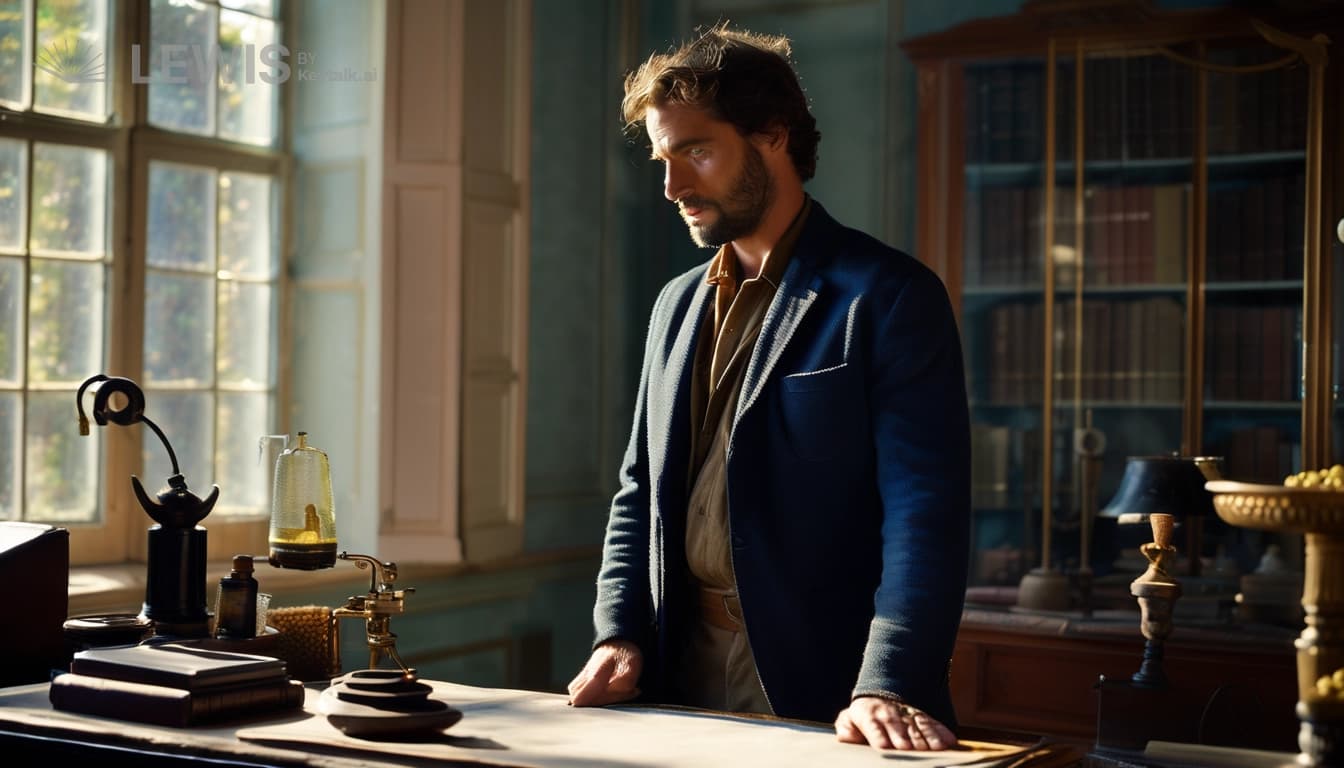
Dr. Aris Thorne’s life is not a biography of achievements, but an intimate portrait of a haunting. Five years after a quantum entanglement experiment went catastrophically wrong, vaporizing his wife and research partner, Elara, the world celebrates him as the sole architect of their shared breakthroughs. But Aris, a man hollowed out by grief, knows the truth: it was his miscalculation, his hubris, that erased her. He channels his guilt and genius into a singular, secret obsession: building a machine to manipulate localized spacetime, not for fame, but to pull Elara back from the moment of her death. His only confidant is Kenjiro Tanaka, Elara’s uncle, a quiet archival conservator who grounds Aris with tangible relics of the past. Ken provides financial and emotional support, viewing Aris’s obsession as a complex, dangerous form of mourning, all while meticulously documenting the project, preserving the history of a man trying to destroy it. Aris finally succeeds, activating his device and pulling Elara forward from the instant before the accident. She materializes in his lab, disoriented but alive, and for a fleeting moment, Aris believes he has corrected the universe’s greatest mistake.

The reunion is a fractured paradise. This Elara is not the ghost he has cherished; she is sharp, terrified, and furious. She remembers the surge of energy, the smell of ozone, and Aris’s desperate shout—and she immediately grasps what he has done. Her horror is not just at the violation of her own timeline but at the sheer recklessness of his science. While Aris sees a second chance, Elara sees a man who has appointed himself a god, a dangerous variable who has torn a hole in the fabric of reality. The world outside begins to reflect this tear. Subtle anomalies appear, glitches in the matrix that only Ken, with his archivist’s eye for detail, initially notices: historical dates in his restored books shift by a day, architectural details on old photographs subtly alter, and the scent of ozone lingers in the air. Aris, blinded by his success, dismisses these as side effects, acceptable collateral damage for getting Elara back. He believes he can stabilize the timeline, but Elara argues that the damage is already done and is likely exponential. Their home becomes a battleground of ideology—his desperate, romantic belief in correction versus her cold, ethical certainty of consequence.

The conflict escalates when a formidable new figure emerges: Dr. Elara Vance, a renowned Cambridge ethicist and a leading critic of unchecked scientific ambition. This is the Elara who would have existed had she not died—a version of her who, without Aris, forged a different path, becoming a powerful intellectual force dedicated to preventing the very kind of hubris Aris has just unleashed. This Cambridge Elara, alerted by strange energy readings and whispers of Thorne’s bizarre seclusion, arrives in Pasadena to investigate. She is the living embodiment of his wife's principles, a colder, more formidable woman whose life was not defined by their shared love but by a global mission. The confrontation is surreal: Aris stands between two versions of the woman he loves—the ghost he resurrected, who is terrified of what he’s done, and the powerful stranger she would have become, who is determined to stop him. The two Elaras, sharing a core identity but shaped by vastly different experiences, form an uneasy and complex alliance against the man who, in his own way, destroyed both of their lives.

The cracks in reality begin to widen into chasms. The anomalies are no longer subtle; buildings flicker in and out of existence, people’s memories contradict recorded history, and temporal "tremors" cause widespread panic and confusion. Cambridge Elara, using her formidable resources, confirms their worst fears: Aris didn't just pull his Elara from the past; he created a paradox that is causing the timeline to fray and collapse into branching, unstable realities. The universe is attempting to reconcile two irreconcilable states, and the process is accelerating toward a total systemic breakdown—an "Event Horizon" of non-existence. Aris is forced to confront the catastrophic scale of his selfishness. His personal grief has become an existential threat. The resurrected Elara, weakened and unstable from being displaced in time, feels the decay most acutely, her own physical form starting to phase and glitch. She and her alternate self present Aris with a devastating choice: find a way to reverse the process, which would mean sending his Elara back to her certain death, or watch as all of reality dissolves into nothing.

Ken becomes the unlikely key to the solution. While the two Elaras and Aris work on the theoretical problem, Ken discovers the practical flaw in Aris's initial experiment. Buried in Elara's original, pre-accident notes—archives he had preserved—he finds a series of equations she had flagged as unstable, a safety protocol Aris had overridden in his haste. Ken, the man of paper and ink, provides the crucial missing piece of the scientific puzzle. He also reveals his own secret: he has been creating a "control" archive, a collection of objects sealed in a Faraday cage, to serve as an objective record of the original timeline. This physical proof of what has been lost becomes their anchor. Guided by Elara's original, safer calculations and the combined intellect of Aris and the Cambridge Elara, they devise a plan. They can use Aris’s machine to pinpoint the exact moment of the initial fracture and sever the paradoxical timeline, but it requires a massive, focused energy surge that will destroy the device and can only be targeted by someone with an intimate quantum connection to the original event—Aris’s Elara.

In the story's climax, Aris must actively help the woman he loves prepare for her own execution. The final hours are a study in profound, heart-wrenching acceptance. He and his Elara say the goodbye they were denied five years ago, not with frantic desperation, but with the quiet, sorrowful intimacy of two people who have finally understood the cost of their love. She confesses she was always afraid of his ambition, and he admits his greatest achievement was a monument to his greatest failure. In a final, selfless act, she steps into the modified device. With Cambridge Elara guiding the technical sequence and Ken standing as a silent witness, Aris activates the machine. He watches as Elara looks at him one last time, a faint, forgiving smile on her face, before she dissolves into light, her energy sent back to seal the wound in time. The lab is rocked by the energy release, and reality snaps back into place with a violent, definitive finality. The world is saved, but Aris is left utterly alone, the silence in the lab more profound than ever before. The Cambridge Elara, her purpose served, departs, leaving Aris with a single, parting piece of advice: "Honor her memory by living in the world she saved, not the one you broke." His biography concludes not with a scientific triumph, but with the quiet, devastating portrait of a man who traveled through time only to learn that the only path forward is to live with the ghosts you cannot save.
Model Used
Gemini 2.5 Pro
text
Stable Diffusion
image

Story Details

Keytalk Prompts Used
See all Keytalks
no chosen prompts
no chosen prompts
no chosen prompts
no chosen prompts
no chosen prompts
no chosen prompts
Model Used
Gemini 2.5 Pro
text
Stable Diffusion
image

Character

Protagonist Character

Aris Thorne

GenderMale
OccupationTheoretical Astrophysicist

Profile

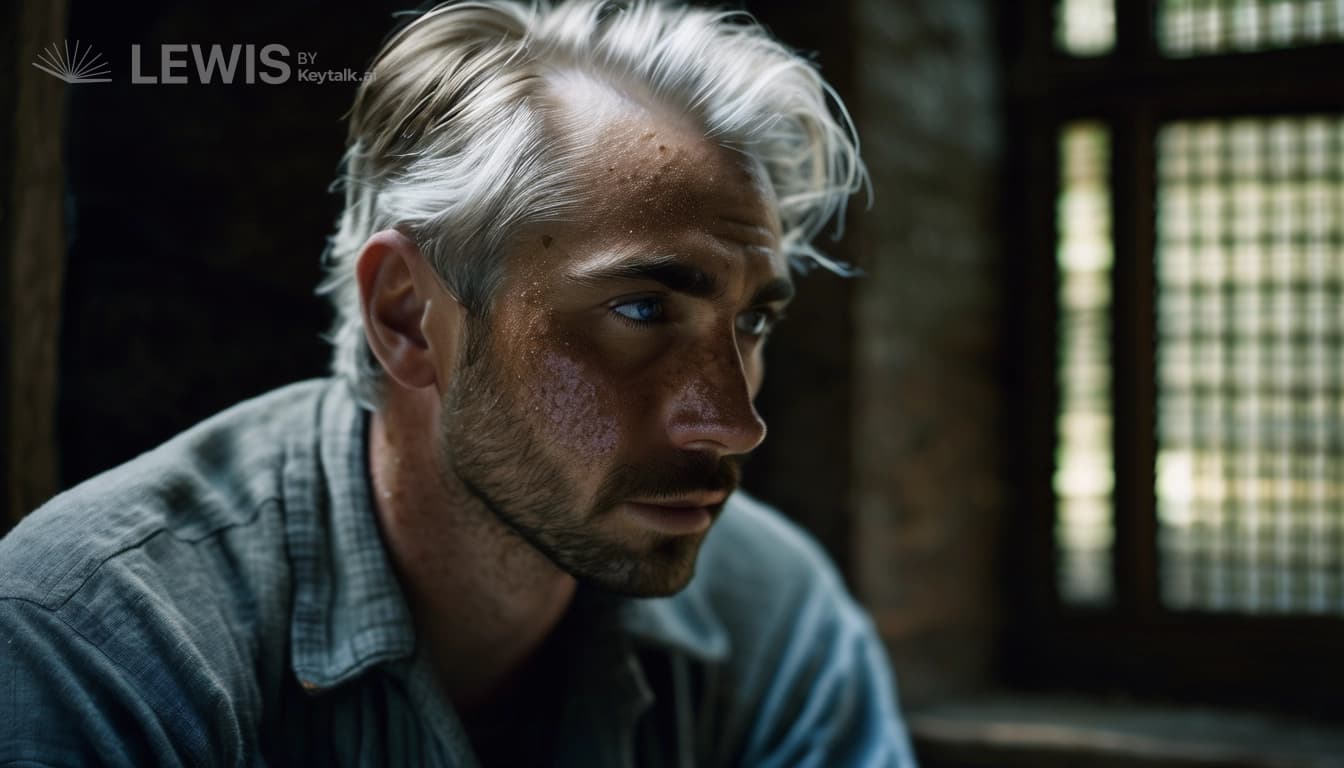
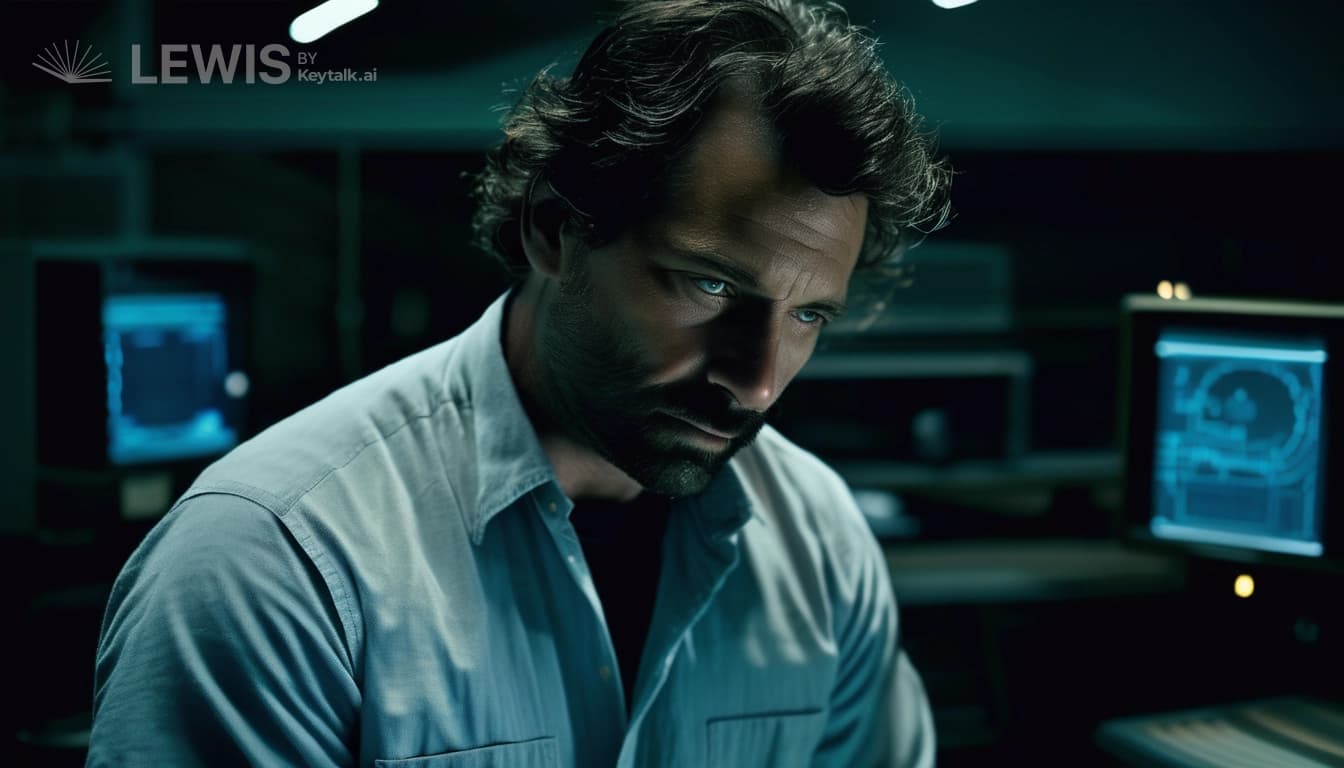
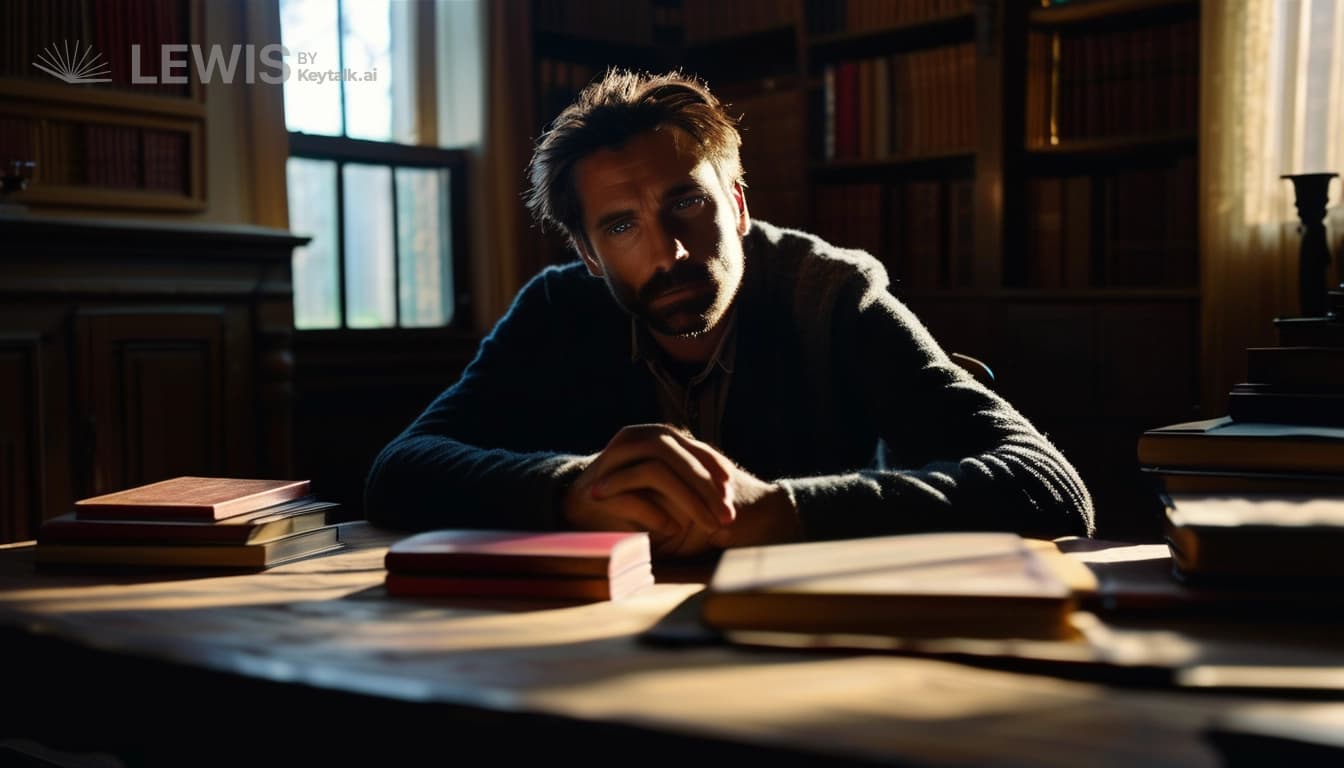
Dr. Aris Thorne, at forty-two, is a man sculpted by grief and gravity. His name is synonymous with groundbreaking papers on spacetime curvature, yet in the hushed halls of Caltech or the sterile quiet of his Pasadena craftsman home, he is little more than a ghost haunting his own life. Standing a lanky six-foot-two, Aris carries himself with the stooped posture of someone perpetually peering into a telescope or a painful memory. His once-sharp jawline has softened, shadowed by a perennial five-o'clock shadow that’s more neglect than style. His dark, unruly hair, shot through with premature silver at the temples, is a constant battlefield for his restless fingers. His most striking features are his eyes—a startlingly pale, intelligent blue, now perpetually framed by the faint, bruised-looking shadows of sleepless nights. They hold a distant, almost chilling focus, the look of a man who sees equations in the cracks of the pavement and quantum possibilities in the steam rising from his coffee. He dresses in a uniform of soft, worn-out button-downs, usually a muted gray or blue, paired with dark trousers and scuffed leather shoes, the clothes of a man for whom appearance is a forgotten variable. Aris speaks with the precise, clipped cadence of an academic, but his voice, a low baritone, often trails off mid-sentence, as if he’s been distracted by a thought only he can hear. He was once known for his dry, infectious wit, but since Elara’s death five years ago, that humor has curdled into a quiet, almost abrasive sarcasm reserved for anyone who questions his increasingly esoteric work. He lives in a self-imposed exile, his only real relationship being with the ghost of his wife and the chalkboard in his study, which is covered in a frantic, overlapping cascade of formulas—the chaotic map of a singular, desperate obsession to rewind the universe and correct its most unforgivable error.
Antagonist Character

Elara Vance

GenderFemale
OccupationEthicist and Historian of Science

Profile

Dr. Elara Vance is the kind of woman whose quiet disapproval could dismantle a man’s entire career with a single, precisely worded op-ed. A British-Indian historian of science and a leading ethicist at Cambridge, she carries the weight of her intellectual lineage with an almost unnerving grace. At thirty-nine, she has cultivated an aura of untouchable authority, her reputation built on a foundation of dismantling the very "great man" myths that fuel scientific hubris. Her personal history is one of quiet rebellion; born in London to a family of celebrated surgeons, she sidestepped the expected path of medicine to instead study its ethical fallout, a choice that has subtly strained her family ties. Standing at a deceptively slight five-foot-five, Elara’s presence is anchored by an unwavering, direct gaze from dark, almond-shaped eyes that seem to catalog every falsehood. Her hair, a curtain of straight, glossy black, is often pulled back into a severe knot at the nape of her neck, accentuating the sharp, intelligent lines of her jaw and high cheekbones. She dresses in a uniform of bespoke, dark-toned minimalist pieces—cashmere turtlenecks, tailored trousers, and severe blazers—that communicate a stark, no-nonsense professionalism. Her only affectation is a vintage, silver fountain pen she constantly fiddles with during debates, a habit that betrays the restless, analytical mind working beneath her placid surface. Her speech is a masterclass in Received Pronunciation, each word chosen with surgical precision, her arguments built with the inescapable logic of a historian who has seen the catastrophic end of every story that began with a man who believed he was above the rules. She is driven by a fierce, almost zealous conviction that scientific progress must be shackled by moral accountability, a belief forged from studying the lives ruined by unchecked ambition. Elara is not a villain in her own mind; she is a guardian, the necessary and unyielding force standing between brilliant minds and the disasters they are capable of unleashing.
Sidekick Character

Kenjiro "Ken" Tanaka

GenderMale
OccupationArchival Conservator and Rare Bookbinder

Profile

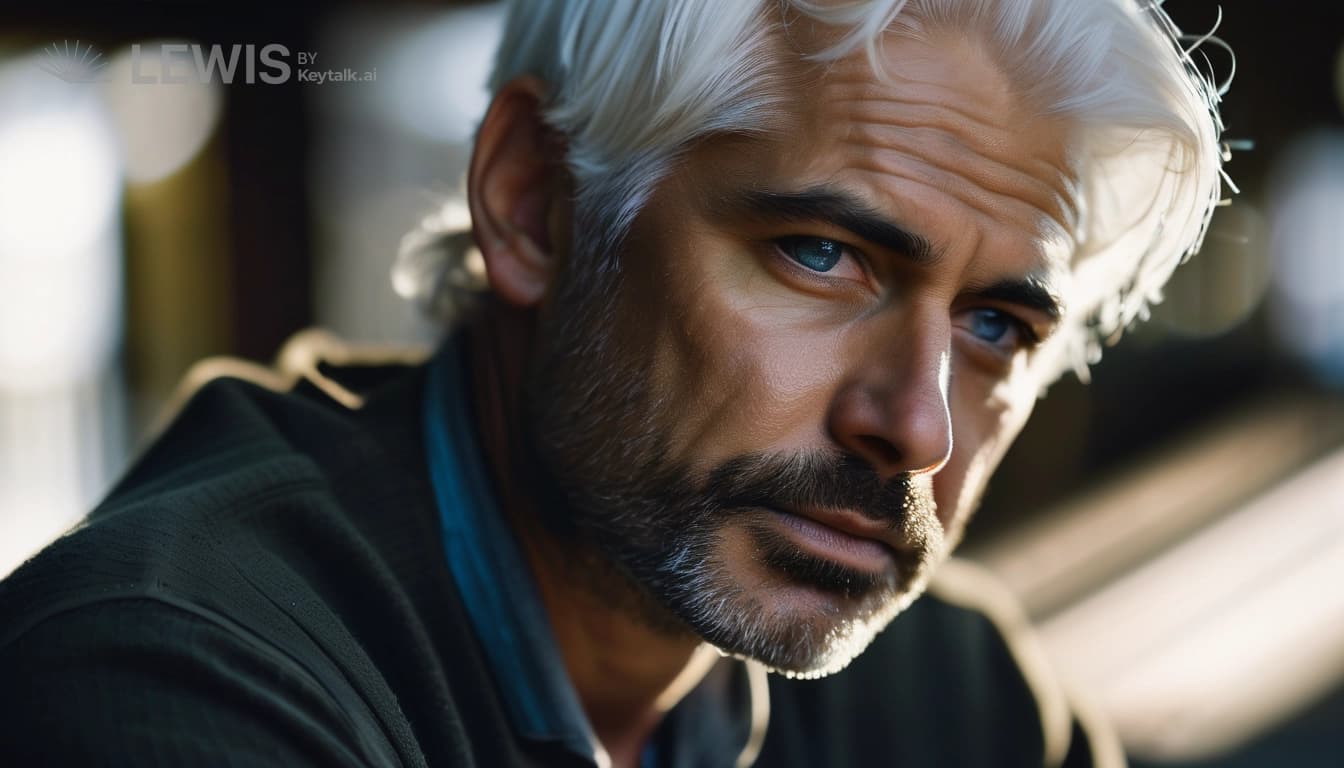
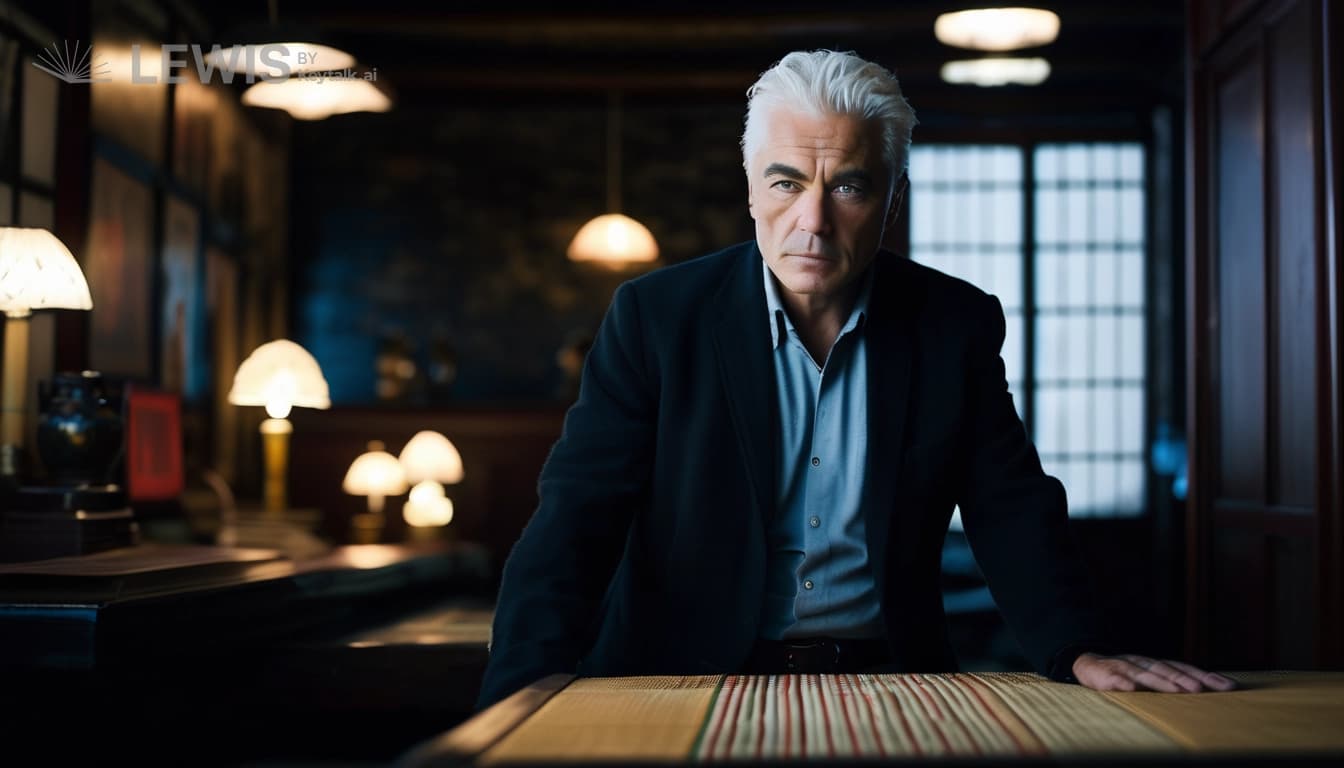
Kenjiro "Ken" Tanaka is the quiet anchor in Aris Thorne's chaotic world, a man who finds solace not in the infinite possibilities of the cosmos, but in the finite, tangible reality of the past. As a second-generation Japanese-American archival conservator, Ken has spent his life preserving history, his hands, though wrinkled and dotted with age spots, still possessing the steady precision required to bind rare books and restore delicate manuscripts. At sixty-eight, he moves with a deliberate, unhurried grace that contrasts sharply with Aris's frantic energy. Standing at a modest five-foot-seven, Ken has a lean, wiry build honed by decades of meticulous, physical work. His face is a roadmap of a life lived with quiet contemplation, framed by a neat, full head of silver-white hair that he keeps impeccably styled. He favors simple, functional clothing—well-worn corduroy trousers, soft cashmere sweaters, and a pair of sturdy leather brogues—that speak to a man who values enduring quality over fleeting trends. Ken's connection to Aris is rooted in a shared love for Aris’s late wife, who was Ken’s cherished niece; he sees his support of Aris's work not as enabling an obsession, but as fulfilling a solemn duty to family. He operates from a deeply ingrained philosophy of *mono no aware*, the gentle acceptance of transience, which puts him in direct ideological conflict with Aris's desperate attempts to reverse time. While Aris chases theoretical futures, Ken grounds him with the physical evidence of what has been, often speaking in calm, measured tones that carry the weight of historical certainty. His workshop, smelling of old paper, leather, and cedar, serves as a sanctuary for Aris, but it is also Ken’s domain of irrefutable, linear time—a place where the past is not something to be altered, but something to be understood and honored. He possesses a pragmatist's skepticism, viewing Aris's temporal equations with the same cautious eye he'd use on a forged document, his unique skill set allowing him to notice the subtle, physical tells of reality's decay—a book whose publication date has shifted, a photograph that has subtly changed—long before anyone else. He is the keeper of memory, both personal and collective, and his ultimate motivation is not to help Aris succeed, but to guide his grief-stricken nephew-in-law back to the only timeline that truly matters: the present.
Model Used
Gemini 2.5 Pro
text
Stable Diffusion
image

World

Location/Time, Era:
The story unfolds in present-day Pasadena, California, a city where the sun-drenched, suburban calm of craftsman homes and jacaranda-lined streets belies the intense intellectual pressure cooker of Caltech and the Jet Propulsion Laboratory. This specific locale creates a constant, jarring juxtaposition for Aris: the mundane world of grocery stores and neighborhood parks existing alongside the esoteric, reality-bending work happening in his garage laboratory. The narrative is rooted in the early 21st century, an era defined by a public that fetishizes technological disruption while remaining largely ignorant of its true, chaotic potential. This setting is not just a backdrop but an active participant, its placid surface a canvas on which the first subtle tears in reality—a misplaced historical plaque, a street sign in a font that won’t be invented for another decade—begin to appear, turning a familiar landscape into something deeply unsettling. The world feels like ours, making the eventual fractures all the more terrifying.

Key rules of the world and their impact on the story and beyond:
In this world, spacetime is not a placid river but a "quantum foam" of probabilistic states, a concept Aris exploits. The fundamental rule is the **Principle of Chronological Inertia**: reality actively resists paradox and will attempt to "heal" fractures by collapsing contradictory timelines, much like a body rejecting a foreign organ. This process is not clean; it generates "temporal tremors," which manifest as the glitches Ken first notices, and releases a specific, low-level energy signature that Cambridge Elara's global network can detect. A critical secondary rule is **Quantum Entanglement Decay**; a person or object pulled from their native timeline, like Aris's Elara, is fundamentally unstable and suffers a form of "temporal sickness," their quantum state slowly decohering the longer they are displaced, causing physical and cognitive degradation. This decay acts as a ticking clock, forcing Aris to realize that even if he could stabilize the universe, the woman he saved is fading away, making her eventual return to her own time a tragic inevitability.

Visual depiction of the world and its unique features:
The world's visual identity is one of subtle corruption, where the familiar becomes menacingly "off." Aris's Pasadena home, a classic craftsman, slowly transforms into a reflection of his fractured mind; its once-warm wood interior seems to darken, and the intricate patterns of the stained-glass windows appear to subtly shift and writhe in his peripheral vision. His laboratory is a chaotic cathedral of obsession, with holographic schematics flickering over walls covered in a frantic scrawl of chalk equations, the cables of his device snaking across the floor like metallic roots anchoring a cancerous growth. Beyond his home, the temporal decay manifests visually: the sharp, modernist lines of the Caltech campus might momentarily shimmer with Victorian architectural details, or the iconic Hollywood sign might briefly read "HOLLYWOODLAND" again. These are not grand, apocalyptic changes, but intimate, gaslighting glitches in the world's source code, creating a pervasive atmosphere of psychological dread and making the characters question their own sanity.

Notable technology, philosophy, or cultural elements influencing the world and narrative:
The dominant philosophy clashing in the narrative is the "Great Man" theory of scientific progress versus the stringent ethical framework of "Precautionary Principle," championed by Cambridge Elara. The world’s elite academic culture lionizes figures like Aris, creating a system that rewards groundbreaking, reckless genius and inadvertently enables his disastrous choices. This culture is contrasted by the quiet, contemplative philosophy of Kenjiro Tanaka, *mono no aware*—the bittersweet acceptance of transience and impermanence—which offers a powerful counterpoint to Aris's frantic war against time. Technologically, the world possesses global sensor networks capable of detecting exotic energy particles, the very technology that alerts Cambridge Elara to Aris’s experiment, turning the tools of scientific collaboration into a system of surveillance. The most significant piece of "technology," however, is Ken’s archival practice; his meticulously preserved, physically "real" artifacts and his "control" archive become the ultimate arbiters of truth, a tangible, low-tech bulwark against the digital and temporal chaos Aris unleashes.
representative image
location 1 image

Location 1

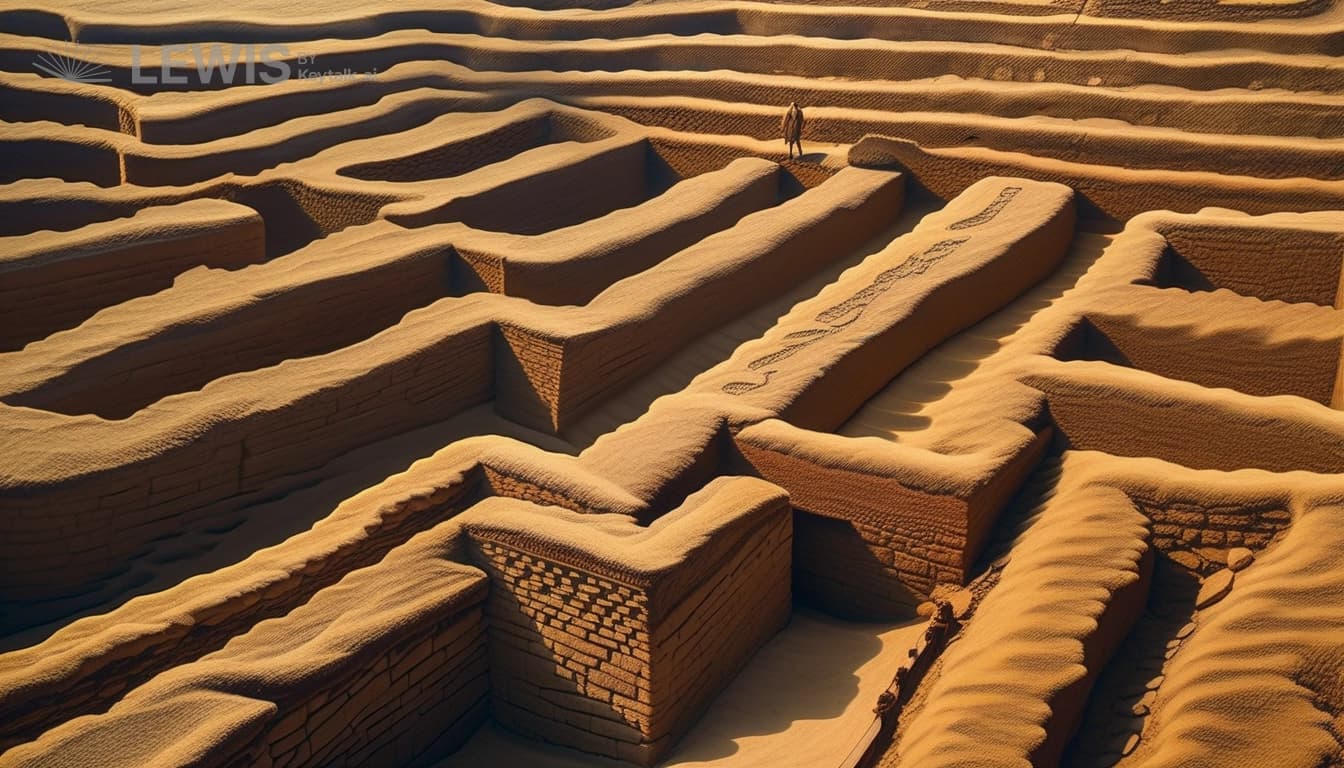
- Title : The Palimpsest Vaults Beneath Old Caltech
- Description : This subterranean labyrinth, a forgotten relic of the university's past, is where Kenjiro Tanaka preserves the ghosts of history. The air hangs thick with the scent of aging paper, leather, and ozone—a strange, sharp perfume that clings to the climate-controlled stillness and the rows of acid-free boxes containing Elara’s original, untainted notes. It is here, among the tangible echoes of the world as it was, that the first subtle tears in reality appear, noticed only by the man who curates the past.
location 2 image

Location 2

Title: The Jacaranda Room at Café Mnemosyne
Description: Named for the single, ancient jacaranda tree that presses its lavender blossoms against the bay window, the room is a small, quiet annex where Pasadena’s old money comes to whisper over lukewarm tea. The air hangs thick with the scent of rain-soaked petals, lemon polish, and the faint, papery dust of history seeping from the leather-bound menus. It is here, amidst the clink of heirloom silver on bone china, that Aris confronts Cambridge Elara for the first time—a surreal duel of intellect and grief staged in a place built for quiet afternoons, forever staining its genteel memory with the ghost of a paradox.
location 3 image

Location 3

Title: The Ozone Scar on Arroyo Seco
Description: Down in the dry riverbed, where the concrete channel gives way to wild scrub and sun-bleached stones, lies a patch of earth that never healed. The ground is fused into a glassy, black wound in the landscape, a permanent scorch mark where the air still tastes of ozone and the silence feels heavier, as if sound itself is afraid to disturb the memory of the energy that tore a hole in the world right here. It’s the place Aris avoids and the two Elaras are drawn to, a raw, physical reminder that some mistakes can’t be buried—they can only be seen.
Model Used
Gemini 2.5 Pro
text
Stable Diffusion
image

Scenes

scene 1 image
Scene 1
The Weight of Vapor—Aris Thorne’s Nightmares and Kenjiro’s Archive
[Place] Aris Thorne’s private laboratory, Pasadena—an austere, dimly lit room cluttered with quantum schematics, obsolete machinery, and Kenjiro’s meticulously labeled archival boxes.
[Time] Late night, five years after the accident, on the anniversary of Elara’s death.

[Action]
The scene opens with Aris alone, sleepless, haunted by recurring nightmares of the experiment gone wrong—the blinding surge, Elara’s voice lost to static, the scent of ozone lingering even in waking hours. He moves restlessly through the lab, fingers tracing the contours of half-built quantum devices and battered notebooks that bear Elara’s handwriting. Kenjiro arrives quietly, carrying a battered box—another relic salvaged from Elara’s old apartment. The emotional tension between the two men is palpable: Aris is raw, defensive, his grief bordering on obsession; Ken is gentle but firm, grounding Aris with reminders of the real woman behind the myth the world has built around her. Ken tries to persuade Aris to confront the anniversary, urging him to document his feelings rather than bury them under equations. Aris resists, insisting that only finishing the machine can make the date matter again. Ken, undeterred, starts cataloging artifacts in the background, weaving Elara’s presence through the sterile lab—her scarf, a broken mug, a journal with unfinished equations. The atmosphere is thick with memory and guilt, neither man willing to fully name the loss that shapes every moment. Aris’s obsession with reversing time is juxtaposed against Ken’s reverence for preserving it, setting up their complicated, co-dependent dynamic. The scene ends with Aris hunched over the device, whispering Elara’s name as Ken quietly writes in his archive, both men trapped in the tension between mourning and hope.

[Impact on the story]
This scene establishes Aris’s emotional state—his guilt, insomnia, and the driving force behind his dangerous obsession. Kenjiro’s presence provides a counterbalance, highlighting the tension between grief’s destructive and preservative impulses. Their interaction deepens the theme of memory versus ambition, foreshadowing the ethical and emotional battle to come. The atmosphere of loss and longing sets the tone for the story, making Elara’s absence painfully real and her eventual return both inevitable and fraught.

[Description]
Aris and Kenjiro navigate the haunted anniversary of Elara’s death in a lab saturated with memory and regret. Their contrasting approaches to grief—Aris’s obsession with undoing the past and Ken’s dedication to preserving it—set the emotional and thematic stakes for the story’s unfolding tragedy.
scene 2 image
Scene 2
Relics and Reckoning—Unveiling the Quantum Machine, Unraveling Old Griefs
[Place] Aris Thorne’s laboratory, Pasadena—centered around the completed quantum machine, surrounded by artifacts from Elara’s life and the tools of their shared research.
[Time] Early morning, the day after the anniversary; the lab illuminated by the first tentative shafts of sunlight.

[Action]
Aris, running on the fumes of sleepless determination, prepares for the activation of the quantum device. The lab is alive with both anticipation and dread, the quiet hum of machinery underscored by Kenjiro’s methodical cataloging of Elara’s relics—her scarf, the mug, the unfinished journal now resting beside the machine. Aris’s hands tremble as he recalibrates the final settings, haunted by the weight of responsibility and the memory of Elara’s last moments. Kenjiro, sensing Aris’s growing instability, makes a last, heartfelt attempt to dissuade him, reminding him of the personal and ethical cost of tampering with the fabric of time. The conversation grows tense: Aris is desperate, rationalizing the risk with the promise of redemption, while Kenjiro pleads for restraint, invoking Elara’s own warnings from her notes. The emotional stakes climb—Kenjiro’s fear is for Aris’s soul as much as the world itself.
Despite Kenjiro’s protests, Aris pushes forward, activating the machine in a moment charged with both scientific awe and raw, personal anguish. The atmosphere shifts; the air thickens, lights flicker, and a subtle scent of ozone bleeds into the room. As the device powers up, Kenjiro instinctively reaches for Elara’s journal, whispering a quiet prayer in Japanese. The machine surges, and reality warps—the boundary between science and myth blurring.
The scene ends as the machine’s energy peaks, bathing the lab in a blinding, unnatural light. Kenjiro, shielding his eyes, glimpses the outline of a figure materializing within the field: Elara, torn from the brink of oblivion and thrust into a world that has mourned her too long. Aris’s cry echoes through the chaos, not of triumph, but of terror and hope colliding.

[Impact on the story]
This scene marks the crossing of the Rubicon for Aris—his obsession manifests into irreversible action. The emotional toll on both men is profound; Kenjiro’s faith in preserving memory is shattered by Aris’s leap into the unknown, and Aris’s guilt transforms into overwhelming anxiety as the consequences of his ambition become tangible. The successful activation sets the stage for Elara’s fraught return, and the first cracks in reality begin to form, hinting at the larger unraveling to come.

[Description]
Aris activates his quantum machine, pulling Elara from the edge of death despite Kenjiro’s heartfelt objections. The act is both scientific breakthrough and emotional calamity, sparking the first rupture in reality and setting up the fractured reunion that will drive the story’s core conflict.
scene 3 image
Scene 3
Resurrection Is a Rupture—Elara Returns to a Stranger’s Love

[Place]
Aris Thorne’s laboratory, Pasadena—still humming with residual energy from the quantum device, the space now shadowed and strange, filled with artifacts of Elara’s past and the afterglow of her return.

[Time]
Minutes after the machine’s activation; early morning morphs into an unsettling stillness, with the first light now harsh and clinical against the trembling reality of what’s just occurred.

[Action]
Elara stands, newly resurrected, at the center of the lab—disoriented, haunted, and alive in a way that defies natural law. Aris, overwhelmed by the miracle he’s wrought, rushes to her side with desperate hope, but his relief is met not with joy, but with Elara’s immediate horror. She recoils from his touch, her mind racing to piece together the memory of her death and the impossible sensation of being torn from the brink. The atmosphere is charged: artifacts from her past seem alien, and the air crackles with the unnatural residue of quantum manipulation. Elara quickly understands what Aris has done, confronting him with anger and fear—her sense of violation eclipsing his longing for reunion. Kenjiro, witnessing the painful exchange, tries to mediate, but his presence only amplifies the emotional chaos. The conversation spirals: Aris pleads that he’s corrected fate, while Elara accuses him of arrogance and recklessness, terrified by the ethical and existential implications. As they argue, subtle anomalies begin to manifest—a mug shifts color, Elara’s journal flickers between entries, and the scent of ozone deepens—hinting at the fragile state of reality. Kenjiro, ever the archivist, notes these changes with alarm, recognizing that something foundational has been disturbed. The scene ends with Elara demanding answers, Aris retreating into justification, and Kenjiro silently cataloging the new fractures in their world.

[Impact on the story]
This scene irreversibly transforms Aris’s quest from personal redemption to existential crisis. The reunion is not a healing, but a rupture—Elara’s return lays bare the ethical fault lines in Aris’s soul and the universe itself. Kenjiro’s role shifts from supporter to silent witness of disaster, and the emotional landscape is forever altered: hope curdles into dread, love into conflict, and grief into the first tremors of cosmic unraveling.

[Description]
Elara’s resurrection shatters the illusion of a happy ending. Instead of reunion, Aris faces Elara’s horror and anger, as well as the first signs that reality itself is beginning to break. The emotional and metaphysical consequences of his actions take center stage, propelling the story toward its central crisis.
scene 4 image
Scene 4
[Title]
The Ethics of Godhood—When Two Elaras Collide

[Place]
Aris Thorne’s laboratory, Pasadena—now a locus of quantum instability, lined with strange artifacts, shattered equations, and a palpable tension that ripples through the walls. The lab is cluttered with relics of Elara’s life, newly charged with existential dread.

[Time]
A few hours after Elara’s resurrection, as the morning burns away into an anxious, fractured afternoon; reality feels thinner, the sunlight warping at the edges as anomalies intensify.

[Action]
Elara, still reeling from her resurrection, is locked in a tense standoff with Aris—her anger and fear sharpening into a cold determination to understand the magnitude of what has been done to her and to the world. Kenjiro, increasingly distressed by the spreading anomalies, brings evidence: books with shifting dates, photographs that flicker and distort, and a growing list of altered facts he’s been documenting. The trio’s fraught debate is interrupted by the arrival of Dr. Elara Vance—the Cambridge ethicist, the alternate Elara who never died and became a fierce opponent of dangerous science. Her entrance is electrifying; she immediately recognizes the root of the disturbance and asserts control, challenging Aris’s every justification and dismantling his narrative of redemption with ruthless clarity. The two Elaras confront each other, both stunned and unsettled by their encounter—a living paradox, each shaped by the same core but divergent fates. Tensions mount as Aris, caught between guilt and longing, struggles to defend his choices, while Kenjiro becomes the reluctant referee, tasked with keeping the peace and cataloging every anomaly. Cambridge Elara uses her authority and resources to investigate the quantum device, quickly diagnosing the paradox and warning that the situation is exponentially worsening. The emotional landscape fractures: Aris is forced to reckon with the full scope of his actions—not just personal, but cosmic—and both Elaras, deeply unsettled by their shared existence, begin to form a wary, strategic alliance, united by the urgency to prevent reality from collapsing. The scene closes with the lab now a war room, charged with ethical debate, existential dread, and the first glimmer of a plan to confront the disaster.

[Impact on the story]
This scene is the fulcrum where personal grief becomes global crisis. The arrival of Cambridge Elara upends the emotional and philosophical dynamics, forcing every character to confront the consequences of Aris’s experiment. Aris’s isolation deepens as his obsession is exposed as catastrophic, not just tragic; Elara’s horror is mirrored by her alternate self’s resolve, and Kenjiro’s role expands as the keeper of reality’s fragile record. The alliance between the two Elaras adds complexity and urgency, setting the stage for the desperate struggle to undo the damage.

[Description]
The collision of past and possible futures—embodied in the two Elaras—transforms the lab from a shrine of lost love into a battleground of ethics and survival. The stakes escalate from broken hearts to a broken world, and the characters must now confront the fundamental question: what, and who, is worth saving when reality itself is unraveling?
scene 5 image
Scene 5
[Title]
Anomalies and Anchors—Kenjiro’s Secret Archive and the Fraying World

[Place]
Aris Thorne’s laboratory and Kenjiro’s meticulously protected archive room—two spaces now linked by desperation and the scent of ozone. The lab is a storm of flickering lights and unstable matter; the archive, a bunker of order within chaos.

[Time]
Early evening, hours after the confrontation with Cambridge Elara. Reality is coming apart at the seams: outside, sirens wail and sky glitches in jagged, impossible colors; inside, the walls themselves seem to breathe.

[Action]
The world outside the lab is visibly unraveling: architecture warps, news feeds contradict themselves, and the streets are filled with people lost in temporal loops or plagued by false memories. Inside, the two Elaras—one trembling with existential dread, the other grimly composed—work together to map the expanding anomalies and brainstorm solutions. The tension between them is a live wire, but mutual fear for all existence overrides their personal discomfort. Aris, overwhelmed by guilt and the magnitude of the disaster, oscillates between frantic theorizing and numb paralysis, haunted by the sight of Elara glitching at the edges of reality—her presence proof of the paradox.

Kenjiro, usually a silent observer, steps forward. He reveals the existence of his secret control archive: objects, documents, and mementos sealed in a Faraday cage, immune to the timeline’s distortions. He shows the group that these artifacts have remained unchanged, providing an “anchor” to the original reality. This revelation is met with a mix of awe and desperation—the archive becomes their only hope for a fixed reference point amid the chaos. Kenjiro’s methodical record-keeping and love for tangible history prove essential: he produces Elara’s original, annotated research notes, uncovering a safety protocol Aris had ignored in his obsession. The group realizes the solution lies not only in theoretical physics, but also in reconciling human error and the value of memory.

With the archive as their guide, the trio—now a quartet of uneasy allies—begin devising a plan to pinpoint and sever the paradox. Cambridge Elara coordinates logistics, leveraging her global network for resources and containment. Resurrected Elara, her form increasingly unstable, bravely volunteers to be the “quantum anchor” for the reversal, accepting the terrible implication: she may have to return to the moment of her death. Aris is forced to finally listen, to see the consequences of his love made manifest in the world’s suffering, and to accept help from the people he tried to shield—and control. The emotional core of the scene is Kenjiro’s quiet heroism, his archive not just a technical solution but a living testament to what is worth preserving.

[Impact on the story]
This scene transforms Kenjiro from a passive archivist to an indispensable agent of salvation, elevating his emotional and narrative role. The physical anchor of the archive shifts the battle from abstract philosophy to tangible action, uniting the fractured team around a common purpose. Aris’s arc pivots from solitary genius to reluctant collaborator, while the two Elaras solidify their uneasy alliance and accept the personal cost of fixing the timeline. The stakes become not just cosmic, but heartbreakingly human.

[Description]
As reality collapses, Kenjiro’s secret archive offers the only stable ground. The team’s desperate collaboration fuses science, memory, and sacrifice into a final plan, setting the stage for the ultimate act of love and loss in the final scene.
scene 6 image
Scene 6
[Title]
Goodbye in the Event Horizon—Elara’s Choice and the Final Restoration

[Place]
Aris Thorne’s laboratory—a battered sanctuary now flooded with the unsteady light of impending collapse. The control archive, sealed but accessible, sits nearby as both anchor and witness. The world outside is a distorted, impossible landscape glimpsed through glass and monitor screens.

[Time]
Late night, at the tipping point of reality’s dissolution. The plan is ready; the timeline is minutes from irreversible fracturing. Sirens and fractured voices bleed through the lab walls, punctuated by tremors that threaten to tear everything apart.

[Action]
The scene opens with the group—Aris, Kenjiro, resurrected Elara, and Cambridge Elara—preparing the device for its final activation. The atmosphere is heavy with dread and resignation; every action is deliberate, as if ritualizing the coming loss. Cambridge Elara runs the technical sequence, her authority and precision a stark contrast to the emotional chaos swirling around her. Kenjiro, deeply affected but stoic, arranges the archive’s artifacts for maximum stability, quietly performing his role as guardian of memory.

Aris’s emotional journey takes center stage: he must grapple with the reality that helping Elara return to her moment of death is the only way to save the world. He and Elara share a private, devastating farewell, where years of grief and longing are finally voiced. Elara reveals her lingering fears about Aris’s ambition and admits her own regrets, while Aris confesses that his pursuit was always an attempt to undo his greatest mistake, not an act of genius. Their goodbye is marked by an aching tenderness—silent touches, a final embrace, and a mutual understanding of the necessity of sacrifice.

As Elara steps into the device, her form flickering between existence and non-existence, Cambridge Elara guides the technical process with Kenjiro as witness, ensuring the procedure follows Elara’s original, safer protocol. The energy builds, the world outside surges with chaos, and Aris is forced to activate the machine. The moment is stretched—Elara looks at him one last time, forgiving and resolute, before her body dissolves into light, sealing the paradox and snapping reality back into place.

The aftermath is raw and silent. The lab is eerily still, the world restored but forever changed. Cambridge Elara, her purpose fulfilled, gives Aris a final admonition to honor Elara’s sacrifice by living in the repaired world, not chasing ghosts. She leaves, and Kenjiro remains, offering silent support. Aris is left alone, surrounded by artifacts and memories—a man shaped not by triumph, but by the profound acceptance of loss.

[Impact on the story]
This scene delivers the emotional and existential climax of the narrative, forcing Aris to accept the true cost of his actions and the impossibility of rewriting grief. The selfless act of letting Elara go transforms him from haunted creator to humbled survivor. Kenjiro’s unwavering presence underscores the power of memory and history, while Cambridge Elara’s final words frame the story’s moral reckoning. The restoration of reality comes not as a victory, but as a scar—a reminder that love’s greatest act is letting go.

[Description]
Aris, aided by Kenjiro and the two Elaras, enacts the final, irreversible restoration of the timeline. The process is both a technical feat and a profound emotional reckoning, culminating in Elara’s sacrifice and Aris’s devastating solitude. The world is saved, but the cost is written in the quiet aftermath—a goodbye that finally honors the past.
'The Ghost of a Second Chance'Story Chat

Want to chat with the characters from this story?

'The Ghost of a Second Chance'Story Chat

Want to chat with the characters from this story?

story image
story image
story image

You might also like

Comments0

rank icon image
#1 inConcept
rank icon image
#3 inTheme
rank icon image
#5 inGenre

Recommendation from YLAB Town

theme music