본문으로 건너뛰기
Playground Hostage Protocol cover image

Playground Hostage Protocol

When a world-renowned athlete is thrust into chaos after his charity gala is invaded by an elusive snack magnate and his ruthless protégé, he must battle through booby-trapped playgrounds and fiery kitchens across the city, racing against time to rescue innocent children and prove that even off the court, real heroes don’t play by the rules.

Weekly ranking

rank icon image
#10 inGenre
Scroll

Plot Synopsis

Marcus “Brick” Calloway never wanted the spotlight tonight—he’d already had enough in a lifetime of buzzer-beater shots, MVP trophies, and late-night talk show cameos. But his annual charity gala, hosted in a gleaming, retrofitted children’s museum on the city’s south side, isn’t about him. It’s about the kids: the ones who dream bigger because he once did, the ones his foundation shelters from the streets that nearly swallowed him whole. As the event hits its stride—laughter echoing off the walls, silk-draped donors mingling with star-struck teens—Marcus’s only wish is for everything to run smooth. He’s got a speech ready, a new scholarship to announce, and his battered charity wristband snug on his wrist like a talisman. But as his eyes sweep the room, he senses a current of unease beneath the glitz, the way a seasoned point guard feels the shift before a full-court press. It’s his sister’s warning glance from the balcony that tips him off—tonight, someone’s about to play dirty.

The first flash of chaos is almost playful: a rain of rainbow-colored snack packets from the rafters, pelting guests and staff alike, followed by a booming voice over the PA, thick with a French-Algerian accent. Silas Dumont, CEO of Sablé, the world’s most notorious snack conglomerate, strides in flanked by his icy protégé and a cadre of masked enforcers. He’s come not just to upstage Marcus, but to make a point—his point, his rules. Silas’s vendetta is personal and calculated: he blames Marcus’s high-profile “healthy kids” initiative for torpedoing Sablé’s latest launch, costing millions and denting his carefully curated legend. With a flourish of his crimson cravat, Silas unveils his “game”—a citywide gauntlet of booby-trapped playgrounds and blazing kitchens, with kidnapped children as the prize. If Marcus wants them back, he’ll have to play Silas’s way, live-streamed for the world, every move a potential PR disaster or triumph.

Marcus doesn’t hesitate; he’s never been one to back down from a challenge, especially when kids are in danger. But gone are the days when brute strength and charm could win the day—now, each decision is a gamble, every shortcut a potential trap. He teams up with Zahra Okafor, the only firefighter crazy enough to leap into the fray with him. Zahra’s urban survival skills, honed on the Bronx’s meanest streets and in the city’s burning towers, become Marcus’s lifeline as the duo races across rooftops, dives into abandoned kitchens rigged with gas-fueled infernos, and outsmarts playgrounds turned into sadistic obstacle courses. Zahra’s cool head and unorthodox methods clash with Marcus’s impulsive bravado, but their chemistry is electric—each challenge revealing new layers of trust, friction, and grudging respect.

Meanwhile, Silas orchestrates his spectacle from an armored SUV, savoring every moment as Marcus and Zahra’s progress is broadcast to millions. For Silas, this is about more than revenge—it’s about proving that he, the orphaned street hustler turned empire-builder, can bend even the city’s greatest hero to his will. His protégé shadows Marcus and Zahra, sowing discord and nearly outmaneuvering them at every turn, forcing Marcus to question his instincts and alliances. But Marcus’s greatest asset isn’t just his physical prowess—it’s his uncanny knack for reading people, for spotting the cracks in Silas’s armor. He realizes that Silas’s elaborate traps aren’t just about spectacle; they’re desperate attempts to control a narrative that’s always just out of his grasp.

As the night wears on, the city itself becomes a character—its alleys, rooftops, and kitchens transformed into battlefields. Marcus and Zahra risk everything, improvising wild solutions: using a basketball to shatter a glass ceiling and release trapped children, commandeering a food truck to ram through a barricaded playground, even hijacking a viral livestream to turn public opinion against Silas. Each victory is hard-won, every setback more personal. When Marcus discovers that Silas’s own protégé is a former beneficiary of his foundation, torn between loyalty and conscience, the stakes shift yet again. The final confrontation unfolds in the inferno-lit ruins of a gourmet kitchen, where Marcus, battered and bloodied, must choose between rescuing the last group of children or taking down Silas once and for all.

In the end, Marcus refuses to play by Silas’s rules. He sacrifices his chance for public vindication to save the children, trusting Zahra to expose Silas’s crimes through hacked security feeds and social media.

Model Used
GPT-4.1
text
Stable Diffusion
image

Story Details

Keytalk Prompts Used
See all Keytalks
no chosen prompts
no chosen prompts
no chosen prompts
no chosen prompts
no chosen prompts
no chosen prompts
Model Used
GPT-4.1
text
Stable Diffusion
image

Character

Protagonist Character

Marcus "Brick" Calloway

GenderMale
OccupationProfessional Basketball Player / Philanthropist

Profile

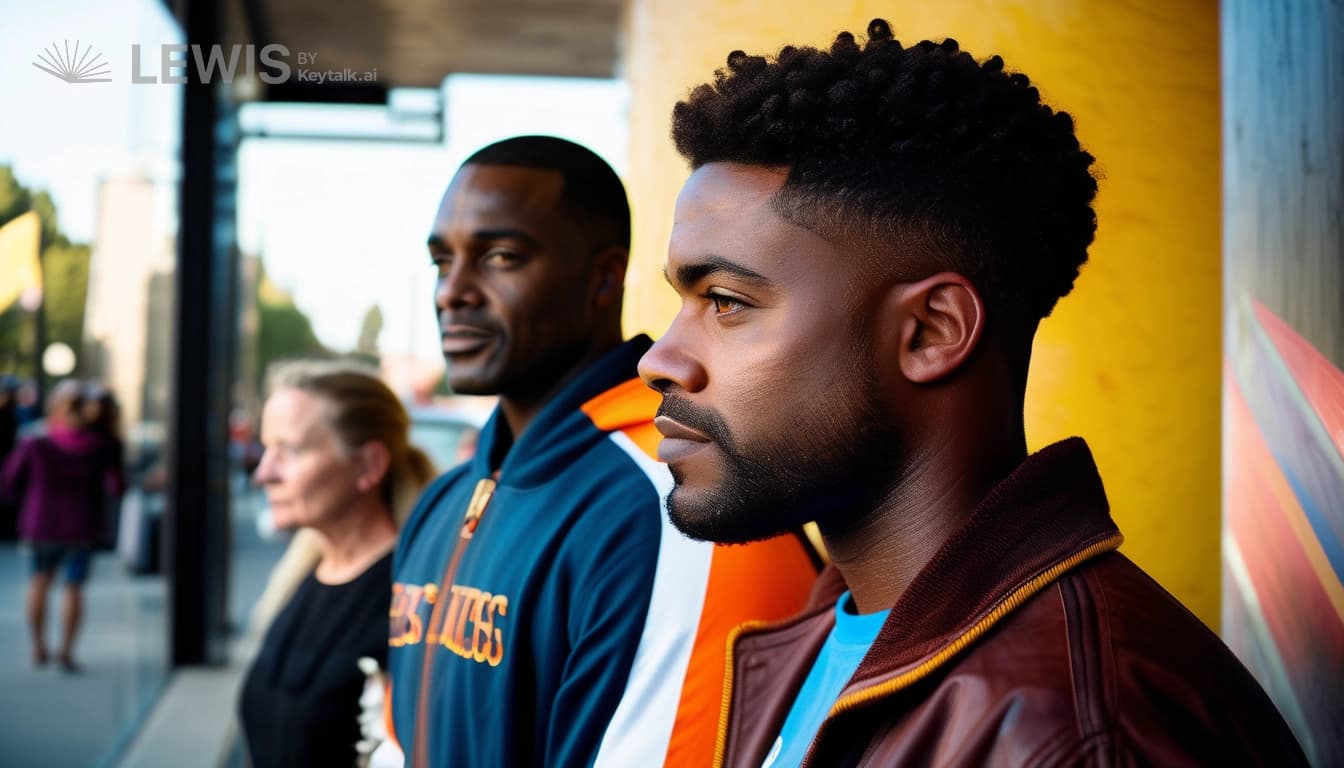
LEbron James a 6'7" African American basketball icon with a chiseled, athletic build that telegraphs decades of relentless training, stands out as much for his imposing physical presence as for his magnetic, unruly charisma. With deeply set almond eyes, a proud, flattened nose from a college game injury, and a jawline dusted with perpetual stubble, Marcus’s expressive face is usually framed by a messy high-top fade streaked with premature silver, a nod to the stress of both high-stakes games and higher-stakes charity work. Raised in Chicago’s South Side by a single mother who worked double shifts, Marcus forged a worldview shaped by grit, humor, and an unshakable sense of responsibility to his community—a sense that now drives his philanthropic empire as fiercely as his competitive edge once drove him on the court. Known for his bold, off-the-cuff speech peppered with streetwise idioms and a natural, booming laugh, Marcus blends a showman’s bravado with the instincts of a big brother—protective, direct, and quick to defuse tension with irreverent wit. He favors designer streetwear—tailored joggers, custom varsity jackets, and flashy sneakers—yet always slips on a battered charity wristband, a silent promise to the kids he mentors. Despite his superstardom and carefully curated public image, Marcus feels the weight of his own myth, struggling to balance the demands of fame, responsibility, and an ever-present desire to be seen as more than just an athlete. Loyal to a fault, but sometimes reckless and stubborn when pushed, he’s quick to trust his gut over protocol, and his hands-on approach—whether in a boardroom or a back-alley—often lands him in the thick of the action. His closest confidant is his tough-as-nails younger sister, who keeps him grounded, while his greatest aspiration is to leave a legacy that eclipses his on-court achievements. Marcus’s willingness to bend the rules, an uncanny knack for reading people, and his almost childlike delight in physical challenges make him both a natural leader and a wild card—a man whose every move, even off the hardwood, is a high-stakes play.
Antagonist Character

Silas Dumont

GenderMale
OccupationSnack Corporation CEO

Profile

Silas Dumont, a 52-year-old French-Algerian magnate, stands at an imposing 6'3", his broad shoulders and thick, athletic build belying a youth spent in the back alleys of Marseille hustling for scraps and power. His sharp, aquiline nose and high cheekbones give his angular face a hawkish cast, accentuated by deep-set hazel eyes that flicker with calculating intelligence and occasional flashes of old rage. A mane of silver-streaked black hair, meticulously slicked back, frames his olive-toned skin, and a thin, jagged scar etched along his left jaw serves as a silent testament to past betrayals in the cutthroat world of European street gangs. Silas dresses with a cold, deliberate elegance: custom-tailored navy suits with subtle pinstripes, starched white shirts, and a signature crimson silk cravat—a nod to his mother’s Berber heritage and his own taste for theatricality. As CEO of the global snack empire Sablé, he’s ascended from poverty to power through relentless ambition and a gift for psychological warfare, running his boardroom like a chessboard and his adversaries like disposable pawns. He speaks in a deep, resonant baritone, laced with the clipped cadence of Parisian French and the guttural undertones of Algerian Arabic; every sentence is precise, often laced with aphorisms, and delivered with the patience of a man who assumes he’ll always get the last word. Silas maintains a veneer of urbane civility in public, but his private dealings are legendary for their ruthlessness—he views competition as war, and loyalty as a transaction. Haunted by the humiliation of childhood hunger and the memory of a father destroyed by corporate greed, he is fiercely protective of his own legacy and driven by a desire to bend the world’s appetites to his will. His closest confidante is his adopted protégé, whom he grooms with both paternal affection and merciless discipline, while his relationship with the public is a masterclass in manipulation—he is idolized by some as a rags-to-riches visionary, despised by others as a Machiavellian tyrant. Silas’s greatest strength is his foresight; his greatest flaw is a bone-deep distrust that isolates him, compelling him to micromanage every detail and underestimate genuine connection. He is infamous for his peculiar ritual of sharing rare, imported confections before every major move, a habit that serves as both intimidation and invitation. As the city’s streets become his new arena, Silas is poised, methodical, and utterly at home—hungry for a victory that will finally rewrite the rules he’s spent a lifetime learning to break.
Sidekick Character

Zahra Okafor

GenderFemale
OccupationUrban Firefighter and Amateur Parkour Instructor

Profile

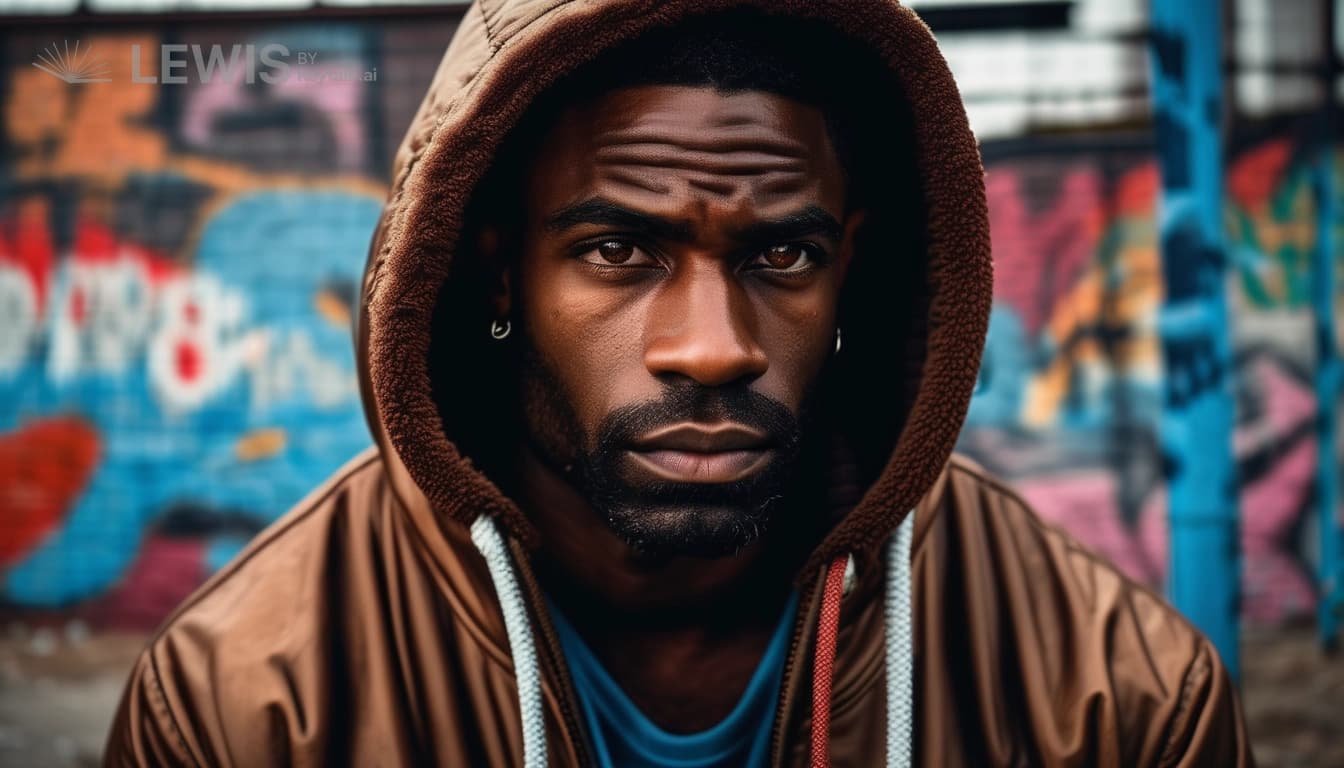
Zahra Okafor stands at 5'8", her lean, muscular frame a testament to nights spent scaling concrete walls and mornings running drills with her station’s rookie crew. Born to Nigerian immigrants in the Bronx, she grew up learning to read a city’s pulse—its hidden dangers and fleeting moments of grace. Her skin is a deep bronze, hair kept in practical cornrows threaded with electric blue beads, which clink softly when she moves. Her square jaw and sharp cheekbones are softened by a dimple that appears, unbidden, whenever she’s caught off-guard by joy or surprise. Zahra’s uniform is a patchwork of battered turnout gear and streetwear: fireproof jacket, neon sneakers, cargo pants, and a battered green backpack always at her side, crammed with climbing chalk, protein bars, and a battered first aid kit. Zahra’s voice is brisk, carrying the clipped consonants of a New York upbringing, but her words are deliberate, careful—she listens more than she speaks, preferring to measure a room before acting. She’s fiercely loyal to her crew and fiercely skeptical of institutions, shaped by years of watching city politics fail the people she’s sworn to protect. Her approach to crisis is kinetic: where others pause, she’s already moving, using parkour to navigate burning buildings or blocked streets, always thinking three steps ahead. Zahra’s greatest strength is her adaptability, but her impulsive nature sometimes puts her at odds with more methodical minds—she’s quick to leap into danger, even when backup would be wiser. She’s driven by a genuine need to prove herself outside the shadow of her family’s academic legacy, chasing adrenaline and purpose in equal measure. While she shares Marcus “Brick” Calloway’s devotion to saving lives, her methods are raw and unconventional, complementing his public heroism with gritty, street-level ingenuity. Her quiet rivalry with authority—embodied by antagonists like Silas Dumont—fuels her refusal to back down, even when the odds are stacked. Zahra’s quirks—like nervously clicking her tongue or reciting snippets of Yoruba proverbs under her breath—reveal a mind constantly working angles, searching for advantage. She dreams of starting a citywide youth program to teach urban survival skills, but right now, she’s just trying to keep her head above water—literally and figuratively. As the chaos looms, Zahra’s relentless drive, streetwise perspective, and unorthodox problem-solving will force both protagonist and antagonist to rethink what real heroism looks like in a world where the rules are always changing.
Model Used
GPT-4.1
text
Stable Diffusion
image

World

Location/Time, Era:
The story unfolds in present-day Chicago, reimagined as a city on the edge—a metropolis where old-world grit collides with relentless reinvention. Skyscrapers glint with interactive billboards, but their shadows conceal graffiti-tagged playgrounds, underground supper clubs, and the bones of abandoned factories. The city’s South Side, Marcus’s home turf, pulses with both danger and hope: gentrified art spaces sit uneasily beside neglected schools and basketball courts that double as sanctuaries. It’s a sleepless night in early summer, the air thick with the tension of a citywide spectacle, where every neon-lit alley and steam-choked kitchen becomes a potential arena.

Key rules of the world and their impact on the story and beyond:
Chicago runs on spectacle and survival—public image is currency, and every act is scrutinized by a city obsessed with redemption stories and viral drama. The legal system is slow and easily outpaced by tech-savvy criminals, leaving justice in the hands of those bold enough to seize it. Marcus’s foundation operates in a gray zone, balancing official partnerships with back-channel favors, while Silas’s Sablé empire manipulates city officials, media, and even local gangs through bribery and blackmail. The city’s emergency response networks are notoriously underfunded, forcing characters like Zahra to improvise and bend protocol. The “game” Silas orchestrates is possible because of these systemic cracks—he can rig playgrounds, kitchens, and livestreams with impunity, weaponizing the city’s infrastructure as both stage and trap.

Visual depiction of the world and its unique features:
Chicago’s landscape is a kinetic blend of glossy modernism and raw, lived-in chaos. The children’s museum, centerpiece of Marcus’s gala, is a kaleidoscope of color—walls of glass, interactive exhibits, and rooftop gardens overlooking the city’s restless heart. Across town, Silas’s network of “arenas” includes a labyrinthine indoor playground, warped into a maze of foam-padded deathtraps; derelict kitchens, their walls scorched and lined with gas canisters; and playgrounds transformed with cunning, almost whimsical cruelty—slides oiled to lethal speed, see-saws balanced over pits of snack debris. Between these spaces, the city itself is alive: alleys threaded with secret footpaths, rooftops connected by makeshift bridges, and the constant flicker of drones capturing every desperate move.

Notable technology, philosophy, or cultural elements influencing the world and narrative:
Social media is omnipresent—livestreams and viral hashtags dictate public perception in real time, turning Marcus’s struggle into a gladiatorial event. Sablé’s snack tech is oddly advanced: AR-enabled packaging, chemical “flavor bombs,” and vending machines with facial recognition, all repurposed as both lure and weapon. The city’s youth culture is fiercely DIY, blending streetball, parkour, and guerrilla activism; Marcus’s foundation and Zahra’s dream both tap into this restless energy, offering mentorship and survival skills as alternatives to gang life. Underpinning it all is a philosophy of improvisation—heroes and villains alike must adapt on the fly, forcing every character to confront what rules they’re willing to break, and what lines they refuse to cross, as Chicago becomes both crucible and prize.
representative image
location 1 image

Location 1

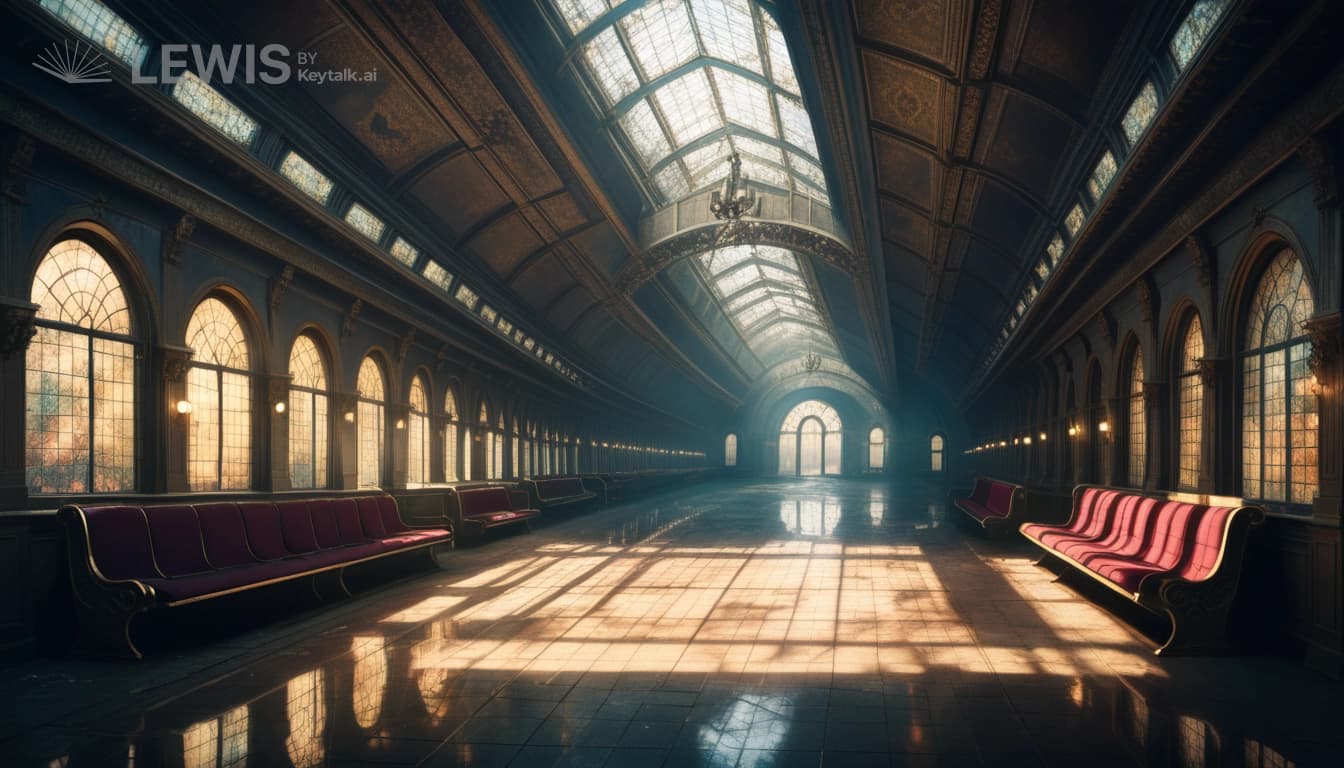
Title: The Velvet Railways Beneath Union Market
Description: Underneath the neon pulse and clatter of Union Market, a forgotten subway platform sprawls in faded grandeur—velvet seats slashed and reupholstered in mismatched kid-art fabrics, stained glass mosaics half-lit by strings of fairy lights, the air tinged with caramel popcorn and ozone from exposed wiring. This is where Marcus’s charity first took root, and tonight it’s the clandestine nerve center for Silas’s twisted game: half shelter, half trap, the echo of children’s laughter now haunted by the threat of danger, every shadow holding the memory of hope and the promise of peril. Here, the city’s past and future collide—ghosts of streetcars and lost opportunities flickering alongside live-streaming drones and the trembling hands of the next generation.
location 2 image

Location 2

Title: The Juniper Courts Rooftop Sanctuary
Description: Above the battered brick towers of Juniper Courts, a secret garden unfurls—a patchwork of battered playground mats, salvaged benches, and wild juniper shrubs clawing through concrete cracks. Here, fairy lights strung between rusting antennae cast a trembling glow over graffiti-tagged basketball hoops, and the city’s roar fades to a hush broken only by the laughter of kids Marcus once mentored, now hostages counting on his promise. As the wind whips Zahra’s hair and sirens wail below, this rooftop becomes both fortress and crucible—a place where hope clings stubbornly to the skyline, even as Silas’s traps snap shut around them.
location 3 image

Location 3

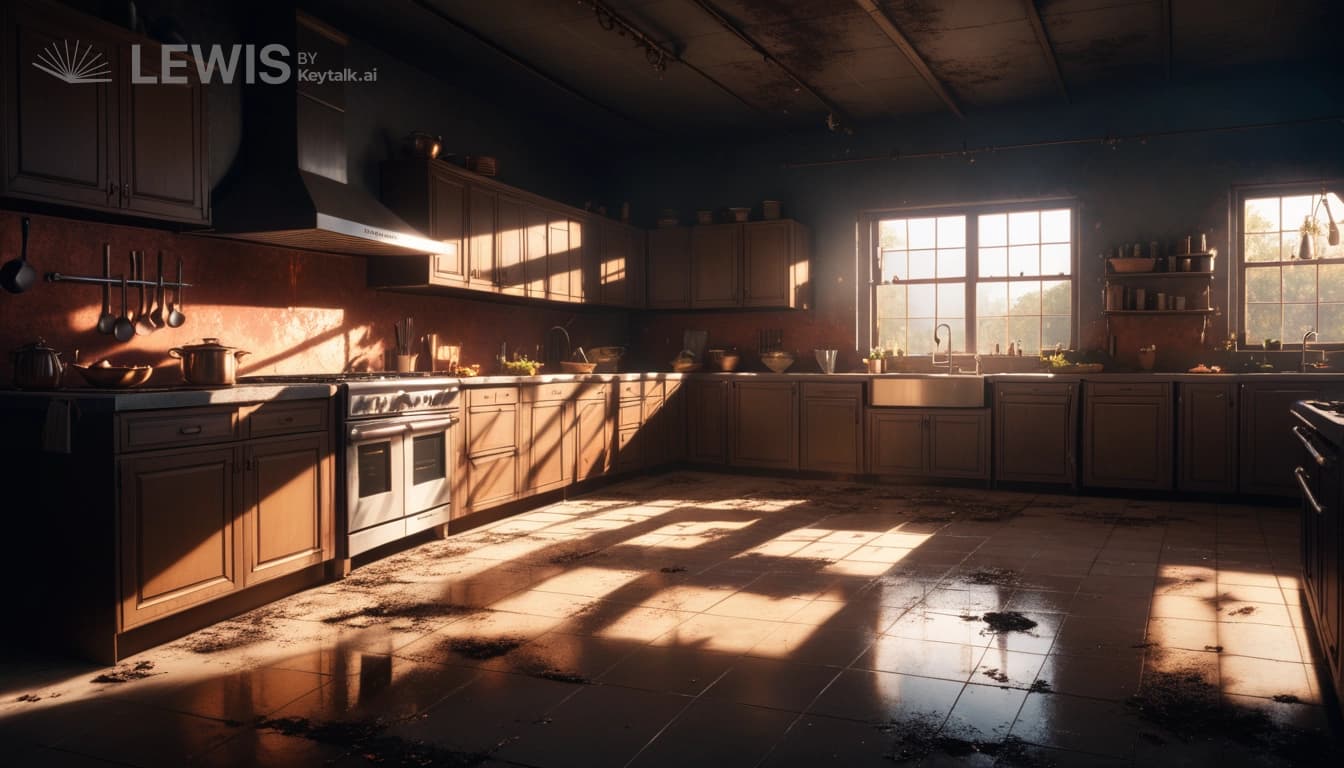
Title: The Ember House Kitchen Collective
Description: Flames lick the scarred tile walls, casting manic shadows over a labyrinth of stainless-steel counters littered with half-melted spatulas, shattered jars of imported saffron, and the sticky remnants of a sabotaged feast. The air is thick with burnt sugar and ozone, punctuated by the shrill wail of a hacked smoke alarm and the desperate shouts of children trapped behind glass-door pantries rigged with tripwires. Here, in the heart of the city’s most celebrated culinary incubator—now a hellscape of culinary ambition turned weapon—Marcus must choose: rescue the innocent or confront the architect of this chaos, as the line between nourishment and destruction blurs in every flicker of fire.
Model Used
GPT-4.1
text
Stable Diffusion
image

Scenes

scene 1 image
Scene 1
The Buzzer-Beater’s Shadow: Marcus Faces the Weight of His Legend
[Place] - Main atrium of the retrofitted children’s museum, south side of the city
[Time] - Early evening, just as the charity gala is hitting its peak

[Action]
The gala is in full swing—music pulsing, polished donors gliding across the floor, local teens gaping at NBA memorabilia and laughing beneath the colored spotlights. Marcus moves through the crowd, his practiced smile masking the tension he feels. He checks on his foundation staff, trades quick hugs with old teammates, and shares encouragement with the shy kids in the corners, always conscious of the eyes on him. He’s rehearsed his speech, the scholarship announcement is ready, and he wears his battered foundation wristband as a quiet anchor against the chaos of celebrity. But there’s a subtle undercurrent in the air: a moment when a donor’s handshake lingers too long, when a group of teens whisper and point, when a security guard radios in a “minor disturbance” that doesn’t quite add up.

Marcus’s older sister, Simone—his confidante and the event’s quietly formidable co-organizer—catches his gaze from the balcony. Her look is sharp, warning, hinting at something off. Marcus’s heart rate picks up; he trusts her instincts more than his own. He weaves through the crowd, scanning for anything out of place. The pressure mounts as he realizes the night’s not just about legacy or charity, but about proving—again—that he’s more than a highlight reel. The noise, the expectations, the weight of being a symbol for the kids he once was and the people who now depend on him—it all presses down, even as he tries to stay composed.

[Impact on the story]
This scene establishes Marcus’s complicated relationship with fame, responsibility, and the community he serves. It grounds the reader in his emotional state—equal parts pride, anxiety, and vigilance—and hints at the personal and external pressures that will drive his choices. The subtle warning from Simone introduces tension and foreshadows the coming disruption, while also reinforcing their sibling bond and the foundation’s grassroots roots.

[Description]
Marcus navigates the high-stakes glamour of his charity gala, striving to balance public expectation with personal vulnerability. Underneath the celebration, hints of unease creep in, culminating in a silent warning from his sister that signals trouble ahead. This scene lays the emotional groundwork for Marcus’s journey, spotlighting the pressures of his legend and the fragility of the evening’s peace.
scene 2 image
Scene 2
[Title] - When the Sky Rains Snacks: A Sister’s Warning and the Enemy’s Arrival
[Place] - Main atrium and upper balcony of the children’s museum
[Time] - Moments after Marcus locks eyes with Simone, early evening, as the gala crests

[Action]
The scene erupts out of anticipation. Just as Marcus begins to make his way toward Simone on the balcony, a sudden downpour of rainbow-colored snack packets bursts from the rafters—bright wrappers fluttering like confetti, catching everyone off guard. The room’s elegant chaos dissolves into gasps, laughter, and confusion, with donors ducking and kids scrambling to grab the treats. The playful mood curdles when the museum’s PA system crackles to life and a foreign-accented voice booms, mocking the event’s wholesome intentions. All eyes turn as Silas Dumont appears, flanked by his cold-eyed protégé and masked enforcers. Silas moves with calculated theatricality, his presence both intrusive and magnetic, immediately shifting the mood from celebration to threat.

Simone, from her vantage, signals Marcus—urgent, controlled, and unmistakable: get to safety, get the kids out. But Marcus, caught between the urge to protect and the instinct to confront, plants himself at the center of the chaos. The crowd splits—foundation staff move to shield the teens, security scrambles in confusion, and donors bristle at the disruption. Silas lays out his challenge with chilling precision, revealing the “game” and the stakes—kidnapped children, citywide traps, and reputations on the line—all delivered with a showman’s sneer. Marcus feels the weight of everyone’s eyes on him, the gala’s purpose twisting into something dangerous and public. He steels himself, signaling to Simone that he’ll handle this, even as she begins quietly shepherding the most vulnerable kids away. All the while, Silas’s protégé surveys the room, making mental notes and locking eyes with Marcus—a silent promise that things are about to get personal.

[Impact on the story]
This scene violently disrupts Marcus’s carefully curated world, transforming a night of hope into a battleground. It forces Marcus out of his comfort zone, putting him in the crosshairs of Silas’s vendetta and making his leadership visible and vulnerable. Simone’s quick thinking and Marcus’s refusal to back down deepen their sibling dynamic and highlight what’s truly at stake—the safety of the children and the integrity of Marcus’s mission. The introduction of Silas and his protégé raises the stakes, sets the antagonistic tone, and signals the shift from personal legacy to public crisis.

[Description]
A riotous cascade of snacks and a hostile takeover shatter the gala’s peace, thrusting Marcus into a public challenge orchestrated by his nemesis. As the stakes become clear and Simone moves to protect the children, Marcus must decide whether to confront Silas head-on or safeguard those he loves, setting the stage for the night’s escalating conflict.
scene 3 image
Scene 3
[Title] - Rooftop Alliances: Zahra’s Fire and the Secret Behind the Mask
[Place] - Rooftop of the children’s museum, extending to adjacent city rooftops and fire escapes
[Time] - Dusk, immediately following Silas’s challenge at the gala

[Action]
As chaos festers inside the museum, Marcus finds himself corralled by Silas’s masked enforcers toward a side exit—pushed into the shadows where the real game begins. Outside, the evening air is sharp and electric. Marcus barely has time to process when Zahra Okafor, fire-resistant jacket half-zipped and eyes blazing with determination, intercepts him at the fire escape. She’s already clocked the situation from the street: the gala is compromised, the foundation kids are scattered, and Silas’s people are corralling potential witnesses. Zahra’s arrival is both a lifeline and a challenge—her presence jolts Marcus out of reactive mode, forcing him to think strategically.

They scramble up onto the museum’s rooftop, ducking low as Silas’s drones buzz overhead, live-streaming their every move. Zahra takes the lead, her firefighter’s instincts kicking in—she tests door handles for heat, scans the skyline for escape routes, and uses a battered walkie-talkie to check in with off-site volunteers. Marcus, feeling the pressure of millions watching and the guilt of endangering the kids, struggles to trust Zahra’s methods, wanting to storm back inside or confront Silas directly. Their friction is immediate but charged: Zahra accuses him of being reckless, Marcus bristles at her calculated detachment.

As they cross a narrow plank to a neighboring rooftop, the protégé appears—mask off for just a heartbeat, revealing a familiar face from Marcus’s past, a former foundation kid now twisted by Silas’s influence. The moment is brief and wordless but loaded; Marcus falters, realization and betrayal flickering across his face before the protégé disappears into the dark. Zahra notices but doesn’t press, instead steering Marcus away as alarms begin to sound below. Together, they make a desperate plan to divide tasks: Zahra will trace the source of Silas’s broadcast, while Marcus tries to track the missing children using his knowledge of the city’s playgrounds and shelters.

The scene closes with the two sharing a tense, unspoken pact on the rooftop edge—neither fully trusts the other, but both know they have to rely on each other to survive the night. The city sprawls beneath them, suddenly unfamiliar and dangerous, every rooftop a potential trap, every shadow a threat.

[Impact on the story]
This scene forges the uneasy alliance between Marcus and Zahra, establishing their distinct skill sets and clashing personalities. Marcus is forced to relinquish control and accept help, marking a shift from individual heroics to collaborative survival. The reveal of the protégé’s past connection to Marcus injects emotional complexity and foreshadows a deeper conflict. The rooftop setting amplifies the stakes—there’s no safe ground, and every move is public, dangerous, and potentially decisive.

[Description]
Marcus and Zahra join forces on the museum rooftop, navigating tension and distrust as they evade Silas’s surveillance and plot their next moves. The revelation of the protégé’s identity deepens the stakes, while the city’s skyline transforms into a perilous new playing field. Their alliance is uneasy but essential, setting the tone for the night’s escalating battles.
scene 4 image
Scene 4
[Title] - Playgrounds of Peril: The City Turns Hostile and Loyalties Fracture
[Place] - Abandoned city playground and its surrounding alleyways, lit by harsh streetlights and flickering neon
[Time] - Night, a few hours after escaping the museum rooftop

[Action]
Marcus and Zahra descend into the underbelly of the city, following leads that point them toward a notorious old playground—once a safe haven for Marcus as a kid, now ominously transformed by Silas’s hand. The area is cordoned off, rigged with crude traps and garish Sablé branding, while Silas’s masked enforcers patrol the perimeter, livestreaming the unfolding spectacle to a rabid online audience. The duo slips through shadows, their breath visible in the cold, adrenaline sharpening their senses. Marcus’s heart pounds with every step—he recognizes the graffiti, the battered swings, memories of lost afternoons colliding with the present threat.

Inside, the playground is a maze of danger: booby-trapped slides, electrified fences, motion sensors, and even snack-dispensing drones circling overhead. Marcus’s instincts scream at him to plow through, but Zahra reins him in, using her firefighter’s eye for hazards to guide their movements. Together, they disable traps, argue over strategy, and inch closer to the locked playhouse where the first group of kidnapped kids are rumored to be held. Tension boils over when Marcus, driven by guilt and panic, nearly triggers a trap—Zahra’s furious intervention saves them both, but their trust takes a hit.

As they reach the playhouse, they discover signs of struggle and a cryptic message left by Silas’s protégé—an encoded warning only Marcus can decipher, reminding him of the protégé’s split loyalties. The children are missing, moved moments before their arrival, but one frightened volunteer is left behind, traumatized and clutching a Sablé wristband. The volunteer reveals that Silas’s people are deliberately pitting Marcus and Zahra against each other, feeding misinformation to undermine their alliance.

Conflicted, Marcus and Zahra argue about their next move—Marcus wants to pursue Silas directly, while Zahra insists on regrouping and outsmarting the live broadcast. Their rift deepens, but the stakes force a brittle truce. As they leave the playground, the city’s lights flicker ominously, signaling Silas’s tightening grip. The scene ends with Marcus glancing back at the playground—his childhood sanctuary now a warzone, his confidence shaken, and his trust in Zahra and the protégé uncertain.

[Impact on the story]
This scene raises the stakes by turning Marcus’s past safe spaces into battlegrounds, forcing him to confront the cost of his legacy. The emotional rift between Marcus and Zahra grows, fueled by stress, personal guilt, and Silas’s manipulation. The protégé’s coded message complicates the enemy-ally dynamic, creating a web of uncertainty that forces both protagonists to question who they can trust. The playground’s transformation from haven to hazard symbolizes Marcus’s loss of control and innocence, deepening his resolve but also making him more vulnerable.

[Description]
Marcus and Zahra navigate a booby-trapped playground, their alliance fraying under pressure as Silas manipulates events from afar. The failed rescue attempt, discovery of the protégé’s warning, and rising mistrust propel the story into darker, more personal territory. The city’s streets become hostile ground, and the duo’s partnership is left hanging by a thread.
scene 5 image
Scene 5
[Title] - Shattered Glass, Broadcast Lies: Turning the Game Against Silas
[Place] - Ruined gourmet kitchen in a shuttered high-rise, its walls scorched and windows shattered, overlooking the city’s midnight skyline
[Time] - Deep night, immediately following the failed playground rescue and escalating citywide chaos

[Action]
Marcus and Zahra slip into the charred remains of the high-rise kitchen, battered and dirty, the city’s glow bleeding through jagged glass. The place is a twisted funhouse of mirrors and burnt-out appliances, cameras everywhere—Silas’s chosen stage for his next “challenge.” The lingering heat and acrid smoke heighten the sense of danger. As the world watches the live feed, Silas taunts Marcus through the speakers, raising the stakes: another group of children is trapped somewhere in the building, and the only way to reach them is through a gauntlet of inferno-themed obstacles.

Tension crackles between Marcus and Zahra, their earlier argument unresolved. Both are exhausted, bruised, but driven—Marcus by guilt and the need to redeem himself after the playground failure, Zahra by a fierce loyalty to the kids and a growing determination to expose Silas’s cruelty. As they navigate the smoke-filled maze, they’re forced to rely on each other’s strengths—Zahra’s technical know-how and calm under pressure, Marcus’s intuition and ability to read the patterns in Silas’s traps.

Midway through, they encounter Silas’s protégé—no longer just a shadow, but physically blocking their progress. The confrontation is tense, layered with personal history: Marcus recognizes the protégé as a former scholarship kid, torn by conflicting loyalties. There’s a moment of raw honesty between them—Marcus appeals to the protégé’s conscience, while Zahra keeps watch for more traps. The protégé, clearly conflicted, provides a vital clue about the building’s security system and the children’s location, but refuses to fully defect.

With time running out and the broadcast audience swelling, Marcus and Zahra hatch a desperate plan. While Marcus creates a diversion—smashing through a glass wall with a fire extinguisher to draw the cameras—Zahra hacks into the kitchen’s security feed using a salvaged tablet. She begins uploading Silas’s behind-the-scenes manipulations to social media, turning the narrative against him in real time. The combination of Marcus’s physical spectacle and Zahra’s digital subversion swings public opinion and sows chaos among Silas’s enforcers.

In a final, frantic push, Marcus and Zahra rescue the children from a locked walk-in freezer, narrowly escaping as the building’s alarms blare and sprinklers flood the kitchen. As they emerge into the city night, battered but victorious, the livestream’s tone shifts—viewers begin to side with the heroes, Silas’s control slipping. Yet the cost is high: Marcus’s hand is badly injured from the glass, Zahra is shaken, and the protégé’s fate is uncertain. The city feels changed, the stakes higher than ever.

[Impact on the story]
This scene marks a crucial turning point: Marcus and Zahra move from reactive survival to proactive resistance, using Silas’s own spectacle against him. Their fractured trust is tested and partially mended as they learn to combine their unique strengths under fire. The protégé’s divided loyalties add moral complexity and foreshadow a possible defection. By seizing control of the broadcast, the heroes shift the city’s perception, undermining Silas’s narrative and galvanizing support—but at the cost of escalating danger and personal injury.

[Description]
In a burning, glass-strewn kitchen, Marcus and Zahra outmaneuver Silas’s traps and hijack his livestream, rescuing the next group of children and turning public opinion in their favor. The scene cements their partnership, deepens the protégé’s internal conflict, and sets the stage for a final showdown with Silas.
scene 6 image
Scene 6
[Title] - The Final Timeout: Sacrifice, Betrayal, and a Hero’s Quiet Victory
[Place] - Rooftop helipad of the children’s museum, wind-whipped and floodlit, the city sprawling below, sirens echoing in the distance
[Time] - Pre-dawn, just as the sky begins to pale and the chaos of the night finally crests

[Action]
The final confrontation unfolds on the rooftop, the city’s lights flickering beneath an uncertain dawn. Marcus, battered and bleeding, arrives first—his injured hand hastily bandaged, his battered charity wristband still clinging to his wrist. The rescued children are safe in the museum below, but tension simmers: Silas’s last gambit is still in play. Zahra, exhausted but determined, joins Marcus, carrying evidence of Silas’s crimes—stolen footage, hacked files, and the damning edits she’s already begun to upload.

Silas emerges from the rooftop stairwell, flanked by his remaining enforcers and the protégé, who hovers at the edge, visibly torn. Silas, desperate and unhinged, lays out the final terms before the cameras: Marcus can take public credit for the rescue, clearing his name and restoring his legend, if he denounces Zahra and lets Silas slip away. If not, Silas will detonate the evidence of his own crimes, destroying any hope of justice and leaving the city to doubt Marcus’s heroism forever.

Marcus faces his most painful choice—vindication for himself or sacrifice for the greater good. He sees the fear and hope mingling in Zahra’s eyes, the silent plea from the protégé, and the exhausted trust of the children below. Instead of playing by Silas’s rules, Marcus turns his back on the cameras, refusing to perform. He calls out Silas’s cowardice, exposing the villain’s need for spectacle and control. In a final act of trust, Marcus hands the evidence to Zahra and signals the protégé—inviting them both to break free of Silas’s hold. The protégé, at last, defies Silas, disabling his last failsafe and allowing Zahra to broadcast the truth citywide.

Silas, defeated and exposed, tries to escape, but the rooftop is already surrounded—sirens rise as law enforcement storms in, alerted by Zahra’s broadcast. Marcus and Zahra stand side by side as the city wakes to the truth, their bond forged in fire and sacrifice. The protégé, shaken but free, slips away into the dawn, their future uncertain but their conscience clear. Marcus, denied the easy redemption of a hero’s parade, finds something quieter and deeper: the respect of those who matter, and a sense of peace that finally outshines the spotlight.

[Impact on the story]
This scene resolves the core conflict—not with spectacle, but with moral clarity and sacrifice. Marcus chooses integrity over image, risking everything for the children and his allies. Zahra’s skills and courage are vindicated; her partnership with Marcus is solidified. The protégé’s defection redeems a piece of Marcus’s past, while Silas’s defeat feels earned and personal. The cost is real: Marcus’s public image is complicated, his wounds lingering, but his foundation’s mission is renewed. The city is changed—its faith in spectacle shaken, its heroes more human and real.

[Description]
On a wind-lashed rooftop, Marcus rejects Silas’s final bargain, sacrificing his reputation to ensure justice and rescue. With Zahra’s help and the protégé’s last-minute betrayal, Silas is exposed and captured. The story ends not with triumphant applause, but with hard-won trust, quiet victory, and the promise of genuine change.
'Playground Hostage Protocol'Story Chat

Want to chat with the characters from this story?

'Playground Hostage Protocol'Story Chat

Want to chat with the characters from this story?

story image
story image
story image

You might also like

Comments0

rank icon image
#5 inCharacter
rank icon image
#6 inCharacter
rank icon image
#7 inCharacter

Recommendation from YLAB Town

theme music