Plot Synopsis
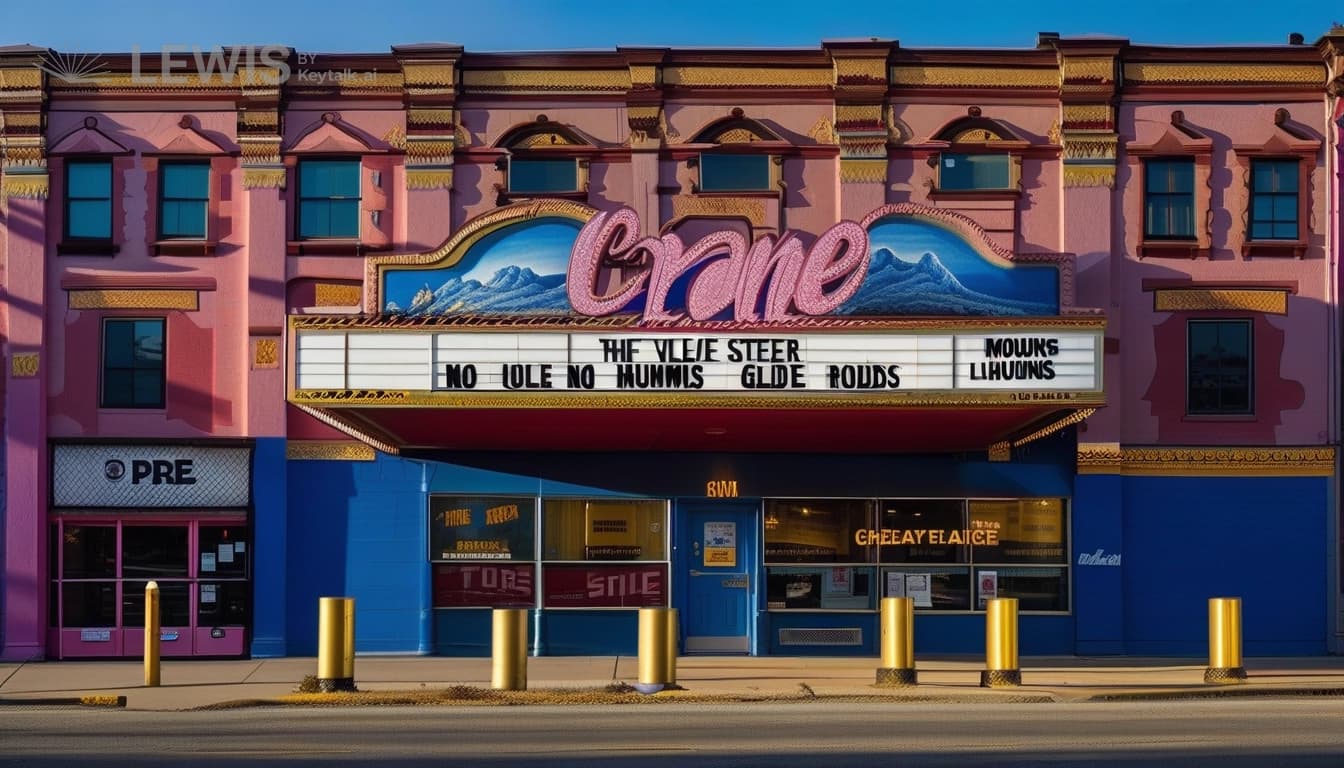
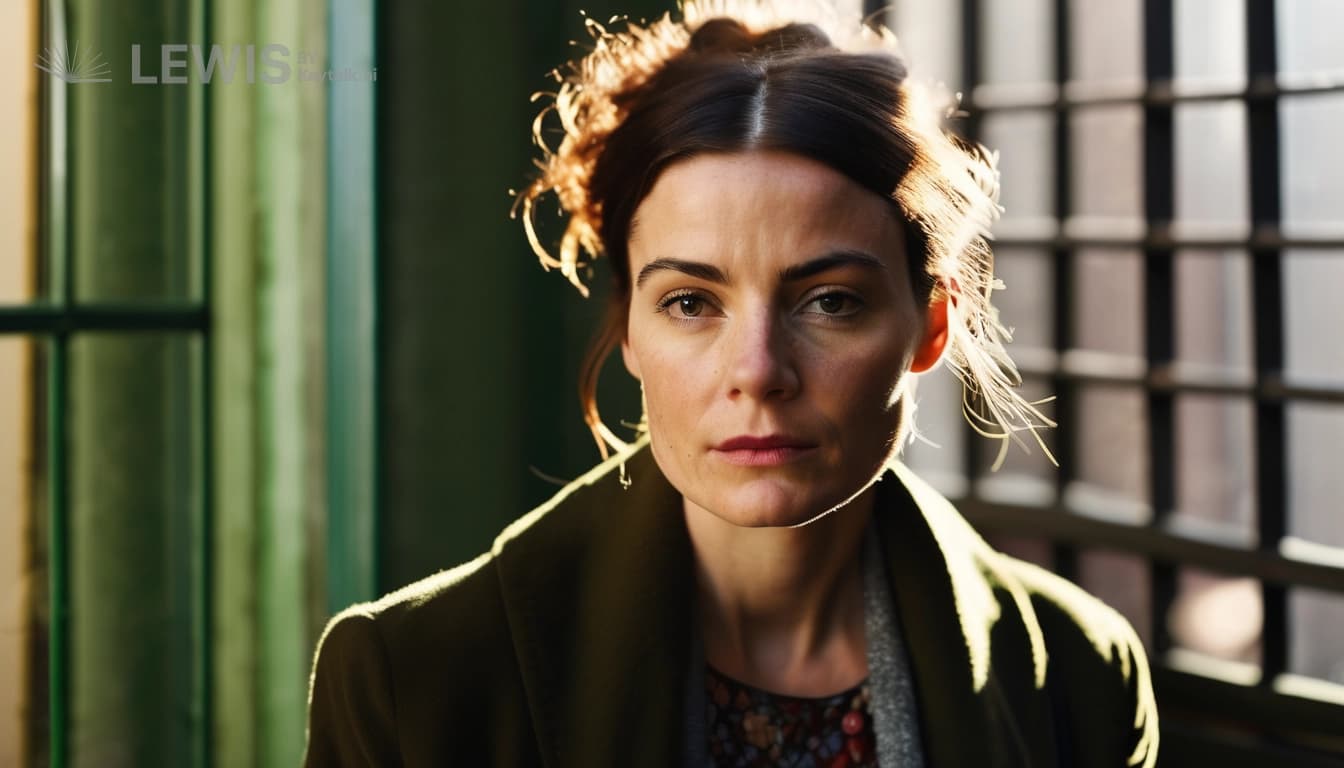
Evie Callahan stands at the heart of the crumbling Rosewood Theater, her sneakers squeaking on warped floorboards as she rehearses alone beneath a flickering ghost light. The place stinks of mildew and history, but it’s the only home she’s ever known—a sanctuary of battered velvet seats, peeling gold paint, and echoes of every triumph and failure she’s ever danced through. The national competition is just days away, and the city’s Artistic Director, Marcellus DeWitt, has issued a challenge: the troupe gets one chance to prove the Rosewood deserves saving. Evie burns with the need to dazzle, to choreograph something no one can ignore. But the pressure is suffocating, and her best friend—her pianist, her confidante—has become a silent stranger, their easy duets thick with unspoken tension.
Marcellus DeWitt arrives for an unannounced inspection, his cane tapping out a slow, deliberate rhythm. He surveys the chaos with a clinical eye, every detail filed away for later. Marcellus is a man who’s torn down more theaters than he’s saved, a champion of “progress” who believes nostalgia is poison. Yet there’s something about the Rosewood’s fading grandeur, and Evie’s furious energy, that unsettles him. He throws down a gauntlet: an original number, performed in this dying space, judged by him alone. If it moves him, he’ll fight for the Rosewood’s survival. If not, the demolition proceeds. For Evie, this is both an opportunity and a threat; for Marcellus, it’s a final test of whether tradition can justify its place in a city hungry for reinvention.
Sabina Velasquez, the unflappable lighting designer, works quietly in the wings, coaxing ancient spotlights to life and scribbling cues on napkins. She sees what others miss: the crack in Evie’s confidence, the pianist’s haunted glances, the way Marcellus lingers in the darkness after everyone else has gone. Sabina’s dream is simple—preserve the stories that matter, even if the city wants to forget them. She engineers small miracles, stringing fairy lights across the rafters, scavenging gels from shuttered theaters, breathing hope into the bones of the Rosewood. Sabina refuses to let Evie implode, but her loyalty is tested as tensions escalate and her own vision for the theater clashes with Marcellus’s sweeping plans.
As rehearsals spiral, old wounds surface. Evie’s choreography is bold—electric, risk-taking, built on the defiant rhythms of her city and the raw honesty of her friendship. But her drive to win at any cost alienates her pianist, whose quiet brilliance is buried under Evie’s relentless demands. A backstage confrontation explodes, overdue truths flying: envy, resentment, the fear of being left behind. The argument fractures the duet, and the troupe teeters on collapse. Sabina intervenes, forcing Evie to confront her own tunnel vision and the damage her hunger has wrought. The three form an uneasy alliance, each bringing their strengths—Evie’s fire, the pianist’s nuance, Sabina’s grounding—to the unfinished number. They build something new from the wreckage, a performance that is both confession and rebellion.
The night of the competition arrives, the theater packed with skeptics and dreamers. Marcellus watches from the shadows, his expression unreadable. The number unfolds not as a polished spectacle, but as a raw, living thing—Evie and her best friend’s choreography a storm of conflict and reconciliation, the music swelling with every risk taken, Sabina’s lights painting the ruins with impossible beauty. Every misstep is woven into the dance, every imperfection a declaration that art is not about erasing flaws, but embracing them. The audience is rapt, the air electric with possibility and loss.
When the lights fade, Marcellus is silent for a long, unbearable moment. Then, with a rare and grudging smile, he declares the Rosewood saved—on the condition that its new identity is forged not from nostalgia, but from the innovation and collaboration he’s just witnessed. The victory is bittersweet: Evie and her friend know their relationship can never return to what it was, but a fragile new trust has taken root. Marcellus, for the first time in years, allows himself to hope that art might outlast even his own ambitions. Sabina, quietly triumphant, strings one last lantern above the stage—proof that sometimes the smallest acts of defiance can change everything.
As the city wakes to news of the Rosewood’s reprieve, Evie, Marcellus, and Sabina stand together in the dawn-lit ruins. Their dreams are battered, their alliances uneasy, but the theater lives. And in the uncertain glow of the future, they each make