Plot Synopsis
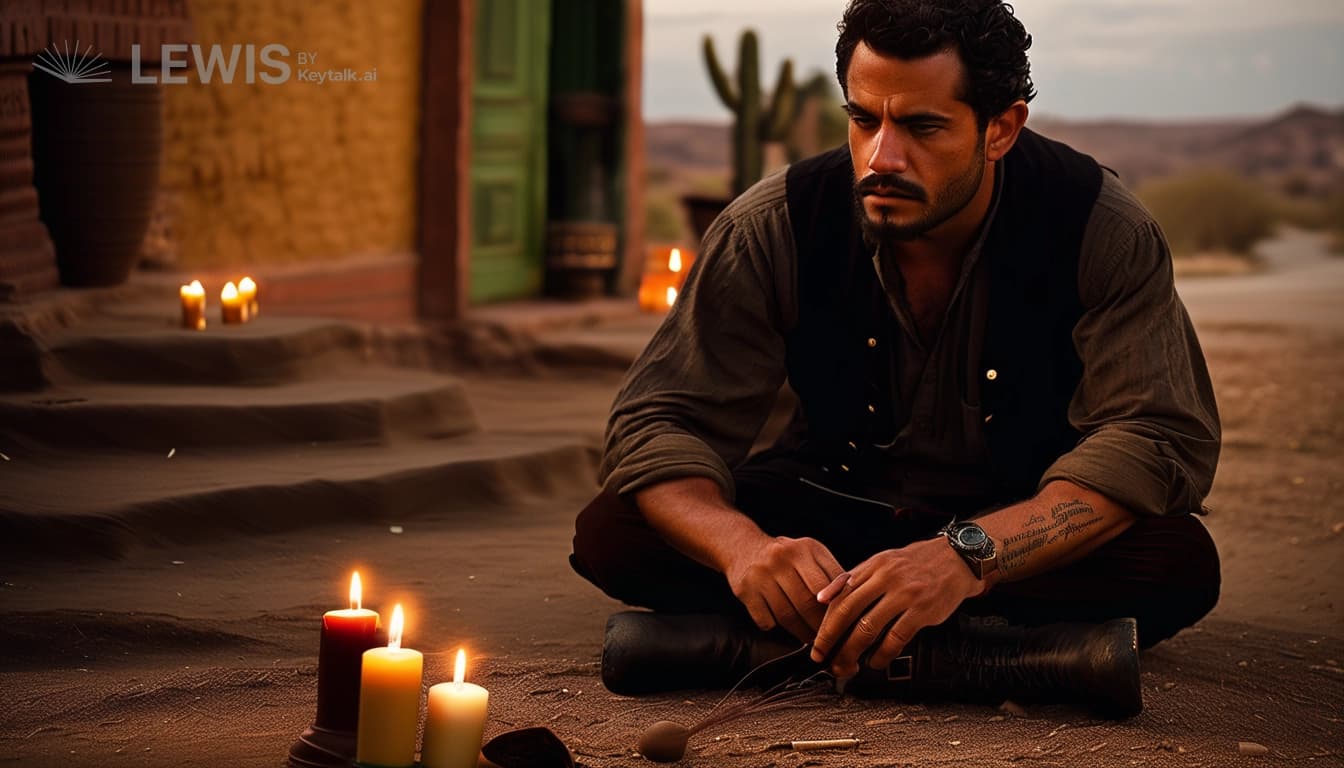
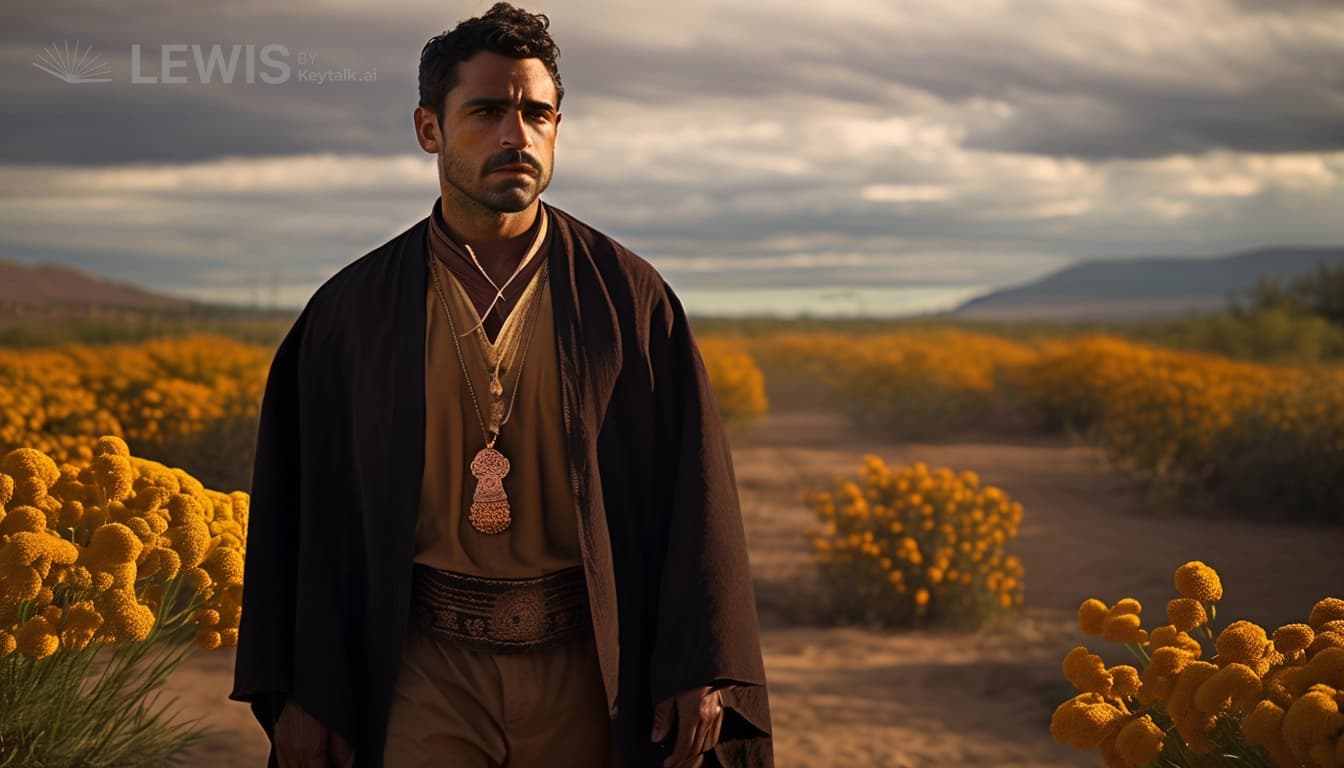
Gabriel Reyes arrives in the blistered hamlet of San Jacinto with his usual armor: skepticism, exhaustion, and a battered folder of case notes. The local authorities have written off the latest disappearance—a teenage girl named Ximena—as just another runaway, but Gabriel’s instincts say otherwise. He’s haunted by the echo of his own brother’s vanishing, and every time someone tells him to “mind his own business,” the urge to dig only deepens. The village simmers with rumors: La Llorona walks the river at night, her wails the soundtrack to every lost child. Gabriel dismisses the supernatural chatter—he’s seen enough real monsters to know where the true danger usually lies—but something about the collective hysteria feels orchestrated. He’s determined to find Ximena, not for closure, but to keep one more family from unraveling. On his first night, he’s plagued by nightmares: a woman in white, her face shifting between grief and rage, standing at the edge of his bed. He wakes drenched in sweat, but refuses to acknowledge the chill running down his spine.
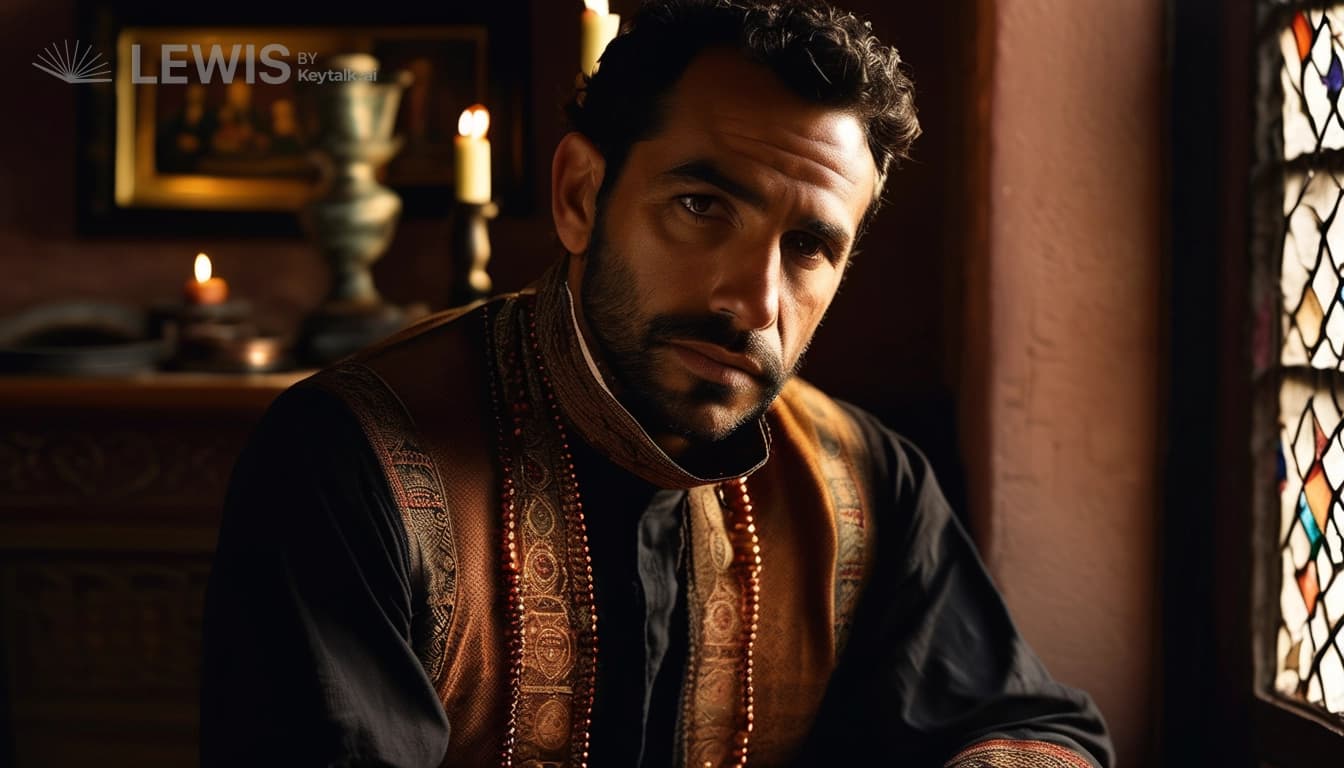
Padre Esteban Carreño presides over San Jacinto with the weight of a man who’s seen too much and trusts too little. He greets Gabriel with the polite disdain reserved for bureaucrats who threaten the uneasy equilibrium he’s spent decades cultivating. Esteban’s sermons twist the legend of La Llorona into a tool—warning his flock that only faith can protect them from the vengeful ghost, and that outsiders bring contagion. Privately, he lights candles for the missing, each one a silent admission of guilt and impotence. When Gabriel begins questioning villagers, Esteban intervenes, redirecting the investigation toward spiritual explanations. His authority is absolute, his conviction unshakable, but beneath his rigid exterior, fear gnaws at him: he failed to save his own sister years ago, and every disappearance reopens that wound. He’s convinced that doubt itself is the real threat, and will go to any length to preserve the sanctity of his community—even if it means perpetuating the myth.
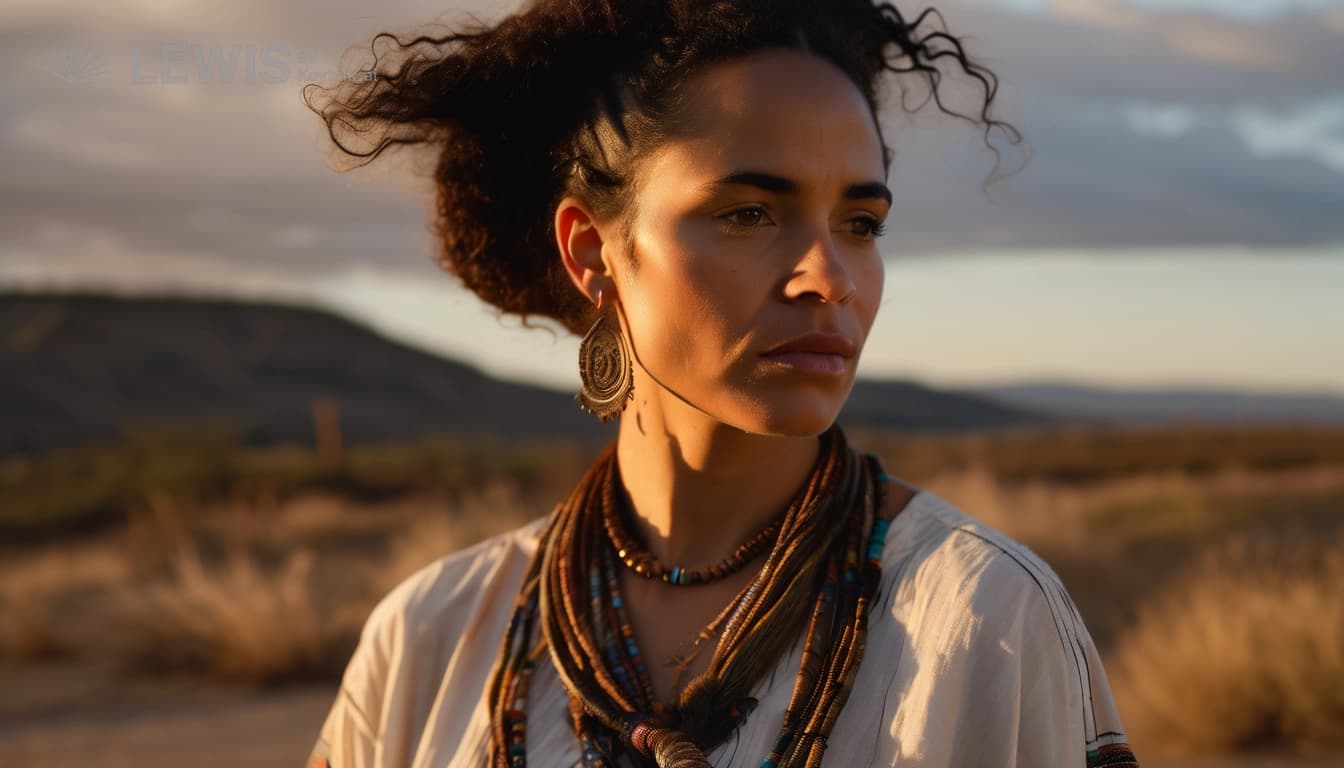
Lourdes Tecuani, the village curandera, is neither easily intimidated nor impressed. She watches Gabriel with wary amusement, recognizing the restless sincerity beneath his cynicism. Lourdes has healed bodies and spirits for decades, but she’s grown weary of watching men like Esteban weaponize myth for control. She quietly aids Gabriel—not out of trust, but because she’s tired of seeing women disappear without consequence. Together, they sift through ritual detritus and whispered rumors, tracing Ximena’s last movements. Lourdes teaches Gabriel to read the signs: marigolds left at the riverbank, candles in abandoned houses, the way the villagers’ eyes avoid certain paths. She suspects that someone is exploiting the legend of La Llorona—using fear as a smokescreen for something far more human and sinister.
As Gabriel and Lourdes dig deeper, the village turns hostile. Anonymous threats appear—bloody handprints on Gabriel’s door, a dead dog left outside Lourdes’s home. The line between myth and manipulation blurs as nightmares intensify: Gabriel sees Ximena in his dreams, her mouth stitched shut, standing beside the spectral woman in white. Lourdes discovers that the disappearances coincide with Esteban’s midnight rituals, ostensibly meant to “protect” the hamlet from La Llorona. Gabriel confronts Esteban, accusing him of using the legend to cover up real crimes. Esteban, cornered, reveals his own trauma: the cartel took his sister, and the church offered only platitudes. He confesses to orchestrating the rituals, believing that fear would keep the village safe from outsiders and predators. But Lourdes uncovers evidence that Esteban’s acolytes have been abducting girls, using the myth as a cloak for trafficking.
The final confrontation unfolds during the annual La Llorona procession. Gabriel follows Lourdes into the heart of the ritual, where masked figures lead the townsfolk in chants beside the river. In the chaos, Gabriel spots Ximena—drugged but alive—being led away by Esteban’s trusted aide. A fight erupts: Gabriel is nearly drowned, but Lourdes intervenes, wielding her own brand of ritual to expose the truth. The villagers, confronted with undeniable evidence, turn on Esteban’s inner circle. Ximena is saved, but the cost is steep: the myth is shattered, the community divided, and Esteban’s authority destroyed. Gabriel is hailed as a hero by some, cursed as a meddler by others. Lourdes becomes a lightning rod for change, her role as curandera shifting from healer to activist.
The aftermath is messy and unresolved. Gabriel prepares to leave, haunted by the knowledge that the real La Llorona is not a ghost, but the collective grief and complicity of a community unwilling to face its own