Plot Synopsis
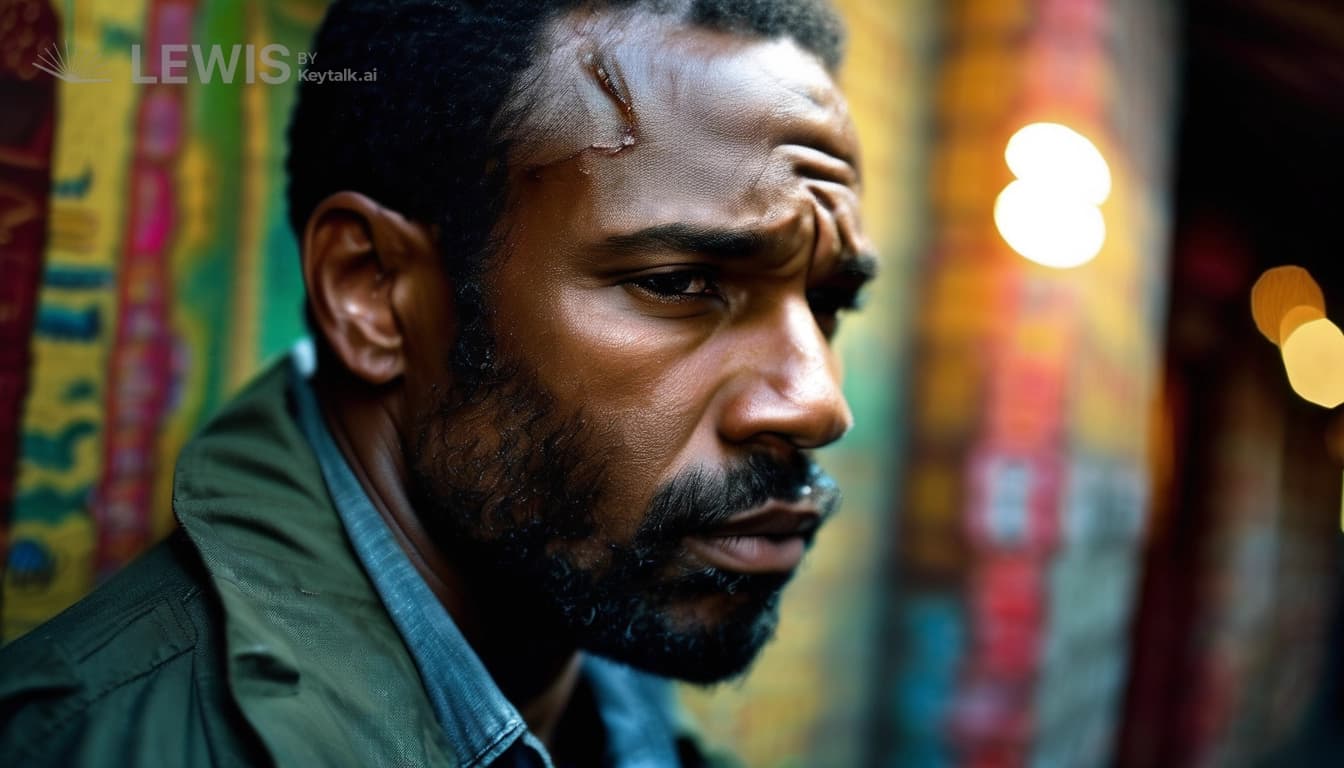
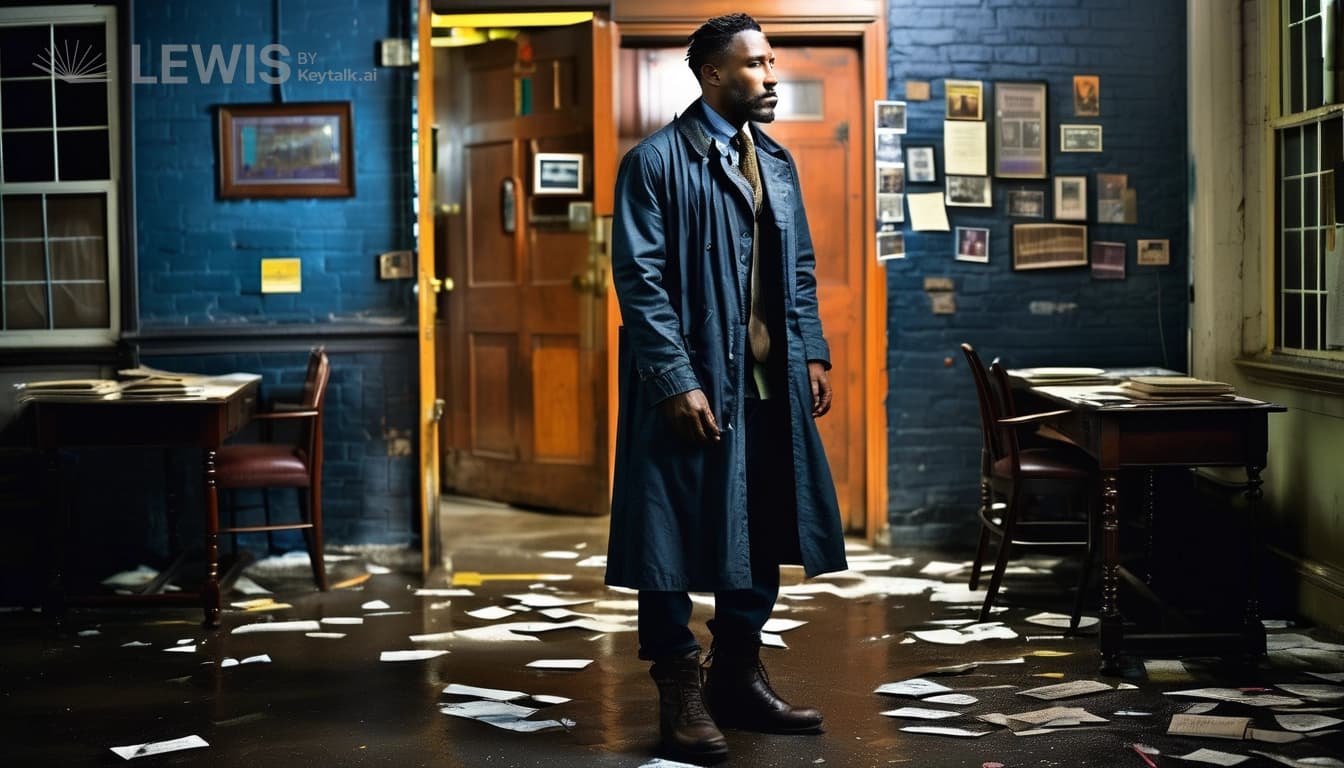
Gabriel Ashcroft’s story begins on a rain-soaked night, neon bleeding through the cracked windows of his basement office. He’s nursing bourbon, replaying the latest supernatural homicide in his mind—another victim drained, another cryptic glyph carved in flesh. The city is a labyrinth of secrets; Gabriel knows most of them, but not the one he’s chasing: the origin of his own curse. Immortality is a chain around his neck, forged in blood and bad decisions, and every case he takes is a failed attempt to atone for crimes he can never undo. When a mutilated body turns up bearing the sigil of the original vampire order—the same mark he remembers from the night he was turned—he realizes that someone is sending a message. The world he thought he understood is shifting beneath his feet, and the only way out may be to burn it all down, even if he goes with it.
Livia Kassovitz enters as a storm of clinical efficiency and ice-cold calculation. She’s the only one who understands the science behind the curse—she helped create it, though she’d never admit that to Gabriel. Her network of bloodline smugglers and gene-alchemists has uncovered a fragment of the original serum, a key to the immortals’ genesis. Livia’s motivation is legacy; she wants to rewrite immortality, to perfect it or destroy it outright. When Gabriel drags the latest corpse to her lab, she recognizes the glyph as a signature from her own past, an unfinished equation left to rot in the city’s veins. If the group can find the original source—an abandoned hospital deep in the city’s forgotten sector—they could end their suffering. But she knows the cost: unravel the curse, and every immortal might be erased, herself included. For Livia, it’s a risk worth taking. Her methods are surgical, her emotions embalmed, but there’s an unspoken desperation in every precise movement.
Amirah Sayegh, the memory broker, is drawn in reluctantly—she’s spent years avoiding the immortals’ war, selling stolen memories to the highest bidder but refusing to get entangled. Her empathy is a liability she masks with sarcasm and a quick exit strategy. But when Gabriel comes to her for help deciphering a sequence of encoded memories from the murder scene, she can’t refuse. She’s always been a sucker for broken things, and Gabriel’s haunted sorrow mirrors her own. Amirah’s ability to read emotional echoes from blood-soaked evidence reveals a chilling truth: the curse isn’t just a virus or a spell—it’s a wound in time, anchored to a single night decades ago when the original immortals made their Faustian bargain. She sees flashes of that night: betrayal, sacrifice, and the face of a future enemy among their own ranks.
The fractured group—Gabriel, Livia, Amirah, and a handful of other immortals—descends into the city’s underbelly, chasing rumors and half-remembered horrors. Each step forward brings new betrayals: allies turn on each other, driven by old feuds and the promise of survival. Gabriel’s iron loyalty is tested when he’s forced to choose between saving Livia from a rival’s ambush or protecting Amirah, whose knowledge is vital to unspooling the curse. Livia, ever the pragmatist, doesn’t hesitate to sacrifice pawns, even as she senses her own grip on power slipping. Amirah, torn between neutrality and the hope of finally changing something, risks everything to extract a memory from the dying mind of a traitor—only to discover that the key to erasing the curse is a paradox: to break the chain, one of them must willingly relive the night of their creation and choose oblivion.
The climax is a fever dream of violence and revelation in the ruins of the hospital. As the immortals enact the ritual, ghosts of their past selves appear, taunting, pleading, accusing. Gabriel is forced to confront the moment he failed to save his lover—the moment that cemented his damnation. Livia faces the memory of her first experiment gone wrong, her hands stained with the blood of those she claimed to save. Amirah, channeling the collective agony of the lost, offers herself as the vessel to anchor the ritual, knowing that her eidetic memory makes her the only one who can hold the paradox together. The city outside trembles as time fractures; old enemies reappear, some seeking vengeance, others desperate to preserve the curse that defines them.
In the end, it comes down to choice. Gabriel, offered a chance to rewrite his past, hesitates—redemption means letting go of everything he’s become. Livia, faced with the collapse of her legacy, tries to seize control of the ritual, but Amirah, battered but resolute, intervenes. She makes the final sacrifice, letting her own identity dissolve