본문으로 건너뛰기
Billboard Confessions cover image

Billboard Confessions

Ally is In a town unnervingly obsessed with perfection—where every grade is broadcast on giant digital billboards and parents compete for the title of 'Most Supportive'—a chronically anxious girl constructs an alter ego who writes anonymous, scathing reviews of her peers’ lives; but when her satirical column accidentally sparks a community-wide movement toward honesty, she must decide whether to risk her carefully curated anonymity for a shot at liberation or be crushed by the very pressures she helped expose.

Weekly ranking

rank icon image
#62 inGenre
Scroll

Plot Synopsis

Sixteen-year-old Ally Brewster is a ghost in the gleaming halls of Magnolia High, her presence swallowed by the relentless machinery of the town’s Perfection Initiative—brainchild of the formidable Principal Meredith Choi. Every test score, club achievement, and even “supportive parent” ranking scrolls across mammoth digital billboards that cast an icy glow over the town’s manicured lawns. Ally, a bundle of nerves and sharp wit, feels herself crumpling under the weight of her immigrant parents’ ambitions and the town’s suffocating scrutiny. Her days pass in a haze of panicked note-taking and self-effacing silence, but at night, her alter ego emerges: “The Fault Finder,” an anonymous satirical columnist who eviscerates the absurdities of Magnolia’s pursuit of flawlessness with surgical precision. Each post is a scalpel, slicing through hypocrisy, exposing cracks in the façade—though always with enough ambiguity to avoid detection.

Ally’s columns start as a private act of rebellion, a way to exorcise her anxiety and claim a shred of control in a world obsessed with metrics. But when she targets the town’s latest golden boy—a valedictorian whose dazzling GPA masks a spiraling Adderall addiction—her words strike a nerve. The column’s biting humor and unexpected empathy resonate with Magnolia’s silent majority: the exhausted, the overlooked, the quietly suffocating. Within days, her satirical reviews become a clandestine sensation, whispered about in locker rooms and PTA meetings alike. Students begin submitting their own confessions, and the “Fault Finder” morphs into an oracle for honesty, inspiring a wave of subversive truth-telling that both thrills and terrifies Ally.

Principal Meredith Choi, architect of Magnolia’s polished order, watches the town’s equilibrium tremble. She recognizes the Fault Finder’s columns as both a threat and a mirror—each review landing uncomfortably close to her own anxieties about failure, order, and the fragility of her legacy. Meredith’s drive is rooted not in cruelty but in the desperate belief that only perfection can shield her charges from the chaos she once endured as an outsider. As the confessions escalate—students sabotaging their own perfect records, parents openly criticizing the Initiative, teachers refusing to post grades—Meredith deploys draconian countermeasures: digital surveillance, public shaming of “dissenters,” mandatory “Resilience Seminars.” The crackdown breeds resentment and paranoia, feeding the Fault Finder’s mythos.

Ally’s anxiety blossoms into terror as suspicion narrows. Jamilah Adeyemi, the school’s janitor and secret spoken word poet, becomes an unlikely ally. Jamilah, seasoned in navigating the town’s social hierarchies, recognizes Ally’s tics and the cadence of her writing from the poems she herself anonymously scatters in classrooms. She offers a quiet warning and a challenge: “You can’t change a world by hiding from it.” Their uneasy alliance grows, with Jamilah guiding Ally toward bolder acts of resistance—slipping poems and columns together, orchestrating minor acts of creative sabotage that turn the school’s own billboards against the Initiative. Their partnership is a collision of opposites: Ally’s furtive brilliance and Jamilah’s earthy subversion spark a chemistry that emboldens them both, even as it draws dangerous attention.

The movement crests in a chaotic climax. Meredith, desperate to restore order and convinced the Fault Finder is a threat to her own hard-won stability, orchestrates a public tribunal—an academic witch hunt disguised as a “Celebration of Integrity.” Ally faces a crucible: outed by a slip in her phrasing and betrayed by a leaked email, she is dragged before the town, her anonymity shattered. Meredith, in a rare moment of vulnerability, pleads with Ally to renounce the Fault Finder and restore faith in the Initiative, revealing the scars of her own childhood failures and the loneliness of her position. Ally, trembling but resolute, refuses—invoking the confessions of her peers, the exhaustion of perfection, and her own longing to be seen as more than a grade or a stereotype. Jamilah, risking her job, steps forward and performs a raw, incendiary poem about the cost of invisibility, igniting a groundswell of student and parental support.

The fallout is seismic. Magnolia’s billboards go dark for the first time in a decade. Meredith is forced into a public reckoning—her authority battered, her methods exposed, but her humanity finally glimpsed. Ally is suspended, her college prospects in jeopardy, but for the first time, she stands unbowed in her own skin, buoyed by the solidarity of her peers and the quiet pride of her younger brother. Jamilah is dismissed but lands a city grant to run spoken word workshops for the youth of Magnolia, her subversive voice now a rally

Model Used
GPT-4.1
text
Stable Diffusion
image

Story Details

Keytalk Prompts Used
See all Keytalks
no chosen prompts
no chosen prompts
no chosen prompts
no chosen prompts
no chosen prompts
no chosen prompts
Model Used
GPT-4.1
text
Stable Diffusion
image

Character

Protagonist Character

Allison "Ally" Brewster

GenderFemale
OccupationHigh School Student / Anonymous Satirical Columnist

Profile

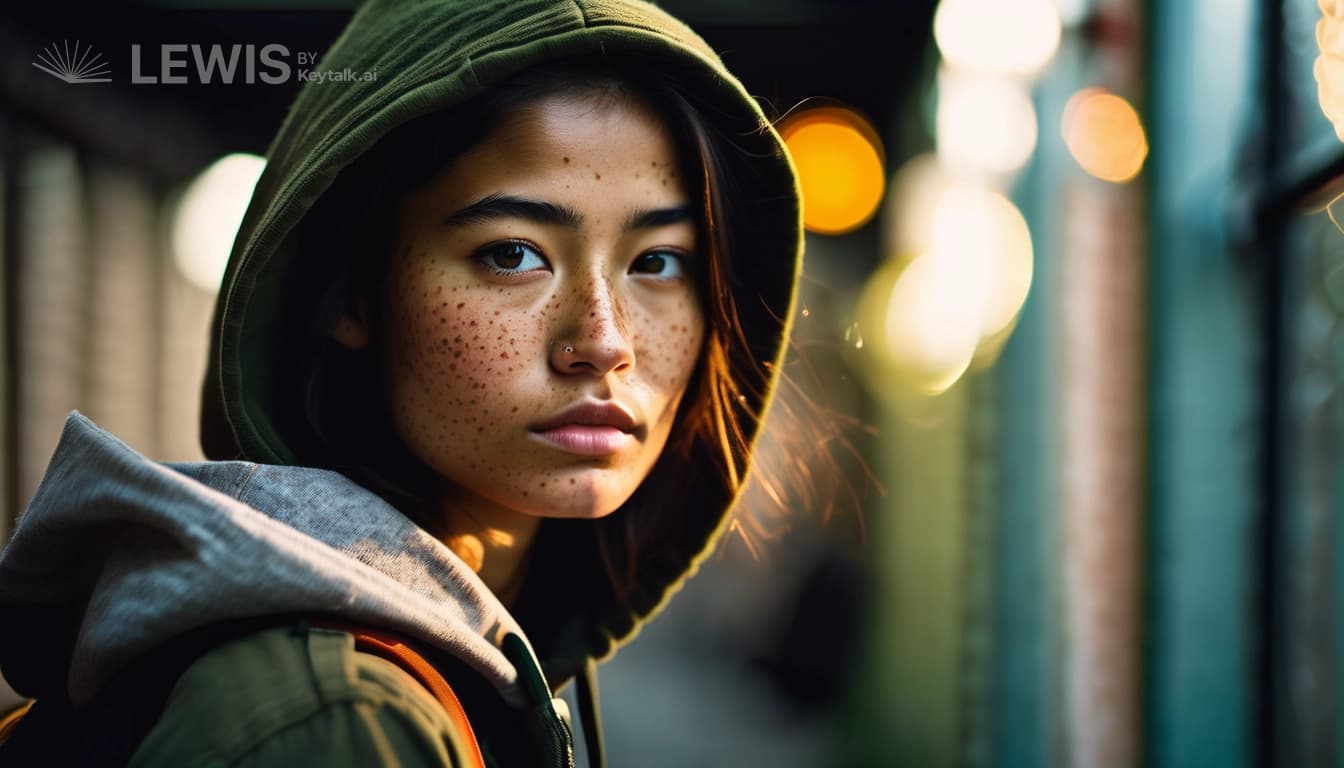
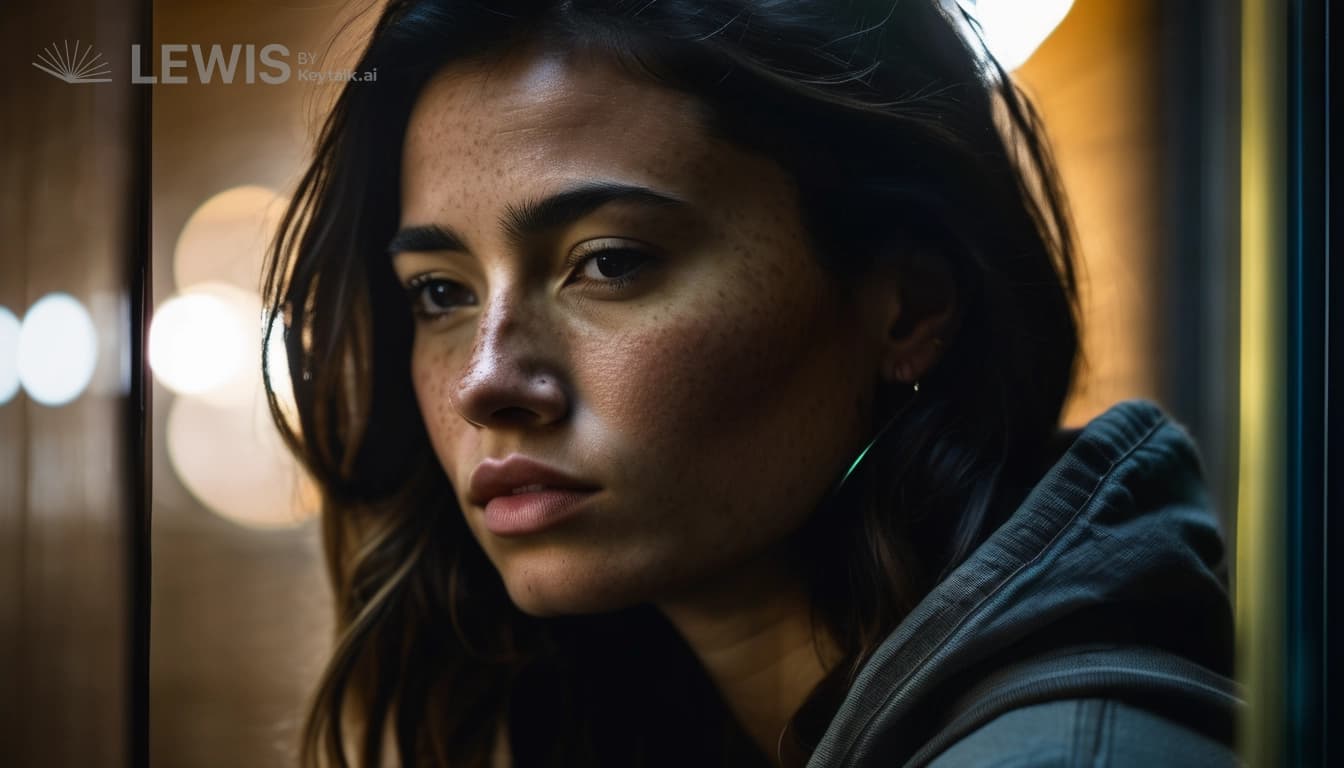
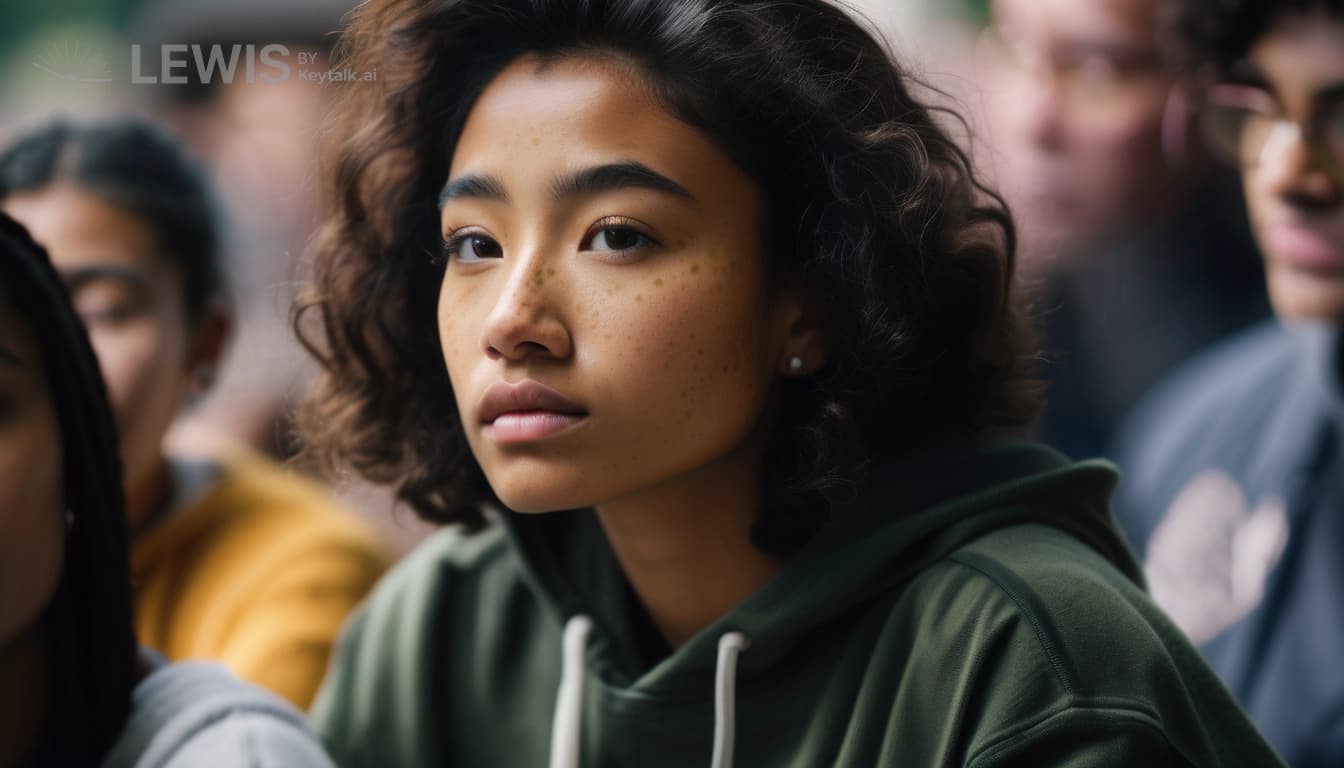
Allison "Ally" Brewster, a sixteen-year-old Korean-American girl with a sharp intellect and a fraught relationship with expectation, stands at the periphery of her town’s relentless pursuit of flawlessness. Petite—barely five-foot-two—with a slight, almost birdlike build, she moves through the halls of Magnolia High with hunched shoulders and a gaze that flickers between wary and observant. Her straight, ink-black hair, usually hidden beneath an oversized, faded hoodie, frames a heart-shaped face marked by expressive, dark eyes and a constellation of faint freckles along her cheekbones. Ally’s penchant for muted thrift-store layers—always chosen for comfort and camouflage rather than style—contrasts with the town’s manicured uniformity and hints at her quiet rebellion. Raised by immigrant parents who relentlessly chase the American ideal, she’s internalized a cacophony of pressures: academic excellence, cultural assimilation, and the ever-present need to represent her family with pride. This has forged in her both a razor-sharp wit and a chronic, gnawing anxiety, manifesting in nervous tics—tapping her pen, biting her lip, compulsively rewriting notes—that betray her inner turmoil. Her speech is clipped and self-effacing in public, but in the privacy of her mind—and in her biting, anonymous satirical columns—she wields language like a scalpel, slicing through hypocrisy with a mix of deadpan humor and raw vulnerability. Fiercely observant, Ally catalogues the absurdities of those around her, yet she’s paralyzed by the fear of standing out, desperate both for invisibility and for recognition of her true self. Though she’s a loner by necessity, her sardonic alter ego reveals a longing for authenticity and connection, even as it courts risk. Ally’s closest relationship is with her younger brother, a free-spirited contrarian who emboldens her subversive streak, but she keeps most at arm’s length, wary of both ridicule and intimacy. Her core motivation is liberation—not just from societal scrutiny, but from the suffocating expectations she’s internalized—and she’s haunted by the question of whether she can ever reconcile her private candor with her public persona.
Antagonist Character

Meredith Choi

GenderFemale
OccupationSchool Principal / "Perfection Initiative" Architect

Profile

Meredith Choi, a Korean-American woman of 47, cuts an imposing yet meticulously composed figure at 5'9" with a lean, almost angular build, her posture ramrod-straight as if held together by the same iron discipline she demands of others. Her obsidian hair, streaked with dignified silver at the temples, is always swept into a severe twist that accentuates her high cheekbones and sharp, observant eyes—coal-dark and unblinking, framed by arched brows that rarely betray emotion. The faintest scar mars her left eyebrow, a relic of childhood rebellion she never discusses. Immaculately dressed in tailored navy suits and crisp white shirts—her sole indulgence a single, jade-inlaid cufflink—Meredith exudes an air of curated restraint, both in appearance and demeanor. As principal and the original architect of the town’s “Perfection Initiative,” she is the mind behind the omnipresent billboards and competitive parental rankings, believing with steely conviction that visible achievement cultivates communal excellence. Raised in a family that prized order and achievement above all, Meredith’s worldview is shaped as much by her parents’ relentless expectations as by her own experience as an immigrant outsider, perpetually striving to prove her place in spaces that measured worth in quantifiable outputs. Her speech is precise, formal, and laced with a faint Seoul accent, though she wields English with the sharpness of a surgeon—her words clipped, her praise rare but devastatingly effective. Despite her unyielding exterior, Meredith’s aspirations are not rooted in malice but in an almost desperate hope to shield her charges from the chaos of mediocrity and the pain of failure she once endured. She is fiercely intelligent, preternaturally observant, and intolerant of ambiguity—traits that make her both an inspiring leader and a formidable adversary. Yet, beneath her cultivated composure, she wrestles with isolation and an inability to relinquish control, unable to connect in any way that does not involve metrics or milestones. Her closest confidant is an aging mother she phones every Sunday at exactly 8 p.m., their conversations a study in mutual pride and unspoken regret. Meredith’s methods—rigorous, public, unflinchingly honest—reflect her belief that only through the relentless pursuit of perfection can true worth be revealed, making her a natural, if unintentional, antagonist to any who would disrupt her fragile order with unpredictability or satire.
Sidekick Character

Jamilah Adeyemi

GenderFemale
OccupationSchool Custodian / Amateur Spoken Word Poet

Profile

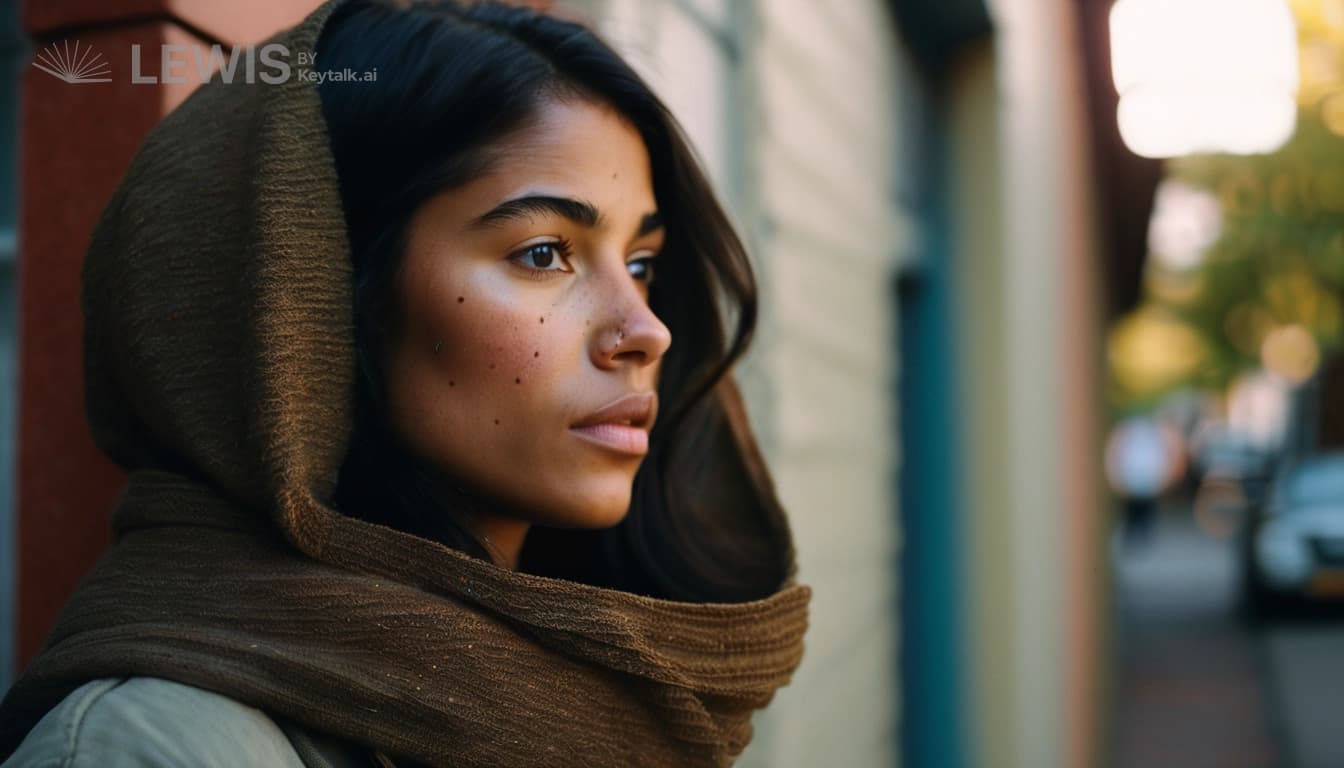
Jamilah Adeyemi, a 29-year-old Nigerian-American woman, stands at five foot nine with an athletic, sinewy build honed by years of quietly grueling labor. Her deep brown skin bears a constellation of faded childhood scars and the perpetual nicks of custodial work, while her expressive, almond-shaped eyes—framed by thick, charcoal brows—convey a restless intelligence and a flicker of mischief. Her hair, a tightly coiled halo often wrapped in vibrantly patterned scarves, is a nod to her mother’s Lagos heritage and her own defiant sense of style in a town allergic to deviation. Jamilah’s wardrobe is a deliberate collage: utilitarian navy coveralls dusted with paint, punctuated by chunky thrift-store jewelry and battered Doc Martens, signaling a pragmatic resilience beneath her bohemian flair. Having grown up the eldest of five in a family where achievement was both armor and burden, she carries a wry awareness of the toxic side of aspiration—one that fuels her after-hours passion as an amateur spoken word poet, drawing small crowds in the dingy backrooms of local cafés. Jamilah’s speech blends lyrical turns of phrase with the clipped, direct cadence of someone who has little patience for artifice, her accent tinged with the musicality of Yoruba when she’s tired or emotional. She is fiercely observant, preternaturally attuned to the invisible pressures thrumming through the school’s hallways, and possesses an unshakable empathy for misfits—qualities that make her a silent confidante to students like Ally, even as her own ambitions chafe against the glass ceiling of her janitorial role. Though she exudes easy confidence, Jamilah wrestles with the urge to retreat from confrontation, shaped by a lifetime of smoothing over family conflicts and tiptoeing around authority figures like Principal Choi. Her personal code prizes candor and creative rebellion, manifesting in the subversive poems she slips under classroom doors, and she harbors a private longing to be seen as more than just “the help.” Jamilah’s presence in the story offers an earthy, grounded foil to Ally’s anxious volatility and Meredith’s clinical perfectionism: where Ally is furtive and self-doubting, Jamilah is quietly audacious; where Meredith enforces order through spectacle, Jamilah sows dissent through intimate, poetic truth. Her unique vantage point as both insider and outsider in the school ecosystem, her irreverent humor, and her refusal to let either students or adults off easy make her an indispensable catalyst for the story’s reckoning with authenticity, even as she grapples with the risk of exposing her own vulnerabilities.
Model Used
GPT-4.1
text
Stable Diffusion
image

World

Location/Time, Era:
Magnolia, a meticulously curated suburb on the fringes of a nameless American metropolis, exists in a near-present era shaped by the last decade’s digital acceleration and a pervasive hunger for measurable success. Its tree-lined avenues are a patchwork of identical, beige McMansions and micro-manicured lawns, all watched over by omnipresent surveillance cameras and the cold glow of digital billboards. The town’s rhythms are dictated by the academic calendar, with every season ushering in a new wave of competitions, rankings, and ceremonies designed to showcase collective achievement. The days are long and saturated with pressure, while the nights—especially in the fluorescent-lit corridors of Magnolia High—hum with secret anxieties and furtive acts of rebellion. Life here is lived in the shadow of constant visibility, with privacy a rare and precious currency.

Key rules of the world and their impact on the story and beyond:
Magnolia’s central dogma is the Perfection Initiative, a codified system of relentless transparency and competitive aspiration. Every quantifiable achievement—grades, club points, parental involvement, even “wellness” metrics—is tracked, aggregated, and projected on monumental billboards at the heart of town and outside the school itself. Students and families are assigned public “excellence ratings,” recalibrated daily, fueling both pride and paranoia; merit-based privileges (parking spots, library access, even cafeteria seating) hinge on these scores. Rule enforcement is equally public: missed deadlines, infractions, and dissenters are named and shamed, while “Resilience Seminars” are mandatory for underperformers. These systems breed a culture of self-censorship, underground communication, and a black market for anonymity—making subversion both risky and subversively alluring, and ensuring that any act of rebellion, like Ally’s columns, reverberates far beyond personal consequence.

Visual depiction of the world and its unique features:
The town is a study in sterile spectacle and controlled beauty: boxwood hedges trimmed with military precision, pastel banners announcing every trivial accomplishment, and digital billboards pulsing with a ceaseless scroll of names and numbers. Magnolia High looms at the center, its glass-and-steel façade reflecting both the literal and figurative scrutiny of its inhabitants. Hallways are lined with motivational murals—smiling, airbrushed faces and hollow slogans—while surveillance domes glint from every corner, their presence both deterrent and threat. At night, the billboards throw an eerie, blue-white light across deserted playgrounds and shuttered storefronts, the town’s secrets flickering in the corners where the illumination thins. Hidden spaces—janitorial closets, forgotten rooftop perches, the graffiti-laced underpass—serve as sanctuaries for those seeking escape from the eye of perfection.

Notable technology, philosophy, or cultural elements influencing the world and narrative:
Technology is both tool and weapon: ubiquitous biometric ID cards track attendance, library usage, and even emotional “wellness” via mandatory daily check-ins. A town-wide app, “Magnolia Metrics,” allows real-time tracking of scores, fostering an obsessive culture of comparison and instant feedback. Philosophically, the Perfection Initiative is rooted in a warped meritocracy—a belief that quantifiable achievement is both shield and sword against mediocrity, chaos, and the shame of being overlooked. This ethos breeds not only anxiety and isolation, but also an underground countermovement: encrypted forums, clandestine poetry readings, and the mythic “Fault Finder” column. Cultural life is a battleground between enforced conformity and yearning for authenticity, where every act of honesty or creative rebellion is fraught with risk, but also the tantalizing possibility of genuine connection and transformation.
representative image
location 1 image

Location 1

- Title : The Hushed Atrium of Unrecorded Histories
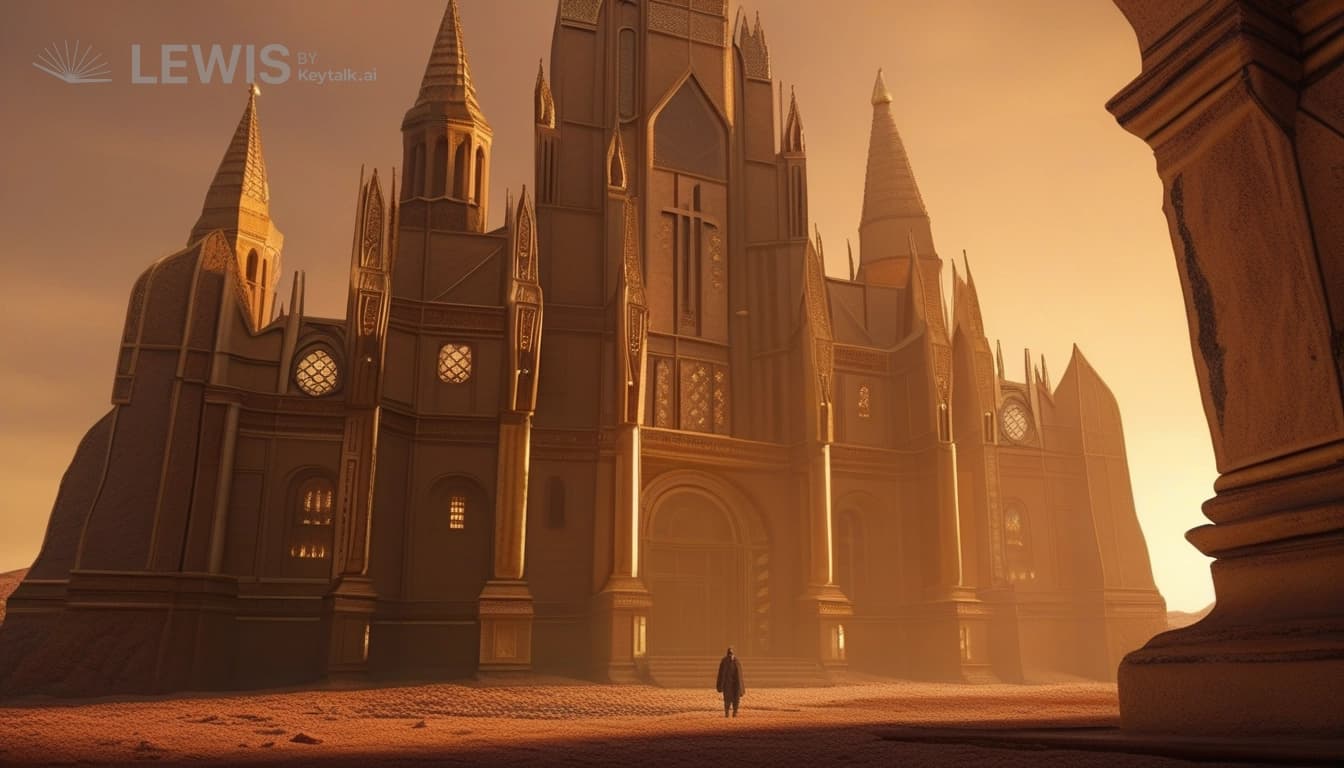
- Description : Tucked behind a seldom-used fire door off Magnolia High’s east wing, the atrium is a cathedral of glass and shadow, where sunlight slants through dust-laced panes onto faded honor rolls and sepia class photos—names and faces quietly erased from current digital records. Here, trophy cases stand half-empty, their plaques rusting, while the hush is broken only by the soft whir of obsolete scanners and the furtive whispers of students seeking refuge from the omnipresent cameras. It is in this liminal stillness—half-forgotten, immune to the Initiative’s gaze—that Ally first dares to slip her Fault Finder pages into hidden crevices, the room itself holding its breath as history and rebellion intertwine.
location 2 image

Location 2

- Title : The Gridline Market Beneath Magnolia Commons
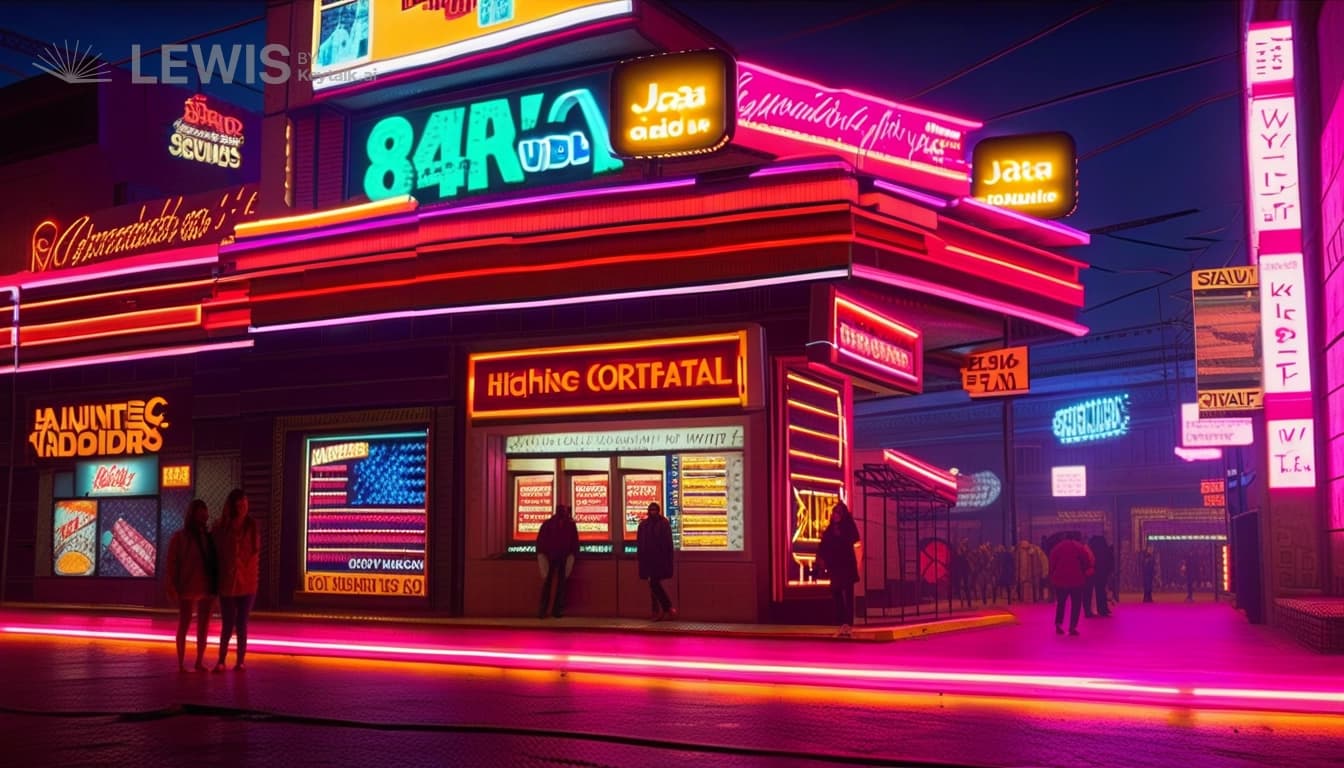
- Description : Threaded beneath the immaculate heart of Magnolia’s civic plaza, the Gridline Market is a clandestine labyrinth of neon-streaked concrete corridors and flickering stalls, where forbidden snacks and bootlegged report cards change hands under the jaundiced glow of repurposed billboard panels. Here, stress-laced laughter mingles with the tang of burnt sugar and ozone, and anxious students barter for contraband solace while the Initiative’s cameras frown from above—rendering every whispered confession and coded transaction a small act of insurrection. It is in this electric underbelly, pulsing with the desperate heartbeat of those who refuse to be measured, that Ally and Jamilah plot their most audacious sabotage—transforming the market’s chaos into the crucible of their resistance.
location 3 image

Location 3

- Title : The Shattered Fountain at Dovetail Green
- Description : Once the heart of Magnolia’s manicured serenity, the fountain is now a fractured relic—its marble nymphs decapitated, their faces littering the basin like the aftermath of a quiet revolution. Here, the acrid scent of ozone mingles with the sweetness of crushed grass as students gather in tense, electric clusters, their voices rising in defiant waves beneath the gaping mouths of surveillance drones. Water trickles weakly through the jagged stone, echoing the town’s unraveling order—a raw, exposed nerve where Ally’s unmasking and Jamilah’s incendiary poem ignite the final, irreparable rupture in Magnolia’s façade.
Model Used
GPT-4.1
text
Stable Diffusion
image

Scenes

scene 1 image
Scene 1
[The Billboards Blink—Secrets Flicker Beneath Magnolia’s Glow]
[Place] - The entrance plaza and main hallway of Magnolia High, beneath the looming digital billboards
[Time] - Early morning, before the first bell rings, on the day after Ally’s latest Fault Finder column drops

[Action] -
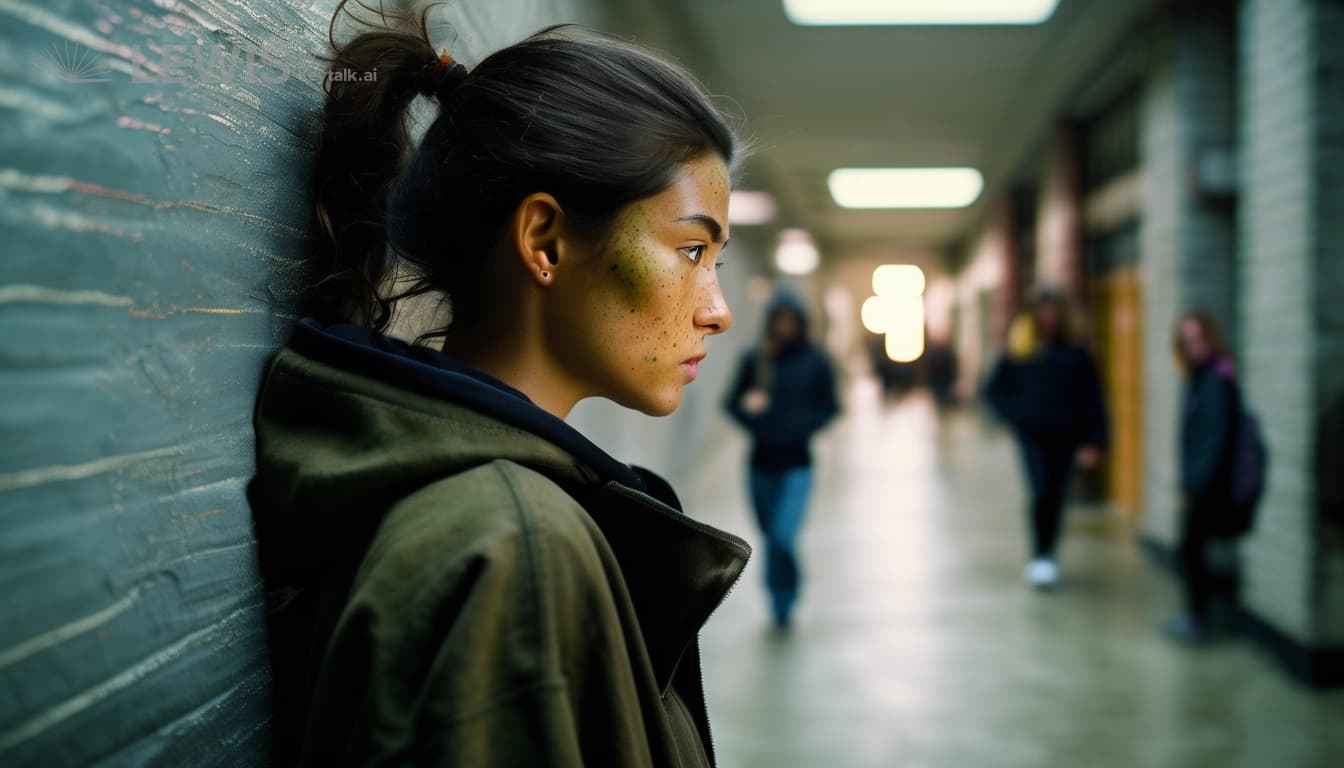
The scene opens with Ally stepping off the bus, her heartbeat stuttering as she is greeted by the cold, antiseptic glow of the billboards flashing the town’s latest “Perfection Index” scores. Parents in pressed suits cluster at the school gates, pretending not to judge each other’s rankings, while students thread past, faces flickering with forced confidence and underlying dread. Ally keeps her head down, fighting panic as she scans the scrolling names—her own buried in mediocrity, her friend’s recent demotion glinting like a wound. She feels invisible, yet every glance seems sharpened, every whisper potentially about her.

Inside, the air is taut with a strange energy. Snatches of conversation hint at something brewing: whispers about the Fault Finder’s column that skewered the golden boy, laced with both fear and exhilaration. Some students furtively check their phones, passing around secretive smirks, while others scowl at perceived threats to order. Teachers huddle by the staffroom, concern writ in the lines of their faces, debating the growing unrest. Ally moves through it all, nerves frayed, both proud and terrified—her alter ego’s words have landed, and the school is uncomfortably alive. A janitor’s cart creaks by; Jamilah, eyes sharp and knowing, pauses just long enough to offer Ally a loaded look—equal parts warning and encouragement.

As the bell rings, the billboards briefly flicker—an unusual, almost glitch-like stutter that draws startled gasps and uneasy laughter. The moment passes, but the sense of something shifting lingers palpably, threading anticipation and dread through the morning routine. Ally slips into homeroom, feeling the weight of her anonymity and the danger it now carries.

[Impact on the story] -
This scene sets the tone of oppressive perfection and simmering unrest within Magnolia High, establishing the emotional stakes for Ally and her peers. It plants the seeds of both fear and solidarity as the Fault Finder’s influence begins to ripple through the school. The flickering billboards foreshadow deeper cracks in Magnolia’s façade, while the silent exchange between Ally and Jamilah sows the promise of future alliance. Ally’s anxiety and exhilaration are both heightened, marking the threshold between private rebellion and public consequence.

[Description] -
Amid the sterile brilliance of Magnolia High’s billboards, Ally’s secret rebellion sends tremors through the school. As the Fault Finder’s satire provokes both anxiety and hope, subtle signs of change flicker beneath the polished surface—hinting at coming upheaval and forging the first, fragile connections of resistance.
scene 2 image
Scene 2
[A Whisper in the Janitor’s Closet—Ally and Jamilah’s Pact of Shadows]
[Place] - The cramped janitor’s closet at the end of Magnolia High’s west hallway, hidden among the hum of vending machines and echoing lockers
[Time] - Mid-morning, during the lull of second period when the halls are momentarily deserted

[Action] -
Ally, jittery and sleep-deprived, ducks into the janitor’s closet under the pretense of retrieving a lost notebook, her nerves fraying as the Fault Finder’s latest column ripples through the school. She’s barely closed the door when Jamilah arrives, pushing her cart with practiced nonchalance. There’s a tense pause as Jamilah assesses her, then a subtle shift—the practiced mask slipping to reveal quiet solidarity. Jamilah confronts Ally with a poem clipped to a cleaning supply, its lines echoing phrases from Ally’s anonymous column—a clear, knowing signal. At first, Ally recoils, wary of exposure and uncertain of Jamilah’s intentions. But Jamilah reveals her own clandestine authorship, sharing how her poetry has been a lifeline in Magnolia’s suffocating environment. She challenges Ally’s isolation, urging her to see the power in collective resistance rather than solitary satire. Their conversation crackles with vulnerability and suspicion, but also the tentative spark of shared purpose. Jamilah proposes a pact: they will merge their subversive arts—Ally’s columns and Jamilah’s poems—to orchestrate small, creative acts of rebellion, beginning with a plan to subvert the school’s messaging system. Ally, torn between terror and exhilaration, hesitantly agrees, realizing that secrecy alone is no longer enough. The scene closes with the two sealing their pact in silence, aware of the risks but galvanized by the possibility of change, as distant footsteps remind them of the ever-present threat of discovery.

[Impact on the story] -
This scene forges the essential alliance between Ally and Jamilah, expanding Ally’s rebellion from a solitary act into a collaborative movement. It deepens Ally’s internal conflict—her fear of exposure now intertwined with the hope of meaningful change—while revealing Jamilah’s own history of resistance and her belief in the necessity of solidarity. The pact marks the shift from isolated defiance to organized subversion, escalating the stakes and laying the groundwork for bolder, more visible acts against Magnolia’s regime.

[Description] -
In the hidden confines of the janitor’s closet, Ally and Jamilah recognize each other as kindred dissidents. Their secret pact transforms solitary rebellion into a shared mission, setting the stage for creative sabotage and the birth of a fragile but potent resistance.
scene 3 image
Scene 3
[Title] - Adderall and Ambition—Unmasking the Golden Boy’s Quiet Collapse
[Place] - The sterile, glass-walled guidance counselor’s office and, in parallel, the shadowed corners of the school library
[Time] - Late afternoon, as school empties and the hallways echo with the remnants of hurried footsteps

[Action] -
The scene opens with Ally, newly emboldened by her pact with Jamilah, scanning the digital billboards as she walks—her heart pounding as she notes a subtle, poetic jab embedded in the scrolling announcements, a trace of their handiwork. Her phone vibrates with a surge of confessions, but one anonymous message stands out: a desperate, rambling account from the school’s golden boy, Logan, hinting at his dependence on Adderall and the suffocating expectations crushing him. Ally’s internal struggle intensifies—she is torn between the urge to protect a peer from Magnolia’s merciless gaze and the compulsion to expose the truth behind the façade.

Meanwhile, Logan sits across from the guidance counselor, his hands trembling as he tries to maintain composure. The counselor, harried and oblivious, offers platitudes about stress management while Logan’s eyes flicker with shame and resentment. Their exchange is punctuated by the relentless ping of notifications: Logan’s ranking has just slipped, and the billboard outside the window flashes his name with a subtle red warning. Alone after the meeting, Logan ducks into the library, his perfect mask slipping as he sifts through pill bottles hidden in his backpack.

Ally, driven by a mixture of empathy and her role as the Fault Finder, shadows him at a distance, observing his collapse in the stacks. She recalls Jamilah’s challenge to wield her voice not just as a weapon but as a lifeline. Wrestling with her responsibility, Ally drafts her next column—anonymously weaving Logan’s confession into a searing satire that skewers Magnolia’s obsession with achievement while simultaneously extending unexpected compassion to its victims.

The scene closes with Logan reading the column in the blue glow of his phone, his face contorting in recognition and relief. A ripple of unease spreads through the student body as the column’s empathy makes the Fault Finder feel less like a distant judge and more like an advocate for the wounded.

[Impact on the story] -
This scene deepens the moral complexity of Ally’s rebellion, forcing her to reconcile satire with empathy. Logan’s unraveling exposes the human cost of the Initiative, shattering the illusion of effortless perfection and inviting readers—and Ally herself—to question the ethics of truth-telling. The shared vulnerability between Ally and Logan signals the expanding reach of the Fault Finder and sows seeds of solidarity among the oppressed.

[Description] -
As Ally confronts the private collapse of Magnolia’s golden boy, her anonymous column evolves from sharp critique to a lifeline for the broken. This scene marks a pivotal shift from lone dissent to collective reckoning, revealing cracks in the town’s glossy surface and drawing the movement’s first blood.
scene 4 image
Scene 4
[Title] - The Confessions Surge—Rebellion Written in Hallway Graffiti
[Place] - Magnolia High’s labyrinthine hallways, the bathroom stalls plastered with hurried notes, and the shadowy stairwells behind the auditorium
[Time] - The following morning, before school and between classes, as the building hums with nervous anticipation

[Action] -
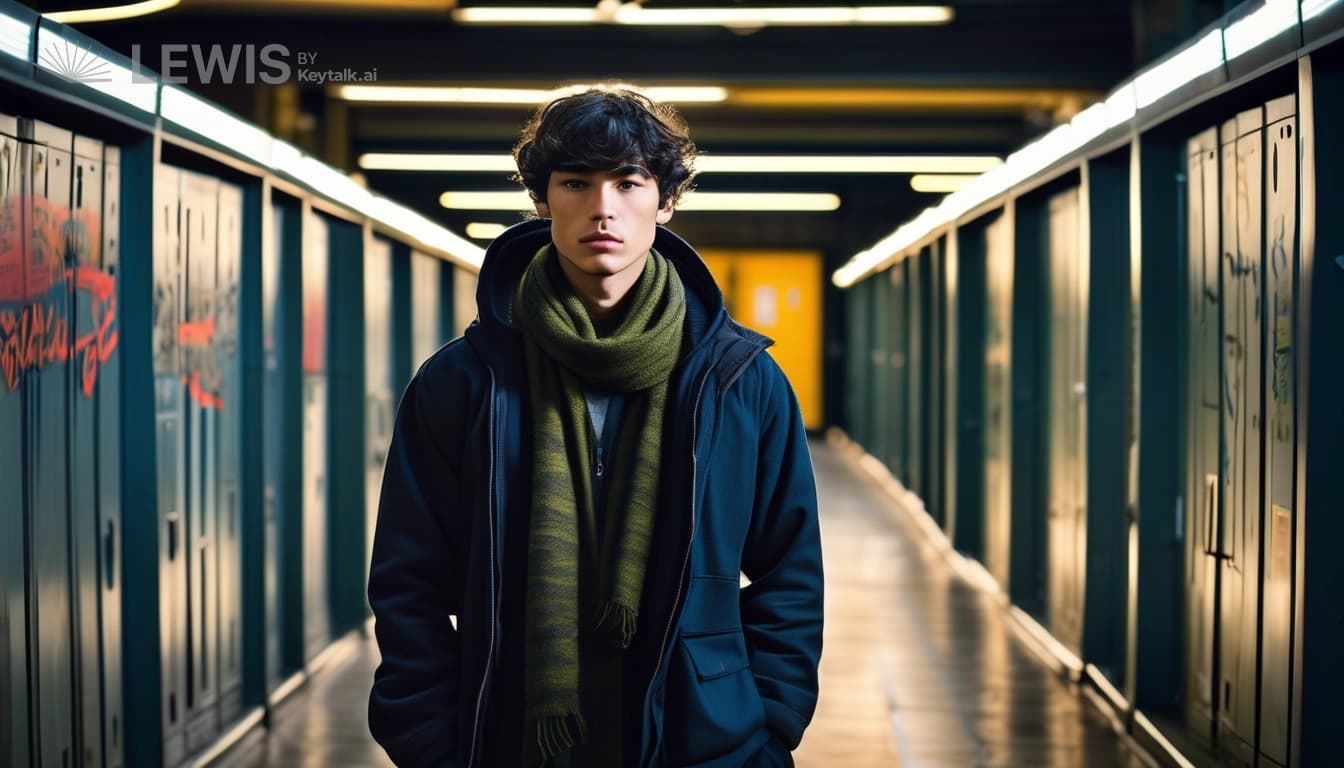
The scene opens with students arriving to find the school transformed overnight: slogans, confessions, and fragments of poetry—some scrawled in marker, others carefully lettered—cover mirrors, lockers, and bathroom doors. A mosaic of vulnerability and defiance, the messages range from raw admissions of failure to caustic critiques of the Perfection Initiative, many echoing the Fault Finder’s tone or quoting lines from Ally and Jamilah’s clandestine collaborations. As teachers scramble to erase the graffiti, students secretly photograph and circulate the confessions, sharing them in encrypted group chats and whispering in huddles between periods.

Ally, both exhilarated and terrified, navigates the chaos, catching glimpses of her words repurposed and amplified far beyond her control. The movement she sparked has taken on a life of its own, and she grapples with the realization that the boundaries between satire, truth, and incitement are blurring. Jamilah, meanwhile, moves through the school with quiet purpose, discreetly encouraging students to keep sharing and using their own voices, subtly protecting Ally’s identity by redirecting suspicion. Principal Choi, visibly unnerved by the scale of dissent, convenes an emergency assembly, her composure cracking as she warns of severe repercussions for “disruptors” and tightens surveillance—her eyes scanning the crowd for signs of the ringleader.

Amid the mounting tension, Ally and Jamilah steal a brief, charged moment in the stairwell. Their alliance deepens, but so does the risk: the lines between their creative resistance and the chaos it incites blur, leaving Ally haunted by guilt and emboldened by the solidarity she witnesses. The scene closes as a new, bolder message appears on the main billboard—one neither Ally nor Jamilah wrote—signaling that the rebellion is now bigger than them, and that the next phase will be impossible to control.

[Impact on the story] -
This scene marks the Fault Finder movement’s evolution from anonymous satire to collective uprising, thrusting Ally into the role of reluctant symbol rather than hidden instigator. The confessions’ proliferation exposes the town’s festering wounds and strips away any illusion of control for both Ally and Principal Choi, escalating the stakes and drawing the battle lines for the coming showdown.

[Description] -
As Magnolia High erupts with confessions and graffiti, Ally’s rebellion transforms into a groundswell of truth-telling she can no longer contain. The movement fractures the school’s façade, forcing both Ally and her adversaries to confront the unpredictable power of collective honesty.
scene 5 image
Scene 5
[Title] - The Celebration of Integrity—A Witch Hunt in Polished Marble
[Place] - Magnolia High’s grand auditorium, transformed into an intimidating tribunal space: banners touting “Integrity” hang beside screens streaming personal achievement metrics, a spotlight illuminating a lone microphone onstage
[Time] - Late afternoon, as the sun slants through high windows and the student body gathers under thinly veiled pretense of celebration

[Action] -
The school has been summoned for a mandatory assembly, but the air is thick with dread rather than festivity. The auditorium is arranged more like a court than a celebration—rows of students, staff, and parents seated in tense silence, their faces illuminated by the cold glow of billboards projecting “model citizens” and anonymous “infractions.” Principal Choi presides from the stage, her voice calm but sharp as she extols the virtues of transparency and condemns the recent “epidemic of dishonesty.” She invites students accused of spreading dissent to step forward, creating a spectacle of public accusation that turns the crowd into reluctant witnesses and potential informants.

Ally, seated at the edge of her row, feels the walls closing in. Her anxiety is a living thing, every muscle taut, her mind racing through possible escape routes and alibis. She notices suspicious glances from classmates—some fearful, others hungry for a scapegoat. Jamilah lurks at the periphery, eyes meeting Ally’s in a silent pact of solidarity and warning. The ceremony escalates as digital evidence—screenshots, snippets of writing, traces of emails—are paraded on the screens, each one narrowing the circle around the Fault Finder. A teacher, previously complicit in the movement’s spread, is forced to confess and publicly denounce the rebellion, their humiliation used as a chilling example.

The climax arrives when a slip in Ally’s phrasing, carelessly echoed in a leaked email, is read aloud. Gasps ripple through the crowd as suspicion crystallizes. Meredith Choi, her mask of composure finally cracking, calls Ally to the stage, demanding a confession before the assembled crowd. The power dynamic is fraught—Meredith’s desperation to restore order is tinged with personal vulnerability, while Ally’s fear is interlaced with a growing sense of resolve. The entire room holds its breath, the moment charged with threat, expectation, and the possibility of irreversible change.

[Impact on the story] -
This scene forces Ally’s anonymity to shatter, thrusting her into the public eye and setting the stage for the story’s emotional and ideological climax. The confrontation exposes the personal stakes for both Ally and Principal Choi, revealing the frailty of the systems they have each relied on. The event galvanizes the student body—some recoiling in fear, others quietly inspired to resist—while deepening the rift between conformity and rebellion that will define the fallout.

[Description] -
The assembly transforms into a public inquisition, with Ally’s secret identity exposed and Principal Choi’s authority teetering on the edge. The confrontation cements the movement’s irreversible momentum and draws the battle lines for Magnolia’s reckoning.
scene 6 image
Scene 6
[Title] - When the Lights Go Out—Reckoning, Renewal, and the Shape of Tomorrow
[Place] - Magnolia High’s campus and the town square beyond, beginning in the silent aftermath of the assembly and spilling out into dusk-draped streets
[Time] - Evening, immediately following the public tribunal; darkness settling as the digital billboards suddenly flicker off

[Action] -
The scene opens with the stunned dispersal of students and parents from the auditorium, the air thick with whispers and raw, charged energy. Ally, having just refused to renounce the Fault Finder before the school, stands suspended in the corridor’s hush—her face pale but her spine unbowed, watched from all sides with a volatile mix of awe, fear, and resentment. Jamilah, having risked everything by performing her poem, is ushered away by administrators, but her words linger in the silence, echoing in the minds of those who heard. Outside, Principal Choi faces a crowd of parents and faculty demanding answers—her composure fractured, her authority questioned openly for the first time. The billboards, omnipresent sentinels of perfection, suddenly go dark mid-scroll, plunging the campus and the town’s main street into an eerie, liberating twilight; confusion ripples through the gathering, quickly giving way to a collective sense of release and uncertainty.

As the news of the blackout spreads, students begin to gather in small, nervous clusters—some emboldened, others adrift without the familiar metrics to measure themselves against. Ally’s younger brother, previously sidelined by the Initiative’s focus on achievers, finds her outside and quietly offers his support, their shared vulnerability forging a new, tender connection. Jamilah, escorted from the school, exchanges a last, defiant look with Ally, a silent promise of continued resistance. Meanwhile, Principal Choi, overwhelmed by the crumbling order, is confronted by a group of parents and teachers who demand transparency and humanity over perfection, forcing her into a reckoning with her own motivations and legacy.

The scene closes with Ally walking through the suddenly unlit streets, the absence of the billboards’ glow both unsettling and exhilarating. She is suspended from school and faces an uncertain future, but for the first time, she is recognized by her peers not as an outlier, but as a catalyst. The movement she helped ignite is no longer hers alone—confessions and poems appear taped to doors and lampposts, voices rising in the darkness. Magnolia stands on the threshold of transformation, its old certainties broken, its possibilities raw and unresolved.

[Impact on the story] -
This scene unravels the town’s system of enforced perfection, exposing its emotional cost and the hunger for authenticity beneath its gleaming surface. Ally’s public stand and subsequent suspension mark her transformation from anxious outsider to reluctant leader, while Jamilah’s sacrifice cements the importance of creative rebellion. Principal Choi’s loss of control humanizes her, opening the door to change but also leaving her legacy in ruins. The blackout is both an ending and an invitation—the town’s future uncertain, but no longer dictated by fear.

[Description] -
The fallout from Ally’s unmasking reverberates through Magnolia: the billboards go dark, the Initiative unravels, and characters face the consequences of their choices. The scene signals both destruction and renewal, leaving the town forever altered and its people searching for a new way forward.
'Billboard Confessions'Story Chat

Want to chat with the characters from this story?

'Billboard Confessions'Story Chat

Want to chat with the characters from this story?

story image
story image
story image

You might also like

Comments0

rank icon image
#19 inGenre
rank icon image
#31 inGenre
rank icon image
#42 inGenre
theme music