본문으로 건너뛰기
Teacher of the Last Safe Zone cover image

Teacher of the Last Safe Zone

In the smoldering ruins of a once-prosperous coastal city, five children and eleven adults forge an uneasy alliance, forced into brutal skirmishes when a fresh mutation allows the infected horde to move by night and day. As supplies dwindle and treachery festers within their ranks, a battle-hardened schoolteacher must lead the young and old through a labyrinthine sewer network—where shrieking corpses hunt by sound—offering a slender chance at evacuation before the city’s last safe zone is overrun.

Weekly ranking

rank icon image
#51 inGenre
Scroll

Plot Synopsis

In the shadow-haunted bones of the coastal city, Evelyn Mercer emerges as an unlikely leader, her authority forged not by rank but by necessity. When a new strain of infection shatters the fragile rhythm of day-and-night safety—sending the undead surging through every hour—her skills as a schoolteacher and erstwhile boxer are all that stand between her disparate group and annihilation. Evelyn’s motivation is a relentless drive to protect the vulnerable, haunted by memories of students lost in the outbreak’s first days. She clings to order and ritual, a bulwark against panic, but every decision etches deeper the lines of guilt and exhaustion across her face. It is her compassion, tempered by hard-won ruthlessness, that makes her both a beacon and a lightning rod as she guides five children and eleven adults—each with their own secrets—through the city’s crumbling underbelly.

Their sanctuary, a barricaded primary school, is besieged. Dragan Iliev, once an engineer, now a self-appointed warlord, commands a splintered militia within the group. He believes survival can only be purchased through sacrifice and unwavering discipline. His core motivation—restoring order at any cost—sets him at odds with Evelyn’s more inclusive, if stern, leadership. Dragan’s influence is felt in every rationed meal and every enforced curfew, his word law among those desperate for any semblance of structure. Yet his inflexibility breeds resentment, especially as supplies dwindle and rumors of betrayal simmer in the close, anxious dark. When a trusted adult is found hoarding medicine for a dying relative, Dragan demands a brutal example be made; Evelyn intervenes, her authority challenged, the group teetering on the edge of mutiny.

With the city’s last safe zone scheduled for evacuation and the infected now hunting by sound through sewers that twist beneath the ruins, hope contracts to a single, desperate plan: escape through the labyrinth below. Marisol Vega, the graffiti cartographer, becomes indispensable. Her coded sigils—spray-painted warnings and maps left behind for the desperate—turn the sewers from a death trap into a possible route to salvation. Her motivations, rooted in preserving memory and community, often clash with Dragan’s utilitarian calculus and test Evelyn’s patience. But Marisol’s improvisational brilliance and the raw loyalty she inspires among the younger survivors complicate the brittle alliances above ground. As the group prepares to descend, Evelyn senses the growing fracture: Dragan’s faction sees the sewers as a gauntlet to be conquered through force, while Marisol urges flexibility and stealth.

The descent itself is a study in escalating tension. Every choice becomes a crucible. When a child’s nervous sobs attract a knot of shrieking corpses, Evelyn sacrifices precious ammunition and nearly her own life to draw them away, earning Dragan’s scorn for perceived recklessness. Marisol, meanwhile, leads a splinter group through a shortcut, risking separation but circumventing a collapsed tunnel—a decision that saves lives, but sows further mistrust. Dragan, seeing his authority erode, attempts to seize Evelyn’s rucksack—containing not only food but the coded whistle and maps on which the group’s survival depends—triggering a violent standoff in the fetid dark. The noise draws the infected, and only a desperate, improvised counterattack, marshaled by Evelyn and Marisol, turns the tide. In the aftermath, Dragan’s power is broken, but his technical expertise remains vital; Evelyn forces a brittle truce, her pragmatism hardening as the group’s numbers dwindle.

As they reach the final stretch—an underground river separating them from the evacuation point—betrayal comes from within. A wounded adult, desperate to reach the safe zone first, attempts to sabotage the makeshift raft, lured by Dragan’s earlier promises of preferential treatment. The resulting chaos sees the raft capsized, the infected swarming the banks. Evelyn is forced to choose: rescue Dragan, now grievously wounded but still clutching knowledge of the city’s last working generators, or save the youngest child, whose terrified cries echo those that haunt her dreams. In a split-second decision, she leaps for the child, leaving Dragan to fend for himself. Marisol, in a moment of reckless bravery, doubles back for Dragan, dragging him to safety—but at the cost of her own escape route, forcing her to navigate a flooded side tunnel alone, guided only by memory and fading graffiti.

The survivors emerge on the far shore, battered but alive. The city behind them erupts in fire as the last safe zone falls. Evelyn, child in arms, leads the remnants—her authority earned in blood and compromise—toward the evacuation fleet. Dragan, humbled and broken, limps behind, his vision of order shattered but his expertise still essential. Mar
Model Used
GPT-4.1
text
Stable Diffusion
image

Story Details

Keytalk Prompts Used
See all Keytalks
no chosen prompts
no chosen prompts
no chosen prompts
no chosen prompts
no chosen prompts
no chosen prompts
Model Used
GPT-4.1
text
Stable Diffusion
image

Character

Protagonist Character

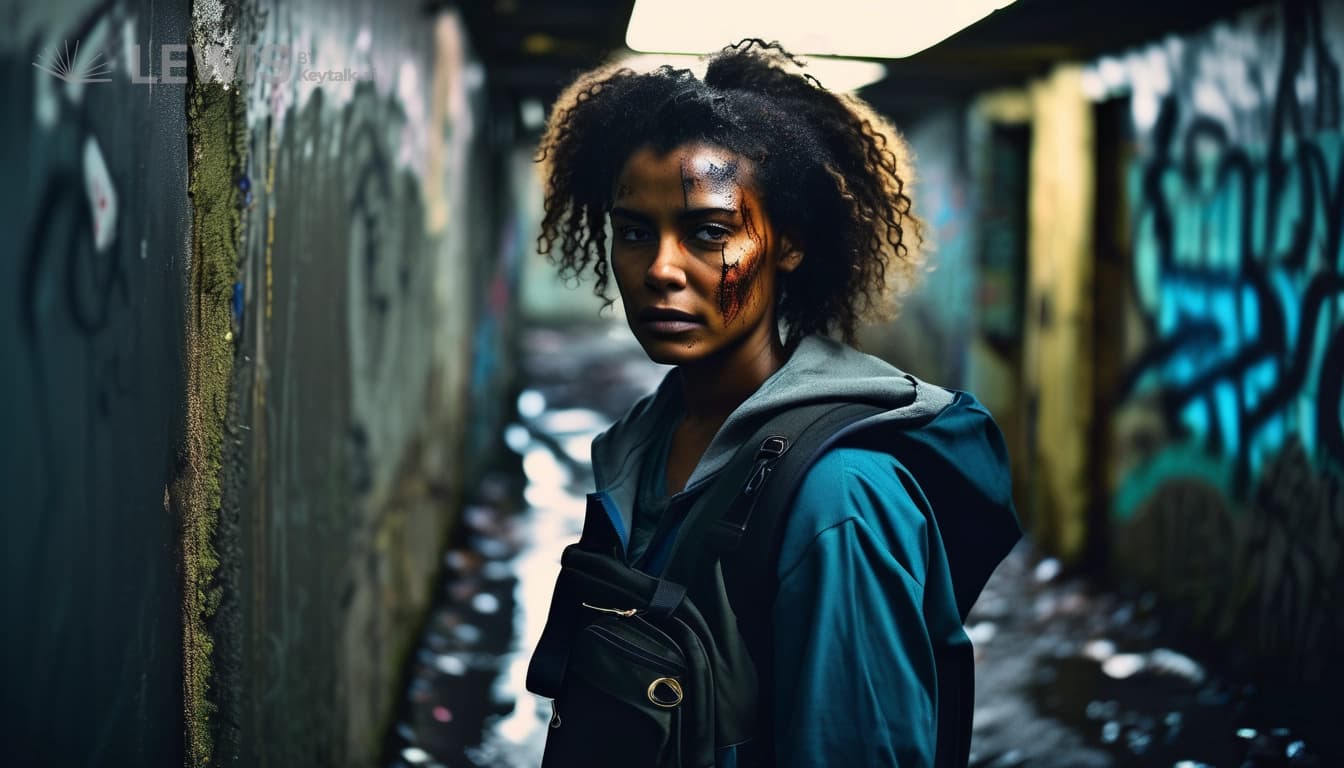
Evelyn Mercer

GenderFemale
OccupationSecondary School Teacher (History and Physical Education)

Profile

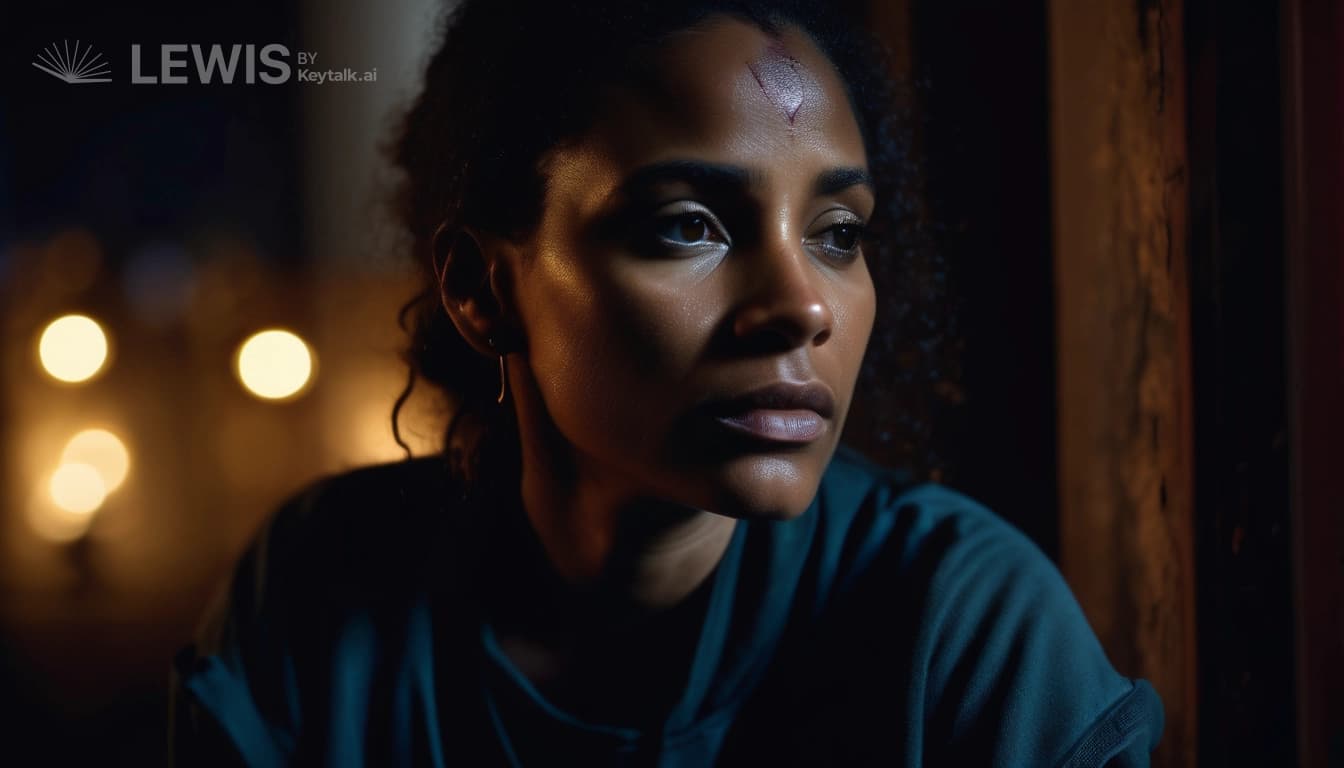
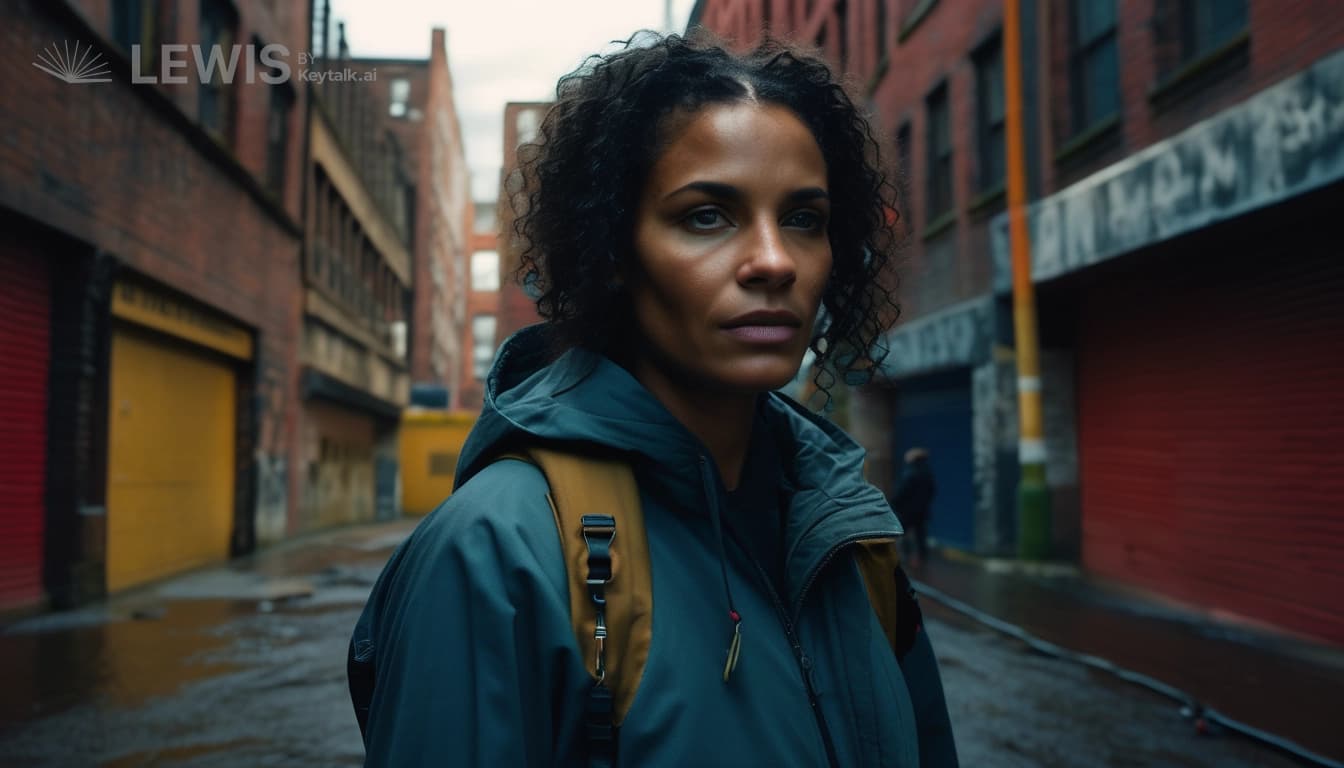
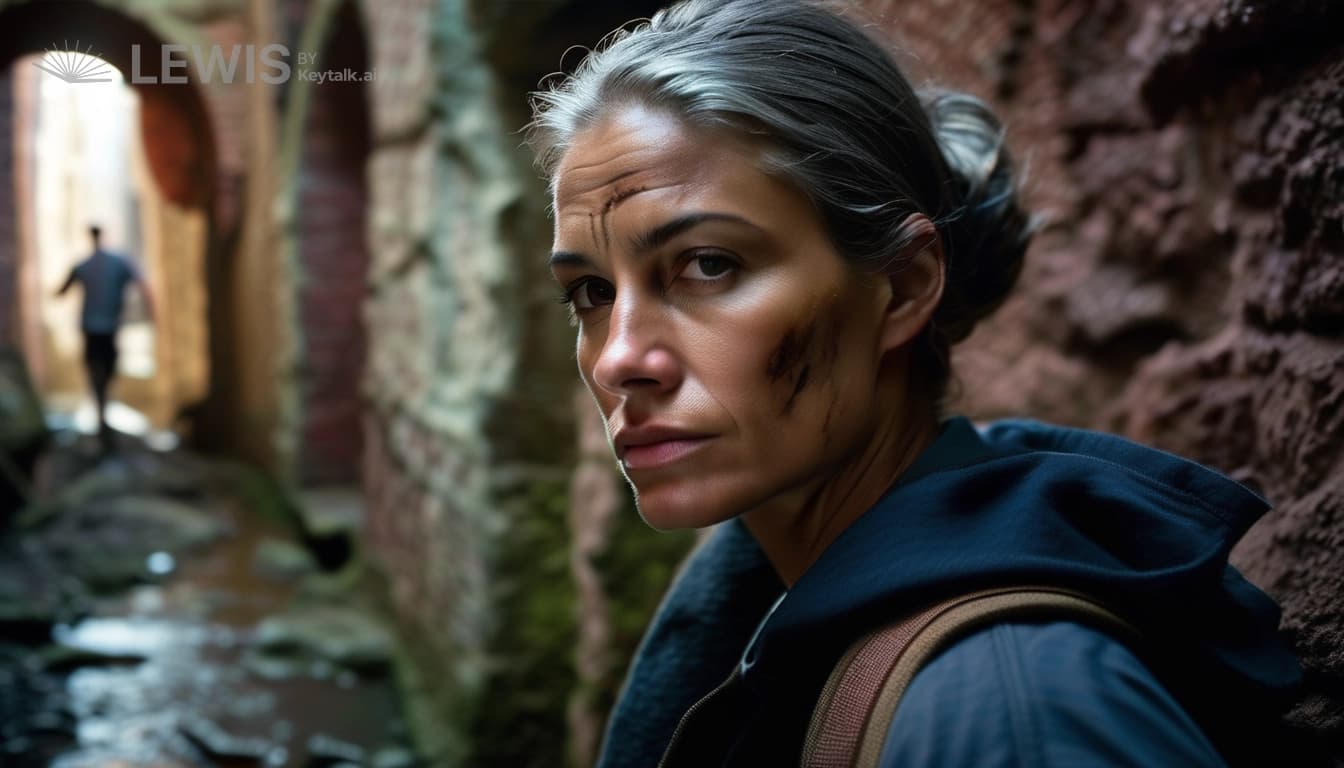
Evelyn Mercer stands at five-foot-nine, with an athletic build honed by years of early-morning runs and countless afternoons refereeing scrappy schoolyard games. Her skin, once tanned from coastal sun, has grown pale in the pall of the city’s decay, and a lattice of faded scars runs across her forearms—souvenirs from both classroom accidents and recent desperate skirmishes. She wears her iron-grey hair cropped short for practicality, and her square jaw, marred by a crescent-shaped scar beneath the left ear, sets firm beneath eyes the color of slate and just as unyielding. Of mixed Anglo-Caribbean descent, Evelyn’s voice is clipped yet melodic, peppered with the warm cadence of her Trinidadian grandmother when she soothes frightened children, but sharpened by an East London lilt when she commands the fractious adults. A veteran of both inner-city classrooms and amateur boxing circuits, her hands are quick and her mind quicker; she has a talent for marshaling chaos, drawing on lessons from ancient sieges and modern disaster drills alike. Fiercely pragmatic, Evelyn’s worldview is shaped by a life spent negotiating the boundaries of authority—balancing compassion with an unflinching sense of justice, she brooks no sentimentality when survival is at stake. Her greatest strength is her unwavering resolve, but her brusque manner and suspicion of unearned trust sow friction among the uneasy alliance she now leads. Evelyn’s battered rucksack is always within arm’s reach, meticulously packed with scavenged textbooks, rationed protein bars, and a battered whistle she uses to communicate in code through the sewer’s darkness. Haunted by the memory of children she couldn’t save, she buries her guilt in action, finding solace in routines and rituals: daily group stretches, whispered stories of ancient survivors, and the careful mapping of escape routes. Her current reality—schoolteacher-turned-tactician, guardian to both orphans and stubborn elders—demands every ounce of grit and adaptability she possesses, and though she’s learned to wield authority like a weapon, she cannot help but crave the solace of honest laughter and the warmth of sunlight on her face.
Antagonist Character

Dragan Iliev

GenderMale
OccupationFormer Civil Engineer turned Survivalist Militia Leader

Profile

Dragan Iliev, a 51-year-old male of Bulgarian descent, stands as a formidable figure molded by the collapse of his coastal city—a man whose past as a civil engineer infuses every decision with calculated precision and an unyielding pragmatism. Broad-shouldered and imposing at 6’2”, his build speaks of a life both behind a drafting table and in the punishing streets, with weathered hands and a scar bisecting his left eyebrow, a relic from a failed negotiation gone violently awry. His close-cropped steel-grey hair and perpetually stubbled jaw frame a stern, angular face set with deep-set, watchful hazel eyes that seldom betray his thoughts. Dragan dresses functionally: reinforced work boots, faded military surplus fatigues, a battered utility vest bristling with makeshift tools and scavenged weapons—an ensemble as much armor as statement of intent. Once a respected urban planner, he now commands a splinter militia forged from the desperate and the embittered, wielding both technical ingenuity and brutal resolve to maintain order and control over what little remains. His leadership is authoritarian, his speech clipped and formal, peppered with Balkan idioms and an engineer’s penchant for precision, yet laced with the gravelly undertone of a man who has lost patience for sentimentality. Haunted by the memory of his family’s disappearance in the outbreak’s chaos, Dragan’s core motivation is an unwavering belief in survival through structure and sacrifice—even if it means enforcing grim hierarchies or making ruthless, utilitarian choices. His relationships are transactional, built on mutual need and wary respect rather than genuine camaraderie, and he is both revered and resented for his relentless pursuit of order amidst anarchy. He distrusts idealists and improvisers, seeing their hope as a liability, but beneath his rigid discipline lies a capacity for unexpected ingenuity and, rarely, a flicker of bitter humor. Dragan’s flaw is his inflexibility, an inability to accept vulnerability or relinquish control, which sets him in direct conflict with anyone who threatens the systems he creates. As resources dwindle and old alliances fracture, Dragan’s mastery of the city’s ruined infrastructure—and his willingness to exploit both terrain and people—make him a natural antagonist within the sewer’s shadowy labyrinth, a man shaped by ruin and determined to impose his own order before the last bastion of civilization succumbs to the nightmarish horde.
Sidekick Character

Marisol Vega

GenderFemale
OccupationUrban Forager and Graffiti Cartographer

Profile

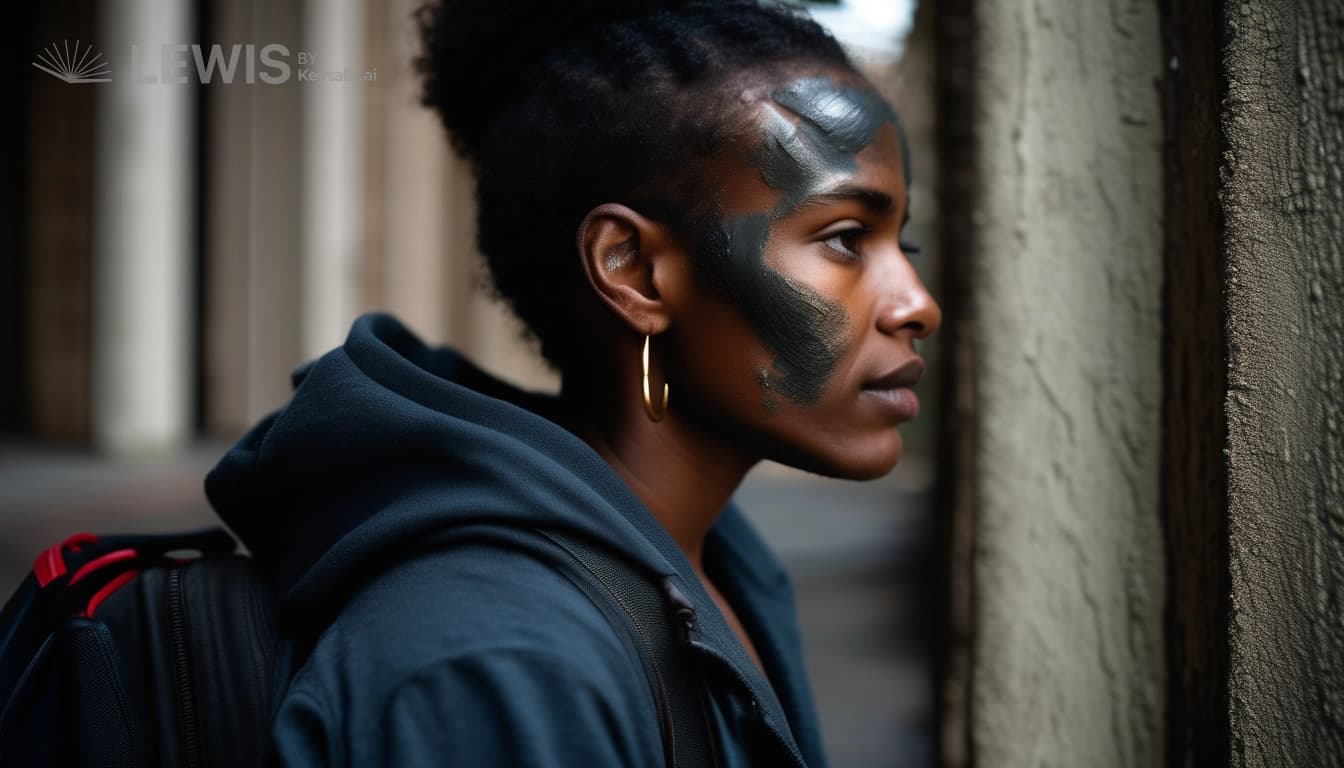
Marisol Vega, a 28-year-old urban forager and graffiti cartographer of Dominican and Puerto Rican descent, stands at a wiry five-foot-six, her sinewy build a testament to years spent scaling collapsed scaffolds and darting through fetid alleyways. Her copper skin is streaked with a patchwork of faded tattoos—each marking a safe route or lost companion—and a jagged scar bisects her left eyebrow, lending her angular face a perpetual look of wary defiance. Her thick, black curls are perpetually bound under a battered green bandana, strands escaping like stubborn thoughts. Marisol’s attire is an improvised armor: reinforced cargo pants festooned with scavenged carabiners, a faded denim jacket stitched with reflective thread, and steel-toed boots scuffed by countless miles. She wields a spray can as deftly as a blade, painting cryptic sigils that guide the desperate while serving as coded warnings or invitations, depending on the viewer’s intent. Raised by her abuela in the city’s shadowed quarters, Marisol learned early to distrust authority but to find kinship in unexpected alliances. Her pragmatic skepticism tempers Evelyn Mercer’s principled idealism, challenging the schoolteacher’s faith in order and tradition with her own ethos of adaptability and survival. Fiercely independent yet viscerally loyal, Marisol’s motivations are driven by a compulsion to map and reclaim the city’s shifting landscape—not simply for escape, but to preserve memory and community in the face of oblivion. She speaks in a clipped Spanglish, her voice edged with streetwise wit and a disarming candor that both unsettles and inspires. While her acute spatial memory and improvisational skills make her indispensable in the sewer labyrinth, Marisol’s restless energy and suspicion of centralized leadership often put her at odds with Dragan Iliev’s rigid, militaristic tactics, rendering her both a bridge and a thorn within the fractious alliance. Haunted by the knowledge that her art may one day be all that remains of the city, she oscillates between moments of reckless courage and introspective melancholy, her hands always moving—sketching, scavenging, or tracing invisible routes through the darkness. Marisol’s unorthodox methods, street-born resourcefulness, and desire for meaning in chaos make her an unpredictable yet essential foil to both the protagonist’s order and the antagonist’s control, ensuring that her presence relentlessly complicates—and ultimately enriches—the group’s struggle for survival.
Model Used
GPT-4.1
text
Stable Diffusion
image

World

Location/Time, Era:
The story unfolds in the decaying coastal city of Port Ravel, once a vibrant maritime hub bridging trade routes between continents, now reduced to a charnel labyrinth by an outbreak that has rewritten the laws of life and death. It is the third autumn since the collapse, a time when salt-laden winds carry not the promise of ships, but the stench of rot and the shrieks of the infected. The city’s once-picturesque skyline—spires, crumbling Art Deco hotels, brutalist apartment blocks—juts above a seething tide of ruin, while subterranean arteries, the old Victorian sewers and storm drains, have become the last redoubt for those clinging to life. Time is measured not in hours but in the rhythm of danger, the infected’s relentless cycles, and the unpredictable flickers of generator-powered lights. Every dusk sharpens the sense of finality; every dawn is greeted with suspicion, for the enemy now prowls without rest or mercy.

Key rules of the world and their impact on the story and beyond:
The infection at the heart of Port Ravel is governed by a mutable pathogen, its latest mutation enabling the undead to hunt both day and night, drawn now not by sight but by the faintest sound or vibration. Silence and stealth have become sacred laws: a dropped can, a whispered argument, can summon death. Resources are finite and fiercely contested—food, antibiotics, ammunition, even potable water filtered through jury-rigged systems in the sewers. Leadership and authority are transactional, shifting according to who controls the means of survival or the knowledge of safe passage, and every alliance is strained by suspicion, scarcity, and the ever-present threat of betrayal. Social order is a fragile fiction—fractures along lines of age, skill, and ideology are inevitable, and mercy can be as dangerous as ruthlessness, forcing impossible choices that test every character’s ethics and resolve.

Visual depiction of the world and its unique features:
Port Ravel is a chiaroscuro of ruin and resilience: streets drowned in brackish water and choked with the detritus of flight—abandoned strollers, overturned market carts, salt-encrusted skeletons half-submerged in tidal muck. The surface is a graveyard of shattered glass and rusting steel, its silence punctuated by the distant, inhuman chorus of the infected. Below, the sewers are a maze of brickwork slick with algae, walls alive with the phosphorescent fungi and the desperate graffiti of survivors—Marisol’s sigils glowing like will-o’-the-wisps, guiding the wary or warning of deathtraps ahead. Pockets of civilization persist in the unlikely: classrooms turned sanctuaries, tunnels barricaded with school desks, stairwells painted with talismans and lists of the lost. Light is rare and precious—filtered through storm grates, reflected from mirrors, or conjured from scavenged batteries—casting every decision into sharp relief, every shadow a possible threat or opportunity.

Notable technology, philosophy, or cultural elements influencing the world and narrative:
Survival in Port Ravel is a matter of improvisation and memory. Technology is scavenged, repurposed, and fiercely guarded: hand-cranked radios for coded transmissions, homemade silencers for battered pistols, water purifiers cobbled from chemistry kits. Philosophy is defined by competing schools—Dragan’s doctrine of order through sacrifice versus Evelyn’s desperate humanism and Marisol’s ethos of memory and flexible resistance. The city’s cultural mosaic endures in fragments—whispered lullabies in a dozen tongues, street art layering old feuds and new hopes, meals assembled from the culinary detritus of vanished neighborhoods. Children are both burden and hope, their games and stories echoing lost normalcy, while adults wrestle with guilt, nostalgia, and the gravitational pull of old loyalties. Rituals—stretching before a run, marking a route with color, reciting the names of the dead—become acts of defiance, anchoring identity in a world intent on erasing it, and every tool, every tradition, every fragment of the old world becomes a weapon in the battle for a future that seems perpetually on the verge of extinction.
representative image
location 1 image

Location 1

- Title : The Glasshouse Spire of St. Amaranth
- Description : Once a sanctuary of learning and light, the Glasshouse Spire rises above the gutted skyline, its shattered greenhouse dome filtering dawn through webs of broken glass and ivy-choked rafters. Here, Evelyn’s group makes their first desperate stand, barricading the mosaic-floored atrium with overturned desks while rain hisses through fissures, blurring the bloodstains and children’s chalk scrawls alike. The air hangs heavy with petrichor, rot, and the ghostly echoes of assembly bells, the spire’s beauty now a cruel reminder of all that’s been lost—yet beneath its fractured canopy, fragile hope clings, defiant even as the infected claw at the locked doors below.
location 2 image

Location 2

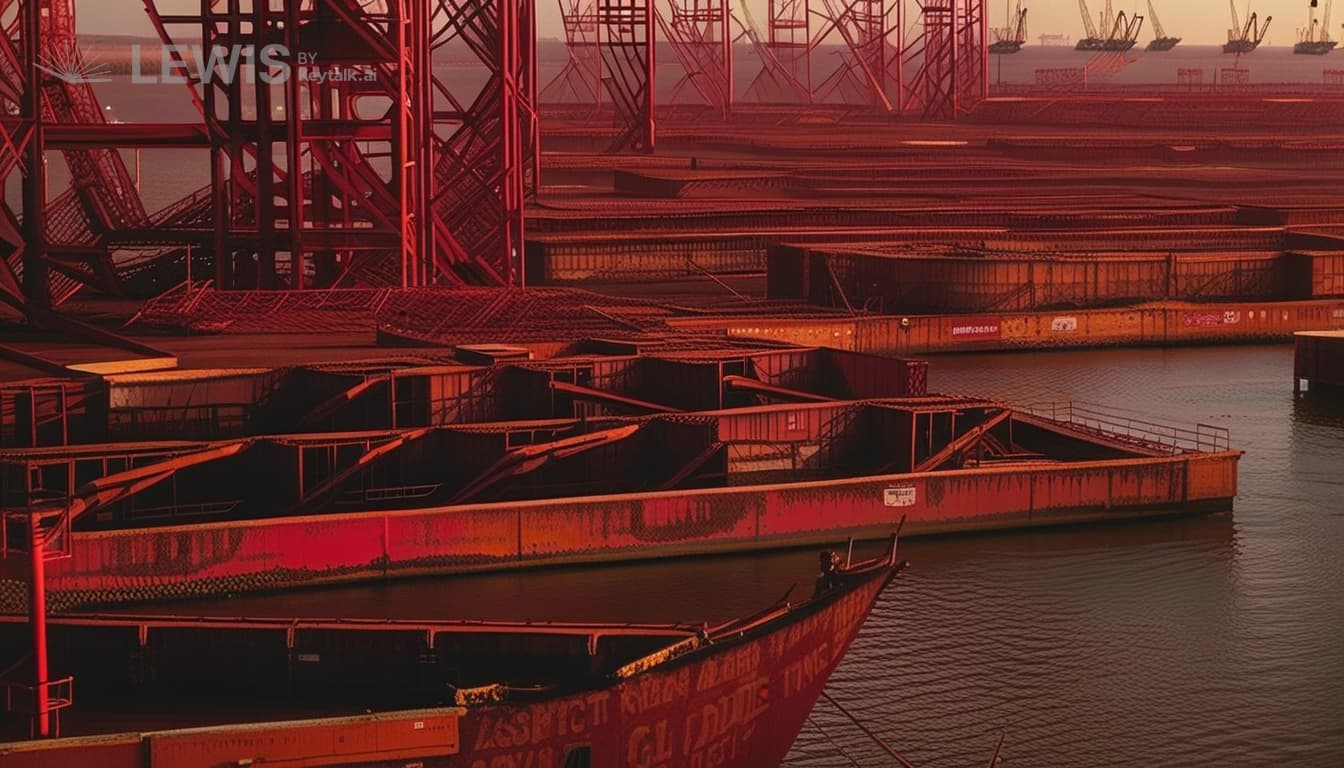
- Title : The Lamented Docks of the Red Tide
- Description : Rusted cranes loom like gallows above the waterline, where the tide stains every stone a sickly crimson and the air tastes of brine, rot, and old diesel. Abandoned trawlers—graffiti-scrawled and half-swallowed by algae—rock against each other, their hulls echoing with the hollow knocks of unseen things beneath. Here, under the ruinous gaze of toppled warehouses and fluttering scraps of children’s drawings nailed to the pilings, the group first glimpses the evacuation fleet beyond the barricades, hope flickering against the omnipresent stench of death and betrayal.
location 3 image

Location 3

- Title : The Candlekeeper’s Vaults Beneath Elder Row
- Description : Beneath the shattered mansions of Elder Row, the Candlekeeper’s Vaults sprawl—a labyrinth of claustrophobic brick corridors lined with alcoves where melted wax figures, once tributes to the city’s lost, now flicker with scavenged tallow and trembling shadows. The air is thick with the ghosts of ritual and rot: the sweet, choking tang of spent candles mingling with the iron tang of blood and sewage, while the walls—tattooed in Marisol’s phosphorescent sigils—become both map and memory. Here, amid the echo of panicked breaths and the distant shrieks of the hunting dead, alliances fracture and destinies are decided, each hurried step deepening the sense that the world above has already become a myth.
Model Used
GPT-4.1
text
Stable Diffusion
image

Scenes

scene 1 image
Scene 1
[The Lesson of Silence—Nightfall in the Shattered Classroom]
[Place] - Barricaded primary school classroom, battered by age and recent violence, windows blacked out with scavenged furniture and battered textbooks
[Time] - Dusk, as the city’s fractured light yields to the tense hush of nightfall

[Action]
As dusk settles and the infected stir restlessly beyond the barricades, Evelyn Mercer gathers her group in the classroom that has become their last bastion. She initiates a ritual of silence, signaling the transition from the noisy chaos of day to the perilous vigilance of night. The children, some trembling, others defiantly still, huddle together as Evelyn checks the makeshift barricades, her every movement watched by the adults—some anxious, some quietly resentful. Dragan Iliev, flanked by his loyalists, insists on a stricter curfew and a military-style headcount, his voice a cold counterpoint to Evelyn’s measured calm. Tension rises as the group navigates the competing authorities: Evelyn soothes a panicked child with a silent gesture, while Dragan quietly rebukes a mother for comforting her feverish son too loudly.
Subtle undercurrents swirl—two adults exchange furtive glances, hinting at a secret alliance; Marisol Vega, restless and sharp-eyed, sketches invisible sigils on her palm, already planning for escape. A distant shriek from the street outside freezes everyone, and Evelyn uses the moment to reinforce their rules: absolute silence, shared vigilance, and trust—however brittle. The group eats a sparse meal by candlelight, the flickering shadows exaggerating every doubt. As night deepens, the children are coaxed to sleep with whispered stories, while the adults gather for a tense council—Dragan pushing for harsher measures, Evelyn advocating for unity. The sense of sanctuary is fragile, fraying with every suppressed argument and longing glance at the locked doors.

[Impact on the story]
This scene sets the psychological tone for the group’s survival, establishing Evelyn’s authority and the fragile rituals that keep panic at bay. The simmering tension between Evelyn and Dragan comes into sharp focus, laying the groundwork for future conflicts and alliances. The children’s vulnerability and the adults’ secrets are foregrounded, heightening the emotional stakes. The classroom becomes a microcosm of the group’s struggle: order versus fear, compassion versus control, and the ever-present threat of betrayal.

[Description]
In the claustrophobic hush of nightfall, Evelyn enforces a ritual of silence and tenuous order among survivors in their barricaded classroom. Tension between her and Dragan simmers as routines are tested and alliances hinted at, setting the emotional and moral battleground that will define the group’s fight for survival.
scene 2 image
Scene 2
[Rations, Rumors, and Broken Trust—A Council Divided]
[Place] - Makeshift “war room” in the school’s former staff lounge, tables upended into barricades, ration crates stacked alongside scavenged lanterns, and a cracked chalkboard scrawled with names and dwindling supplies
[Time] - Late night, the hour when exhaustion frays nerves and the infected’s distant moans seep through the walls

[Action]
The group assembles in the staff lounge for the rationing council, a tense, mandatory gathering where survival is weighed against suspicion. Evelyn presides, her authority strained by the day’s mounting anxieties—her inner resolve flickering as she tallies food and medicine with steady hands, her mind haunted by rationing failures from the outbreak’s earliest days. Dragan asserts himself, seizing the moment to demand tighter control: he proposes cutting portions for the “unproductive,” his rhetoric veiled but pointed at Marisol and several of the younger children. Evelyn counters, invoking the necessity of morale and fairness, but her arguments are undermined by the murmurs of those who fear starvation more than injustice.

Subplots spiral—Marisol quietly argues for preserving a handful of supplies for emergencies, her suggestion dismissed as dangerous idealism by Dragan’s followers. Tensions boil over when a cache of hidden antibiotics is discovered in a child’s backpack, the frightened boy admitting he was safeguarding them for his ailing aunt. Dragan demands a public punishment, pressing for a swift, severe response to deter further “theft.” Evelyn steps in, her compassion clashing with the group’s hunger and Dragan’s thirst for discipline; she insists on mercy, but her authority is openly questioned, a few adults voicing their doubts for the first time.

Rumors of betrayal ripple—two of Dragan’s loyalists accuse Marisol of mapping escape routes for a secret splinter group, sowing paranoia and sowing the seeds of future fracture. The council devolves into bitter argument, voices rising dangerously before Evelyn restores order with a grim ultimatum: unity or collapse. As the group disperses, trust has been eroded. Marisol lingers, whispering coded warnings to the youngest children, while Dragan quietly confides to his inner circle, plotting for the next vote.

[Impact on the story]
This scene accelerates the breakdown of group cohesion, exposing divisions over leadership, resource allocation, and loyalty. Evelyn’s authority is visibly weakened, her empathy both a strength and a liability. Dragan’s tactics reveal both his ruthlessness and the growing support for his hardline measures, increasing the stakes for future confrontation. Marisol’s marginalization foreshadows her later critical role and the eventual splintering of the group. The discovery of hidden medicine—and the harsh response it provokes—deepens the moral ambiguity, forcing every survivor to reckon with their own desperation and capacity for betrayal.

[Description]
During a late-night rationing council, mistrust and fear escalate as hidden medicine is discovered and the group’s fragile unity shatters under competing leadership. Evelyn’s compassionate authority is challenged by Dragan’s severity, and Marisol becomes a target of suspicion, deepening the fractures that will shape their escape. The scene cements the group’s precarious psychological balance and sets the stage for the desperate choices to come.
scene 3 image
Scene 3
[Title] - Sigils in the Sewers—Marisol’s Map and the Fractured Alliance
[Place] - The entrance to the city’s storm drain system: a graffiti-tagged utility hatch behind the school, opening onto a labyrinth of damp tunnels slick with runoff, echoing with distant, inhuman wails
[Time] - Pre-dawn, moments before sunrise, as the city outside stirs with infected drawn by the night’s commotion

[Action]
The group assembles in tense silence at the storm drain access, weighed down by exhaustion and the fallout from the fractured council. Evelyn forces a semblance of order, checking supplies, assigning partners, and laying out the escape plan with deliberate calm. She masks her doubts, but her voice betrays both fatigue and the burden of recent failures. Dragan, stung from the previous night, pushes his own agenda, insisting on leading the descent and controlling the group’s formation—his orders brittle, masking desperation. His supporters cluster around him, wary of Evelyn’s “softness,” while the rest look anxiously to Marisol, who stands apart, spray can in hand, tracing her coded sigils at the tunnel mouth. She quietly reassures the children, promising that her markings will guide them safely, even as she scans for signs of sabotage or betrayal.

Tensions flare as Dragan dismisses Marisol’s map, arguing force is their best shield; Marisol retorts with hard-won knowledge of the tunnels’ dangers, subtly undermining Dragan’s authority. Evelyn is forced to mediate, her patience fraying as she balances the group’s survival against the risks of open conflict. Subtle alliances shift—one of Dragan’s lieutenants hesitates, eyeing Marisol’s map and the children’s trust in her. Rumors from the night before linger, fueling suspicion and quiet arguments.

As the group descends, the psychological pressure mounts: the darkness, the stench, and the echoing moans above breed claustrophobia and fear. Evelyn moves between factions, urging discipline and silence, struggling to hold the group together as they navigate by Marisol’s sigils—vivid, luminous arrows and coded warnings painted on the slick tunnel walls. A brief crisis erupts when a tunnel branch is found blocked by debris, forcing a heated debate over which route to take: Dragan demands brute force, Marisol advocates a risky detour she’s marked. Evelyn, after agonizing calculation, sides with Marisol—deepening Dragan’s resentment and setting the stage for later mutiny. The group splits temporarily, with Marisol leading a smaller contingent through the detour, and Evelyn forced to trust that the others will follow without fracturing further.

[Impact on the story]
This scene deepens the psychological and ideological divisions within the group, highlighting Evelyn’s precarious grip on leadership and the growing influence of both Dragan and Marisol. The physical descent into the sewers mirrors the group’s moral and emotional descent, setting up the high-stakes conflicts and betrayals to come. Marisol’s skills and loyalty become more visible, but so does the risk of splintering, while Evelyn’s authority is tested by her need to compromise and her fear of losing control.

[Description]
As the survivors prepare to flee into the city’s sewers, tensions between Evelyn, Dragan, and Marisol erupt over how to navigate the labyrinth below. The group’s division grows more pronounced as Marisol’s maps become their lifeline, Dragan’s authority is openly challenged, and Evelyn’s leadership is stretched to its breaking point. This pivotal moment propels the survivors into the depths—both literal and psychological—where unity will be tested by fear, suspicion, and the ever-present threat of the infected.
scene 4 image
Scene 4
[Title] - Reckoning in the Tunnels—Sacrifice, Mutiny, and a Shattered Chain of Command
[Place] - Deep within the city’s main sewer artery: a cramped, pitch-black tunnel, its stagnant water knee-deep, its walls streaked with old graffiti and fresh blood, with branching side passages and the distant cacophony of the infected echoing through the dark
[Time] - Early morning, just after the group’s fraught split; the city above is fully awake and seething with danger

[Action]
The two splintered groups converge at a critical junction in the tunnels, exhaustion and terror etched into every movement. Evelyn, nerves raw, attempts to rally the survivors and restore cohesion, but the air is thick with suspicion after Marisol’s splinter group arrives shaken but intact, having narrowly avoided a collapsed passage. Dragan, whose followers are visibly diminished and demoralized, seizes the moment to reassert control, arguing that Evelyn’s hesitance and Marisol’s improvisation have endangered everyone. Tension boils over when a child’s stifled sobs echo down the tunnel, drawing a horde of the infected from a nearby breach in the wall. In the ensuing chaos, Evelyn sacrifices her last bullets to create a diversion, nearly getting herself killed and provoking Dragan’s scathing condemnation for her “reckless sentimentality.”

As the survivors regroup, Dragan attempts a coup—he lunges for Evelyn’s rucksack, intent on seizing the food, whistle, and Marisol’s precious maps. A violent struggle erupts in the fetid dark: loyalties fracture, fists and makeshift weapons flash, and years-old grievances surface in snarled accusations. The commotion attracts more infected, forcing a desperate, improvised defense as Marisol and Evelyn—working together despite their differences—marshal the group to hold the line. In the aftermath, Dragan’s authority is shattered; his followers abandon him, and only his technical knowledge of the tunnels spares him exile or death. Evelyn, bloodied but unbroken, imposes a fragile truce, but her own resolve hardens into something colder and more pragmatic. Marisol, wounded but defiant, earns newfound respect from the group, especially among the children.

[Impact on the story]
This scene marks the irrevocable collapse of Dragan’s command and the ascendance of Evelyn’s hard-won authority—no longer based on consensus but on survival and necessity. The group’s unity is battered, but a new, uneasy alliance forms around Evelyn and Marisol, forged by shared trauma and the existential threat pressing in from every side. The psychological cost is steep: Evelyn’s compassion is now tempered by ruthlessness, Dragan is left isolated and broken, and the children’s innocence is all but obliterated. The survivors are forced to confront not only the external horror but their own capacity for violence, betrayal, and sacrifice.

[Description]
In the suffocating dark of the tunnels, the group’s simmering divisions ignite into open conflict as Dragan’s mutiny is violently quashed. Evelyn and Marisol’s partnership is cemented in blood, while Dragan’s fall leaves the survivors with a new, harsher leader—and the bitter knowledge that mercy has a price. This crucible of violence and loss propels them toward the final, desperate stretch of their journey.
scene 5 image
Scene 5
[Title] - The River of Betrayal—Choices Carved in Blood and Water
[Place] - Cavernous subterranean riverbank beneath the city, lit only by flickering headlamps and the phosphorescent gleam of Marisol’s graffiti sigils; a makeshift raft lies half-submerged at the water’s edge, surrounded by debris and the distant, echoing groans of the infected.
[Time] - Just before dawn, as the group reaches the final barrier between them and the evacuation point.

[Action]
The battered survivors emerge from the tunnels onto the slick, uneven banks of the underground river. Fatigue and trauma hang heavily over the group; every movement is sharp with tension. Evelyn surveys the water—wide, black, and treacherous—calculating the risks as she shepherds the children and adults toward the raft cobbled together from scavenged debris. Dragan, nursing wounds both physical and psychic, mutters instructions about the river’s currents and the generator station on the opposite shore, attempting to reclaim some measure of relevance despite his diminished standing.

As the group begins to board, a wounded adult—his face pinched with desperation and betrayal—quietly sabotages the raft’s lashings, hoping to reach the far side first and secure his own escape, spurred by Dragan’s earlier promises of special treatment. The raft lurches as the survivors embark, the sabotage unnoticed until the vessel capsizes midstream, pitching everyone into the freezing current. Panic erupts: children scream, adults flail, and the infected—drawn by the commotion—begin to swarm the banks, their shrieks rising above the roar of water.

In this crucible, Evelyn is forced into an agonizing choice: Dragan, grievously wounded but still grasping the knowledge that might power the city’s final escape, is barely able to keep himself afloat. At the same time, the youngest child—paralyzed by terror, caught in the current—calls out, the sound slicing through Evelyn’s memories of earlier loss. Heart pounding, she lunges for the child, sacrificing any chance of saving Dragan herself. Marisol, driven by loyalty and guilt, chooses in that split second to double back for Dragan, dragging him toward the far shore as the infected close in, but at the cost of losing sight of the main group and her own clear escape route. She is left to navigate a flooded, pitch-dark side tunnel alone, guided only by her fading graffiti and her memory of the city’s bones.

On the far shore, the remnants gather: wet, shivering, and diminished. Evelyn clings to the rescued child, her authority now bound to impossible choices. Dragan, coughing and battered but alive thanks to Marisol’s intervention, collapses in pain and humiliation. The group is fractured but alive, the betrayal—both large and small—etched into every survivor’s face.

[Impact on the story]
This scene tests the moral and emotional limits of every key character. Evelyn’s willingness to sacrifice Dragan for the sake of a child cements her as a leader who is both compassionate and ruthlessly pragmatic, deepening her internal conflict and sense of guilt. Dragan’s vulnerability and dependence on others mark his definitive fall from power, but his technical knowledge keeps him indispensable. Marisol’s solitary struggle through the flooded tunnel elevates her role as a symbol of resilience and improvisational heroism, while the group’s unity is further shattered by internal betrayal. The survivors are more isolated, traumatized, and reliant on their most fragile bonds as they face the final stretch.

[Description]
The survivors’ desperate crossing of the underground river is marred by betrayal, chaos, and impossible choices. Evelyn’s rescue of the child and Marisol’s self-sacrifice fracture the group and leave indelible scars. The episode irrevocably alters the group’s dynamics, setting the stage for the uncertain hope and reckoning of the story’s conclusion.
scene 6 image
Scene 6
[Title] - Ashes on the Horizon—What Remains of Mercy
[Place] - The wind-lashed evacuation docks at the crumbling city’s edge, with the ruined skyline burning behind; a battered Coast Guard trawler waits, engines idling, as a thin line of exhausted survivors gathers on the cracked concrete.
[Time] - Dawn, smoke-stained sunlight breaking over the horizon as the city’s last safe zone burns.

[Action]
The survivors stagger onto the docks, haunted and hollow-eyed, every step weighted by loss. Evelyn, cradling the youngest child, is first to breach the cordon of grim-faced soldiers and medics, her authority now etched in blood and exhaustion. The group behind her is reduced and splintered: adults limping, children clutching damp blankets, Dragan barely upright—his wounds hastily bound, pride in tatters. Marisol stumbles from a side alley, clothes torn and skin bruised, having navigated the flooded tunnels by memory and will alone; her arrival is met with a surge of relief that quickly curdles into guilt as they tally who is missing.

The soldiers, hardened by months of chaos, bark orders and hurry the group aboard, each survivor subjected to a brusque medical check and a terse inventory of what little they carry. As the trawler’s deck fills, the group must confront the tally of their own betrayals and sacrifices: a mother weeps for a lost son, a teenager clings to Marisol, silent but shaking, while Dragan—no longer in command—sits apart, staring at the flames devouring the city he tried to rule.

Evelyn negotiates with the evacuation commander, arguing for the group’s right to stay together despite conflicting priorities and the threat of quarantine. She is forced to reckon with the choices she made in the tunnels, the weight of the lives lost and saved pressing in as dawn breaks. Marisol quietly distributes the last of her graffiti tags, marking the trawler’s bulkhead—a silent promise of memory and identity, even as their old world burns.

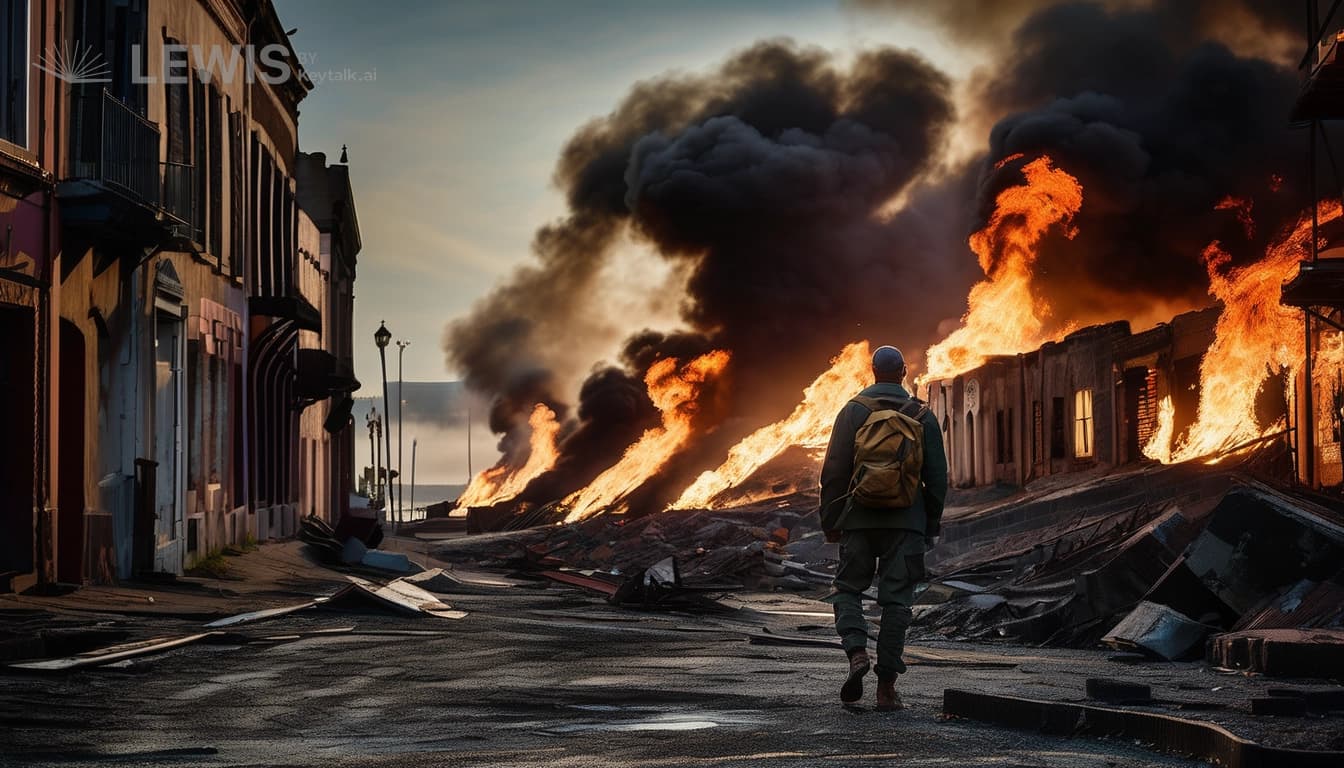
As the ship pulls away, the survivors gather at the rail, watching the city collapse in fire and smoke. There is no victory, only the ache of survival and the uncertainty of what comes next. Evelyn, holding the child close, steels herself for the burden of leading these remnants into an unknown future, while Dragan’s bitter silence and Marisol’s haunted gaze suggest that mercy, more than order, will be the crucible of their new lives.

[Impact on the story]
This final scene forces the survivors to confront the cost of their choices and the irreparable fractures within their group. Evelyn’s leadership is now marked by both compassion and the scars of hard pragmatism, while Dragan’s fall from power leaves him adrift, his expertise a bitter consolation. Marisol’s return cements her as a symbol of perseverance but also of the losses incurred along the way. The group’s unity is tenuous, bound less by hope than by shared trauma and the faint promise of renewal. The burning city becomes both a grave and a warning—what was lost, and what cannot be repeated.

[Description]
At the evacuation docks, the battered survivors board the last trawler as the city burns behind them. Their fractured unity and the moral debts of survival shape an uneasy departure, with Evelyn’s authority solidified but deeply burdened. The story closes on a note of uncertain hope, as the group faces the horizon with only mercy to guide them.
'Teacher of the Last Safe Zone'Story Chat

Want to chat with the characters from this story?

'Teacher of the Last Safe Zone'Story Chat

Want to chat with the characters from this story?

story image
story image
story image

You might also like

Comments0

rank icon image
#19 inGenre
rank icon image
#31 inGenre
rank icon image
#42 inGenre
theme music