Plot Synopsis
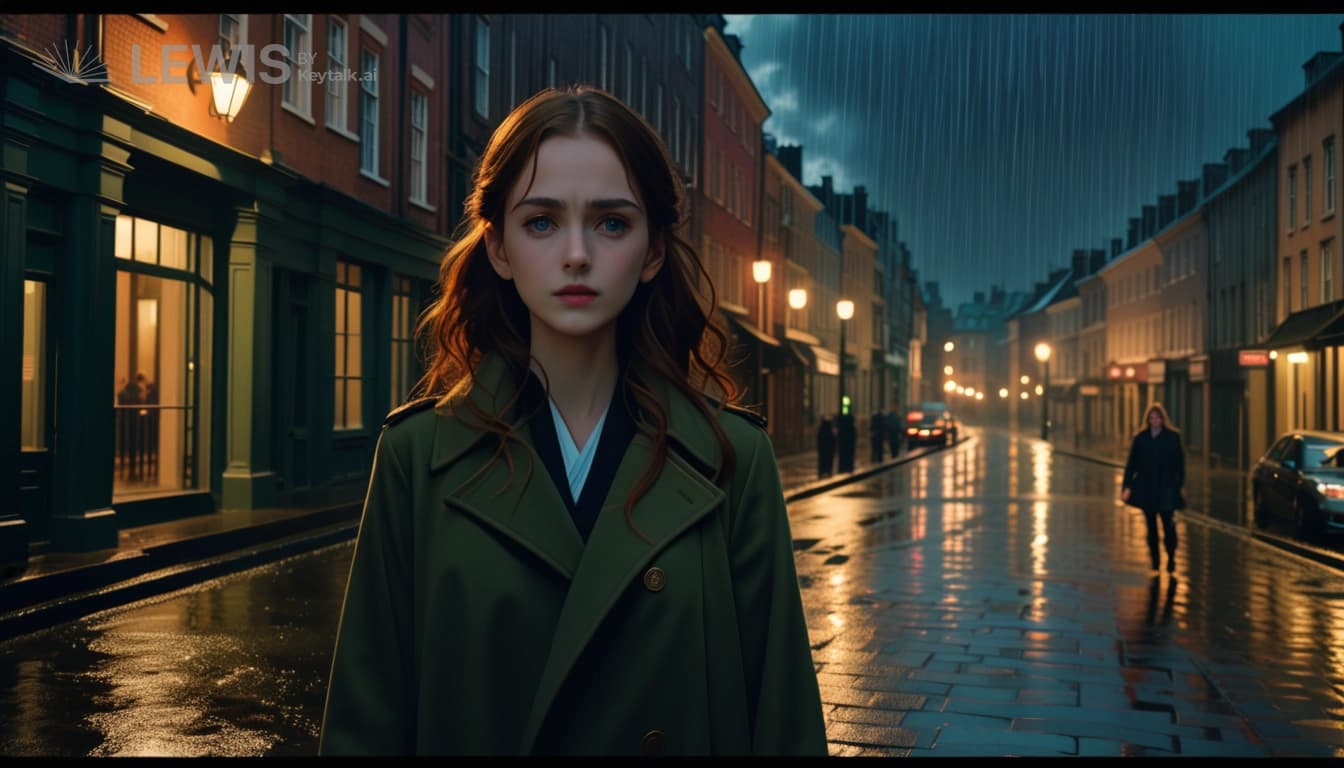
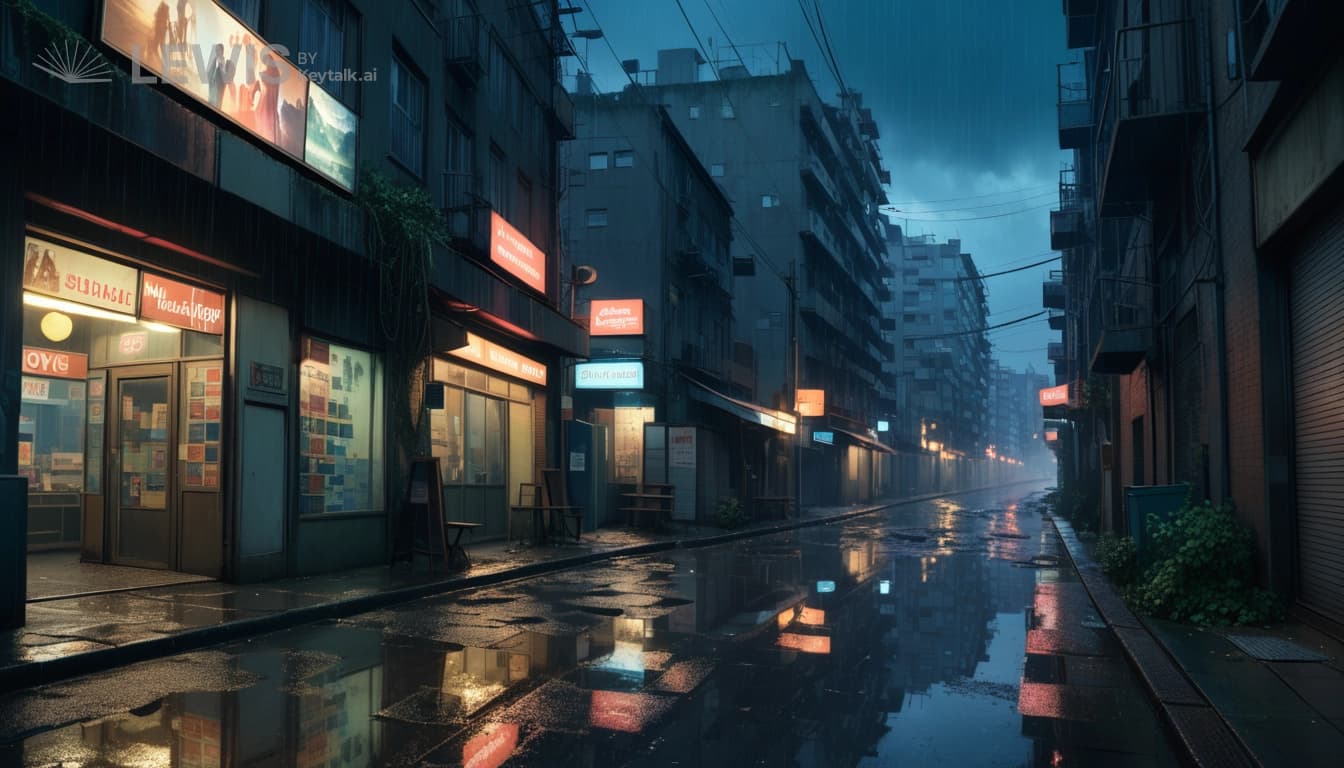
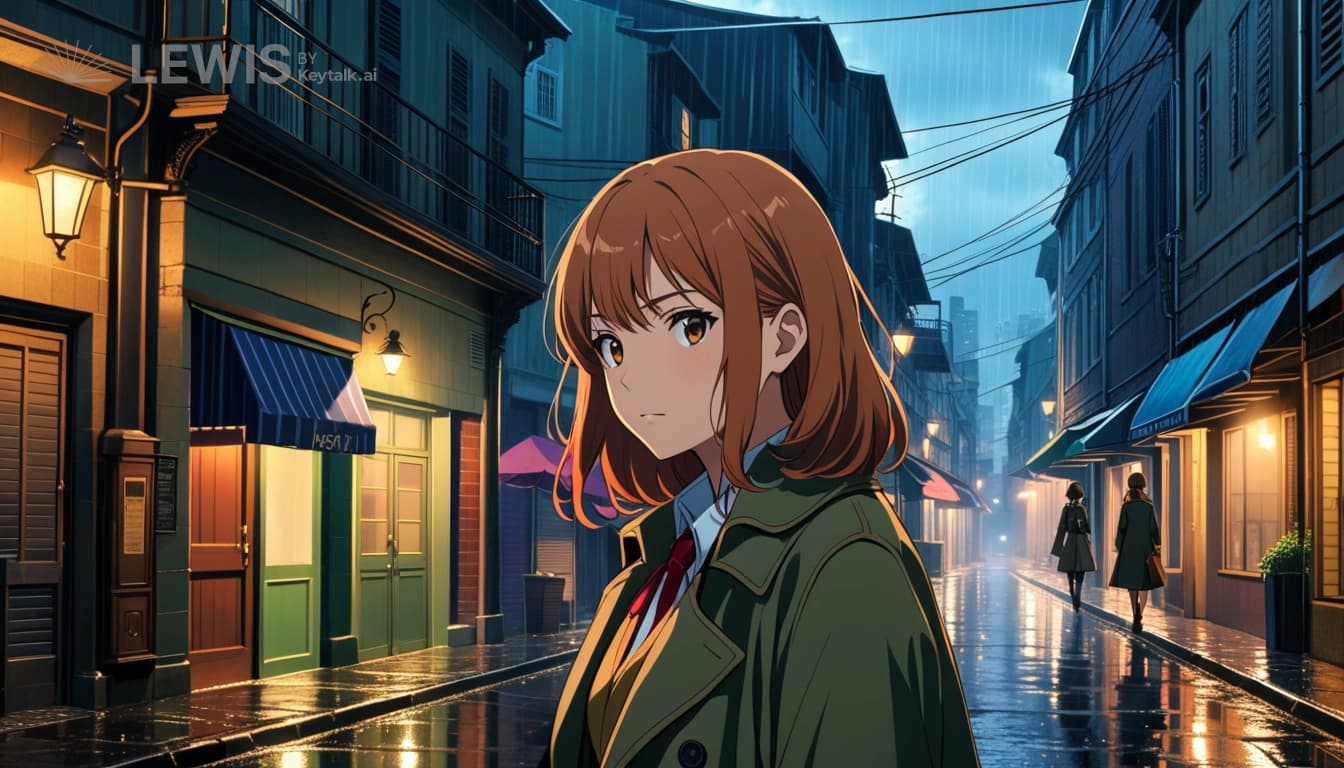
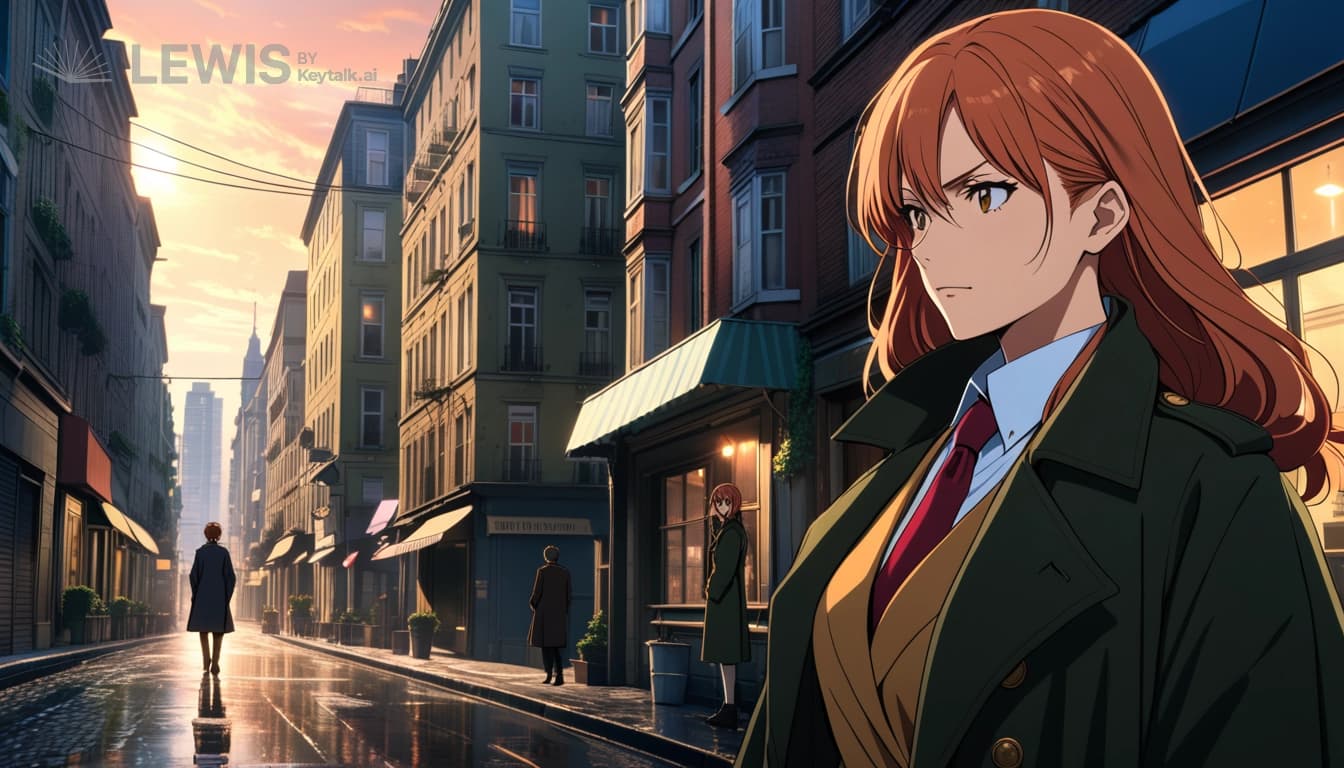
Set against the rain-soaked backdrop of a coastal city, Claire Duval, a 28-year-old aspiring actress with striking hazel eyes and a perpetual air of melancholy, grapples with the harsh realities of her industry. The picturesque facades of her city hide a brutal underworld, a stark contrast to the dreams she harbored when she left her rural hometown. Claire's apartment, modest and echoing her struggle, is adorned with vintage movie posters—relics of her idols and her own aspirations. Yet, beneath her polished exterior lies a woman haunted by unrequited love, a specter that imbues her performances with a resonant depth. Her belief that art can transcend pain propels her forward, even as she navigates the duality of hope and despair.
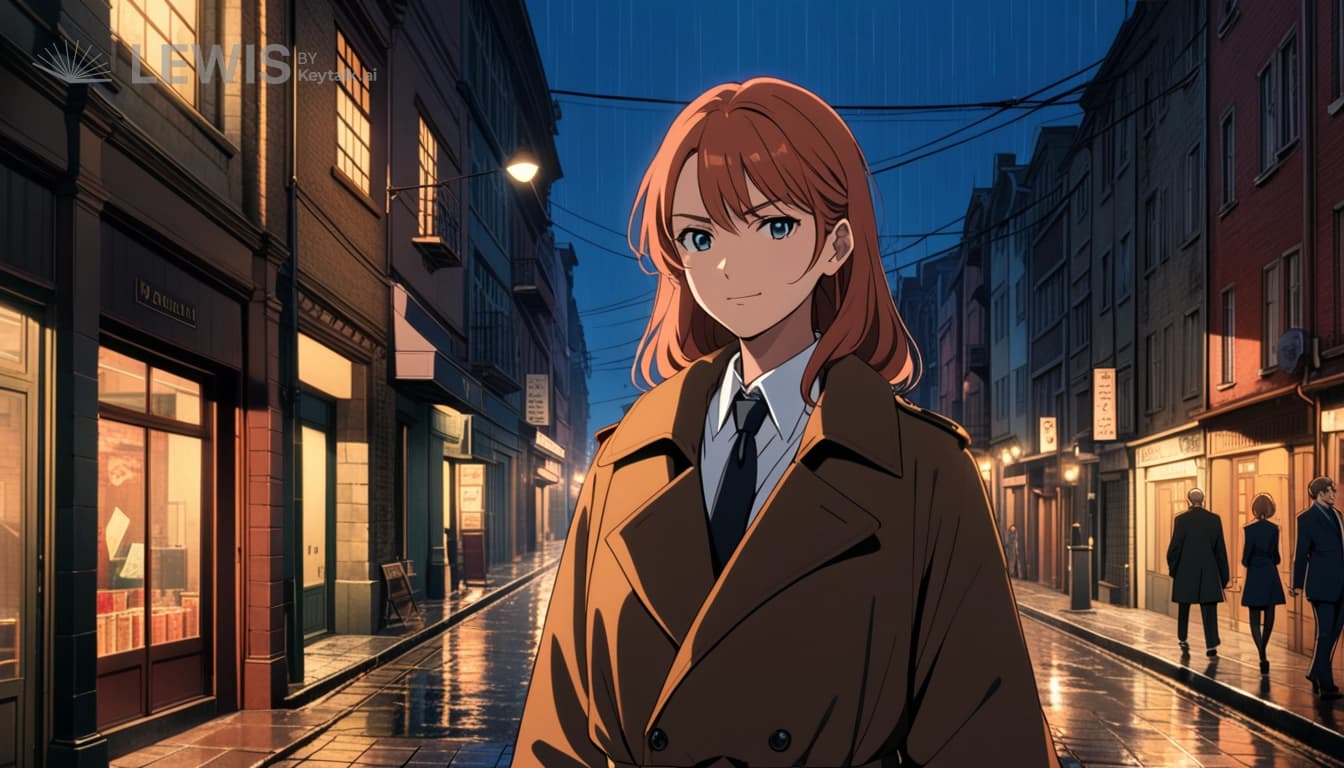
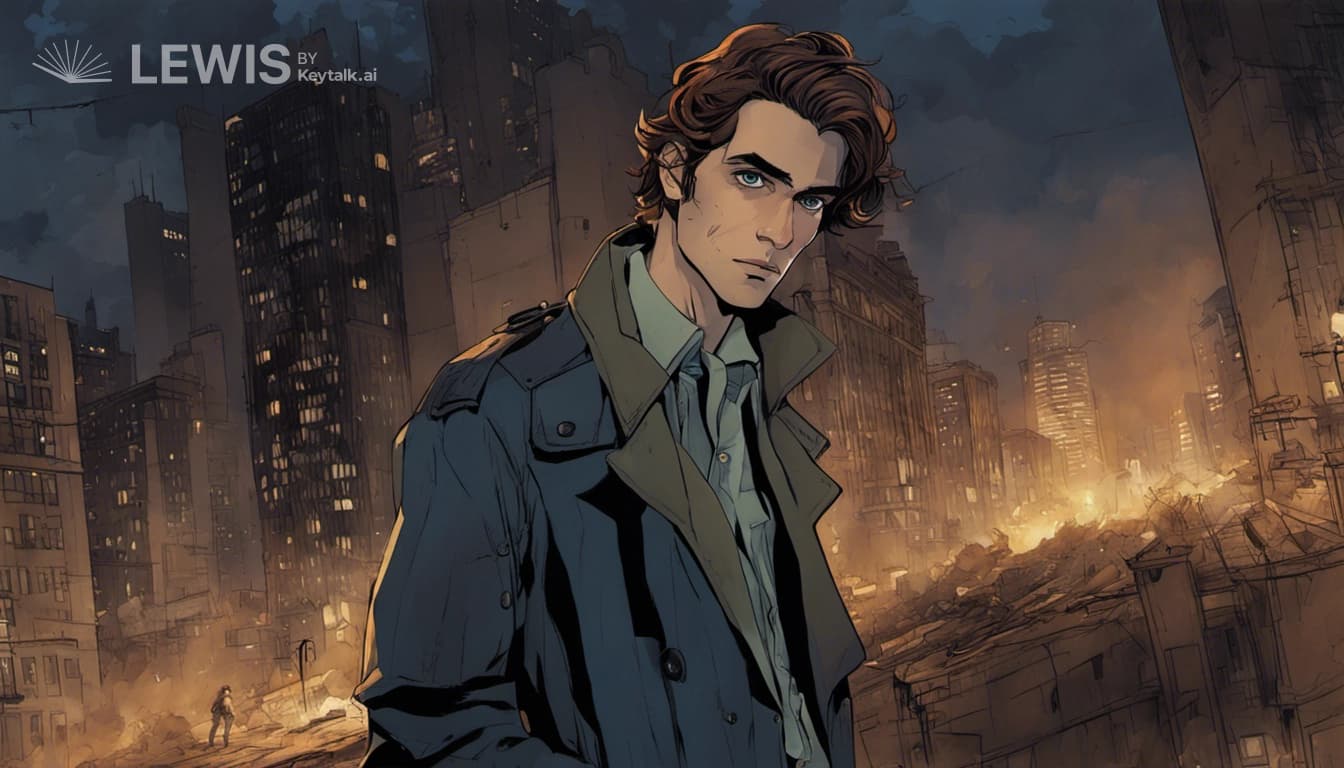
The narrative takes a sharp turn when Claire's young co-star, a precocious child actor named Sophie, is kidnapped. Sophie’s disappearance sends shockwaves through Claire’s already tumultuous existence. Compelled by unresolved emotions and the relentless drive to protect the innocent, Claire dives into the city’s seedy underbelly. Her search leads her to Julien Moreau, a 35-year-old private investigator with piercing blue eyes and a labyrinthine mind. Julien's arrogance, a product of years spent solving the city's most intricate cases, initially grates on Claire. However, his strategic brilliance and the unspoken code of honor guiding his actions make him an indispensable ally.
As Claire and Julien delve deeper into the case, they uncover a web of corruption that extends far beyond a simple kidnapping. Flashbacks reveal Claire’s past, including her unrequited love, a fellow actor whose betrayal left a scar she still bears. These glimpses into her history add layers to her character, illustrating the internal conflicts she wrestles with. Julien, too, is haunted by his past—failures he cannot forget, loves he never fully realized. His relationship with his work, both a source of pride and a relentless burden, mirrors Claire's struggle with her own aspirations.
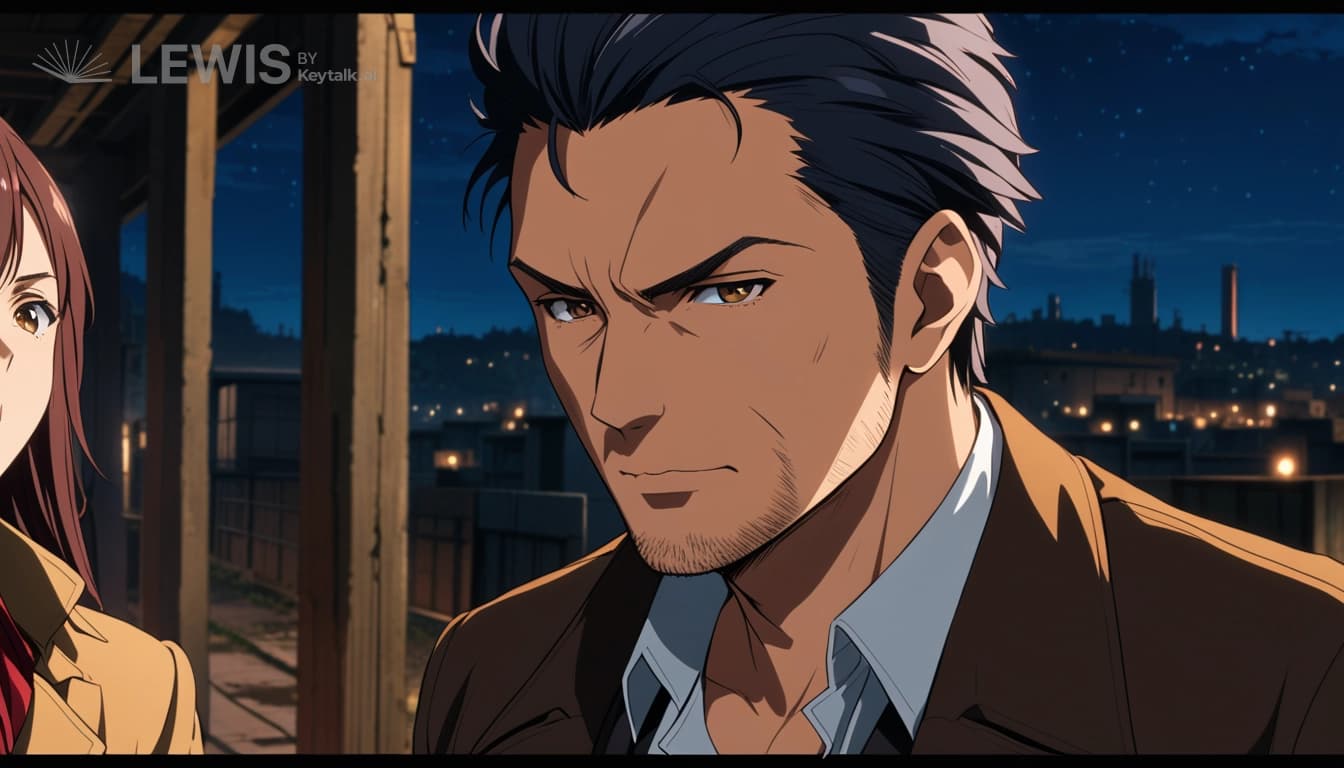
Their investigation leads them to Lucien Arnaud, a 42-year-old crime lord whose enigmatic presence commands both fear and respect. Lucien’s calculating mind and preternatural ability to predict his adversaries’ moves have cemented his dominance in the city’s underworld. Raised in its labyrinthine alleys, Lucien’s ascent was marked by ruthless pragmatism, yet his vast empire leaves him with a lingering sense of emptiness. His interactions with Claire and Julien are laden with tension, his sophisticated speech laced with subtle menace. Lucien’s motivations—driven by a desire for control and a need to shield himself from vulnerability—add a layer of complexity to the narrative.
The stakes escalate as Claire and Julien uncover a shocking twist: Sophie's kidnapping is part of a larger scheme orchestrated by Lucien to solidify his power amidst growing threats. This revelation forces Claire to confront not only the brutal realities of her environment but also the ghosts of her past. Julien’s own internal struggle reaches a breaking point as he grapples with his sense of justice and the personal demons that threaten to consume him. The intricate relationships between the characters and their actions weave a rich tapestry of conflict and resolution.
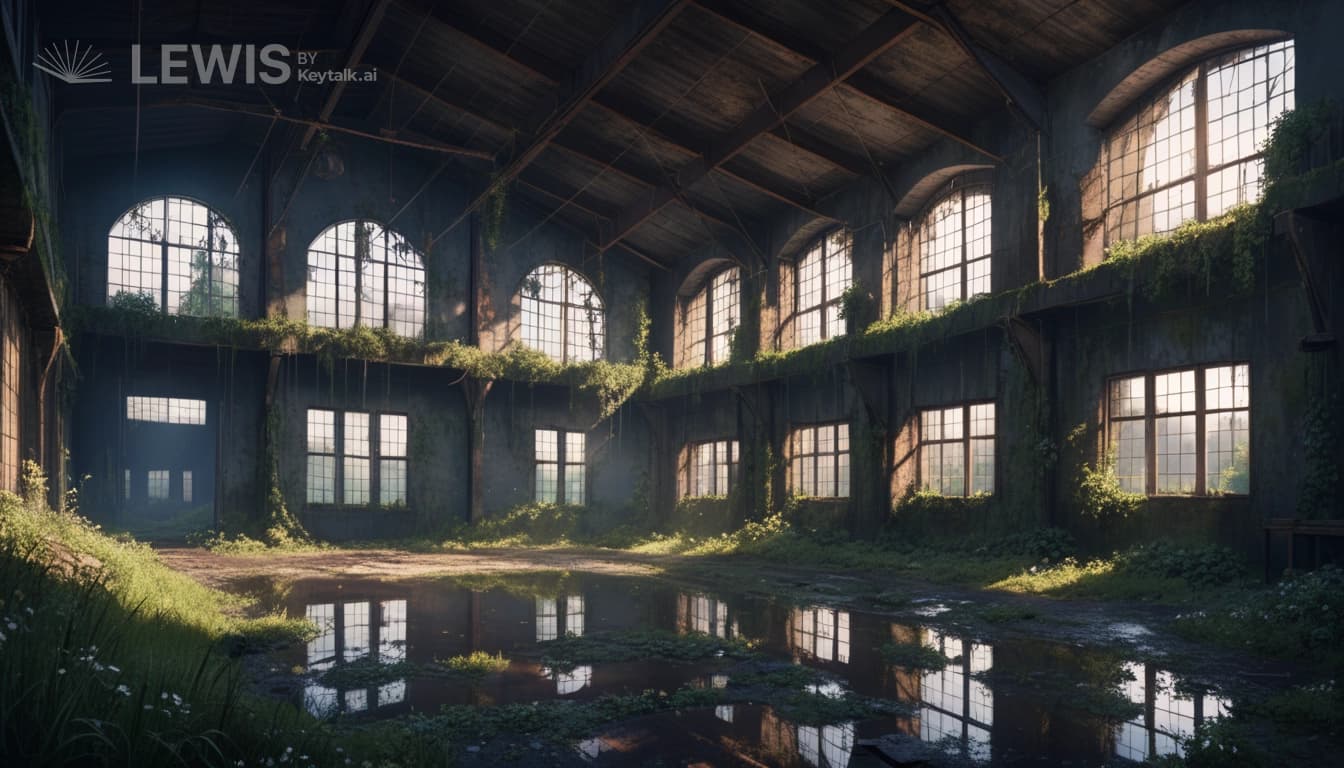
In the inevitable climax, Claire and Julien confront Lucien in a dilapidated warehouse, the rain hammering on the roof above, creating an almost symphonic backdrop to the impending showdown. Lucien’s men, armed and ruthless, form a barrier between the detectives and the crime lord. Claire, her face a mask of determination, uses her acting skills to distract and disarm, while Julien’s tactical genius orchestrates their movements with surgical precision.
The confrontation reaches a crescendo when Claire faces Lucien directly. Her belief in the power of art to transcend pain is pitted against Lucien’s cold pragmatism. “You think art can save you?” he sneers, his voice dripping with disdain. “Art is a lie. Power is the only truth.”
Claire’s response is measured, her voice steady despite the tremors of fear. “Art reveals the truth. It’s the mirror you can’t break, the soul you can’t corrupt.”
The ensuing battle is not merely physical but a clash of ideologies and personal histories. Julien, too, is tested. He finds himself cornered by one of Lucien’s henchmen, a man whose life Julien had once saved. This moment of recognition becomes a fulcrum for Julien’s decision, a choice between cynicism and hope. With a swift, decisive move, he disarms the henchman, choosing to save a life rather than take one.
As the dust settles, Lucien lies defeated, his empire crumbling around him. Yet, in his eyes, there’s a haunting emptiness, a reflection of the void his ruthless quest for power has created. Claire, exhausted but unbroken, rescues Sophie, whose eyes, wide with fear,