
본문으로 건너뛰기
THE CREATIVE FORGER cover image

THE CREATIVE FORGER

Logline: A charismatic art forger, whose impossible beauty opens doors and breeds suspicion in equal measure, stumbles upon a secret hidden within a stolen painting—one that could upend the city’s precarious balance of power. Entangled with a reclusive gallery owner and a relentless detective, he must decide whether to exploit his allure or risk everything for a truth that could destroy them all. Every choice draws him deeper into a labyrinth of desire, betrayal, and the haunting cost of perfection. Characters: Luka Arden, thirty-one, earns his living on the edge of legality—his chiseled features and magnetic presence serve him as much as his skilled hands do. With a smile that disarms and eyes that conceal, Luka is both a craftsman and a chameleon, weaving through high society’s glittering façade as easily as he slips into shadowed back rooms. His ambition is rivaled only by his fear of being truly seen; beauty is his armor, as much a curse as a blessing, and he wields it with calculated care, never certain whether he is the artist or the forgery. Vivienne Harrow, forty-three, curates the city’s most enigmatic gallery, her refined appearance belying a mind sharpened by years of secrets and silent bargains. Elegance clings to her in tailored silk and quiet glances, yet her attraction to the dangerous and the beautiful betrays a hunger for more than art. She is both patron and jailer, haunted by the memory of a lost muse and drawn irresistibly to Luka’s dangerous charm, even as she suspects his duplicity. Detective Marcus Zell, thirty-eight, treads the line between obsession and duty, his rugged face marked by sleepless nights and an unyielding pursuit of justice. Raised in the city’s underbelly, he recognizes the masks people wear—yet even he is unsettled by Luka’s uncanny allure and the web of secrets spun around the stolen painting. His investigation is driven not only by professional compulsion but by a personal vendetta against those who manipulate truth and beauty for their own ends. Plot: The story begins in the velvet hush of an after-hours auction, where Luka slips past velvet ropes, his beauty a passport into the private sanctum of the city’s elite. He pilfers a painting rumored to be cursed, an act that sets in motion a chain of events neither he nor his accomplice anticipated. When the painting reveals a hidden cipher, Luka finds himself ensnared by forces far more dangerous than any collector or rival forger. Vivienne, ever the connoisseur of the rare and forbidden, recognizes the painting’s provenance and the signature brushstroke of a long-dead lover. Her dealings with Luka grow increasingly tangled—admiration warping into obsession, trust dissolving into suspicion. As she delves deeper, she is forced to confront the power his beauty holds over her, questioning whether she seeks the truth or the man himself. Meanwhile, Marcus closes in, tracing the painting’s bloody history through a series of unsolved crimes that point to a conspiracy at the heart of the city’s cultural sphere. Luka’s every escape is narrower than the last, his charm fraying as the facade slips and the cost of deception mounts. The three are drawn inexorably together, the painting’s secret threatening to unravel reputations and lives. In the end, Luka must choose: leverage his allure for one final escape, or risk everything to expose the truth, shattering the illusions that sustain their world. World: The city is an opulent labyrinth, its grand boulevards and shadowed alleys pulsing with a decadent energy. Gilded galleries rise beside crumbling tenements, the scent of expensive perfume mingling with rain-soaked stone and the faint metallic tang of old blood. Here, the currency of beauty is as potent as coin—a handsome face can open doors, but it also draws envy, scrutiny, and danger. Art is power in this world: forgeries circulate in whispered transactions, their provenance as contested as their value. The elite gather in candlelit salons to trade secrets and masterpieces, their alliances as fragile and shifting as the light on lacquered frames. Beneath the surface, a network of thieves, brokers, and collectors wage silent wars, each vying to possess the rarest objects—and the most captivating individuals. The city’s cultural guardians, both official and clandestine, wield influence with a velvet-gloved grip. Rumors of a clandestine society protecting certain works—sometimes through violence—linger in every corner. Tradition and innovation collide: some cling to old-world codes of honor, while others exploit the latest surveillance and forgery-detection technologies, sparking a subtle arms race. Against this backdrop, Luka’s beauty is both gift and weapon, a phenomenon that fascinates and terrifies in equal measure, shaping destinies and exposing the perilous underside of desire.

Weekly ranking

rank icon image
#1 inCharacter
rank icon image
#1 inCharacter
rank icon image
#1 inVisual & Sound
Scroll

Plot Synopsis

Luka Arden slips into the after-hours auction like a rumor, his beauty both invitation and warning. The city’s elite gather in velvet-draped secrecy, their eyes skimming over him with a mix of hunger and suspicion. Tonight’s prize is a painting whispered to be cursed—a 19th-century portrait whose provenance is as shadowed as the alleyways Luka knows by heart. He’s there to steal it, of course, not for the thrill, but because Salvatore D’Orazio, head of the Cultural Preservation Bureau and clandestine society kingpin, has put out quiet word: anyone who claims this piece commands leverage over half the city’s art underworld. Luka’s motivations are tangled—he wants the power, he craves the validation, but mostly, he’s driven by the restless need to prove he’s more than a beautiful mask. As he pockets the painting, an unexpected resistance—a coded note tucked behind the canvas—catches his eye, the first ripple in a storm that will upend everything.

Vivienne Harrow, curator and patron, receives the news of the theft with a mix of outrage and electric anticipation. She’d coveted the painting not just for its artistic merit but for its creator—a lover lost decades ago, whose memory she keeps alive through secret bargains and midnight acquisitions. Vivienne suspects Luka, of course; his entrance into her gallery had always felt like a calculated seduction, a dance of mutual admiration and wariness. Her motivations are more personal than she’ll admit: she wants the painting’s secret not only for herself but to confront the phantom of her past, and she’s drawn to Luka’s dangerous charm as much as she is repelled by his duplicity. She makes the first move, inviting Luka into her private office under the guise of negotiation, but the conversation turns into a verbal chess match—each probing the other’s defenses, each haunted by the possibility of betrayal.

Detective Marcus Zell, whose reputation for doggedness is matched only by his inability to let go of old wounds, picks up the trail. The stolen painting is more than a high-profile theft; it’s connected to a string of unsolved murders, each victim a former artist or dealer whose ties to the city’s cultural sphere run deep. Marcus’s motivation is as much personal as professional—he lost a friend to the same network of art crimes years ago, and every step closer to Luka feels like a step closer to vengeance. But Luka’s impossible beauty unsettles Marcus, blurring the line between suspect and victim. His investigation is relentless, and he soon uncovers the cipher—a sequence of numbers and symbols hidden in the brushwork—that points to a conspiracy implicating Salvatore, Vivienne, and the city’s highest echelons.

The painting’s cipher leads Luka to Hanae Morioka, a cryptography specialist who sees through his façade with a scholar’s detachment. Hanae is driven by a hunger for truth, her loyalty earned by intellect rather than appearance. The two make an uneasy alliance: Luka provides access and charm, Hanae brings analytical precision. Together, they decode the cipher, discovering evidence of a clandestine society that has manipulated art sales for decades, laundering money and orchestrating assassinations. Salvatore emerges as both protector and threat, his paternal instincts for Luka clashing with his ruthless pursuit of legacy. Hanae’s methods—late-night hacking, relentless pattern analysis—force Luka to confront his own fear of exposure. Each decision they make draws them deeper into peril, and every revelation threatens not only their safety but the very balance of power in the city.

Vivienne, wrestling with her own complicity, is forced to choose between loyalty to the ghosts of her past and the dangerous allure of Luka’s present. She attempts to broker a fragile truce, inviting all the players—Luka, Hanae, Marcus, and Salvatore—to a clandestine salon beneath her gallery. The atmosphere is electric; alliances shift with every glance, every whispered threat. Marcus pushes for justice, Salvatore for control, Vivienne for absolution, and Luka for escape. The painting, now revealed as both artifact and weapon, becomes the linchpin in a game of psychological warfare. Hanae uncovers the final truth: the society’s ultimate plan is to use the painting’s encoded locations to orchestrate a city-wide purge of rival factions. The stakes are no longer personal—they are existential.

In the climax, Luka faces his defining choice. He can use his beauty and charm to manipulate Salvatore, broker a deal, and vanish into obscurity; or he can risk everything, exposing the conspiracy and destroying the web that sustains their world. He chooses the latter, leveraging Hanae’s evidence and Vivienne’s influence to orchestrate a public reveal during a gala attended by the city’s elite. The fallout is immediate and violent: Salvatore is ousted, his legacy shattered; Vivienne sacrifices her gallery and reputation
Model Used
GPT-4.1
text
Stable Diffusion
image

Story Details

Keytalk Prompts Used
See all Keytalks
no chosen prompts
no chosen prompts
no chosen prompts
no chosen prompts
Model Used
GPT-4.1
text
Stable Diffusion
image

Character

Protagonist Character

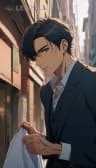
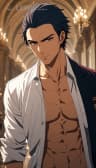
Luka Arden

GenderMale
OccupationArt Forger

Profile

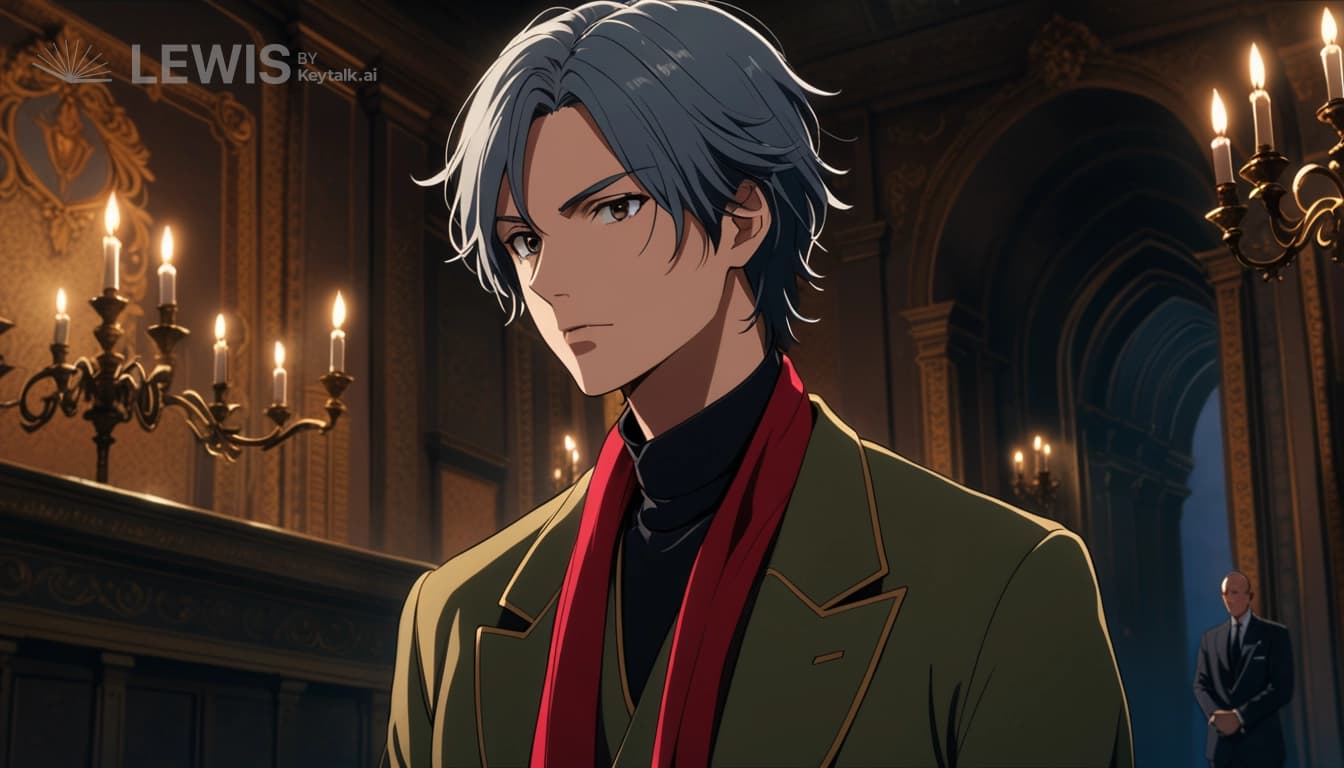
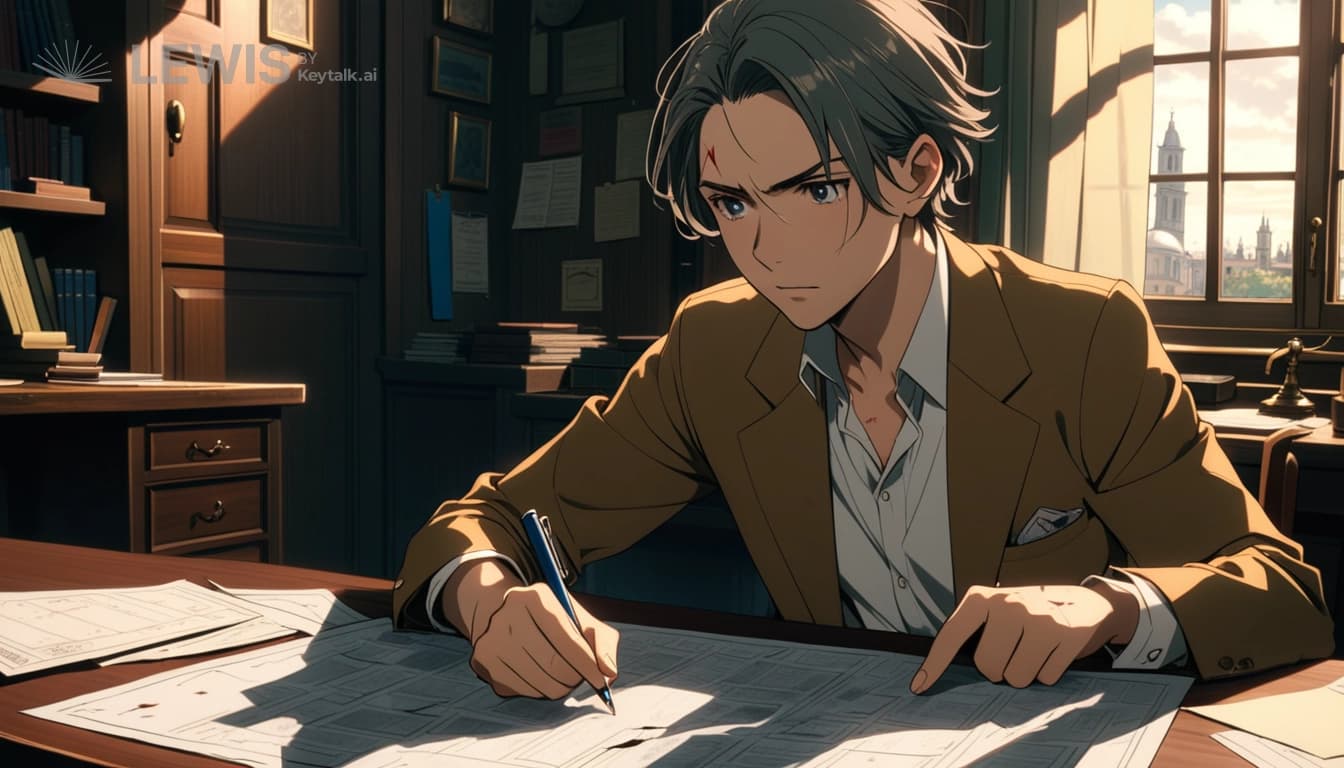
Luka Arden, a thirty-one-year-old male art forger of mixed Eastern European and Mediterranean descent, moves through the city’s gilded shadows like a living contradiction—impossibly beautiful, yet marked by an air of practiced elusiveness. Standing six feet tall with a lean, sculpted build honed by years of deft manual labor and constant flight, Luka’s angular jaw, high cheekbones, and aquiline nose evoke both classic statuary and the dangerous allure of forbidden art. His skin, olive-toned and flawless but for a faint scar along his left eyebrow—a souvenir from an ill-fated escape—contrasts with his deep-set, slate-gray eyes that flicker between sardonic amusement and guarded calculation. His hair, dark and tousled, falls just past his ears, hinting at a studied negligence that belies his meticulous attention to detail; even his hands, long-fingered and ink-stained, speak of a life spent perpetually between creation and deception. Luka’s wardrobe is a masterclass in understated luxury: tailored charcoal suits softened by vintage silk scarves, sleeves rolled to reveal faded tattoos—each one a clandestine marker in the city’s criminal underworld. Fluent in English with a subtle accent shaped by years drifting through border towns and auction houses, he speaks in measured tones, employing irony and sudden warmth to disarm, yet never allowing true intimacy to breach his defenses. Raised among smugglers and failed revolutionaries, Luka’s formative years were spent forging connections as readily as art, his worldview shaped by the conviction that beauty—whether genuine or feigned—is the most valuable currency in a world addicted to appearances. Fiercely intelligent, resourceful, and intuitive, he possesses a talent for reading both brushwork and intentions, but his compulsive need for control and fear of exposure render him both dangerously ambitious and profoundly isolated. Luka’s relationships are transactional, yet tinged with genuine longing; his partnership with Vivienne Harrow is a dance of mutual suspicion and seduction, while his encounters with Detective Zell spark both admiration and dread. Beneath the surface, he is haunted by the question of authenticity—not just in art, but in himself—oscillating between the urge to exploit his allure and the desperate hope that someone might see the man beneath the façade. His sharp wit and habit of sketching strangers on napkins, coupled with a penchant for quoting obscure poets during moments of tension, reveal a restless mind forever searching for escape or absolution. As the story begins, Luka stands on the precipice—armed with talent and cursed with perfection, longing for freedom yet ensnared by the very gifts that keep him alive.
Antagonist Character

Salvatore D’Orazio

GenderMale
OccupationHead of the City’s Cultural Preservation Bureau (and clandestine leader of a violent society protecting art at any cost)

Profile

Salvatore D’Orazio, fifty-six, is a commanding presence whose origins lie in Palermo’s oldest quarters, where the art of survival was learned alongside the reverence for beauty. He stands at a formidable six foot two, with a broad, imposing build that belies a dancer’s grace, every gesture deliberate and unhurried. His olive skin is etched with the subtle lines of age and authority; high cheekbones frame a stern, aquiline nose above a mouth set in perpetual restraint, while his deep-set, hawk-like eyes—dark as espresso—miss nothing. A mane of thick, silver-streaked black hair is swept back from a furrowed brow, its lustrous sheen a vestige of youth, and a deep scar runs along his left jaw, a relic from a knife fight in his early years as a young art smuggler. Salvatore dresses impeccably in bespoke charcoal suits, tailored to perfection, always with a crimson silk pocket square—his only concession to flamboyance. In public, he exudes a measured formality, his baritone voice tinged with Sicilian cadence and the clipped enunciation of an educated polyglot; in private, his speech bristles with wit, menace, and the subtle poetry of one who knows the weight of every word. Having ascended from a childhood of poverty and criminal apprenticeship, Salvatore now straddles the city’s gilded and shadowed spheres as head of the Cultural Preservation Bureau, wielding bureaucratic power with the same ruthless efficiency as the clandestine society he secretly commands. His worldview is forged from a belief that art is civilization’s soul—a legacy worth any sacrifice, whether violence or deception. Salvatore’s relationships are transactional, loyalty purchased with fear or favor, yet a deep paternal protectiveness flickers beneath his iron exterior, especially toward the city’s prodigies and lost causes. His greatest aspiration is to leave a legacy untarnished by mediocrity, haunted by the memory of a brother lost to betrayal and a masterpiece destroyed in his youth. A collector of rare books and poisoned secrets, Salvatore is meticulous, obsessive, and prone to calculating risk with chilling precision; yet, his disdain for superficial beauty masks an envy for those—like Luka—who wield it effortlessly. He is relentless in pursuit, but not immune to the seduction of genius, and his methods—ranging from velvet-gloved persuasion to brutal enforcement—render him both guardian and executioner in the city’s perilous art wars. His challenge is an inability to trust, bred from decades of betrayal and ambition; his unique quirk is an almost ritualistic habit of testing authenticity—of objects and people alike—by touch, scent, and instinct, a remnant of his formative years in the underground. Salvatore’s very presence in the story is an embodiment of the city’s tension between tradition and ruthless innovation, his formidable intellect and moral ambiguity ensuring he is as much the architect of peril as its ultimate judge.
Sidekick Character

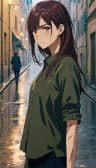
Hanae Morioka

GenderFemale
OccupationCryptography Specialist and Art Historian

Profile

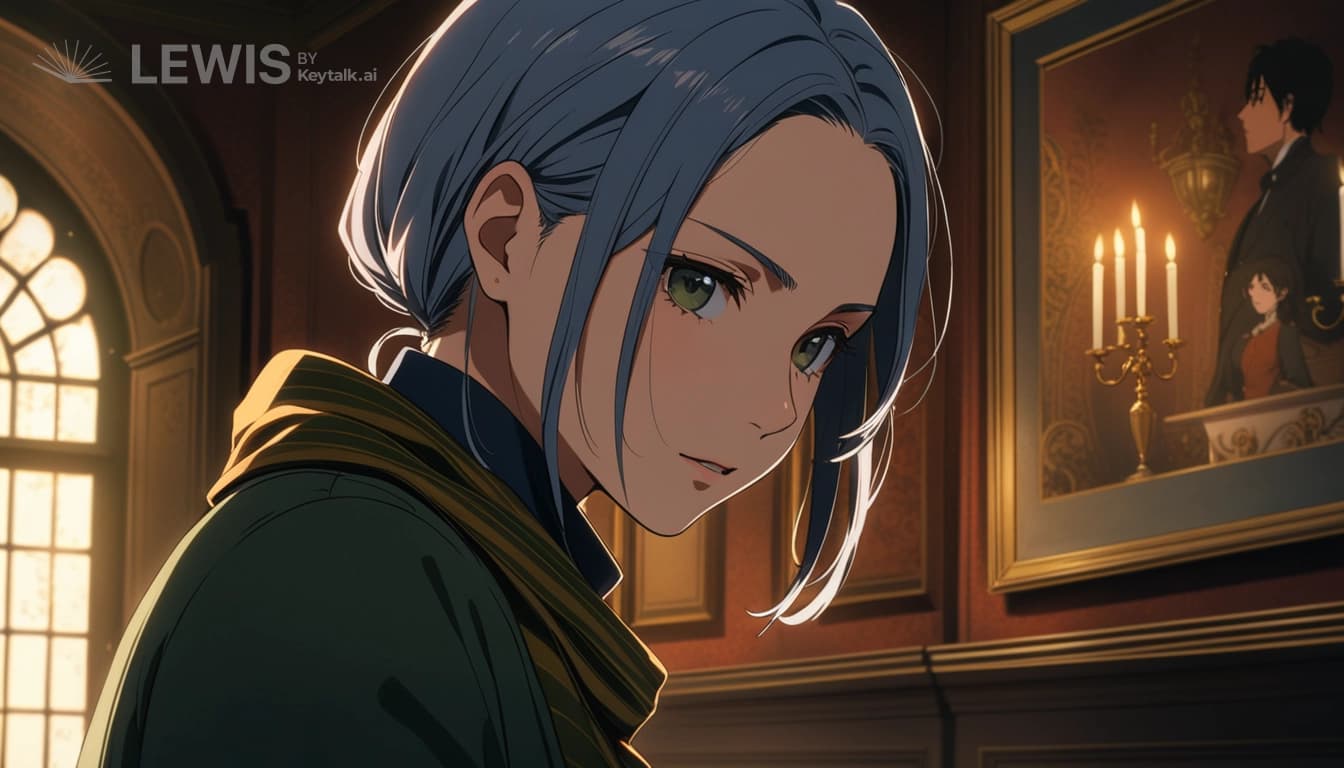
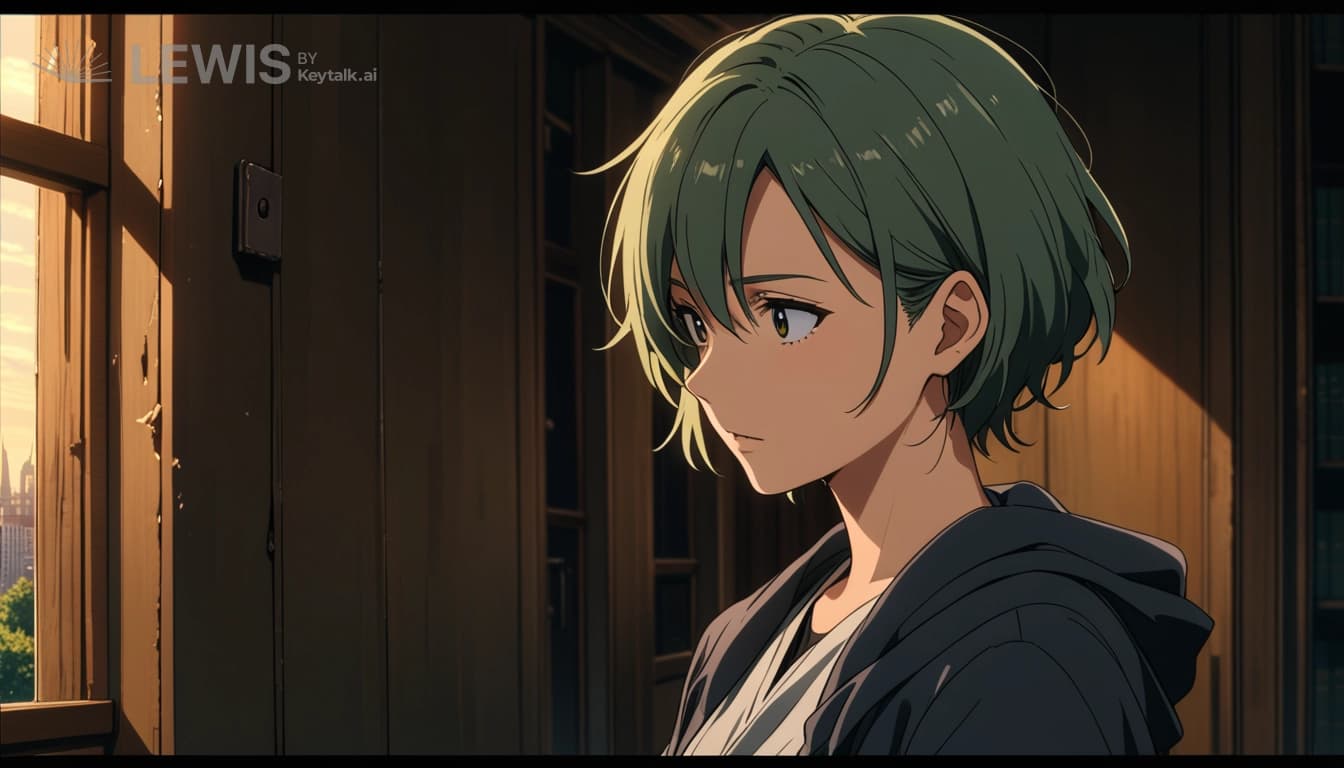
Hanae Morioka, a Japanese-Italian cryptography specialist and art historian, stands at 5'4" with a slender, almost fragile build that belies the tenacity etched into every movement. Her heart-shaped face is framed by a tumble of jet-black hair streaked with silver—a premature mark of sleepless nights spent decoding lost histories and resisting the city’s corrosive allure. High cheekbones and an aquiline nose lend her an austere beauty, softened by curious almond eyes that miss nothing, their gaze quick to flicker with skepticism or amusement. Her attire is precise: tailored charcoal trousers, silk blouses in muted hues, and a battered leather satchel always at hand, bulging with annotated notebooks and encrypted USB drives. A faint scar slices her left brow, a souvenir from the night she broke an underground cipher ring—her proudest, most dangerous accomplishment. Hanae’s voice is measured and clipped, tinged with Milanese inflections and the occasional burst of Kansai-ben when agitated; she wields silence as deftly as language, often preferring pointed questions over declarations. Raised in the shadow of her mother’s restoration atelier and her father’s academic legacy, she inherited both a reverence for authenticity and a disdain for the city’s performative beauty, making her naturally wary of Luka Arden’s irresistible façade. She is compelled by the pursuit of truth, yet her loyalty is hard-won, shaped by betrayals that have left her cautious and fiercely independent—her support for Luka stems from shared intellectual fascination, not blind allegiance. Hanae’s methodical, analytical mind contrasts Luka’s improvisational charm, and where Salvatore D’Orazio sees art as a sanctified relic worth bloodshed, Hanae regards it as a cipher begging to be broken—her approach is surgical, never sentimental. Beneath her composure lies a restless curiosity and a simmering frustration with institutional power, driving her to expose secrets others would kill to protect. Haunted by the fear of becoming irrelevant in a world where beauty eclipses brilliance, Hanae channels her anxiety into obsessive research and late-night chess matches with the city’s hackers. She is prone to absent-mindedly tracing patterns on her sleeves when thinking, and her hands tremble slightly when confronting moral ambiguity. Just before the story’s main arc, Hanae is perched on the edge of professional acclaim, yet remains isolated by her uncompromising standards and the knowledge that one wrong code could unravel everything. Her presence tempers Luka’s recklessness and provokes Salvatore’s paranoia, her methods offering both shield and sword as the city’s secrets begin to bleed into daylight.
Model Used
GPT-4.1
text
Stable Diffusion
image

World

Location/Time, Era:
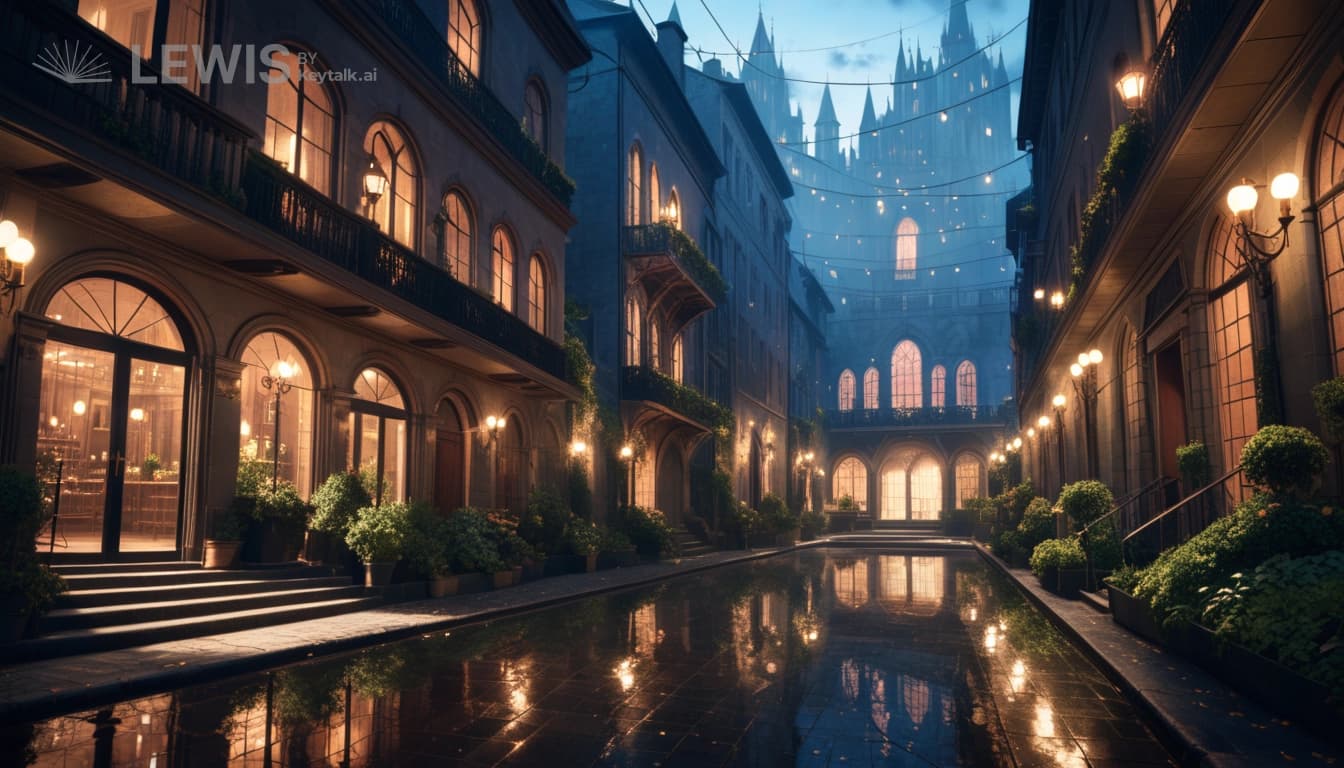
The city sprawls across a river’s curve, its grandeur preserved and distorted through a relentless lens of curation and spectacle—an urban palimpsest where every district is both gallery and stage. Nights pulse with velvet-lit auctions and clandestine exchanges, while daylight is diffused through rain-streaked glass facades and the flicker of ever-watchful lenses. It is the present day, yet the atmosphere is suspended between eras: old-world opulence clings to every marble stair, but the digital eye is everywhere, capturing, archiving, scrutinizing. Time itself seems elastic here, each moment at risk of being immortalized or erased by the next viral image. The city’s heartbeat is a click, a shutter, a flash—its memory curated, its truth ever in flux.

Key rules of the world and their impact on the story and beyond:
In this society, the act of capturing and curating images holds judicial and social weight; a photograph is admissible evidence, a weapon, a form of currency and blackmail. Reputation, power, and even legality are shaped by who controls the narrative—the one who frames the shot, selects the exposure, edits the light. It is not enough to be beautiful or influential; one must be seen as such, captured in moments that can be traded, destroyed, or forged. The city’s elite employ archivists and image-forensics experts as fiercely as bodyguards, and a single, well-composed photograph can topple fortunes or spark feuds. For Luka, whose existence hinges on both visibility and concealment, every public appearance is fraught with peril and potential, his beauty an asset only when it can be managed, his forgeries as much photographic as painted.

Visual depiction of the world and its unique features:
Every street corner and gallery glows with a tension between the meticulously staged and the raw, unfiltered moment: glittering salons where masterpieces are lit for maximum impact, shadowed alleys where illicit deals are snapped in grainy monochrome. Walls are crowded with portraits—some painted, some printed, some digitally projected—each vying to outdo the last in splendor or subversion. Surveillance drones hum quietly over the rooftops, their lenses ever searching for a story worth capturing; flashbulbs burst behind smoked glass, a constant threat and invitation. The weathered stone of old theatres is juxtaposed with neon-lit window displays, and everywhere, the city’s beauty is as much a performance as a reality. To walk these streets is to risk becoming an image: worshipped, envied, or destroyed by how one is framed.

Notable technology, philosophy, or cultural elements influencing the world and narrative:
An entire industry has emerged around the authentication and manipulation of images—photographers are not mere artists, but arbiters of truth and fabricators of myth. Cutting-edge forensics can decode layered histories from a single photograph, revealing secrets once thought safe in shadow or memory. Aesthetic value is fiercely contested: the city’s tastemakers debate not just what is beautiful, but whether beauty can ever be genuine, or if it is always an act of curation and concealment. The philosophy of “the splendid image” pervades: nothing is too precious to be captured, yet nothing is truly real unless witnessed by the camera’s unblinking eye. In this world, Luka’s survival depends on his ability to control how he is seen, while characters like Hanae and Salvatore wield the power of the lens—both physical and metaphorical—to expose, protect, or destroy.
representative image
location 1 image

Location 1

Title : The Gilded Sanctum of Archivist Row
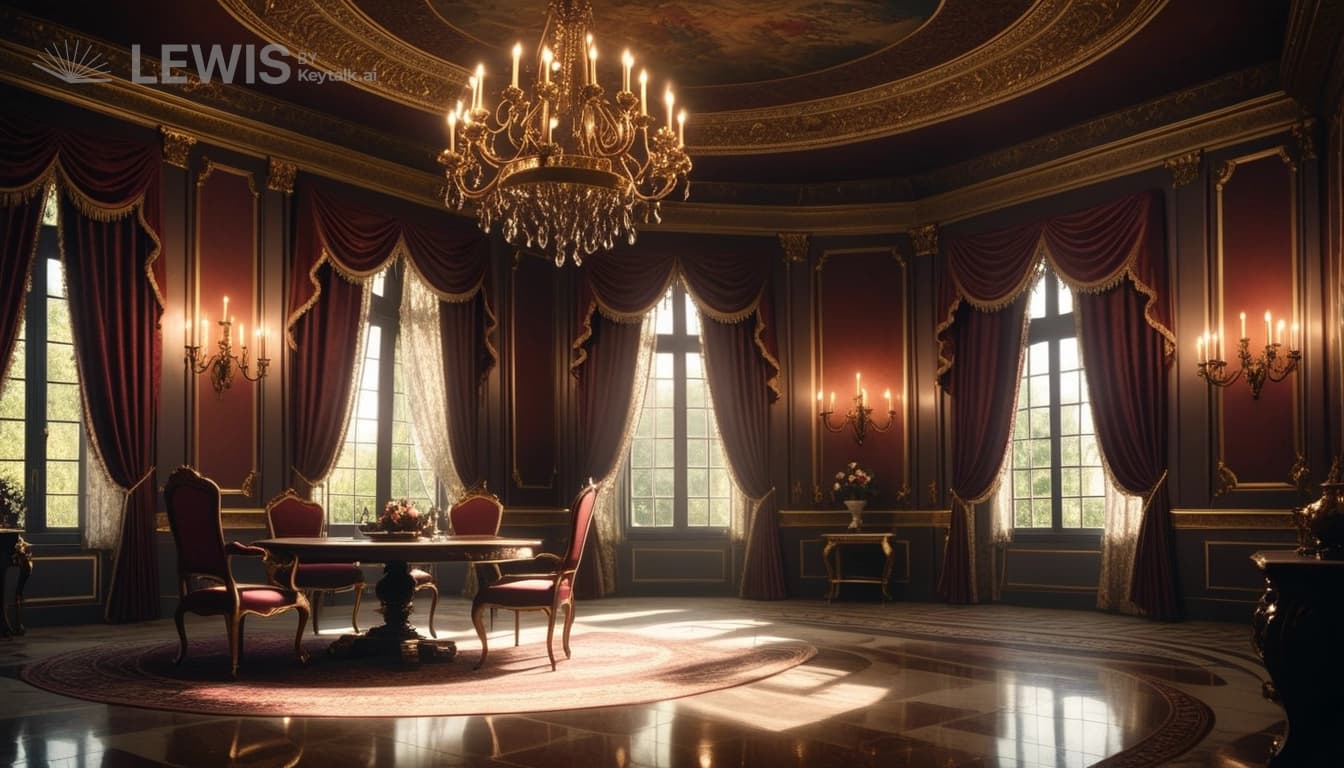
Description : Tucked behind a false bookcase and heavy velvet curtains, the Sanctum pulses with illicit grandeur—walls lacquered gold, the air thick with incense and anxious ambition. Shadowed alcoves cradle forbidden art, each piece watched by masked bidders whose laughter is brittle and conspiratorial. The hush here is a living thing, broken only when Luka slips through, his presence igniting a ripple of desire and danger that stains the marble floor like spilled wine.
location 2 image

Location 2

Title : The Shuttered Bridge of Silent Witnesses
Description : Suspended above the river like a secret held between breaths, the Shuttered Bridge is lined with warped wooden booths, their windows clouded by years of confession and conspiracy. At midnight, the lamps flicker through warped panes, painting ghostly silhouettes that eavesdrop on every hurried footstep and whispered rendezvous. Here, Luka first glimpses the cipher’s true power—a coded message scrawled across the bridge’s ancient balustrade, illuminated by the trembling reflection of police lights on the black water below.
location 3 image

Location 3

Title : The Neon Cloisters of Saint Verity
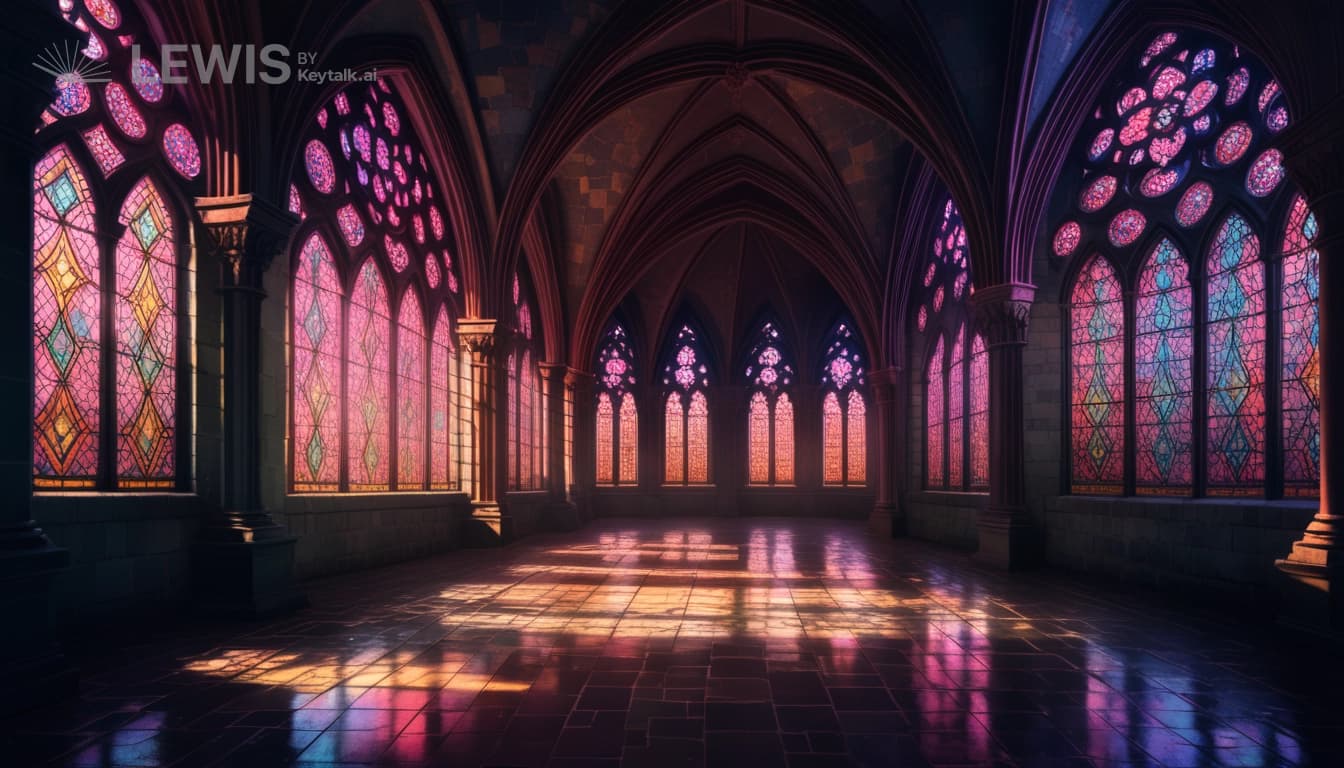
Description : Beneath the city’s cathedral, the cloisters pulse with electric color—stained glass bathed not in sunlight, but in flickering neon, casting saints and sinners alike in surreal hues. The air tastes of ozone and incense, humming with the nervous energy of secrets about to erupt; every alcove is a confessional, every shadow a threat. Here, amid the labyrinthine corridors lined with coded murals and wire-laced relics, Luka’s final gambit will play out in a spectacle of revelation, betrayal, and irrevocable transformation.

Keytalk Prompts Used

Visual & Sound
splendid_photograph
Model Used
GPT-4.1
text
Stable Diffusion
image

Scenes

scene 1 image
Scene 1
Velvet Shadows and Poisoned Promises

[Place]
A secret auction hall tucked beneath a crumbling opera house, velvet-draped and candlelit, thrumming with the breathless anticipation of the city’s elite.

[Time]
Late at night, after the city’s respectable lights have winked out; the hour when secrets become currency.

[Action]
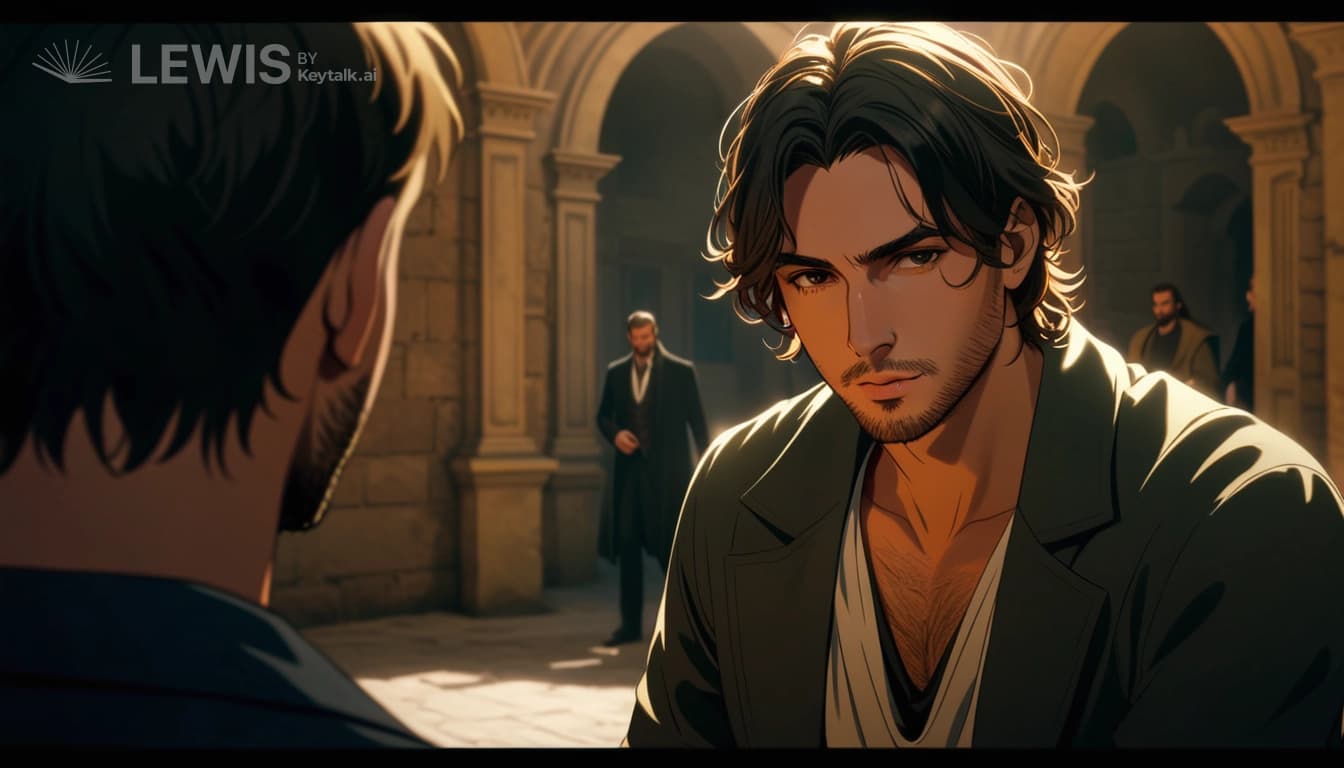
Luka Arden slips into the auction with calculated grace, masking his nerves beneath a veneer of cool detachment. The crowd parts for him—some drawn to his beauty, others bristling with suspicion. He navigates the shifting alliances and coded glances, making contact with a few shadowy figures who might be allies or threats. The painting, centerpiece of the evening, is revealed amid hushed gasps and veiled warnings about its cursed past. Luka’s gaze lingers not just on the artwork but on Salvatore D’Orazio, who watches the proceedings with predatory interest, signaling the prize’s true value. Luka weighs his motivations—power, validation, the need to prove himself—against the palpable danger. He orchestrates a quiet distraction, capitalizing on the chaos to pocket the painting. As he does, he discovers a coded note tucked behind the canvas, its cryptic message hinting at something far more sinister than a simple theft. This unexpected twist rattles Luka, forcing him to reconsider his loyalties and deepening his resolve.

[Impact on the story]
The scene establishes Luka’s duality—his allure and his vulnerability—while planting seeds of distrust and ambition. The theft sets the plot in motion, entwining Luka with Salvatore’s machinations and introducing the painting’s secret. Emotionally, Luka moves from calculated confidence to uneasy curiosity, laying the groundwork for future betrayals and alliances.

[Description]
Luka infiltrates an exclusive after-hours auction to steal a cursed painting, navigating a web of desire, suspicion, and hidden agendas. He succeeds in his theft but uncovers a coded note that hints at deeper conspiracies, setting the stage for escalating conflict and intrigue.
scene 2 image
Scene 2
[Title]
The Cursed Portrait’s Hidden Invitation

[Place]
Vivienne Harrow’s private office—a sanctuary of antique velvet, moonlit windows, and art that wears its secrets like bruises.

[Time]
Just before dawn, the city’s hush broken only by the distant clatter of cleaning crews and Vivienne’s heartbeat.

[Action]
Vivienne summons Luka under the guise of negotiation, but the tension between them is electric—a charged silence that promises both revelation and danger. Luka enters with the painting concealed, feigning innocence, but Vivienne’s eyes are as sharp as razors, dissecting every gesture. She circles him, pressing for answers about the theft, her anger barely contained beneath a veneer of icy civility. Luka deflects, projecting charm and vulnerability, yet Vivienne’s questions cut deeper, probing not just for the whereabouts of the painting, but for the motives that drive him. Their conversation is a verbal chess match, each move weighted with history and unspoken attraction. Vivienne lets slip her personal connection to the painting’s creator, and Luka catches the tremor in her voice—a vulnerability he could exploit, but also a mirror to his own restless ambition. The coded note becomes the fulcrum of their exchange: Luka reveals its existence but withholds its meaning, leveraging Vivienne’s desperation against his need for validation. The scene escalates as Vivienne offers Luka a dangerous bargain—access to her resources in exchange for a share of the painting’s secret—while warning him that Salvatore’s reach is longer and deadlier than he realizes.

[Impact on the story]
This scene deepens the intrigue, shifting Luka and Vivienne from adversaries to uneasy co-conspirators. Their emotional vulnerabilities surface, complicating motives and alliances. The painting’s secret is no longer just a prize—it becomes a test of trust, pushing both characters toward choices that risk their hearts and reputations.

[Description]
Vivienne confronts Luka in her office, probing for the stolen painting and the mystery behind its coded note. Their negotiation blurs the line between threat and intimacy, setting the stage for a fragile alliance and revealing new stakes in the conspiracy.
scene 3 image
Scene 3
[Title]
Blood Stains on the Brushwork: Marcus’s Reckoning

[Place]
Marcus Zell’s cramped detective office, walls papered with unsolved cases, rain streaking the window, the city’s pulse thrumming beneath the surface.

[Time]
Late morning, the aftermath of Luka and Vivienne’s tense negotiation, the city waking to the scandal of the stolen painting.

[Action]
Marcus begins the scene hunched over the painting’s documentation, piecing together threads from past murders linked to the art world. He’s haunted by memories of his lost friend, fueling his obsession with justice and revenge. A breakthrough comes when Marcus discovers a coded cipher embedded in the portrait’s brushwork—numbers and symbols that tie the theft to a broader, more sinister conspiracy. This revelation sends Marcus into a frenzy of research, drawing connections between Vivienne’s patronage, Salvatore’s influence, and Luka’s involvement. The emotional stakes rise as Marcus grapples with his attraction to Luka’s enigmatic beauty, blurring the line between his role as investigator and his vulnerability as a man scarred by loss. Subplots emerge as Marcus consults old contacts in the Cultural Preservation Bureau, uncovering hints of secret meetings and hidden agendas. His frustration mounts when bureaucratic stonewalling and Salvatore’s shadowy threats impede his progress. Marcus’s determination intensifies—he’s no longer just solving a crime; he’s unraveling a legacy of corruption that has claimed too many lives. The scene ends with Marcus deciding to confront Luka directly, driven by a mix of righteous fury and personal longing, setting up a collision that promises both answers and danger.

[Impact on the story]
This scene pivots the narrative from personal intrigue to city-wide stakes, elevating Marcus from background investigator to a central catalyst. His emotional turmoil adds vulnerability and tension, complicating his pursuit of justice. The uncovering of the cipher raises the mystery to a new level, forcing all main players onto a collision course and deepening the web of conspiracy.

[Description]
Marcus Zell uncovers a hidden cipher in the stolen painting, linking the crime to a series of murders and a powerful secret society. His personal demons drive him to challenge Luka and the art world’s elite, escalating the investigation and amplifying the stakes for everyone involved.
scene 4 image
Scene 4
[Title]
Cipher Nights and Dangerous Alliances

[Place]
Hanae Morioka’s apartment—walls lined with antique codebooks and flickering monitors, city lights bleeding through blackout curtains.

[Time]
Late evening, hours after Marcus’s discovery of the cipher; the city hums with rumors and unease.

[Action]
Luka slips into Hanae’s apartment, tension simmering beneath his practiced ease. The coded note from the painting burns in his pocket—a secret too dangerous to trust to anyone but Hanae. She greets him with measured detachment, eyes scanning for truth behind his façade. Their uneasy partnership unfolds over scattered files and the hum of encrypted data, Hanae’s analytical prowess clashing with Luka’s improvisational charm. Luka is restless, haunted by the threat of exposure and the memory of Salvatore’s ultimatum; Hanae is driven by the thrill of the puzzle, her loyalty earned by intellect, not sentiment. As they work, layers of mutual suspicion peel back—Luka confesses fragments of his past, Hanae tests his resolve with relentless logic. The cipher yields chilling revelations: the existence of a clandestine society orchestrating art sales, money laundering, and targeted assassinations. Each decoded symbol tightens the noose around Luka’s neck, implicating Salvatore, Vivienne, and even Marcus. The mood grows volatile—Luka’s desperation for validation collides with Hanae’s demand for truth, forcing them into a fragile alliance. Subplots simmer as Hanae hacks into hidden archives, revealing patterns that threaten the city’s balance of power. The scene climaxes with Luka realizing their discovery places them in mortal danger, and Hanae, her curiosity now entwined with fear, insists they cannot trust anyone—not even each other.

[Impact on the story]
This scene forges a critical alliance between Luka and Hanae, deepening their character arcs and exposing the conspiracy’s true scope. The decoding of the cipher heightens the stakes, making the threat personal and existential. Their dynamic—equal parts mistrust and necessity—creates tension that propels the narrative forward and sets up the impending confrontation with Salvatore and Vivienne.

[Description]
Luka and Hanae join forces to decode the painting’s cipher, uncovering a web of criminal manipulation that implicates the city’s most powerful players. Their uneasy partnership and the perilous revelations push both characters to the edge, transforming the mystery into a battle for survival.
scene 5 image
Scene 5
[Title]
The Masquerade Shattered: Truth Unveiled at Midnight

[Place]
Vivienne’s gallery—beneath street level, in a hidden salon swathed in candlelight and velvet, the air thick with tension and old secrets.

[Time]
Near midnight, hours after Luka and Hanae’s discoveries; the city’s elite gather above for a gala, unaware of the storm gathering below.

[Action]
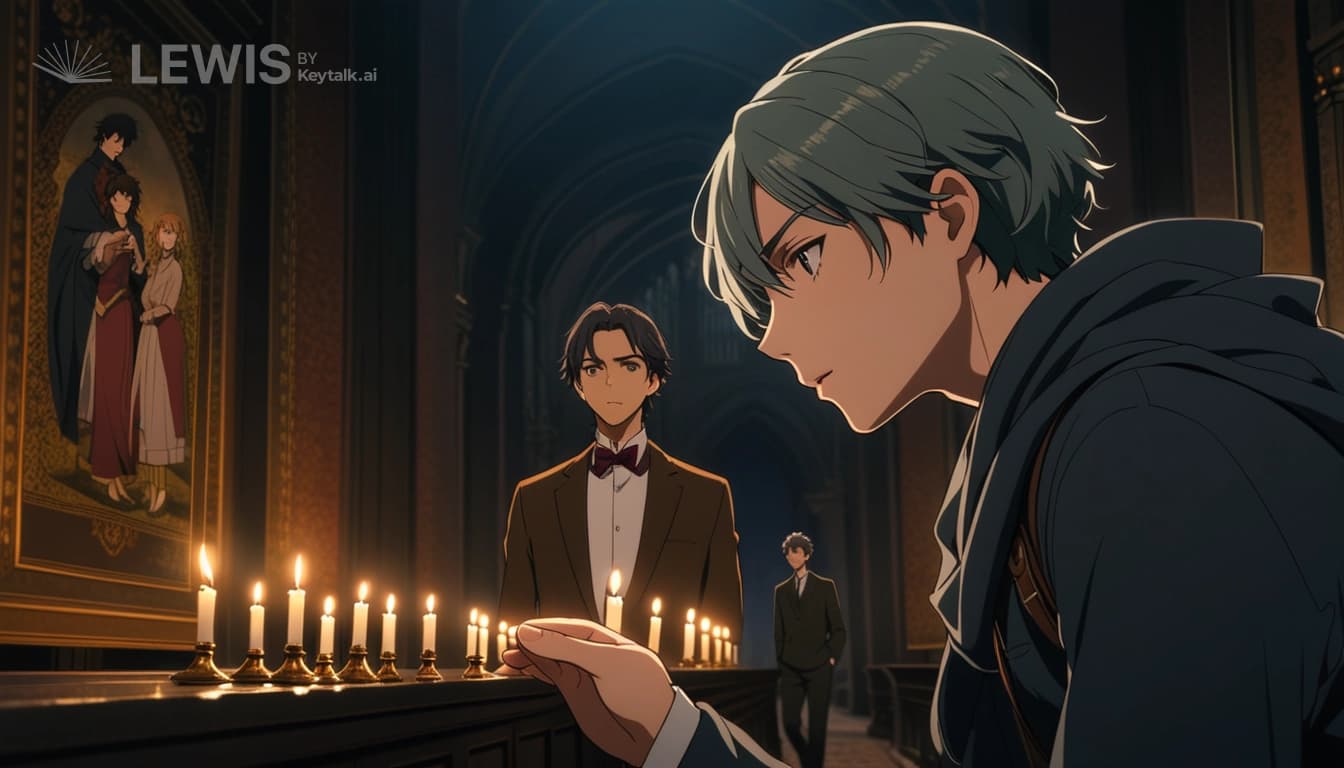
Luka, Hanae, Marcus, Salvatore, and Vivienne converge in Vivienne’s clandestine salon, each carrying their own agenda and wounds. The atmosphere is razor-sharp: every glance a threat, every silence a negotiation. Luka is torn between self-preservation and the urge to expose the society’s crimes, while Hanae pushes him to trust the evidence they’ve uncovered. Marcus arrives resolute, demanding justice and answers, his presence a reminder of the cost of compromise. Salvatore, sensing his empire’s fragility, attempts to reassert control—his paternal protectiveness toward Luka now laced with menace. Vivienne orchestrates the meeting, her motives veiled: she wants absolution, but also the power to rewrite her own story. The painting sits at the center, both bait and weapon. Hanae lays out the final decoded truth—the society’s plan for a city-wide purge, using the painting’s encoded locations to destroy rival factions. Arguments erupt, alliances fracture; Luka finds himself the fulcrum of every threat and hope. Vivienne is forced to confront her complicity, while Marcus and Salvatore circle each other, old grievances crackling. The group realizes the stakes are no longer personal but existential: if they don’t act, the city will be lost to violence and corruption. Luka makes the pivotal decision to risk everything and expose the conspiracy, setting the stage for the public reveal upstairs. The tension is suffocating, the salon itself a crucible for truth, betrayal, and redemption.

[Impact on the story]
This scene forces every major character to confront their own limits—loyalties, fears, and ambitions collide in a single, high-stakes negotiation. Luka’s choice to expose the conspiracy transforms him from fugitive to catalyst, galvanizing the others and irrevocably altering the power dynamic. The emotional fallout is immediate: trust is shattered, old wounds are reopened, and each character’s fate is set into motion for the final reckoning.

[Description]
In Vivienne’s hidden salon, Luka, Hanae, Marcus, Salvatore, and Vivienne face off, unraveling the last threads of the conspiracy. Their fragile alliances and bitter confrontations drive the narrative to its breaking point, forcing Luka to choose between escape and revolution. The scene crystallizes the story’s themes of power, redemption, and the cost of truth.
scene 6 image
Scene 6
[Title]
The Masquerade Shattered: Truth Unveiled at Midnight

[Place]
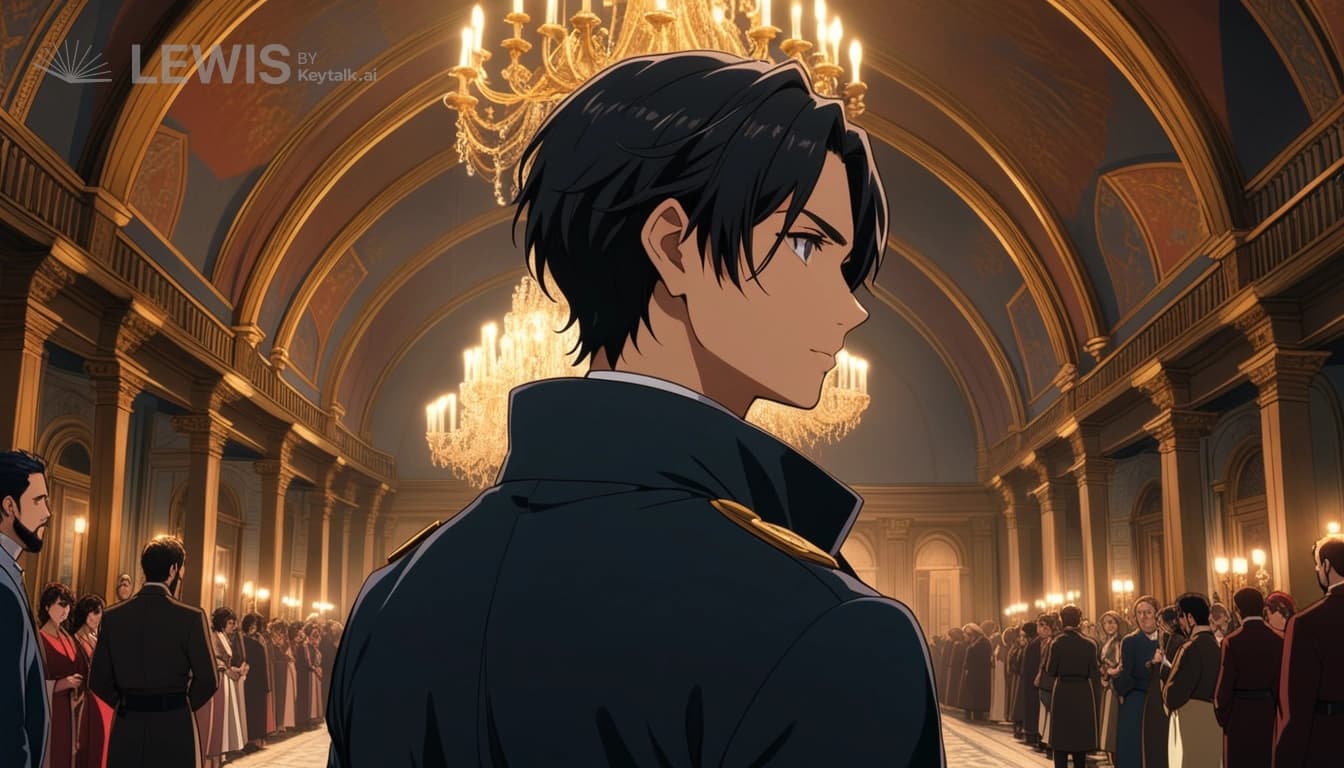
Vivienne’s gallery—main floor, transformed for the gala; glittering chandeliers, masked guests swirling in decadent celebration, oblivious to the tremors beneath the surface.

[Time]
Moments past midnight, as the clandestine salon’s revelations ripple upward and the city’s elite revel in fragile opulence.

[Action]
Luka steps into the heart of the gala, painting in hand, nerves sparking beneath his practiced composure. Hanae moves beside him, carrying the encrypted dossier—their alliance now public and precarious. Vivienne, her face a mask of poise, walks a tightrope between sacrifice and self-preservation as she signals to trusted patrons and prepares for the fallout. Marcus shadows Luka, tension crackling between duty and vengeance, prepared to intervene if violence erupts. Salvatore, sensing his empire teetering on the edge, attempts to seize control: he issues veiled threats, tries to rally loyalists, and maneuvers to silence Luka before the conspiracy is revealed. Luka, fuelled by both terror and resolve, initiates the reveal—projecting Hanae’s decoded evidence and the painting’s cipher to the assembled crowd, shattering the illusion of safety. The room descends into chaos: accusations fly, allegiances fracture, and Salvatore’s power unravels in real time. Vivienne makes her final sacrifice, publicly denouncing the society and relinquishing her gallery to preserve what remains of her integrity. Marcus arrests Salvatore, but the fallout is immediate and violent—rival factions erupt in panic and retribution, and Luka is forced to choose between vanishing into the shadows or standing with Hanae and Vivienne amid the ruins. The scene ends with Luka’s decision: he steps forward, fully exposed, embracing the role of catalyst and accepting the dangers that come with truth.

[Impact on the story]
This climactic public reveal topples Salvatore’s empire and exposes the city’s art underworld, irrevocably transforming the lives of Luka, Hanae, Vivienne, and Marcus. Trust and betrayal are laid bare; alliances are destroyed, and each character is forced to reckon with the consequences of their choices. Luka’s willingness to risk everything marks his evolution from masked thief to agent of change, while Vivienne’s sacrifice and Marcus’s justice offer a bitter, hard-won hope for the city’s future.

[Description]
On the gallery’s main stage, Luka and his allies expose the conspiracy, setting off a violent cascade of reckoning that shatters old power structures. The aftermath leaves no character unchanged, forcing each to confront what remains when truth is finally unmasked.
'THE CREATIVE FORGER'Story Chat

Want to chat with the characters from this story?

'THE CREATIVE FORGER'Story Chat

Want to chat with the characters from this story?

story image
story image
story image

You might also like

Comments0

rank icon image
#1 inVisual & Sound
rank icon image
#2 inCharacter
rank icon image
#7 inGenre
theme music