본문으로 건너뛰기
The Hallowing Game cover image

The Hallowing Game

A weekend camping trip becomes a descent into madness when a group of high schoolers discovers a subterranean tunnel system beneath a derelict cabin. Inside, they find a diary from 1889 detailing a bizarre, ritualistic game played by the area's original settlers. Believing it's a harmless historical curiosity, they decide to reenact the game, only to find that the forest itself begins to enforce the rules, warping their perceptions and turning their deepest insecurities into physical threats until only one can survive to win.

Weekly ranking

rank icon image
#2 inGenre
rank icon image
#6 inGenre
rank icon image
#7 inGenre
Scroll

Plot Synopsis

The camping trip was supposed to be a reprieve, a simple weekend escape for Caleb Thorne and his small circle of friends. He brought his vintage camera, hoping to capture the stark, skeletal beauty of the late-autumn woods, while his friend Sora Tanaka, a parkour enthusiast, saw the landscape as a new physical puzzle to solve. The group—a mix of jocks, artists, and outcasts—stumbled upon the derelict cabin just as the first evening chill set in. It was inside, beneath a loose floorboard, that they found the tunnel entrance and, deeper within, a leather-bound diary from 1889. Cal, with his meticulous nature, was the one to decipher the brittle, spidery script. The diary described "The Hallowing," a ritualistic game played by the area's original settlers to prove their worth to the land. It involved a series of challenges tied to personal fears, with the forest itself acting as the arbiter. The group, fueled by teenage bravado and disbelief, laughed it off as a morbid piece of local history and, in a moment of shared recklessness, agreed to reenact the first "trial" described: confessing a secret fear into the dark.

The game's reality asserted itself with chilling swiftness. The morning after their "confessions," the forest was subtly wrong. A student deathly afraid of insects woke up to find his sleeping bag swarming with non-native, impossibly large beetles. Another, who feared drowning, found himself inexplicably gasping for air, his lungs feeling as though they were filling with water despite being miles from any lake. Cal, whose deepest insecurity was his fear of being unseen and forgotten, discovered that his camera, his tool for documenting the world, now only produced blank, overexposed negatives. The rules of the game, as detailed in the diary, became their prison: the forest was a living entity, manifesting their confessed anxieties as tangible, escalating threats. Panic set in as they realized the diary's final, horrifying rule: the game doesn't end until only one "player" remains to be "hallowed" by the land, absolved of their fears by surviving everyone else's. Their alliances fractured immediately, paranoia turning friends into potential threats as they scattered into the woods, each trying to escape not just the forest, but the living nightmares of their companions.

Sora, ever the pragmatist, refused to succumb to the supernatural dread. While others were paralyzed by their phobias, she used her parkour skills to navigate the increasingly hostile environment, her mind focused on a single, logical goal: escape. She reasoned that the game must have a physical anchor, a source. Her search led her to a confrontation with Elias Thorne, the quiet, unnerving caretaker of the surrounding land. Elias, revealing himself as a descendant of the original settlers, was not a malevolent force but a fanatical guardian. He explained that "The Hallowing" was a sacred tradition meant to appease the ancient spirit of the land, a pact his family had upheld for generations. He saw the teenagers' accidental game as a desecration, but one he was bound by duty to see through to its conclusion. He had been subtly manipulating events from the periphery, ensuring the "rules" were followed, believing the ritual's completion was necessary to maintain the balance his ancestors had struck. He was not the game's master, but its high priest, and he informed Sora that the only way to end the game was to either win it or destroy its source: the original diary, which had to be burned in a specific, sacred clearing.

Cal, isolated and grappling with his now-useless camera, found his role as an observer forcibly stripped away. No longer able to hide behind his lens, he was forced to engage directly with the chaos. His fear of being invisible manifested in a terrifying new way: his friends began to literally forget he existed, their eyes sliding past him as if he were thin air. This existential threat pushed him to use his analytical skills not for art, but for survival. He started piecing together the psychological patterns of the game, realizing the forest wasn't just creating threats, but exploiting the rifts *between* the players. He found Sora, who was now being hunted by another student whose fear of failure had twisted into a homicidal need to be the "winner." Together, they formed a desperate alliance. Cal's observational intellect and Sora's physical prowess became their combined weapon. Cal deciphered the diary's cryptic clues to locate the sacred clearing Elias mentioned, while Sora navigated them through a forest where gravity would intermittently fail and trees would rearrange themselves to block their path.

The climax unfolded in a petrified grove at the heart of the woods, the clearing Elias had spoken of. The few remaining students, driven mad by their fears, converged on the location, each believing it held their salvation. Elias was there, chanting from a different family journal, attempting to guide the ritual to its "proper" end. The final confrontation was a chaotic, multi-sided battle. It was not a fight against a monster, but a desperate struggle between terrified teenagers, each trapped in their own personal hell. Sora fought to create a path for Cal, using her agility to evade both her peers and the warping landscape. Cal, armed with the diary and a lighter, sprinted for the clearing's center. In the final moments, Elias tried to stop him, not out of malice, but out of a desperate fear of what breaking the pact would unleash. He tackled Cal, and the diary flew from his hands, landing near the central, petrified stone altar.

As the last surviving student lunged for him, Cal made a choice that defied the game's logic. Instead of fighting to survive and "win," he grabbed his camera—the symbol of his detachment—and smashed it against the stone altar, the shattering glass echoing like a gunshot. He then threw his lighter onto the broken pieces and the nearby diary. The resulting fire, consuming both the book and his identity as a passive observer, acted as a sacrifice the land had not expected. The game, predicated on the singular drive for self-preservation, shattered. The oppressive atmosphere in the forest vanished, the physical manifestations of fear dissolving into mist. Elias watched in stunned silence, the ancient pact broken for the first time in centuries. In the aftermath, Cal and Sora were the only two to walk out of the woods, not as winners, but as survivors who had refused to play by the rules. They left Elias alone in the now-quiet grove, a guardian with nothing left to protect, facing the unknown wrath of a land whose ancient contract had just been voided.
Model Used
Gemini 2.5 Pro
text
Stable Diffusion
image

Story Details

Keytalk Prompts Used
See all Keytalks
no chosen prompts
no chosen prompts
no chosen prompts
no chosen prompts
no chosen prompts
no chosen prompts
Model Used
Gemini 2.5 Pro
text
Stable Diffusion
image

Character

Protagonist Character

Caleb "Cal" Thorne

GenderMale
OccupationHigh School Student / Amateur Photographer

Profile

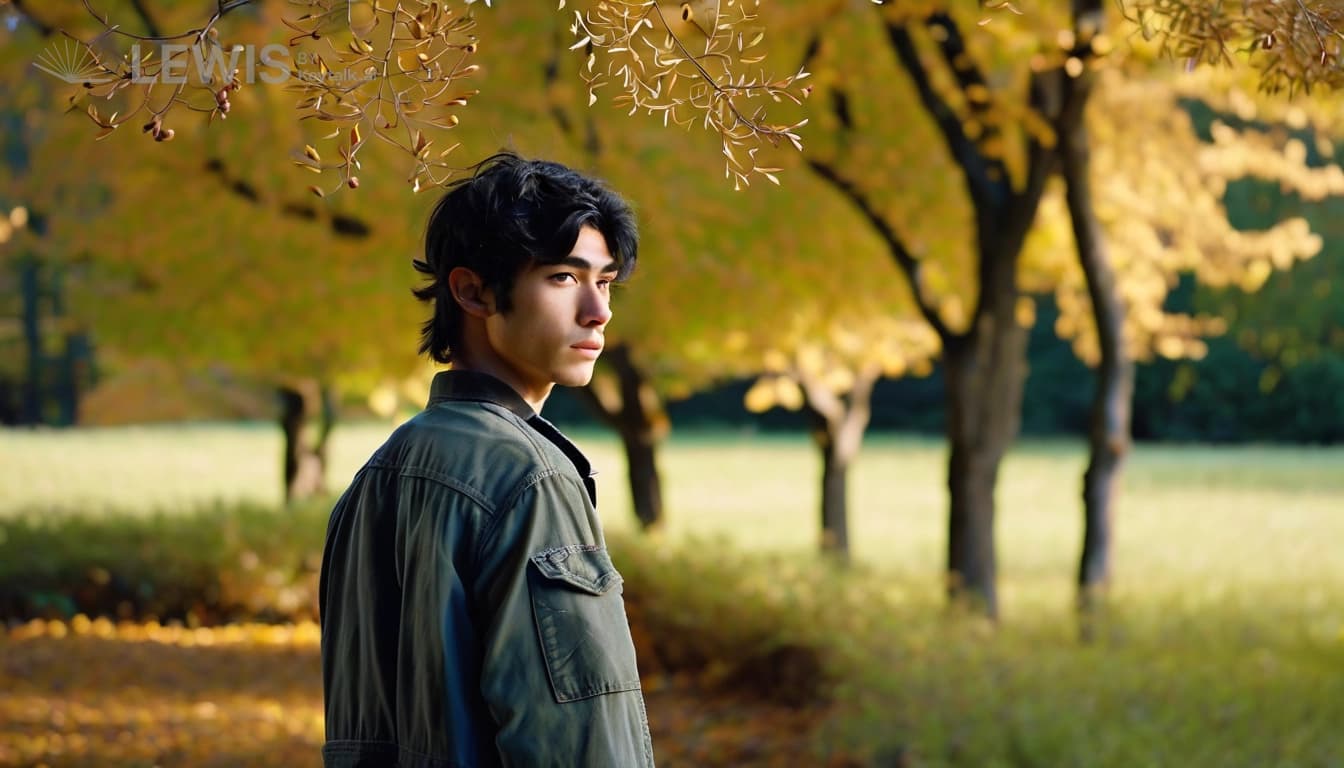
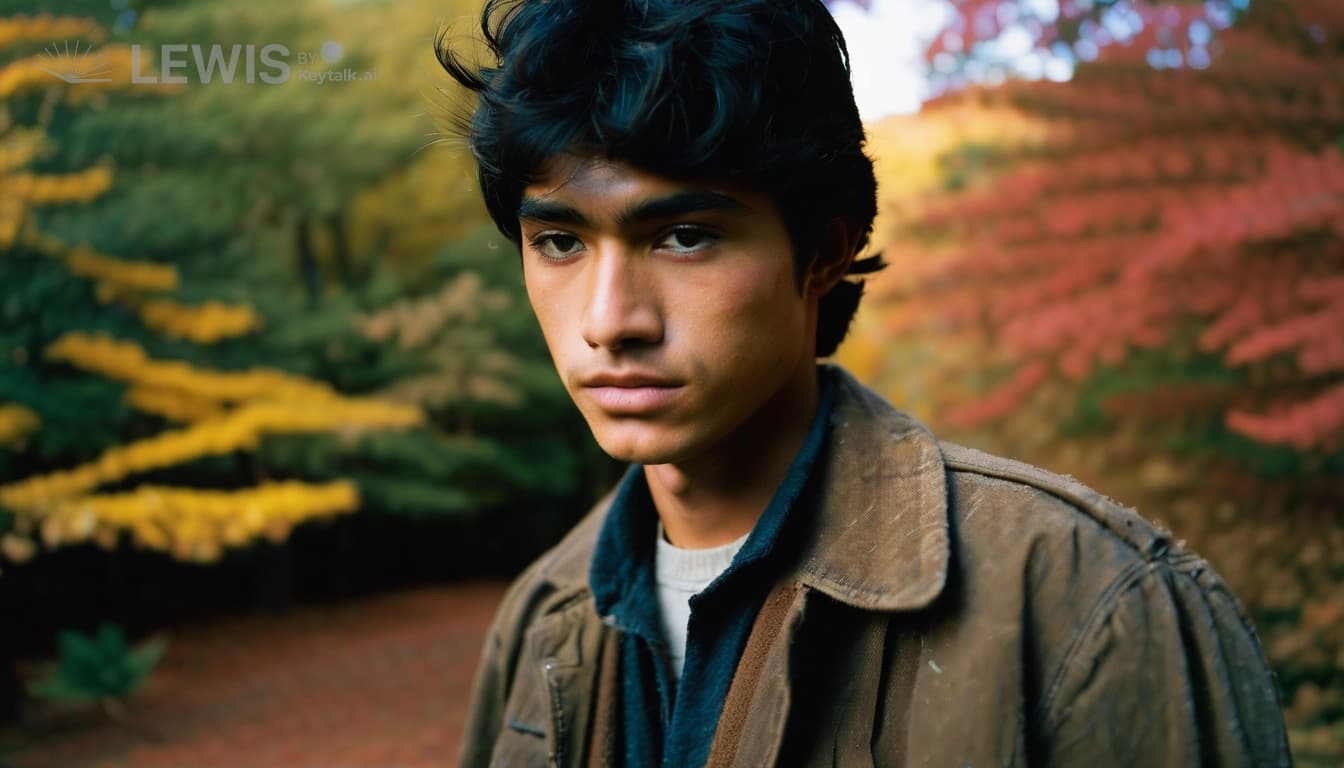
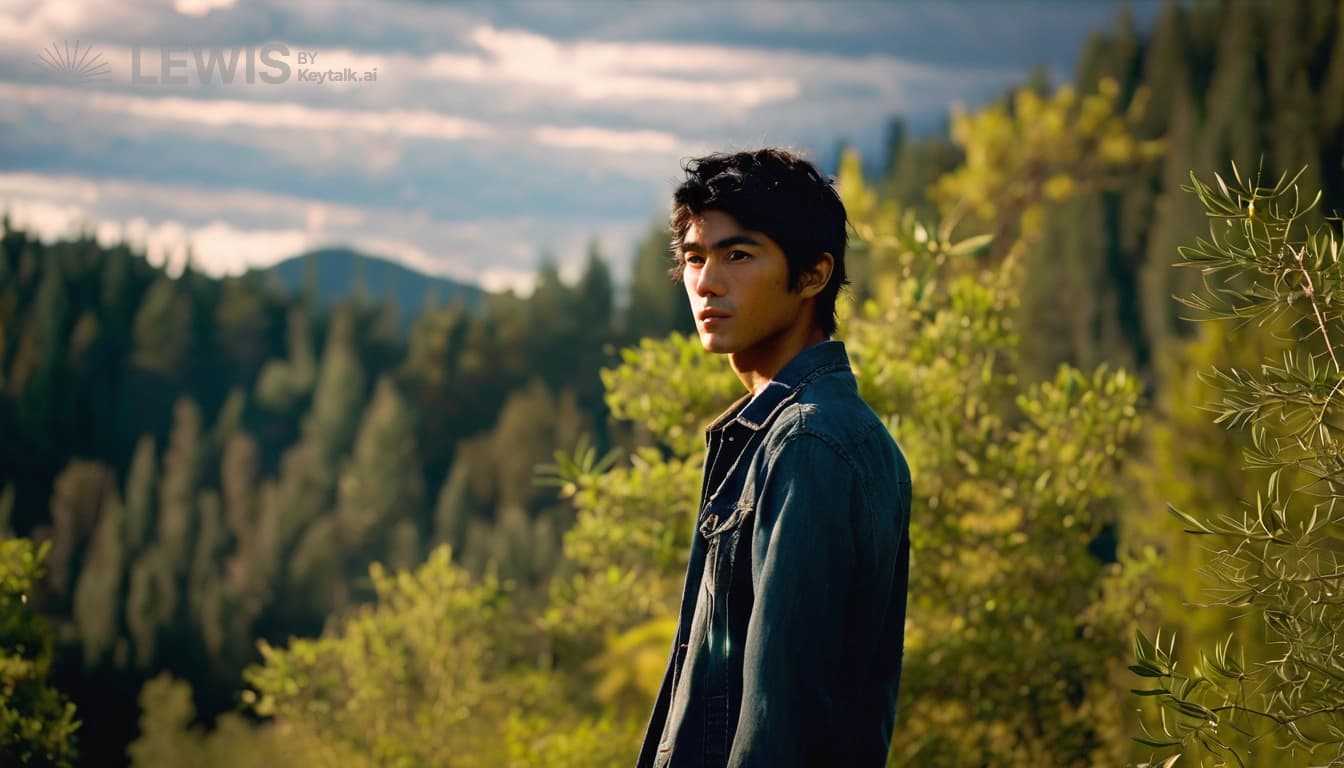
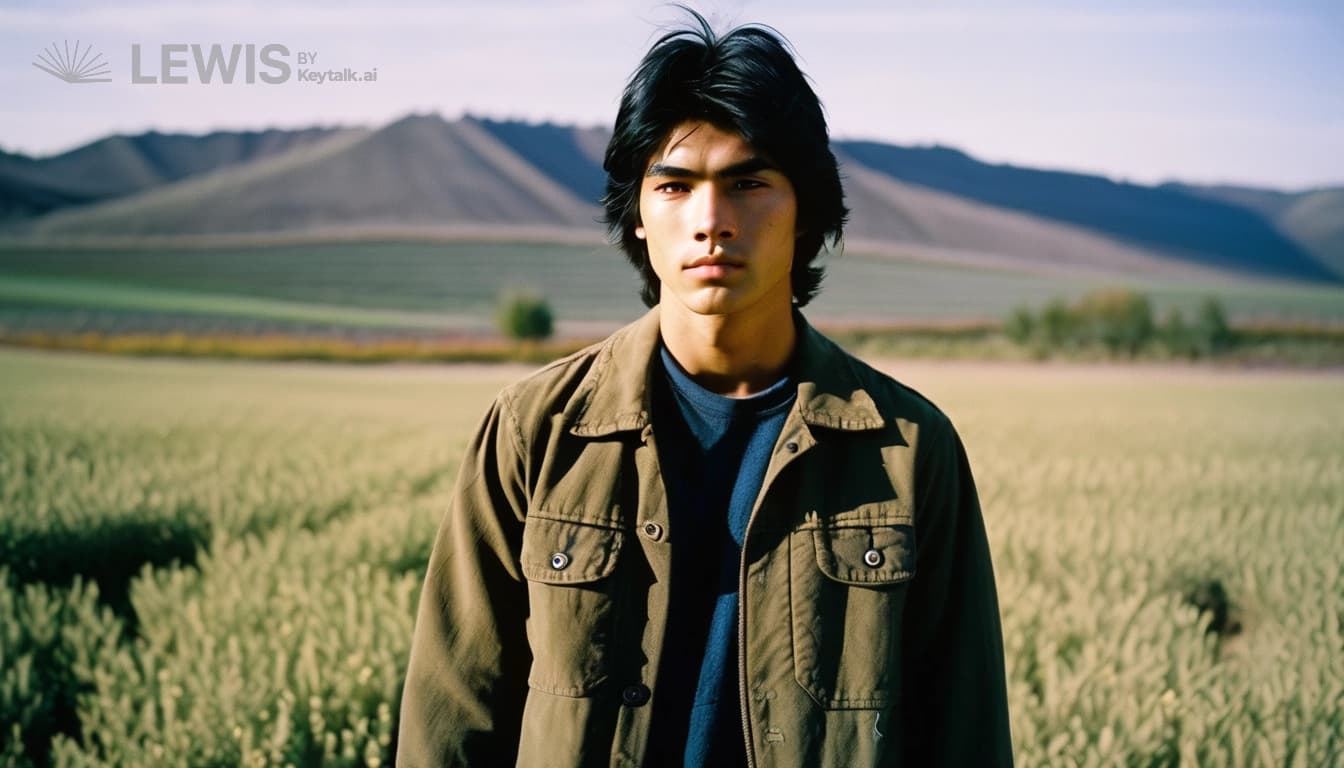
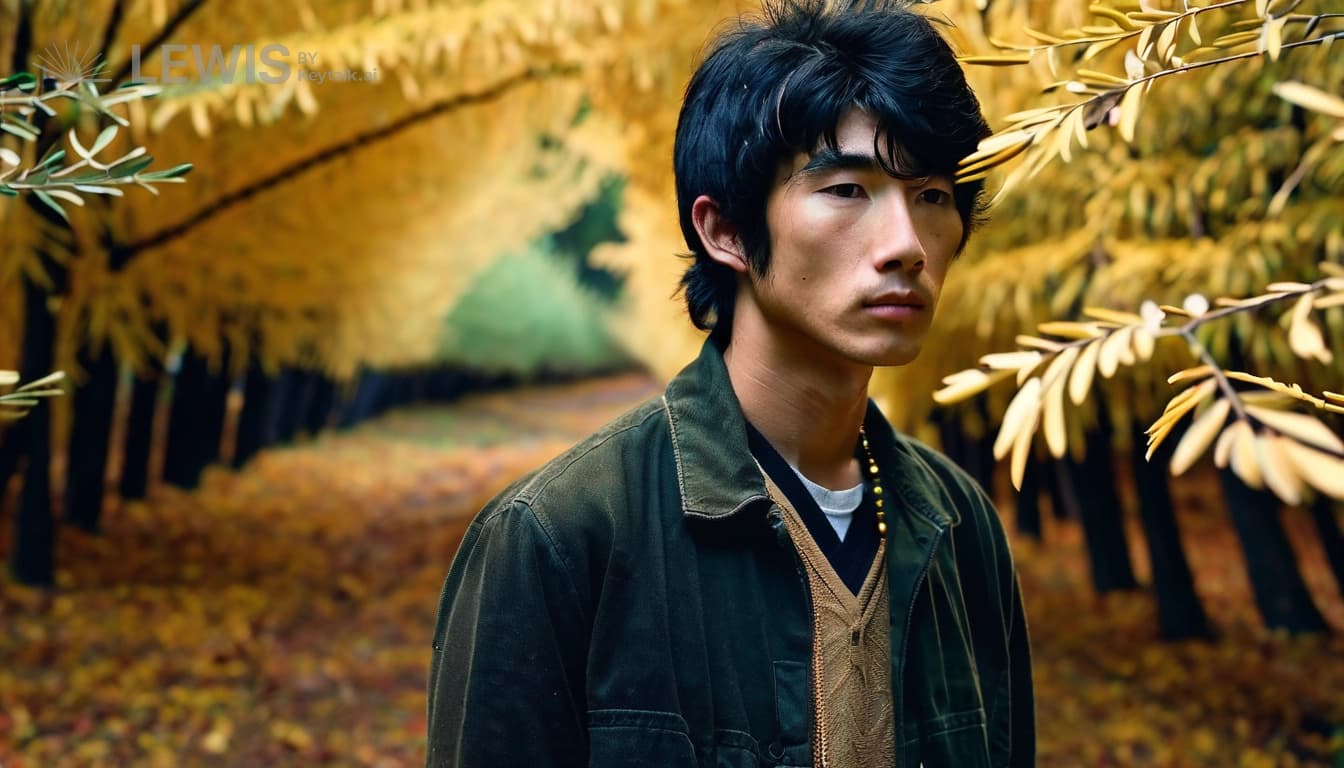
Caleb Thorne, known to his few friends as Cal, is the quiet observer of his high school's social ecosystem, a role he both cultivates and resents. At seventeen, he stands a lanky five-foot-eleven, with a wiry build that suggests he’s still growing into his frame. His Japanese-American heritage is subtly present in his sharp, intelligent features—dark, almond-shaped eyes that miss nothing, a straight nose, and a defined jawline often set in a look of neutral concentration. His perpetually messy black hair falls over his forehead, a curtain he uses to obscure his gaze when he's deep in thought or framing a shot with the vintage 35mm camera that is his constant companion. Cal’s style is purely functional: worn-in jeans, faded band t-shirts, and a well-loved, olive-green field jacket with oversized pockets for film rolls and lenses. He speaks in a measured, quiet tone, often pausing to find the precise word, a habit that others mistake for shyness but is actually a symptom of his meticulous nature. Having grown up as the only child of two busy university professors, Cal learned self-reliance early, developing a keen eye for detail and an almost academic fascination with human behavior, which he documents through his stark, black-and-white photography. This analytical detachment is his greatest strength and most significant flaw; it allows him to see patterns others miss but also isolates him, making genuine connection difficult. He longs for the easy camaraderie his peers share but is held back by a deep-seated fear of being misunderstood, a private insecurity that makes him the perfect, unwitting chronicler for the unfolding nightmare in the woods.
Antagonist Character

Elias Thorne

GenderMale
OccupationLocal Historian / Caretaker of the Thorne Family Estate

Profile

Elias Thorne is the self-appointed guardian of his family's legacy, a history steeped in the dark soil of the very land he now oversees as its sole caretaker. At thirty-two, his body is a testament to a life spent outdoors; standing just under six feet, he has a wiry, surprisingly strong build, with gnarled, earth-stained hands that speak of constant work. His face is a roadmap of his years, deeply lined and weathered from the sun, with a prominent, slightly crooked nose that was broken in his youth. His eyes, a pale, but brown, are set deep beneath a heavy brow and often hold a disconcerting stillness, as if he's watching something just beyond your shoulder. His thin, dark hair is combed neatly back from a high forehead, and he dresses with a stark, old-fashioned practicality: durable work trousers, flannel shirts regardless of the season, and worn leather boots. As the town's unofficial historian, Elias possesses an encyclopedic knowledge of local lore, particularly the grim tales tied to the original settlers—his ancestors. He speaks with a slow, deliberate cadence, his voice a low, gravelly rumble that carries the weight of authority and a hint of something proprietary, almost predatory, when discussing the forest. His primary motivation is the preservation of his family's traditions and the sanctity of their land, which he believes has been entrusted to him. He views outsiders, especially the young and disrespectful, as a contamination, a potential disruption to a delicate, long-held balance. Before the arrival of the teenagers, his life is one of quiet, solitary ritual: maintaining the estate, tending to forgotten family graves, and poring over the same leather-bound journals that have guided the Thornes for generations, reinforcing his conviction that some rules, and some games, are meant to be eternal.
Sidekick Character

Sora Tanaka

GenderFemale
OccupationHigh School Student / Parkour Enthusiast

Profile

Sora Tanaka moves with a quiet, coiled energy that sets her apart from her peers, a product of her dedication to parkour and a childhood spent navigating the dense, vertical landscapes of both urban Japan and, more recently, suburban America. Standing at a compact 5'4", her frame is deceptively powerful—a lean, wiry build defined by the functional muscle of an athlete rather than a bodybuilder. Her face is framed by a sharp, asymmetrical black bob that she often tucks behind one ear, revealing a small silver hoop. Her features are angular, with high cheekbones and dark, observant eyes that seem to miss nothing, constantly assessing her environment for handholds, escape routes, and structural weaknesses. This pragmatism is her defining trait; where her friend Cal Thorne sees the world through the artistic lens of a camera, searching for beauty and composition, Sora sees it as a series of obstacles to be overcome with efficiency and physical logic. She dresses for function over fashion, favoring durable cargo pants, worn-in athletic tops, and scuffed, high-grip trainers, always prepared for impromptu movement. Having moved to the area two years ago with her family, she still carries the subtle outsider status of a transplant, which she masks with a reserved, almost blunt demeanor. Her speech is direct and concise, devoid of the casual slang common among her classmates, and she often defaults to listening rather than speaking. Sora's motivation for joining the camping trip is simple: a rare weekend of freedom and a chance to test her physical limits in a new environment, far from the structured discipline of her home life. She is fiercely loyal to Cal, valuing his creative sensitivity as a necessary balance to her own grounded realism, yet she remains driven by her own internal compass—a need to prove her self-reliance and conquer any challenge, a trait that will be tested when the forest's ancient rules begin to warp the very physics she has mastered.
Model Used
Gemini 2.5 Pro
text
Stable Diffusion
image

World

Location/Time, Era:
The story unfolds in the present day, within the fictional Blackwood Gap, a remote, unincorporated township nestled deep in the Appalachian Mountains of western North Carolina. This area is a pocket of preserved history, characterized by dense, old-growth forests, treacherous ravines, and a handful of families who trace their lineage back to the original 18th-century settlers. The town itself is minimal, consisting of a single general store, a gas station, and a volunteer fire department, all existing under the shadow of the vast, privately-owned Thorne Estate that encompasses most of the surrounding wilderness. The setting feels unstuck in time, where modern cell service is notoriously unreliable, and local folklore holds as much weight as factual history, creating a perfect environment of isolation for a modern urban legend to take root.

Key rules of the world and their impact on the story and beyond:
The fundamental rule of this world is that the land of Blackwood Gap is a sentient, ancient entity with which the Thorne family forged a pact, codified in the ritual game known as "The Hallowing." This pact requires a periodic sacrifice—not of life, necessarily, but of fear—to maintain a supernatural balance, preventing the entity's power from seeping chaotically into the wider world. The game's rules are absolute and enforced by the land itself: it can warp physics, manipulate biology, and alter perception to manifest a player's confessed fear, with the intensity escalating over time. A crucial, unwritten rule is that the game demands a "winner" through self-preservation; breaking this tenet by an act of selfless sacrifice, as Cal does, voids the entire contract, creating a power vacuum with unknown and potentially catastrophic consequences for the region and beyond.

Visual depiction of the world and its unique features:
Blackwood Gap is a landscape of stark, haunting beauty, dominated by towering hemlocks and skeletal, blight-stricken chestnut trees that claw at a perpetually overcast sky. The forest floor is a thick carpet of damp, black soil and decaying leaves, muffling sound and creating an oppressive quiet, punctuated by the unnerving calls of unseen birds. A defining feature is the prevalence of "petrified groves," clusters of ancient, stone-like trees hardened by a unique mineral that leaches from the ground, which local lore claims are the petrified remains of those who displeased the land. The derelict cabin and the subterranean tunnels beneath it are constructed from this same dark, unnaturally cold stone, its walls covered in a faint, phosphorescent moss that provides the only light. The air carries the constant, earthy scent of wet stone, pine rot, and something vaguely metallic, like old blood.

Notable technology, philosophy, or cultural elements influencing the world and narrative:
The dominant cultural element is the isolationist philosophy of the founding families, embodied by Elias Thorne, which prioritizes tradition and the sanctity of the pact above all else. This belief system, passed down through generations via handwritten journals, functions as a private religion, viewing outsiders as potential contaminants to a delicate spiritual ecosystem. Juxtaposed against this is the modern technology the teenagers bring with them—smartphones, digital cameras, and GPS—which become not only useless but actively subverted by the forest's power, symbolizing the failure of contemporary logic against ancient, primal rules. Cal's vintage 35mm camera represents a middle ground; it is an analog, almost ritualistic technology for capturing reality, and its failure forces him to abandon his role as a detached observer and become an active participant, directly influencing the narrative's climax.
representative image
location 1 image

Location 1

- Title : The Lantern Cellar Beneath Thorne Estate
- Description : The air in the cellar is thick with the smell of damp earth, kerosene, and generations of preserved secrets. Hundreds of antique lanterns, each meticulously polished but unlit, hang from the low, hand-hewn beams, their glass panes reflecting the solitary beam of a visitor's flashlight. Dust motes dance in the cold stillness, settling on stacked wooden crates and a central stone table where a single, leather-bound diary lies open, its pages brittle and waiting.

Where is this location in the real world?

Lyndhurst Mansion Cellars

Address

635 South Broadway, Tarrytown, NY 10591, USA

Reason for recommendation

The Lyndhurst Mansion cellars feature authentic stone walls, low timber beams, and atmospheric lighting, perfectly evoking a historic estate’s secretive underbelly. The preserved period details and sense of layered history align with the description of the Lantern Cellar.

Preparation for shooting

Remove any modern items and stage with vintage wooden crates, a central stone table, and an array of polished antique lanterns suspended from beams. Use fog machines and controlled lighting to enhance dust motes and a sense of isolation.

location 2 image

Location 2

- Title : The Echo Market of Widow’s Crossing
- Description : This sprawling, illicit bazaar operates within the skeletal remains of an abandoned train yard, its stalls built into rusted boxcars and beneath corrugated steel awnings. The air hangs thick with the smells of ozone from jury-rigged electronics, fried street food, and the metallic tang of scavenged artifacts. Deals for forbidden knowledge and supernatural relics are made in hushed tones, their whispers lost beneath the constant clatter of vendors hawking wares salvaged from places touched by broken pacts.
location 3 image

Location 3

- Title : The Stone Choir at Hollow Root Ridge
- Description : At the heart of the woods, a ring of towering, petrified trees rose like the skeletal ribs of some long-dead beast, their stone-grey bark unnaturally smooth and cold to the touch. In the center of this silent grove, a flat-topped altar of black, volcanic rock sat upon a bed of unnervingly white sand, absorbing all light and sound. The air here was heavy and still, charged with an ancient pressure that made your lungs ache with every breath.
Model Used
Gemini 2.5 Pro
text
Stable Diffusion
image

Scenes

scene 1 image
Scene 1
Shadows Beneath the Pines—Secrets Shared, Bonds Tested
[Place]
Abandoned cabin deep in the late-autumn woods, illuminated by waning daylight and flickering lanterns.

[Time]
First evening of the camping trip, just after sunset.

[Action]
The group—Caleb, Sora, and their eclectic friends—unpack their gear and settle into the cabin, their banter masking the underlying tensions between them. Caleb, eager to document the trip, roams with his camera, capturing candid moments and subtle glances, while Sora maps out the terrain for tomorrow’s adventures. As dusk falls, the group’s bravado gives way to curiosity when they discover the tunnel beneath a loose floorboard. Descending into the darkness, they stumble upon the 1889 diary, its ominous contents sparking both laughter and unease. Cal, driven by his need for significance, insists on deciphering the ritual’s rules, and the group’s dynamic shifts—jocks mock, artists speculate, outcasts find new footing. In a reckless act of unity, they agree to perform the diary’s first ritual: each must confess a secret fear into the pitch-black tunnel. The confessions become a crucible, exposing raw vulnerabilities and creating fault lines in their relationships. The air thickens with a sense of foreboding as the ritual concludes, and the group returns to the cabin, their camaraderie now tinged with distrust and the spectral weight of the woods pressing in.

[Impact on the story]
This scene forges and fractures the group’s bonds, setting the psychological stakes by exposing each character’s deepest fear. The ritual’s completion initiates the supernatural threat, and the mood shifts from carefree to ominous, establishing emotional fissures and sowing paranoia that will intensify as their fears manifest. Caleb’s compulsion to be seen and Sora’s pragmatic skepticism become thematic anchors, while the group’s shared recklessness marks the beginning of their descent into the ritual’s deadly game.

[Description]
The friends’ discovery of the diary and decision to reenact its ritual transforms their camping trip into a psychological battleground. Confessions deepen their connection while simultaneously exposing rifts, foreshadowing the forest’s terrifying retaliation.
scene 2 image
Scene 2
The Diary’s Wake—Unearthly Manifestations and Fractured Trust
[Place]
Around the cabin and its immediate woodland perimeter, the morning after the ritual; sleeping bags scattered, sunlight struggling through dense, gnarled branches.

[Time]
Early dawn, following a sleepless, restless night after the ritual’s completion.

[Action]
The scene opens with a palpable shift in the atmosphere—something in the forest feels subtly hostile, as if the land itself is watching. The group awakens to the horrifying manifestations of their confessed fears: the student terrified of insects finds his sleeping bag infested with monstrous beetles, another gasps for breath as his phobia of drowning materializes, and Cal discovers his camera now produces only blank negatives. Shock and panic ripple through the group as they realize these threats are not mere hallucinations but tangible, escalating dangers. Their reactions fracture alliances: some blame Cal for deciphering the diary, others accuse Sora of leading them astray with her skepticism. Trust collapses as paranoia blooms; arguments erupt, fingers are pointed, and the group splinters—some fleeing blindly into the woods, others clinging desperately to the cabin or seeking answers in the diary. Sora, refusing to be paralyzed by fear, tries to rally the group toward rational action, but her attempts are met with suspicion. Cal, shaken by his own erasure, begins to withdraw, his sense of invisibility intensifying as friends start to overlook him entirely. Tensions reach a fever pitch, and the unity forged by their shared ritual disintegrates, leaving each member isolated with their own nightmare.

[Impact on the story]
This scene marks the turning point from psychological unease to outright supernatural peril. The group’s fragile bonds snap under the weight of fear, transforming allies into adversaries. Caleb’s existential terror deepens as he becomes increasingly unseen, while Sora’s determination sets her apart as the only one still seeking a logical solution. The diary’s curse becomes undeniable, forcing the characters to confront not only their own vulnerabilities but also the possibility of betrayal and violence among their friends.

[Description]
The morning after the ritual, the group is beset by physical manifestations of their deepest fears. Panic and mistrust shatter their unity, propelling each character into isolation and escalating the stakes of survival.
scene 3 image
Scene 3
[A Forest That Remembers—Cal’s Vanishing and Sora’s Escape Plan]
[Place]
Deep within the twisting, shifting woods; off the main trail, where sunlight barely filters through tangled branches and moss-draped trunks, far from the relative safety of the cabin.

[Time]
Late morning, a few tense hours after the group’s splintering—long enough for fear and confusion to settle, but early enough that the day still holds a false promise of escape.

[Action]
The scene opens with Cal wandering alone, disoriented and increasingly invisible to his friends—when he tries to call out, his voice seems to dissolve into the air, and those who pass by him fail to acknowledge his presence. His mounting desperation is compounded by the environment itself: the forest grows denser, paths looping back on themselves, the air charged with a sense of sentient malice. Cal’s fear of erasure is made literal; he watches as his own footprints fade behind him, his belongings scattered and unrecognized by others who stumble past. He realizes that the forest is actively working to unmake him, feeding on his deepest insecurity. Meanwhile, Sora, separated from the others but still grounded by her pragmatic resolve, uses her parkour skills to traverse the increasingly surreal landscape—leaping fallen trees that seem to shift position, scaling boulders as gravity occasionally wavers. She observes the forest’s hostility growing with every step, noting patterns in the way obstacles appear and disappear, and begins to hypothesize that the game’s rules can be bent, if not broken. Sora’s resourcefulness leads her to the periphery, where she spots Elias Thorne watching from the shadows, his presence both ominous and oddly reassuring. She decides to confront him, believing he holds answers or at least a clue to the game’s source. As Sora closes in, Cal—now nearly forgotten by everyone—discovers he can move unnoticed, using his analytical mind to piece together clues from the diary and the environment. The scene culminates with Sora and Cal, after a brief, fraught encounter in which Sora nearly overlooks him entirely, forming a fragile alliance. Both realize they need each other: Cal’s insight into the diary’s logic and Sora’s physical prowess offer their only hope. As they set off together, the forest momentarily parts, suggesting that cooperation—however tenuous—might be their only weapon against the land’s hunger.

[Impact on the story]
This scene crystallizes the psychological stakes: Cal’s existential dread manifests as literal erasure, forcing him out of his observer’s role and into active engagement, while Sora’s refusal to succumb to panic marks her as the group’s de facto strategist. Their alliance is born not out of friendship, but mutual necessity, highlighting the theme of connection in the face of annihilation. The introduction of Elias as a lurking, ambiguous figure adds another layer of tension and foreshadows the coming revelations about the forest’s true nature.

[Description]
Cal’s gradual vanishing isolates him, but also grants him new insight and stealth. Sora’s determination to outthink the game leads to her first direct contact with Elias and a critical partnership with Cal. The scene shifts the narrative from isolated terror to a fragile, hard-won alliance, setting the stage for a deeper exploration of the forest’s secrets and the ritual’s origins.
scene 4 image
Scene 4
[The Keeper’s Confession—Elias Reveals the Legacy and the Pact]
[Place]
Hidden in a shadowed clearing deep within the woods, surrounded by ancient, petrified trees and the remnants of forgotten offerings—stone cairns, faded ribbons, and animal bones—where the air feels heavier, charged with history and dread.

[Time]
Midday, as the sun reaches its zenith but is barely perceptible through the dense canopy; the group’s panic is now tempered by exhaustion and growing suspicion, and the forest’s supernatural threats have escalated to the point where mere survival demands answers.

[Action]
Sora and Cal, having forged a shaky alliance, track Elias to the clearing, drawn by cryptic clues in the diary and the shifting patterns of the forest. As they approach, Elias awaits them with a solemn, almost ritualistic composure, his demeanor both intimidating and sorrowful. He offers no hostility, instead inviting them to listen. The scene unfolds as Elias reveals the origin of "The Hallowing": a pact between the first settlers and the land’s ancient spirit, a bargain forged in blood and fear to appease the forest’s hunger for sacrifice. Elias confesses his role as the last guardian, bound by ancestral duty to ensure the ritual’s completion and the land’s continued balance, though he bears no joy in his task—his motivations are rooted in obligation and a haunted reverence for tradition. He admits to manipulating events from the shadows, guiding the game but powerless to halt its violence. The diary, Elias explains, is the ritual’s anchor: destroying it in a specific sacred clearing is the only way to break the cycle. He warns of the consequences, hinting that disrupting the ritual risks awakening something far older and more vengeful than the current manifestations. Sora presses for details, demanding a path to escape, while Cal, now painfully aware of his own fading existence, seeks assurance that breaking the pact will restore their memories and identities. Tension simmers as Elias’s confession exposes the complexity of his position—he is not an enemy, but a prisoner of tradition, torn between loyalty to his ancestors and empathy for the teenagers. The emotional stakes rise: Cal and Sora must decide whether to trust Elias, risk unleashing unknown horrors, or attempt to win the game by its rules. Subtle signs of supernatural escalation—whispers in the wind, shadows moving against sunlight, the ground trembling—underscore the urgency of their choice.

[Impact on the story]
This scene reframes the forest’s hostility as a consequence of human ritual and generational guilt, deepening the moral ambiguity. Elias’s confession forces Cal and Sora to confront not just the physical threat, but the ethical dilemma of breaking tradition versus surviving. Their alliance is tested by mistrust and the weight of potential consequences; the revelation of the diary’s role gives them a clear objective, but also exposes the possibility of greater danger. The emotional resonance is heightened: Elias’s anguish, Cal’s desperation for identity, and Sora’s relentless pragmatism collide, setting up the story’s climactic reckoning.

[Description]
Elias reveals the ritual’s origins, his tortured role as guardian, and the diary’s power as the game’s anchor. Cal and Sora gain crucial information, but must choose between risking the unknown by breaking the pact or attempting to survive by its rules. The scene pivots the story from survival horror to ethical confrontation, foreshadowing the climactic battle in the petrified clearing.
scene 5 image
Scene 5
Warpped Paths—Alliances Forged Amid Nightmares and Betrayal
[Place]
Twisting trails between the petrified grove and the sacred clearing, where the forest has become an unpredictable labyrinth—gravity falters, trees shift, and shadows pulse with the fears of the remaining players.

[Time]
Dusk, as the light wanes and the woods grow colder and more surreal; the boundaries between reality and nightmare blur, urgency intensifies, and the group’s numbers are perilously reduced.

[Action]
Cal and Sora, armed with Elias’s revelations, navigate the warping woods together, their alliance strained by mounting paranoia and the knowledge that only one survivor can be “hallowed.” The forest actively resists them—branches twist to block their path, roots shift beneath their feet, and the air is thick with the scent of decay and ozone. Cal’s fading existence becomes more pronounced; his voice falters, his presence flickers, and Sora struggles to keep him anchored in reality. They dodge threats born from other students’ fears: swarms of insects, gravity-defying traps, and hallucinations that pit them against each other. As they near the sacred clearing, they encounter the last surviving student—his fear of failure has transformed him into a desperate, violent rival, convinced the only way to escape is to eliminate all competition. Conflict erupts: Sora uses her agility to evade attacks, Cal leverages his analytical insights to predict their adversary’s moves, but both are pushed to their limits. Betrayals surface as the rival attempts to manipulate Sora against Cal, exploiting her pragmatic desire to survive, forcing her to confront whether she values loyalty or survival. Elias watches from the periphery, torn between intervening and allowing the ritual to reach its conclusion. The scene is marked by shifting alliances, moments of near-tragedy, and a relentless sense that the forest is closing in on all sides, eager to claim its final “winner.” Cal and Sora must decide whether to trust each other fully, risking everything for a chance to break the ritual, or succumb to the game’s logic and turn on one another.

[Impact on the story]
This scene crystallizes the group’s transformation from friendship to rivalry, as the supernatural threats force each character to confront their darkest instincts. The alliance between Cal and Sora is tested by fear, betrayal, and the lure of self-preservation. Cal’s existential crisis deepens, Sora’s pragmatic resolve is challenged by empathy, and Elias’s role as guardian becomes more ambiguous. The atmosphere is tense and claustrophobic, propelling all characters toward the ultimate reckoning in the clearing.

[Description]
Cal and Sora, navigating the warped forest and facing a violent, fear-driven rival, must decide whether to remain allies or betray each other. The forest’s escalating hostility and Elias’s distant presence amplify the stakes, setting the stage for the climactic confrontation and the ritual’s potential destruction.
scene 6 image
Scene 6
[Title] Sacrifice at the Stone—Breaking the Ritual and Facing the Unknown [Place] The petrified grove at the center of the forest—a clearing rimmed with fossilized trees and dominated by a weathered stone altar, littered with the detritus of failed rituals and the remnants of the diary’s legacy. The ground is slick with cold dew and scattered ashes from old fires; the air pulses with an unnatural stillness, expectant and electric. [Time] Nightfall, moments after dusk fully claims the woods. The last traces of daylight bleed through the twisted canopy, casting the grove in a silvery gloom that feels outside of time, as if the land itself is holding its breath. [Action] This scene opens with Cal and Sora emerging into the clearing, battered physically and psychologically, their alliance frayed but intact. The petrified grove is alive with the manifestations of the game—flickering shadows, whispers of lost voices, and the palpable weight of ancient judgment. The few remaining students, driven past reason by fear and desperation, converge in a final, frenzied confrontation; alliances splinter entirely, and violence erupts as each survivor fights for a chance at deliverance. Elias is present, conducting a ritual from his family’s journal, his demeanor equal parts fanatic and mourner, believing this is the only way to maintain the land’s balance. Cal and Sora must navigate not just physical threats but the temptation to betray one another as the game’s logic presses them to become rivals. Cal’s sense of erasure is at its peak—his presence nearly spectral, his identity dissolving as even Sora falters in recognizing him. In a moment of clarity, Cal recognizes that survival by the game’s rules means sacrificing everything he values. Rather than seeking to win, he deliberately destroys his camera—his shield and symbol of detachment—on the altar and uses the lighter to ignite both the camera and the diary. This act of willful self-destruction and refusal to play by the established rules unravels the ritual: the forest’s manifestations collapse, the oppressive atmosphere lifts, and the surviving students—Cal and Sora—are left in stunned, shaken silence. Elias, robbed of his purpose, is immobilized by the consequences of the broken pact, forced to reckon with the unknown that now looms over the land. [Impact on the story] This scene is the emotional and thematic fulcrum of the story: Cal’s sacrifice subverts the ritual’s logic, transforming the narrative from one of selfish survival to one of defiant agency and mutual recognition. Both Cal and Sora are changed—Cal finds a painful kind of visibility through action and loss, while Sora’s resolve is tempered by empathy and shared trauma. Elias, stripped of his ancestral certainty, becomes a tragic figure, his purpose and legacy shattered. The forest, once omnipotent, is left in uneasy silence, the consequences of the broken pact unresolved. The scene closes with Cal and Sora leaving the clearing together, carrying the weight of what they’ve done and what they’ve survived. [Description] In the petrified grove, Cal and Sora face the final test of the ritual—an explosive conflict with fellow survivors and the land’s guardian. Cal’s sacrificial destruction of his camera and the diary shatters the game’s rules, ending the forest’s hold and leaving them changed, uncertain, and deeply bound by what they’ve endured. Elias remains behind, alone, as the ancient contract dissolves and the future of the haunted woods is left in question.
'The Hallowing Game'Story Chat

Want to chat with the characters from this story?

'The Hallowing Game'Story Chat

Want to chat with the characters from this story?

story image
story image
story image

You might also like

Comments0

rank icon image
#9 inGenre
rank icon image
#36 inGenre
rank icon image
#41 inGenre

Recommendation from YLAB Town

theme music