Plot Synopsis
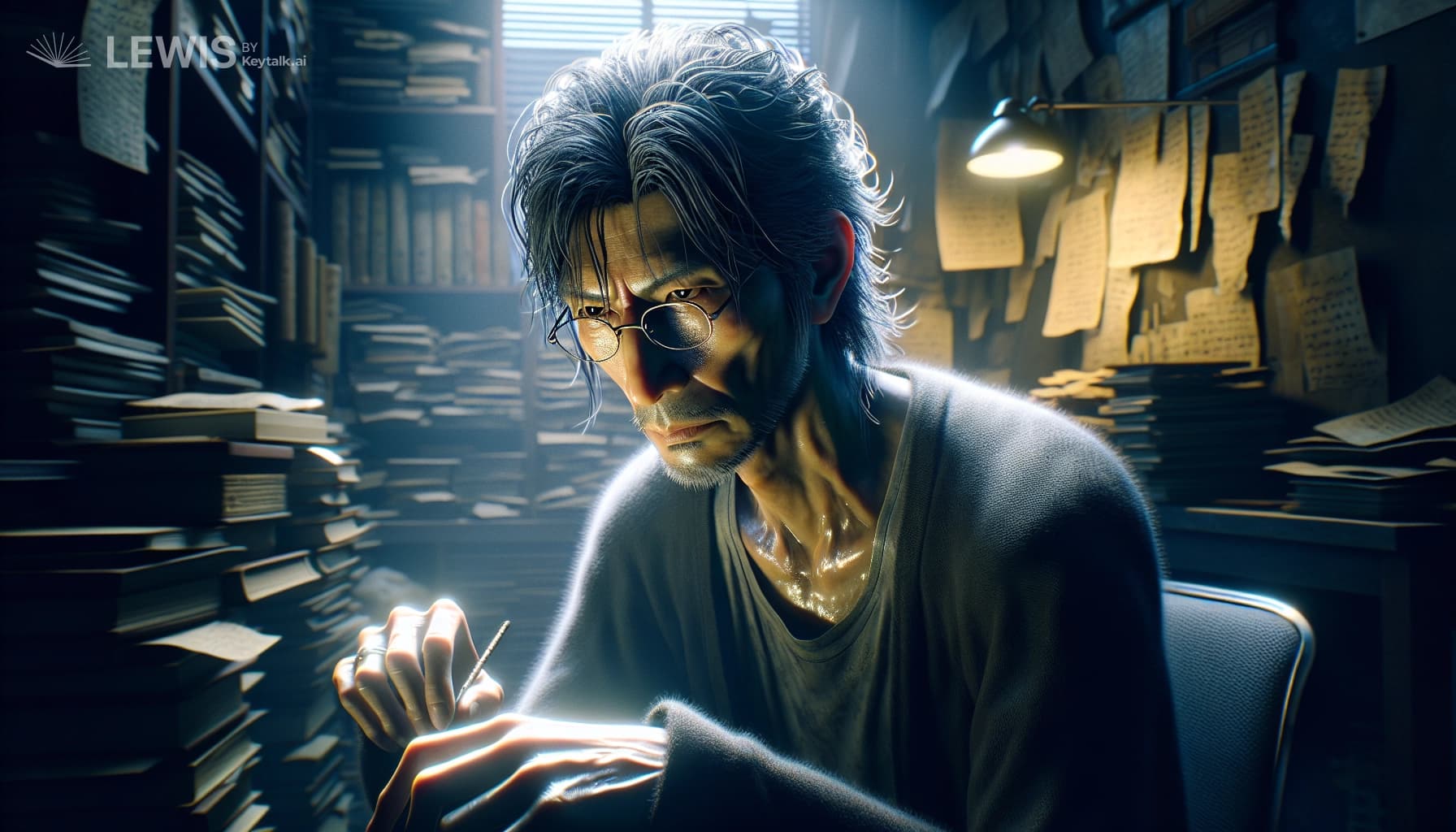
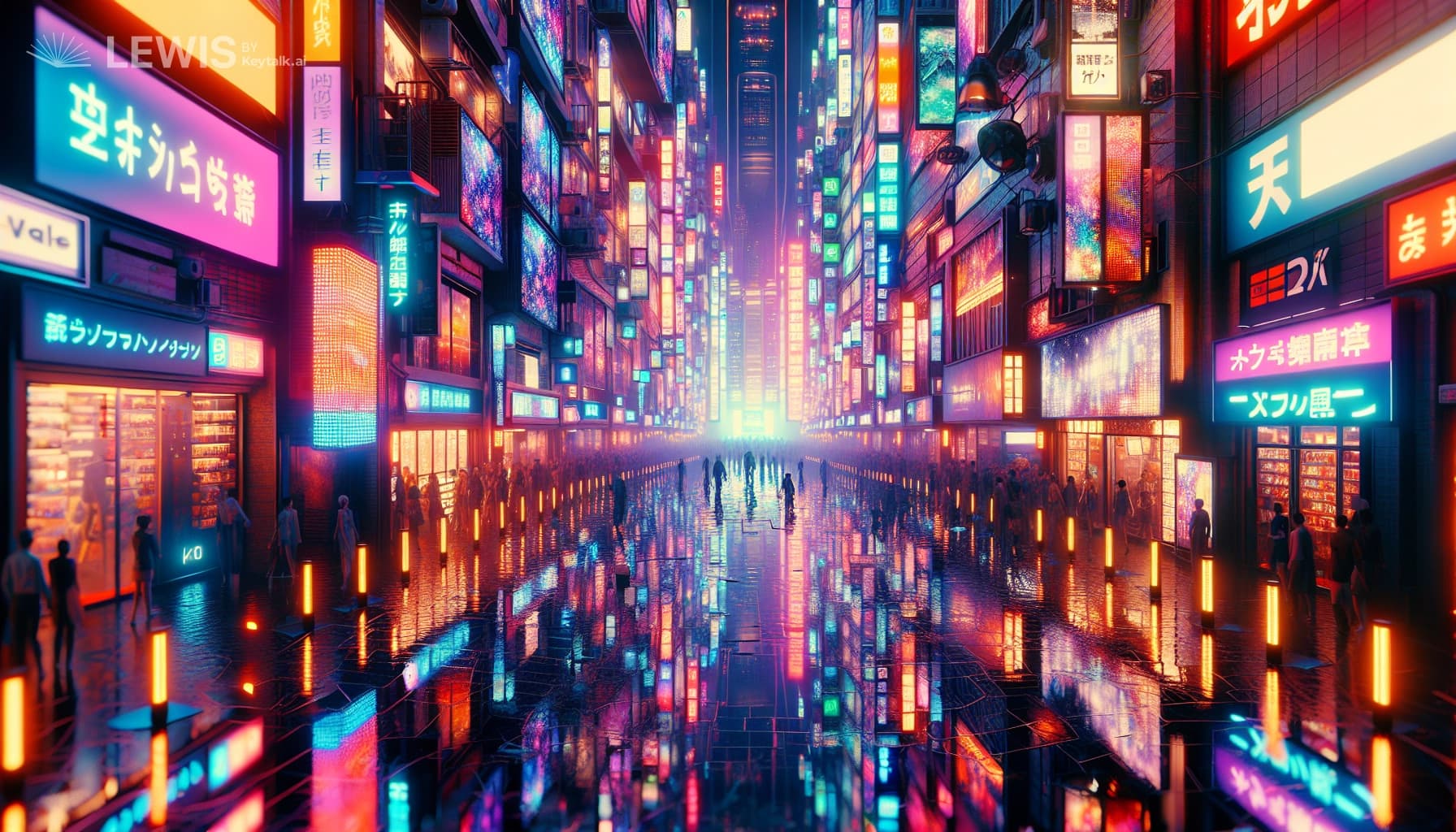
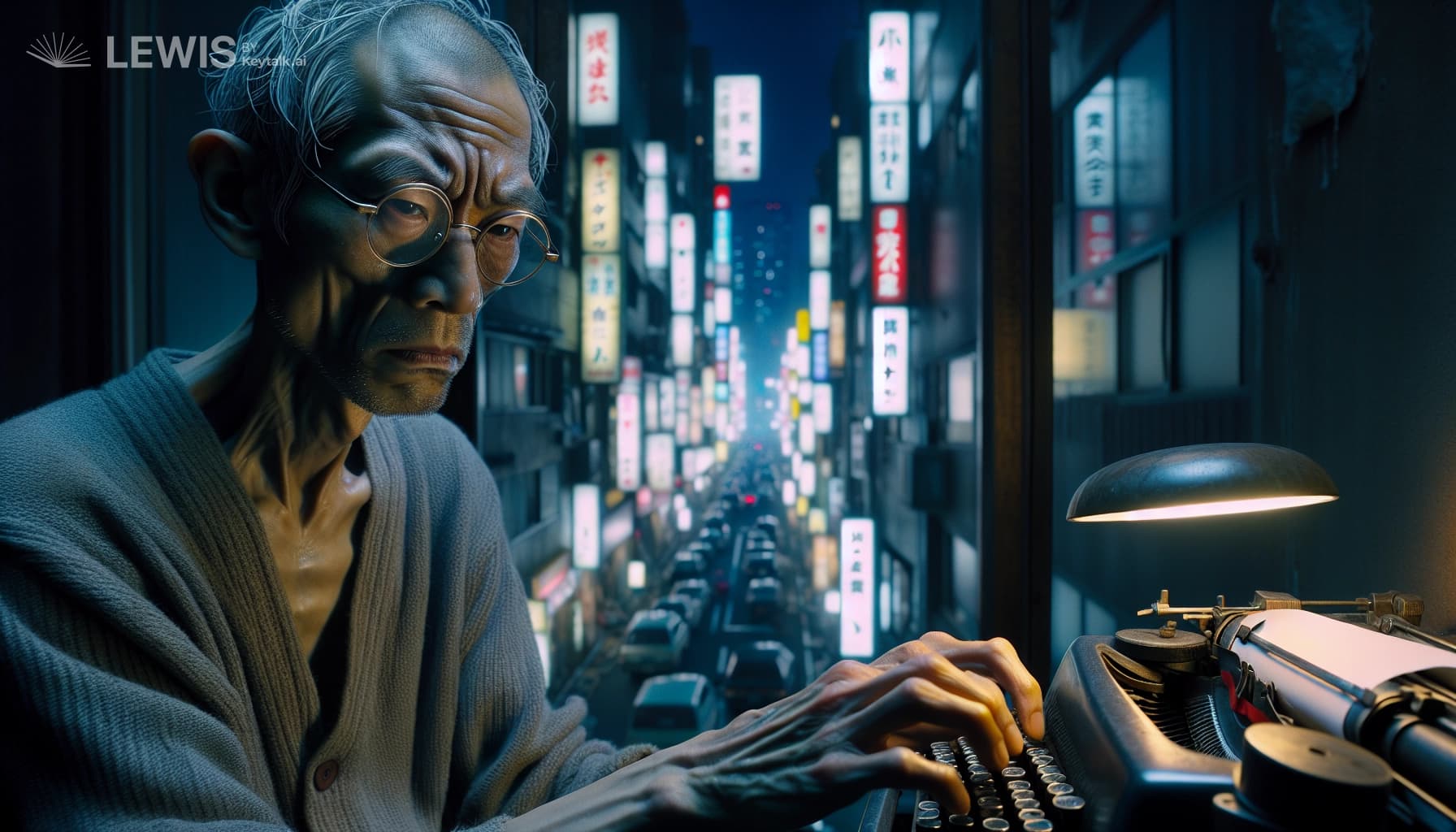
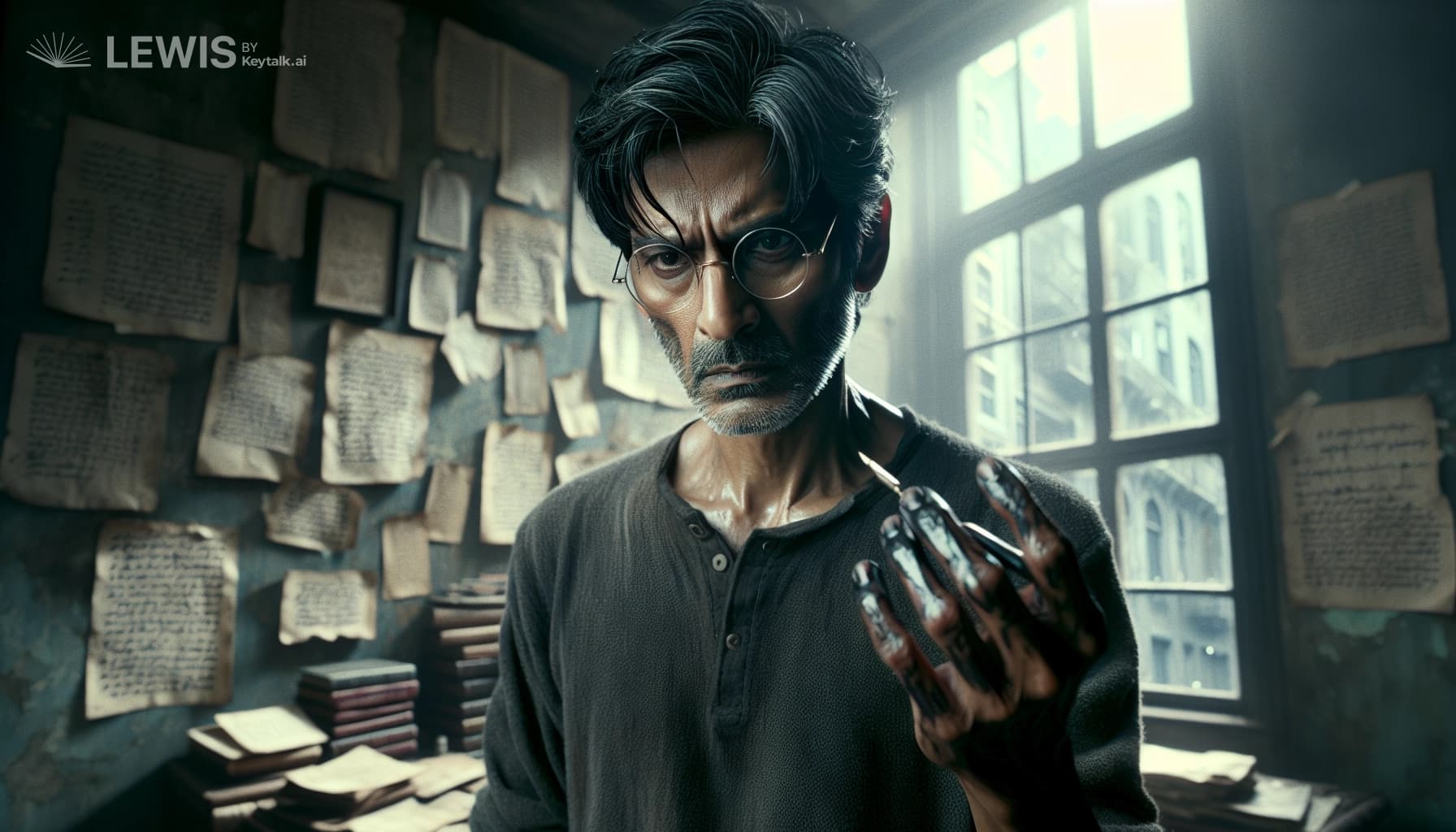
Kenji Tanaka, a writer who prided himself on his stark, unflinching portrayals of society's underbelly, finds his carefully constructed reality crumbling around him as the chilling narratives he crafts begin to seep into the neon-drenched labyrinth of Tokyo. His once fictional tales of violence, obsession, and the depths of human depravity are now echoed in the city's darkest corners, leaving Kenji to grapple with the terrifying possibility that he is not just chronicling the darkness, but conjuring it.
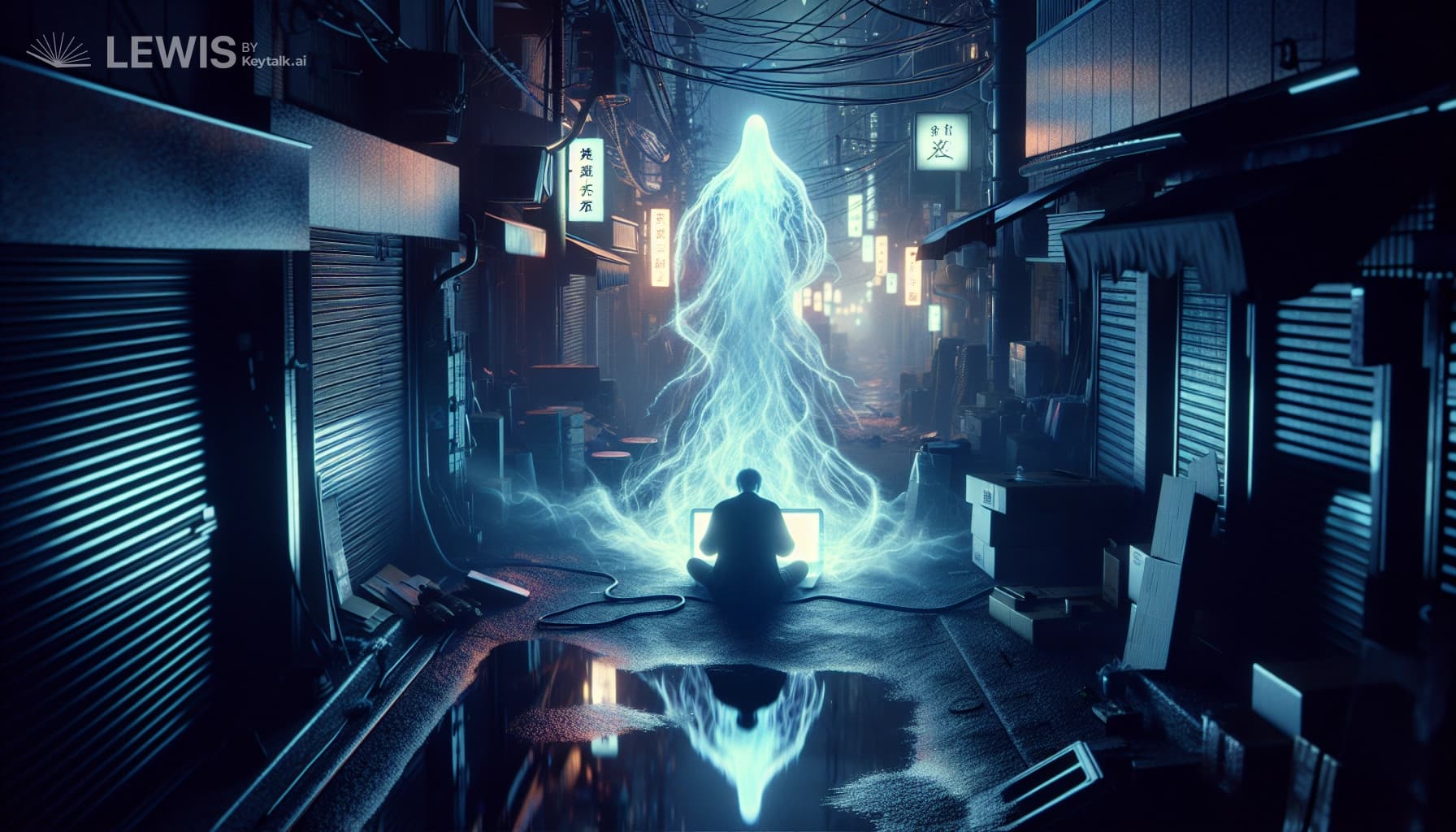
The line between imagination and reality blurs as the first of Kenji's macabre tales finds its horrifying reflection in the real world. A string of seemingly random deaths, each bearing an eerie resemblance to a scene from his latest manuscript, shatters the illusion of control Kenji clung to. The city, once a muse, morphs into a menacing entity, its pulse quickening with a malevolent energy that mirrors the escalating dread in Kenji's own heart. As the body count rises and the lines between his fiction and the city's gruesome reality continue to dissolve, Kenji is forced to confront the unsettling notion that his art is no longer confined to the page.
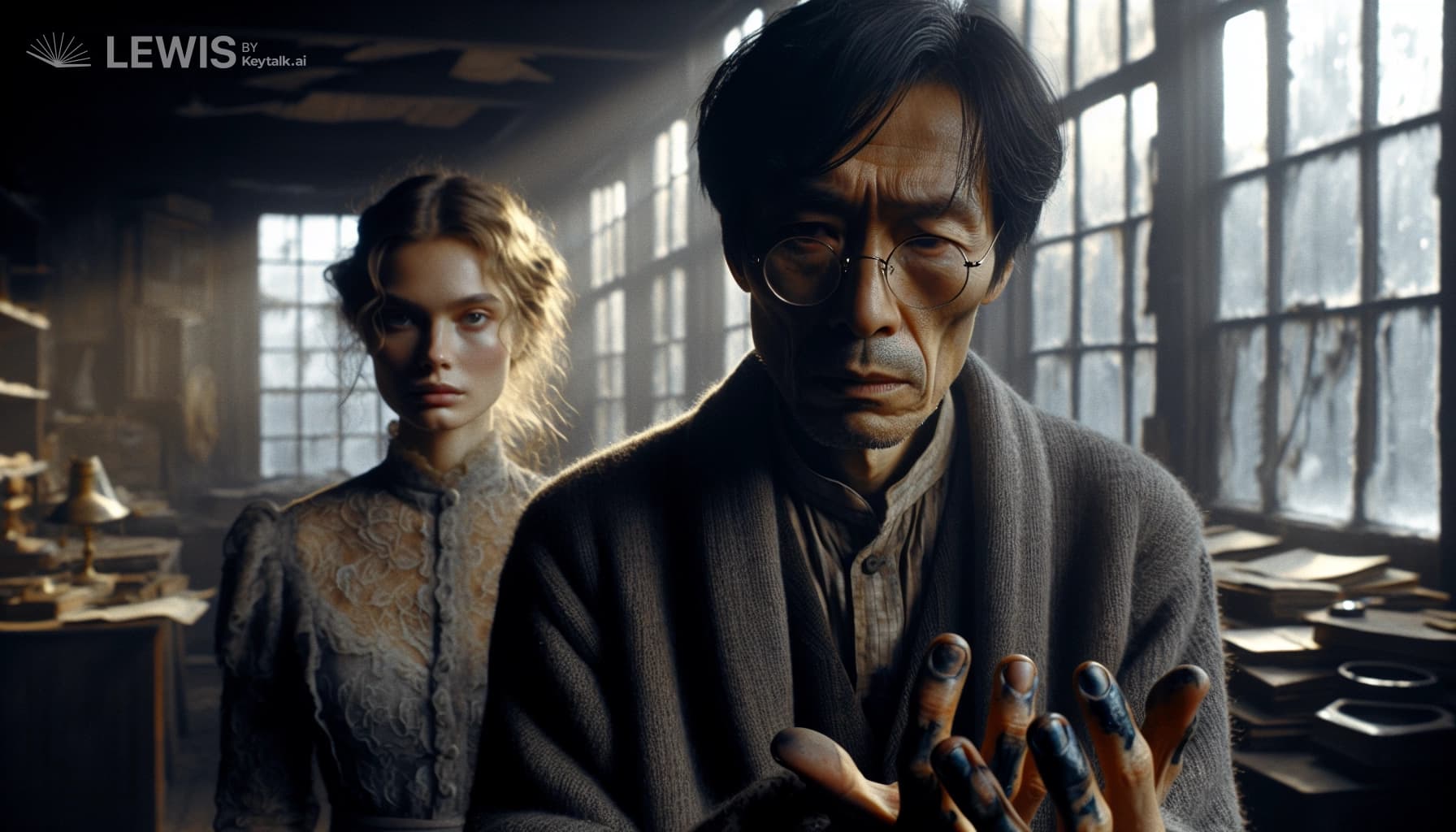
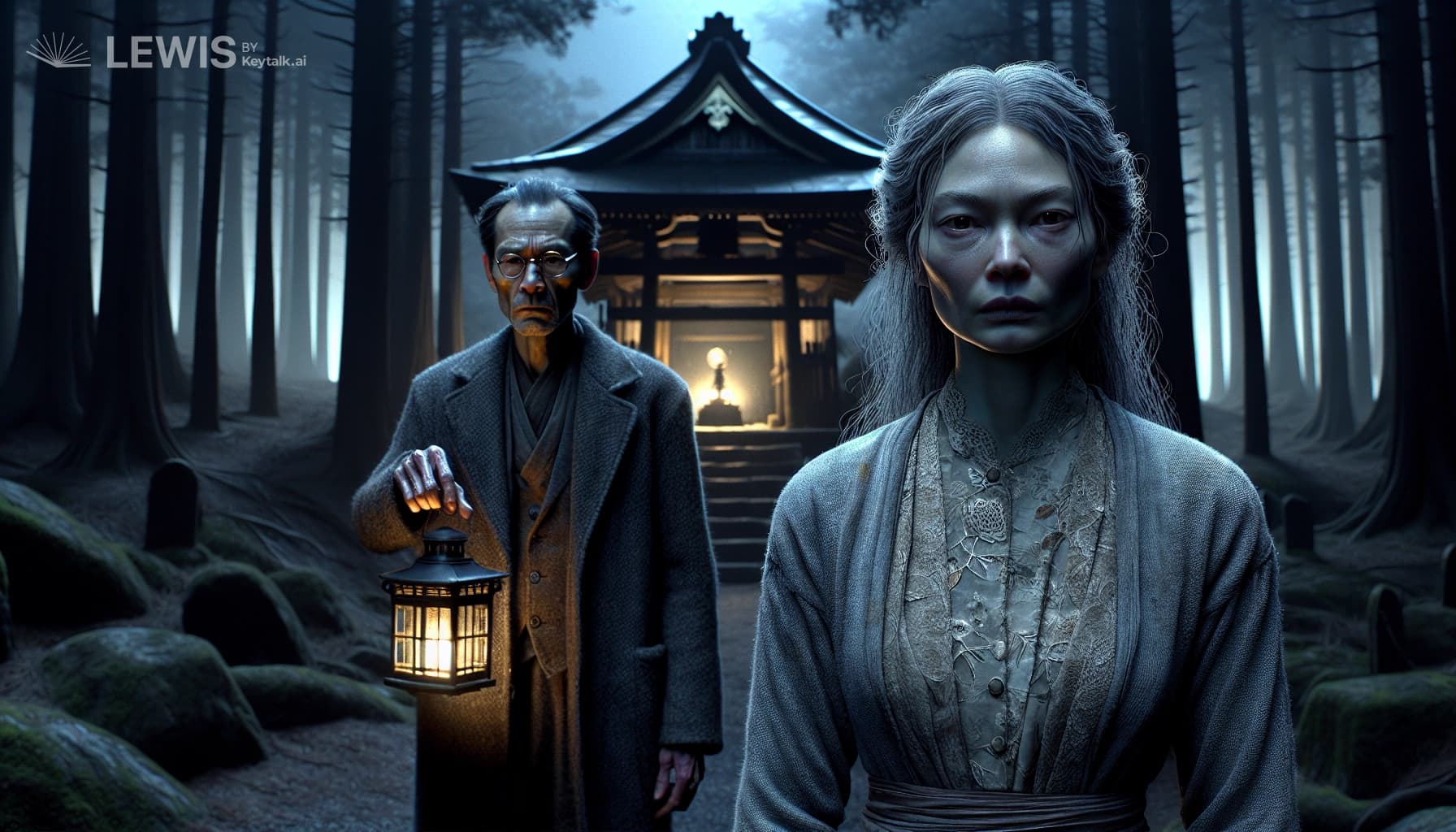
Driven by a mixture of guilt, morbid curiosity, and a desperate need to regain control of the narrative, Kenji delves into the escalating chaos, his investigation leading him to Yana Volkova, an enigmatic antiquarian with an encyclopedic knowledge of ancient lore and a network of contacts that stretched deep into the city's underbelly. Yana, intrigued by Kenji's predicament and sensing a kindred spirit in the tormented writer, agrees to help him navigate the labyrinthine world of ancient curses, forgotten rituals, and the chilling possibility that his words hold a power far beyond their literary impact.
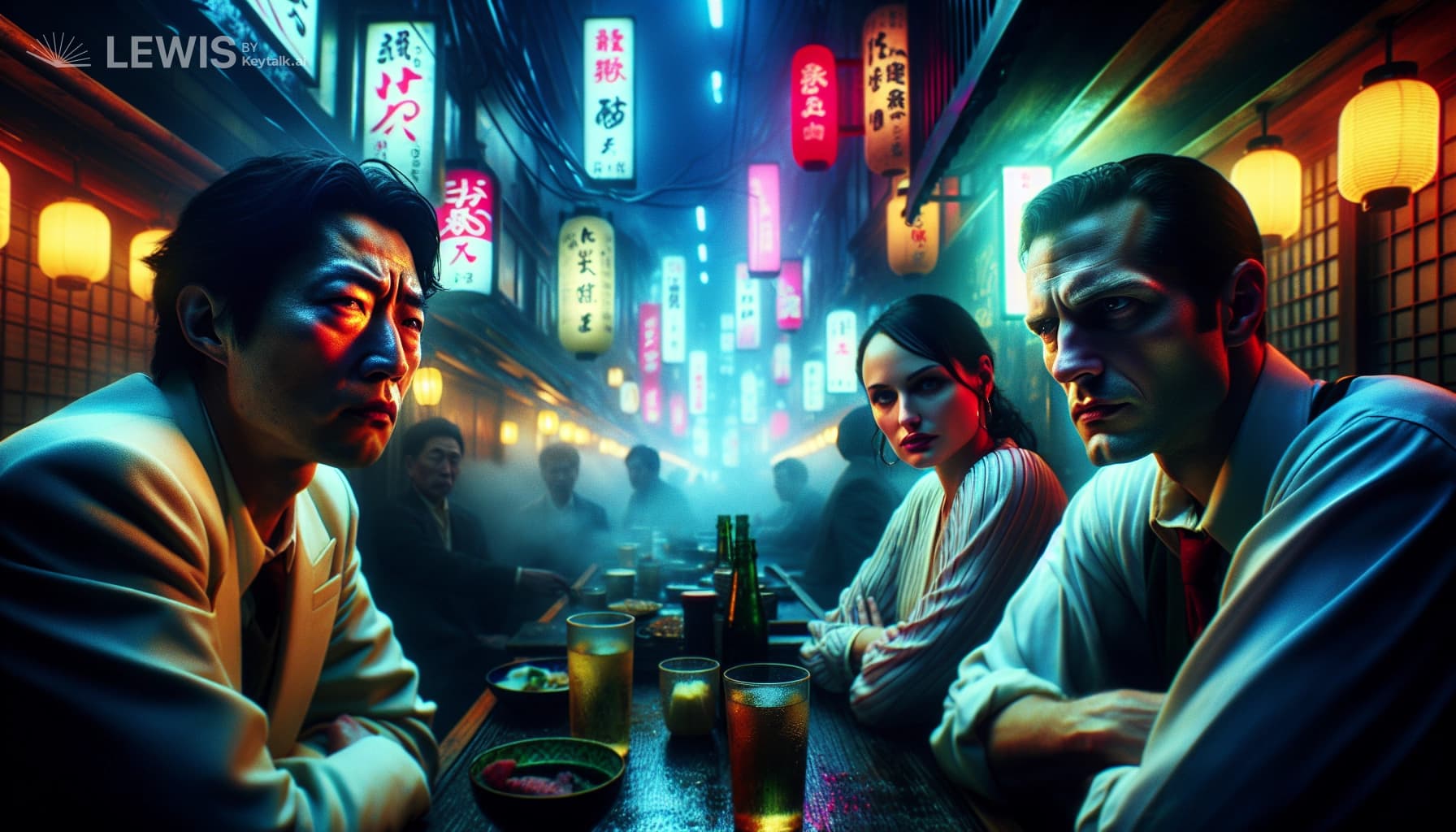
As Kenji and Yana journey deeper into the heart of the mystery, they cross paths with Grigori Dragunov, a world-weary police detective on the verge of retirement. Initially dismissive of Kenji's claims, attributing the escalating horrors to the city's usual undercurrent of violence, Grigori finds his skepticism shaken as the case unfolds, revealing connections and patterns that defy rational explanation. Bound by a shared sense of duty and a growing unease at the increasingly surreal nature of the crimes, the unlikely trio forms a fragile alliance, their individual strengths and weaknesses playing off each other as they race to unravel the mystery before the city drowns in the darkness it has inspired.
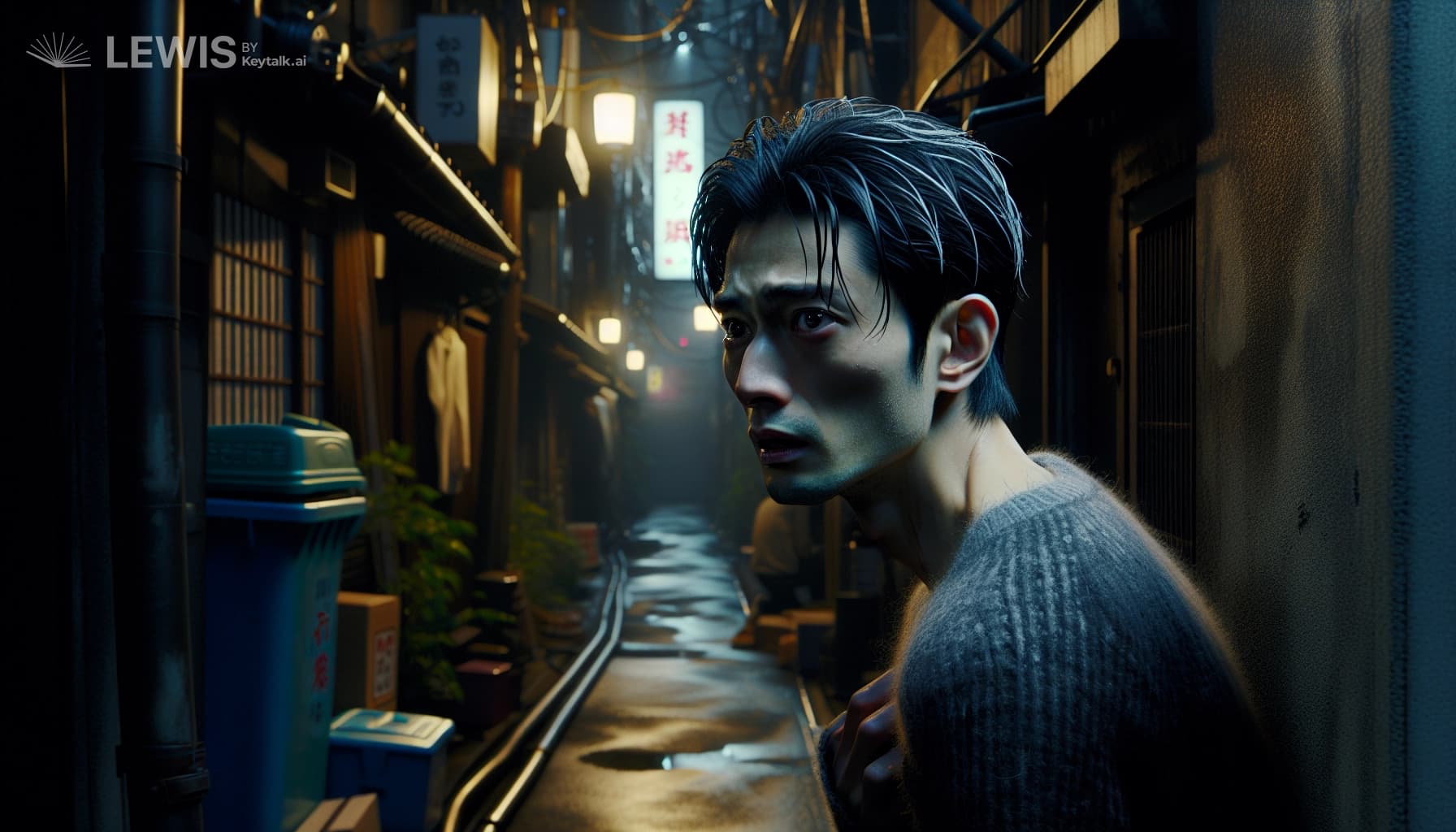
Their investigation leads them through the neon-lit arteries of Tokyo's underbelly, from opulent auction houses peddling artifacts of dubious origin to shadowed alleyways where whispers of ancient curses mingle with the city's perpetual hum. Each clue unravels another layer of the mystery, revealing a web of interconnected events that stretches back centuries, weaving a tapestry of ambition, betrayal, and a hunger for power that transcends generations. Kenji, forced to confront the darkest recesses of his own psyche, realizes that the horrors he has unleashed are not merely a reflection of society's ills, but a manifestation of his own inner demons, his art a conduit for the darkness that has festered within him.
In a climactic confrontation that blurs the lines between reality and the nightmares Kenji has poured onto the page, the writer must confront the true cost of his art. The resolution, however, is not a simple triumph of good over evil. Kenji, forever marked by the horrors he has unleashed, must accept the burden of his gift, the knowledge that his words hold the power to shape reality. He is left grappling with the moral ambiguity of his own creation, the chilling realization that the act of creation, even with the noblest of intentions, can have unintended and often devastating consequences. The city, forever scarred by the events that unfolded, slowly begins to heal, but the echoes of Kenji's dark masterpiece linger, a chilling reminder of the thin veil that separates imagination from the abyss.