Plot Synopsis
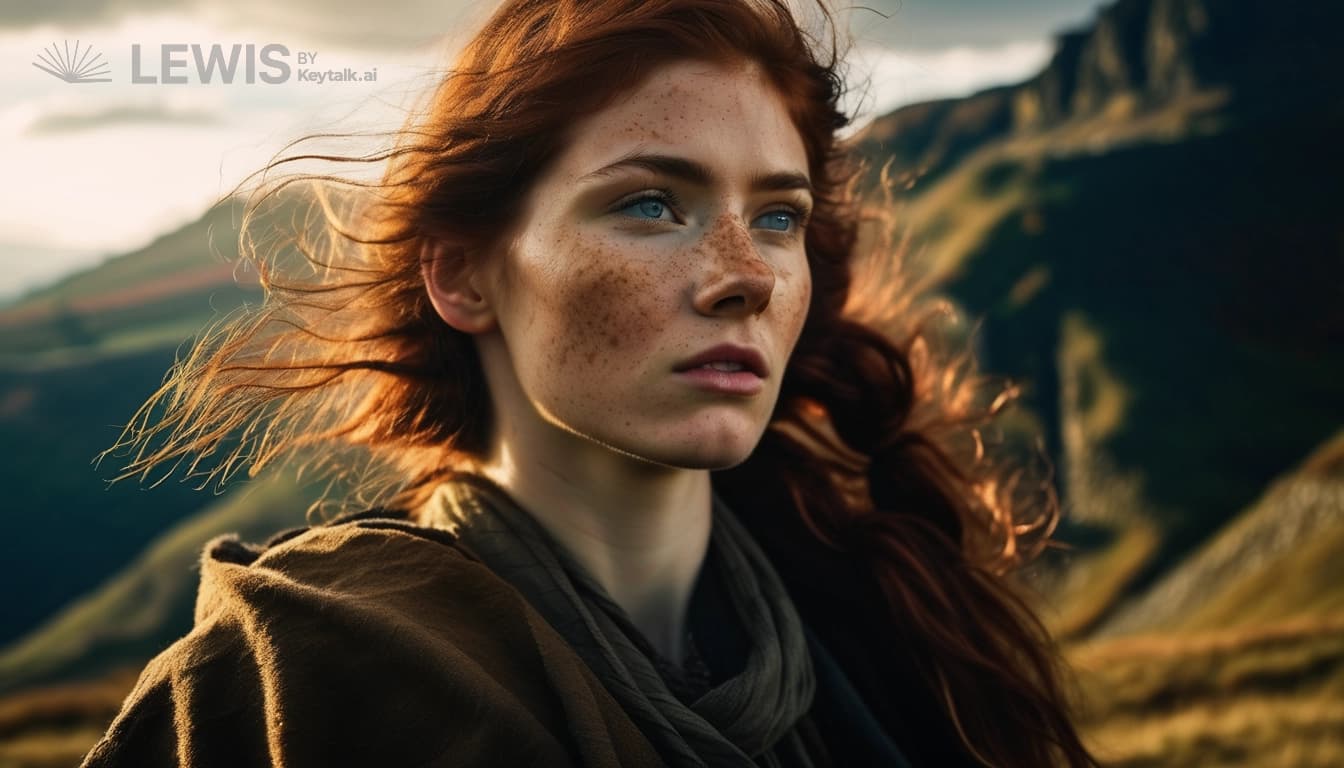
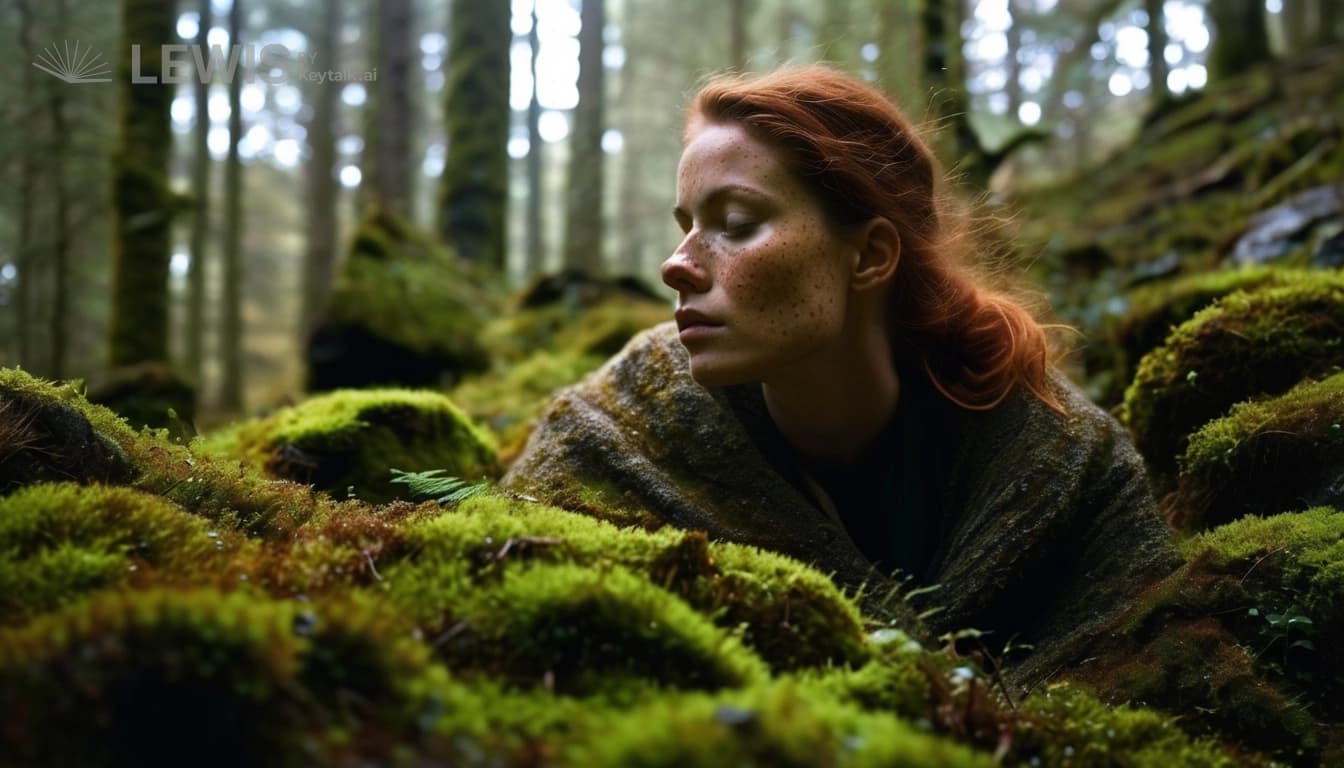
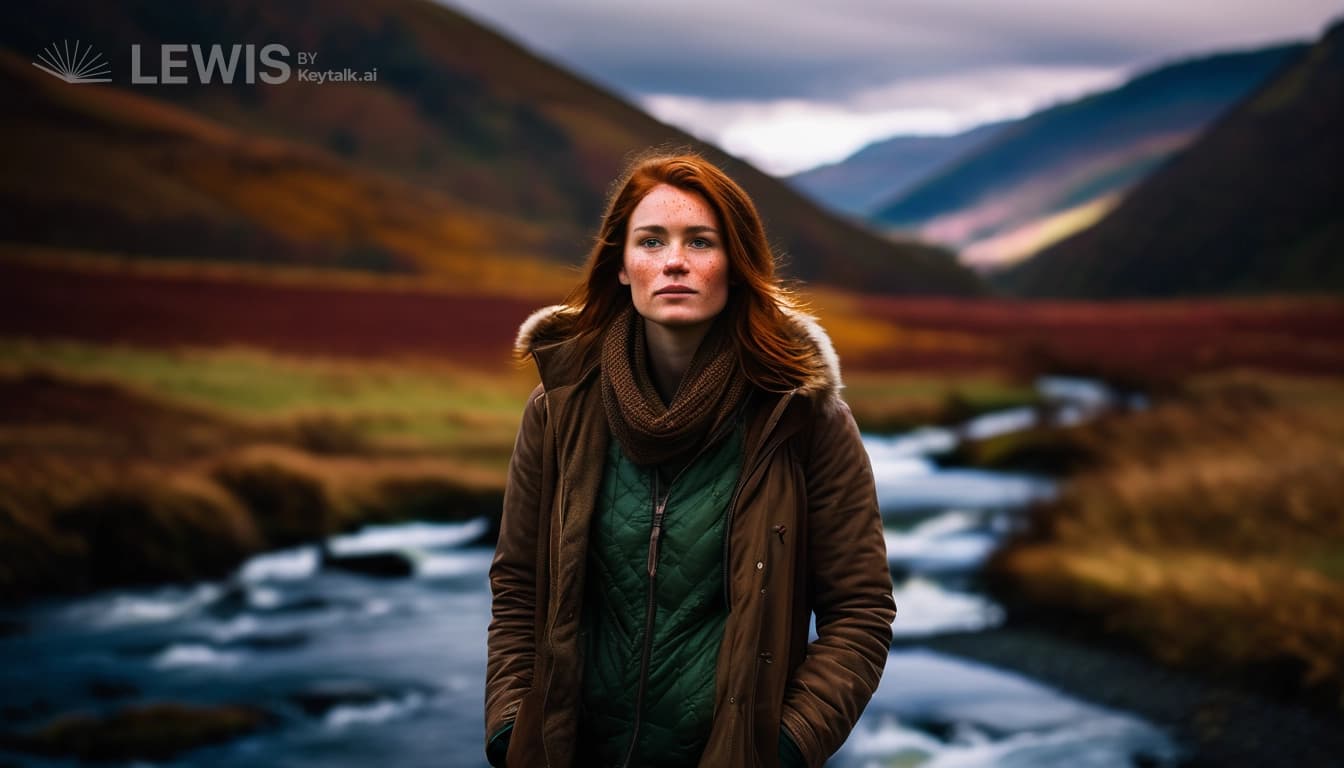
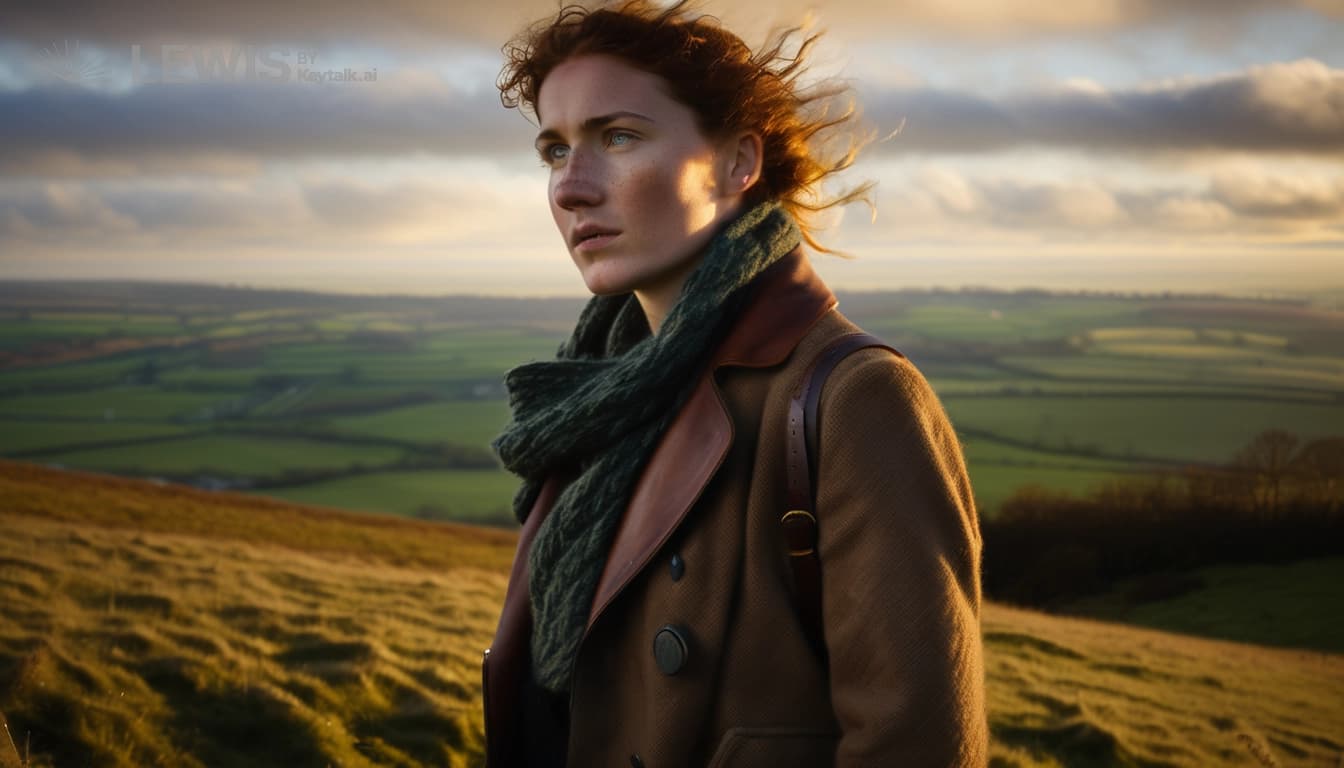
Amid the untamed beauty of the Scottish Highlands, Eilidh MacTavish, a fiercely independent archaeologist, discovers an ancient stone tablet buried beneath a moss-covered cairn. The artifact, etched with cryptic runes, radiates an eerie, almost magnetic energy, compelling her to sketch its intricate markings despite a sudden fever overtaking her. Alone in the wilderness, she collapses into a restless sleep, her dreams consumed by vivid, otherworldly visions. In these feverish reveries, she glimpses a towering wolf-like figure cloaked in shadow—a being once worshipped as a god by ancient Highland tribes. When Eilidh awakens, she feels different—her senses heightened, her mind clouded by primal instincts she cannot explain.
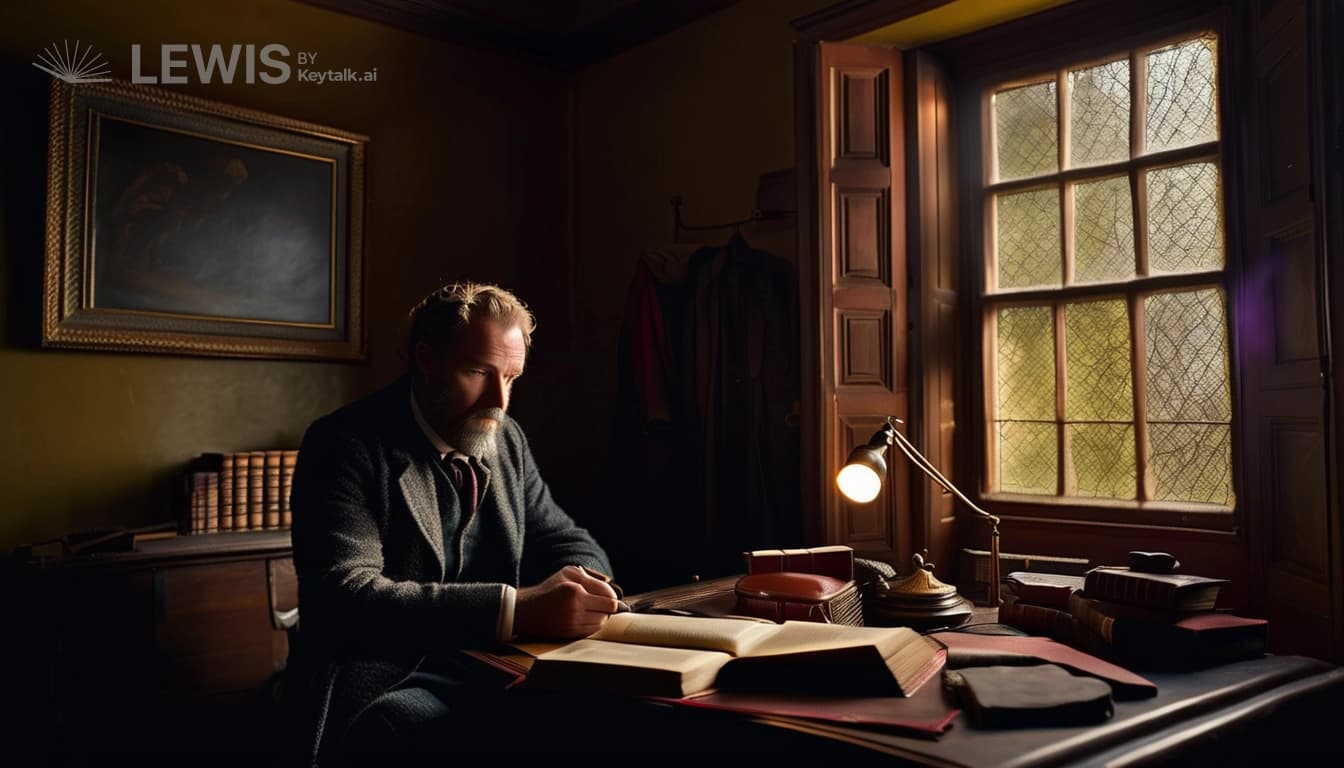
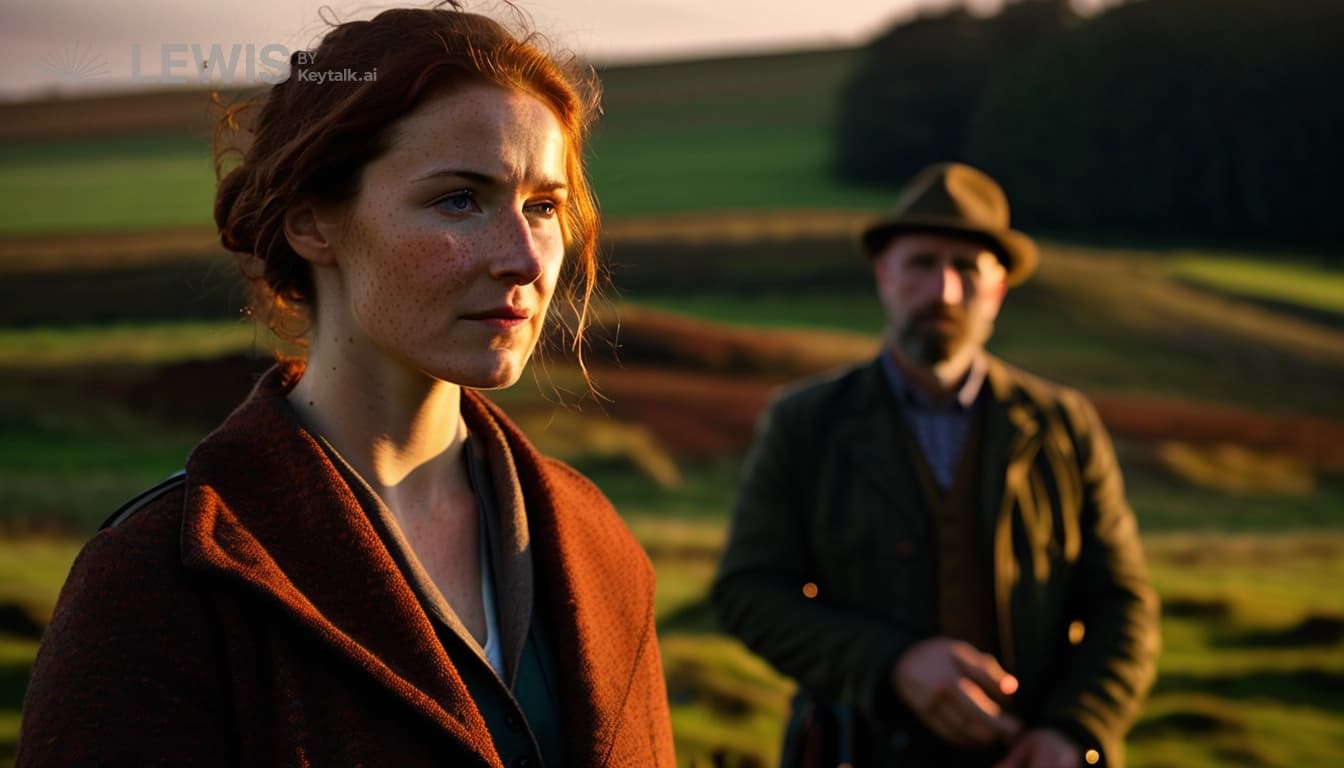
As Eilidh returns to her modest cottage, desperate to decipher the runes, she seeks the guidance of Fergus MacLeòid, an enigmatic historian known for his expertise in ancient myths. Fergus is both intrigued and alarmed by her findings, recognizing the inscriptions as a warning rather than a mere historical record. The tablet speaks of an ancestral spirit, a werewolf deity believed to be sealed away to prevent its wrath from consuming the world. Fergus senses the weight of the situation but hesitates to involve himself fully, haunted by the possibility that disturbing such myths could have real-world consequences. Meanwhile, Eilidh begins to experience unsettling changes—her reflexes sharpen, her sketching hand seemingly guided by an unseen force, and her nights plagued by dreams of hunting under a full moon.
Her path crosses with Alasdair Brodie, a folklore guide whose charm belies a deep reverence for Highland mythology. Initially skeptical of Eilidh’s claims, Alasdair becomes a reluctant ally after witnessing her unnerving transformation during a chance encounter. Her eyes flash with an animalistic gleam, and her voice takes on a guttural cadence that echoes the ancient tongue spoken in the runes. Alasdair, torn between his devotion to preserving the myths and his growing concern for Eilidh, reveals that his grandmother once spoke of the same deity—a creature capable of both protecting and destroying the land. He warns that the spirit’s reawakening could herald the return of its corporeal form, a mythical beast whose hunger knows no bounds.
As the trio delves deeper into the mystery, they uncover a ritual buried in forgotten Gaelic songs—a way to either sever Eilidh’s connection to the spirit or fully awaken its power. The choice is fraught with peril. Fergus urges caution, fearing the loss of historical truths if the spirit is eradicated entirely, while Alasdair pushes for action, arguing that the myths must remain just that—stories, not reality. Eilidh, grappling with the intoxicating lure of the wolf’s strength and the terror of losing herself, becomes the battleground for their conflicting ideals. Her sketches grow more hauntingly precise, revealing scenes she could not possibly have witnessed, as if the spirit itself is using her as its voice.
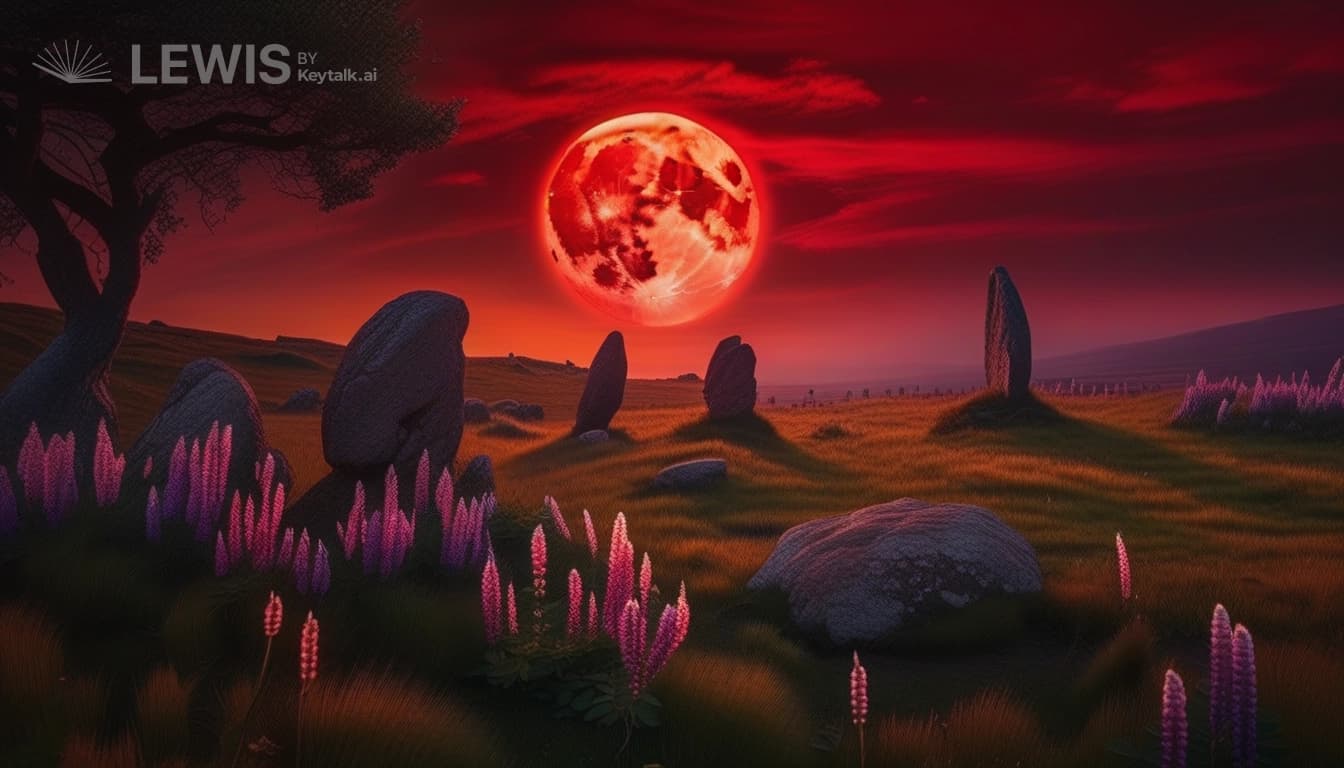
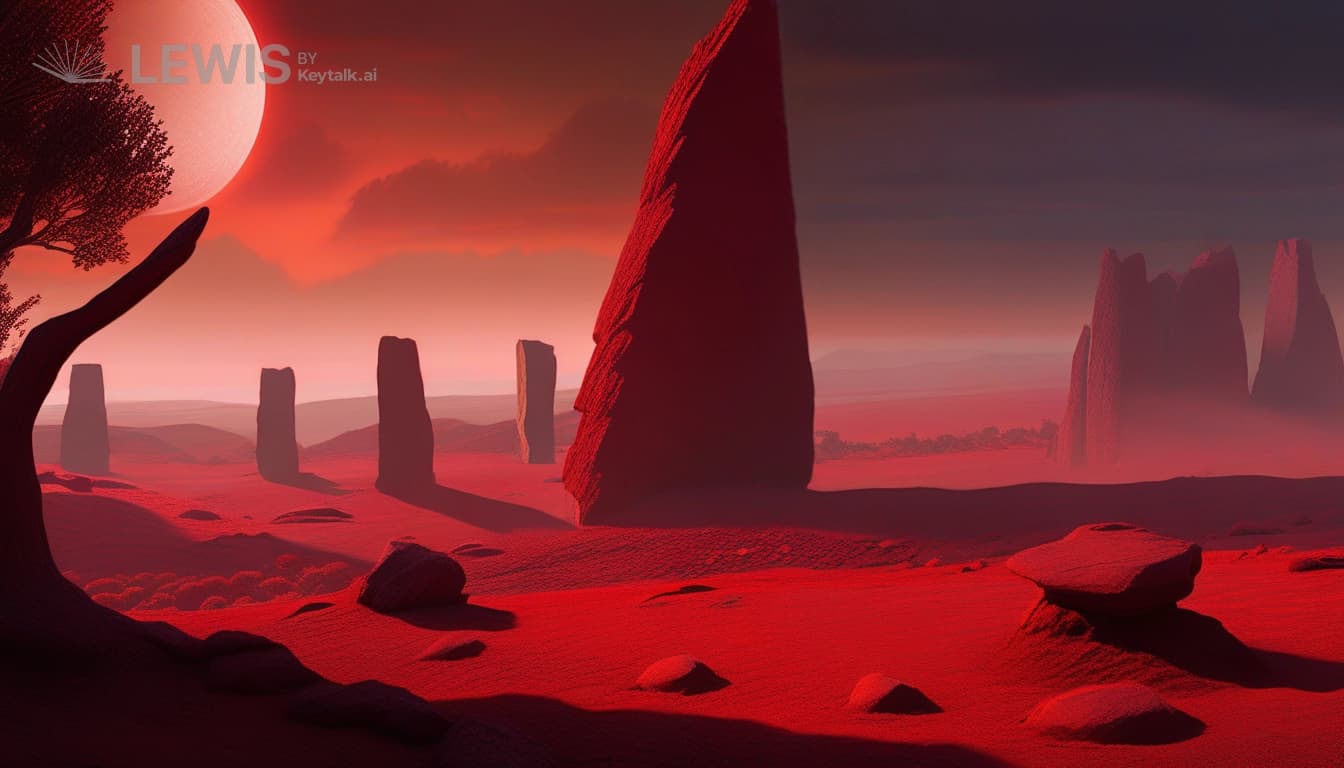
As Eilidh’s control slips further away, the spirit’s influence begins to ripple across the Highlands. Wildlife behaves erratically, and locals whisper of ghostly howls under the moonlight. The trio races to an ancient stone circle believed to be the site of the spirit’s original binding. There, under a blood-red moon, Eilidh confronts the entity within her. Her final choice is both heartbreaking and redemptive: she sacrifices the part of herself that craves the spirit’s power, using her own life force to seal the deity away once more. The ritual leaves her weakened but alive, her connection to the wolf severed, though not without scars—both physical and emotional.
In the aftermath, Eilidh retreats to the solitude of her cottage, her once-unshakable confidence tempered by the ordeal. Fergus, profoundly changed, vows to approach his work with greater humility, recognizing the dangers of treating myths as mere academic puzzles. Alasdair, meanwhile, returns to his role as a guide, his melodies on the fiddle now tinged with a bittersweet resolve. The Highlands fall quiet again, the myths preserved but never forgotten, their echoes lingering in the wind. Eilidh, though forever marked by her experience, finds solace in her sketches—now a testament to the power of history, both human and otherworldly, to shape and define the present.