Plot Synopsis
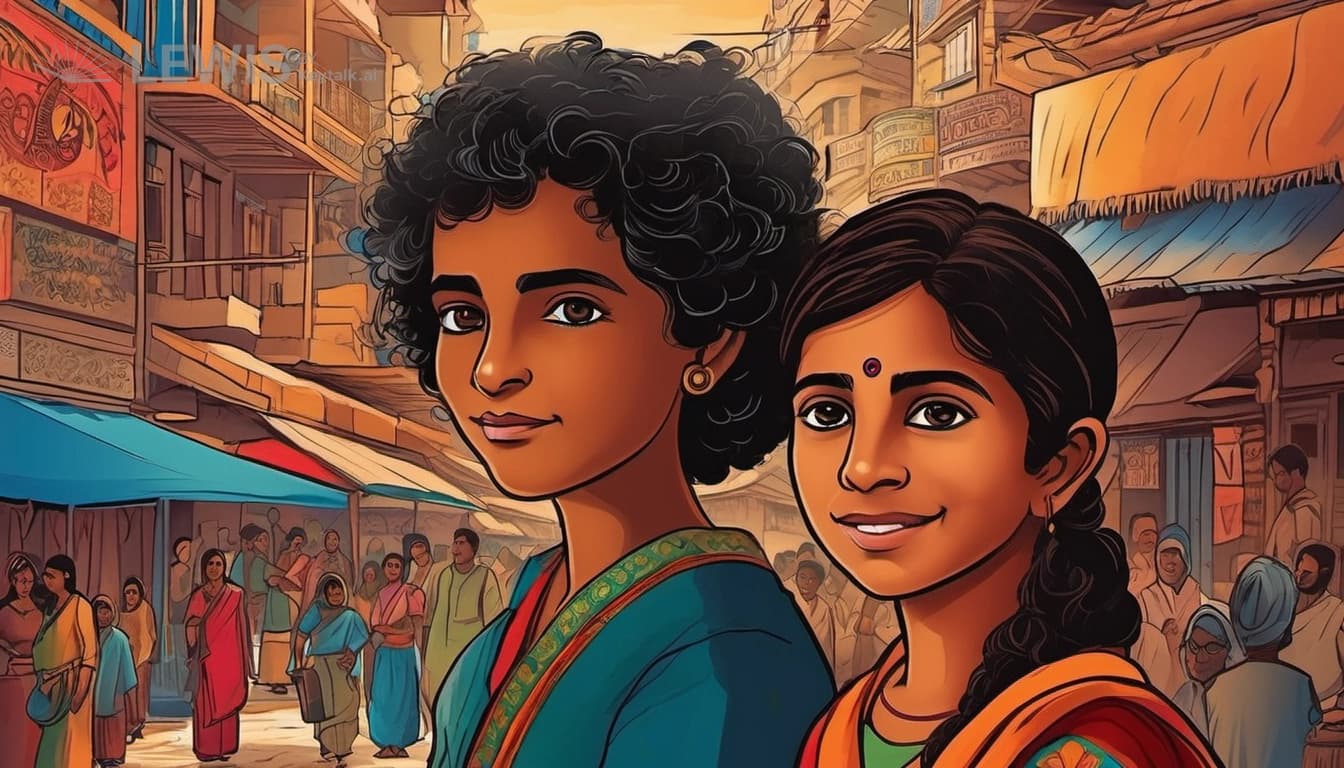
In a small town in India, 16-year-old Sushil Singh’s life follows a predictable and structured routine, deeply rooted in cultural values and family expectations. However, an unexpected twist of fate shatters this monotony when Sushil mistakenly answers a deity during a local festival. This seemingly trivial mistake triggers a magical transformation, turning Sushil into a girl overnight. The bewildering change throws Sushil and his family into turmoil, forcing them to confront the complexities of identity and acceptance in a society bound by tradition.
The initial shock of the transformation is overwhelming for Sushil. Not only does he have to grapple with his new physical reality, but he also faces an internal battle with his sense of self. His family, particularly his conservative parents, are equally thrown into disarray. They struggle to reconcile their love for their child with their adherence to societal norms and expectations. The community, too, is abuzz with gossip and speculation, with many seeing the transformation as a divine punishment or a test from the gods.
As Sushil navigates this new reality, he finds an unlikely ally in Ravi Sharma, his 17-year-old best friend and street performer. Ravi, who has always been a source of emotional support and normalcy for Sushil, stands by him steadfastly. Despite his own struggles with societal prejudices and economic hardship, Ravi’s loyalty never wavers. He helps Sushil navigate daily life, offering a sense of stability amidst the chaos. Through their friendship, the story explores themes of resilience, acceptance, and the power of human connection in the face of adversity.
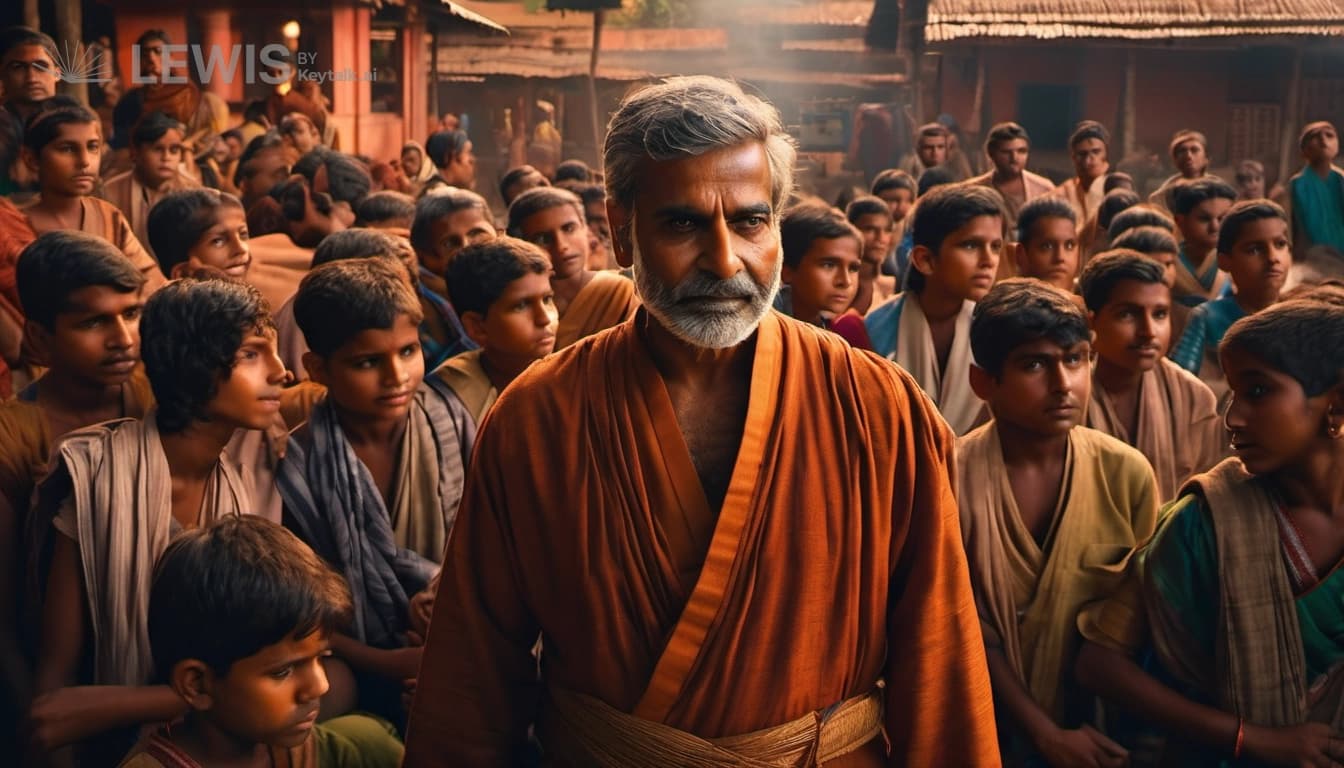
The town’s priest, Rajendra Kaushik, emerges as a formidable antagonist. At 58, Rajendra is a respected figure with deep roots in the community, known for his strict adherence to traditional values. He views Sushil’s transformation as a threat to the established social order and religious orthodoxy. Driven by the need to maintain control and order, Rajendra confronts Sushil and his family, enforcing societal pressures and expectations. However, Rajendra’s actions are also fueled by his internal struggles with fear of change and loss of control, creating a complex character who embodies the conflict between tradition and progress.
As tensions rise, Sushil’s journey becomes one of self-discovery and courage. He begins to find strength in his new identity, challenging societal norms and familial expectations. His interactions with the community and confrontations with Rajendra highlight the broader themes of the story: the struggle for acceptance, the clash between tradition and individuality, and the transformative power of understanding and empathy. Sushil’s family, too, undergoes a transformation, slowly beginning to see their child’s true self beyond the constraints of societal labels.
The climax of the story sees a dramatic confrontation between Sushil’s family and Rajendra, culminating in a moment of revelation and acceptance. Rajendra, faced with the undeniable humanity and bravery of Sushil, begins to question his own rigid beliefs. The resolution sees the community coming together, albeit slowly, to embrace change and acceptance. Sushil’s journey from confusion and fear to self-acceptance and strength offers a poignant commentary on the power of love and understanding in overcoming prejudice and tradition.
In the end, Sushil’s transformation becomes a catalyst for broader change within the community. His story is one of resilience and courage, highlighting the importance of staying true to oneself in the face of adversity. The narrative concludes with a sense of hope and progress, as Sushil and his family find a new normal, embracing their new reality with strength and understanding. Through this journey, the story underscores the enduring power of identity, acceptance, and the human spirit’s capacity for growth and change.