Plot Synopsis
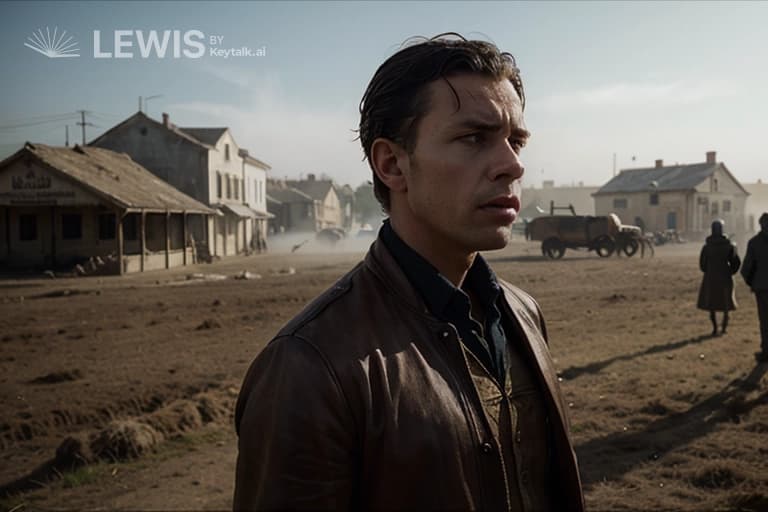
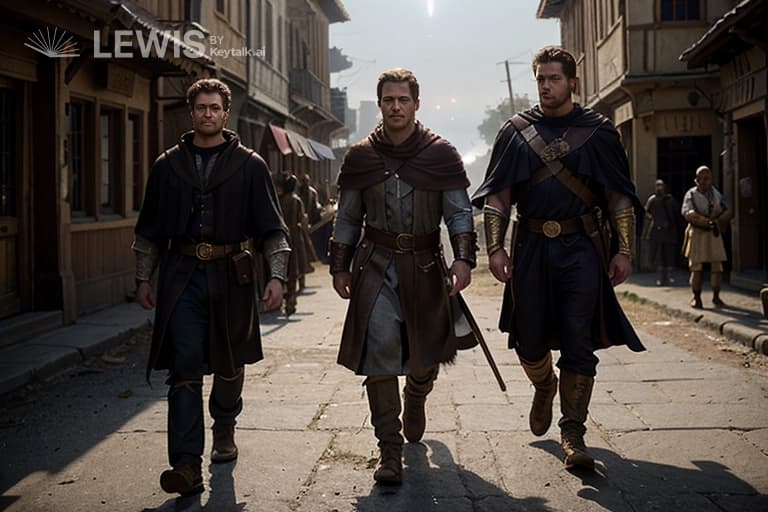
In the shadow of the Black Death that sweeps mercilessly across 17th century Europe, Alaric von Hohenberg, a fallen nobleman, scours the land for relics of the past. Once revered, Alaric now clings to the hope of reclaiming his lost wealth and status through the pursuit of ancient artifacts. His obsession leads him to a forsaken crypt, where he discovers a relic rumored to grant unimaginable riches. The artifact, however, is more than it seems, and its unearthing sets in motion events that will tear at the very fabric of his town's existence.
As Alaric delves deeper into the artifact's secrets, he crosses paths with Mordecai Grimsborough, an exiled alchemist with a history as dark as the tomes he studies. Their fates entwine when Mordecai recognizes the artifact's true nature—a cursed object that once belonged to his ancestors, capable of unleashing destruction. Mordecai, consumed by his quest for knowledge and power, views the artifact as a means to reclaim his lost honor and satisfy his avarice. Unbeknownst to both men, their actions have already begun to stir the town's hidden darkness.
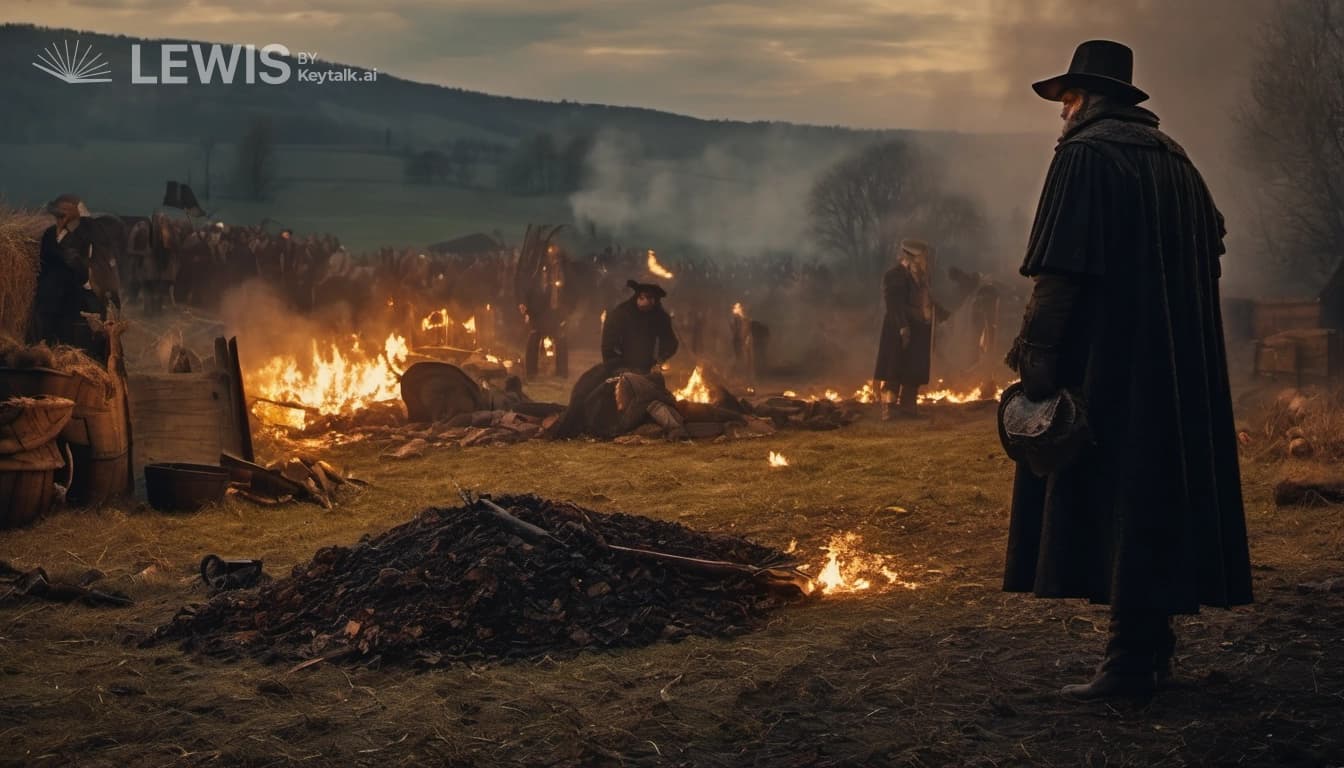
The town, teetering on the brink of chaos due to the plague, starts to witness inexplicable calamities following the artifact's discovery. Livestock perish, crops wither, and an ominous fog encircles the town, as if the land itself is reacting to the relic's influence. Alaric and Mordecai, once united by their greed, find themselves at odds, each blaming the other for the misfortunes befalling their community.
Enter Caspar Gildenroot, a young apothecary's apprentice with a keen intellect and knowledge of ancient texts. He becomes an unexpected ally to Alaric, deciphering the cryptic inscriptions on the artifact that hint at a ritual to contain its power. Caspar, struggling with his own ambitions and the contempt of the townspeople, finds purpose in aiding Alaric, hoping that his skills will be recognized and his lowly status overcome.
As the plague intensifies, so too does the artifact's curse. Visions of avarice and power plague Alaric's mind, revealing the greed that once cost him his nobility. He is tormented by the realization that his relentless pursuit of wealth has brought ruin upon his people. Mordecai, witnessing the suffering he has helped to exacerbate, confronts the grim truth of his own moral decay and the dire consequences of his thirst for power.
In a pivotal moment, Alaric and Mordecai are faced with the choice to either continue their quest for personal gain or to sacrifice their desires for the greater good. The artifact, they learn, requires a noble act to counteract its curse—a selfless sacrifice. Caspar, embodying the innocence and altruism that both Alaric and Mordecai have lost, steps forward, willing to give up his life to end the town's suffering.
As the ritual commences, Alaric experiences an epiphany. The visions of avarice fade, replaced by a newfound clarity. In a twist of fate, he offers himself in place of Caspar, realizing that true nobility lies not in wealth but in the willingness to protect and serve his people. Mordecai, moved by Alaric's act, aids in completing the ritual, and together, they succeed in containing the artifact's power.
The narrative culminates in the lifting of the curse and the gradual recovery of the town. Alaric's sacrifice becomes the catalyst for healing, his name synonymous with redemption. Mordecai, no longer exiled, dedicates his life to undoing the ills his pursuit of power has caused. Caspar, honored for his bravery and knowledge, rises above his humble beginnings. The artifact, once a symbol of avarice, now lies dormant, its power sealed by the very nobility it sought to corrupt. In the end, the town's dark secrets are laid bare, and its people emerge wiser and more united, understanding that their survival hinges not on wealth or status, but on the strength of their community and the selflessness within their hearts.