Plot Synopsis
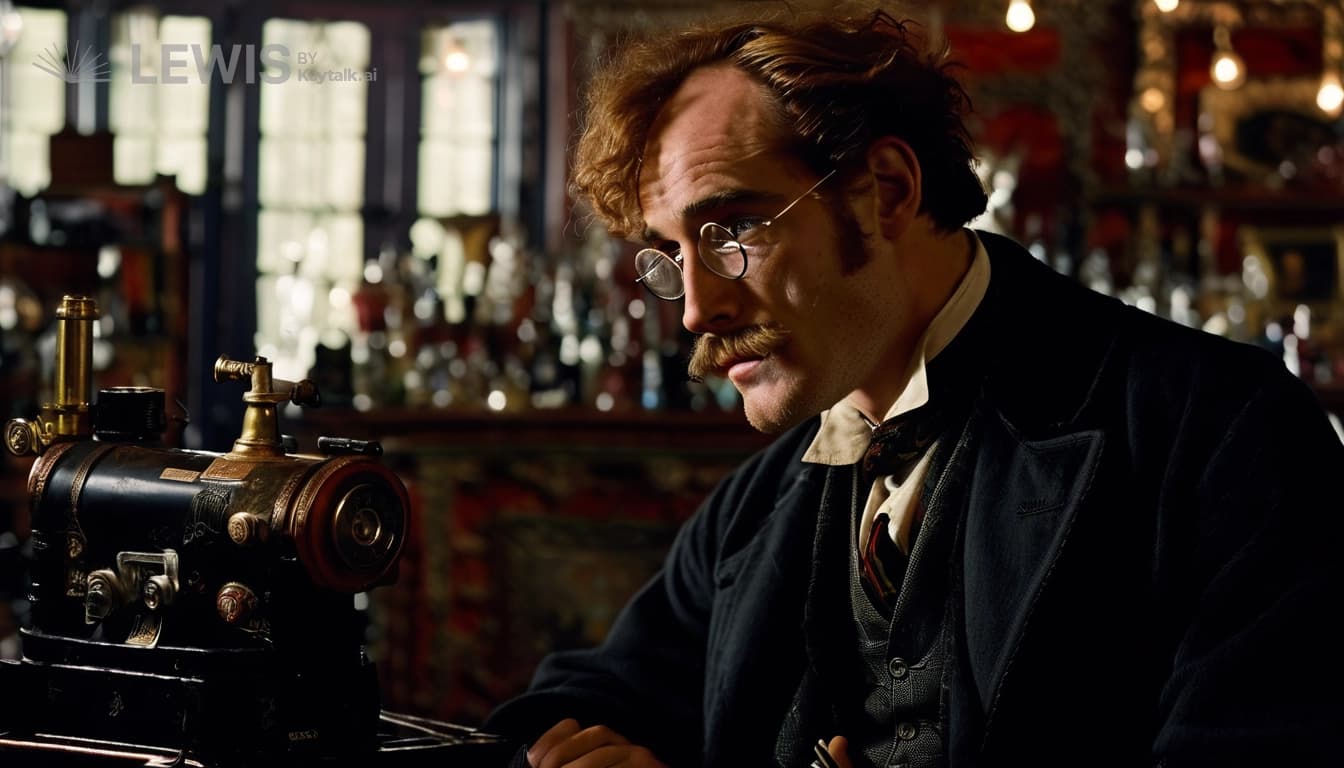
In the bustling heart of Victorian London, where the fog clings to cobblestone streets and gas lamps flicker in the night, an eccentric inventor-turned-comedian named Percival Thistleton captivates audiences with his whimsical performances. With untamed auburn hair and round spectacles precariously perched on his nose, Percival's chaotic genius and bizarre gadgets transform the music halls into realms of mechanical wonder. Raised in a household that valued intellect over emotion, Percival's insatiable curiosity and knack for invention are rivaled only by his social awkwardness, which he masks with humor. As his popularity rises, he dreams of making people laugh and yearns for a connection beyond the gears and circuits of his creations.
Percival's inventive performances catch the attention of Reginald Ashford, a 42-year-old industrialist whose sharp mind and calculated ambition have propelled him to the apex of London's manufacturing world. With piercing grey eyes and a meticulously groomed appearance, Reginald embodies the relentless pursuit of efficiency and progress. Raised in a modest household, his ascent to wealth has instilled in him a profound respect for hard work, but also a certain ruthlessness. Seeing potential profit in Percival's gadgets, Reginald approaches him with a proposition to commercialize his inventions. However, Percival's desire to create joy rather than profit leads to a comedic battle of wits and will between the two men.
In the midst of this struggle, Percival meets Colette Dubois, a 30-year-old vaudeville performer whose charisma and complexity rival his own. Hailing from a modest French family, Colette moved to London in pursuit of her dreams, bringing an infectious joie de vivre that captivates audiences nightly. Despite her success, she grapples with the transient nature of show business and yearns for a deeper connection. Her sharp wit and impeccable timing complement Percival's whimsical exclamations, and their shared passion for performance creates an immediate bond. Colette's curiosity about mechanical wonders and her desire for validation draw her into Percival's world, challenging both to seek genuine human connections.
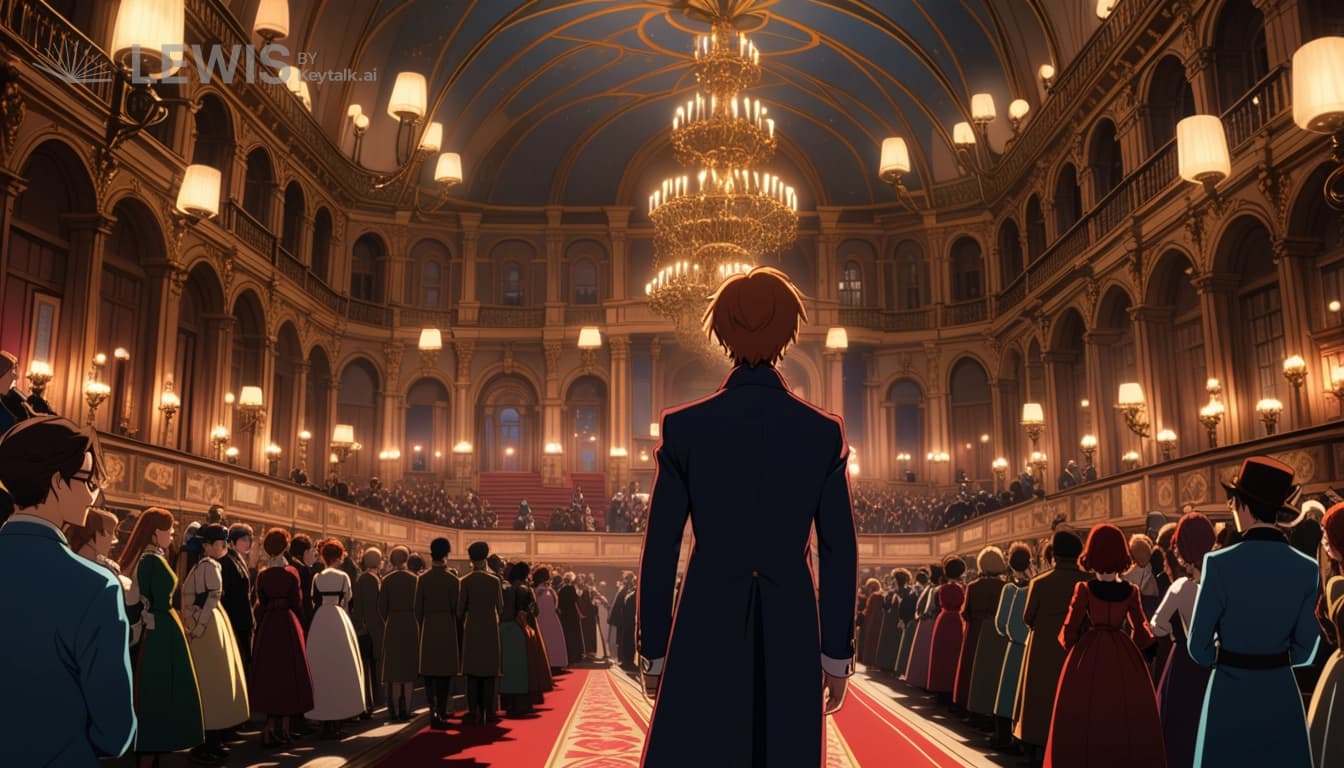
As Percival and Colette's friendship deepens, they join forces to create a spectacular show that combines their talents, drawing even larger crowds. However, Reginald's relentless pursuit of commercialization threatens their creative freedom. He attempts to sabotage their performances, believing that controlling Percival's inventions will secure his place in an ever-advancing industrial age. The resulting antics and misunderstandings provide a rich vein of comedy, yet underlying these conflicts is a poignant exploration of the characters' fears and desires.
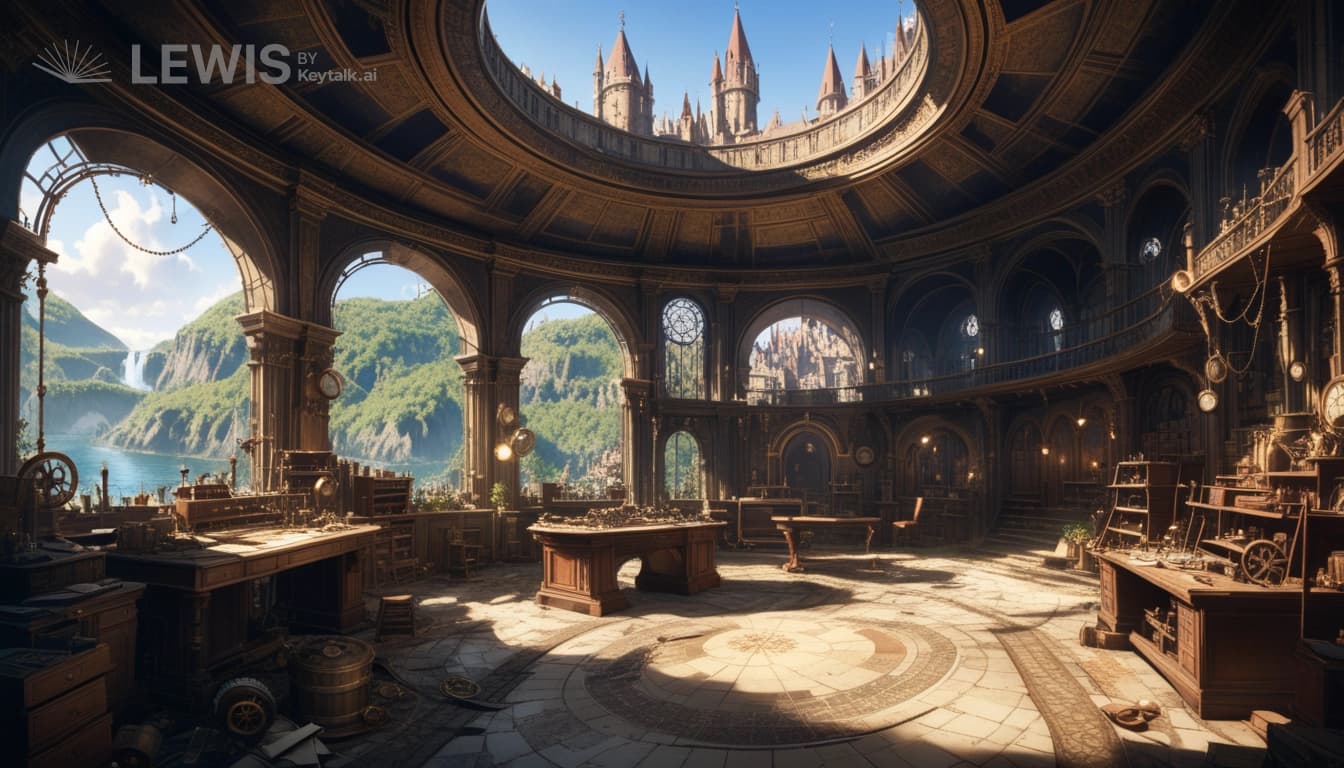
In a climactic showdown, Percival's workshop becomes the battleground for innovation and integrity. Reginald's attempts to harness and commercialize the inventions lead to a cascade of mechanical mayhem. Percival's overconfidence and propensity for distraction nearly cost him everything, but with Colette's help, he manages to outwit Reginald. The chaos culminates in a spectacular performance that not only showcases their talents but also underscores the importance of creativity and human connection over profit.
In the end, Percival and Colette's partnership blossoms into a deeper relationship, providing the genuine connection Percival had longed for. Reginald, faced with the realization that his relentless pursuit of profit has left him isolated, begins to reevaluate his priorities. The story concludes with Percival and Colette continuing their performances, bringing joy to Victorian London while staying true to their artistic integrity. Their journey highlights the timeless struggle between innovation and commercialization, and the enduring need for human connection in an ever-changing world.