Plot Synopsis
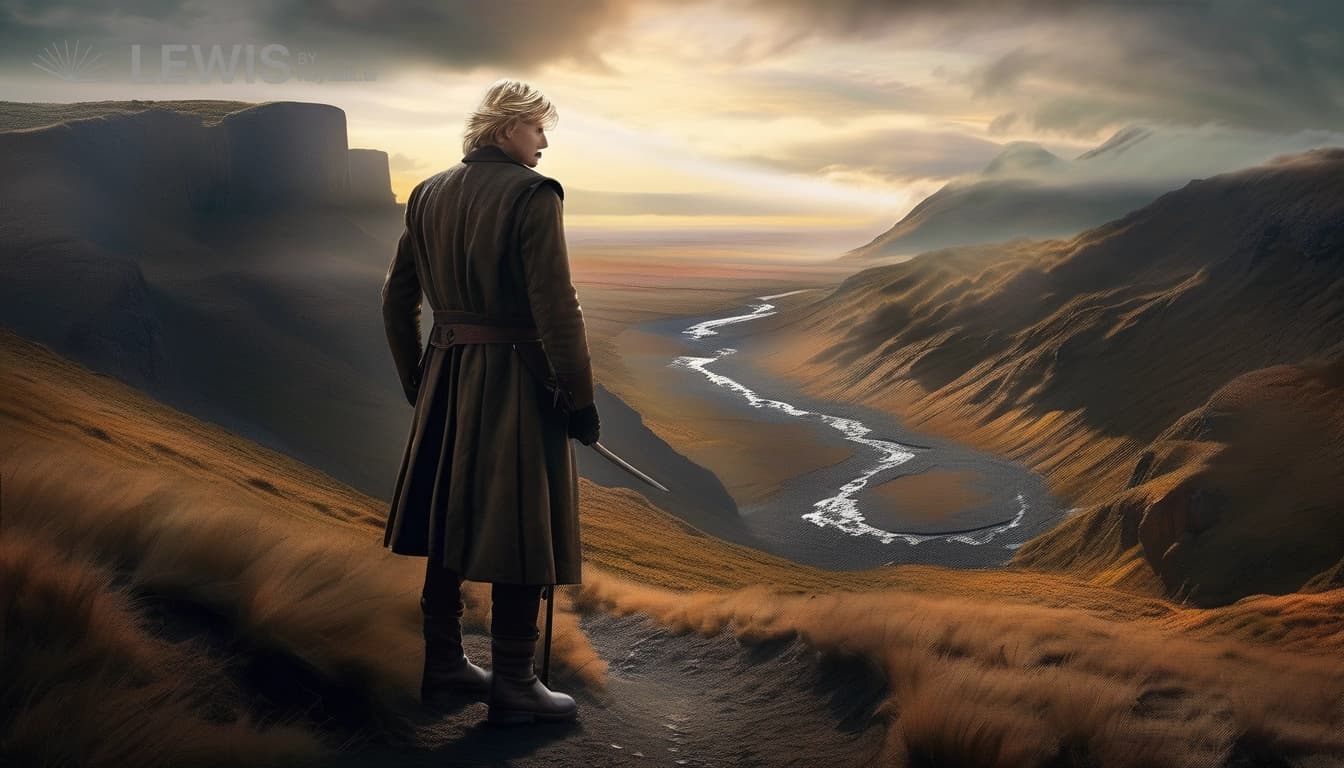
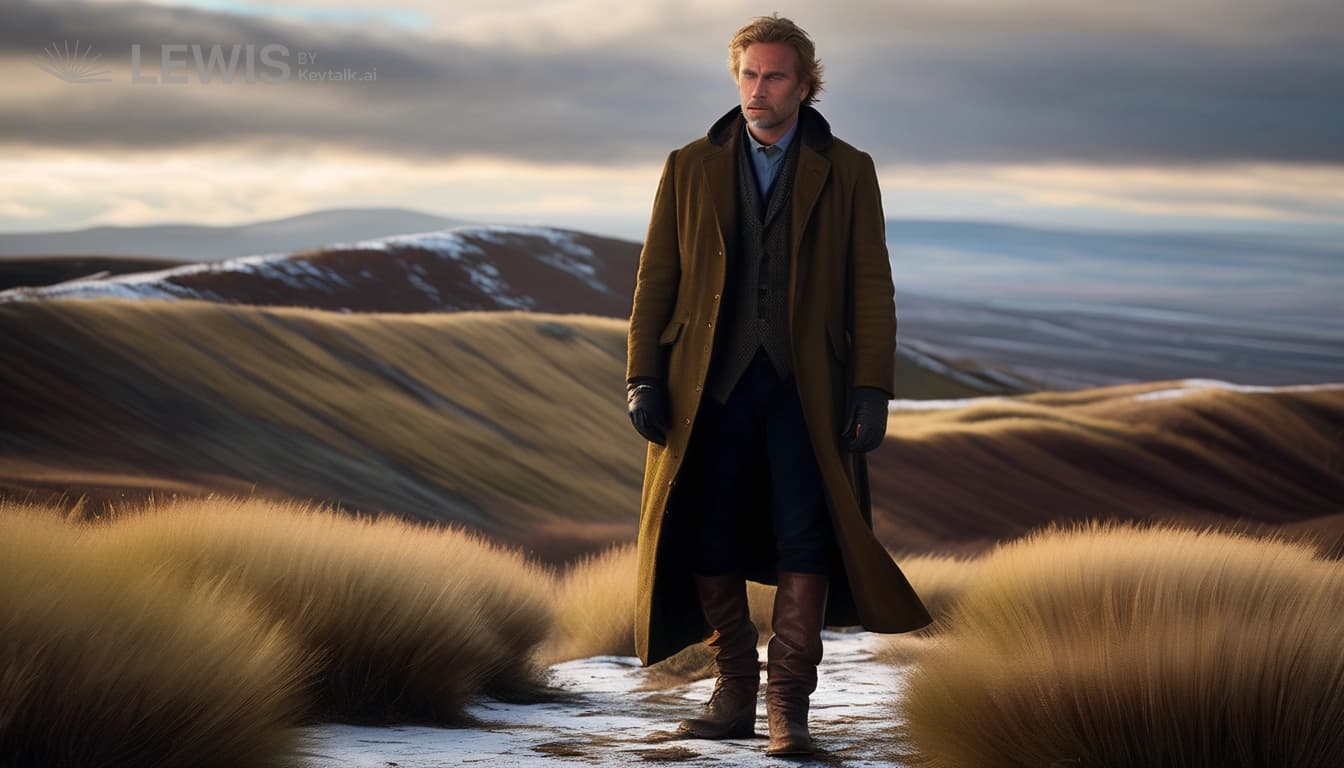
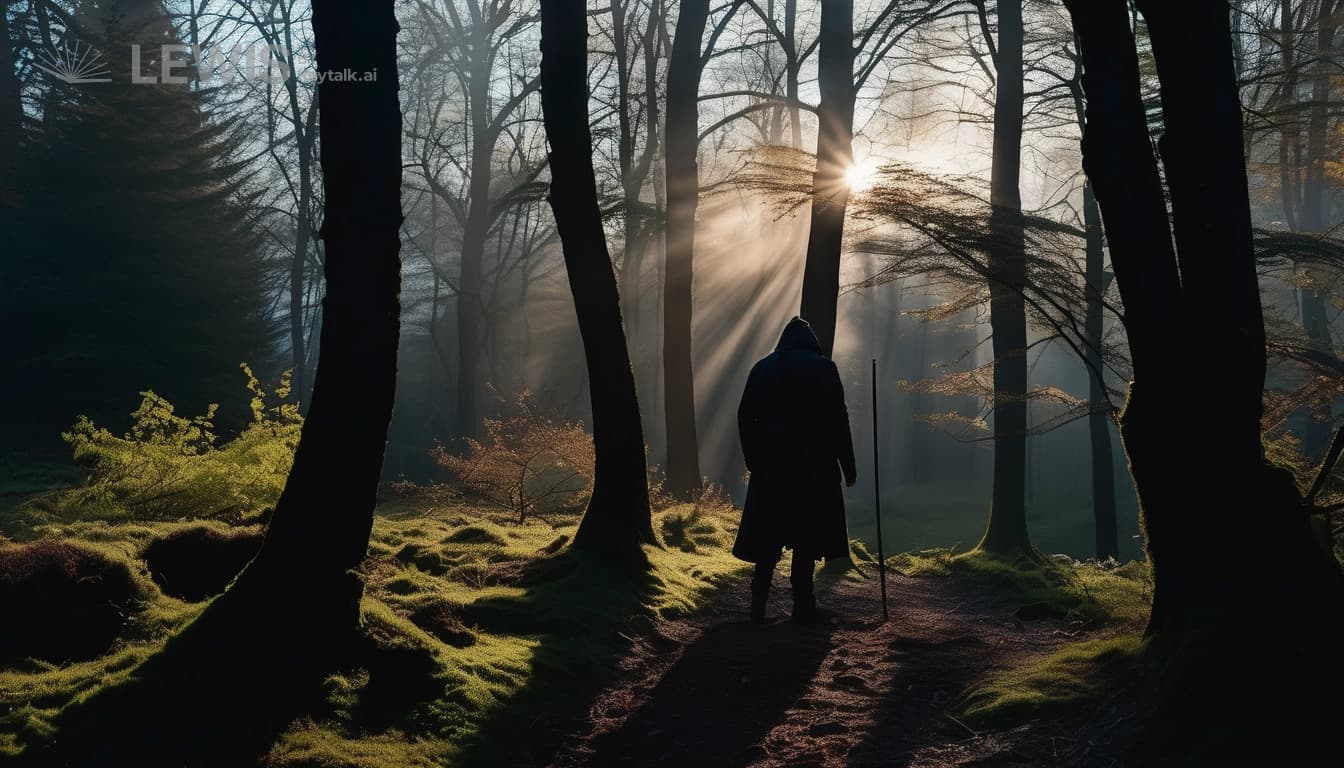
Arnold’s boots crunch over the blasted earth at the edge of the continent—a place where maps fade into myth and the wind tastes of old sorrow. For the first time in years, he’s not leading a team of eager explorers but just Rachel, his inscrutable companion, and Jessi, the botanist whose stubborn hope has patched more wounds than any medicine. Arnold’s motivation is twofold: the insatiable urge to chart the last wild places, and a gnawing guilt that every map he’s ever drawn only reveals how much has been lost. The continent’s devastation is more than a backdrop; it’s a wound he cannot close, one for which he feels responsible without knowing why. What Arnold wants most is to find the origin of the land’s ruin, believing a new map—a true map—might help redeem not only the world, but himself.
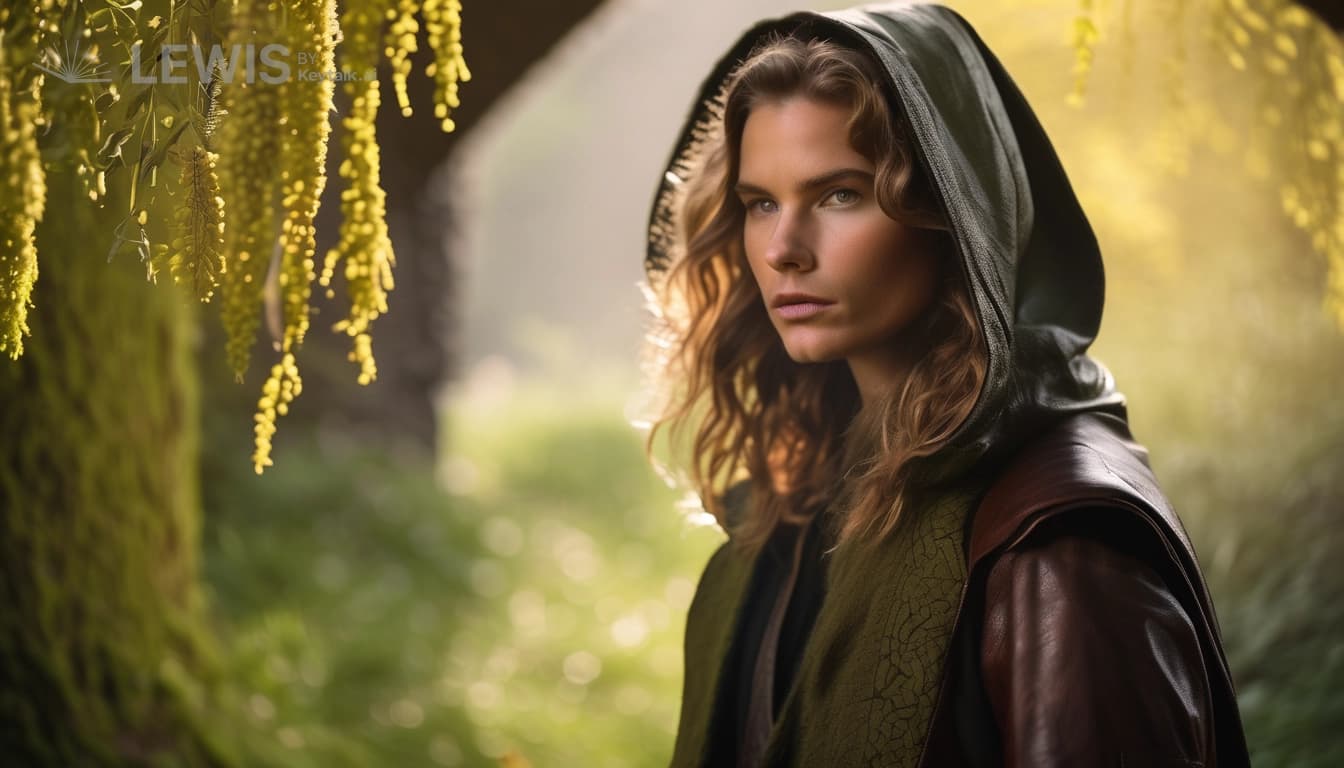
Rachel walks beside him, always close, always watchful. She’s the first to spot dangers, the first to shield Arnold from howls in the night and the shifting horrors that haunt the shattered borderlands. He trusts her more than anyone, even Jessi, whose loyalty is irrefutable but whose insights sometimes cut too close to the bone. Rachel’s motivations are layered: she wants to protect Arnold because she loves him in a way that is both human and monstrous, but that same love is twisted by guilt—she knows what he does not. Rachel is the entity that unmade the continent, her true nature cloaked in the guise of companionship. She’s desperate to keep him from discovering the truth, convinced that his love and trust are the only things anchoring her to the last shreds of humanity she possesses.
Jessi, for her part, is driven by a fierce desire to restore life to dead places. Her botanist’s eye spots the smallest shoots in the burnt soil, cataloguing what survives and why. She’s haunted by old mistakes—choices she made in her own past that echo the continent’s devastation—and she suspects Rachel’s secret, though she can’t quite name it. Jessi pushes Arnold to confront uncomfortable truths, challenging his obsession with control and precision. She sees the cracks in Rachel’s disguise, and as the expedition delves deeper into the ruined heartland, Jessi’s relentless curiosity leads her to question not only the land’s scars, but the bonds that hold the trio together.
Their journey is a tapestry of danger and revelation. Each night, Arnold sketches new maps, obsessing over missing pieces, while Rachel sits silently by the fire, fighting the urge to confess. Jessi collects samples, muttering to herself, her notes growing darker with each discovery—a fungus that only grows in cursed ground, a flower that feeds on sorrow. When a monstrous apparition attacks their camp, Rachel’s defense is too swift, too vicious; Jessi sees a glimpse of her true form, scales and shadow, and realizes Rachel is not simply a guardian but the very thing the continent fears. The trio’s dynamic shifts: Arnold, trusting Rachel implicitly, is torn by Jessi’s accusations. Jessi urges him to face the betrayal, but Arnold clings to Rachel, desperate for her protection and for the comfort of their shared history.
The emotional stakes climb as Arnold uncovers fragments of the truth. Rachel, unable to bear the growing tension, finally reveals her secret in a moment of devastating vulnerability—she was once a force of nature, awakened and weaponized by desperate survivors, her monstrous love for Arnold the only barrier against total annihilation. She destroyed the continent not out of malice, but out of blind devotion, believing it would shield him from greater horrors. Arnold is shattered; his greatest triumph—surviving the edge, mapping the aftermath—is also his darkest failure, built on a love that nearly ended the world. Jessi, both furious and compassionate, demands Arnold choose: exile Rachel and seek redemption alone, or embrace her monstrous truth and forge a new kind of heroism, one that accepts the brokenness at its core.
Arnold’s final choice is neither simple nor safe. He rejects the myth of solitary heroism, refusing to abandon Rachel or Jessi. Instead, he embraces the monstrous love between himself and Rachel, acknowledging that true redemption can only come from confronting—not denying—what they’ve done. Together, the trio decides not to restore the old world, but to cultivate something new, using Rachel’s power and Jessi’s knowledge to heal the land in unexpected ways. Their journey becomes an act of radical acceptance: Arnold maps not the scars of the past, but the possibilities of a future shaped by forgiveness and shared purpose. The story closes with the continent still wounded, but alive with unpredictable hope—heroism redefined not as perfection, but as the courage to face what’s monstrous in ourselves and love it anyway.