


Protagonist Character
Peppa Pig 1
Profile
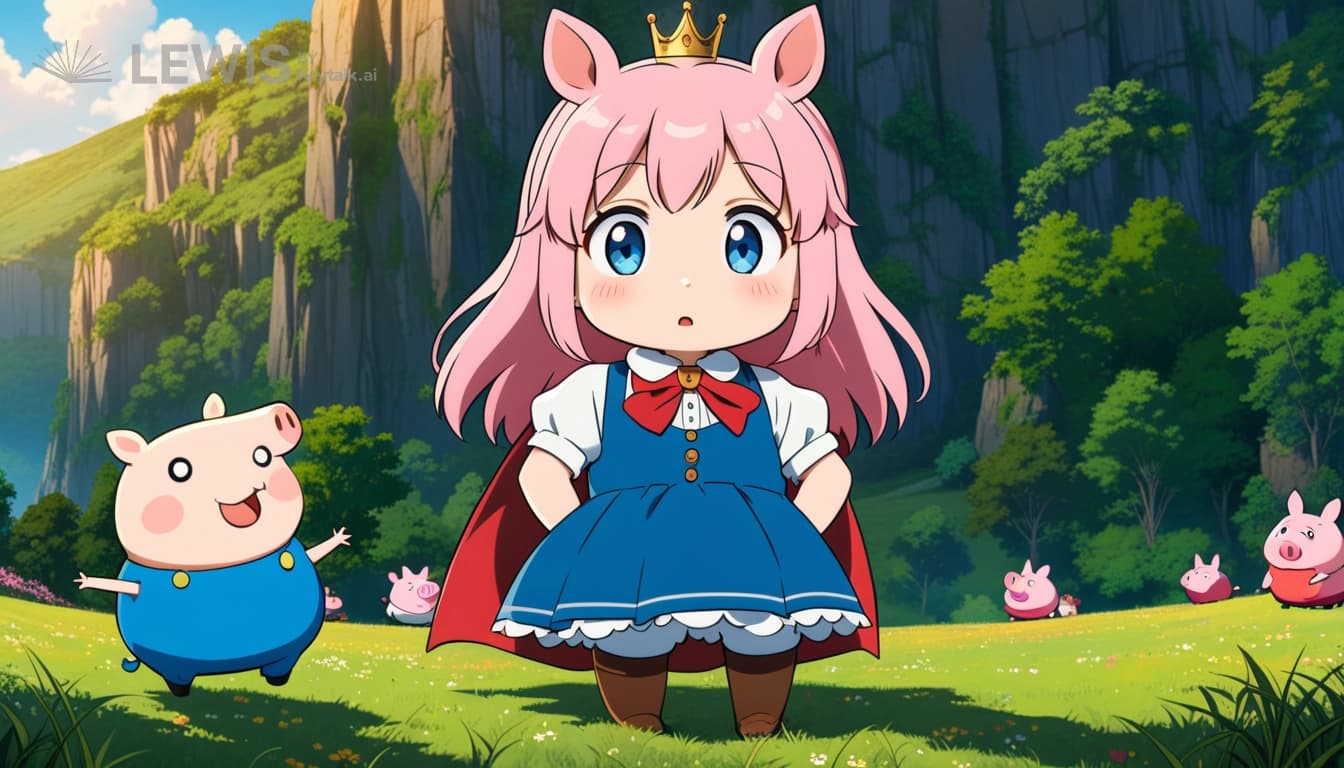
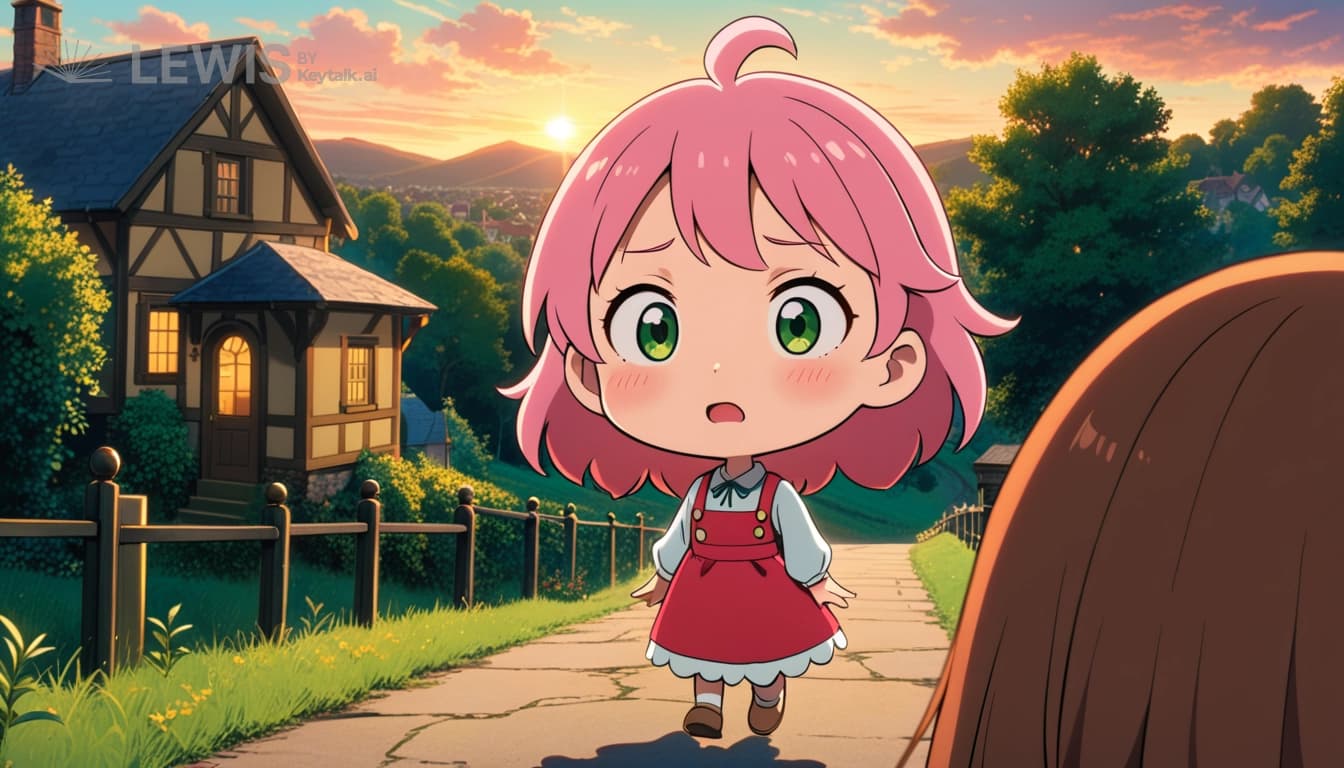
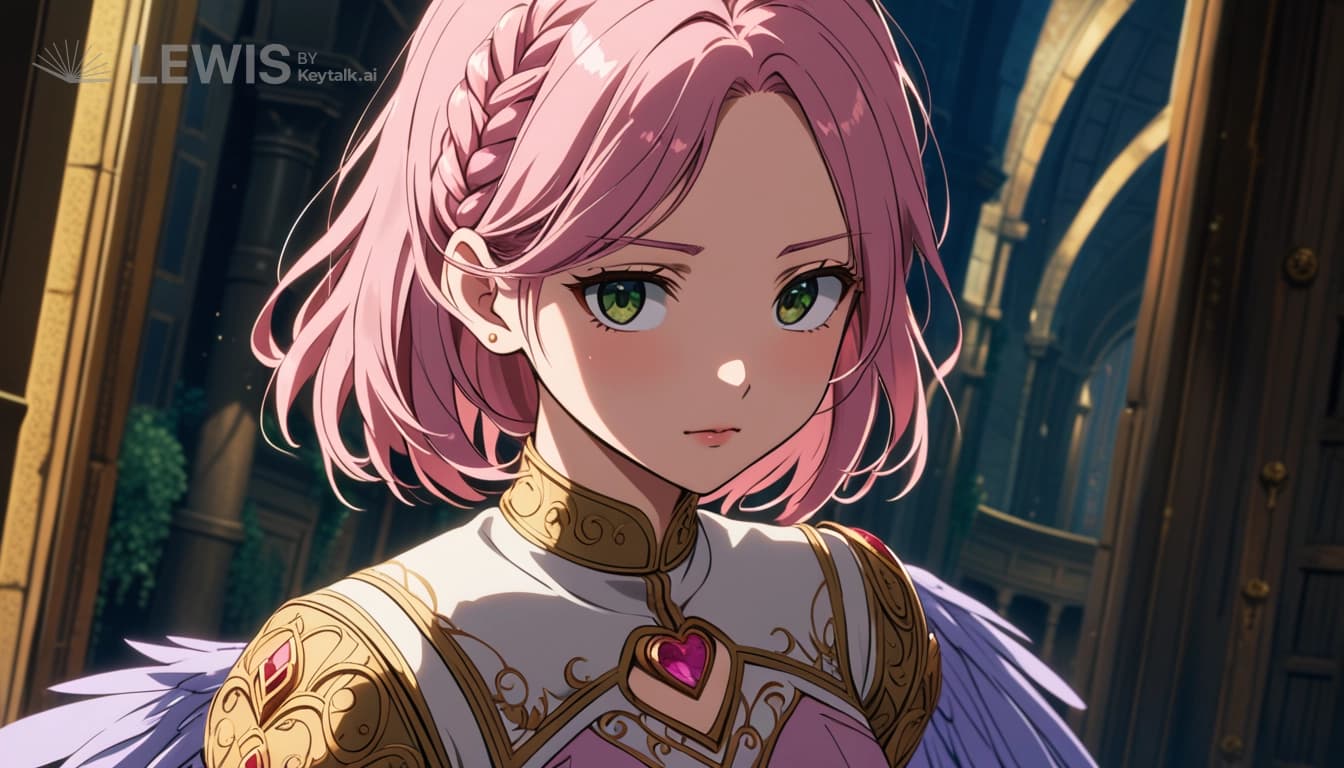
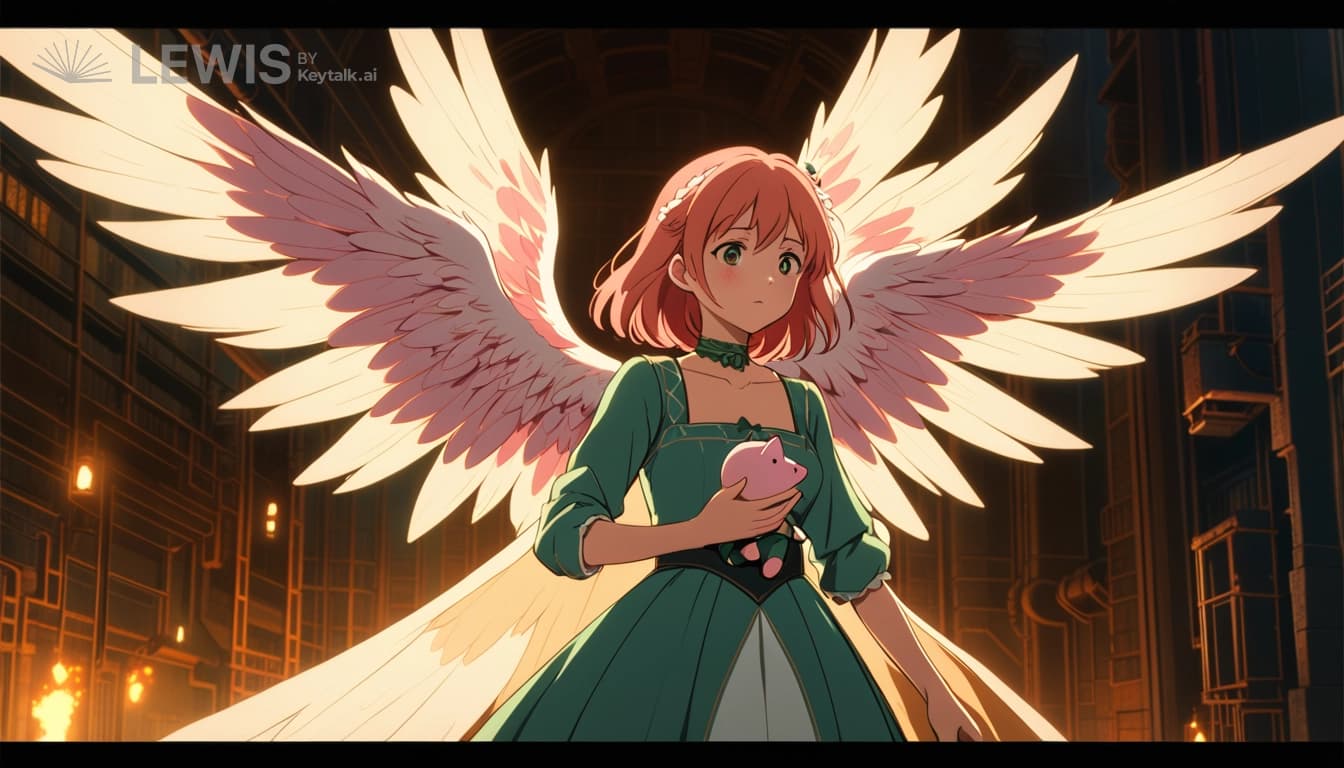
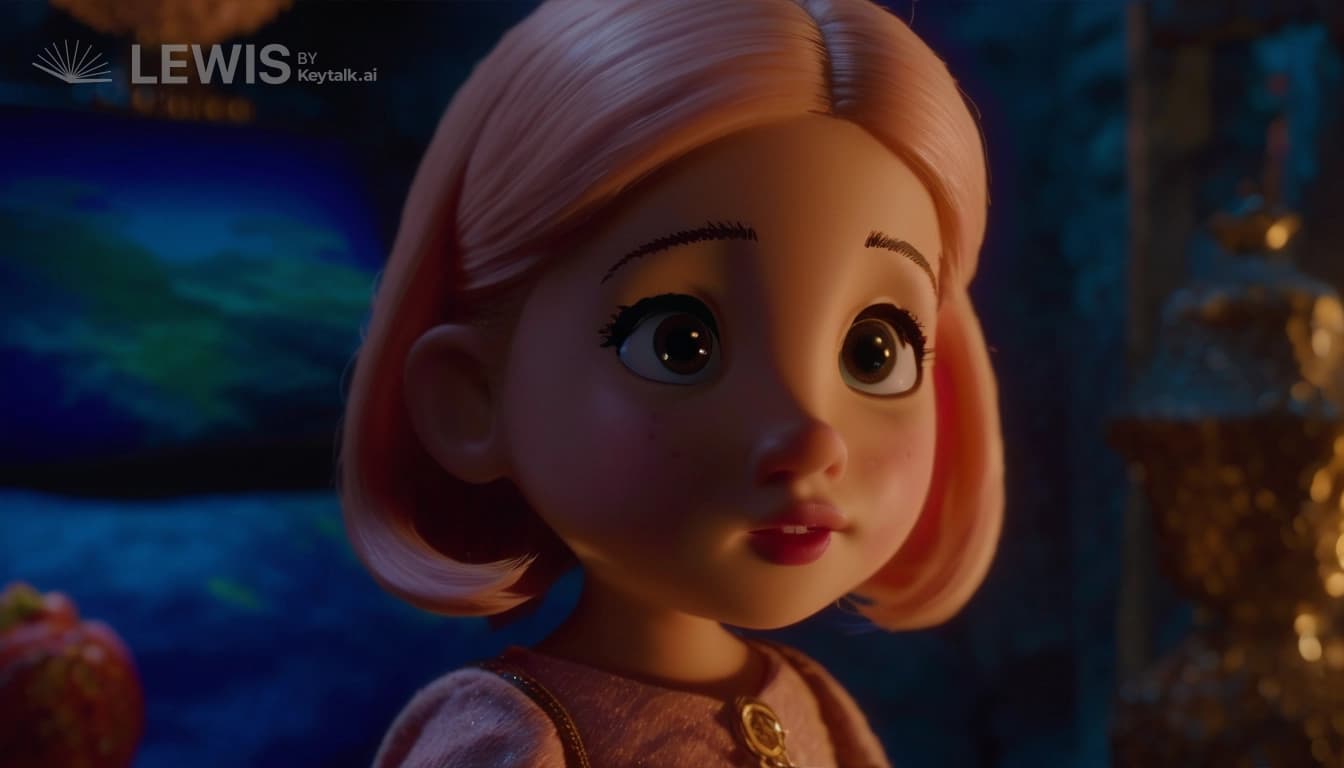
At just four years old, Peppa Pig is a curious contradiction: a baby-faced fairy with an iron will and a mind sharper than the thorns lacing the forest she calls home. Her wings, still fragile and translucent, shimmer faintly when she moves, betraying her youth and inexperience, yet her eyes—dark and glinting with mischief—belie a far older soul. A child of her village's soil, she has grown up amidst both wonder and hardship, her days spent flitting between helping her family and immersing herself in the chatter of leaves and rivers. Her voice is soft but oddly commanding for her age, her speech dotted with an innocent lilt that occasionally turns sarcastic, especially when she’s testing her wit against the world. “Why should I listen to someone who doesn’t even know how to fly properly?” she might quip, her words as much a weapon as her clever, unpredictable mind.
Peppa is a bundle of contradictions: idealistic yet cunning, playful yet calculating. She clutches a baby doll—her constant companion—as if it were both a shield and a confidante, a curious relic of her tender age. The doll, weathered and patched, has survived countless adventures, its presence a source of comfort during moments of self-doubt she would never admit aloud. Though her wings mark her as a fairy, Peppa’s heart lies with the earth, with her people, and her small, tight-knit village. She has absorbed their collective hopes and fears like a sponge, carrying them with her as both a badge of honor and a burden too heavy for her tiny shoulders.
Yet, her determination to protect what she loves often blinds her to the nuances of others’ pain. Her cunning, while a strength, has a sharp edge—Peppa has a tendency to manipulate situations in her favor, justifying her actions with the naïve certainty that her goals are righteous. This flaw, paired with her youthful impatience, occasionally lands her in trouble, as she underestimates the complexity of the world’s moral entanglements. Her aspirations are lofty, almost impossibly so: she dreams of a future where harmony reigns between humans and animals, a utopia born of equality and cooperation. But such dreams come with a cost, and Peppa, despite her bravado, is not yet sure what she’s willing to pay.
Her current occupation as a fairy is one of necessity rather than choice. With resources dwindling and her village scraping by, she uses her limited magical abilities to forage, mend, and heal, though she is often frustrated by the constraints of her young age. Her magic is erratic—sometimes dazzling, sometimes faint—and she has been known to overexert herself, collapsing in exhaustion after trying to conjure more than her little body can handle. Still, she thrives on the challenge, her ambition driving her to push boundaries others warn her to respect.
Peppa’s greatest internal struggle lies in her identity. She clings to her baby doll as a reminder of innocence, yet she is keenly aware of the growing chasm between the child she is and the leader she feels she must become. She often wrestles with feelings of inadequacy, putting on a show of confidence while secretly wondering if she is destined to fail. Her philosophy, though still unformed, revolves around a fierce belief in justice, tempered by an emerging realization that justice is rarely black and white.
It is her quirks that make her unforgettable: the way she always hums a lullaby under her breath when deep in thought, the faint scent of wildflowers that lingers wherever she goes, the way she absentmindedly twirls her baby doll’s hair when nervous. These small details betray a vulnerability she tries to hide, a reminder that beneath her bravado, she is still a child navigating a world far more dangerous than it seems.
As the protagonist of this tale, Peppa’s role is one of transformation. Her keen mind, resourcefulness, and unyielding spirit will serve as both her greatest assets and her most perilous flaws, propelling her into a journey that will force her to confront not only the external forces threatening her village but also the shadows within herself.
Peppa is a bundle of contradictions: idealistic yet cunning, playful yet calculating. She clutches a baby doll—her constant companion—as if it were both a shield and a confidante, a curious relic of her tender age. The doll, weathered and patched, has survived countless adventures, its presence a source of comfort during moments of self-doubt she would never admit aloud. Though her wings mark her as a fairy, Peppa’s heart lies with the earth, with her people, and her small, tight-knit village. She has absorbed their collective hopes and fears like a sponge, carrying them with her as both a badge of honor and a burden too heavy for her tiny shoulders.
Yet, her determination to protect what she loves often blinds her to the nuances of others’ pain. Her cunning, while a strength, has a sharp edge—Peppa has a tendency to manipulate situations in her favor, justifying her actions with the naïve certainty that her goals are righteous. This flaw, paired with her youthful impatience, occasionally lands her in trouble, as she underestimates the complexity of the world’s moral entanglements. Her aspirations are lofty, almost impossibly so: she dreams of a future where harmony reigns between humans and animals, a utopia born of equality and cooperation. But such dreams come with a cost, and Peppa, despite her bravado, is not yet sure what she’s willing to pay.
Her current occupation as a fairy is one of necessity rather than choice. With resources dwindling and her village scraping by, she uses her limited magical abilities to forage, mend, and heal, though she is often frustrated by the constraints of her young age. Her magic is erratic—sometimes dazzling, sometimes faint—and she has been known to overexert herself, collapsing in exhaustion after trying to conjure more than her little body can handle. Still, she thrives on the challenge, her ambition driving her to push boundaries others warn her to respect.
Peppa’s greatest internal struggle lies in her identity. She clings to her baby doll as a reminder of innocence, yet she is keenly aware of the growing chasm between the child she is and the leader she feels she must become. She often wrestles with feelings of inadequacy, putting on a show of confidence while secretly wondering if she is destined to fail. Her philosophy, though still unformed, revolves around a fierce belief in justice, tempered by an emerging realization that justice is rarely black and white.
It is her quirks that make her unforgettable: the way she always hums a lullaby under her breath when deep in thought, the faint scent of wildflowers that lingers wherever she goes, the way she absentmindedly twirls her baby doll’s hair when nervous. These small details betray a vulnerability she tries to hide, a reminder that beneath her bravado, she is still a child navigating a world far more dangerous than it seems.
As the protagonist of this tale, Peppa’s role is one of transformation. Her keen mind, resourcefulness, and unyielding spirit will serve as both her greatest assets and her most perilous flaws, propelling her into a journey that will force her to confront not only the external forces threatening her village but also the shadows within herself.