Plot Synopsis
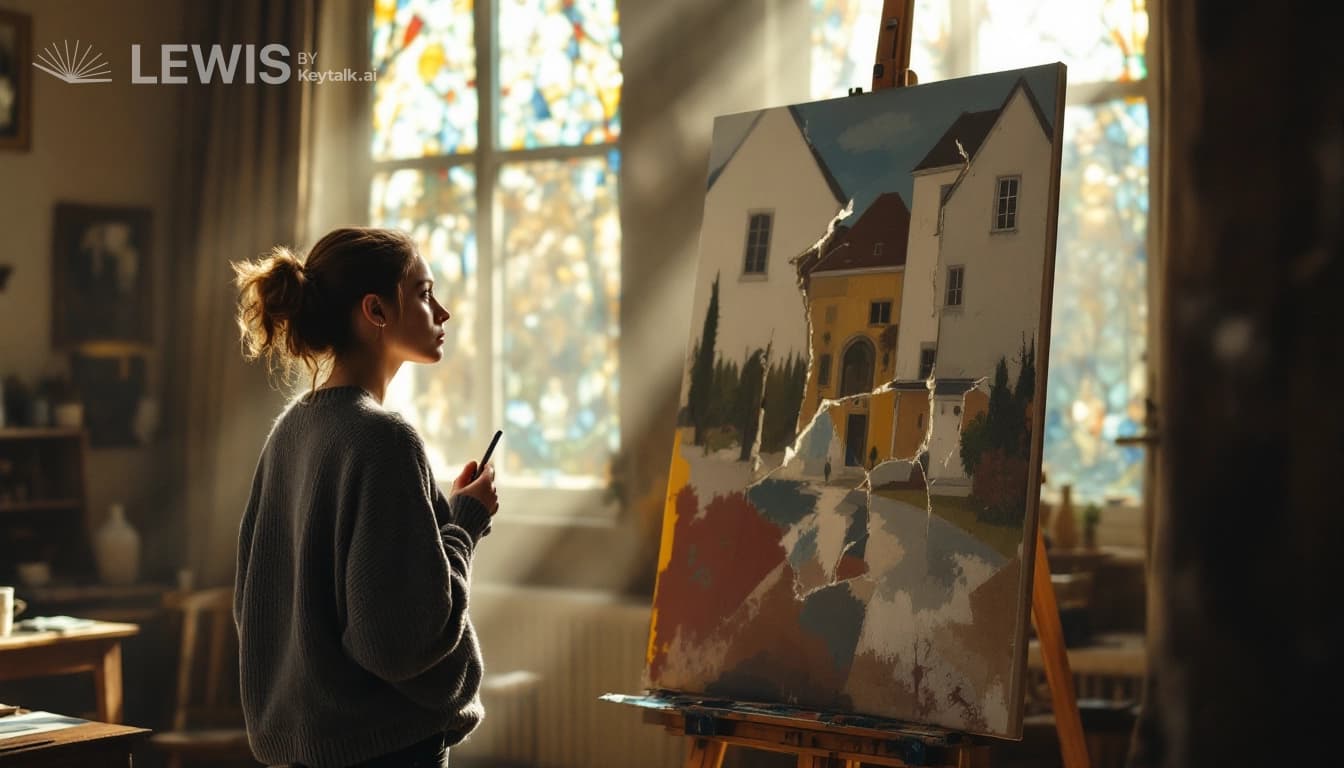
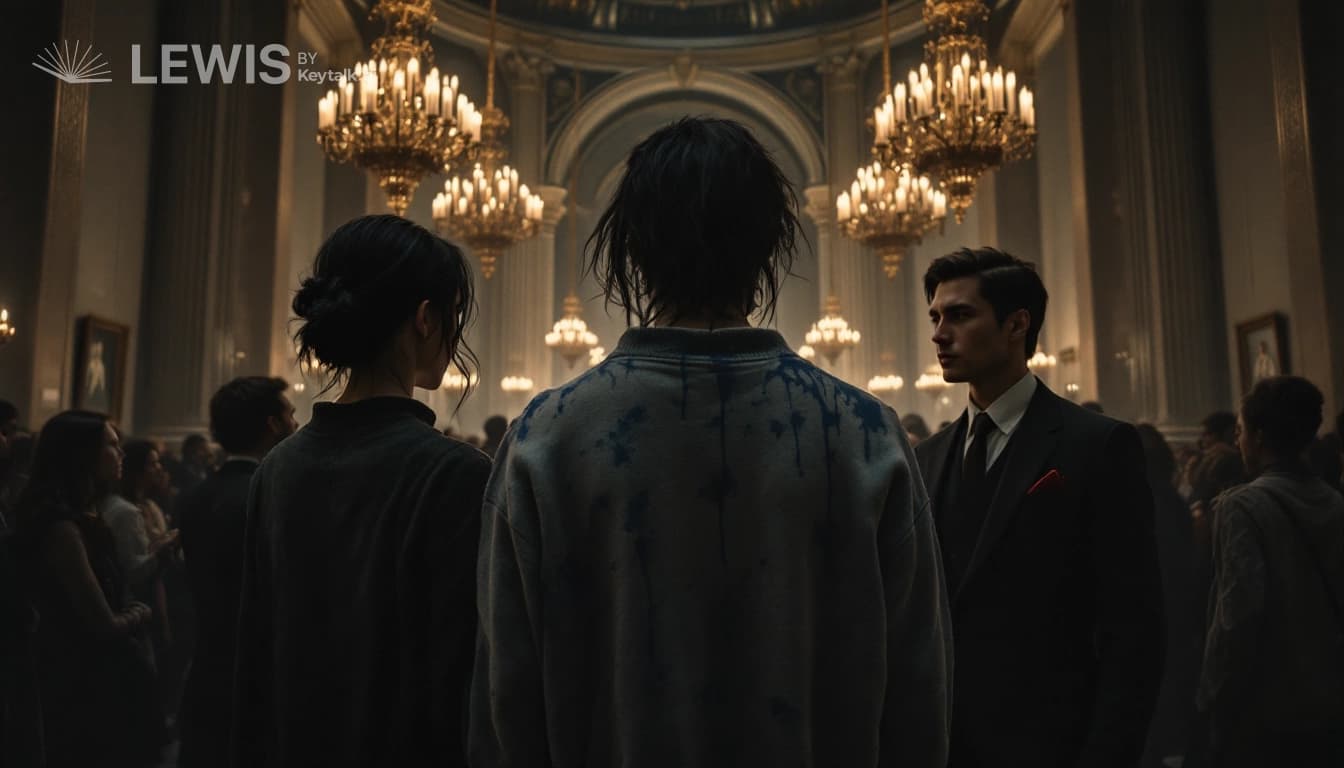
In the hallowed halls of École des Beaux-Arts, where ambition clashes with tradition, Camille Moreau begins her final year determined to leave an indelible mark. Her work, raw and unsettling, has attracted whispers of genius among her peers and faculty, though it also draws sharp scrutiny from Alessandro Vieri, the academy’s most feared professor. Known for his merciless critiques, Alessandro dismisses Camille’s latest submission—a fragmented depiction of her childhood home—as "an indulgence in sentimentality masquerading as depth." His words land like arrows, piercing Camille’s carefully curated confidence and igniting a simmering rivalry. Yet beneath the heated exchanges in critique sessions lies an unspoken recognition: Camille’s bold strokes mirror Alessandro’s own youthful defiance, and her relentless pursuit of perfection stirs memories of the artist he once aspired to be.
Their animosity reaches a boiling point when the academy announces a career-defining exhibition, assigning Alessandro to mentor Camille as the institution’s rising star. For Camille, the exhibition represents a chance to shatter the rigid conventions that she believes suffocate true artistry; for Alessandro, it is an opportunity to cement his legacy by shaping the next generation’s brightest talent—or to sabotage it, should Camille’s vision veer too far from his ideals. The collaboration begins with mutual disdain, their arguments cutting as deeply as their shared insecurities. Alessandro insists on discipline and structure, accusing Camille of recklessness, while she accuses him of cowardice for abandoning his own art. But as their volatile interactions escalate, cracks begin to form in their armored personas. Alessandro, late one night, confesses his abandoned dream of painting, revealing a vulnerability Camille never thought possible. Camille, in turn, hesitantly shares the suffocating pressure she feels to justify her talent—a pressure born not only from her ambition but from the sacrifices her family made to send her to Paris.
Paloma Castillo, the exhibition’s curator, watches their stormy dynamic with wary fascination. A woman who has spent her career balancing the demands of artists and patrons, Paloma sees both promise and peril in their collaboration. Though she outwardly champions Camille’s vision, her private conversations with Alessandro betray her concerns about the risks of letting unbridled creativity dictate the exhibition’s tone. Camille, sensing Paloma’s ambivalence, begins to suspect that even those who claim to support her might secretly wish for her failure. Meanwhile, Paloma struggles with her own artistic ambitions, secretly sketching designs that she knows will never see the light of day. Her quiet turmoil serves as a mirror to Camille’s louder desperation, and the two women forge a tentative bond over their shared yearning to create something that transcends the confines of the art world.
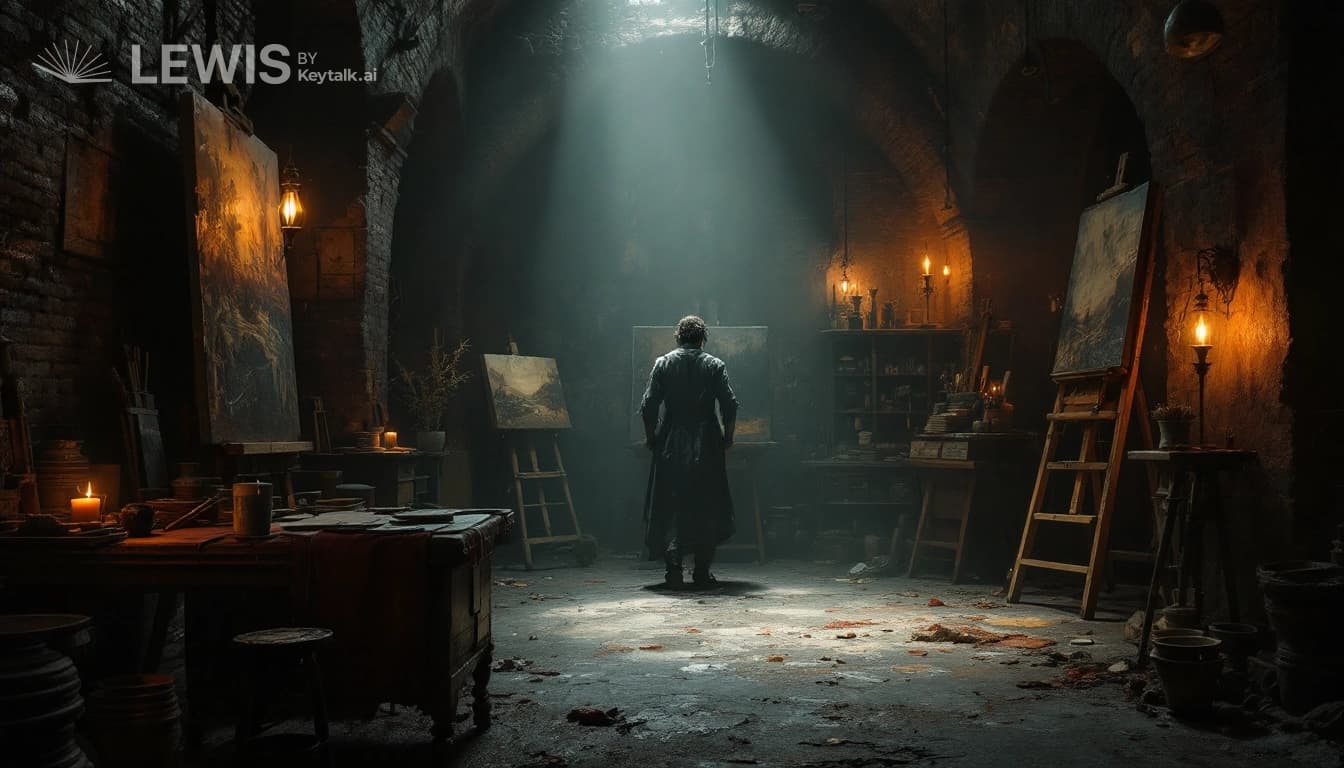
As the exhibition deadline looms, Camille and Alessandro’s relationship evolves from combative to dangerously intimate. Their shared moments of vulnerability morph into a magnetic pull neither can resist, despite the obvious risks. A stolen kiss in Alessandro’s loft—a space filled with works he admires but cannot create—becomes the catalyst for their undoing. The affair, charged with forbidden desire and mutual need, begins to unravel their carefully constructed worlds. Alessandro’s authority at the academy is called into question when whispers of favoritism circulate, while Camille faces accusations from her peers that her success stems from manipulation rather than merit. The academy itself, a bastion of tradition, becomes a battlefield as factions form around their collaboration, some supporting their vision and others decrying it as a betrayal of artistic integrity.
In the final days before the exhibition, Camille and Alessandro are forced to confront the consequences of their choices. Alessandro, haunted by his fear of irrelevance, pushes Camille to abandon her most daring piece—a visceral reinterpretation of the academy’s storied history, rendered in jagged lines and smeared pigments that evoke both chaos and rebirth. Camille, defiant, refuses, knowing that her piece will either cement her legacy or destroy her reputation. Their last argument, a brutal exchange of truths and accusations, culminates in Alessandro admitting that he sees in Camille the artist he failed to become, and Camille confessing that she fears her art will never be enough to fill the void inside her. Their relationship, already frayed, snaps under the weight of these revelations.
On the night of the exhibition, Camille’s piece stands at the center of the gallery, drawing both awe and outrage. Alessandro is conspicuously absent, a silence that speaks louder than words. Paloma, who has spent weeks agonizing over her role in this debacle, steps forward to defend Camille’s work against the academy’s skeptics, asserting that true art should provoke, unsettle, and challenge. Camille, standing alone in the spotlight, feels both triumphant and hollow. Her work has succeeded in breaking conventions, but the cost—the trust she shattered, the relationships she lost—leaves her questioning whether the validation she craved was worth the sacrifice. Meanwhile, Alessandro retreats to his loft