World
Location/Time, Era:
The world is set in the Age of Manifested Memory, an era several centuries removed from our own, in a society whose boundaries are dictated not by nations but by the ever-shifting topographies of collective and individual recollection. The Archive—a colossal, living edifice built atop the oldest confluence of memory terrains—serves as both citadel and crossroads, its spiraling towers and labyrinthine vaults rising above a city where memory pilgrims, cartographers, and custodians converge from scattered coastal enclaves and windswept highland settlements. Time here is fluid, measured less by clocks than by the cycles of memory blossoming and fading, with seasons marked by the waxing and waning of landscape volatility. Pilgrimages to the Archive are rites of passage, with memory-walking sanctioned as both spiritual ordeal and scholarly pursuit, while the outskirts are haunted by “feral terrains”—unmapped, volatile memory zones that threaten to overrun civilization’s fragile order. The story unfolds at a moment of mounting crisis: the landscapes are destabilizing, and the boundaries between individual and collective memory are beginning to blur, drawing the world toward an epochal reckoning.
Key rules of the world and their impact on the story and beyond:
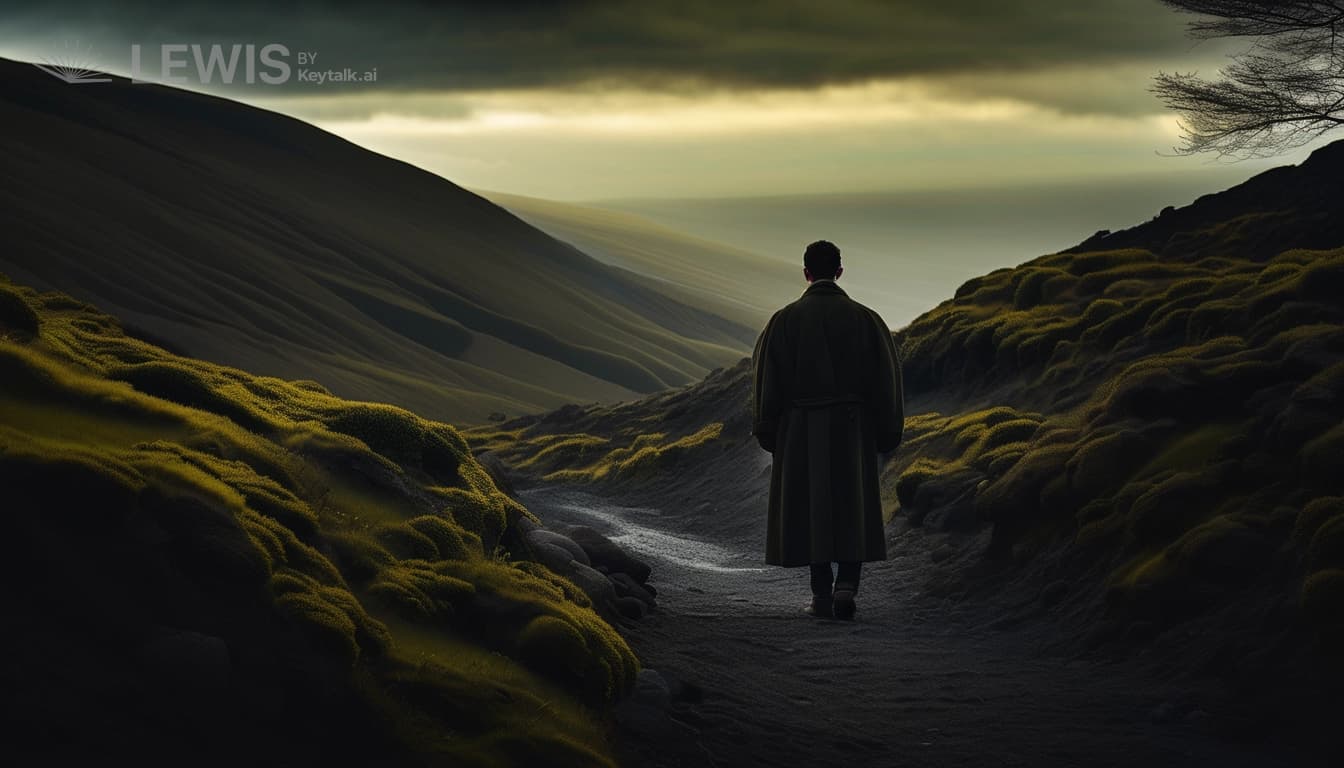
Every individual’s lived experience manifests as a physical landscape—forests, deserts, oceans, chasms—that can be traversed by those with the requisite training and innate intuition. The act of entering or altering another’s memory terrain is strictly regulated; unauthorized trespass is taboo, punishable by exile or enforced amnesia, yet pilgrims like Elias routinely challenge these edicts in pursuit of deeper understanding. Memories may be observed, mapped, subtly restored, or—at great risk—erased, but every intervention leaves a mark, both on the terrain itself and the psyche of the wanderer, sometimes irrevocably blending observer and observed. The stability of the world depends on the careful stewardship of these landscapes: too much erasure breeds emptiness and existential malaise, while unchecked trauma can spawn monstrous phenomena—“memory revenants” that stalk their creators and intruders alike. The rules force characters into agonizing ethical dilemmas, as the price of empathy and healing is set against the danger of losing what makes each life—and the world—profoundly unique.
Visual depiction of the world and its unique features:
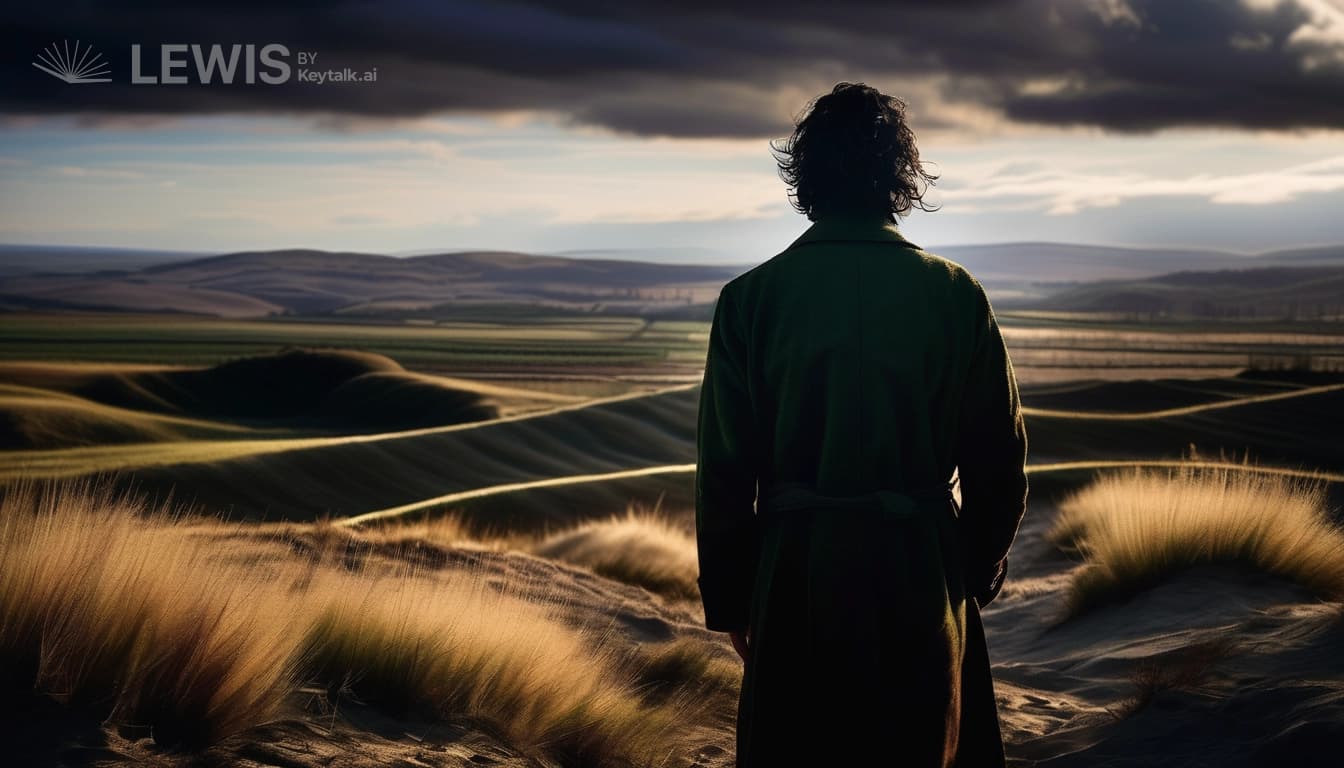
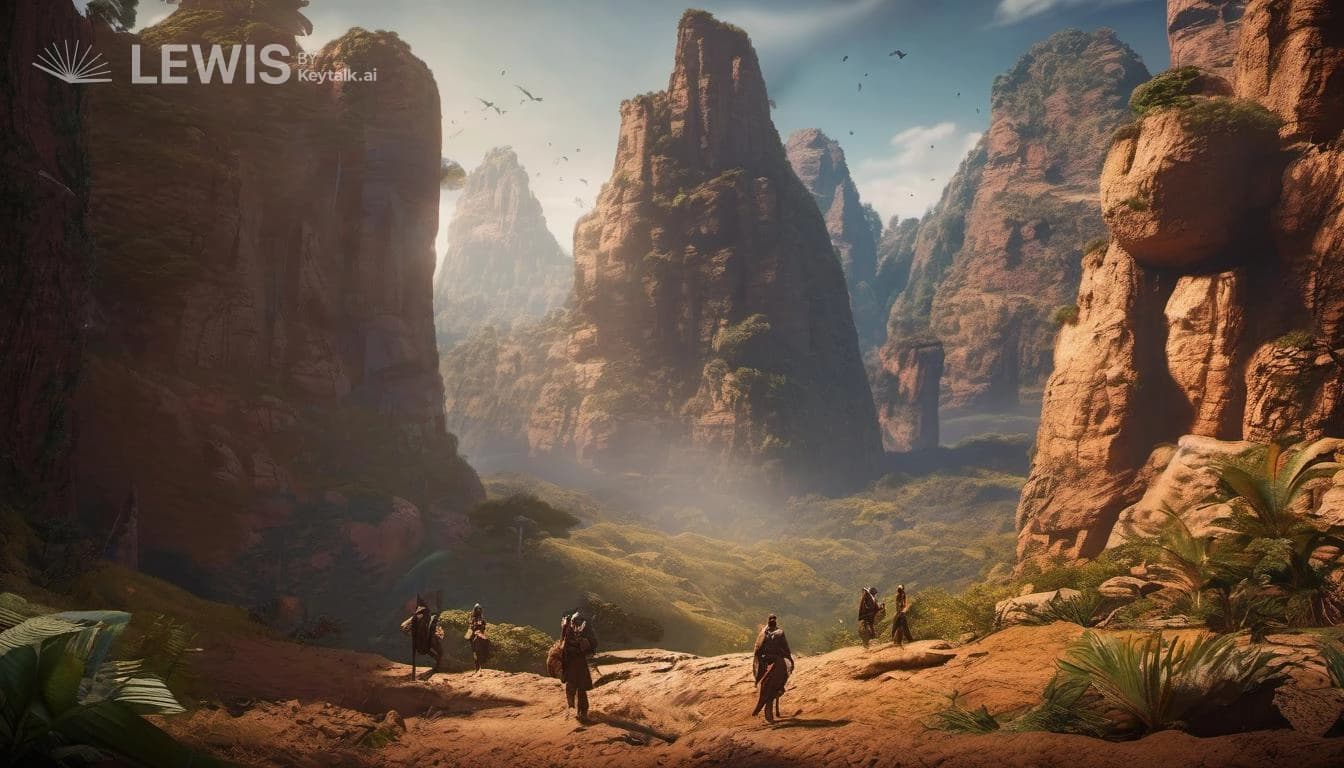
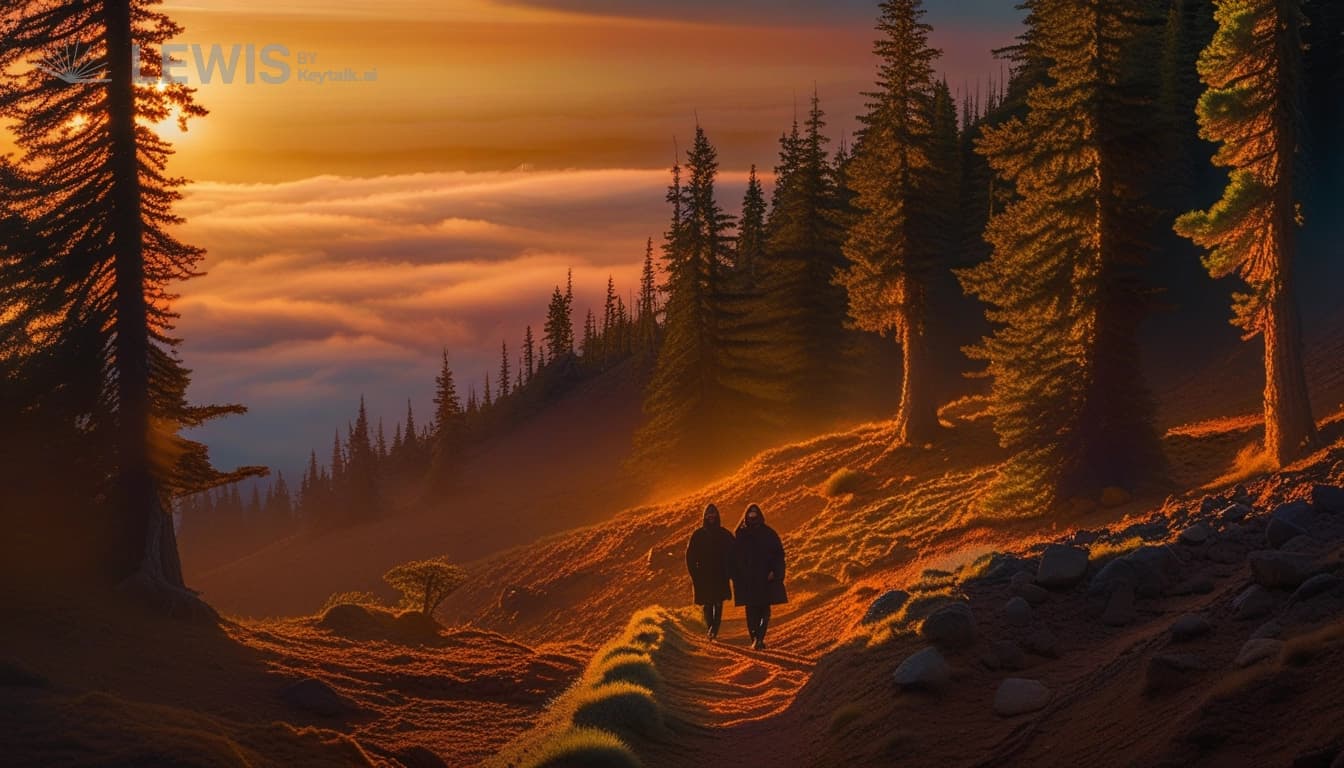
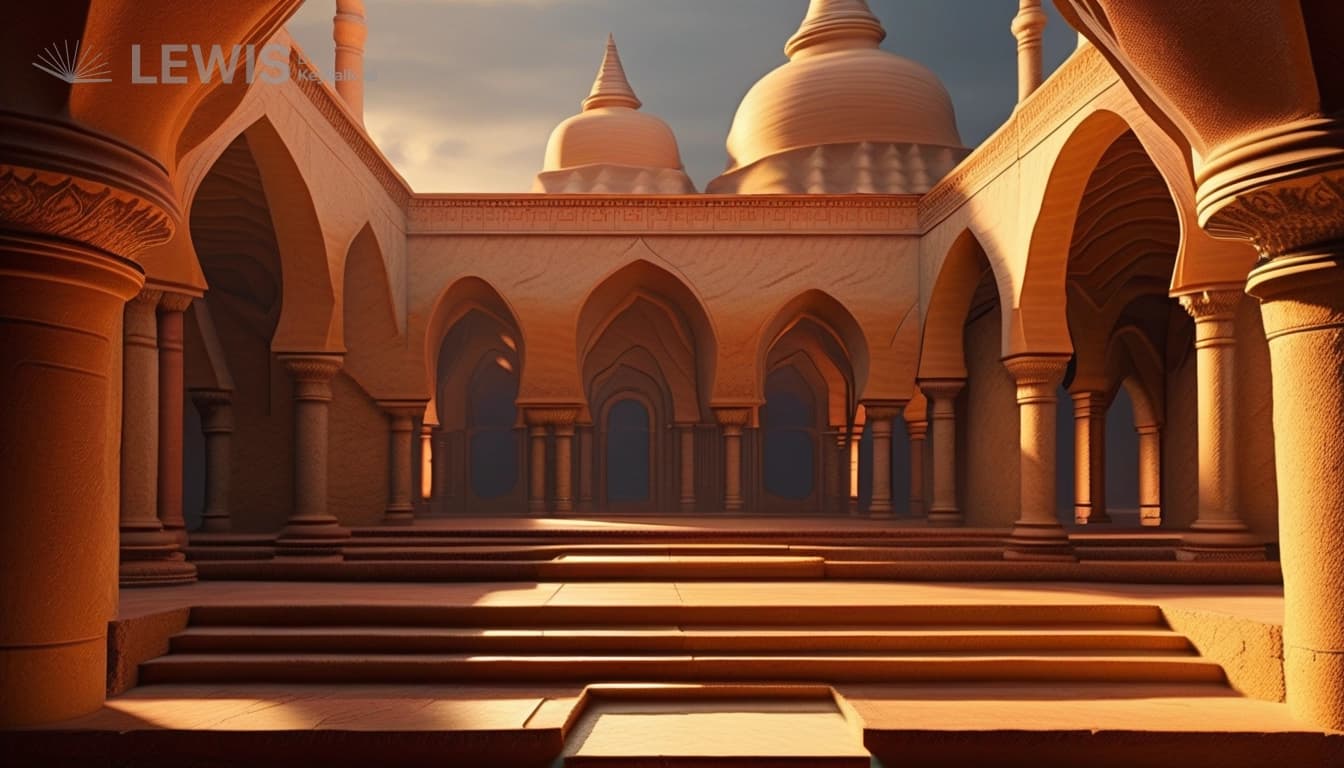
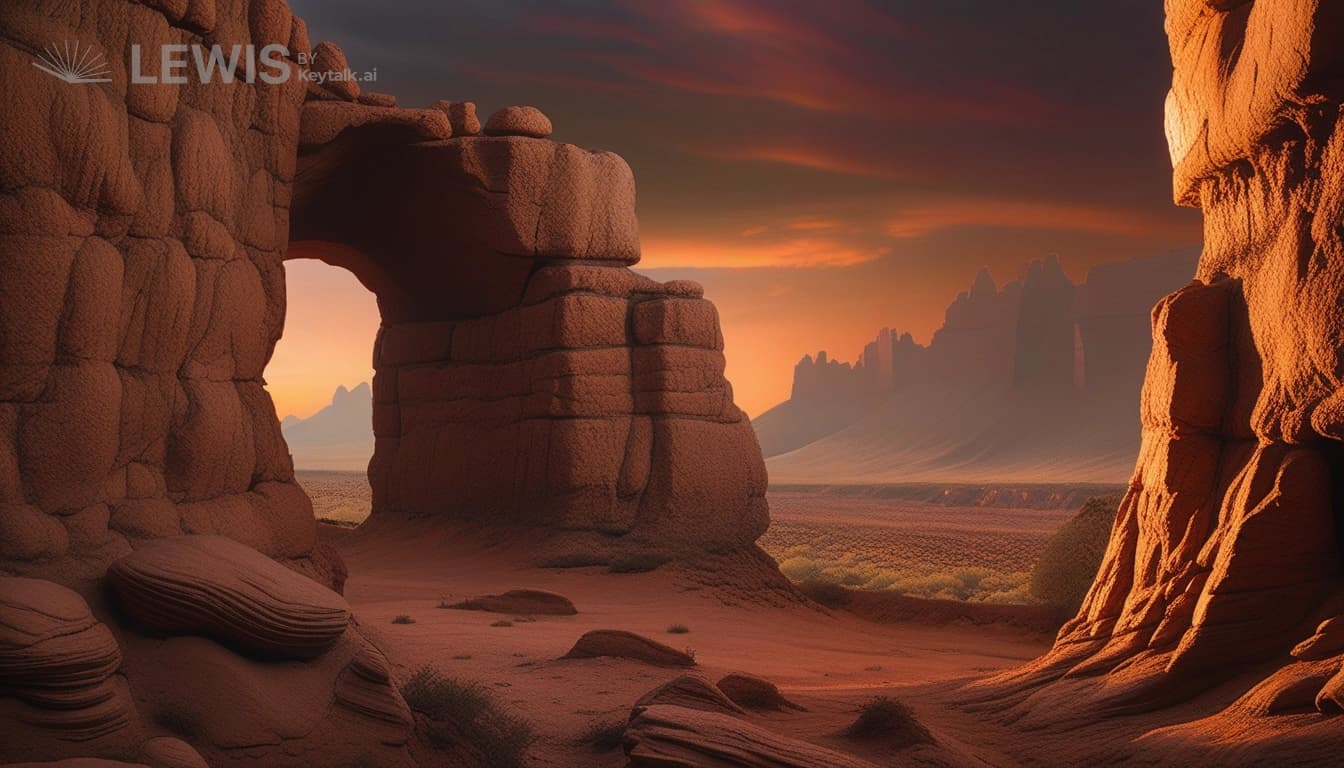
The world is a breathtaking mosaic of surreal terrains: ancient pine forests where every tree trunk whispers a secret regret, deserts of glassy sand that shimmer with the heat of forgotten longing, and vast oceans whose tides surge with communal rapture or collective grief. The Archive itself is a palimpsest of architectural epochs—gothic arches entwined with living vines, marble halls scored with mnemonic sigils, and celestial observatories crowned with stained-glass domes that refract the auroras of memory storms sweeping the sky. Memory terrains are not static; they pulse and warp in response to the emotional states of their originators and the interventions of travelers, sometimes collapsing into chasms or erupting in miraculous new growth. The very air shivers with subtext: scents of petrichor and incense, the susurrus of unseen voices, and sudden flares of color or shadow as memories shift. Each landscape’s hazards and wonders are intimately tied to the emotional truths they embody, demanding both courage and humility from those who cross their borders.
Notable technology, philosophy, or cultural elements influencing the world and narrative:
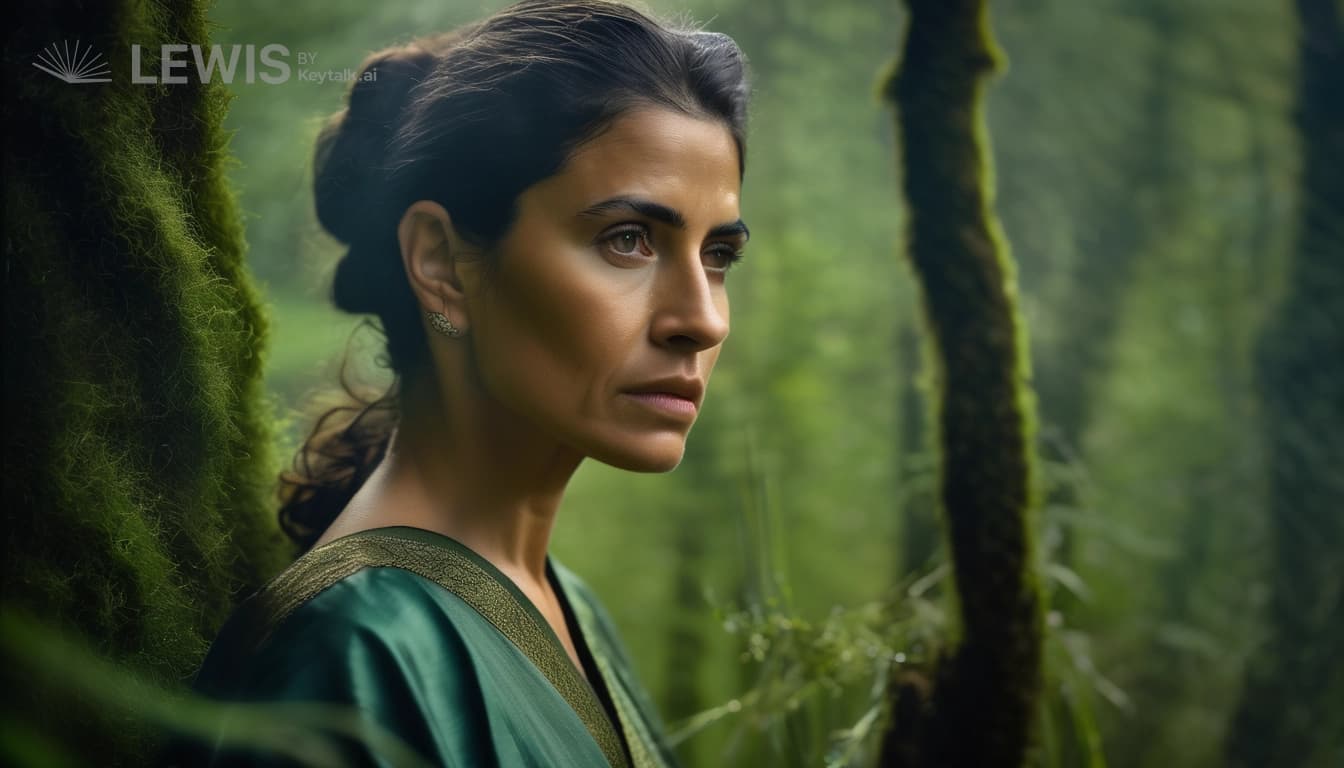
Society is organized around the twin arts of memory mapping and memory gardening—disciplines that blend cartography, horticulture, and psycho-spiritual stewardship. Cartographers like Elias wield mnemonic compasses, sketchbooks, and tactile tokens to navigate and record the shifting terrains, while gardeners like Laleh tend the fragile ecosystems of memory with living tools: seed-pods that coax new growth, salves that heal psychic wounds, and ritual songs to soothe volatile terrain. The Archive’s custodians, such as Mireille, uphold a stringent philosophy: memory—especially pain—must be preserved as sacred history, lest the world lose its depth and meaning. Yet underground movements have emerged: renegade erasers who promise oblivion for the desperate, and clandestine “Weavers” who seek to integrate disparate memories into new, hybrid terrains. This ideological ferment, combined with the tangible dangers of memory-walking, ensures that every journey is fraught with opportunity, betrayal, and the possibility of profound transformation—for the land, its people, and the very fabric of reality.
Location 1
- Title : The Lantern Vaults of Orison’s Descent
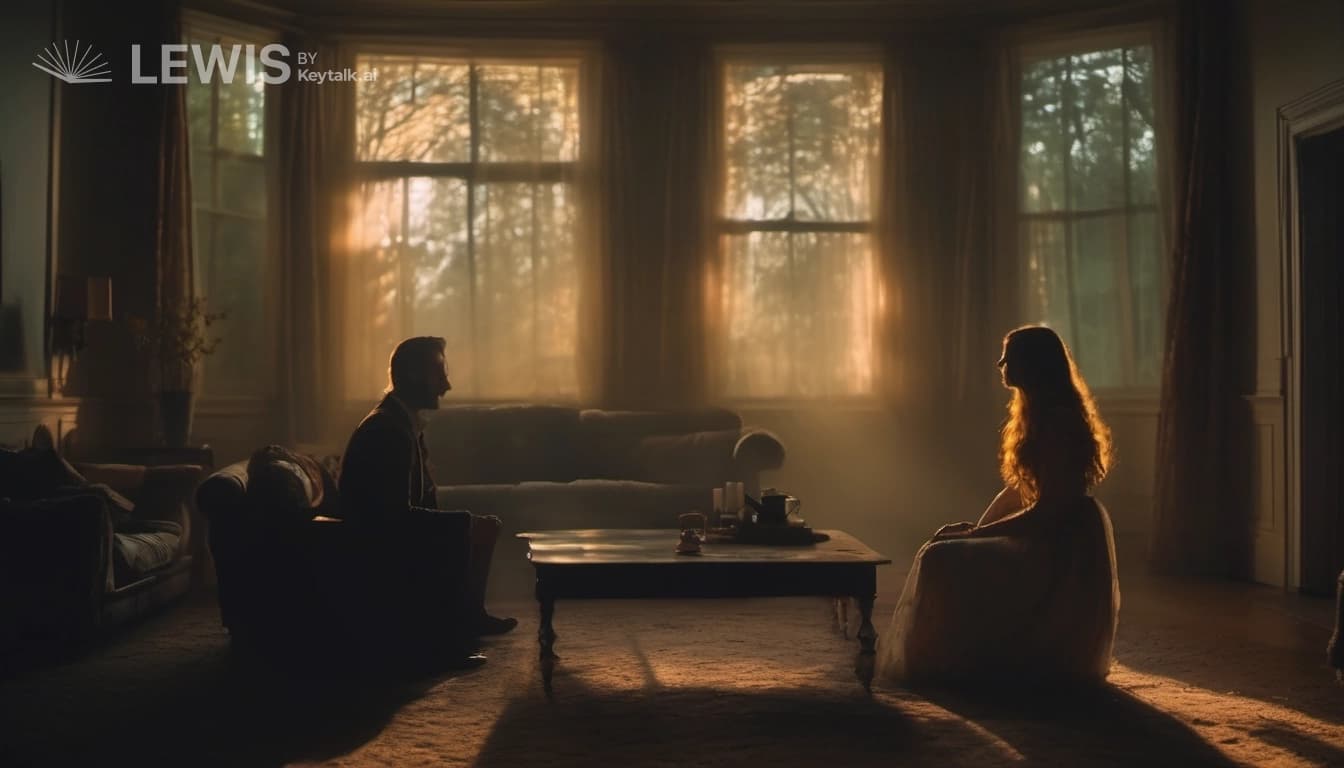
- Description : Beneath the Archive, the Lantern Vaults stretch in spiraling chambers, each alcove flickering with glass-lit lanterns that cradle the distilled memories of centuries—some pulsing with sorrow, others shimmering with feral joy. The air is thick with the scent of scorched parchment and rain-soaked stone, and every echo is laced with the spectral voices of pilgrims who have wandered too deep, their regrets braided into the architecture. It is here, amid vaults trembling with the threat of erasure, that Elias first trespasses on forbidden terrain, his shadow intermingling with the flickering light as Dr. Grayson’s silhouette looms—a sentinel between memory and oblivion.
Location 2
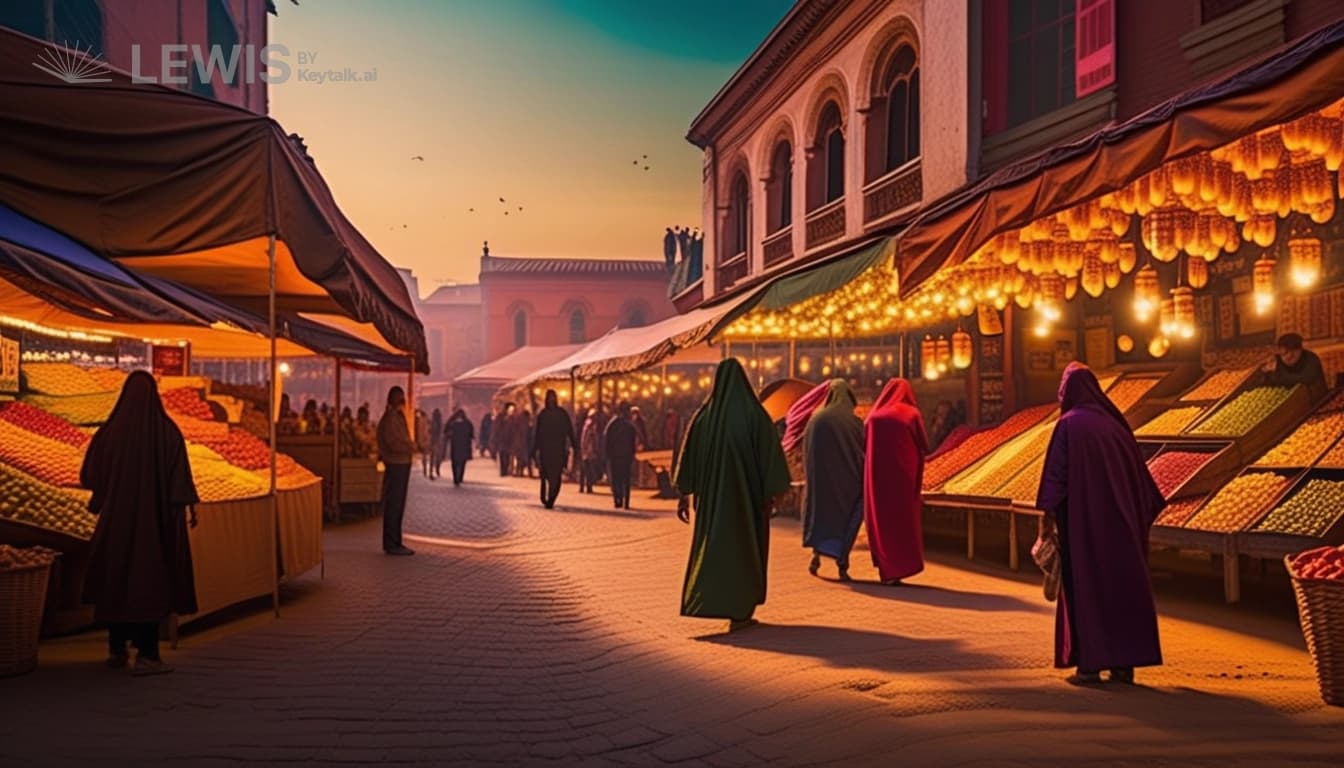
- Title : The Veiled Market of Chimeric Echoes
- Description : Beneath a canopy of perpetually shifting silks—each dyed with the flickering hues of half-remembered dreams—the Veiled Market sprawls in a labyrinthine warren, its stalls manned by masked vendors who barter in bottled regrets and crystalline laughter. The air quivers with the scent of burnt amber and wilted violets, while spectral illusions—fragments of traded memories—flutter and dissolve above the crowd, their shapes beautiful and grotesque in equal measure. Here, amidst the fevered hush and clamor, Elias must negotiate for a forbidden mnemonic artifact, risking his very sense of self as the Market’s living shadows hunger for the secrets he carries.
Location 3
- Title : The Petrified Sanctuary of the Exiled Archivists
- Description : Deep beneath the Archive, the Sanctuary sprawls as a chamber of fossilized memory—walls encrusted with calcified glyphs, each marking a trauma too perilous to traverse. Ghostly silhouettes flicker at the periphery, remnants of archivists exiled for daring to intervene, their silent anguish woven into the stone. The air is heavy with the scent of old parchment and salt, a sacred, oppressive stillness that compels Elias and his companions to confront the cost of preservation: here, pain is immortal, but hope is always on the verge of extinction.