Plot Synopsis
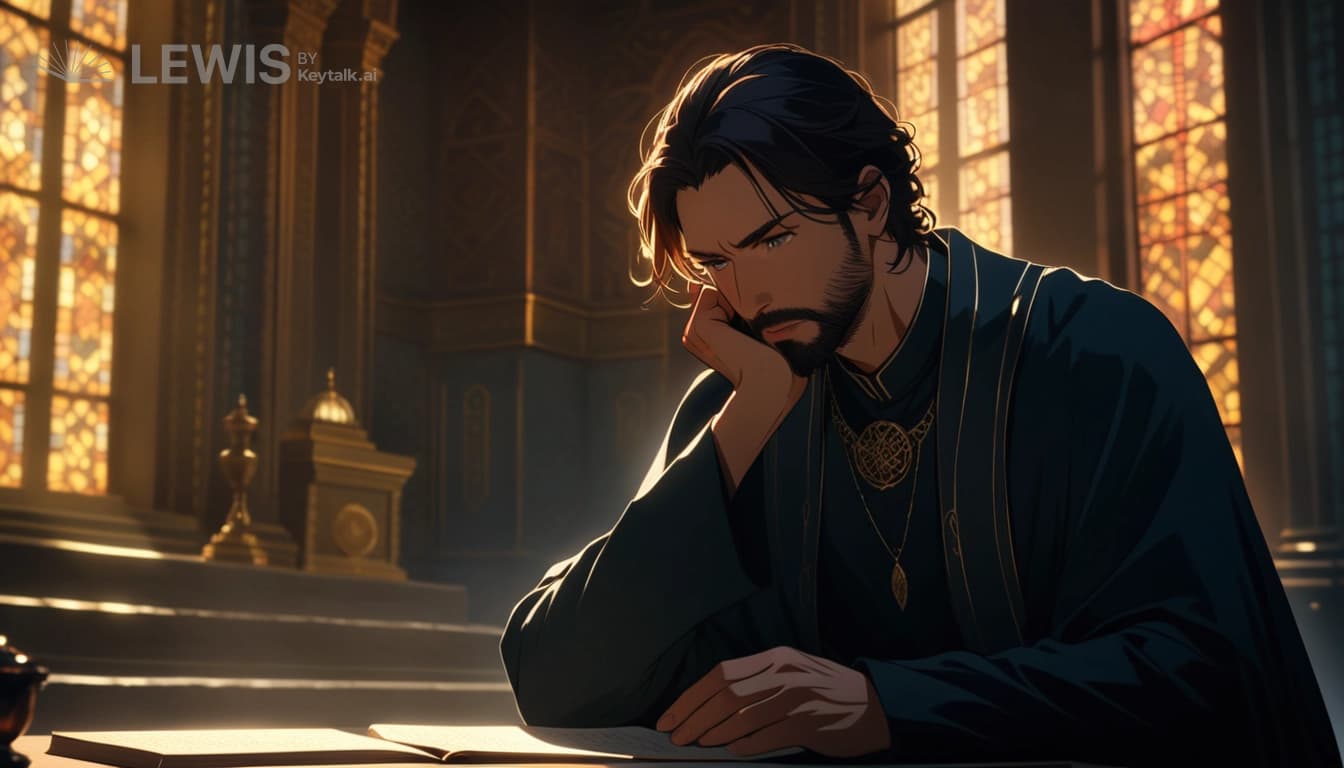
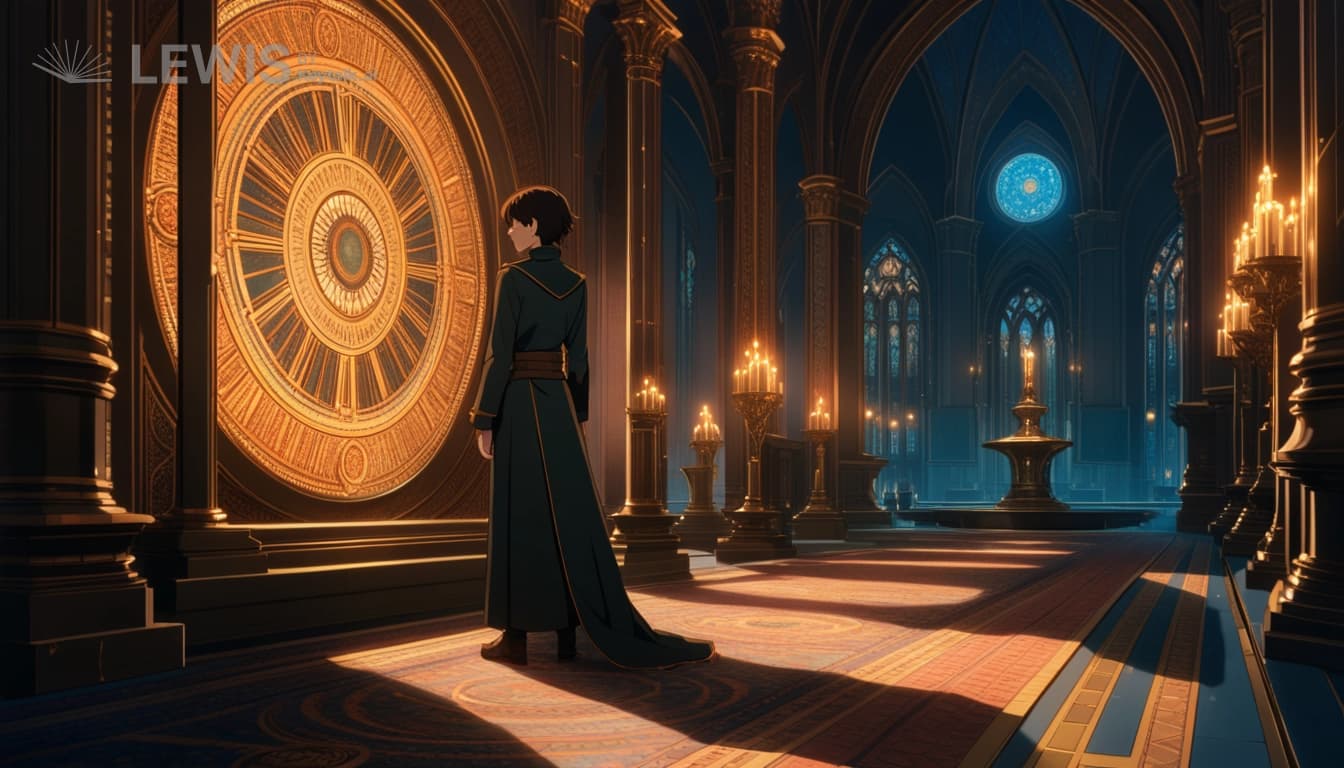
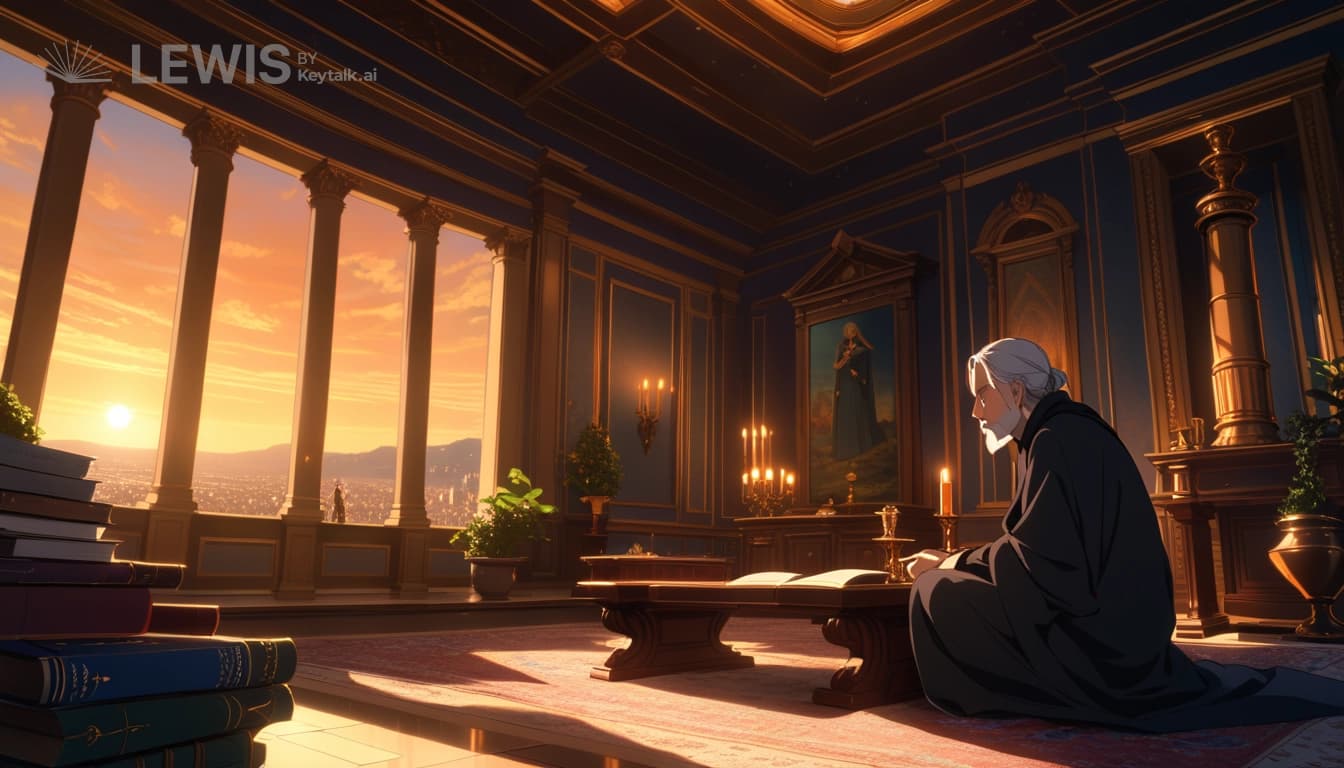
In a futuristic society where knights wield intangible ideas as their primary weapon, Émeric Valois, a 35-year-old chivalrapher, finds himself disillusioned and introspective. Once a steadfast believer in the chivalric code, Émeric's faith has been eroded by the complexities and ethical dilemmas of his vocation. Tall and lean, with a contemplative gaze, Émeric is respected for his eloquence and the rhythmic cadence of his speech. Living alone in a high-tech dwelling surrounded by holographic books and relics of a bygone era, he often reflects on the teachings of his mentor, who emphasized the delicate balance of intellect and ethics. Émeric spends his free time practicing calligraphy, an art that calms his restless mind and hones his precision.
The story begins with Émeric grappling with his wavering beliefs and the looming threat of a supernatural rebellion. The rebellion is led by Lucien d'Aubigné, a 42-year-old mind-bender with a background in cognitive manipulation. Lucien's piercing eyes and calculated speech mask a profound isolation and a latent vulnerability to hubris. His motivations are driven by a twisted sense of liberation for humanity, pushing him to dismantle the very fabric of society. As Lucien's influence grows, he begins to alter the minds of those around him, threatening to dissolve the essence of free will itself.
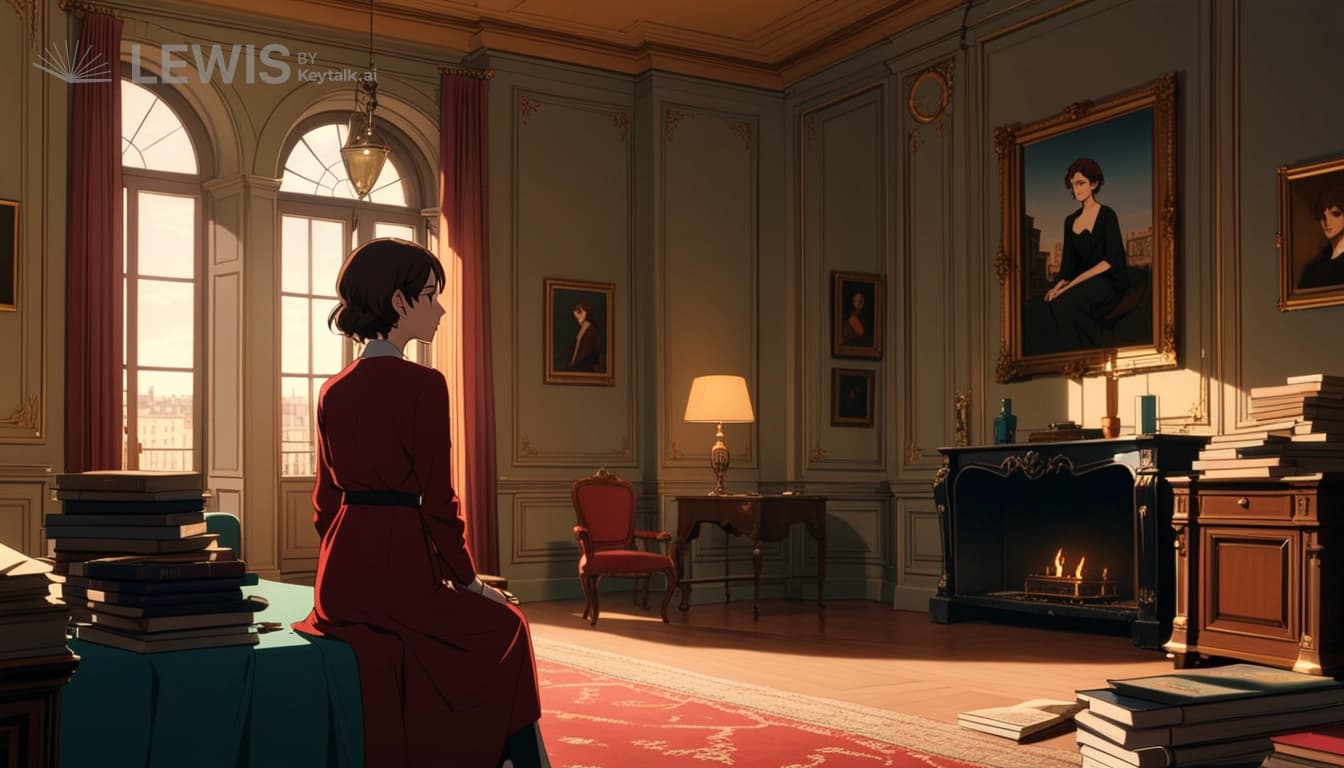
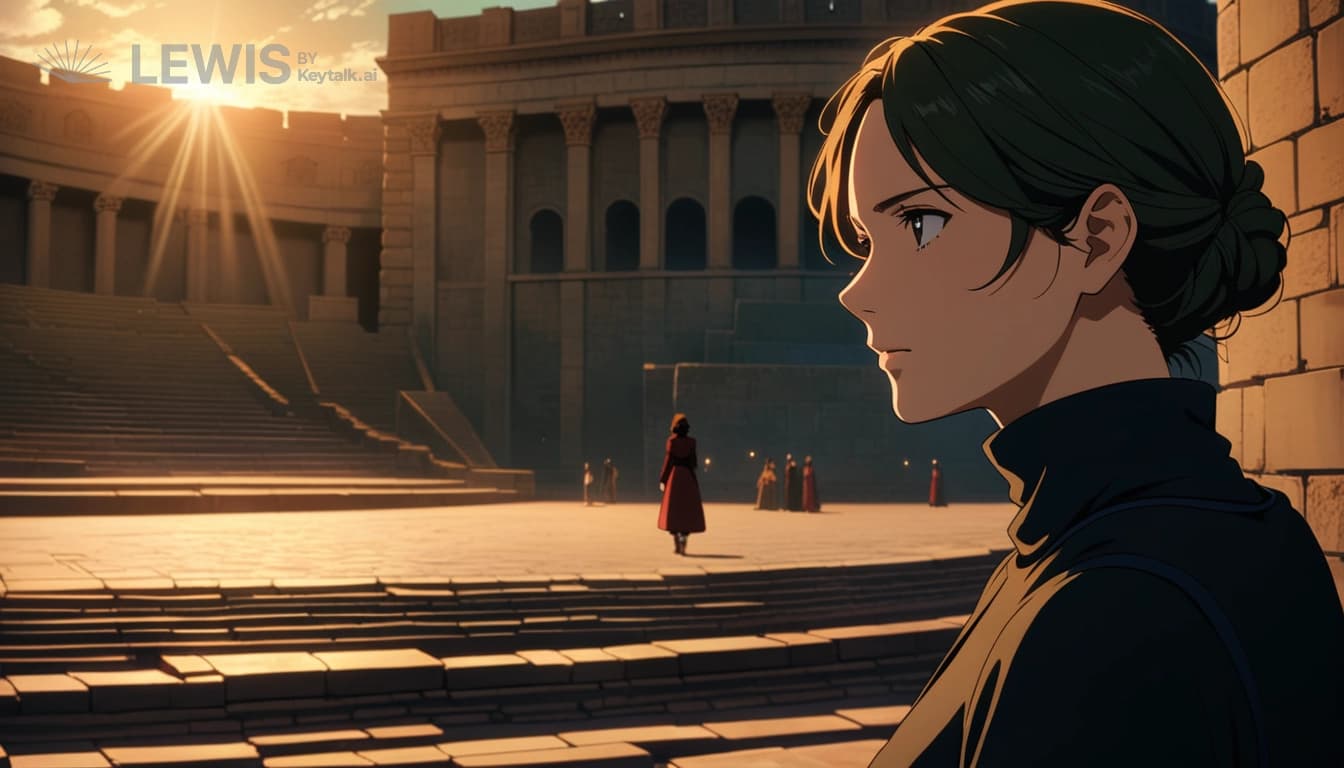
Émeric's life takes a dramatic turn when he encounters Amélie Lefevre, a 29-year-old philosopher with a sharp wit and relentless drive for uncovering truths. Amélie's formal and precise speech reflects her disciplined mind, though she occasionally lapses into passionate rhetoric. Living alone in a cluttered apartment filled with books and abstract art, Amélie finds solace in solitude but yearns for meaningful connections. Her relationship with her mentor, a renowned but reclusive philosopher, fuels her desire to understand and preserve the essence of free will. Amélie's intellectual prowess and determination challenge Émeric's wavering beliefs, pushing him to explore the fringes of human consciousness.
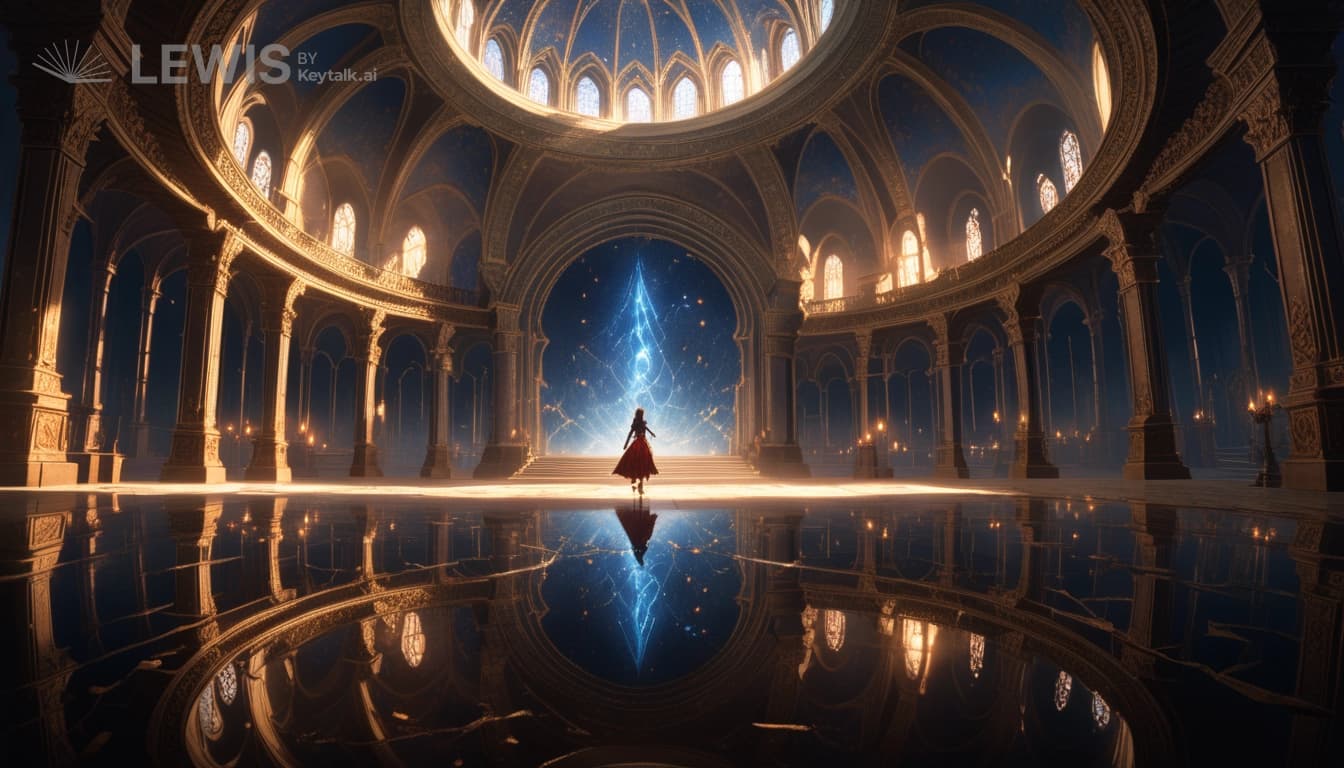
As the supernatural rebellion intensifies, Émeric and Amélie join forces to confront Lucien. Their journey is fraught with moral dilemmas and philosophical debates, forcing Émeric to confront his own skepticism and guarded optimism. Together, they navigate a world where ideas are wielded as weapons, and the boundaries between reality and illusion blur. Émeric's meticulous nature and deep sense of honor drive him to find a way to preserve free will, even as he grapples with the encroaching shadows of doubt.
In a climactic confrontation, Émeric and Lucien engage in a battle of wits and wills. Lucien's ability to bend others to his will is met with Émeric's unique blend of intellectual rigor and moral integrity. The struggle between them highlights the profound philosophical differences that define their characters. Émeric's belief that true strength lies in understanding and adapting ideas, rather than blindly following tradition, ultimately sets him apart. With Amélie's support, Émeric manages to touch the fringes of human consciousness, unlocking a latent potential for profound transformation.
In the end, Émeric's journey leads to a revelation about the nature of free will and the power of ideas. Lucien's grand upheaval is thwarted, and the supernatural rebellion is quelled. Émeric emerges as a transformed individual, having confronted his own doubts and reaffirmed his commitment to preserving the essence of free will. The story concludes with Émeric and Amélie standing on the precipice of a new era, their minds united in the pursuit of a future where the integrity of human consciousness remains intact.