World
1. Where/When:
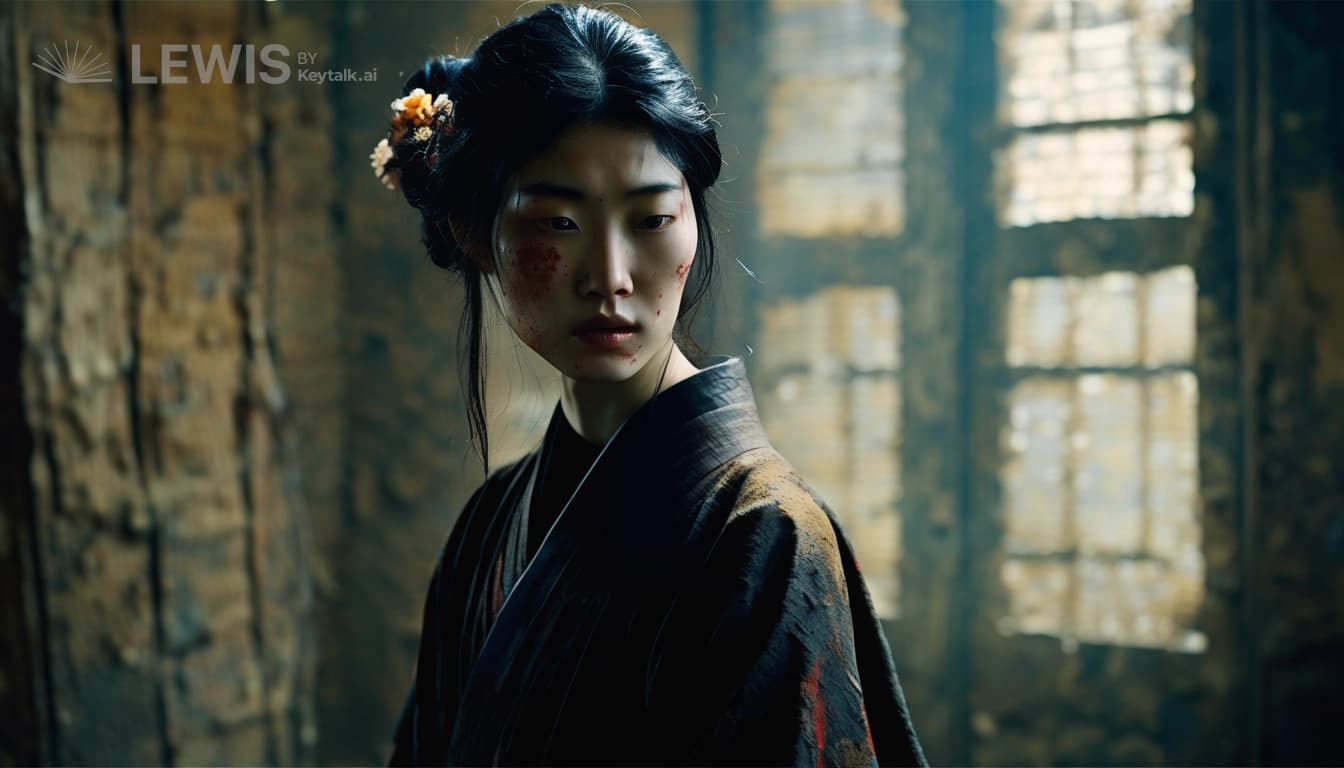
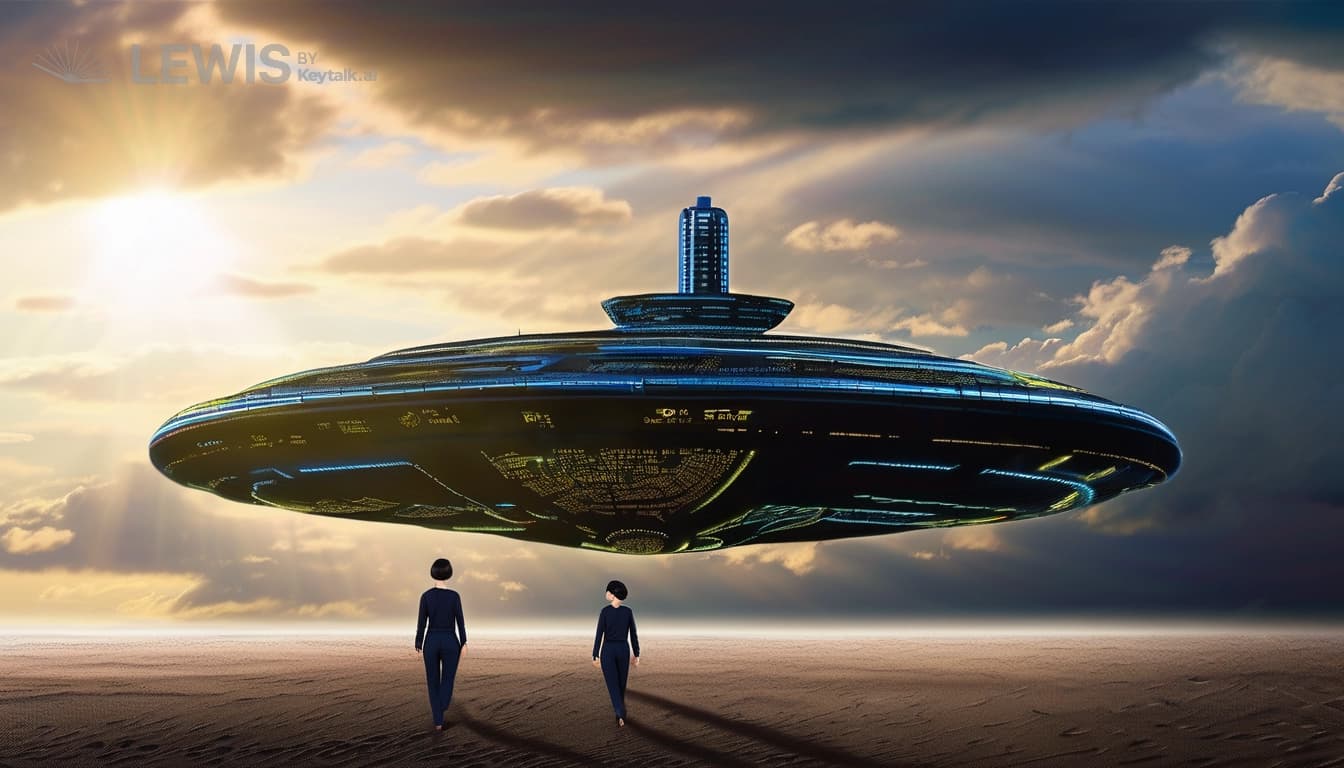
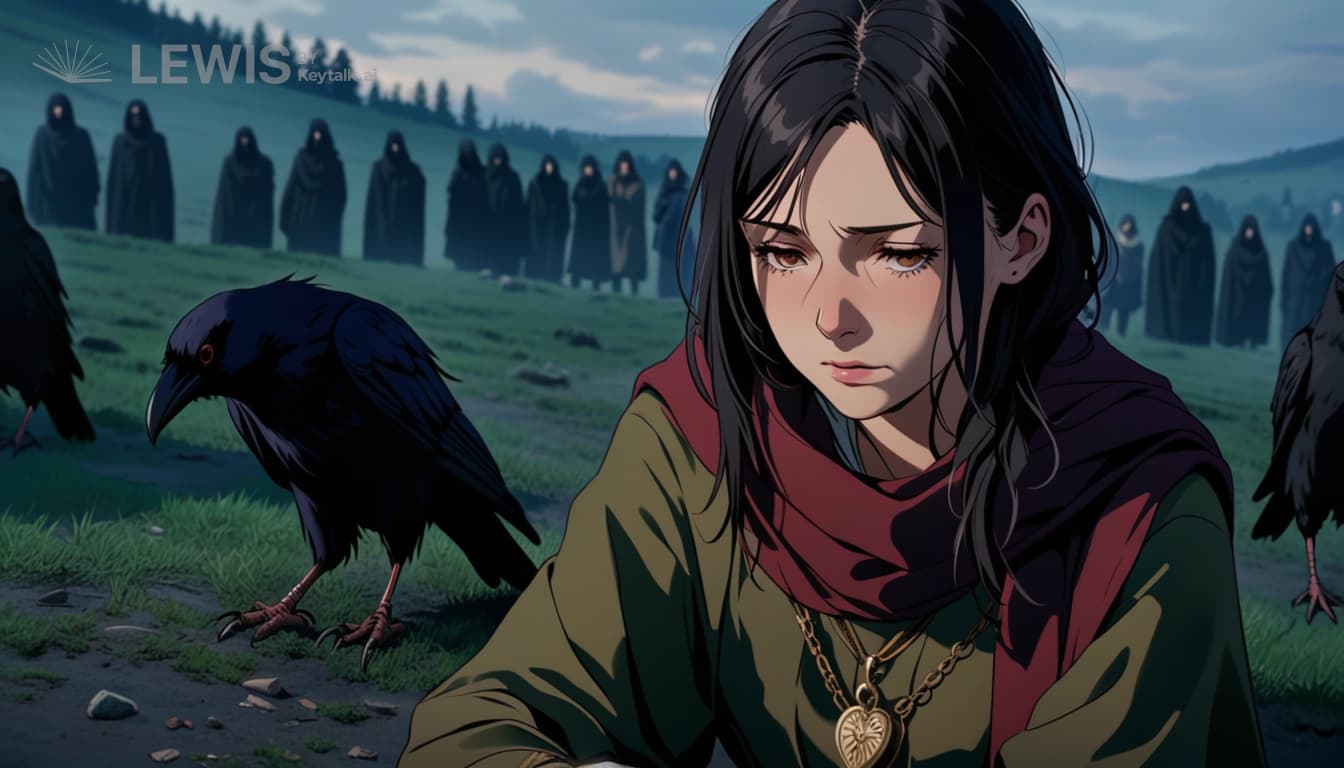
The story is set in a post-apocalyptic world, though the term "apocalypse" does not refer to the traditional end brought about by war or natural disaster. Instead, this is a psychological and cultural apocalypse—a fracturing of reality itself, catalyzed by an enigmatic event that dismantled societal norms and thrust humanity into an aberrant artistic dimension. This dimension operates as an anarchic, surrealist reflection of the old world, where the boundaries between physical space, emotion, and perception blur. Time itself has become unstable, behaving more like a fluid than a line, with memories of the past bleeding into the present and visions of potential futures manifesting like phantoms.
The setting spans the remnants of a once-thriving metropolis, its skeletal architecture overgrown with strange, bioluminescent fungi and warped into impossible, Escher-like geometries. The timeline is ambiguous; it is not clear how long it has been since the "collapse," and the characters themselves, haunted by fragmented memories, seem unable to place their lives within a coherent chronology. The world exists in perpetual twilight, the sun long obscured by a dense, swirling miasma of ash and pigment-like hues. Rain falls frequently, an unrelenting downpour that seems to carry with it the whispers of forgotten truths, adding an auditory texture of melancholy to the already oppressive atmosphere.
2. Important rules of the universe and how it impacts the story:
- **Reality is mutable:** In the aberrant artistic dimension, physical laws bend under the weight of emotional and creative energy. Buildings shimmer like mirages, collapsing into abstract forms when not actively perceived. The laws of gravity are inconsistent, with objects and people occasionally drifting upward or sinking into the earth, depending on the intensity of their inner turmoil. For Aika, this mutability amplifies her sense of disorientation and her struggle to anchor herself to purpose and meaning.
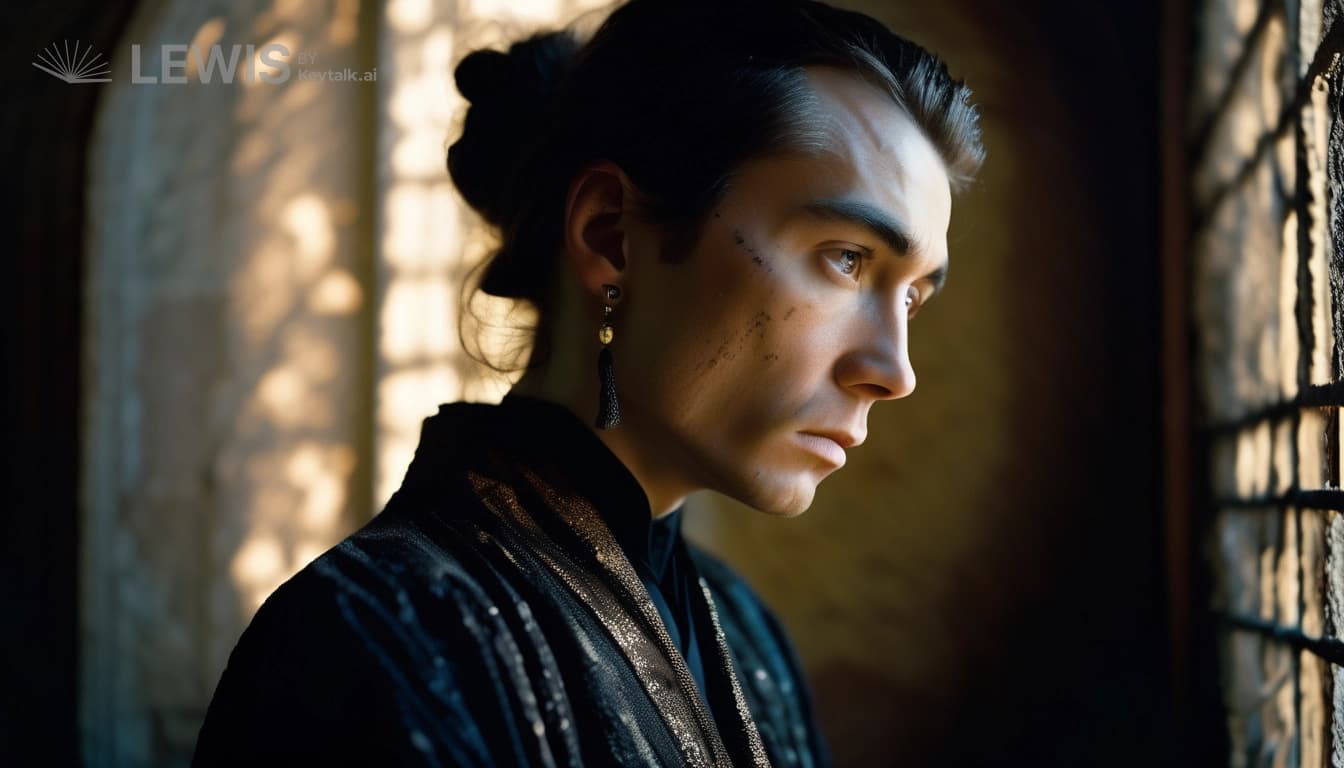
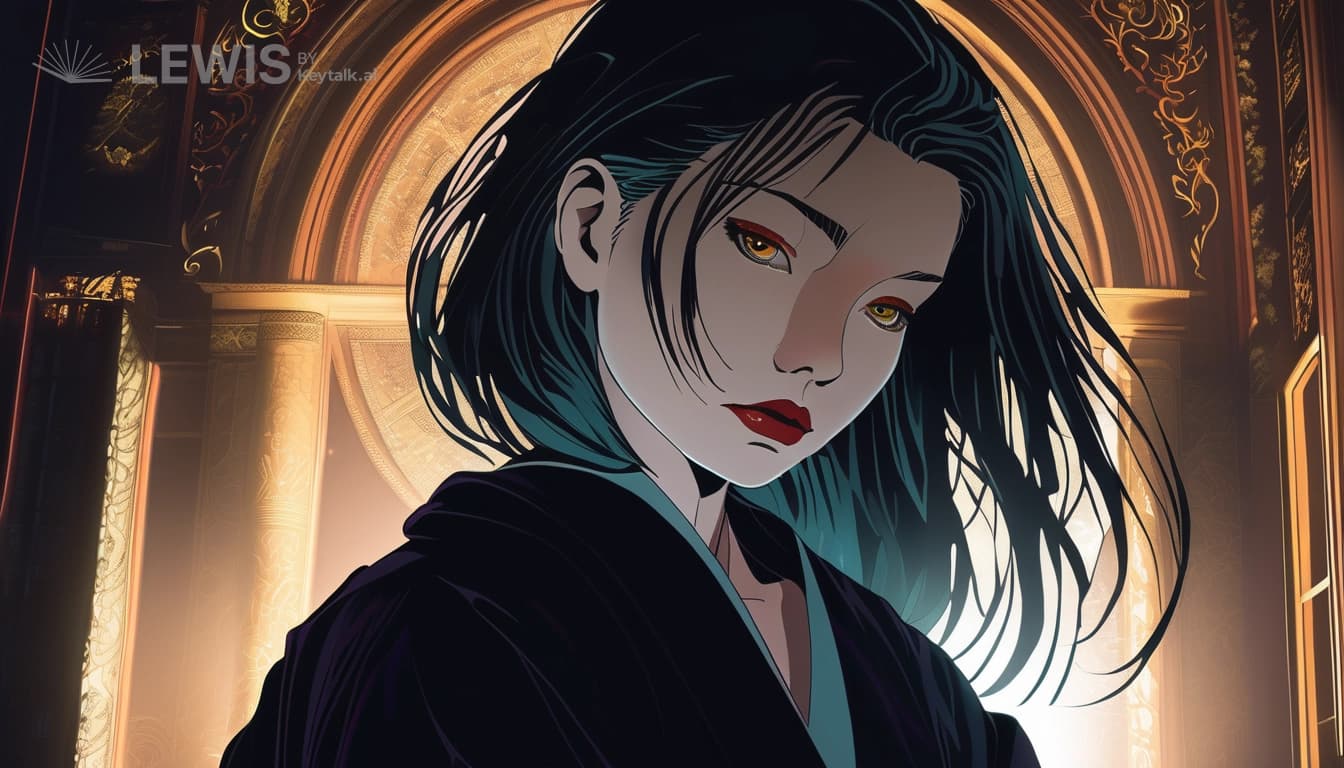
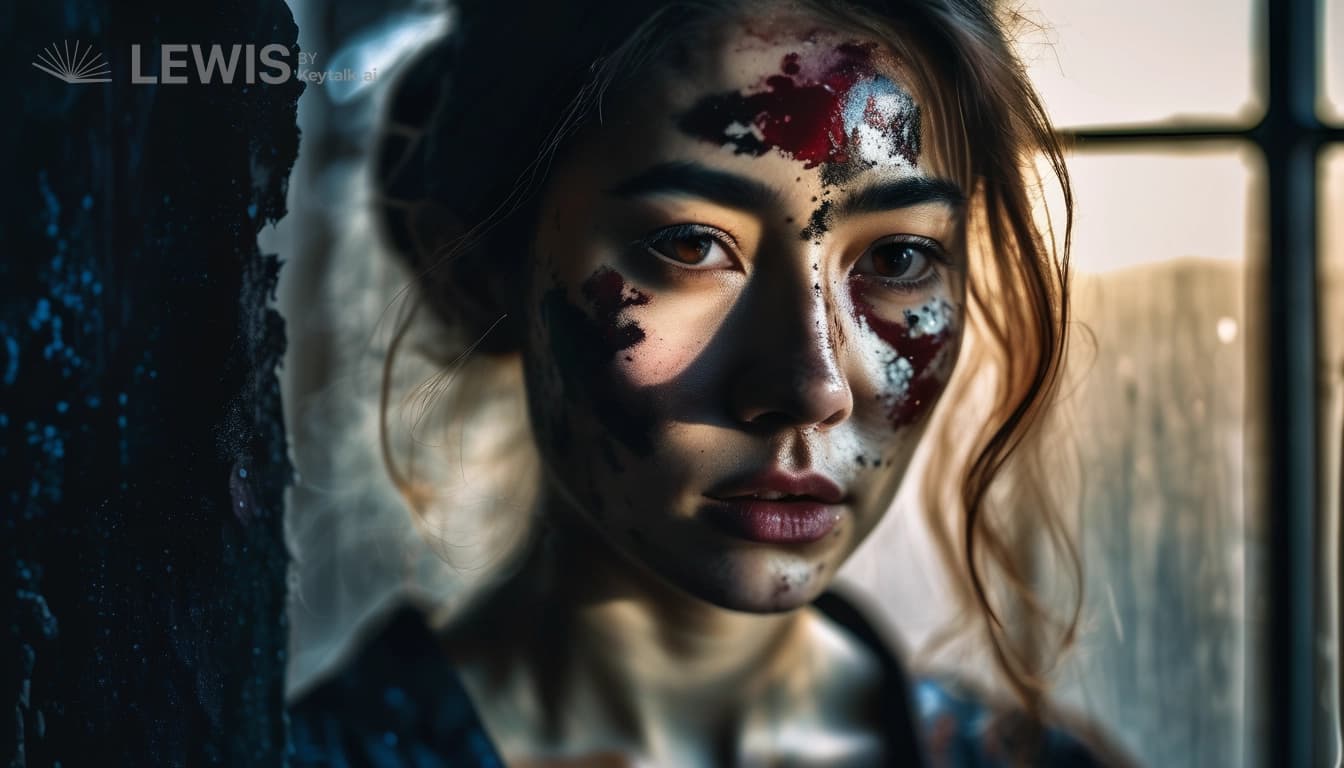
- **Art shapes existence:** Art is no longer a mere expression of emotion or thought but a force capable of altering the physical world. Aika’s paintings, when imbued with enough passion or despair, can manifest as tangible extensions of herself—violent brushstrokes becoming jagged tears in space, vibrant colors bleeding into the environment and reshaping it. Étienne’s performance pieces, meanwhile, weaponize this phenomenon, using grotesque displays to manipulate and destabilize others. This rule raises the stakes of Aika’s quest, as her creations could either save or further destroy what remains of humanity.
- **Memory is unreliable:** The collapse severed humanity’s collective memory, leaving individuals with fragmented, amorphous recollections of the old world. This lack of a shared history fuels the chaos of the new dimension, as people cling to distorted versions of the past or abandon it entirely. Aika’s memories of her prodigious rise and subsequent fall as an artist both haunt and drive her, but they are as distorted as the world around her, forcing her to question the reliability of her own perspective.
- **Emotions manifest physically:** Strong emotions—grief, rage, love, fear—can distort the environment, creating pockets of reality that reflect the inner states of those who inhabit them. For instance, Étienne’s atelier, carved into the derelict opera house, is a labyrinthine space that shifts and warps in response to his volatile moods, becoming a battleground for Aika’s confrontation with him.
3. The visual description of the universe:
The world is a collage of decayed beauty and grotesque invention, its landscapes resembling the fever dreams of a surrealist painter. The city, once a beacon of human ingenuity, is now a haunting mosaic of shattered glass, twisted metal, and crumbling stone, overrun by creeping vines that glow with an otherworldly luminescence. Streets are flooded with stagnant pools of ink-like water, their surfaces iridescent with swirling pigments, as if the city itself is weeping colors.
The sky is a perpetual canvas of muted grays and bruised purples, pierced occasionally by jagged streaks of crimson lightning. These flashes illuminate the jagged silhouettes of skyscrapers, their windows shattered and their spires bent at impossible angles. In the distance, the horizon is obscured by a dense fog that seems to writhe with unseen shapes, hinting at the unknowable expanse of the aberrant dimension.
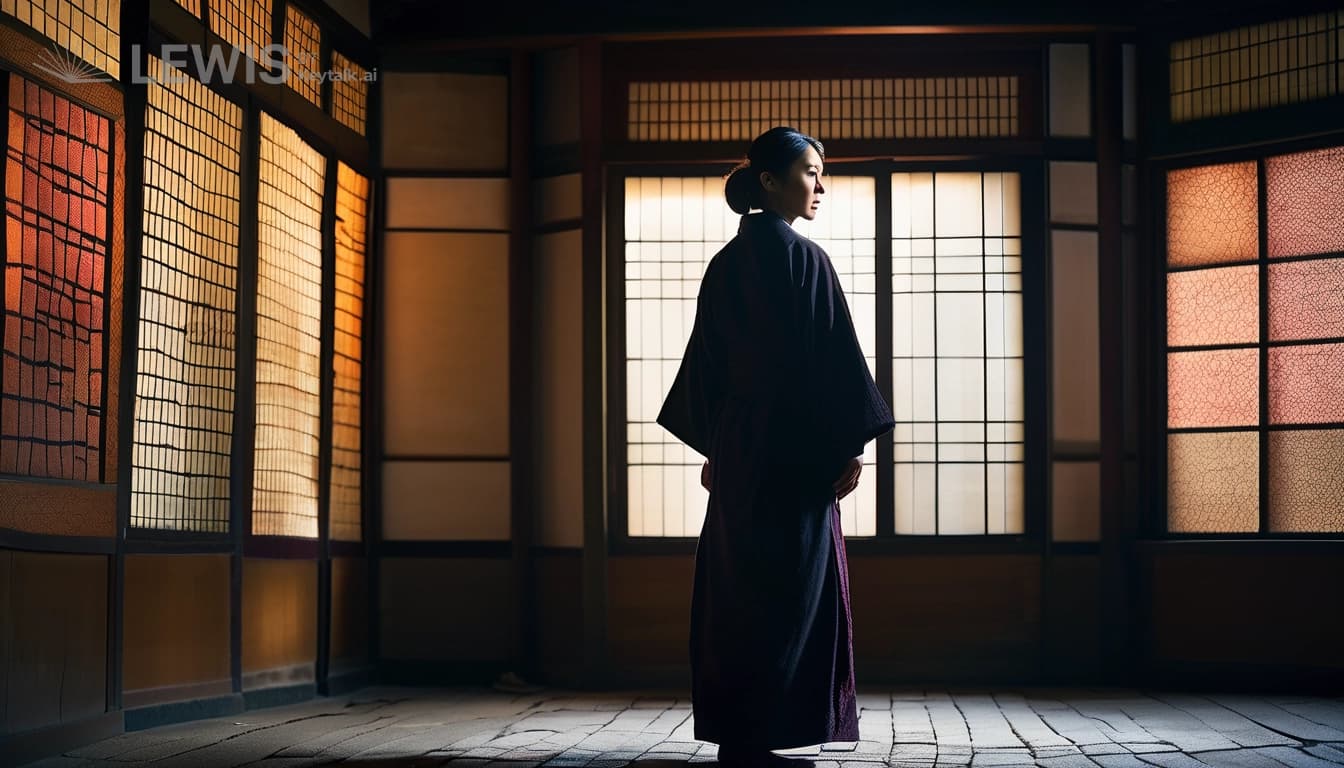
The interiors of buildings are equally unsettling, with walls that ripple like fabric and ceilings that stretch upward into endless voids or collapse downward without warning. Aika’s studio is a microcosm of this chaos: its walls are cluttered with half-finished canvases and broken objects she has scavenged, their jagged forms arranged into haunting assemblages. The air is thick with the scent of turpentine, mildew, and decay, a sensory reminder of both her desperation and her defiance.
Location 1
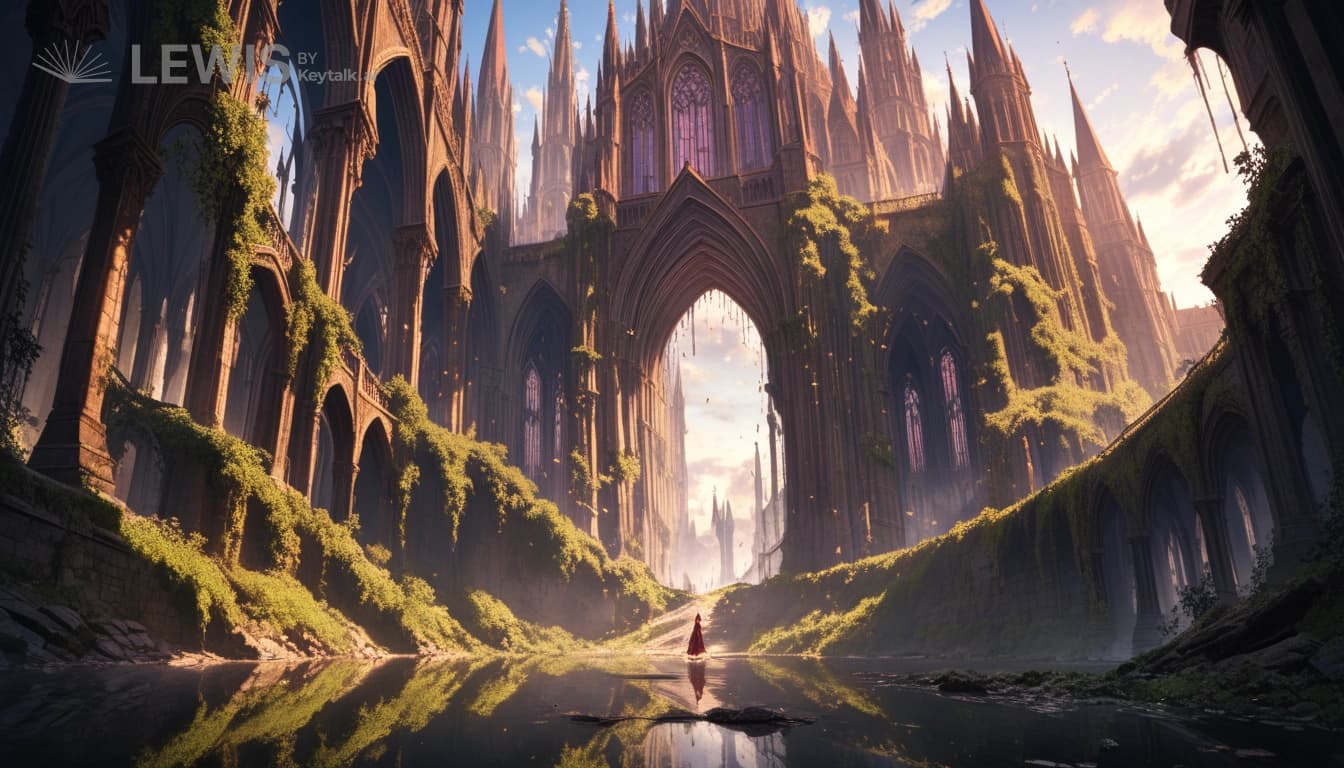
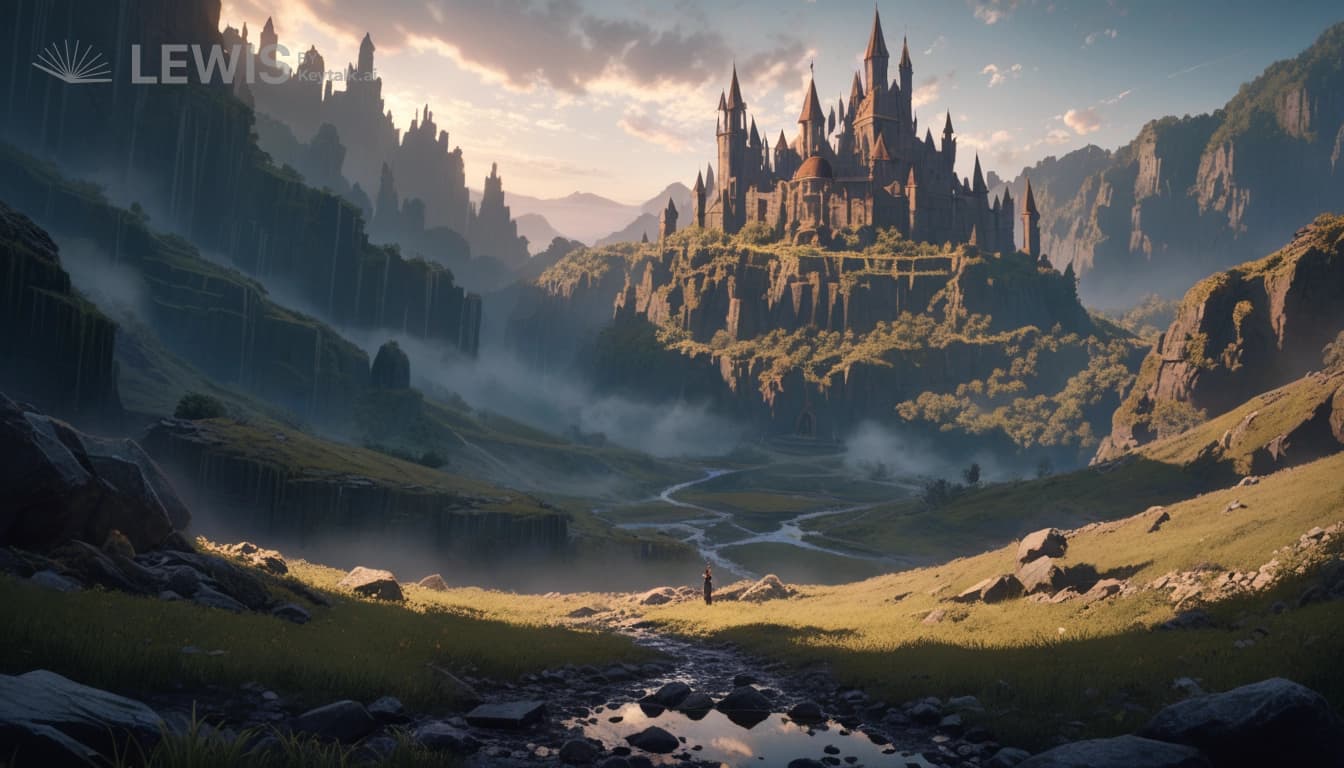
- Title: The Fractured Spire of Kintsugi Heights
- Description: Perched atop a jagged hill, the Spire looms as a crooked skeleton of gold-laced ruins, its fractured walls glinting faintly under the ashen sky. Once a sanctuary for artistic visionaries, its collapsed galleries now house haunting carvings—cryptic symbols that whisper fragmented truths to Aika. The air hums with an eerie resonance, as though the Spire itself mourns a world shattered yet stitched together with threads of defiant beauty and despair.
Location 2
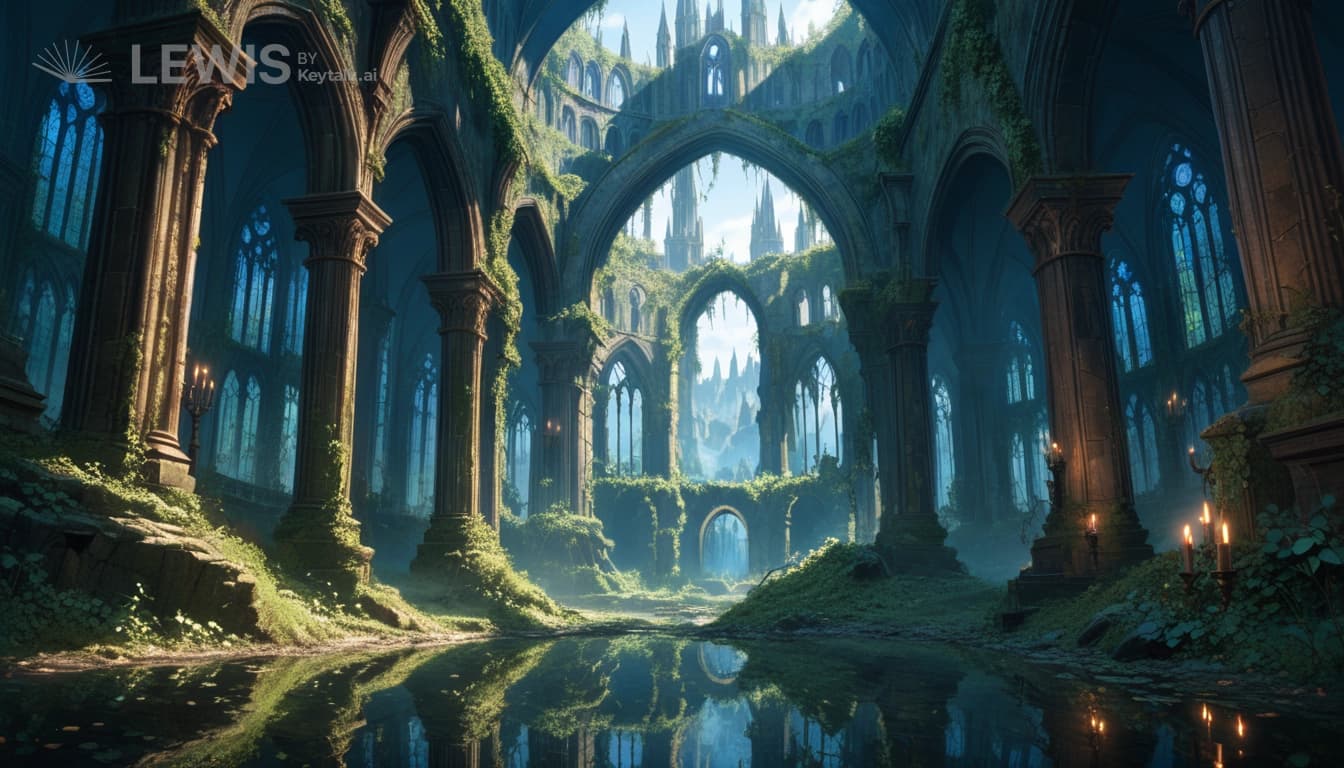
- Title: The Abyssal Hall of the Shattered Aria
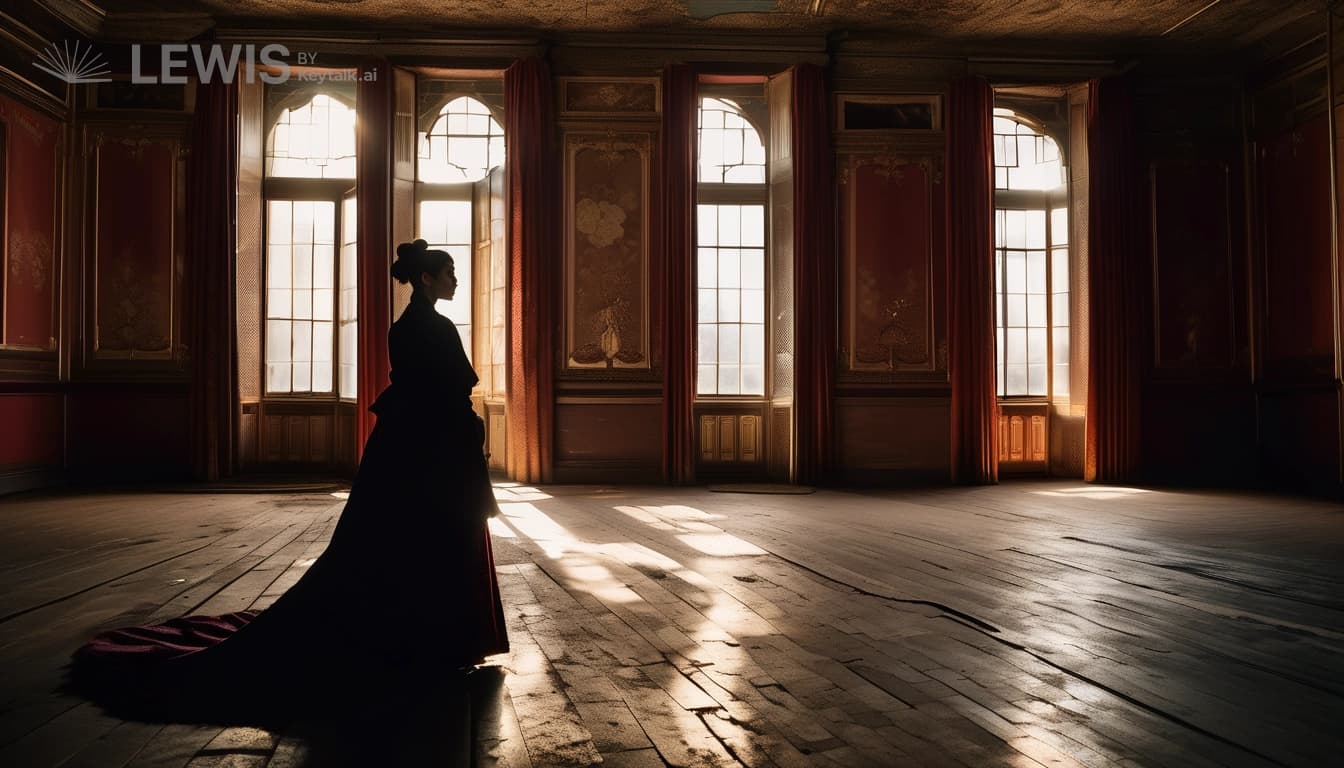
- Description: Beneath the decaying arches of the abandoned opera house, the Abyssal Hall stretches like an endless wound carved into the earth, its walls glistening with veins of obsidian and jagged shards of stained glass. The air hums with a discordant symphony—a haunting blend of whispers, wails, and the ghostly echoes of shattered melodies that seem to twist and coil around the mind. At the center looms Étienne’s stage, a grotesque altar of broken instruments and warped sculptures, where art and madness converge in a suffocating dance of creation and annihilation.
Location 3
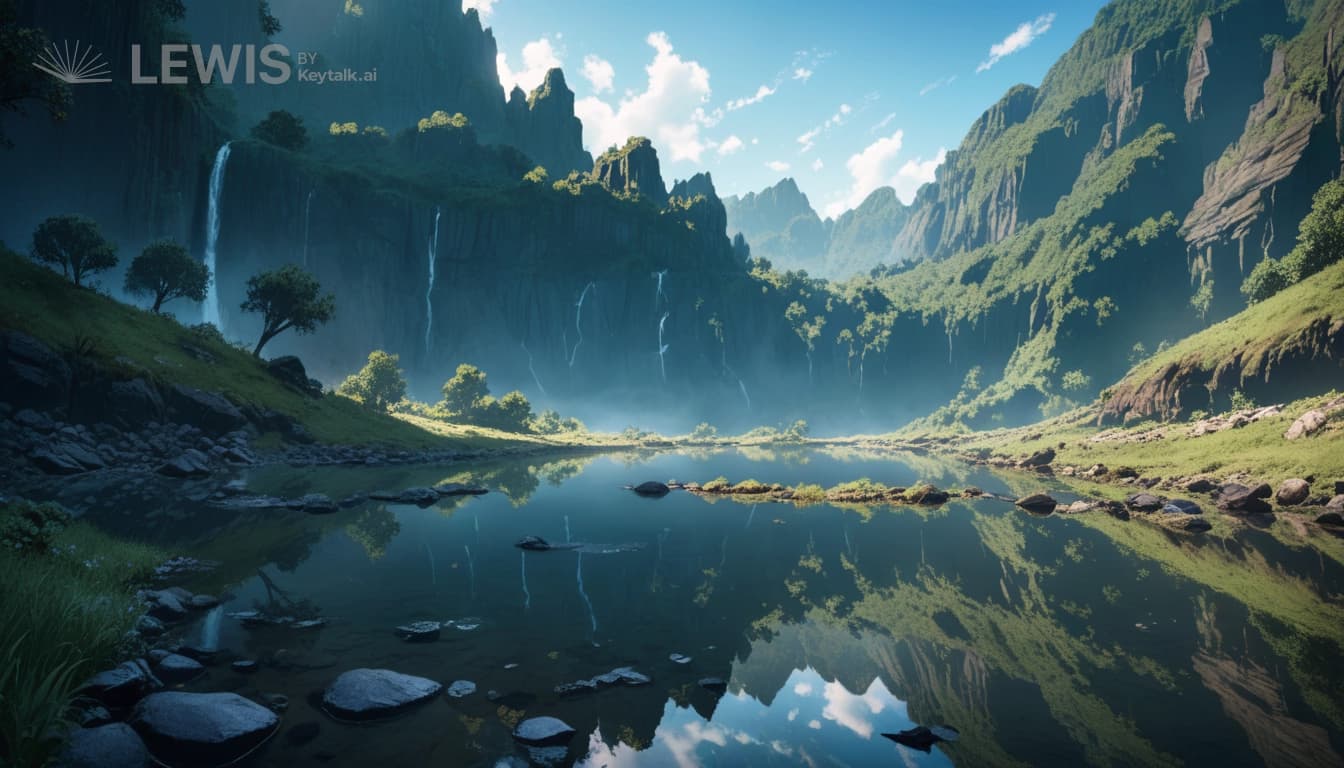
- Title : The Obsidian Mire of Chromatic Reflections
- Description: A fetid swamp of blackened, glass-like water stretches endlessly, its surface fractured by jagged shards that shimmer with shifting, iridescent hues. Each shard reflects distorted, nightmarish visions of those who dare to gaze upon them, as if the mire itself feeds on buried truths and unspoken fears. The air is thick with acrid mist, and the ground trembles faintly, as if the mire pulses with a malevolent consciousness, marking the site of Aika’s final confrontation with Étienne and his haunting mirror installation.