

Protagonist Character
Orion Kuroda
Profile
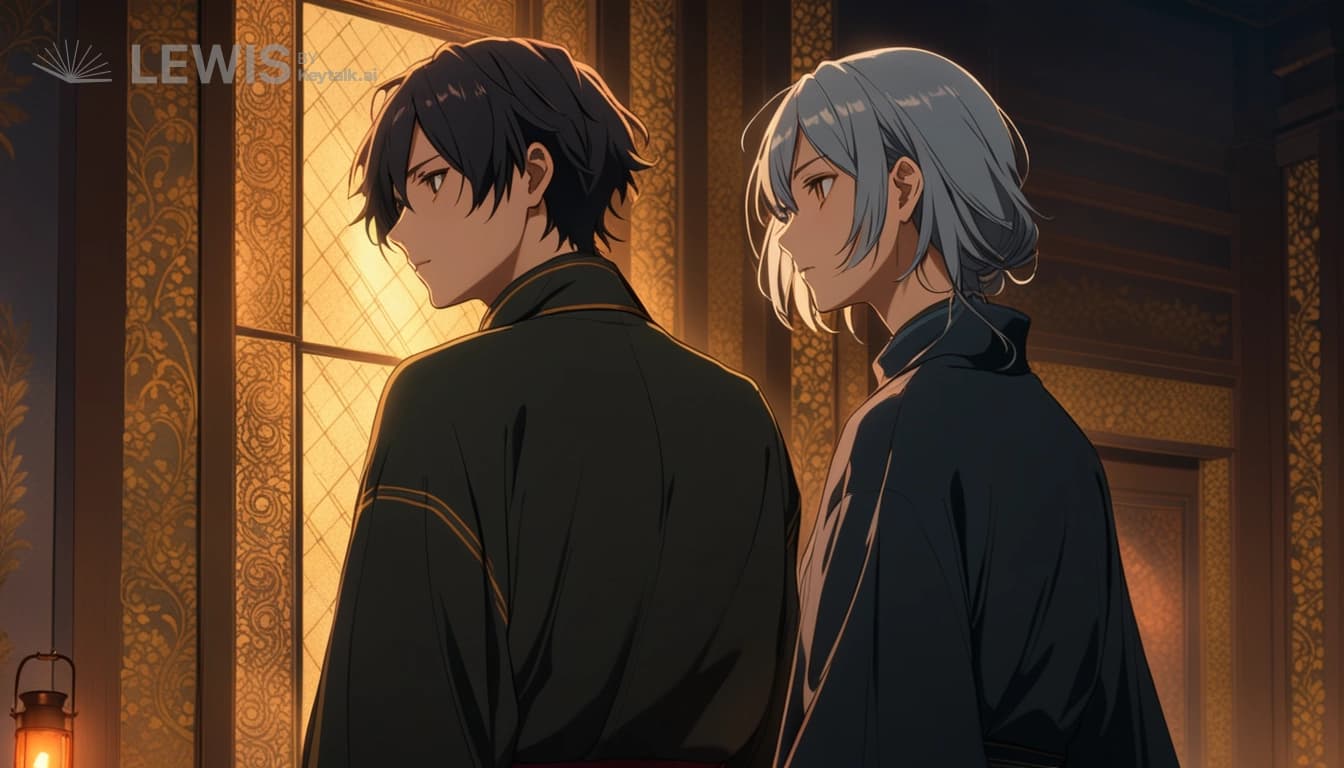
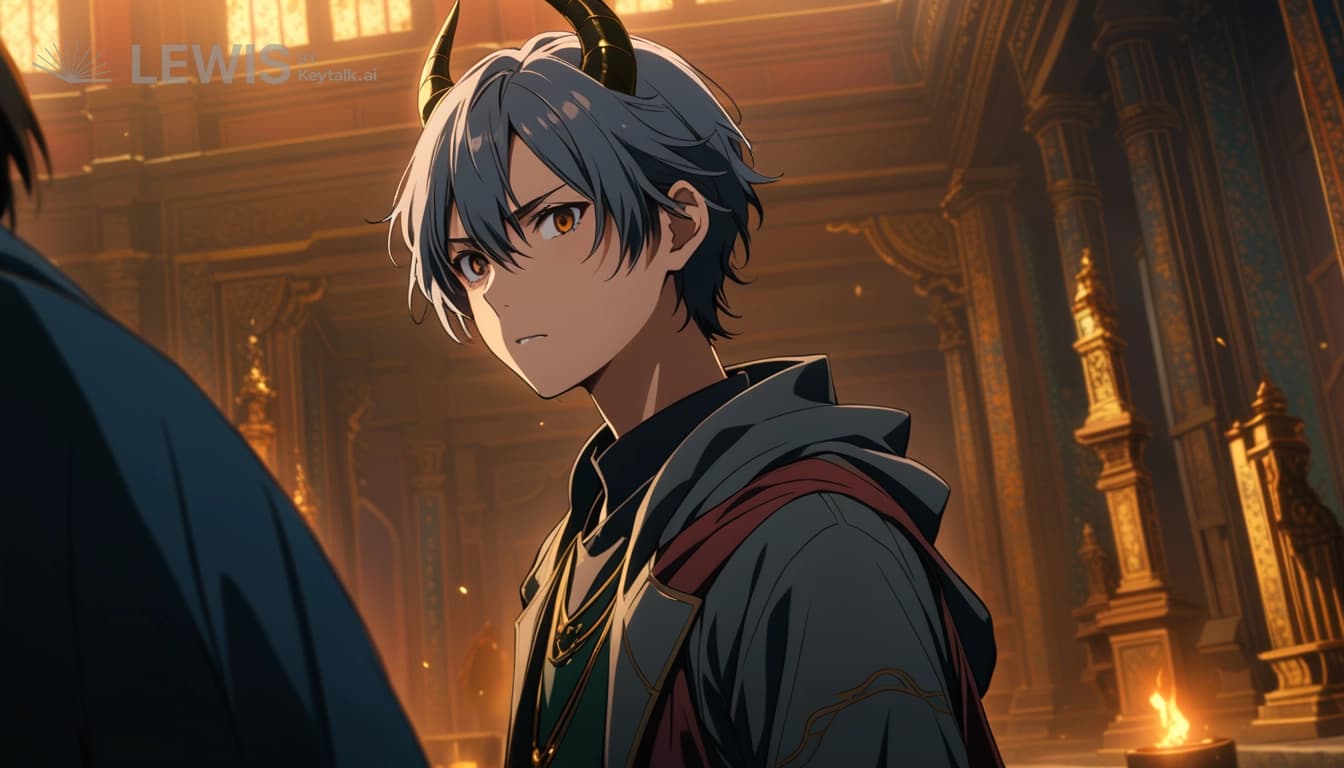
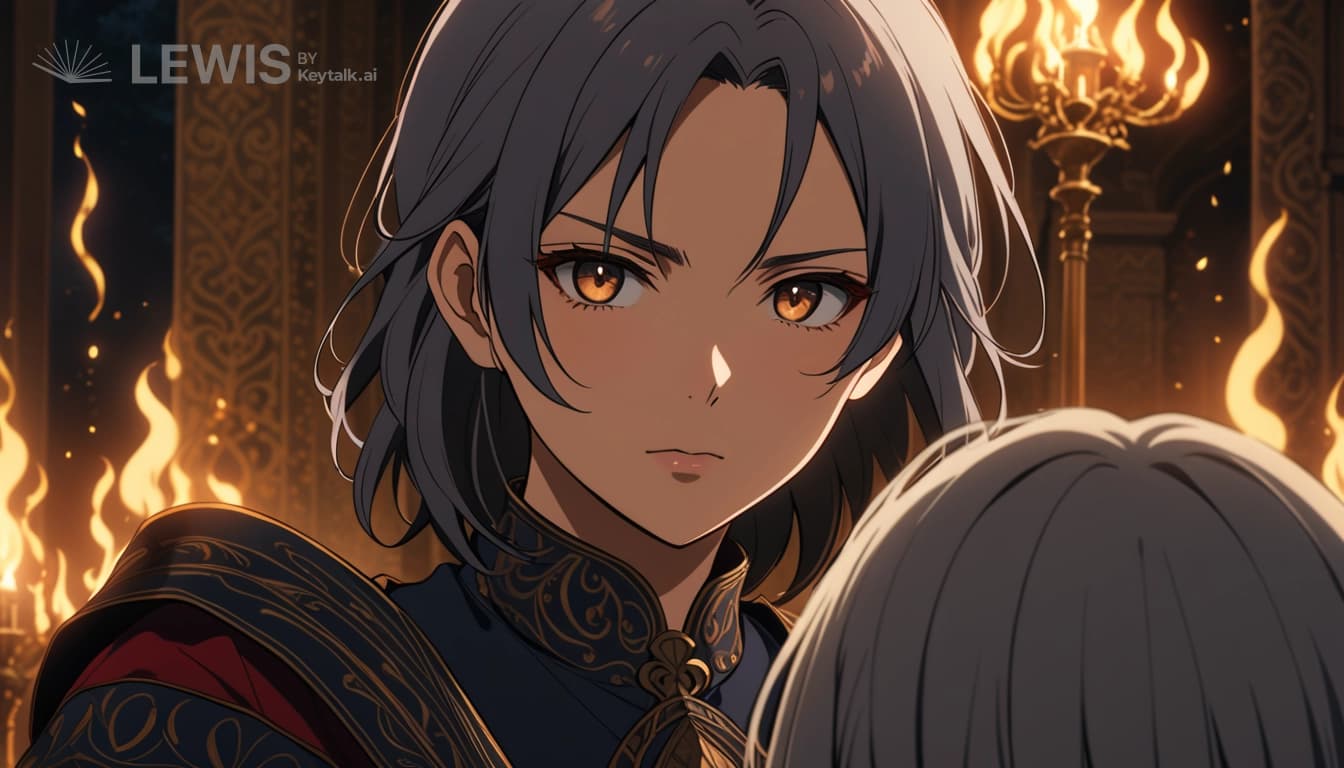
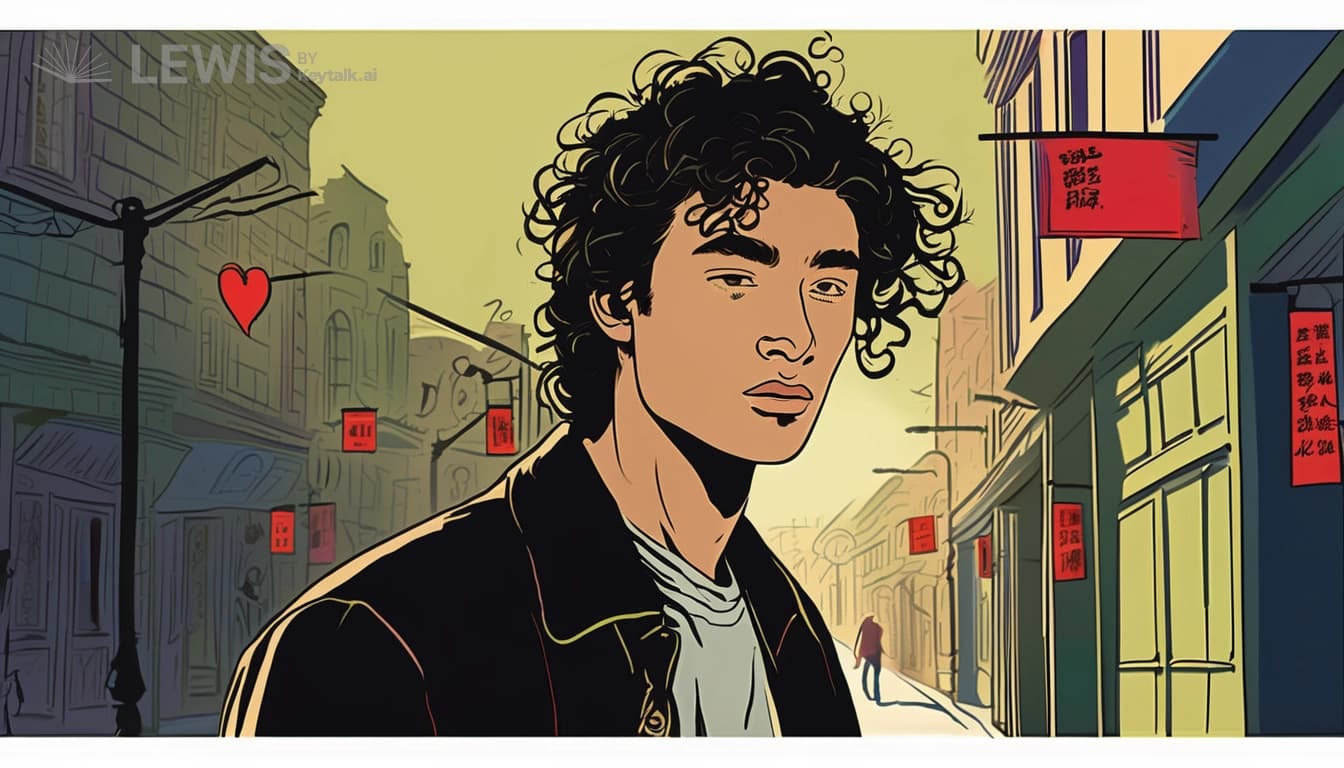
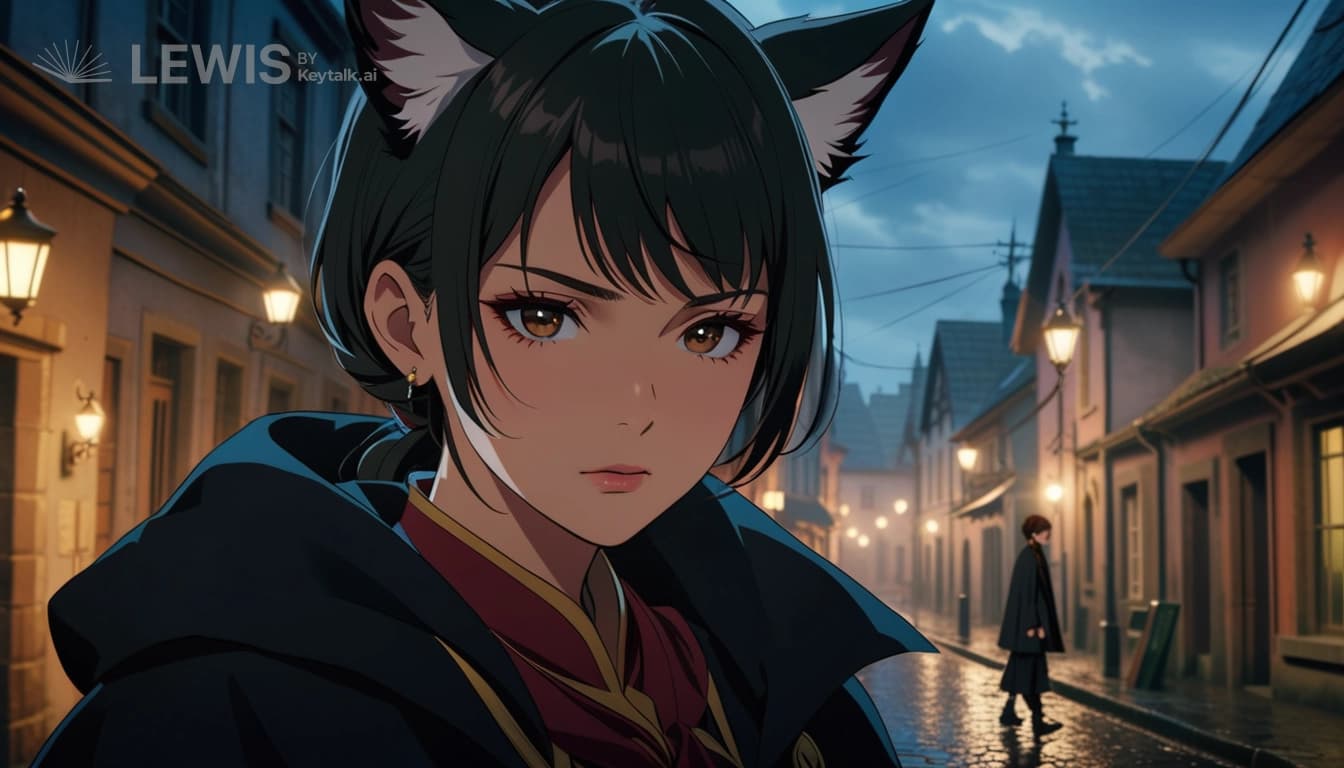
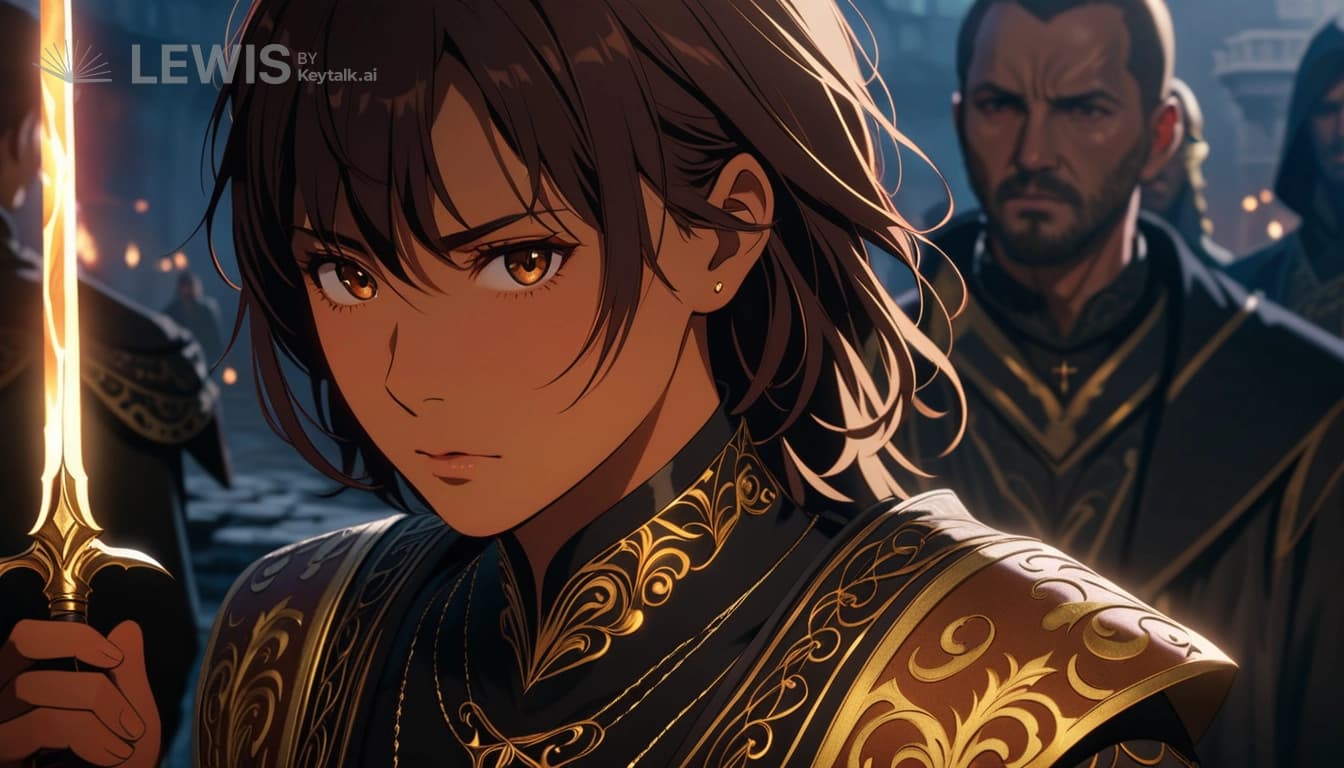
Orion Kuroda stands at just under six feet, his lean, wiry frame all sinew and restless tension, every muscle taut as if bracing for a blow that never comes. His skin is an ashen gold, marked by faint, iridescent scales that shimmer along his jawline and collarbones—a legacy of his demon heritage, barely hidden beneath the high collars and intricate, midnight-blue silk jackets he fashions himself, each one a riot of swirling patterns that seem to move if caught in the right light. Thick, unruly black hair falls in uneven waves to his shoulders, sometimes tied back with a crimson ribbon, sometimes left wild to mask the subtle horns just beneath his hairline. His eyes—impossibly dark, flecked with molten amber—hold a gaze both hungry and haunted, the kind that lingers a half-second too long, as if parsing words unsaid. Raised as the middle child of the Kuroda family in the cloistered heart of Ryūkun, Orion’s worldview is a collision of gentility and barely-restrained appetite, shaped by years spent mediating between his family’s silkwork—where beauty is measured in patience and precision—and the brutal, unspoken rituals demanded by his demon blood. He is sharp-tongued, biting in wit, and rarely minces words; his speech is clipped, laced with dry humor and an old-fashioned formality that borders on archaic, a habit picked up from listening to elders barter over honor and shame. Orion’s core motivation is to keep his fractured family whole, even if it means swallowing his own monstrous instincts or brokering dangerous truces behind closed doors. He is fiercely protective of his younger siblings, yet struggles to reconcile the love he feels for them with the hunger that gnaws at his core—a hunger he refuses to name, let alone sate. Quick to anger but quicker to forgive, he can be impulsive, sometimes reckless, and tends to hide his softer affections behind sarcasm or a studied indifference. Orion’s hands, always stained with dye or nicked by ritual blades, are as deft at weaving silk as they are at tracing protective glyphs, and he often works late into the night, haunted by dreams of dragons and the world they lost. He collects broken things—buttons, shards of porcelain, scraps of silk—and mends them absentmindedly, as if repairing the world one stitch at a time. On the cusp of adulthood and the story’s arc, Orion is both a bridge and a battleground: loyal to his family but torn by the primal forces within him, desperate to find meaning in a world where survival is never just about food, but about what— and whom—you choose to feed.