Plot Synopsis
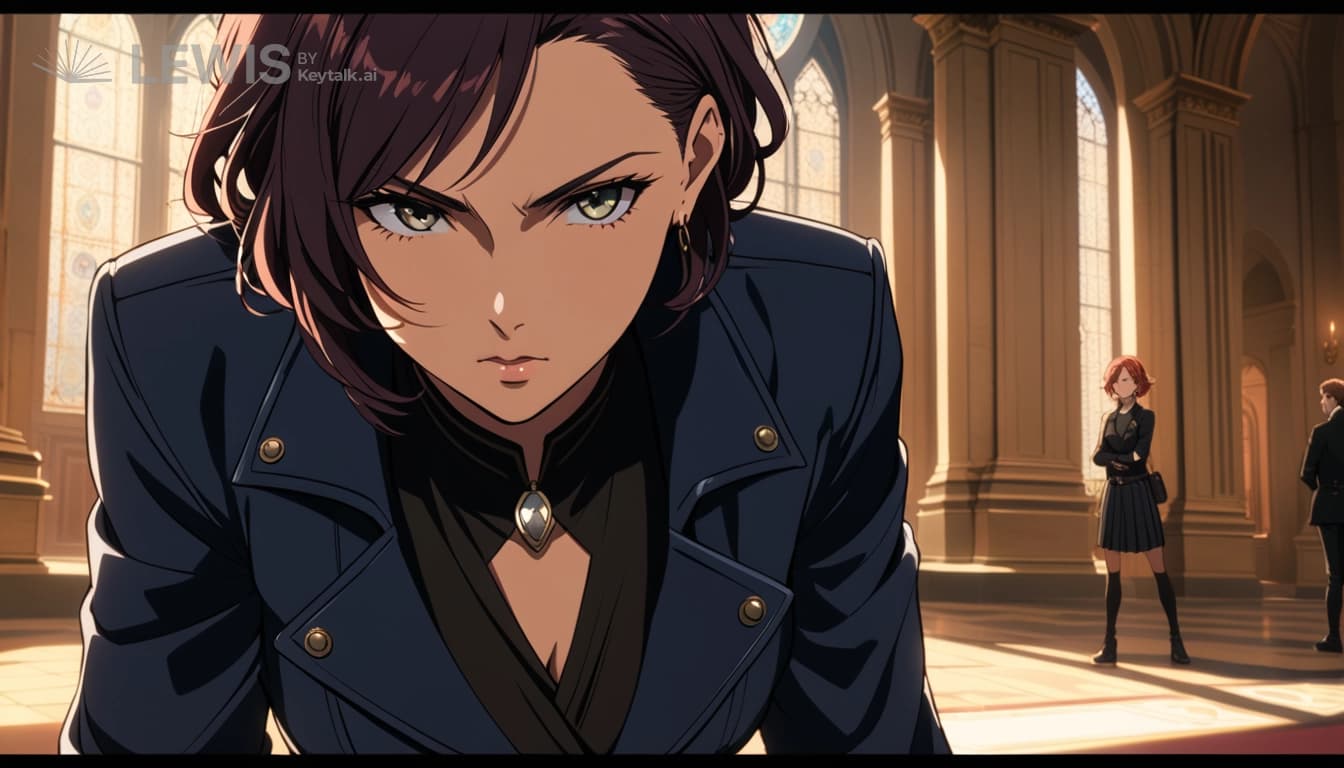
In a desolate future cloaked in the austere rule of a ruthless matriarchy, society is precariously balanced on the principles of female supremacy. Amidst this regime stands Mila Dragović, a daring and tenacious 24-year-old embedded in the quiet ferocity of a burgeoning revolution. Disillusioned by the overt disregard and devaluation of men, destabilized further by her father's quiet dignified suffering under the matriarchal rule, Mila’s resolution solidifies. Guided by her vision of a balanced society, she finds herself secretly orchestrating a nuanced rebellion aimed at dismantling oppressive societal norms, by day conforming to these norms, by night catalyzing a clandestine co-ed movement.
Mila's dual existence keeps her on a razor-thin edge, as dissimulation becomes her greatest defense against the vigilant eyes of the regime's loyalists. Among these lurks Ingrid Solberg, a seasoned member of the High Council, whose life’s work is interwoven with upholding and enforcing the stringent gender laws. She is the epitome of the regime’s ideals - cold, calculated, and unwavering. Nevertheless, buried beneath her poised exterior lies a sliver of doubt, a faint desire for a life less dictated by the rigors of power. As the narrative unfolds, Ingrid's professional and personal philosophies begin to clash, internally tormenting her, as she grapples with the concealment of her own discontent.
Parallel to Mila’s journey is that of Nikolai Grayson, a shrewd information broker, whose lifetime of navigating the shadowy sidelines of society has seasoned him with cynicism yet emboldened his covert opposition to the matriarchy. He serves as both ally and informant to Mila, his intricate network of underground communication fuelling the rebellion. His past, marred by the muted distress of his silenced father, motivates his involvement in Mila’s cause, stirring a secretive belief in her vision despite his ostensibly skeptical nature.
The crux of the conflict crescendos when Mila's underground movement decides to enact their most ambitious operation yet—hacking the mainframe of the governmental communication system to broadcast a manifesto of gender equality and calling for a mass uprising. The event is inherently perilous and involves intricate coordination between Mila, Nikolai, and their allies, who must all navigate through a labyrinth of surveillance, betrayal, and peril. As D-Day approaches, tensions mount. Ingrid, with her sharpened instincts, inches closer to unmasking the impending rebellion.
In a harrowing turn of events, the night of the operation, Ingrid confronts Mila directly. The encounter is a volatile clash of ideals, with Ingrid armed with evidence of Mila’s treason and Mila bristling with revolutionary fervor. Here, amid the grandeur of their ideological showdown, Ingrid experiences an epiphany prompted by Mila’s impassioned articulations on freedom and equality. Moved by an undetectable fissure in her conviction, Ingrid makes the unexpected decision to let Mila proceed, swayed by the younger woman’s vision and perhaps, her own buried dissatisfaction.
The broadcast becomes a historic pivot, marking the onset of societal transformation. The narrative culminates in an uneasy but hopeful détente, with the first co-ed councils being formed and discussions about restructured societal roles taking center stage. Mila, now a recognized leader, must forge ahead under the weight of her new responsibilities, her resolve tempered by the sacrifices and losses incurred. Meanwhile, Ingrid retreats into a discreet advisory role, her participation in the new world clandestine but critical, as she aids the transitional government. Nikolai, his faith in Mila’s cause somewhat vindicated, continues to operate from the shadows, forever the watchful strategist, now with a slightly less cynical view of the world. Thus, through trials and triumphs, Mila’s revolution instigates a poignant recalibration of societal norms, hinting at an evolving narrative of hope, redemption, and enduring change.