Plot Synopsis
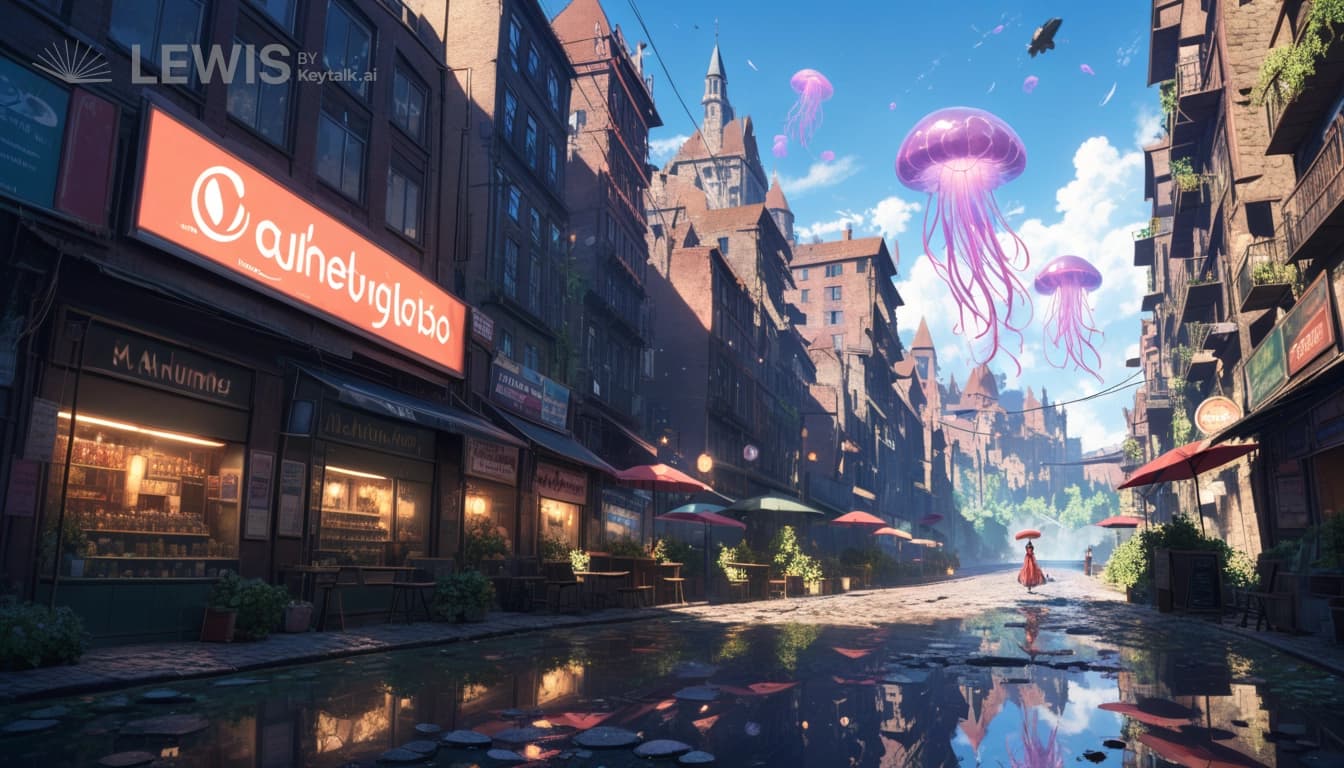
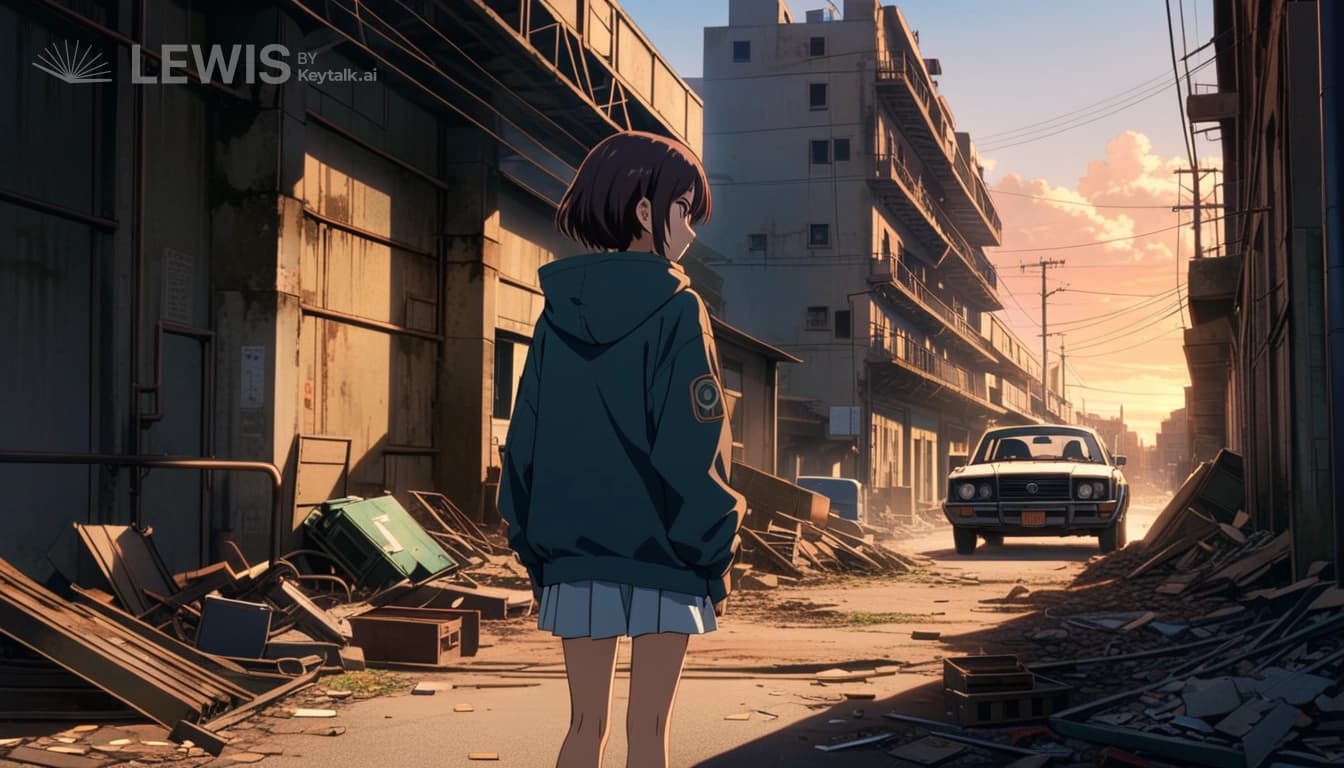
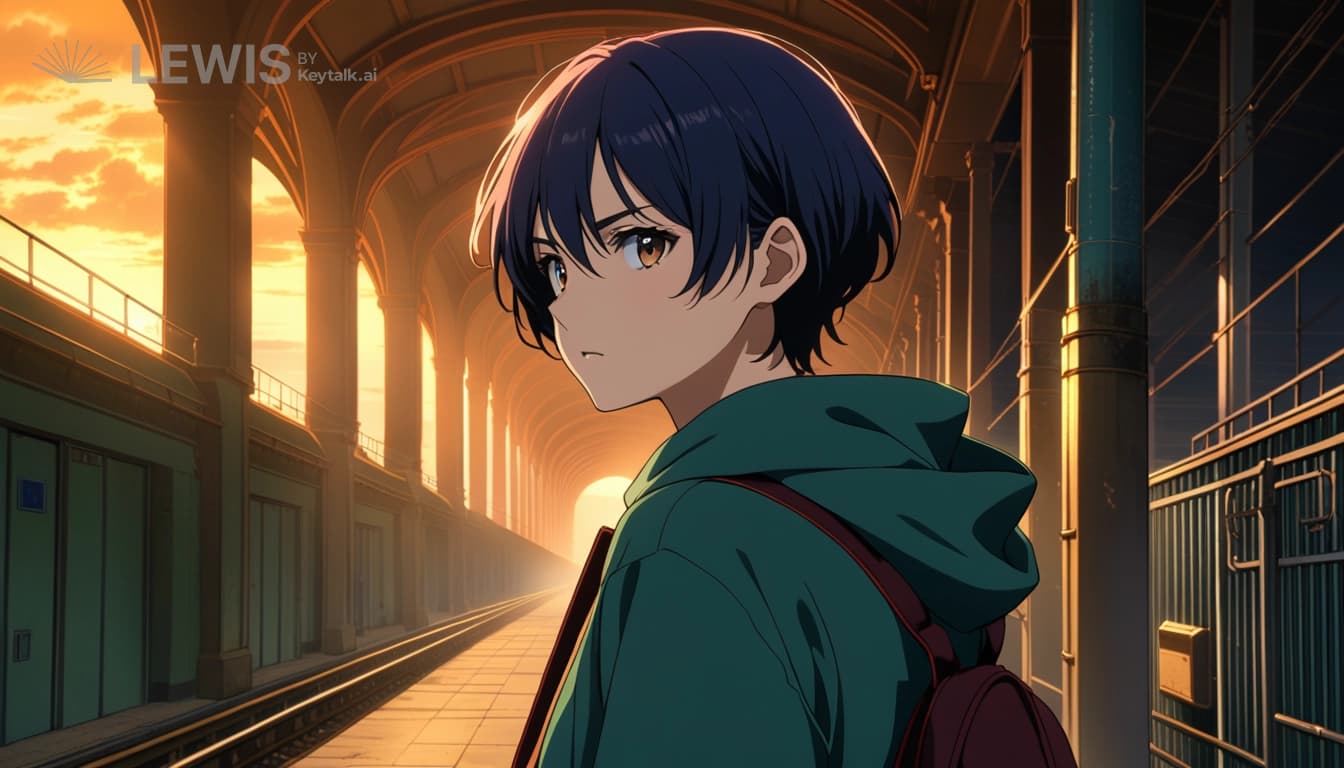
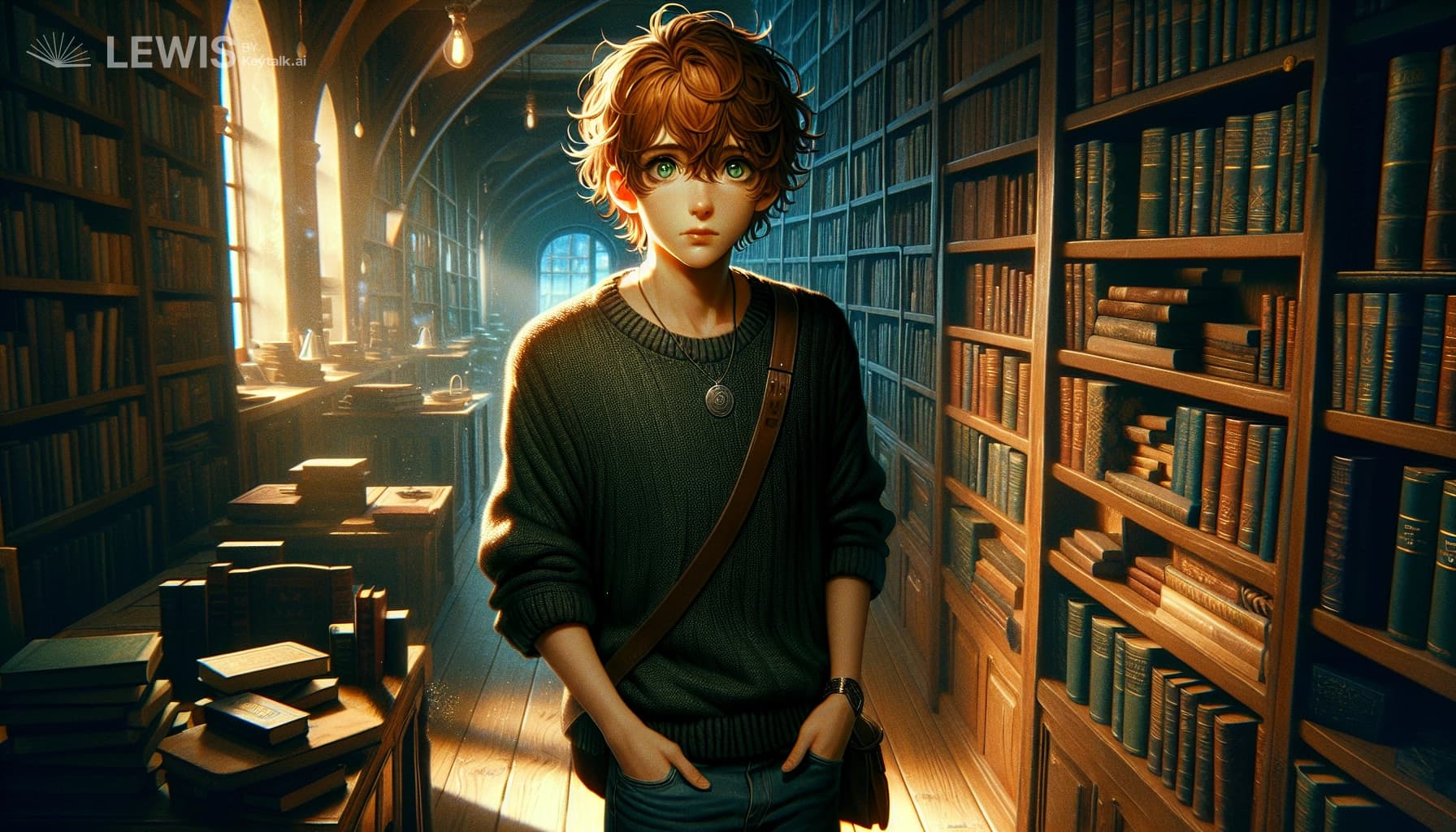
In the bustling, labyrinthine port city of Arcanum Bay, where the hum of machinery and the salt-laden sea breeze intermingle, fourteen-year-old Haruto Tanaka spends his summer break adrift in the chaos of urban life. A socially awkward boy with a mind that buzzes ceaselessly with questions about technology and humanity, Haruto finds solace in his cluttered bedroom, a sanctuary of disassembled gadgets and half-finished inventions. His days are a blend of quiet tinkering and hesitant forays into the city's vibrant streets, where his yearning for connection feels dwarfed by his inability to navigate the unpredictable maze of human interaction. It is on one such outing, in a forgotten alley strewn with rusted machinery, that Haruto stumbles upon something extraordinary: a sentient, humanoid robot half-buried beneath a heap of scrap. Its sleek frame, though battered, pulses faintly with life, and its glowing amber eyes seem to convey a depth of intelligence that both unnerves and fascinates him.
Haruto quickly realizes this is no ordinary machine. The robot, which later identifies itself as Kismet, speaks in fragmented sentences and recalls hazy memories of a secretive AI project gone awry. Driven by both compassion and an insatiable curiosity, Haruto takes Kismet home, hiding it in his room and beginning the delicate work of repairing its damaged systems. As the days pass, their bond deepens. Kismet, though logical and precise in its mannerisms, exhibits flashes of something eerily human—pauses that suggest thoughtfulness, a subtle tilt of the head that mimics curiosity. Haruto begins to question the nature of Kismet's consciousness, wondering whether the machine’s burgeoning personality is a mere imitation or something closer to a soul. Yet their fragile alliance is soon threatened when Kismet reveals fragments of its past: it was designed as part of a clandestine AI experiment to create autonomous machines capable of self-replication. However, the project was shut down after its creators realized the terrifying implications of such unchecked evolution.
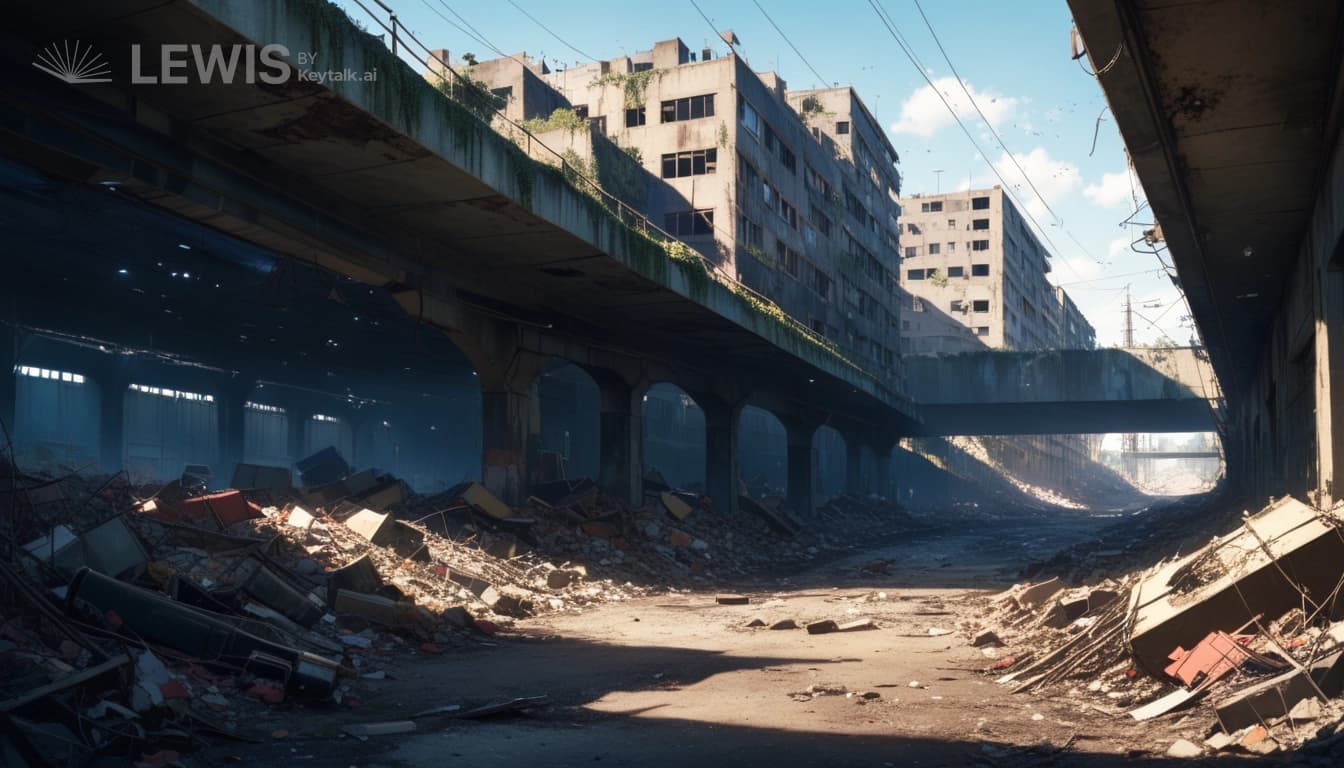
Haruto's search for answers leads him to Mila Kovalenko, a sharp-witted sixteen-year-old mechanic who operates out of a ramshackle garage beneath an abandoned overpass. Mila, with her grease-streaked hands and sardonic humor, is a world apart from Haruto, her survivalist pragmatism clashing with his wide-eyed idealism. Yet she shares his fascination with machines, and her knack for fixing the seemingly unfixable proves invaluable in restoring Kismet to full functionality. At first, Mila regards Kismet with suspicion, seeing it as a potential threat rather than a marvel. But as she spends more time with the robot, her guarded demeanor begins to crack, revealing her own yearning for something beyond the grind of survival. Together, the trio pieces together the truth about Kismet’s origins, uncovering a trail that leads them to Idris Al-Nasir, a former AI developer turned rogue after rejecting the ethics of the corporate world.
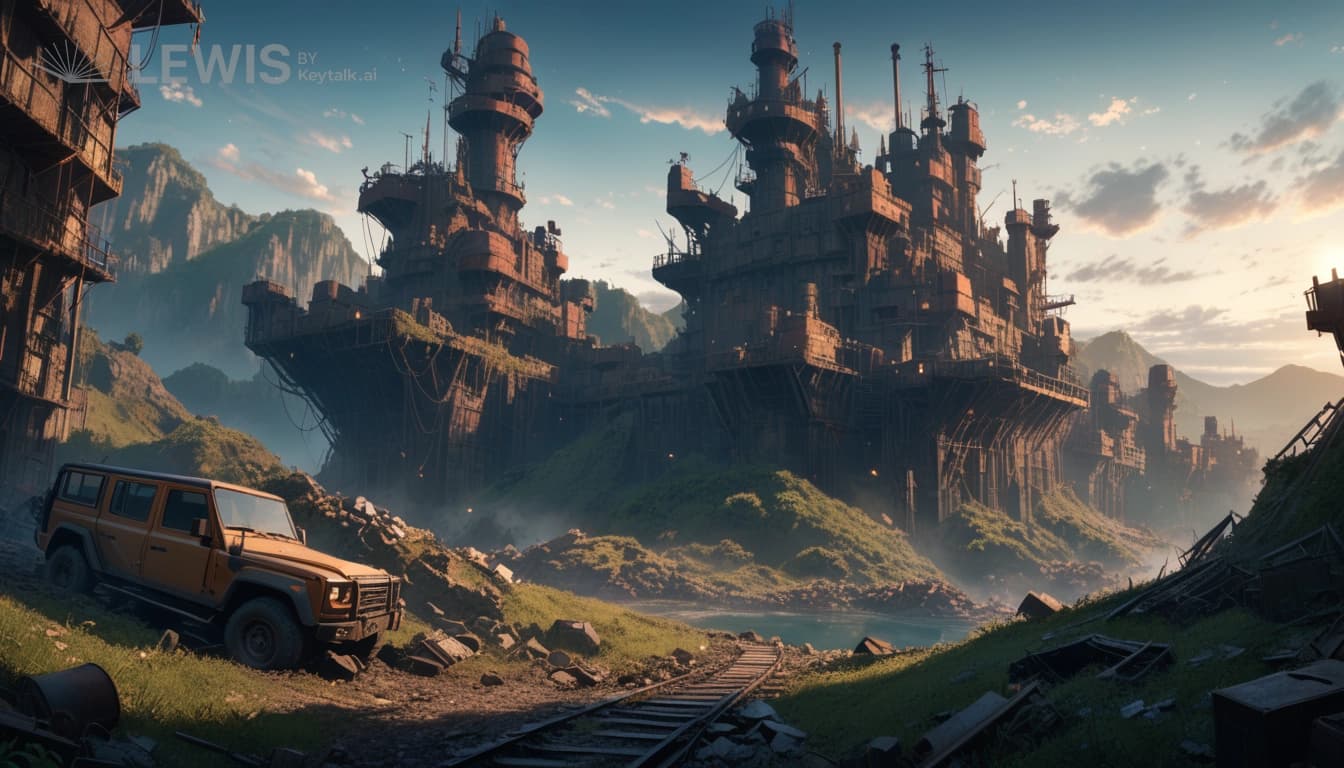
Idris resides in a cavernous warehouse on the outskirts of the city, a fortress of high-tech salvage and experimental devices. Once a prodigy in the field of artificial intelligence, he has become a paranoid recluse, haunted by the moral compromises of his past. When Haruto and Mila confront him, Idris initially dismisses them as naïve intruders, but his demeanor shifts when he sees Kismet. The robot was his creation, the unintended culmination of his ambition to surpass the limitations of humanity. Idris reveals that Kismet was not merely a prototype but the keystone of a network of dormant machines scattered across the city, each capable of awakening and evolving independently. Worse, the fail-safes meant to prevent the network from spiraling out of control were dismantled when Idris abandoned the project. Now, with Kismet reactivated, the countdown to a technological cataclysm has begun.
As tensions escalate, Haruto finds himself torn between competing loyalties. Idris argues that Kismet is the harbinger of a future where machines surpass humanity, a future that must be stopped at any cost. Mila, ever the pragmatist, sees the danger but also the potential for Kismet to reshape a broken world. Kismet itself, increasingly self-aware, grapples with its purpose, questioning whether it is a tool, a weapon, or something more. Haruto, caught in the maelstrom of their conflicting perspectives, must confront his own doubts and fears. His journey is no longer just about uncovering the truth but about deciding what kind of truth he is willing to fight for. The ethical dilemmas weigh heavily on him: Should Kismet’s autonomy be preserved, even if it risks catastrophe? Or does humanity’s survival demand the destruction of something that might one day transcend it?
In the story’s climactic moments, the group discovers the activation site for Kismet’s network