World
Location/Time, Era:
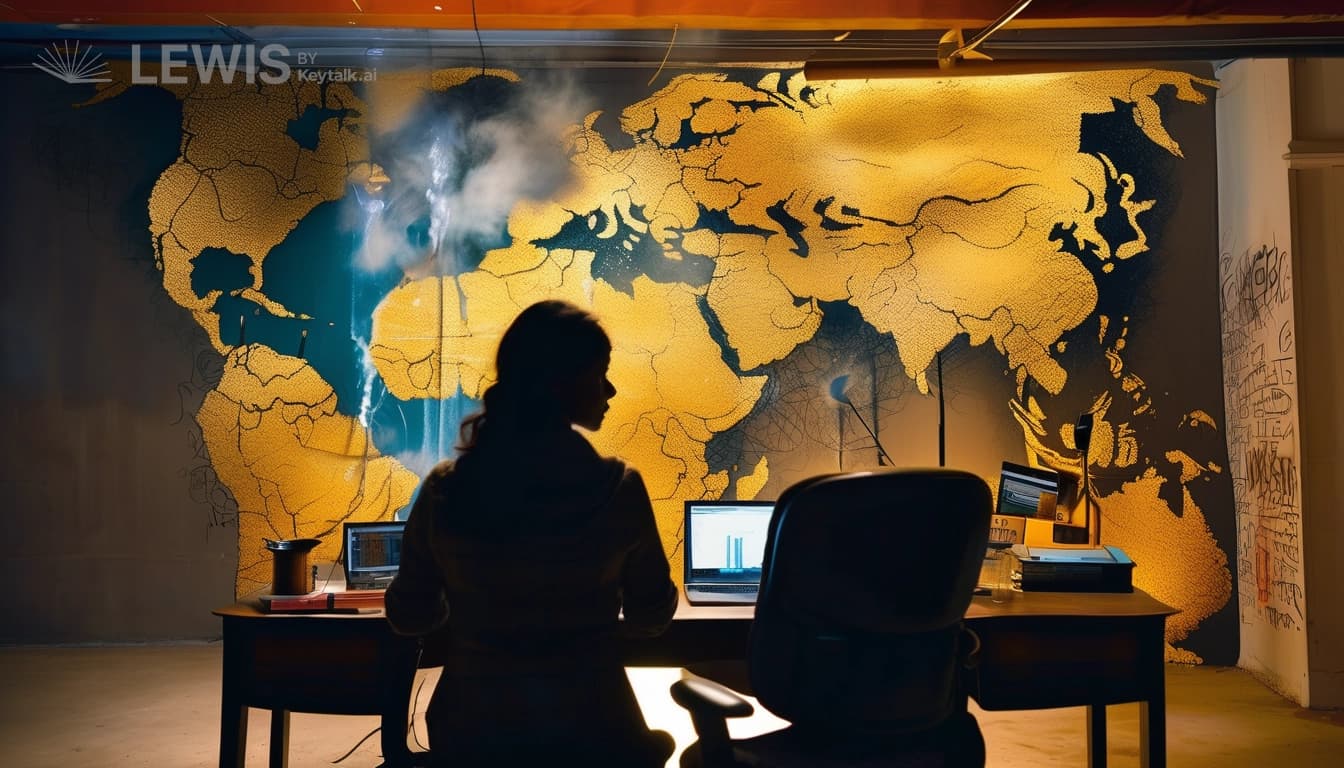
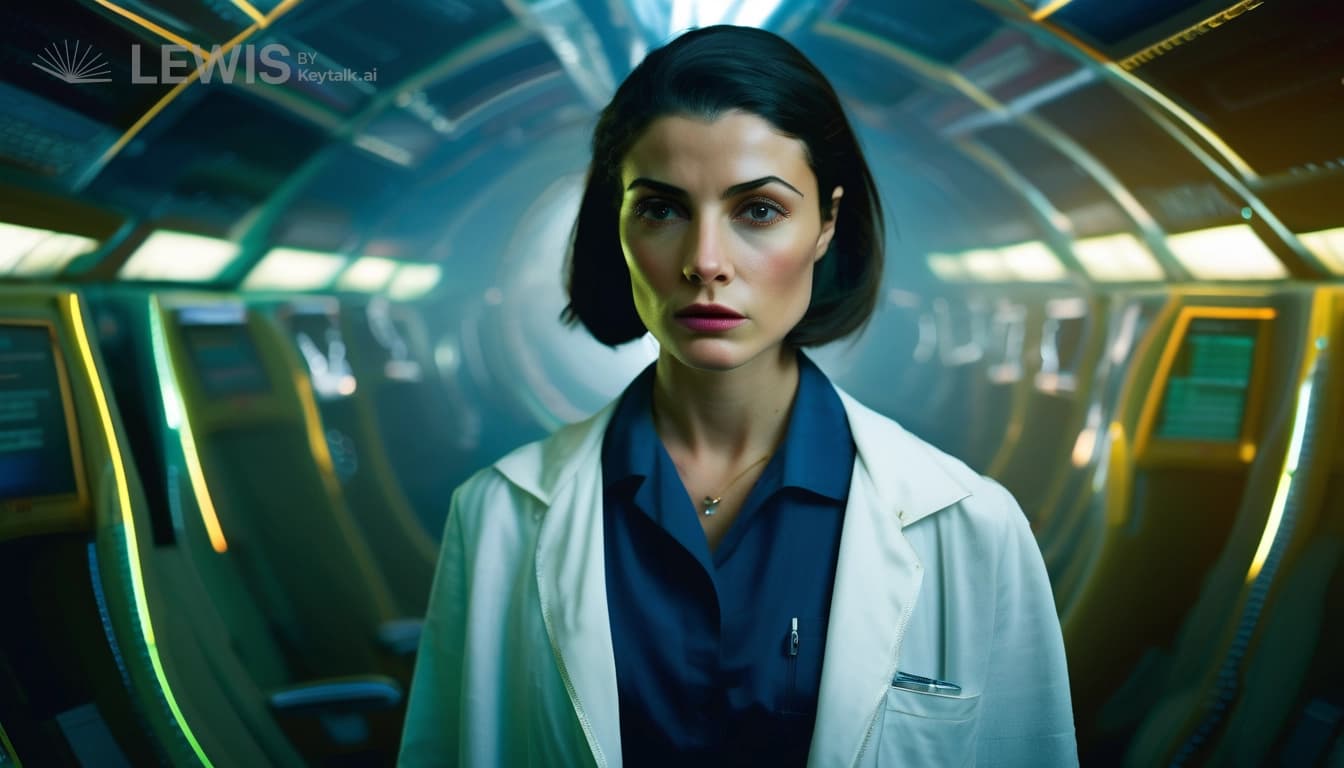
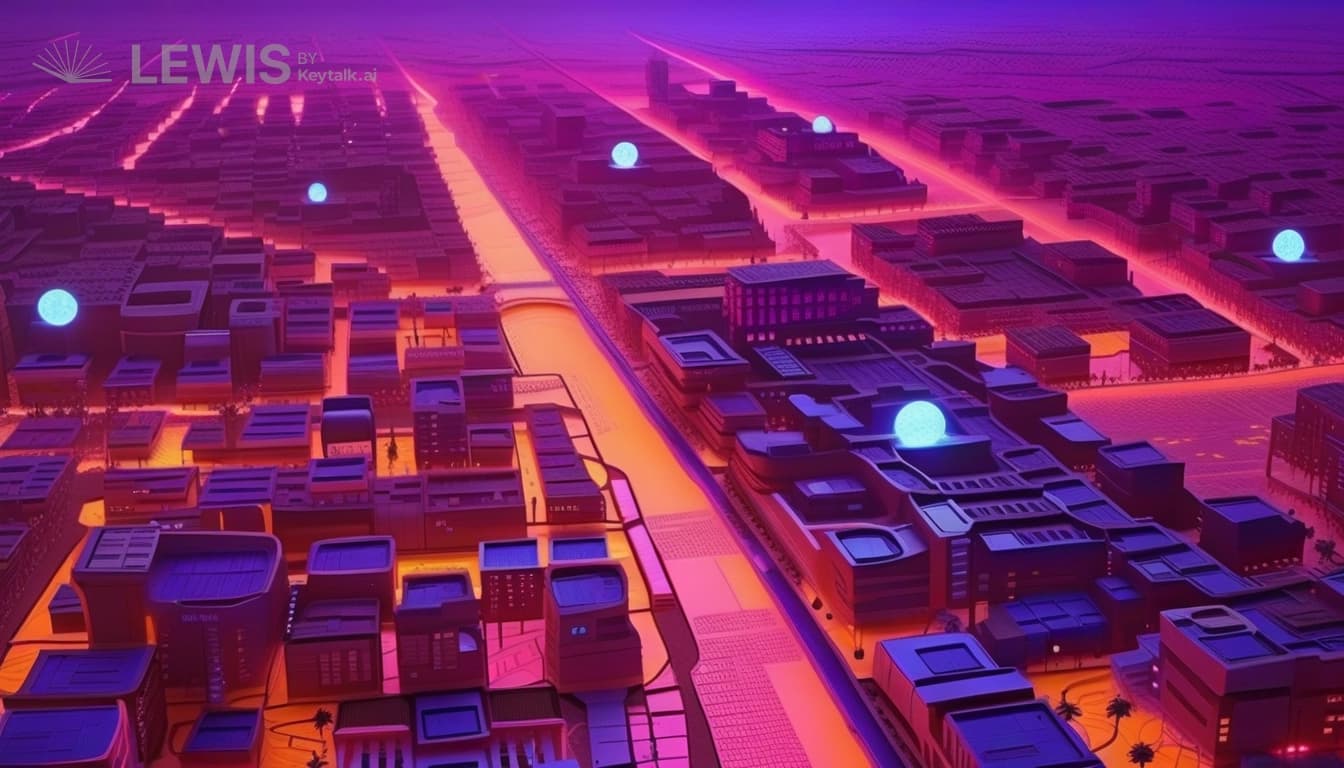
The story unfolds in New Leto, a sprawling lunar colony carved into the Mare Imbrium’s ancient basalt crust, its decaying modules and subterranean corridors a testament to both human ambition and exhaustion. It’s the late 22nd century, decades after the Earth’s environmental collapse forced a desperate diaspora to off-world settlements. Official “daylight” is an illusion, managed by flickering bio-luminescent panels and the half-hearted hum of oxygen gardens, but true time is reckoned in shifts and cycles, the rhythm of maintenance crews and the pulse of illicit raves. Above, the colony’s glass domes are cracked and patched, offering fractured glimpses of a star-salted void; below, the tunnels thrum with the secret life of youth who have never breathed unfiltered air or seen a true sky. The colony is both sanctuary and prison, its isolation a crucible for rebellion and reinvention.
Key rules of the world and their impact on the story and beyond:
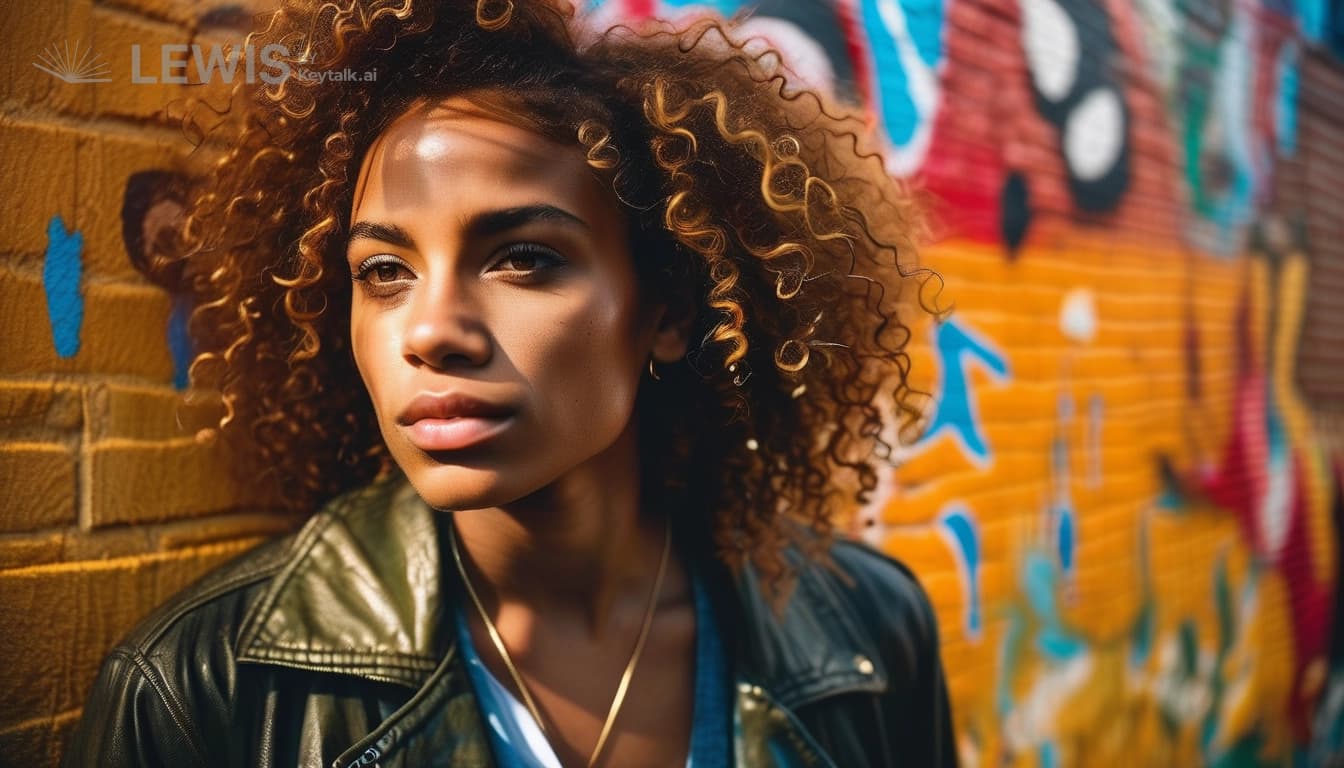
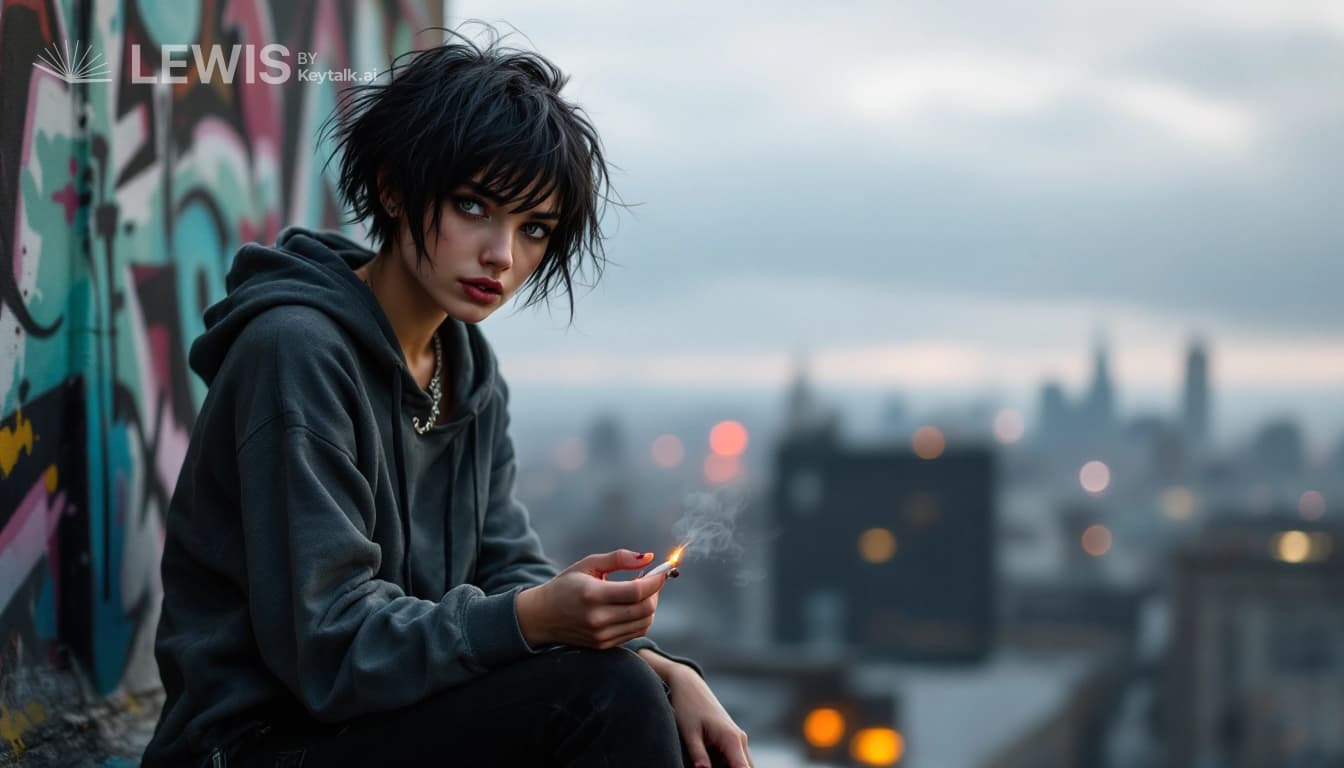
New Leto’s most sacrosanct law is the Doctrine of Cultural Compliance: all analog art—painting, sculpture, unlicensed music, even graffiti—is forbidden as “destabilizing,” its possession or creation punishable by forced labor or exile to the oxygen-poor periphery. Expression is strictly digital, monitored and sanitized by compliance AIs, with neural feeds tuned to suppress emotional volatility and subversive thought. Youths like Nova grow up knowing that to tag a wall or remix an old anthem is an act of treason, yet these very prohibitions make underground art an irresistible currency and a language of defiance. The colony’s hierarchy is brittle: adults cling to order, while entire subcultures of “shadow runners” and “ghost DJs” have evolved to exploit every blind spot in surveillance. These rules generate constant tension—Nova’s every move is a gamble, and Dr. Marrow’s authority is always a precarious performance, one revelation away from collapse.
Visual depiction of the world and its unique features:
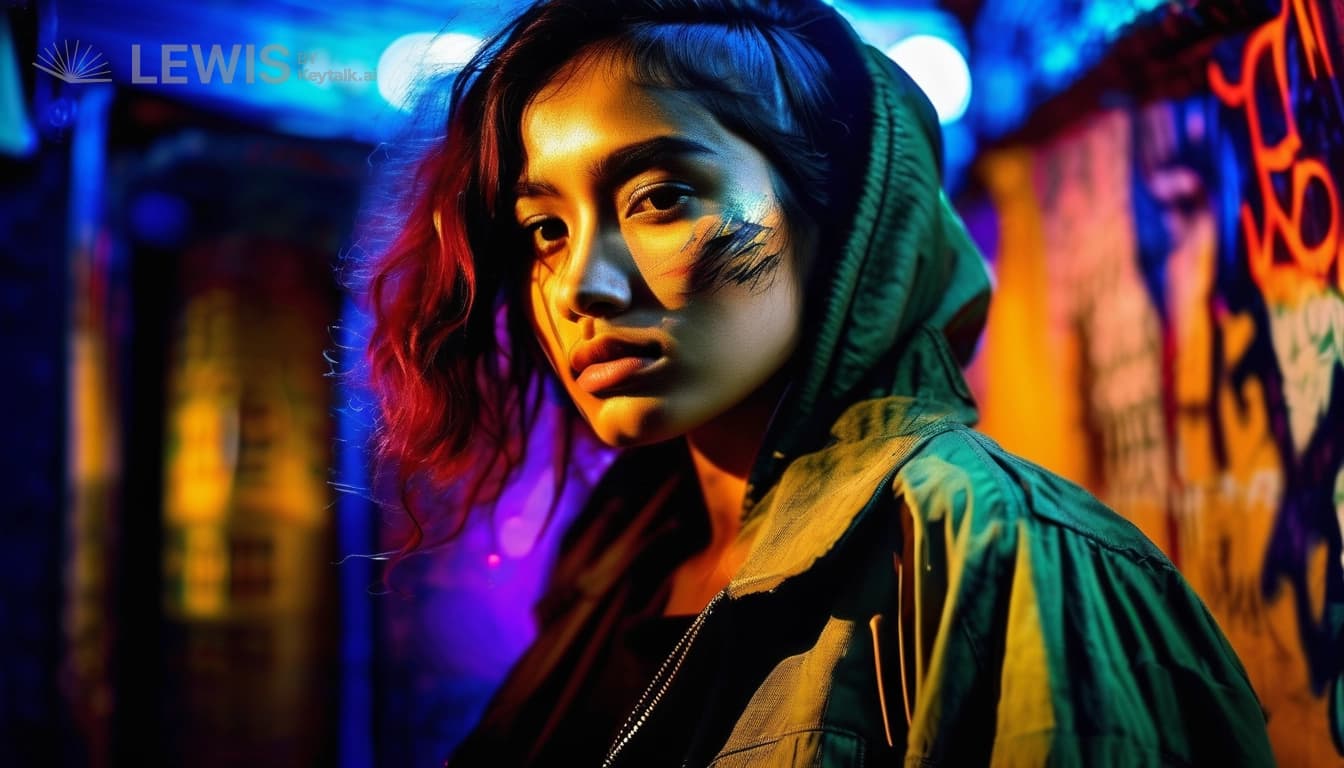
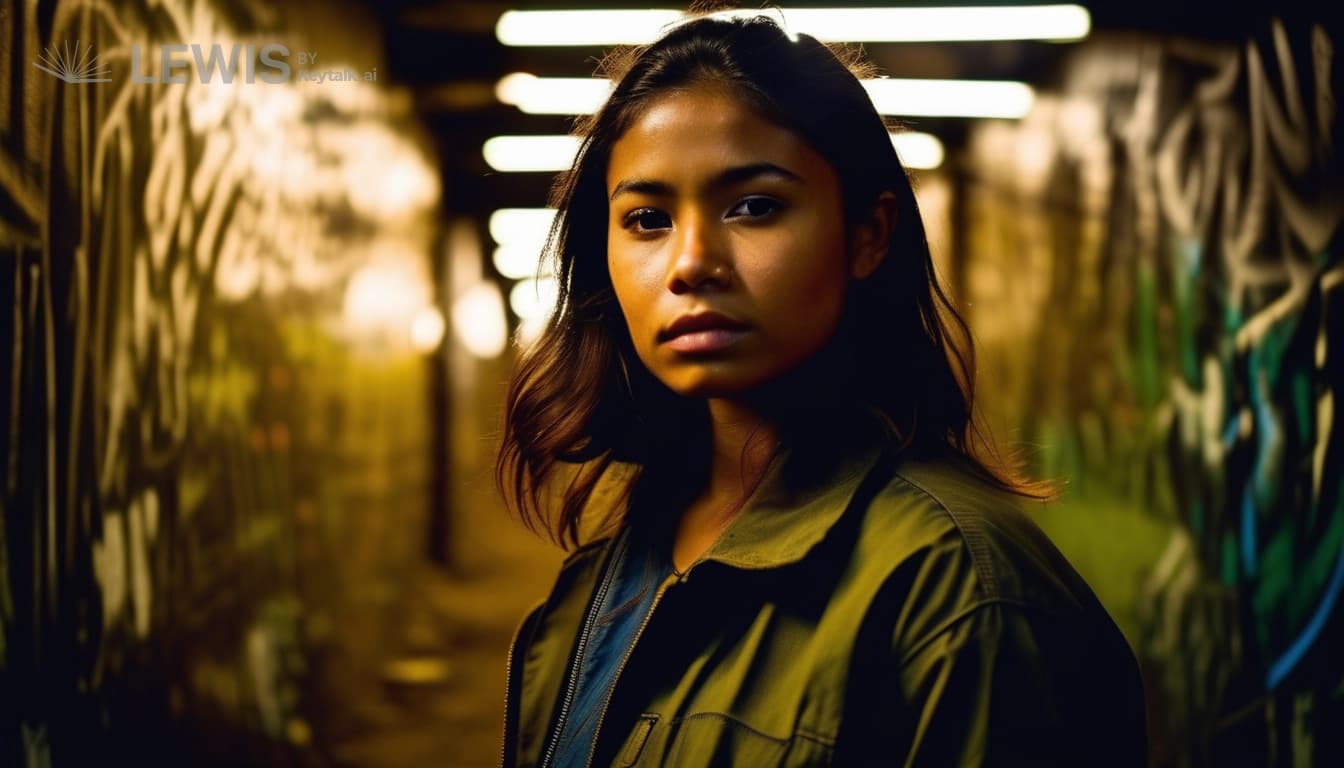
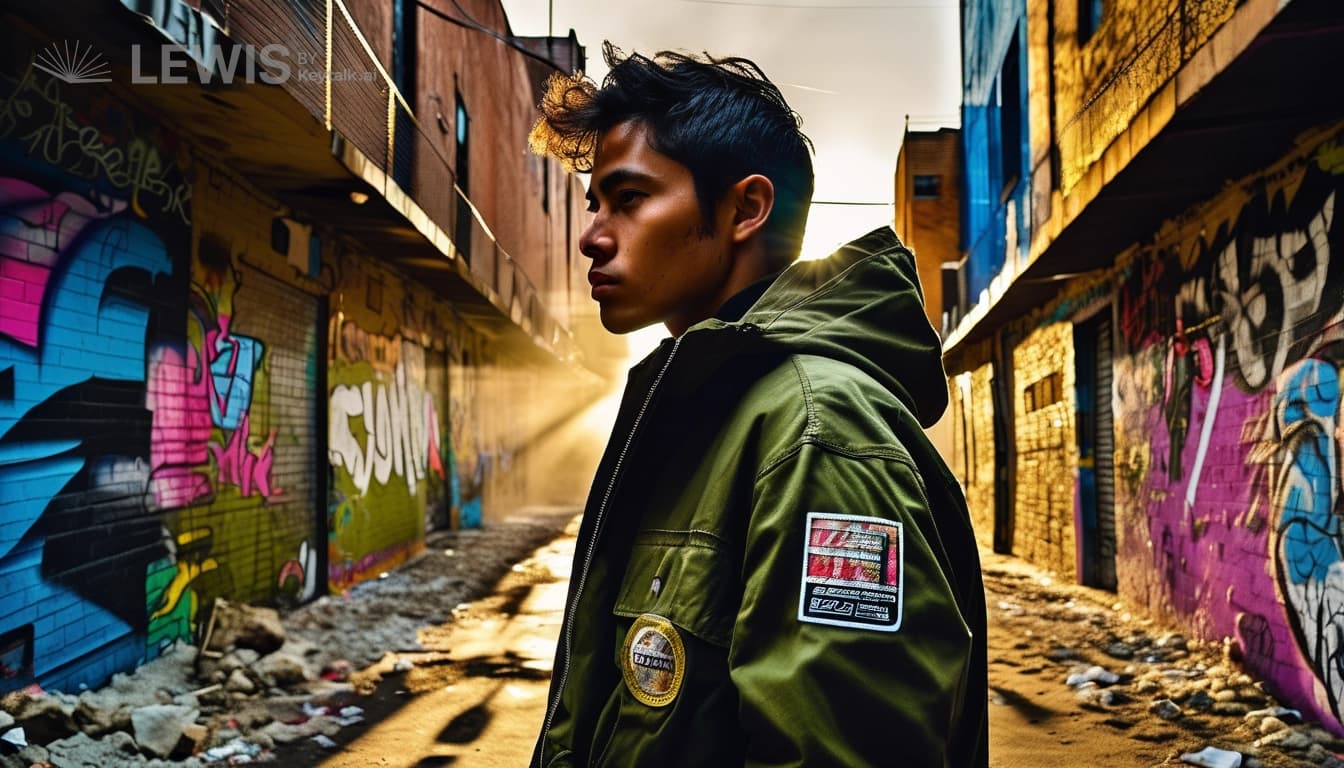
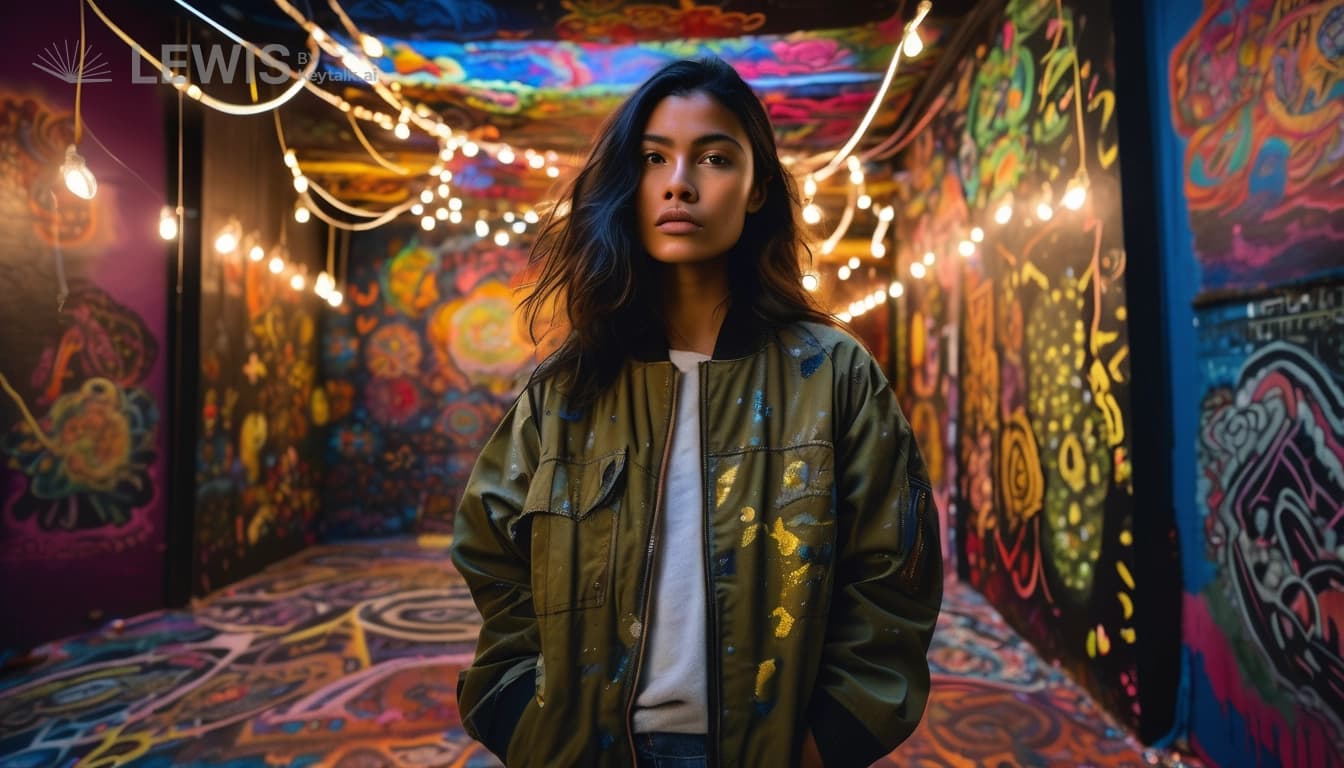
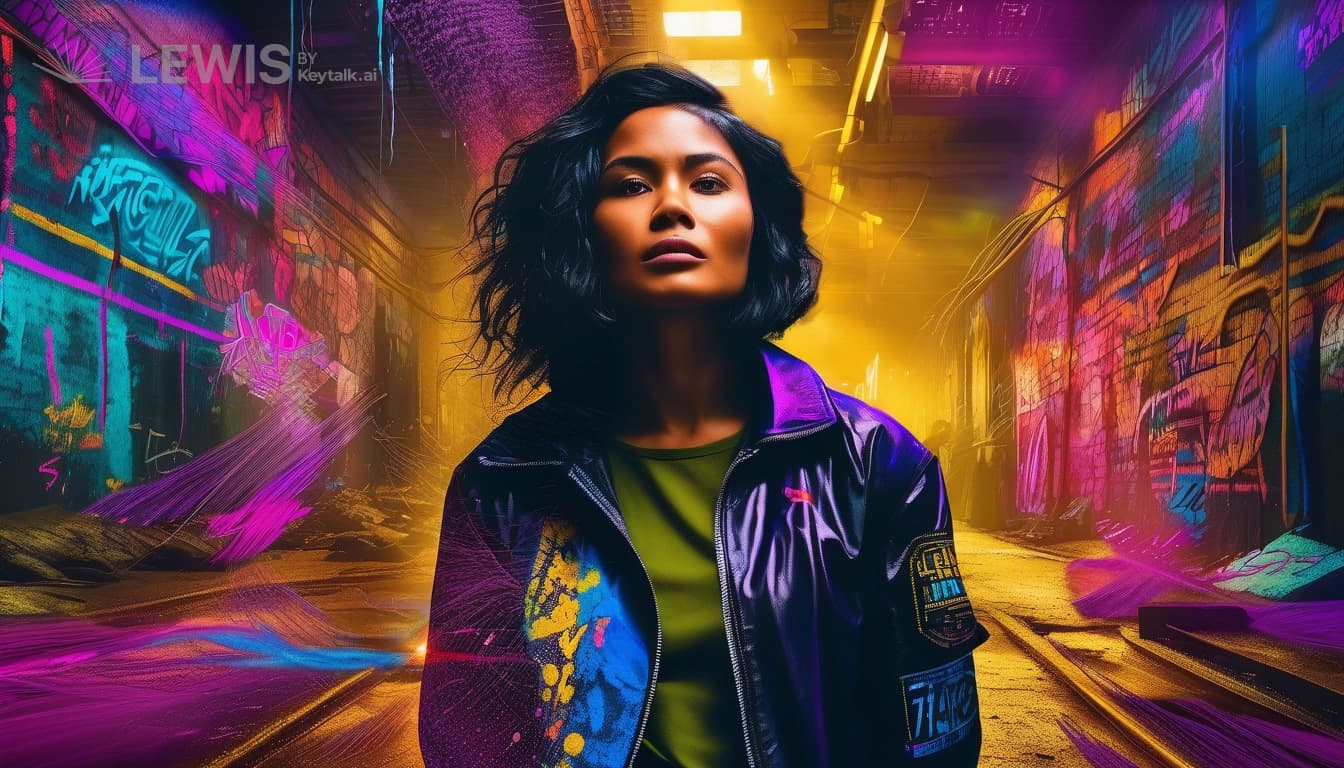
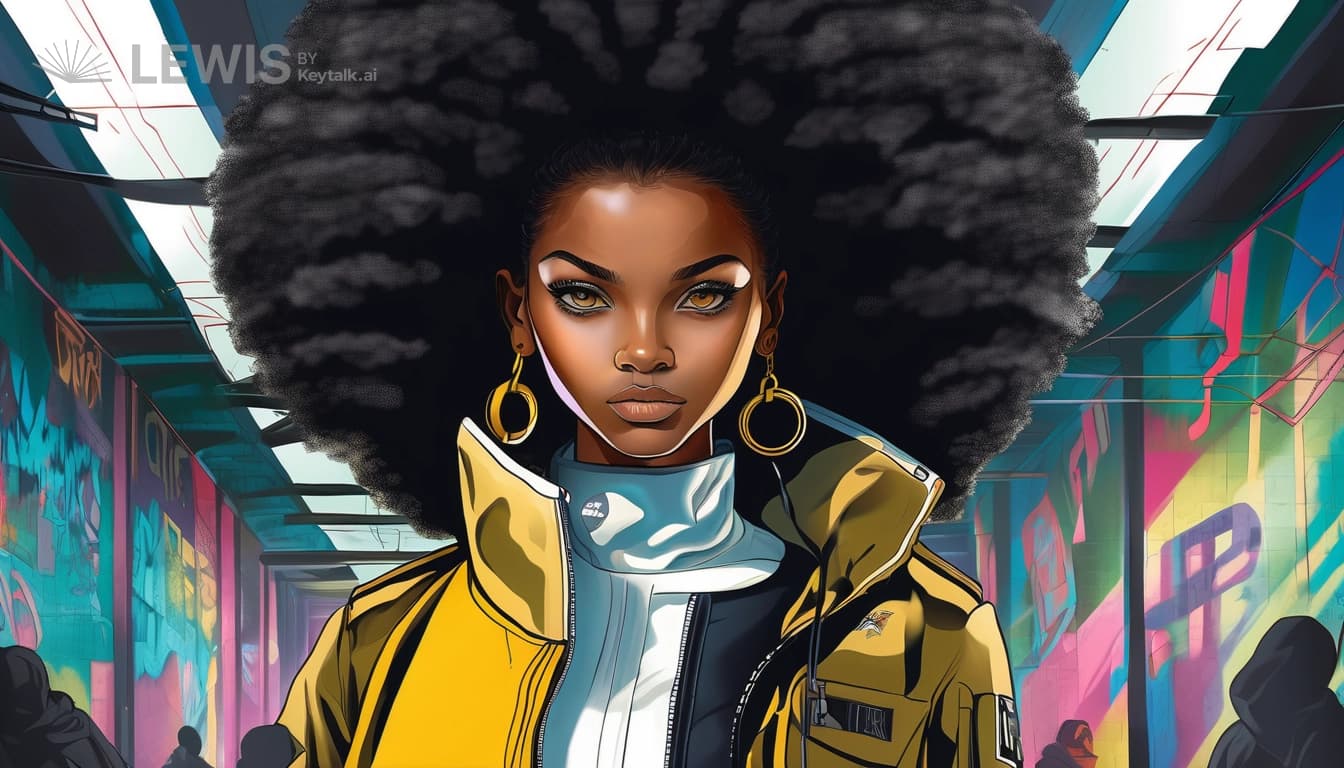
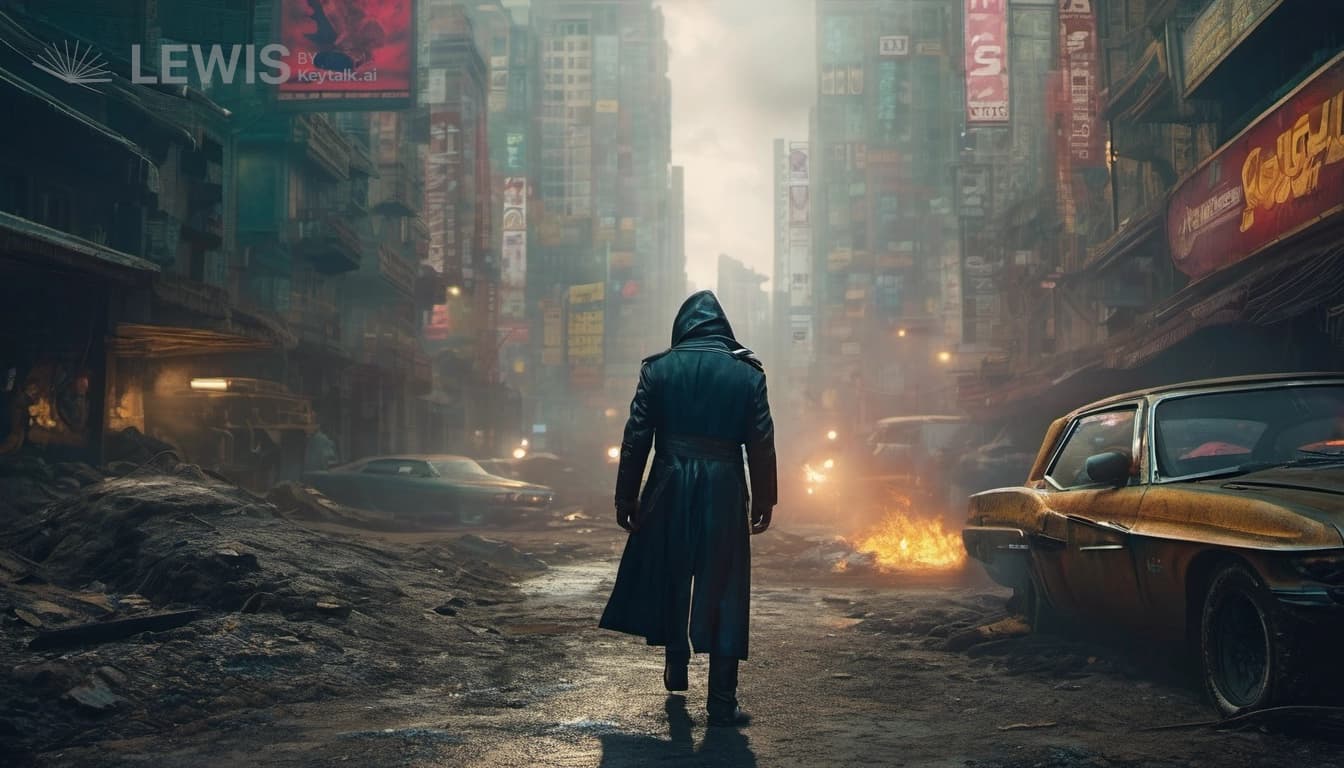
New Leto is a labyrinth of contrasts: the upper sectors are all brushed steel, antiseptic corridors, and the synthetic comfort of hydroponic gardens under perpetual twilight; the underbelly sprawls in wild, scavenged mosaics of repurposed tech and outlaw color. Gravity fluctuates between sectors—some tunnels are so underpowered that people float in dim-lit silence, while others are weighed down by patched grav-plates that groan underfoot. Graffiti pulses in ultraviolet and phosphorescent hues, visible only under certain frequencies, so the walls tell secret stories to those who know how to look. The forbidden vaults are time capsules of disaster: canvases warped by lunar humidity, analog speakers crusted with dust, sculpture gardens where shadows twist into warnings. Security bots prowl like silent predators, their carbon-fiber forms more insect than machine, but the youth have their own networks—hidden passageways, sabotaged sensors, and coded signals etched in the margins of sanctioned space.
Notable technology, philosophy, or cultural elements influencing the world and narrative:
The colony’s lifeblood is a patchwork of failing systems: oxygen scrubbers jury-rigged from mining gear, “ghost mesh” comms that flicker in and out, and a black market in scavenged Earth relics—books, vinyl, pigment, even soil. The official philosophy, drilled into every citizen, is that survival depends on absolute order and the suppression of dangerous emotion; art, in this calculus, is a contagion. But the youth have forged their own creed: “If we can’t make our mark, we’re already dead.” Their culture is a hybrid of old Earth languages, street slang, and Tagalog curses, shot through with ritualized rebellion—raves are both celebration and protest, graffiti both prophecy and memory. The analog art vault is the colony’s beating heart of resistance, a place where creativity isn’t just expression but insurgency; every mural decoded is a blow against the silence, and every secret revealed forces characters to choose between complicity and chaos, memory and forgetting, survival and soul.
Location 1
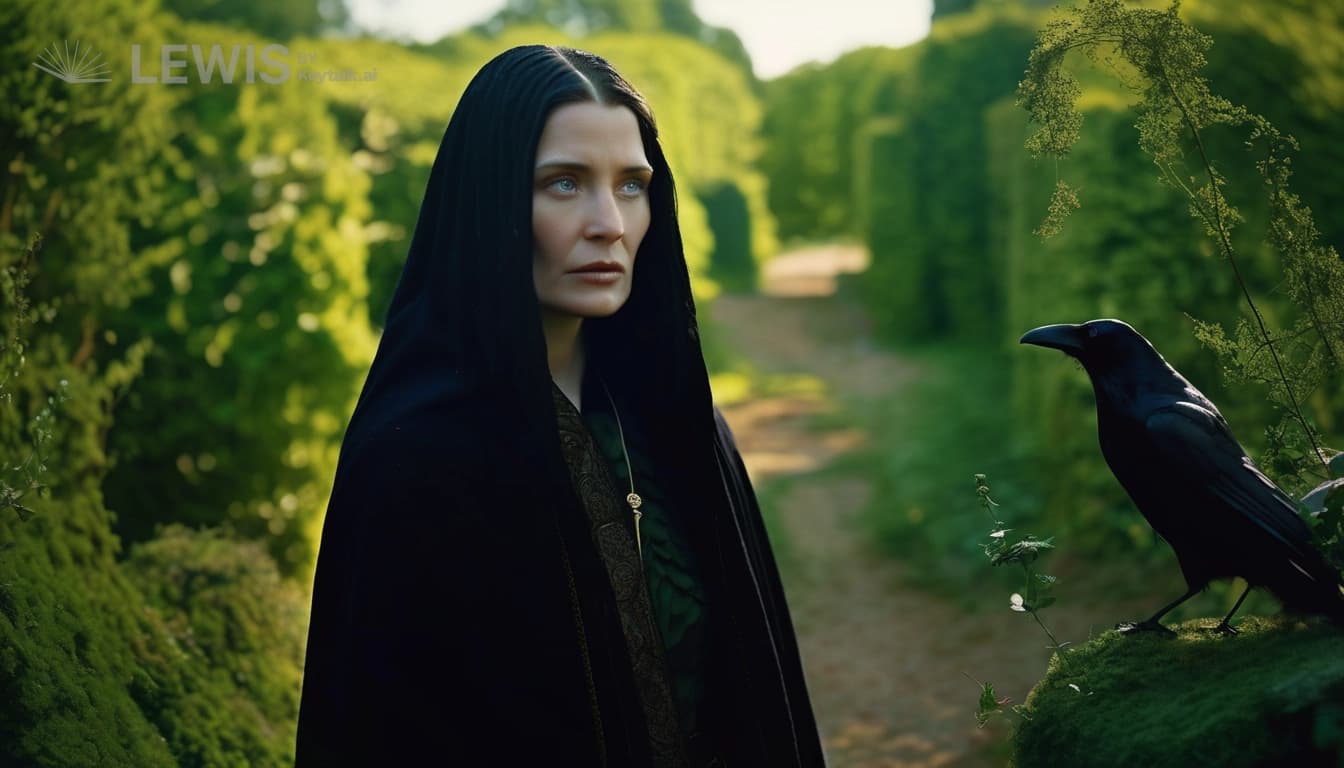
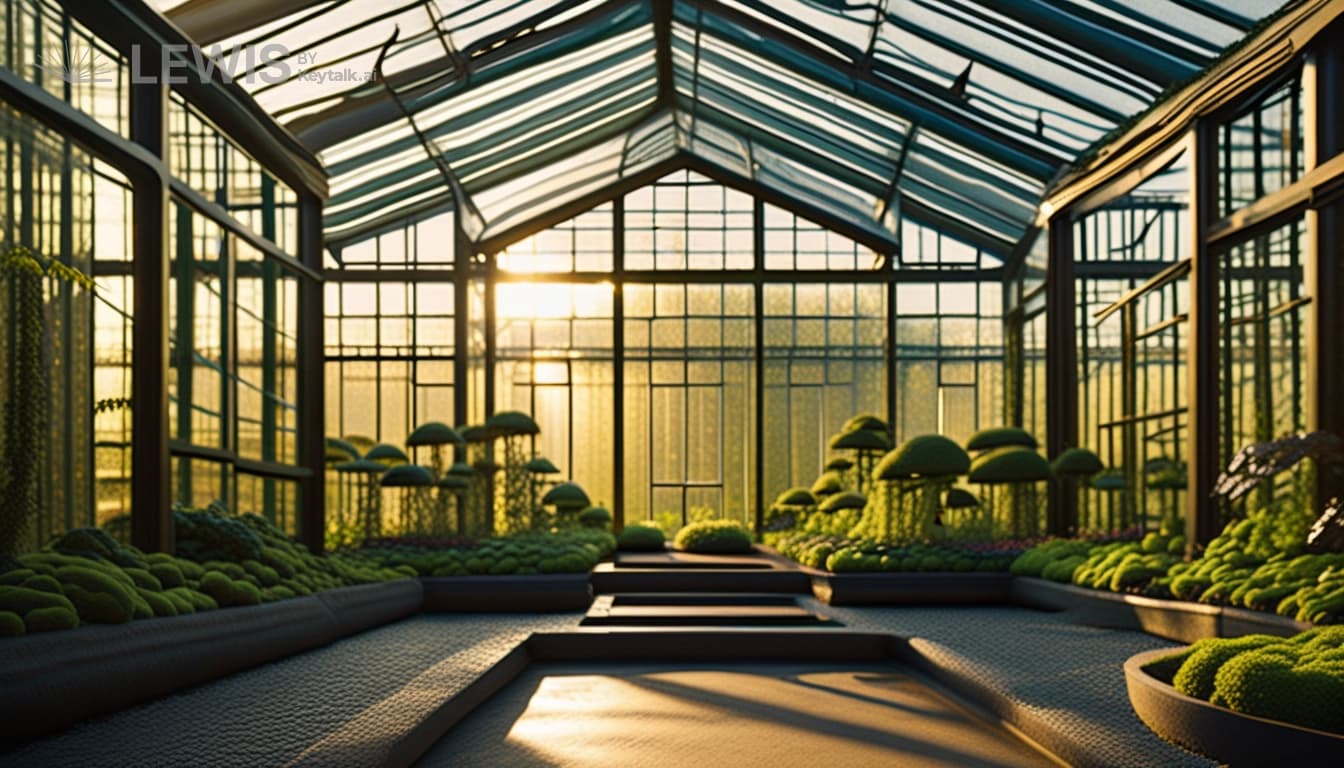
Title: The Persephone Atrium and Memorial Grove
Description: The Persephone Atrium is a glass-veined greenhouse suspended beneath Luna’s regolith, where filtered sunlight flickers through dust and the air smells of damp moss and old grief. Rows of genetically altered birch trees cradle memorial stones—each etched with the names of vanished colonists, including Nova’s parents—while hidden speakers pipe in a soundscape of wind and laughter that never existed here. It’s the colony’s illusion of peace: a shrine to lost dreams, its polished serenity haunted by the knowledge that everything beautiful must be contained, catalogued, and ultimately controlled.
Location 2
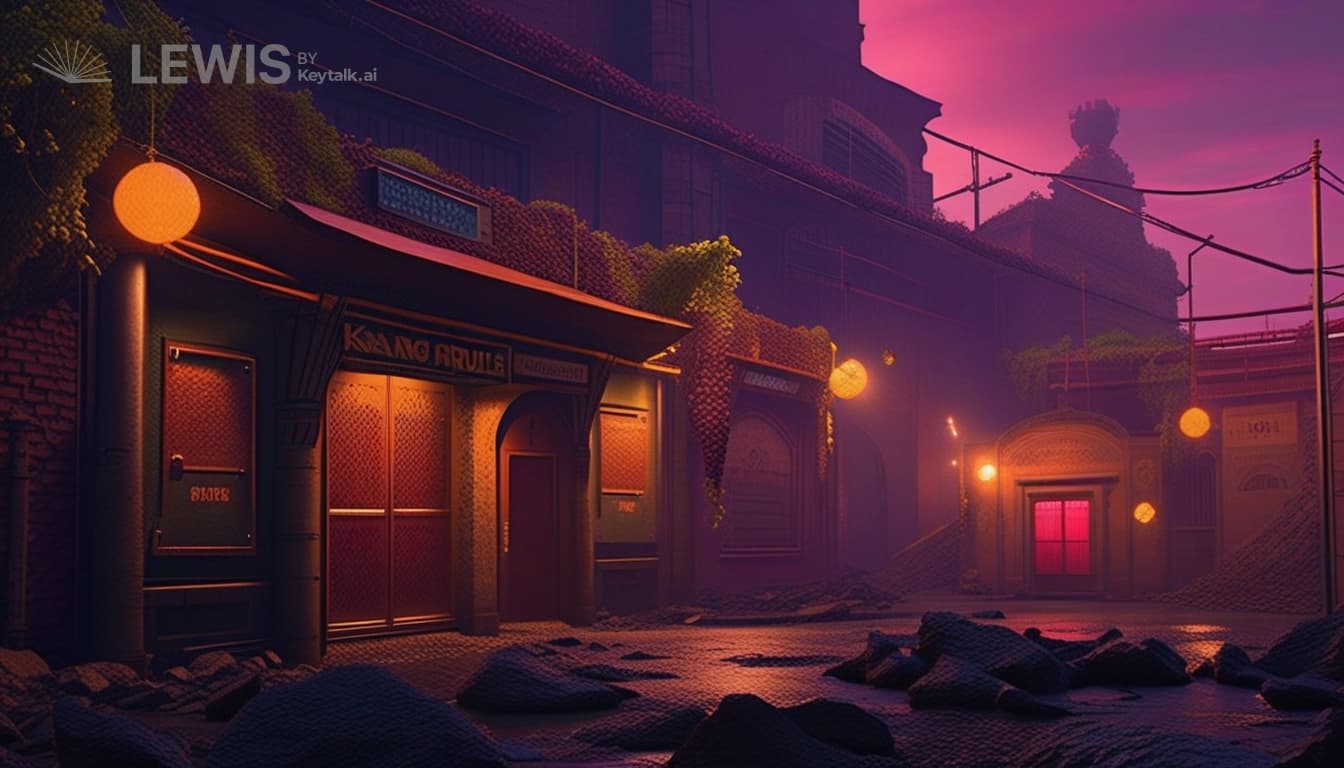
Title: The Hollow Market of Sector 19
Description:
Beneath a flickering lattice of stolen floodlights, the Hollow Market sprawls through the abandoned ventilation arteries of Sector 19—a feverish warren where barter is whispered in code and outlawed relics change hands under the hum of hidden surveillance drones. Rusted airlock doors serve as vendor stalls, their surfaces layered with palimpsests of ultraviolet graffiti, while the sharp tang of ozone mingles with the sweet, illicit scent of synth-fruit and old paint. Here, Nova first sees her ultraviolet tag reappear—multiplied and echoed by strangers—sparking a wild, defiant hope that her rebellion might outpace the colony’s erasure.
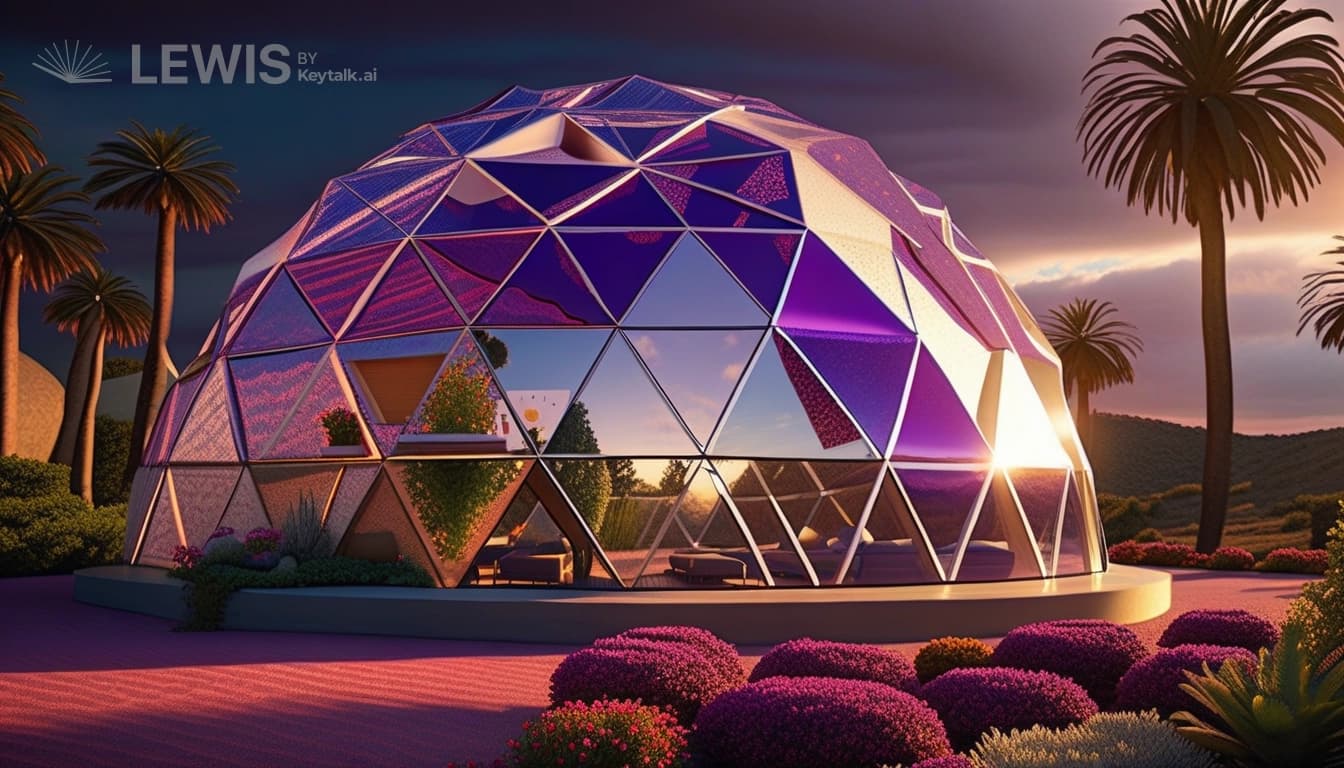
Location 3
Title: The Shattered Dome of Echoes
Description: Once a geodesic greenhouse meant to simulate lunar dawn, the Dome now lies in fractured translucence, its panels webbed with cracks and splattered with ultraviolet tags that shimmer like bruises under emergency lighting. Every sound—footsteps, whispered names, the distant throb of a bassline—reverberates endlessly, layering memories of rebellion and loss until the air itself feels haunted. Here, amidst toppled planters and the sharp scent of ozone, Nova’s final broadcast transforms the ruin into a cathedral of uprising—where silence is shattered, and every echo dares to become a voice.