

Protagonist Character
Ryuji Nakamura
Profile
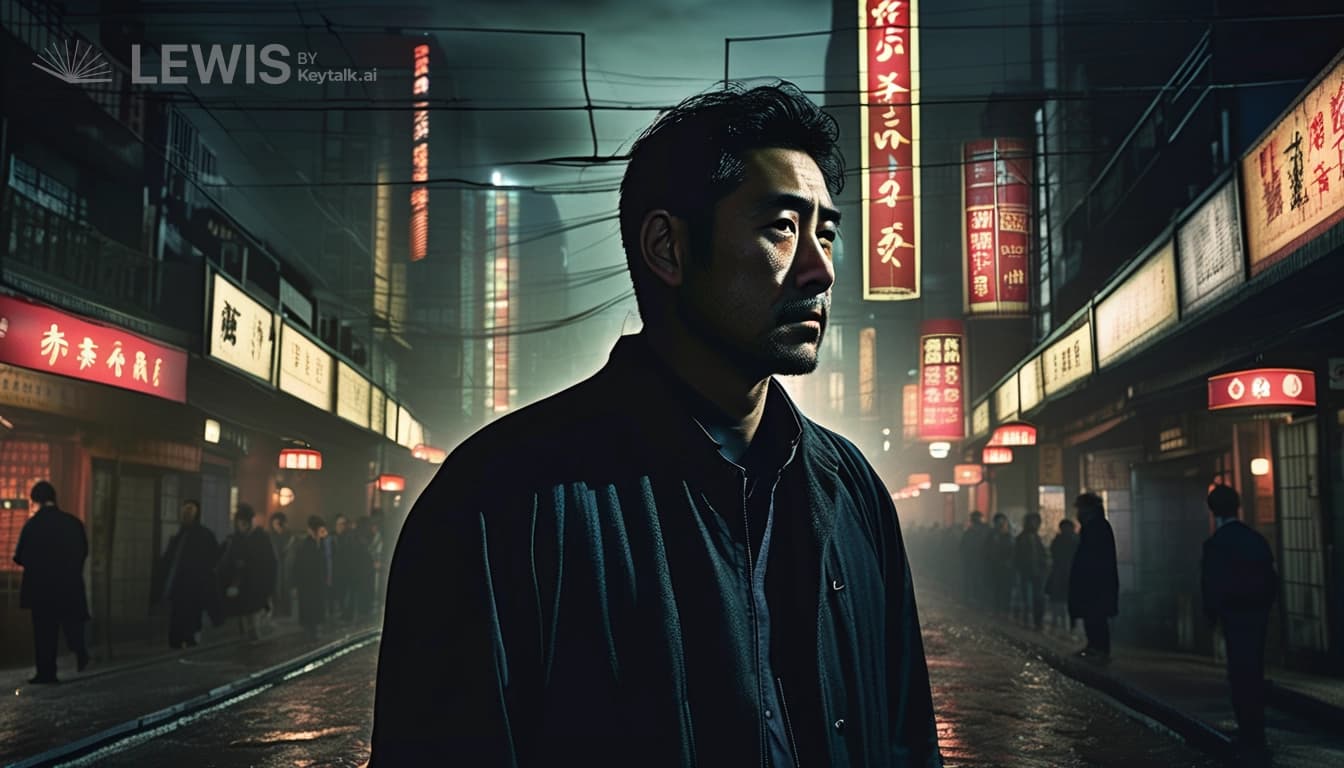
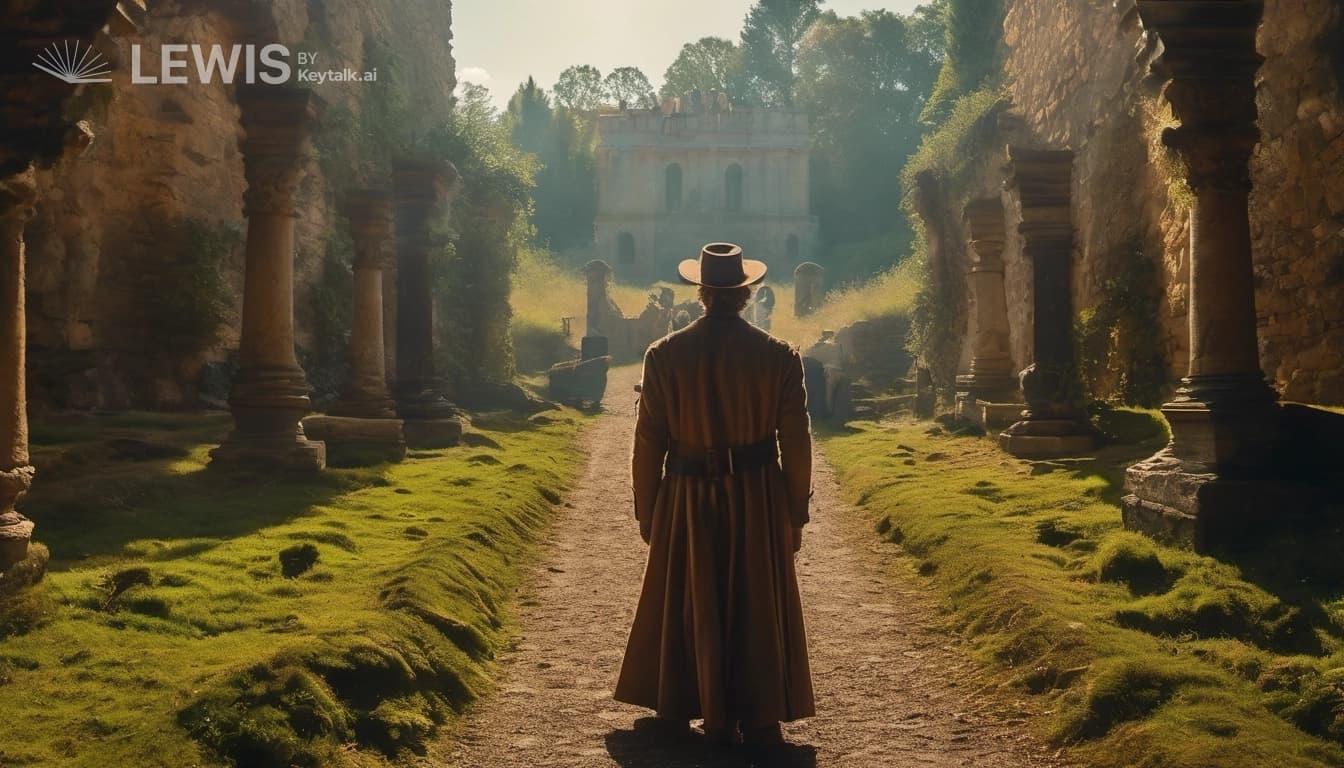
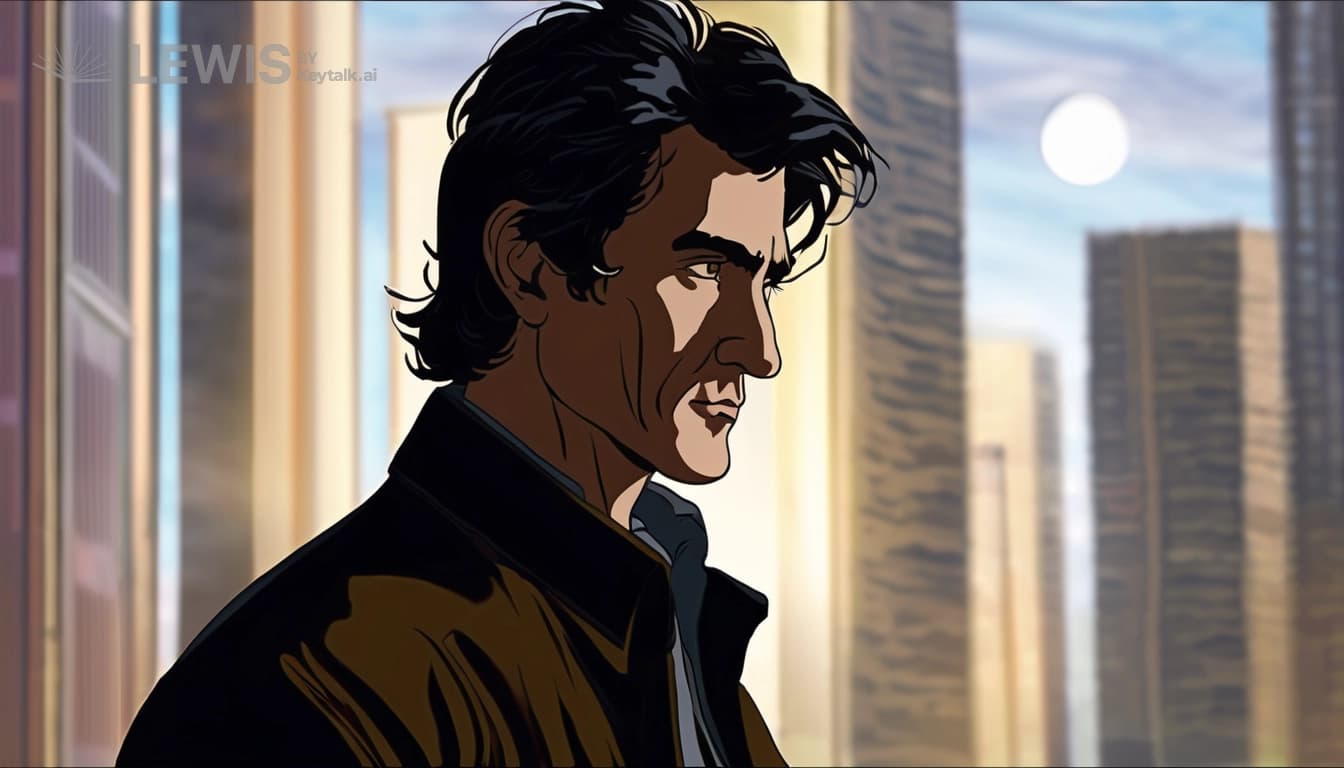
Ryuji Nakamura stood as a man at the edge of his own design, both literally and figuratively. At 37, his once-burning passion for architecture—the art of shaping human experience through space—had dulled into a mechanical routine of deadlines and compromises, leaving him feeling like a ghost haunting the city he helped construct. Tall and lean, with an angular face often half-obscured by the tousled black hair he rarely bothered to tame, Ryuji carried an air of quiet detachment that masked a deeply analytical mind. His dark eyes, perpetually shadowed by fatigue, seemed to scan the world as though it were a puzzle in dire need of solving, yet his lips often tightened into a restrained grimace, as if he feared finding the solution might only deepen the cracks beneath the surface. Born in Kyoto but raised amidst the relentless sprawl of Neo-Tokyo, he grew up enamored with his father’s intricate woodwork but was drawn to the sterility and ambition of modern design, a choice that had, over time, left him feeling estranged from his roots. Now, living alone in a minimalist high-rise apartment that he himself had designed—its stark beauty a hollow testament to his talent—Ryuji spent his evenings sketching impossible structures in the dim glow of a desk lamp, his fingers smudged with graphite. He spoke sparingly, his tone clipped yet tinged with an almost poetic cadence, favoring precision over verbosity, though a sharp wit occasionally slipped through his otherwise measured demeanor. Despite his outward stoicism, Ryuji harbored a restless curiosity, his mind often wandering to questions that blurred the lines between the tangible and the abstract: What is truth, and who decides its shape? This philosophical bent, coupled with his perfectionist tendencies, often left him paralyzed by indecision, though it also imbued his work—and his life—with a rare depth. His one indulgence, a peculiar one for a man of his temperament, was his fascination with kintsugi, the Japanese art of repairing broken pottery with gold—a quiet rebellion against his own inclination toward sterile perfection. That philosophy of finding beauty in imperfection lingered in his thoughts, even as he found himself unable to apply it to his own fractured existence. Ryuji was a man whose talents and intellect made him formidable, yet his reluctance to act decisively hinted at an internal struggle that could either shatter him or force him to transcend.