

Protagonist Character
Enzo Marino
Profile
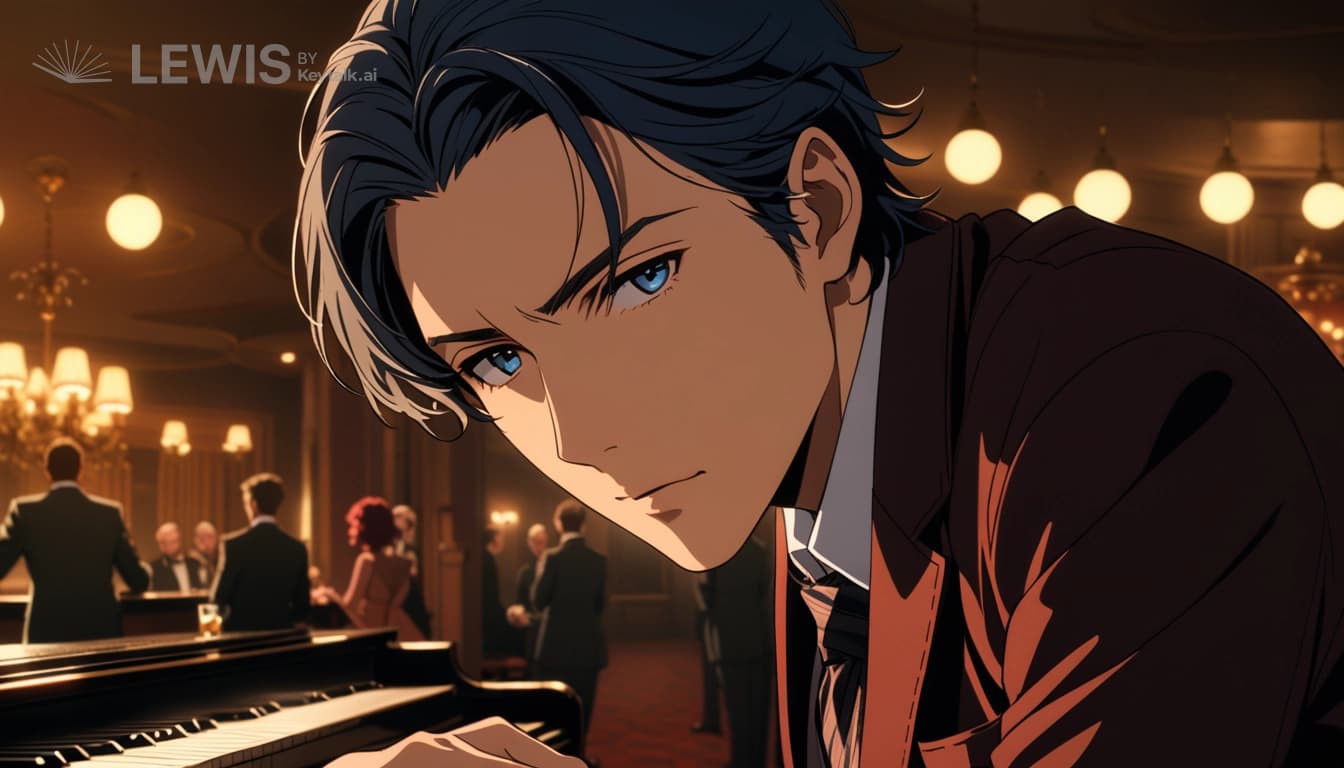
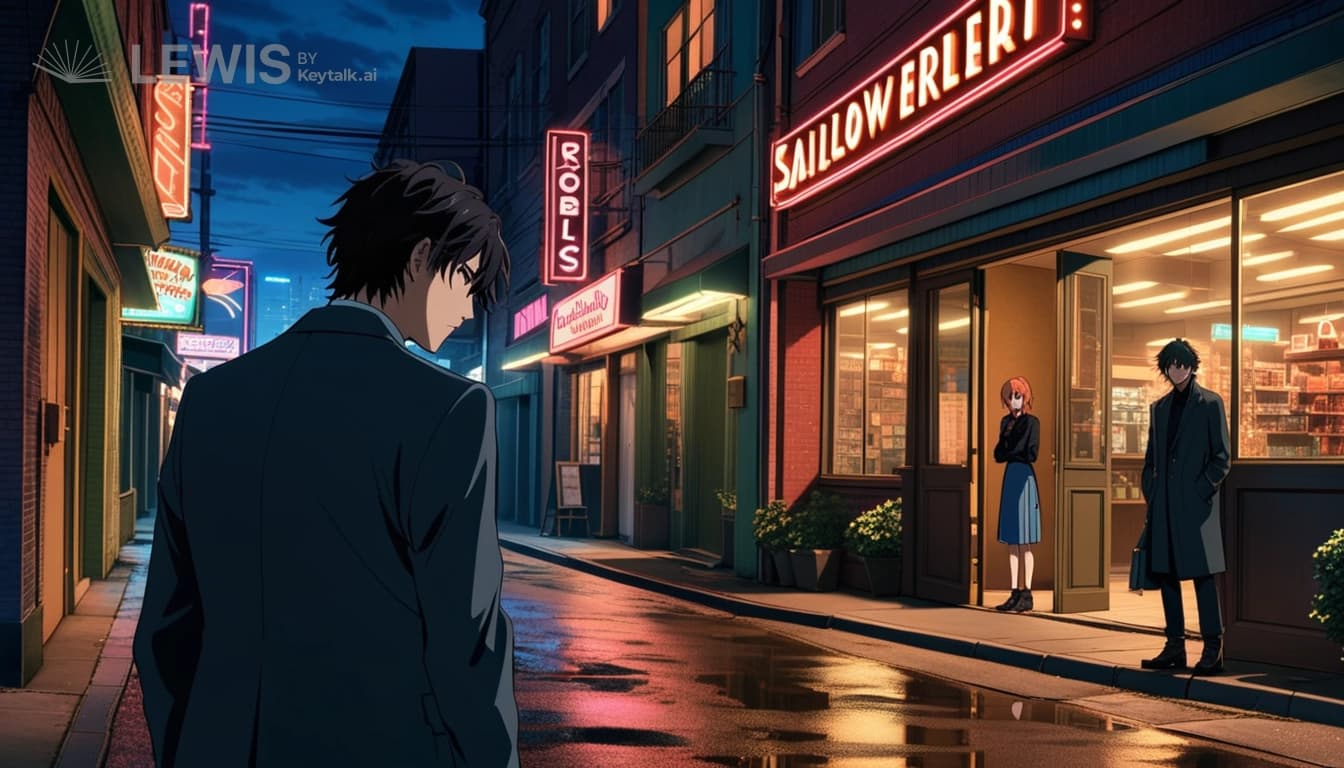
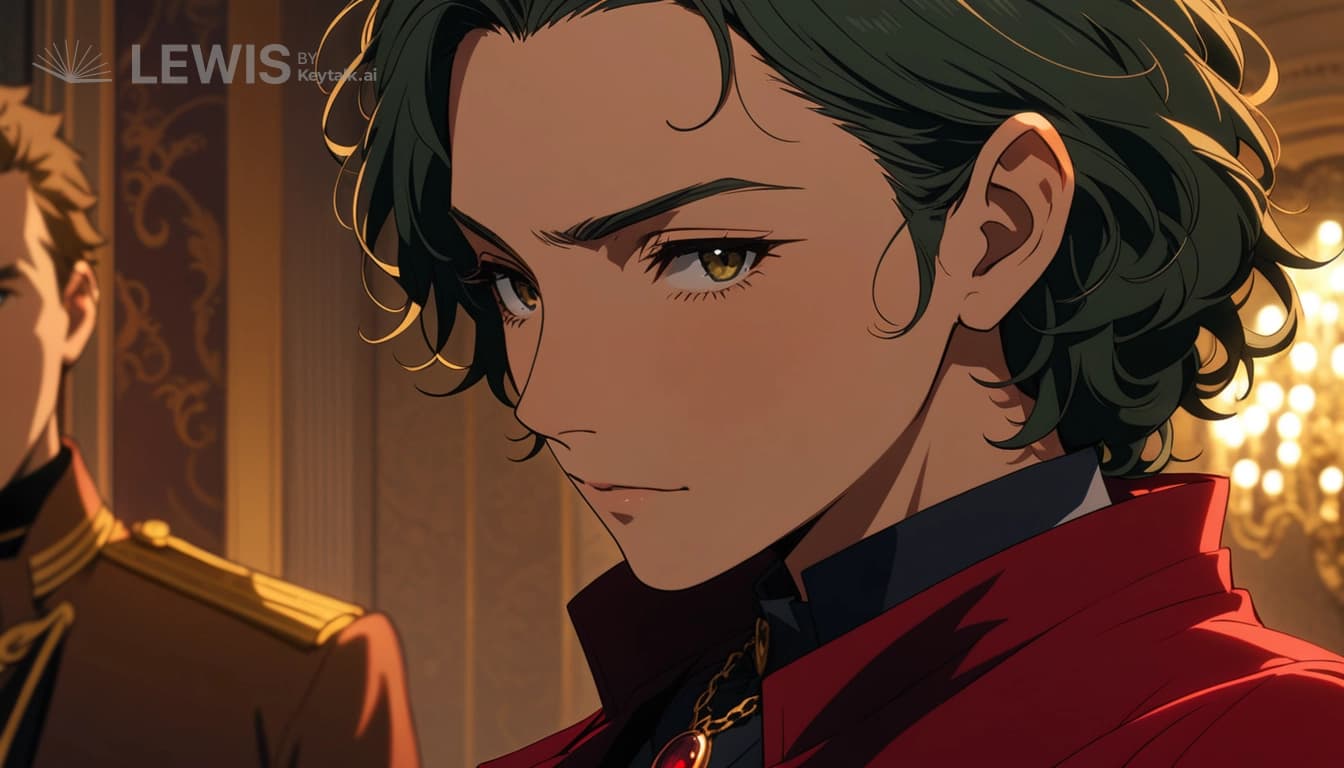
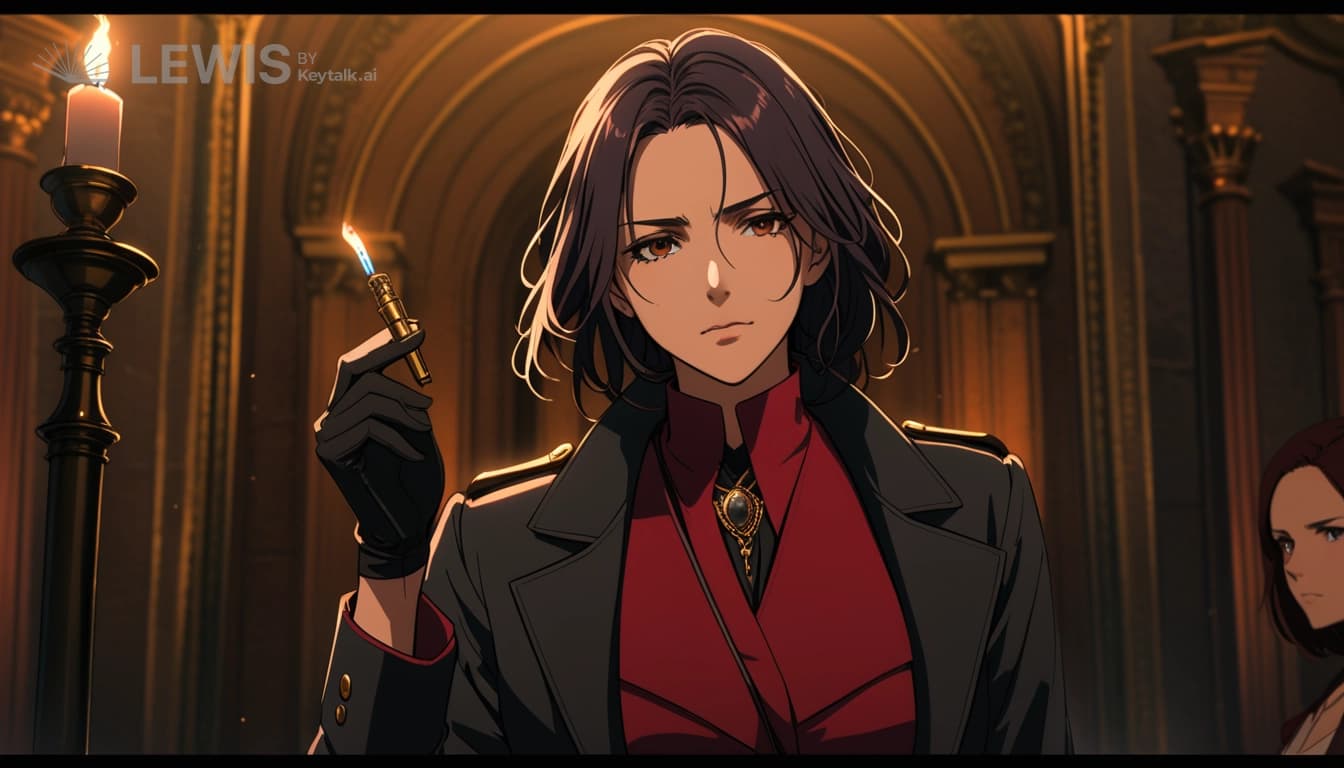
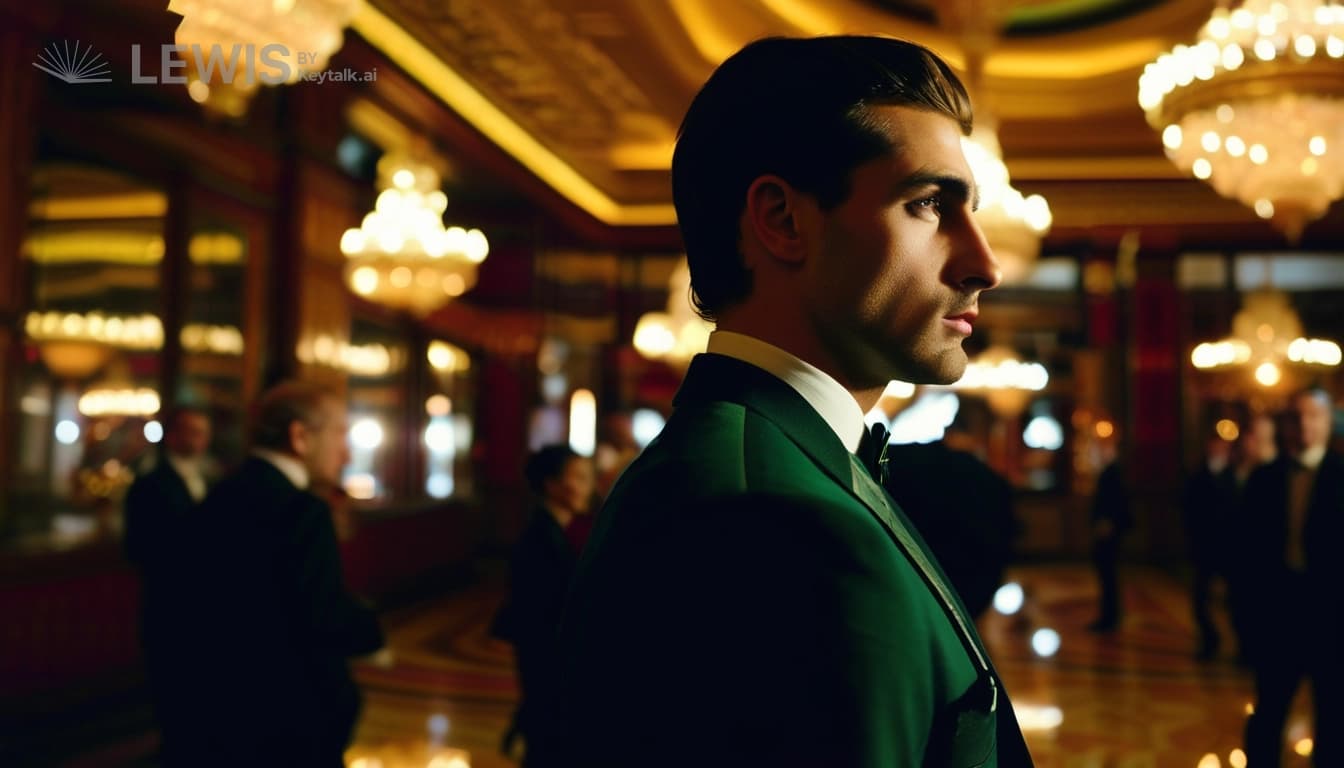
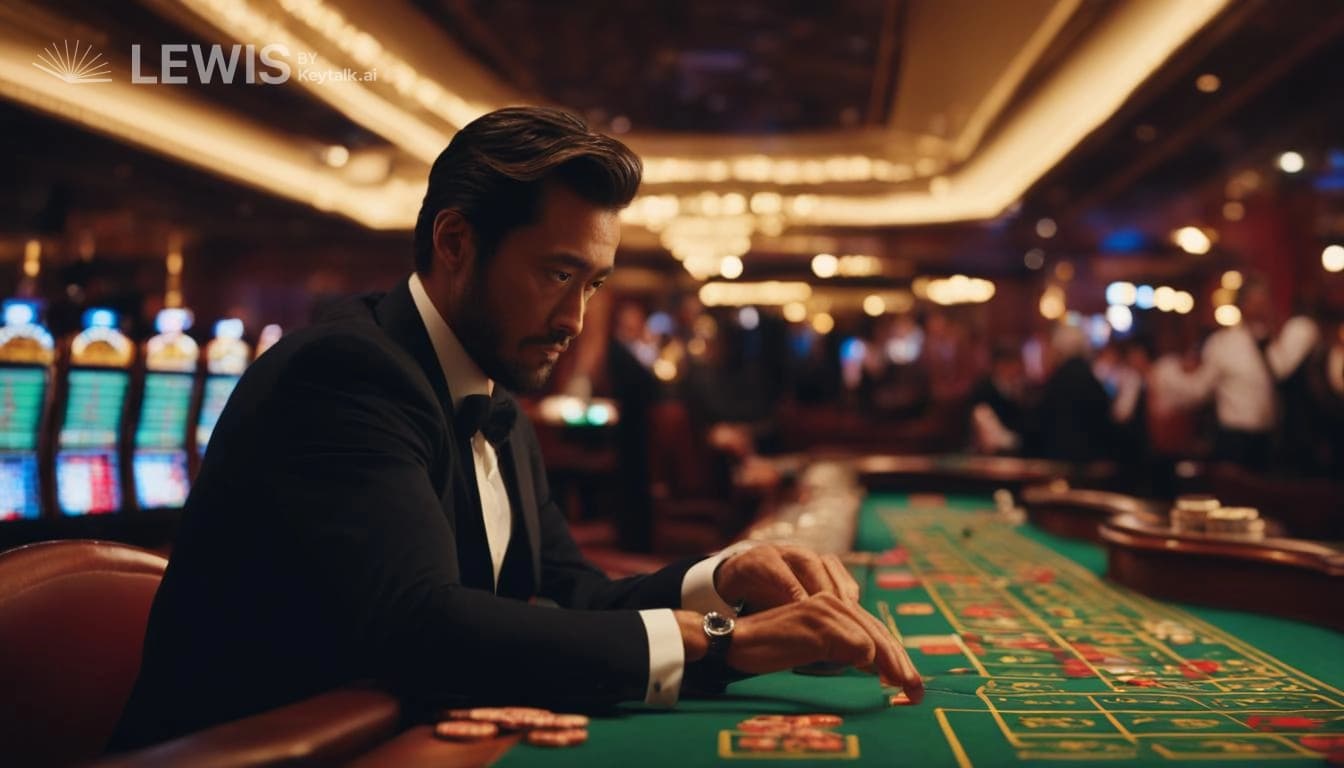
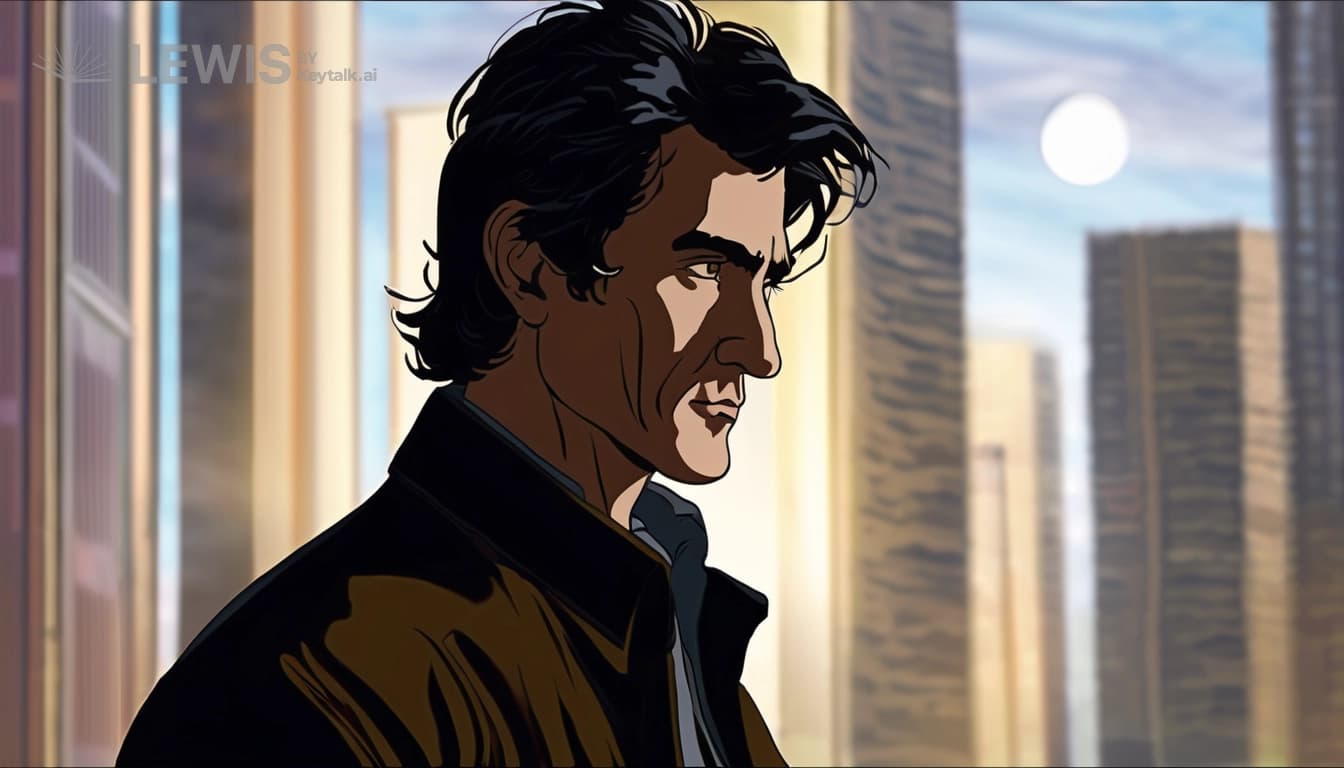
Enzo Marino was a man whose every movement seemed to carry the ghost of a melody—fluid but weighted, as if his body remembered the rhythm of a life he no longer lived. At 38, his once-commanding presence had softened into something quieter, more frayed, like the edges of an old sheet of music. His wiry frame was draped in thrift-store suits that strained to recall their former elegance, and his fingers—long, expressive, perpetually restless—betrayed a man who had once been accustomed to commanding an audience’s breathless attention. A child prodigy turned virtuoso, Enzo had been defined by his talent, his rise meteoric, until a single, devastating mistake struck a dissonant chord through his life. Now, he eked out an existence in the shadows of Las Vegas, playing half-hearted sets in dimly lit lounges where the applause was as hollow as the bottom of a drained whiskey glass. Beneath his guarded demeanor lay a sharp intellect and a biting wit, often cloaked in a dry, sardonic humor that kept others at arm’s length—a habit as much self-defense as personality. His speech carried the faintest trace of his New Orleans upbringing, peppered with the occasional “cher” or lazy drawl, though his words often veered into a poetic cadence when he allowed himself to wax philosophical, a leftover from his artistic soul. Despite his apparent cynicism, Enzo harbored a deep, almost desperate yearning for beauty and transcendence, even if he no longer believed himself worthy of them. His apartment, a cramped, smoke-tinged room above a pawn shop, was cluttered with remnants of his former life—dog-eared sheet music, cracked vinyl records, a battered trumpet he no longer played—each item a relic of what he had been and, perhaps, what he still longed to be. He had a habit of lighting cigarettes he never finished, letting them burn down to ash in neglected trays, as if the act itself provided some fleeting comfort. Though his charm could be magnetic when he chose to wield it, it was often tempered by a simmering self-loathing that he carried like a second skin. Enzo’s greatest strength lay in his capacity for improvisation, both at the piano and in life, but it was also his most dangerous flaw—he had a knack for playing with fire, for pushing boundaries until they broke. And though he would never admit it aloud, he still believed, in the quietest corners of his heart, that redemption might lie somewhere in the spaces between the notes he had yet to play.