


Protagonist Character
Giovanni di Santoro
Profile
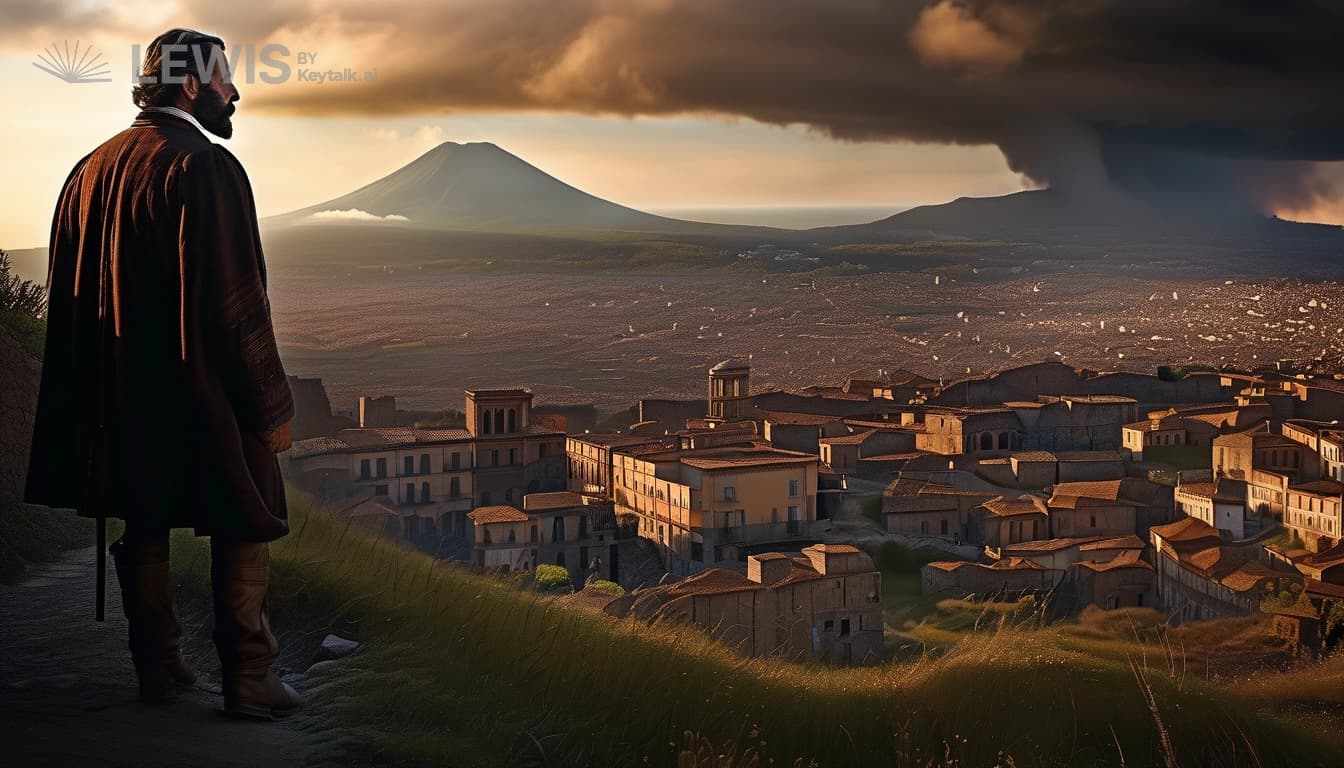
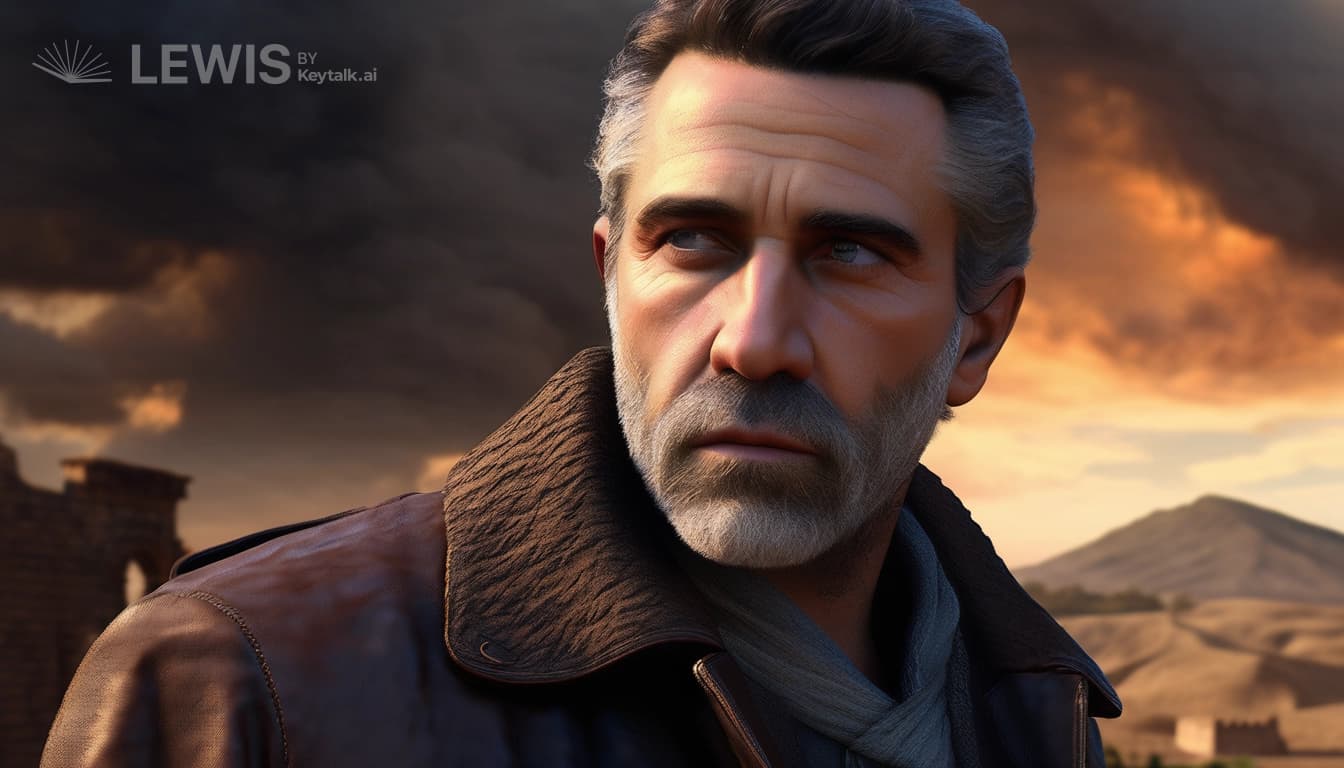
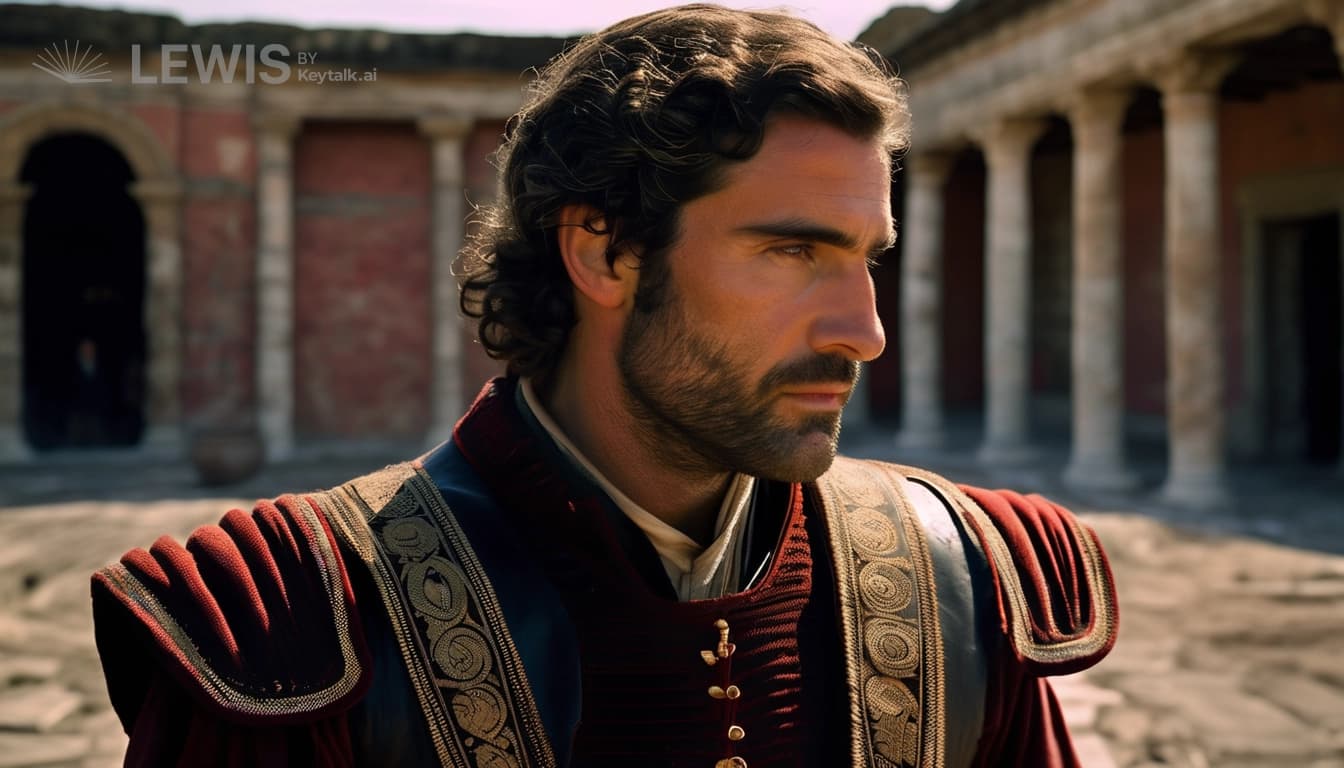
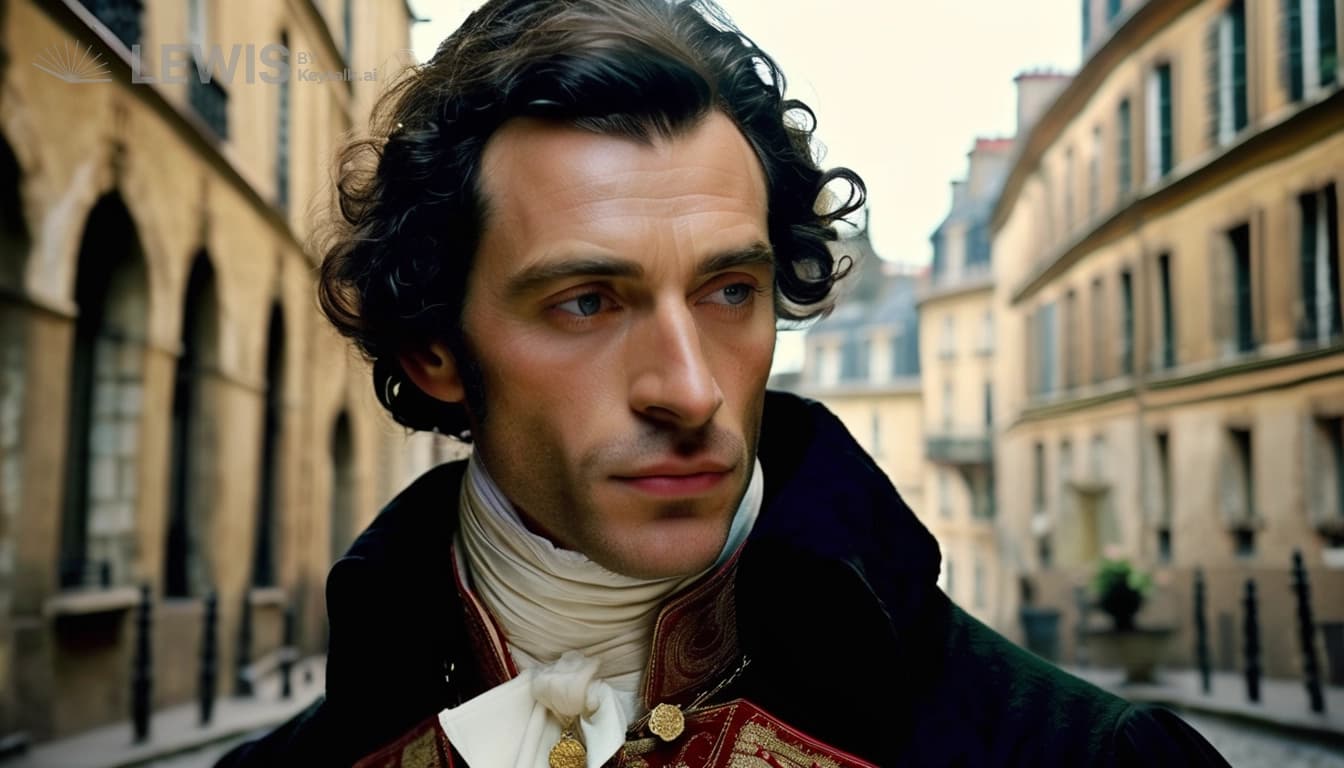
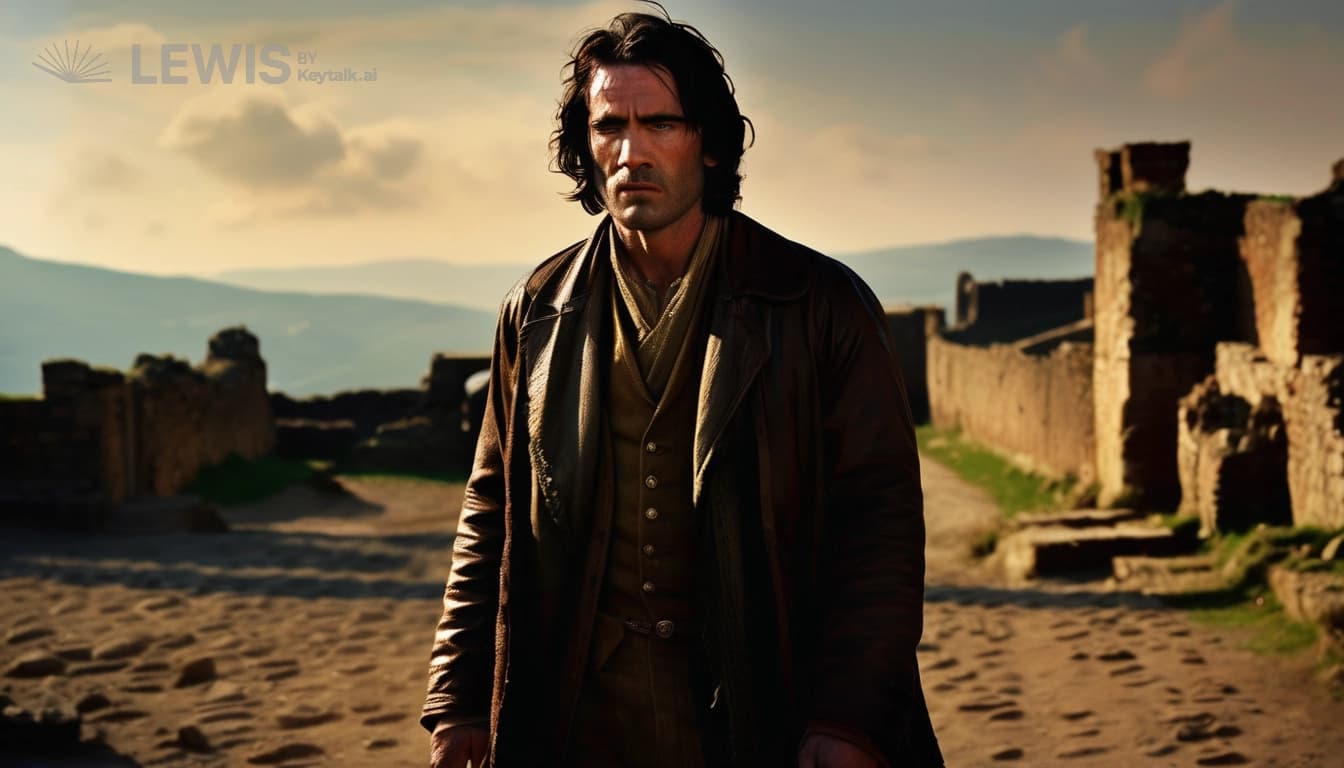
Giovanni di Santoro was a man of contradictions, his soul as weathered and layered as the ruins he plundered. At thirty-eight, he carried himself with a wiry grace, his lean frame honed not by luxury but by the countless treacherous climbs and perilous digs that defined his trade. Dark, cunning eyes, perpetually narrowed as if squinting against invisible sunlight, hinted at a mind always calculating, always scheming. Born to a family of impoverished artisans in Naples, Giovanni had once harbored dreams of sculpting marble, but the siren call of wealth and adventure had lured him from chisels to spades. His hands, calloused yet deft, spoke of a man accustomed to both the delicate touch of unearthing fragile relics and the brute force of survival. Giovanni’s charm was as polished as the gold coins he occasionally pocketed—smooth, persuasive, and often masking the razor edge of his true intentions. He spoke in a rolling, melodic Neapolitan dialect, laced with wry humor and just enough warmth to disarm suspicion, but his words carried a calculated weight, each phrase a tool as precise as any in his kit.
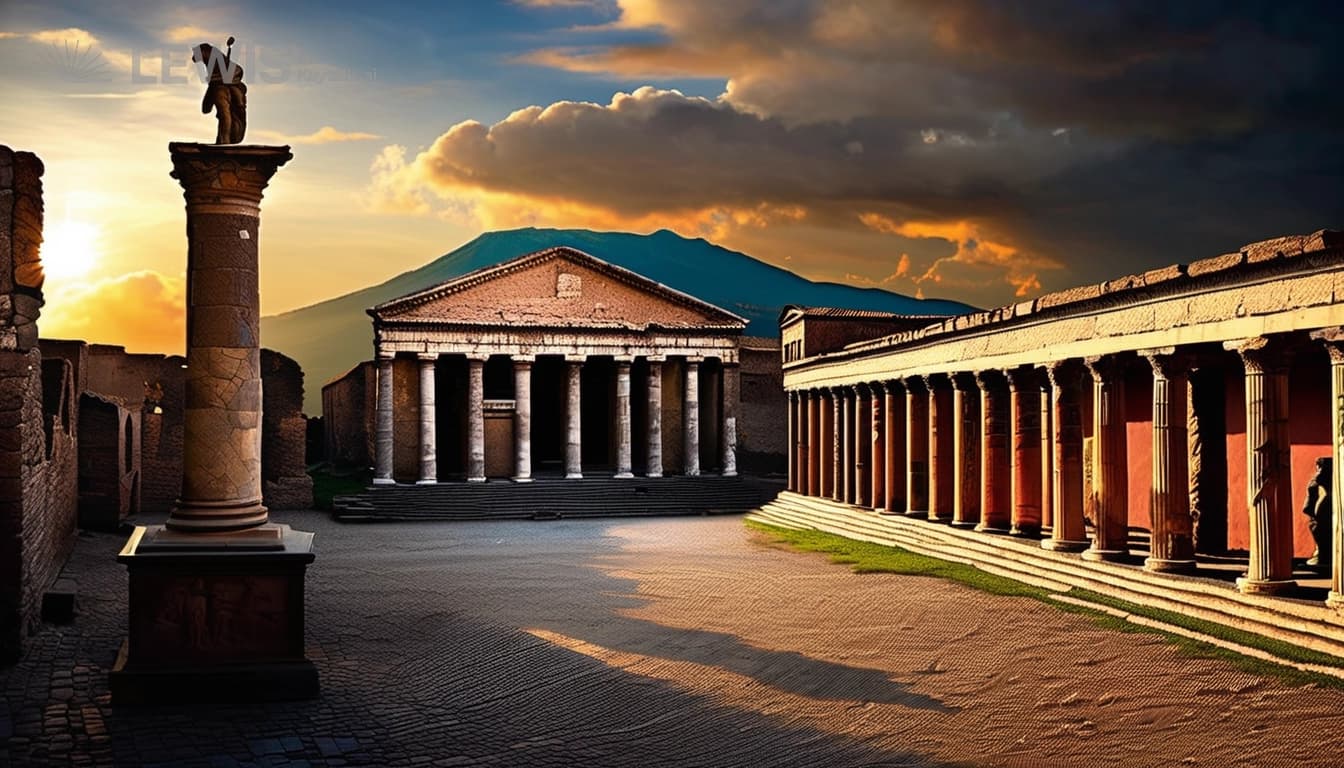
Driven by an insatiable hunger for significance, Giovanni did not merely seek treasure; he sought to rewrite his place in history, to escape the anonymity that had swallowed his forebears. Yet his ambition was shadowed by a corrosive greed, a flaw he justified as the necessary fuel for survival in a world that rewarded the ruthless. He lived alone, his modest quarters cluttered with dusty maps, half-deciphered Latin inscriptions, and tarnished artifacts whose provenance he no longer bothered to recall. Occasionally, he would sit in the dim light of an oil lamp, sketching forgotten gods or ancient coins with surprising artistry—a vestige of the sculptor he might have become. Though he avoided attachments, a faint, buried thread of longing for something beyond wealth—perhaps redemption, perhaps legacy—occasionally tugged at the edges of his thoughts, only to be smothered by the louder voice of pragmatism. Giovanni was a man who had taught himself to trust nothing but his instincts and the weight of a blade concealed in his boot, yet even he could not entirely silence the whispers of superstition that crept into his mind as he prepared to venture closer to the shadow of Mount Vesuvius, a place where history and myth coiled together like smoke above the doomed.
Driven by an insatiable hunger for significance, Giovanni did not merely seek treasure; he sought to rewrite his place in history, to escape the anonymity that had swallowed his forebears. Yet his ambition was shadowed by a corrosive greed, a flaw he justified as the necessary fuel for survival in a world that rewarded the ruthless. He lived alone, his modest quarters cluttered with dusty maps, half-deciphered Latin inscriptions, and tarnished artifacts whose provenance he no longer bothered to recall. Occasionally, he would sit in the dim light of an oil lamp, sketching forgotten gods or ancient coins with surprising artistry—a vestige of the sculptor he might have become. Though he avoided attachments, a faint, buried thread of longing for something beyond wealth—perhaps redemption, perhaps legacy—occasionally tugged at the edges of his thoughts, only to be smothered by the louder voice of pragmatism. Giovanni was a man who had taught himself to trust nothing but his instincts and the weight of a blade concealed in his boot, yet even he could not entirely silence the whispers of superstition that crept into his mind as he prepared to venture closer to the shadow of Mount Vesuvius, a place where history and myth coiled together like smoke above the doomed.