Plot Synopsis
The story begins on a damp, foggy night in a forgotten corner of a city cemetery, where five disparate youths have gathered in secret. There is Elodie Thorne, the entomologist heiress trapped in suffocating silk; Silas Blackwood, a charming rogue whose gambling debts threaten his family’s precarious gentility; the twin siblings Finn and Mary, whose dockworker father’s fists are as heavy as his despair; and Eliza Gannett, a pragmatic printer’s assistant whose parents see her as little more than a source of gin money. Bound by a shared, desperate misery, they perform a half-serious ritual, whispering a collective wish into the oppressive London fog for their parents to simply disappear. They awaken the next morning to an impossible reality: their homes are empty, their guardians vanished without a trace. Their initial, wild euphoria is quickly tempered by a chilling discovery. Left on each of their pillows is an identical, officially printed card stating, "Your guardians have been relocated for civic improvement. Do not attempt contact." The cold, bureaucratic language shatters any illusion of magic, replacing it with the terrifying certainty of an orchestrated abduction.
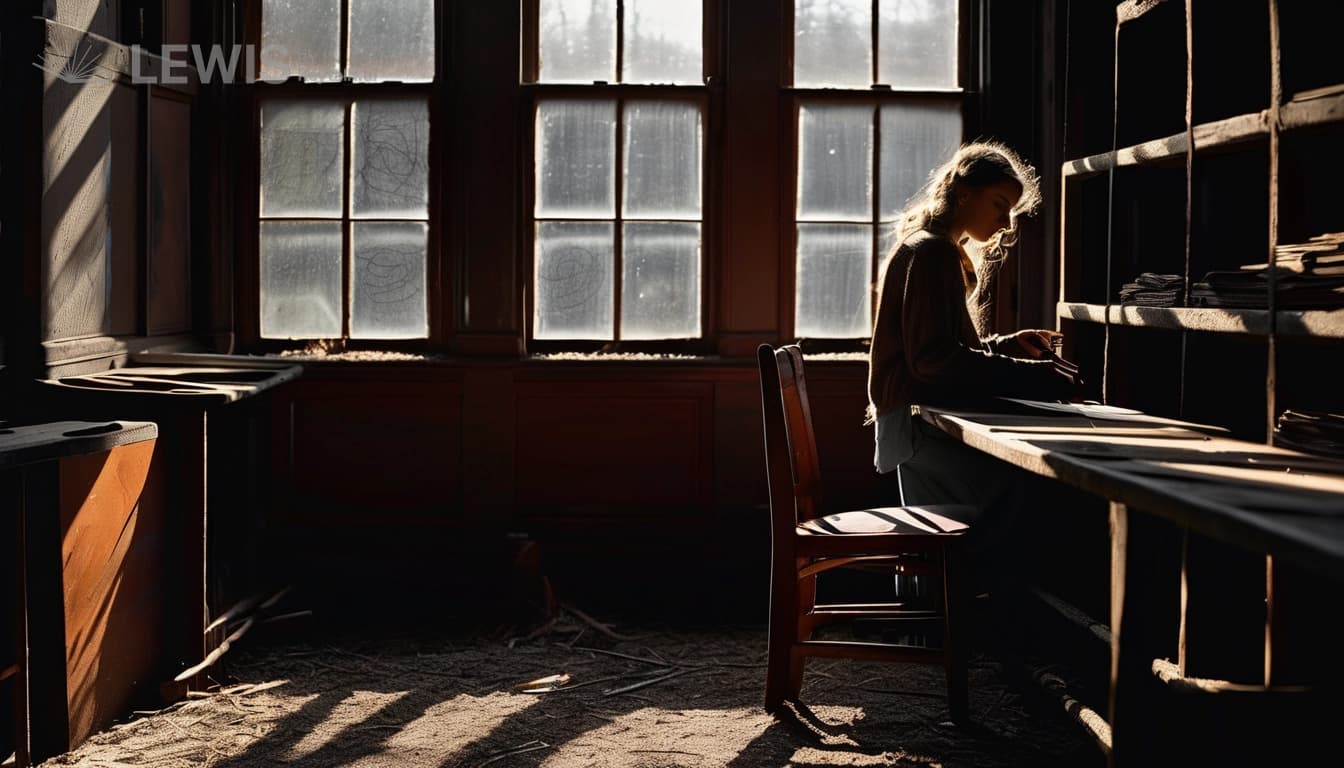
Their newfound freedom quickly reveals itself as a trap. Elodie’s access to her family’s fortune is frozen, Silas is hounded by creditors with no one to protect him, and the twins are left utterly destitute. Only Eliza, accustomed to surviving on the margins, maintains her footing. It is she who recognizes the distinctive typeface and watermarked paper of the note, tracing it not to a government office, but to a high-end private press that officially closed months ago. Their investigation begins in earnest, a dangerous alliance of high society and low, as they start to uncover a pattern. It wasn't just their parents; dozens of others are gone—drunkards and dissidents, but also overly ambitious merchants and society matrons who posed a threat to the city's rigid hierarchy. They are navigating a conspiracy that seeks to prune the city’s family trees, culling any branch deemed undesirable by a hidden, powerful entity. The initial wish for freedom has become a desperate scramble for the truth, forcing them to rely on each other's skills—Elodie's analytical mind, Silas's social maneuvering, Eliza's street-level intelligence—to survive in a city that is suddenly much more dangerous.
The central mystery unravels when Elodie, searching for clues in her own cavernous and silent home, discovers a hidden study belonging to her father, Magistrate Augustus Thorne. The room is a shrine to a chilling obsession with civic order, its walls covered in detailed maps of the city with dozens of homes marked for "extraction." The most damning discovery is a ledger detailing the seizure of assets from the disappeared, and a timeline revealing the truth: Augustus Thorne was never taken. He orchestrated his own disappearance to act as the unseen mastermind of the entire operation. The emotional core of his motive is found locked in a small desk drawer: a silver locket containing a faded portrait of a different woman and a young boy. Elodie realizes with a jolt of horror that this was her father’s first family, lost decades ago in a tenement fire he blamed on the city's poverty and moral decay. His monstrous plan is not one of simple tyranny, but a twisted act of paternalistic grief, an attempt to "save" the city's children from the perceived failings of their parents by force.
Armed with this devastating knowledge, the youths uncover the full, horrifying scope of the "Civic Improvement Project." The abducted parents are not dead, but have been transported to a remote, decommissioned coal mine in Wales—a mine ironically owned by the Thorne estate—and forced into labor. Augustus’s grand vision is to use the confiscated wealth to fund a series of elite academies where the city’s newly "orphaned" children, including the five of them, would be indoctrinated into his vision of a perfect, orderly society. They were meant to be the first success stories, the poster children for a generation raised free from the "taint" of their lineage. The wish they made in the graveyard was not the catalyst but merely a convenient coincidence, their known discontent marking them as ideal subjects for the project's launch. Their desperate desire for freedom was simply the first cog in a machine designed to strip them of it entirely.
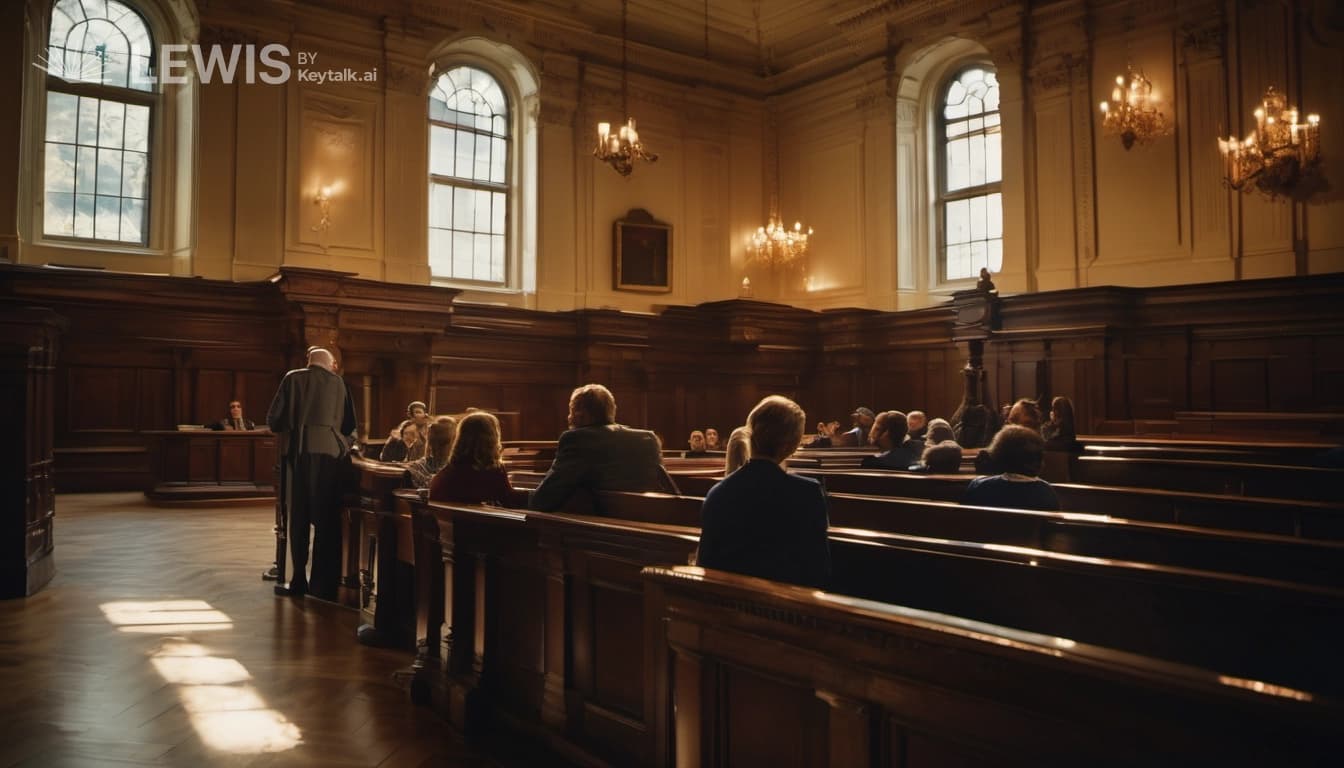
The climax is a two-pronged assault on Augustus Thorne’s empire of grief. As Eliza uses a network of underground presses to print thousands of broadsheets detailing the conspiracy, complete with names, locations, and Augustus's own damning ledgers, Elodie decides to confront her father directly. She finds him not in a villain’s lair, but on the brightly lit stage of a new philanthropic hall, delivering a speech on civic duty to the city's elite. In a moment of shocking public theater, Elodie walks on stage, her voice calm and clear as she lays out his crimes, not as accusations, but as facts. The final blow is not a weapon, but the small silver locket, which she holds up for all to see, exposing the private sorrow that fueled his public monstrosity. At that exact moment, Eliza's broadsheets flood the streets outside, and the city's carefully maintained facade of order cracks and then shatters into pandemonium.
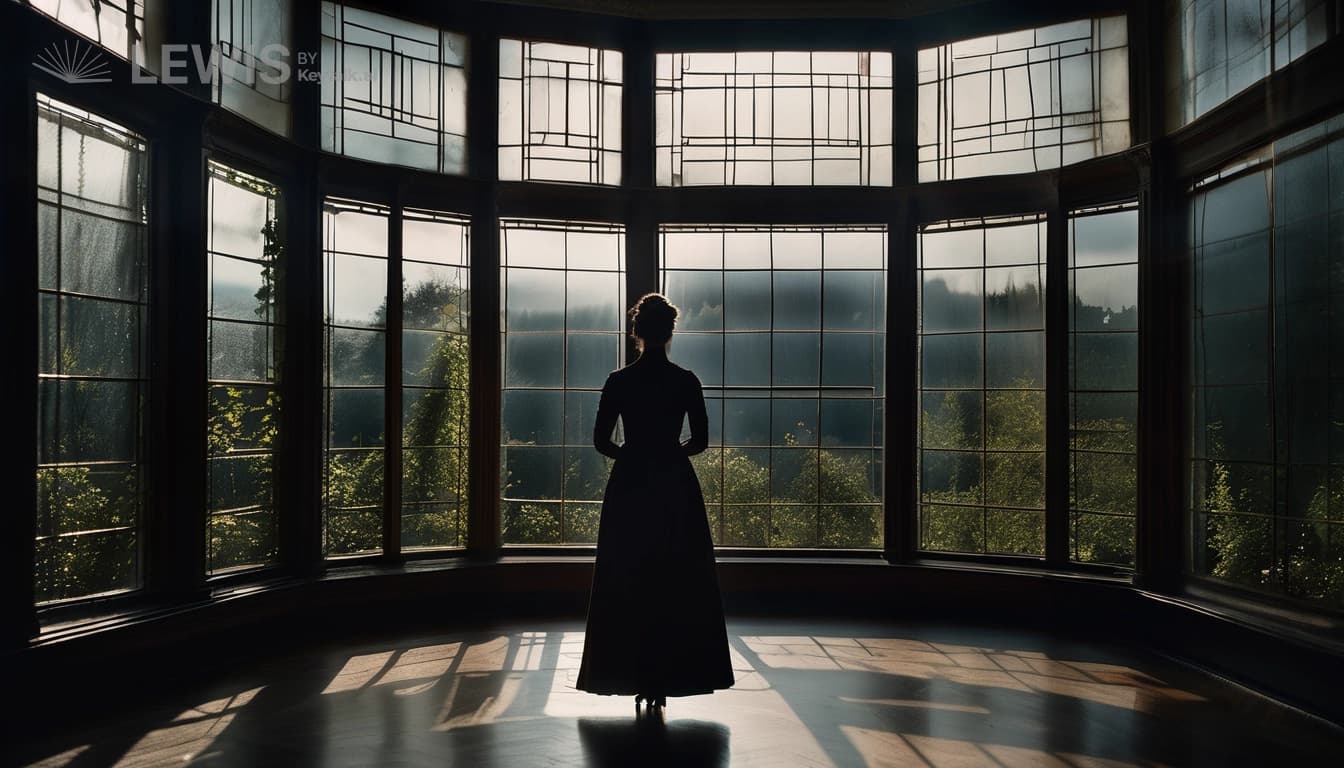
The aftermath is not a clean victory but a messy, bittersweet cauterization of the city's wounds. Augustus, his legacy destroyed and his mind fractured by the public unveiling of his private trauma, flees to the Welsh mine, intending to bury his entire project—and the prisoners within it—forever. Elodie, feeling a chilling sense of inherited responsibility, pursues him for a final confrontation in the collapsing tunnels. Faced with a man who would rather see everyone die than admit failure, she makes a terrible, calculated choice. Using her knowledge of the mine's layout from her family's old schematics, she triggers a targeted demolition, sacrificing her father to a sealed tomb to guarantee the escape of the other prisoners. The parents are freed, but they are traumatized, hollow shells of their former selves, and the families the youths once knew are gone forever. In the ensuing power vacuum, Eliza’s press becomes a formidable voice for a new, uncertain future. Elodie, now the solitary head of a tarnished dynasty, finally completes her metamorphosis. Standing in her quiet conservatory, she is no longer the fragile stick insect, but a creature who has shed her skin, emerging into a harsh new world she helped create, forever defined by the monstrous act that set her free.